Key Takeaways
- Diabetes affects the eyes, kidneys, nerves, heart, blood vessels, feet and mouth. Over 80% of type 2 diabetics in UAE hospital studies had at least one complication.
- Microvascular complications (retinopathy, nephropathy, neuropathy) are roughly twice as common as macrovascular ones (heart disease, stroke, peripheral artery disease) in regional data.
- Many complications develop silently. Regular screening with HbA1c, kidney function tests, eye exams and foot checks can catch damage years before symptoms appear.
- Warning signs that need urgent attention include sudden vision changes, chest pain or pressure, numbness spreading rapidly, foot ulcers that do not heal and dark or bloody urine.
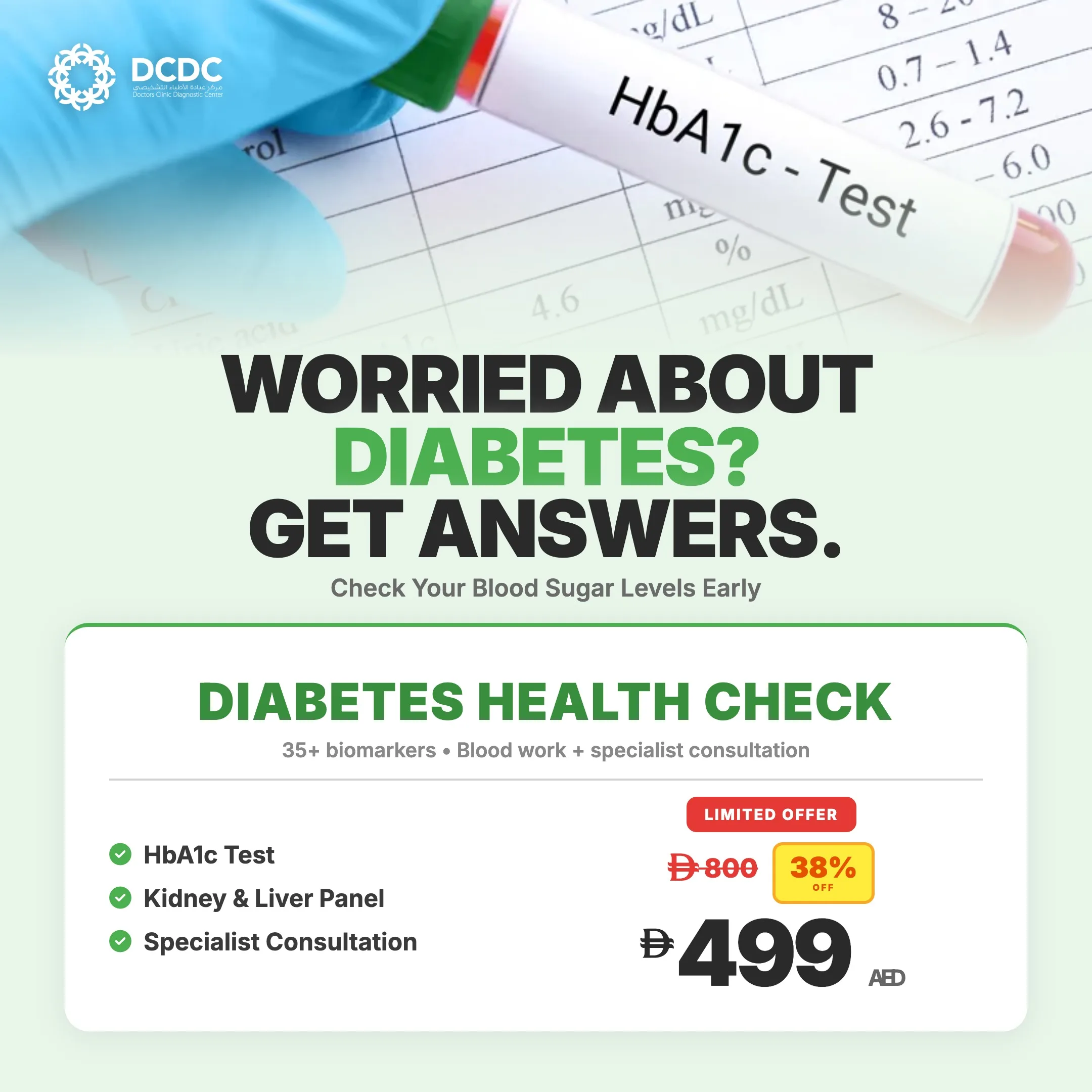
- At DCDC in Dubai Healthcare City, a diabetes screening panel starts at AED 149 for HbA1c, with a full diabetes panel at AED 499 and GP consultation from AED 249.
The UAE has one of the highest diabetes prevalence rates in the world, estimated at 21 to 23 percent among nationals, and complications are far more common than many patients realise. A cross-sectional study of type 2 diabetics attending Dubai clinics found neuropathy in 34 percent, retinopathy in 28 percent and nephropathy in nearly 17 percent of patients. With World Diabetes Day on 14 November, this is the right time to understand what uncontrolled blood sugar does to the body and which warning signs should never be ignored. At DCDC's Diabetes Clinic in Dubai Healthcare City, screening and specialist referrals happen under one roof.
This guide covers every major type of diabetes complication, from the small-vessel damage that harms the eyes, kidneys and nerves to the large-vessel disease that raises the risk of heart attack and stroke. It explains the warning signs for each, the recommended screening schedule, what tests cost at DCDC and what to expect during a screening visit. Whether you have been living with diabetes for years, were recently diagnosed or are monitoring pre-diabetes, this hub links to our in-depth guides on each complication so you can explore any topic further.
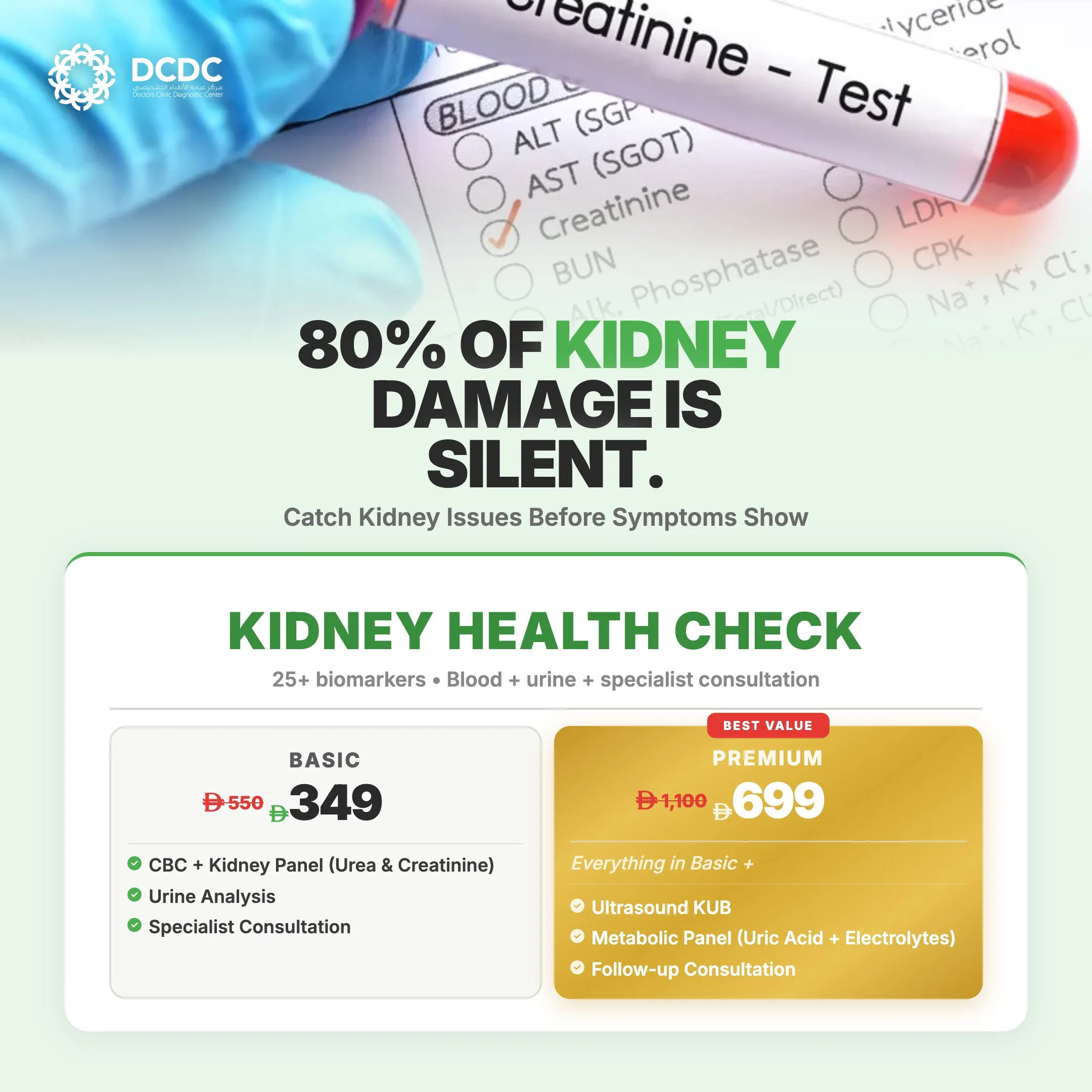
Health Screening Packages
Save with our bundled screening packages — specialist consultation included




What Are Diabetes Complications?
Diabetes complications are health problems that develop when blood sugar stays above target levels for months or years. High glucose damages blood vessels, nerves and organs throughout the body. The damage is usually gradual and painless in the early stages, which is why regular screening matters far more than waiting for symptoms.
Complications are broadly divided into two groups. Microvascular complications affect small blood vessels and include damage to the eyes (retinopathy), kidneys (nephropathy) and nerves (neuropathy). Macrovascular complications affect large blood vessels and include coronary artery disease, stroke and peripheral artery disease. A third group of complications, including foot problems, dental disease, skin conditions and mental health effects, often involves both types of vessel damage or separate mechanisms.
In an Abu Dhabi hospital study, over 80 percent of type 2 diabetes patients had at least one complication, and the rate climbed to 94 percent in those over 65. These are not rare outcomes. They are the expected course when diabetes is not well controlled, which makes early detection and proactive management essential. For a full overview of managing your blood sugar targets, see our diabetes management guide.
Microvascular Complications of Diabetes
Microvascular complications develop when high blood sugar damages the tiny blood vessels that supply the eyes, kidneys and peripheral nerves. They are the most common complications in the UAE, occurring at roughly twice the rate of macrovascular problems according to regional data.
Diabetic Retinopathy (Eye Damage)
Diabetic retinopathy occurs when high blood sugar weakens the small blood vessels in the retina. The damaged vessels can leak fluid, swell or grow abnormally, leading to blurred vision and, if untreated, blindness. In the Dubai clinic study, retinopathy was present in 28 percent of type 2 diabetics.
Warning signs to watch for:
- Blurred or fluctuating vision, especially after meals or in the morning
- Dark spots or floaters drifting across your field of vision
- Difficulty seeing at night or in low light
- Colours appearing faded or washed out
- A dark or empty area in the centre of your vision
An annual dilated eye exam is the standard screening recommendation. Early retinopathy can be managed with laser treatment and tighter blood sugar control, preventing progression to vision-threatening disease.
Diabetic Nephropathy (Kidney Damage)
Diabetic nephropathy is progressive kidney damage caused by years of high blood sugar and often high blood pressure. The kidneys' filtering units (glomeruli) become scarred and leak protein into the urine. Over time this can progress to chronic kidney disease (CKD) and, in severe cases, kidney failure requiring dialysis. In the Dubai study, nephropathy was present in 16.7 percent of patients. For an in-depth look at kidney damage from diabetes, read our diabetic nephropathy prevention guide.
Warning signs to watch for:
- Swelling in the ankles, feet, hands or face (fluid retention)
- Foamy or frothy urine (a sign of protein leaking into urine)
- Needing to urinate more often, especially at night
- Persistent fatigue and difficulty concentrating
- Nausea, loss of appetite or a metallic taste in the mouth (later stages)
- Blood pressure that is harder to control despite medication
Annual urine albumin-to-creatinine ratio (uACR) and estimated GFR blood tests catch nephropathy at the microalbuminuria stage, when treatment with ACE inhibitors or ARBs can slow or stop progression. Learn more about what kidney testing involves in our kidney function test guide and the stages of chronic kidney disease.
Diabetic Neuropathy (Nerve Damage)
Diabetic neuropathy is the most common complication in local data, affecting 34 percent of diabetics in the Dubai study. High blood sugar damages nerve fibres throughout the body. The most frequent form is peripheral neuropathy, which affects the feet and legs first, then the hands and arms. Autonomic neuropathy affects the nerves controlling internal organs, including the heart, digestive system and bladder.
Warning signs of peripheral neuropathy:
- Tingling, burning or pins-and-needles sensation in the feet or hands
- Numbness that starts in the toes and gradually spreads upward
- Sharp or stabbing pain that worsens at night
- Increased sensitivity to touch (even bedsheets feel painful)
- Muscle weakness or difficulty walking
- Loss of balance or coordination
Warning signs of autonomic neuropathy:
- Dizziness or fainting when standing up (orthostatic hypotension)
- Resting heart rate that stays fast (above 100 bpm)
- Bloating, nausea or feeling full quickly (gastroparesis)
- Unexplained diarrhoea or constipation
- Difficulty emptying the bladder completely
- Erectile dysfunction in men
For detailed information on nerve damage, its causes and treatment options, see our guides on neuropathy treatment and peripheral neuropathy symptoms.
Macrovascular Complications of Diabetes
Macrovascular complications involve damage to the large blood vessels. Diabetes accelerates atherosclerosis, the build-up of fatty deposits in artery walls, which raises the risk of heart attack, stroke and poor circulation in the legs. People with diabetes develop cardiovascular disease roughly 2 to 4 times more often than those without, and it tends to appear 10 to 15 years earlier.
Heart Disease and Stroke
Cardiovascular disease is the leading cause of death among people with type 2 diabetes. High blood sugar damages the lining of arteries, promotes plaque formation and makes blood clots more likely. Diabetes also changes the cholesterol pattern: triglycerides tend to be high, HDL (good) cholesterol tends to be low, and LDL particles become small and dense, making them more harmful even when the LDL number looks only mildly raised.
Warning signs to watch for:
- Chest pain, pressure or tightness, especially during activity
- Shortness of breath with minimal exertion or at rest
- Unusual fatigue that does not improve with sleep
- Pain or discomfort in the jaw, neck, back or left arm
- Sudden weakness or numbness on one side of the body (stroke)
- Slurred speech or sudden difficulty understanding words (stroke)
- Sudden severe headache with no known cause (stroke)
An important point: nerve damage from diabetes can cause silent heart attacks, where the usual chest pain is absent. Symptoms may be limited to fatigue, nausea or mild breathlessness. This is why proactive cardiac screening matters. Read our full guide on diabetes and heart disease risk and heart disease warning signs.
Peripheral Arterial Disease (PAD)
Peripheral arterial disease is the narrowing of arteries supplying the legs and feet. Reduced blood flow means tissues heal slowly and are more vulnerable to infection. PAD often coexists with neuropathy, creating a dangerous combination: the patient cannot feel injuries and the blood supply is too poor to heal them.
Warning signs to watch for:
- Leg pain or cramping when walking that eases with rest (intermittent claudication)
- Cold feet or toes, especially one foot colder than the other
- Weak or absent pulse in the foot
- Shiny, discoloured skin on the legs
- Wounds or sores on the feet or toes that heal very slowly
- Hair loss on the lower legs
Other Diabetes Complications
Diabetic Foot Problems
Foot complications are one of the most preventable yet most feared outcomes of diabetes. The combination of neuropathy (loss of feeling), poor circulation (slow healing) and high blood sugar (increased infection risk) means that a small cut, blister or pressure sore can escalate into a deep ulcer or bone infection. Severe cases may require amputation, which accounts for a significant proportion of non-traumatic amputations worldwide.
Warning signs to watch for:
- Any wound, blister or cut on the foot that does not heal within a few days
- Redness, warmth or swelling around a wound
- Foul-smelling discharge from a foot sore
- Blackened skin (gangrene) on toes or the sole
- Changes in foot shape or sudden collapse of the arch (Charcot foot)
Daily foot inspection is critical. For a complete guide to protecting your feet, read our diabetic foot care and prevention guide.
Oral Health and Dental Complications
Diabetes increases the risk of gum disease (periodontitis), and the relationship is bidirectional: gum disease can also make blood sugar harder to control. High blood sugar reduces saliva flow, promotes bacterial growth and slows tissue healing in the mouth. Diabetics are also more prone to oral thrush (candidiasis), dry mouth and slower recovery after dental procedures.
Warning signs to watch for:
- Bleeding, swollen or receding gums
- Persistent bad breath despite good oral hygiene
- Loose teeth or changes in bite alignment
- Dry mouth, burning sensation or white patches (thrush)
- Slow healing after tooth extraction or dental surgery
Dental visits every six months are recommended for diabetics. Our full guide on diabetes and dental health explains the connection in detail and what DCDC's dental and diabetes teams offer together.
Skin Conditions
Diabetes affects the skin in several ways. High blood sugar can cause dryness, itching and slow wound healing. Bacterial and fungal skin infections are more common, including boils, styes, folliculitis and yeast infections in skin folds. Some conditions are specific to diabetes, such as diabetic dermopathy (brown patches on the shins), necrobiosis lipoidica (waxy raised patches) and acanthosis nigricans (dark, velvety patches in skin creases that often signal insulin resistance).
Warning signs: Frequent skin infections, slow-healing cuts, persistent itching, unusual dark patches on the neck or armpits, or yellow, waxy bumps on the skin. If you notice signs of insulin resistance such as dark skin patches, get screened early.
Mental Health Impact
Living with a chronic condition that requires constant self-management takes a psychological toll. People with diabetes have roughly two to three times the risk of depression compared with the general population, and depression in turn makes blood sugar harder to control. Diabetes distress, a distinct condition characterised by frustration, overwhelm and burnout from the daily demands of managing diabetes, affects up to 45 percent of patients at some point.
Warning signs: Persistent low mood, loss of interest in activities, sleep problems, difficulty concentrating, skipping medications or blood sugar checks, feeling overwhelmed by diabetes management, and withdrawal from social activities. Raising these concerns with your doctor is important because treatment for depression improves both mental health and blood sugar control.
Warning Signs Your Diabetes May Be Getting Worse
Not every symptom requires an emergency visit, but some demand immediate attention. Use the guide below to decide when to act.
Seek Immediate Medical Care (Same Day or Emergency)
- Chest pain or pressure that lasts more than a few minutes, especially with shortness of breath, sweating or nausea
- Sudden vision loss or a dark curtain across part of your visual field
- Sudden weakness, numbness or speech difficulty on one side of the body (possible stroke)
- Signs of diabetic ketoacidosis: nausea, vomiting, abdominal pain, rapid breathing, fruity breath odour and confusion
- Severe hypoglycaemia: confusion, seizure or loss of consciousness
- Foot wound with spreading redness, fever or foul discharge
- Blood in urine, especially combined with back pain or fever
Schedule an Appointment Within a Week
- Persistent tingling or numbness in feet or hands that is new or worsening
- Blurred vision or new floaters that do not clear within a day
- Swollen ankles or feet that persist despite elevation and rest
- Frequent urination at night (more than two to three times) that is a new pattern
- Unexplained weight loss despite eating normally
- Recurring skin or urinary infections
- Erectile dysfunction or changes in sexual function
- HbA1c above target for two consecutive readings despite following your treatment plan
If you are unsure, it is always better to contact your doctor than to wait. At DCDC, same-day GP appointments are often available, and urgent lab results can be prioritised.
Recommended Screening Schedule for Diabetes Complications
Regular screening catches complications before symptoms appear, when treatment is most effective. The following schedule is based on recommendations from the American Diabetes Association (ADA) Standards of Medical Care.
| Screening Test | Frequency | What It Detects |
|---|---|---|
| HbA1c | Every 3 to 6 months | Average blood sugar control over 2 to 3 months |
| Fasting blood glucose | At each visit or as directed | Current blood sugar level |
| Kidney function (eGFR + urine albumin) | Annually | Early kidney damage (nephropathy) |
| Dilated eye exam | Annually for type 2; within 5 years of type 1 diagnosis then annually | Retinopathy and other eye changes |
| Foot examination | Visual check at every visit; comprehensive exam annually | Neuropathy, circulation problems, ulcers and deformities |
| Lipid profile (cholesterol and triglycerides) | Annually | Cardiovascular risk factors |
| Blood pressure | Every visit | Hypertension, a major driver of kidney and heart complications |
| Thyroid function (TSH) | At diagnosis for type 1; as needed for type 2 | Thyroid disorders, which are more common in type 1 diabetes |
| Dental examination | Every 6 months | Gum disease and oral complications |
Recommended diabetes complications screening schedule based on ADA guidelines
You can learn more about specific tests in our guides to the HbA1c test, the difference between HbA1c and fasting blood sugar, and diabetes testing costs in Dubai.
DCDC Diabetes Screening Tests and Pricing
DCDC offers all the screening tests recommended for diabetes complications monitoring. Prices below are current approved rates.
| Test or Service | DCDC Price | Notes |
|---|---|---|
| HbA1c test | AED 149 | Measures 2–3 month blood sugar average |
| Fasting glucose test | AED 99 | Single fasting blood sugar level |
| Diabetes panel (comprehensive) | AED 499 | Includes HbA1c, glucose, lipid profile and kidney markers |
| Kidney function panel | AED 149 | Creatinine, eGFR and electrolytes |
| Lipid profile | AED 199 | Total cholesterol, LDL, HDL, triglycerides |
| GP consultation | From AED 249 | Initial assessment, results review and referrals |
| Endocrinology consultation | From AED 299 | Specialist diabetes and thyroid management |
| Home lab collection | AED 199 per visit | Added to test prices; nurse collects samples at your home |
DCDC diabetes screening prices (2026)
For patients who prefer testing at home, DCDC's home nursing service can collect blood samples at your doorstep for an additional AED 199 collection fee. Test prices remain the same.
What to Expect at DCDC for Diabetes Screening
Understanding what happens during a screening visit removes the uncertainty that keeps many patients from booking. Here is the typical process at DCDC in Dubai Healthcare City.
Before Your Visit
- Book a GP or diabetes clinic appointment online, by phone or via WhatsApp.
- If fasting blood work is needed, your booking confirmation will instruct you to fast for 8 to 12 hours before the appointment.
- Bring a list of your current medications, recent lab results from other providers and your insurance card.
During Your Visit
- Registration and vitals: The reception team checks you in and a nurse records your weight, blood pressure and blood sugar.
- Blood draw: On-site phlebotomy collects samples for HbA1c, glucose, kidney function, lipid profile or any other tests your doctor orders. Results for routine panels are typically available the same day or next morning.
- Consultation: Your GP or diabetes specialist reviews your results, examines your feet, discusses symptoms and adjusts your treatment plan as needed.
- Referrals if needed: If screening suggests eye, kidney, heart or nerve problems, the doctor refers you to the relevant specialist within DCDC, so follow-up appointments happen in the same building.
After Your Visit
- You receive your lab results digitally and can discuss them at your next appointment or via a follow-up call.
- The doctor sets a date for your next screening based on ADA guidelines and your individual risk factors.
- If you need home follow-up blood work, the clinic arranges a home lab collection visit.
DCDC is located in Building 64, Block A, Al Razi Medical Complex, Dubai Healthcare City, and is open Saturday to Thursday 8 AM to 10 PM and Friday 9 AM to 9 PM. The clinic accepts over 20 insurance providers.
Preventing and Slowing Diabetes Complications
Research consistently shows that tighter blood sugar, blood pressure and cholesterol control significantly reduces the risk of complications. The key evidence-based strategies include:
- Blood sugar control: An HbA1c target of around 7 percent (53 mmol/mol) or lower for most adults reduces microvascular complications by roughly 25 percent. Work with your doctor to set a personalised target.
- Blood pressure management: Keeping blood pressure below 130/80 mmHg protects the kidneys, eyes and cardiovascular system.
- Cholesterol management: Statins are recommended for most people with diabetes over 40 or those with additional cardiovascular risk factors.
- Healthy eating: A balanced diet rich in vegetables, whole grains, lean protein and healthy fats supports blood sugar and weight management. Our diabetic diet guide provides practical meal planning advice.
- Regular physical activity: At least 150 minutes per week of moderate aerobic exercise improves insulin sensitivity and cardiovascular health.
- Not smoking: Smoking accelerates every vascular complication. Quitting reduces risk quickly.
- Medication adherence: Taking diabetes, blood pressure and cholesterol medications as prescribed is one of the most powerful protective steps.
- Regular screening: Following the screening schedule above catches problems while they are still treatable.
If you have been told you have pre-diabetes, lifestyle changes at this stage can often prevent progression to type 2 diabetes entirely. Understanding the differences between type 1 and type 2 diabetes helps you understand which prevention strategies apply.
Book Your Diabetes Complications Screening at DCDC
Comprehensive diabetes screening including HbA1c, kidney function and lipid profile is available at DCDC in Dubai Healthcare City. Early detection gives you the best chance of preventing or slowing complications.
Call 800-DCDC (3232) or WhatsApp to book your appointment.
Related Services at DCDC
Expert care and advanced diagnostics at Dubai Healthcare City
Frequently Asked Questions
Final Thoughts
Diabetes complications are common but not inevitable. The UAE's high diabetes prevalence makes awareness especially important, and with World Diabetes Day each November, it is a good time to review your screening schedule. The key message from decades of research is consistent: keeping blood sugar, blood pressure and cholesterol at target levels, combined with regular screening, dramatically reduces the risk of every major complication.
At DCDC in Dubai Healthcare City, diabetes screening, specialist consultations and follow-up care are available under one roof. Whether you need a routine HbA1c check or a comprehensive diabetes panel, booking is available online, by phone or via WhatsApp. The earlier complications are caught, the more options you have to protect your health.
Sources & References
This article references the following sources:
- Prevalence of Complications in Type 2 Diabetics in Dubai, UAE — Abu Dhabi University Repository
- Prevalence of Diabetes Mellitus and Its Complications in a Population-Based Sample in Al Ain — UAE University
- WHO — Diabetes Fact Sheet
- American Diabetes Association — Standards of Medical Care in Diabetes
- IDF Diabetes Atlas — Middle East and North Africa
This information is educational and does not replace individual medical advice. See our editorial policy for more information.

Written by
Dr. Hadeel Elnur
General Practitioner
MD, General Practice
Dr. Hadeel Elnur is a General Practitioner at Doctors Clinic Diagnostic Center (DCDC) in Dubai Healthcare City.
Related Articles

Diabetic Nephropathy Dubai: Prevention Guide

Diabetic Foot Care Dubai: Warning Signs

Diabetes and Heart Disease Dubai: Risk Guide

Neuropathy Treatment Dubai: Nerve Pain Guide
Diabetes Management Dubai: Complete Guide
More in Internal Medicine
Diabetes and Heart Disease Dubai: Risk Guide (2026)
Read More
Indigestion Dubai: Causes & When to Worry (2026)
Read More
Blood in Stool Dubai: Causes & When to Worry (2026)
Read MoreSigns of Lupus Dubai: Autoimmune Guide (2026)
Read More
Elevated Liver Enzymes: Causes & Next Steps (2026)
Read More
H. Pylori Test Cost Dubai: From AED 300 (2026)
Read More© 2026 Doctors Clinic Diagnostic Center (DCDC), Dubai Healthcare City. Originally published at https://doctorsclinicdubai.ae/blog/diabetes-complications-warning-signs-dubai. All rights reserved. Unauthorized reproduction is prohibited.