
Book Your Appointment
Verified Patient Reviews of DCDC Diagnostic Center in Dubai
Verified reviews and real patient stories from Dubai Healthcare City
I'm very satisfied with this medical clinic. I had my first pregnancy screening here. It was affordable and very professional. The radiologist was welcoming, kind, and made the experience great.
Aizhan Tokmanbetova
Hurt my knee Friday night and got an MRI appointment Sunday evening (booked Sunday afternoon). Waited about 2 minutes and was done in just over 30 minutes. The team was amazing, friendly and efficient.
Kirsten Evans
Dr. Osama's team was gentle and amazing. After a bad experience elsewhere, my pelvic exam here was much more professional. Great report and very precise.
Mary




Diabetes Testing in Dubai: Comprehensive Blood Sugar Screening
Early detection and monitoring for optimal diabetes management
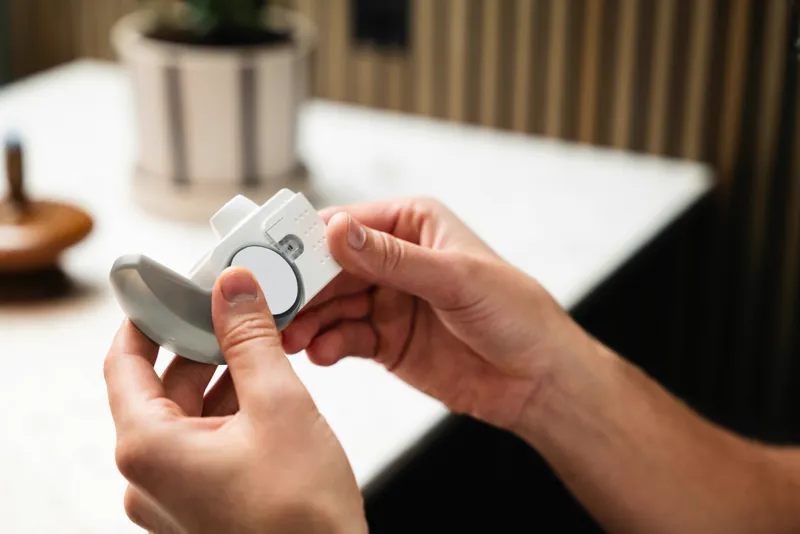
HbA1c Testing
3-month blood sugar average for accurate diabetes assessment
Complete Panels
Fasting glucose, insulin, OGTT, and metabolic screening
Fast Results
Most tests ready within 24 hours for timely management
Expert Care
Integration with diabetes specialists for comprehensive care
Diabetes testing in Dubai is essential — diabetes affects millions worldwide and is particularly prevalent in the UAE. Early detection through a blood sugar test in Dubai is crucial for preventing complications and managing the condition effectively. At DCDC, your glucose test near Oud Metha, we offer comprehensive diabetes screening including HbA1c, fasting glucose, and oral glucose tolerance tests for prediabetes testing in Dubai and beyond.
HbA1c (glycated hemoglobin) provides a 3-month average of your blood sugar levels, making it the gold standard for diabetes diagnosis and monitoring. Combined with fasting glucose and insulin levels, we can assess your diabetes risk, diagnose prediabetes, or monitor existing diabetes management.
HbA1c Testing
3-month blood sugar average for accurate diabetes assessment
Complete Panels
Fasting glucose, insulin, OGTT, and metabolic screening
Fast Results
Most tests ready within 24 hours for timely management
Expert Care
Integration with diabetes specialists for comprehensive care
Diabetes Testing in Dubai: Comprehensive Blood Sugar Screening
Early detection and monitoring for optimal diabetes management
Diabetes testing in Dubai is essential — diabetes affects millions worldwide and is particularly prevalent in the UAE. Early detection through a blood sugar test in Dubai is crucial for preventing complications and managing the condition effectively. At DCDC, your glucose test near Oud Metha, we offer comprehensive diabetes screening including HbA1c, fasting glucose, and oral glucose tolerance tests for prediabetes testing in Dubai and beyond.
HbA1c (glycated hemoglobin) provides a 3-month average of your blood sugar levels, making it the gold standard for diabetes diagnosis and monitoring. Combined with fasting glucose and insulin levels, we can assess your diabetes risk, diagnose prediabetes, or monitor existing diabetes management.

Dr. Hadi Komshi
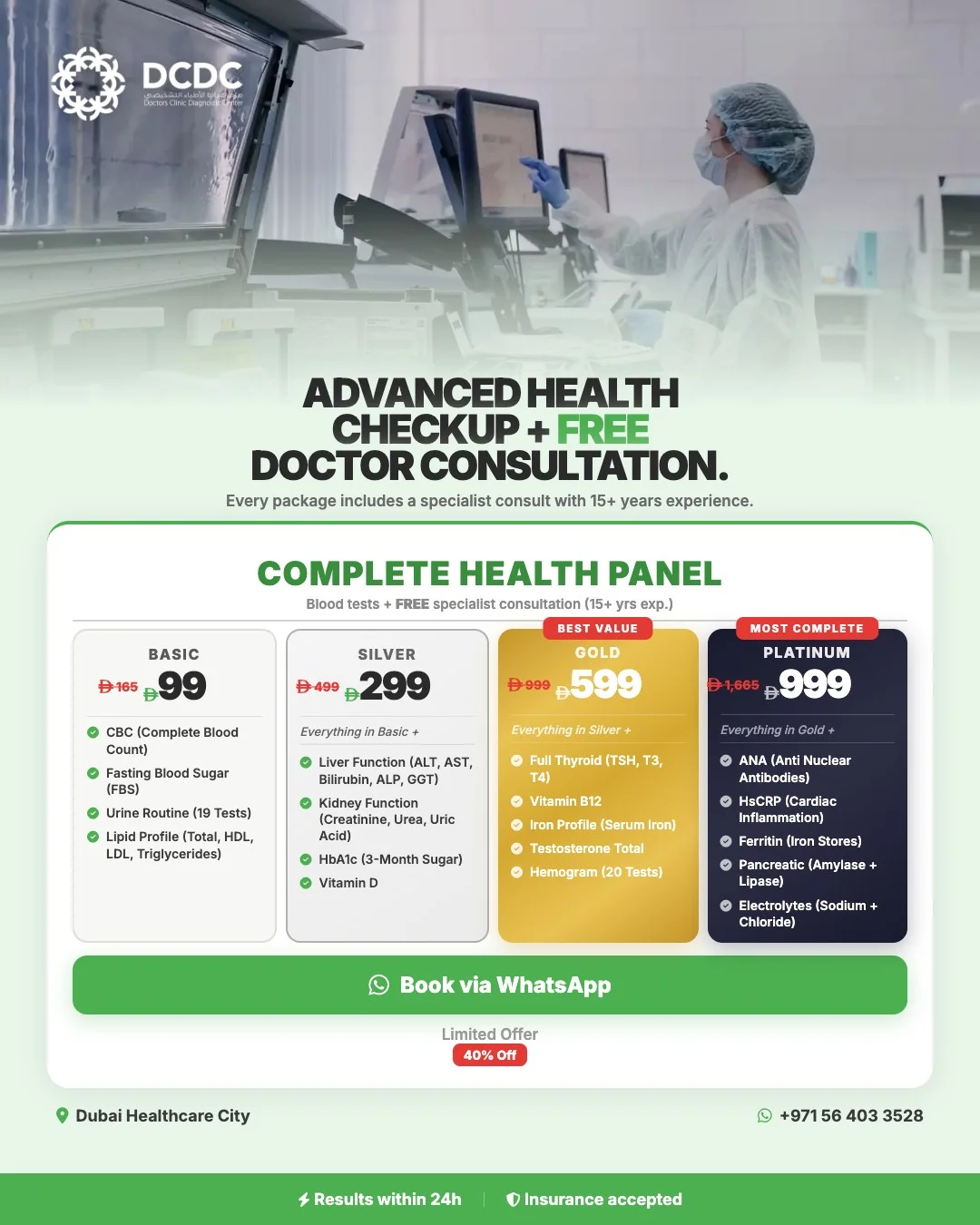
Complete Health Panel
Advanced health checkup with FREE specialist consultation. 4 tiers from basic blood work to full-body screening with 40+ biomarkers.
10–40+ tests included
What's Included
Who is this for?
Anyone wanting a comprehensive baseline health check with specialist consultation
Explore Our Services
Comprehensive diabetes testing services at DCDC Dubai Healthcare City.
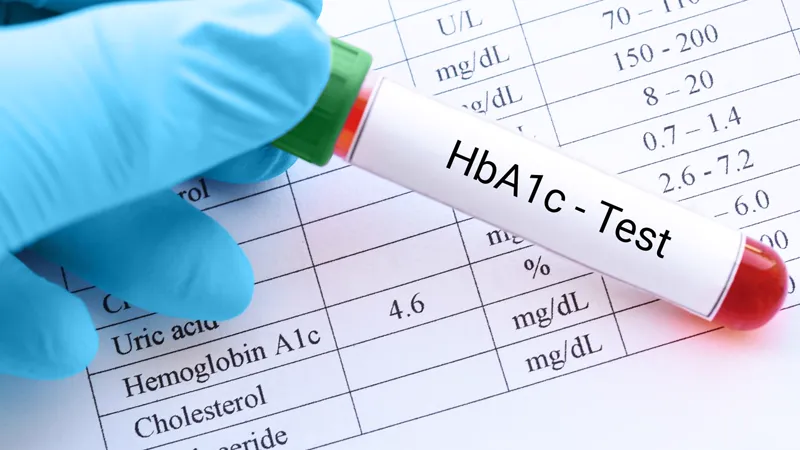
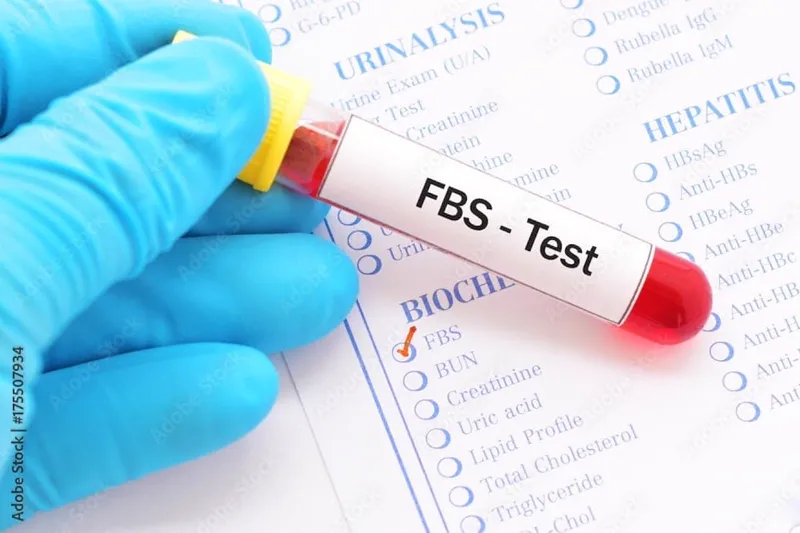
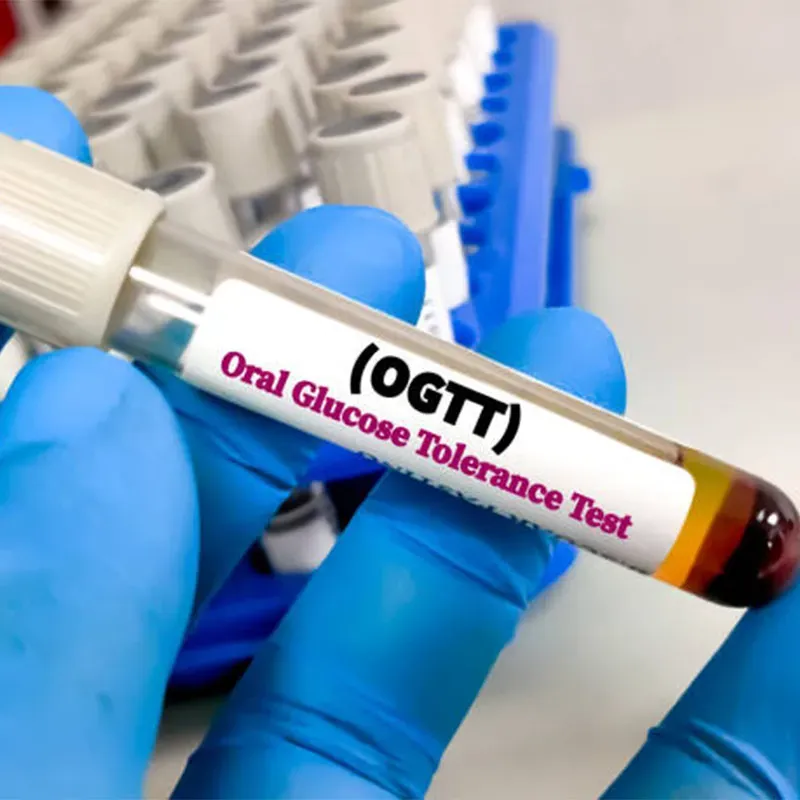
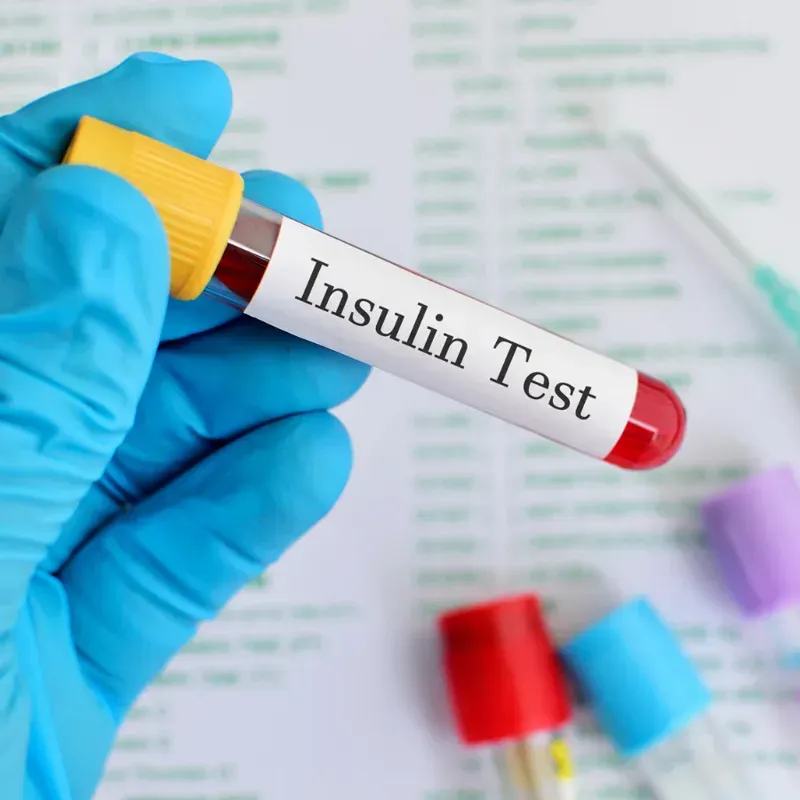
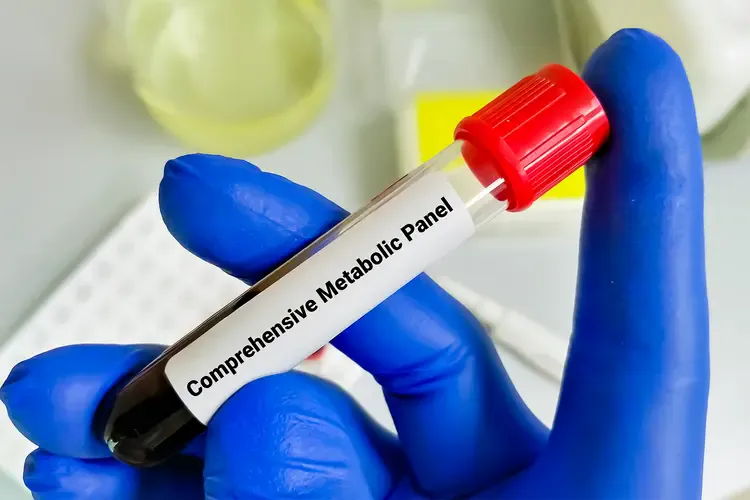
Diabetes Panel
Complete panel including glucose, HbA1c, lipids, and kidney function.
All services performed by DHA-licensed specialists
Who Should Get Diabetes Testing?
Diabetes testing is recommended for anyone with risk factors, symptoms, or for routine screening after age 45. Early detection of prediabetes allows for lifestyle changes that can prevent or delay diabetes.
Adults over 45 years for routine screening
Family history of diabetes (parent or sibling)
Overweight or obese individuals (BMI >25)
Symptoms like increased thirst, frequent urination, or fatigue
History of gestational diabetes or polycystic ovary syndrome
Existing diabetes patients for monitoring and management
Why Choose DCDC for Diabetes Testing?
MOHAP-licensed laboratory with specialized diabetes screening, accurate HbA1c testing, and integration with our diabetes specialists for comprehensive care.
MOHAP Licensed
Accredited diagnostic laboratory with certified diabetes testing protocols.
Fast Results
Most diabetes tests ready within 24 hours for timely management decisions.
Insurance Support
Direct billing with 20+ insurers. Diabetes screening often covered as preventive care.
Convenient Location
Building 64, Block A in Dubai Healthcare City. Early morning fasting slots available.
Advanced Testing
NGSP-certified HbA1c analyzers for internationally standardized results.
Integrated Care
Direct pathway to diabetes specialists and nutritionists for comprehensive management.
Your Comfortable Visit
A simple, step-by-step Diabetes scan process designed for comfort, speed, and accuracy.
Diabetes Testing Pricing
Diabetes pricing in Dubai varies by service type and insurance coverage for various test types.
- Pricing varies by scan type and whether contrast is required
- Insurance coverage accepted with referral and verification
- Transparent self-pay rates available with instant quote on request
Insurance verification in minutes • No hidden fees • Fast response on WhatsApp
Patient Guide
What to Expect During Diabetes Testing
Simple testing with clear preparation instructions for accurate results.
Insurance & Location
Insurance Partners
- •20+ insurance providers in Dubai including Daman, AXA, ADNIC, and others
- •Pre-authorization support and direct billing (where applicable)
- •Coverage verification before your appointment at our Dubai Healthcare City clinic
- •Transparent pricing with no hidden fees for diabetes testing services







Visit Us in Dubai Healthcare City
Doctors Clinic Diagnostic Center
Building 64, Block A, Al Razi Medical Complex, Dubai Healthcare City, Dubai, UAE
Near Oud Metha Road · Easy access from Bur Dubai, Downtown Dubai, Business Bay · Free dedicated parking available
Working Hours
Mon-Thu, Sat: 8AM - 10:30PM | Sun: 8:30AM - 10:30PM | Fri: 9AM - 10PM
How Insurance Works at DCDC
Check Coverage
Verify your plan covers Diabetes Testing
Get a Referral
Some insurers require a GP referral — we can guide you
Pre-Authorization
We handle pre-auth directly with your insurer
Direct Billing
No upfront payment — we bill your insurer directly
Co-Pay Only
You only pay any applicable co-pay at the clinic
Check Coverage
Verify your plan covers Diabetes Testing
Get a Referral
Some insurers require a GP referral — we can guide you
Pre-Authorization
We handle pre-auth directly with your insurer
Direct Billing
No upfront payment — we bill your insurer directly
Co-Pay Only
You only pay any applicable co-pay at the clinic
Your Specialist
Dr. Hadi Komshi
Specialist Internal Medicine
MD, Specialist Internal Medicine
Persian · Arabic · English
Diabetes-Related Conditions We Screen For
Type 2 Diabetes
The most common form of diabetes, diagnosed when HbA1c is 6.5 percent or higher, fasting glucose is 126 mg/dL or higher, or OGTT two-hour glucose is 200 mg/dL or higher.
Prediabetes
Elevated blood sugar below the diabetes threshold, indicating high risk for progression, identified through screening and managed with lifestyle interventions.
Gestational Diabetes
Diabetes developing during pregnancy, screened with OGTT between 24 and 28 weeks, requiring monitoring and management to protect mother and baby.
Insulin Resistance
Reduced cellular response to insulin detected by elevated fasting insulin and HOMA-IR, an early indicator of metabolic dysfunction preceding diabetes.
Related Services
Explore other diagnostic and consultation services available at our Dubai Healthcare City clinic.
Frequently Asked Questions
Common questions about Diabetes Testing in Dubai.
HbA1c (glycated hemoglobin) measures the percentage of hemoglobin in your red blood cells that has glucose attached to it, reflecting your average blood sugar levels over the past two to three months. It is considered the gold standard for diabetes diagnosis and monitoring because it provides a longer-term view than a single glucose measurement.
No, fasting requirements vary by test type. HbA1c does not require fasting and can be done at any time of day, making it very convenient.
Fasting glucose measures your blood sugar concentration at a single point in time after an overnight fast, providing a snapshot of your current glucose level. HbA1c reflects your average blood sugar over the preceding two to three months.
Prediabetes is a metabolic state where blood sugar levels are higher than normal but not yet high enough to be classified as type 2 diabetes. It is diagnosed when fasting glucose is between 100 and 125 mg/dL, HbA1c is between 5.7 and 6.4 percent, or OGTT two-hour glucose is between 140 and 199 mg/dL.
Diabetes testing frequency depends on your risk profile and current status. For adults over 45 with normal results, a blood sugar test in Dubai every three years is recommended. If you have risk factors, your glucose test in Dubai may need to be repeated annually.
Key Facts
Medical Review & Oversight
All services are provided under the supervision of licensed medical professionals in our MOHAP-accredited facility.