Key Takeaways
- Hepatitis B spreads through blood, sexual contact and mother-to-child transmission; hepatitis C spreads primarily through blood-to-blood contact
- A highly effective vaccine prevents hepatitis B, but no vaccine exists for hepatitis C
- Hepatitis C is now curable in over 95 % of cases with direct-acting antiviral therapy
- Chronic hepatitis B is managed long-term with antivirals but is rarely fully cured
- Both viruses can cause cirrhosis and liver cancer if left untreated — early screening saves lives
- DCDC offers HBsAg testing for AED 149 and HCV testing for AED 150 with same-day results
Hepatitis B and hepatitis C are both viral infections that target the liver, yet they differ in how they spread, how the body responds and how doctors treat them. Knowing these differences helps you choose the right screening test, understand your risk and take the correct preventive steps. At DCDC's infectious disease screening laboratory in Dubai Healthcare City, both tests are available with same-day results — HBsAg for AED 149 and HCV for AED 150.
This guide compares the two viruses side by side — covering transmission, symptoms, diagnosis, treatment, prevention and long-term outlook — so you can make an informed decision about your liver health.
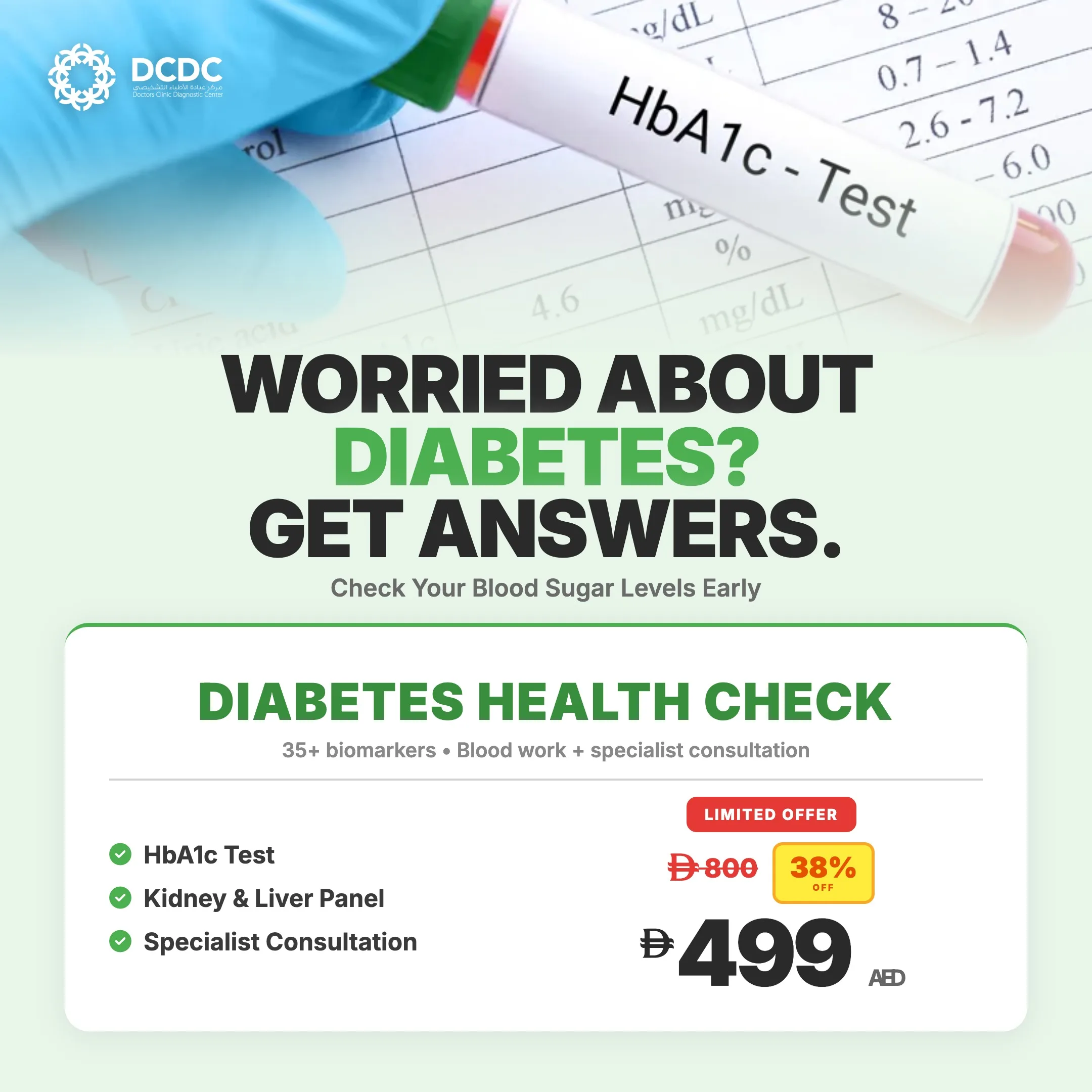
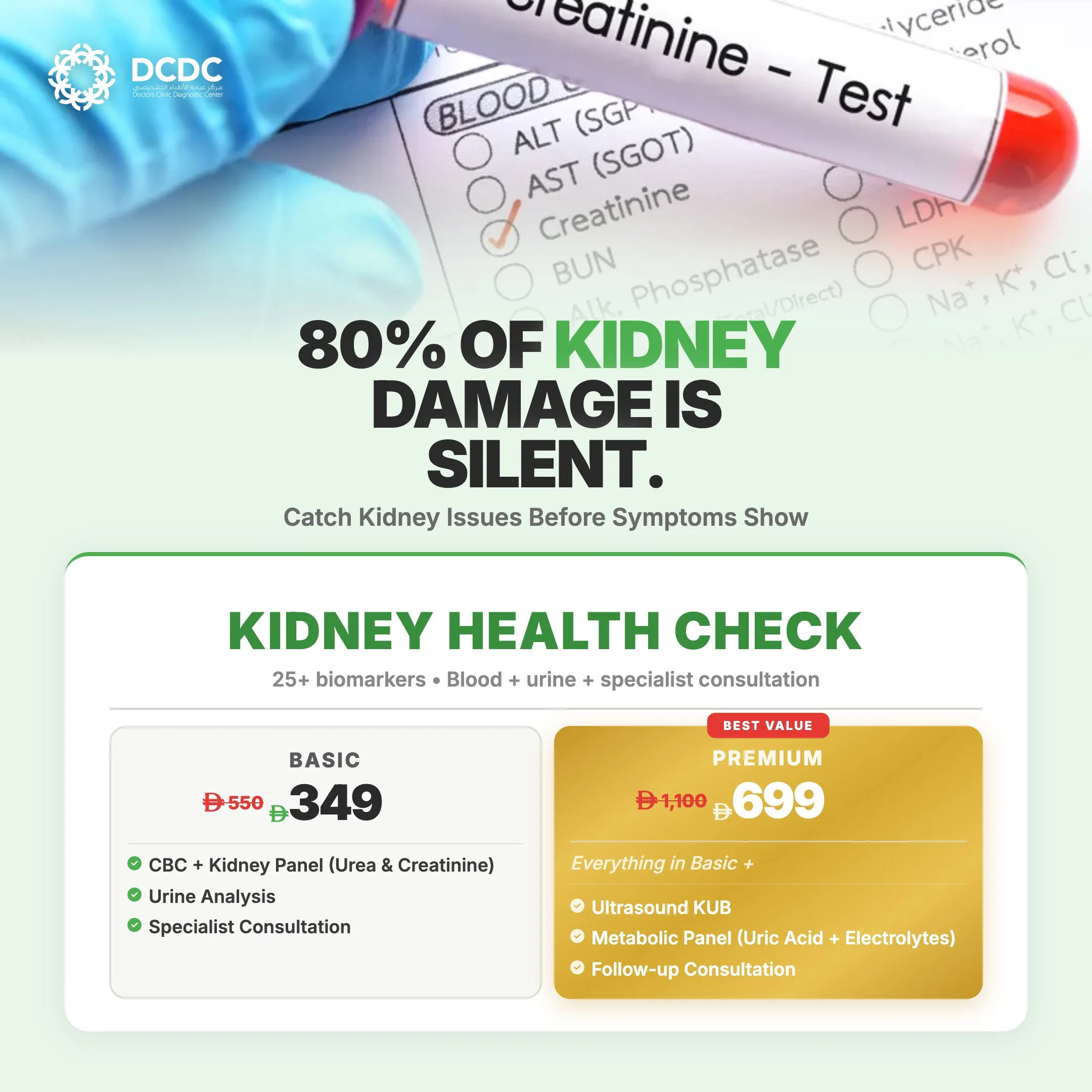
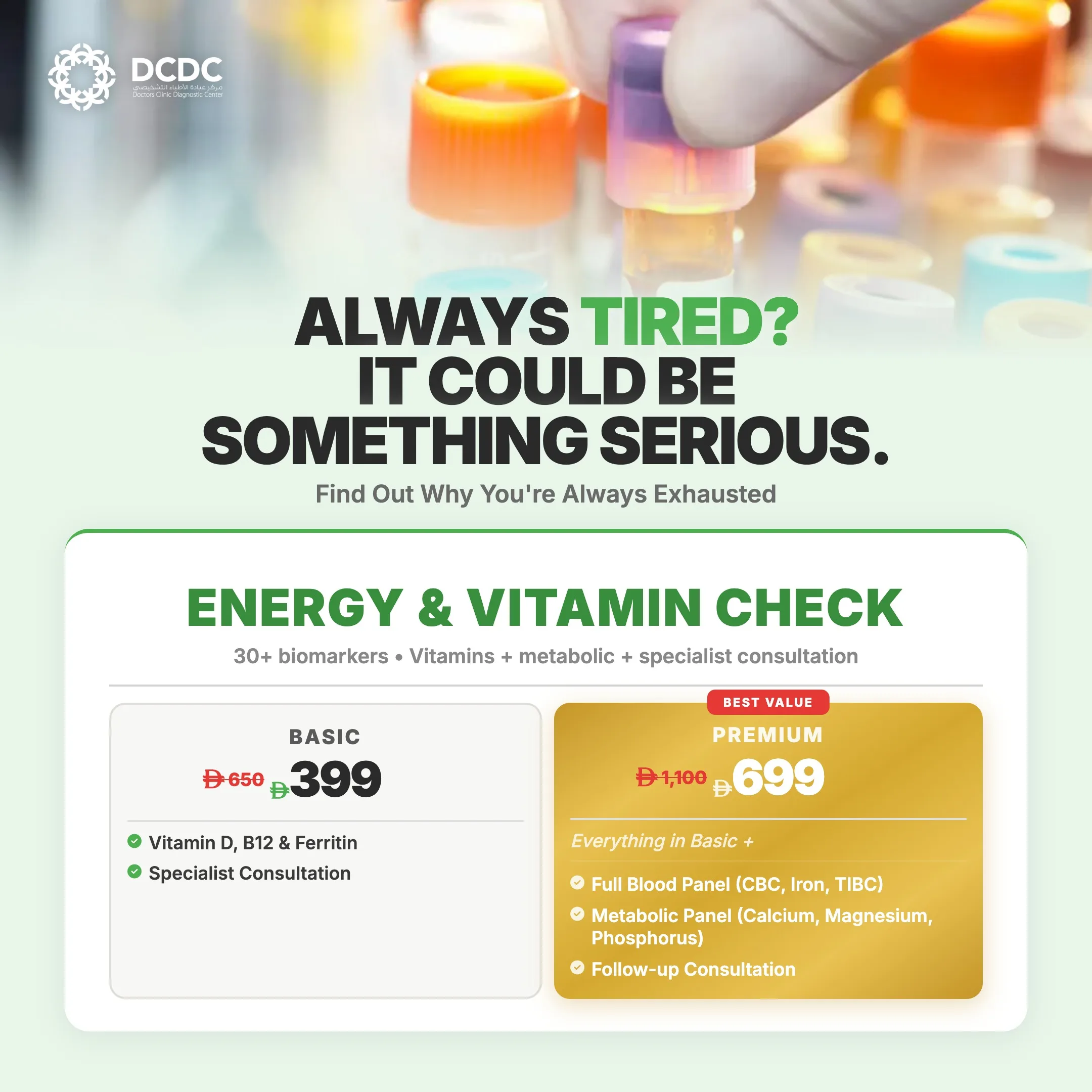
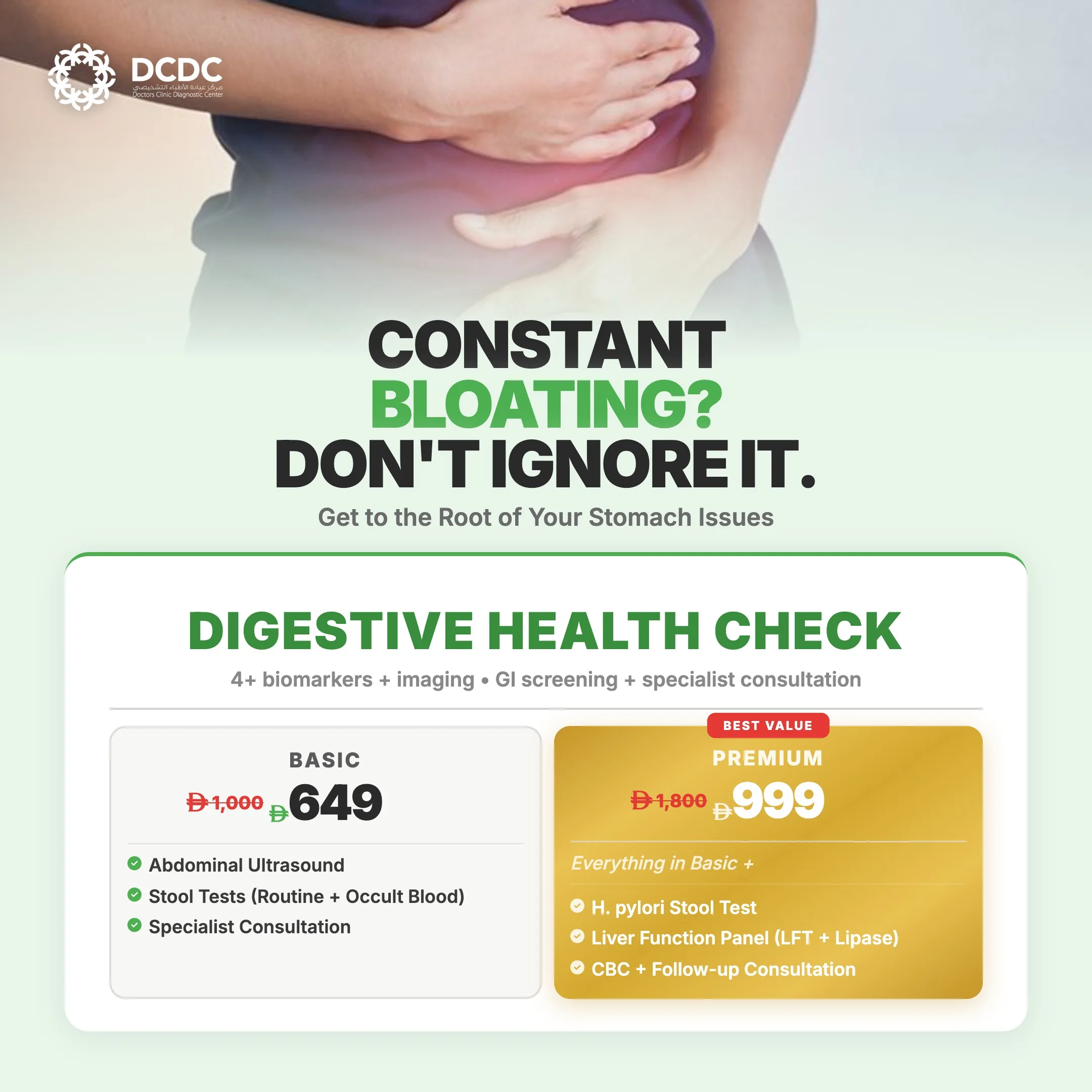
Health Screening Packages
Save with our bundled screening packages — specialist consultation included


Hepatitis B vs Hepatitis C at a Glance
The table below summarises the most important clinical differences between hepatitis B (HBV) and hepatitis C (HCV). Each point is explained in detail in the sections that follow.
| Feature | Hepatitis B (HBV) | Hepatitis C (HCV) |
|---|---|---|
| Virus type | DNA virus (Hepadnaviridae) | RNA virus (Flaviviridae) |
| Primary transmission | Blood, sexual contact, mother-to-child | Blood-to-blood contact |
| Incubation period | 1–5 months (average 3 months) | 2 weeks – 6 months (average 6–7 weeks) |
| Acute symptoms | Often symptomatic — fatigue, jaundice, dark urine | Usually silent — most people feel no symptoms |
| Chronic risk (adults) | About 5 % of adults progress to chronic infection | 55–85 % of cases become chronic |
| Vaccine available | Yes — ENGERIX B, 3-dose series | No vaccine currently available |
| Cure | Rarely cured; managed with long-term antivirals | Curable in > 95 % of cases with DAA therapy |
| Screening test | HBsAg blood test | Anti-HCV antibody blood test |
| Liver cancer risk | Significant if chronic and untreated | Significant if chronic and untreated |
| DCDC test price | AED 149 | AED 150 |
Side-by-side comparison of hepatitis B and hepatitis C
What Is Hepatitis?
Hepatitis means inflammation of the liver. Five main viruses cause viral hepatitis — A, B, C, D and E — but hepatitis B and C account for the overwhelming majority of chronic liver disease worldwide. The World Health Organization estimates that 254 million people live with chronic hepatitis B and 50 million with chronic hepatitis C globally, making these infections a leading cause of elevated liver enzymes, cirrhosis and hepatocellular carcinoma.
In the UAE, routine health screening for employment, residency and pre-marital purposes includes hepatitis B testing. However, many residents remain unaware of hepatitis C, which often produces no symptoms until the liver is already damaged. Understanding both infections empowers you to seek timely testing.
Hepatitis B in Detail
How Hepatitis B Spreads
Hepatitis B virus (HBV) is highly infectious — up to 100 times more infectious than HIV according to the CDC. It transmits through:
- Blood exposure — sharing needles, razors, toothbrushes or contact with open wounds
- Sexual contact — unprotected intercourse with an infected partner
- Mother-to-child (perinatal) — during childbirth if the mother carries HBV
- Medical or dental procedures — unsterilised equipment (rare in regulated facilities)
HBV is not spread by casual contact such as hugging, sharing meals, coughing or breastfeeding (when the infant has received the birth-dose vaccine).
Symptoms of Hepatitis B
Acute hepatitis B often produces noticeable symptoms within one to five months of exposure. Common signs include fatigue, nausea, loss of appetite, abdominal pain (especially in the upper right quadrant), dark urine, clay-coloured stools and jaundice (yellowing of the skin and eyes). Some patients develop a low-grade fever or joint pain.
In adults, about 95 % clear the virus on their own within six months and develop lifelong immunity. The remaining 5 % progress to chronic hepatitis B, which may cause no symptoms for decades while silently damaging the liver.
Hepatitis B Treatment
Acute HBV infection usually requires only supportive care — rest, hydration and monitoring. Chronic hepatitis B is managed with antiviral medications such as entecavir or tenofovir, which suppress viral replication and reduce the risk of liver damage. Treatment is typically long-term and may be lifelong. A functional cure (loss of HBsAg) occurs in a small percentage of patients but is not the norm.
Hepatitis B Vaccination
The hepatitis B vaccine is one of the most effective vaccines available, preventing infection in over 95 % of recipients. The standard adult schedule is three doses of ENGERIX B given at 0, 1 and 6 months. At DCDC, each dose costs AED 249, making the complete three-dose course AED 747. The vaccine is recommended for all unvaccinated adults, healthcare workers, travellers to endemic areas and household contacts of carriers.
Hepatitis C in Detail
How Hepatitis C Spreads
Hepatitis C virus (HCV) spreads almost exclusively through blood-to-blood contact. The most common routes are:
- Shared needles or syringes — the single largest transmission route worldwide
- Unscreened blood transfusions — a historical risk now rare in the UAE thanks to blood bank screening
- Unsterilised medical, dental or tattoo equipment
- Mother-to-child — less common than with HBV, occurring in about 6 % of births to HCV-positive mothers
Sexual transmission of HCV is possible but considerably less efficient than with HBV. The virus is not spread by casual contact, sharing utensils, hugging or breastfeeding.
Symptoms of Hepatitis C
Hepatitis C is often called the "silent infection" because the acute phase is asymptomatic in roughly 80 % of people. When symptoms do appear — fatigue, nausea, muscle aches, mild jaundice — they are easily mistaken for a common viral illness. This is why many individuals only discover their infection years later when liver damage has already occurred.
Between 55 % and 85 % of people with acute HCV develop chronic infection. Without treatment, chronic hepatitis C can progress to fibrosis, cirrhosis and liver cancer over 20–30 years.
Hepatitis C Treatment — The DAA Revolution
Unlike hepatitis B, hepatitis C is now curable. Direct-acting antiviral (DAA) medications — such as sofosbuvir/velpatasvir (Epclusa) and glecaprevir/pibrentasvir (Mavyret) — achieve a sustained virological response (cure) in over 95 % of patients. Treatment courses last 8–12 weeks with minimal side effects, a dramatic improvement over older interferon-based regimens.
Early detection through screening makes this cure accessible before significant liver damage occurs, underscoring the importance of a simple HCV blood test.
Who Should Get Tested?
Both the CDC and the WHO recommend universal hepatitis B and C screening for all adults at least once in their lifetime. Beyond this baseline, certain groups should be tested more frequently:
- People born in regions with high HBV or HCV prevalence (sub-Saharan Africa, East Asia, Central Asia, Eastern Europe)
- Anyone who has ever injected drugs, even once
- Recipients of blood transfusions or organ transplants before 1992
- Healthcare workers and first responders with needlestick exposure
- Sexual partners of people living with hepatitis B or C
- Pregnant women — routine HBsAg screening prevents mother-to-child transmission
- People with unexplained elevated liver enzymes or chronic liver disease
- UAE residents undergoing pre-employment or residency health checks
Which Test Do You Need?
The answer depends on your risk profile and purpose:
- HBsAg only — if you are checking for hepatitis B infection (e.g. for employment, visa or pregnancy screening). AED 149 at DCDC.
- HCV antibody only — if you are checking for hepatitis C (e.g. recommended once for all adults, or if you have risk factors). AED 150 at DCDC.
- Both tests — recommended as a comprehensive baseline screen, especially if you have never been tested. AED 299 combined at DCDC.
- Add hepatitis B vaccine — if your HBsAg is negative and you have no immunity (anti-HBs negative), vaccination with ENGERIX B at AED 249 per dose is strongly recommended.
Hepatitis Screening at DCDC Dubai
| Test / Service | Price (AED) |
|---|---|
| HBsAg (hepatitis B surface antigen) | 149 |
| HCV antibody (hepatitis C) | 150 |
| Hepatitis B vaccine — ENGERIX B (per dose) | 249 |
| Complete 3-dose hepatitis B vaccination course | 747 |
| GP consultation | From 249 |
| Home lab collection fee (per visit, plus test prices) | 249 |
DCDC hepatitis screening and vaccination prices (2026)
All laboratory tests at DCDC are performed in the on-site laboratory at Dubai Healthcare City, with same-day results for routine blood tests including HBsAg and HCV. Home collection is also available — a nurse visits your location for AED 249 per visit plus the standard test prices, so there is no difference in test cost between clinic and home.
What to Expect at DCDC
Hepatitis screening at DCDC follows a straightforward process designed for same-day answers:
- Arrival and registration — check in at the reception desk in Building 47, Dubai Healthcare City (free parking is available in the DHCC car park). No appointment is needed for blood tests, though booking ahead reduces waiting time.
- Sample collection — a phlebotomist draws a small blood sample from a vein in your arm. The procedure takes under five minutes and requires no fasting.
- On-site processing — your sample is processed in DCDC's in-house laboratory, eliminating the delays associated with sending specimens to an external lab.
- Same-day results — routine hepatitis markers (HBsAg, anti-HCV) are typically reported the same day. Results are shared via the patient portal or by phone.
- Doctor consultation — if any result is positive or borderline, a GP consultation (from AED 249) is available on the same visit to discuss confirmatory testing, viral load measurement, liver function assessment and next steps.
- Vaccination — if you test negative for hepatitis B and lack immunity, you can receive the first dose of the ENGERIX B vaccine immediately.
For home testing, call or WhatsApp DCDC to schedule a home collection visit. The nurse arrives with all necessary equipment, collects your sample and transports it to the DCDC lab under the same quality protocols. Results are delivered the same way.
Preventing Hepatitis B and C
Prevention of Hepatitis B
- Vaccination — the single most effective measure. Three doses provide over 95 % protection for at least 20 years and likely for life.
- Safe sex practices — use barrier protection with new or multiple partners.
- Avoid sharing personal items — razors, toothbrushes and nail clippers can carry traces of blood.
- Birth-dose vaccine — newborns of HBsAg-positive mothers should receive the hepatitis B vaccine and immunoglobulin within 12 hours of birth.
Prevention of Hepatitis C
- Never share needles or syringes — the highest-risk transmission route.
- Choose regulated facilities — for tattooing, piercing, dental work and medical procedures.
- Use barrier protection — especially with multiple sexual partners or if either partner has open wounds.
- Screen and treat — since no vaccine exists, finding and curing infections is the primary public-health strategy (the WHO's "treat as prevention" approach).
Long-Term Outlook: HBV vs HCV
With appropriate medical care, the long-term prognosis for both infections has improved dramatically. Chronic hepatitis B patients on antiviral therapy have substantially reduced risks of cirrhosis and liver cancer, though they require ongoing monitoring with liver function tests and periodic ultrasound. Chronic hepatitis C patients who achieve a cure with DAA therapy — the vast majority — can expect their liver to stabilise and, in many cases, partially reverse existing fibrosis.
The key message for both viruses is the same: early detection changes the outcome. A simple blood test — costing AED 149 for HBsAg or AED 150 for HCV at DCDC — can identify an infection years before symptoms appear, giving you the opportunity to treat or manage the condition before irreversible liver damage occurs.
Book Your Hepatitis Screening at DCDC
Same-day HBsAg and HCV blood tests at our on-site lab in Dubai Healthcare City. Walk-in welcome or book ahead to skip the wait.
Call +971 54 219 5008 or WhatsApp +971 50 970 3884
Living with Chronic Hepatitis: Lifestyle Guidance
Whether you are managing chronic hepatitis B or have been cured of hepatitis C, these evidence-based lifestyle measures support liver health:
- Avoid alcohol — even moderate drinking accelerates liver fibrosis in people with viral hepatitis.
- Maintain a healthy weight — fatty liver disease compounds viral liver damage.
- Limit paracetamol — do not exceed 2 g per day without medical advice, as it is metabolised by the liver.
- Stay up to date with vaccinations — if you have chronic hepatitis C, get vaccinated against hepatitis A and B to prevent additional liver insults.
- Regular monitoring — chronic hepatitis B requires six-monthly liver function tests and annual liver ultrasound; post-cure hepatitis C patients should have follow-up as advised by their hepatologist.
Related Services at DCDC
Expert care and advanced diagnostics at Dubai Healthcare City
Frequently Asked Questions
Final Thoughts
Hepatitis B and hepatitis C share a common target — your liver — but differ in transmission, prevention and treatment. Hepatitis B is vaccine-preventable and manageable with antivirals, while hepatitis C has no vaccine but is now curable in the vast majority of cases. Both can cause cirrhosis and liver cancer if left undetected, making screening the single most important step you can take.
At DCDC in Dubai Healthcare City, hepatitis screening is quick, affordable and confidential. Walk in for an HBsAg test (AED 149), an HCV test (AED 150) or both — with same-day results from our on-site laboratory. If you need the hepatitis B vaccine, the ENGERIX B series is available at AED 249 per dose. Call +971 54 219 5008 or WhatsApp us to book your appointment or arrange a home collection visit.
Sources & References
This article references the following sources:
- WHO — Hepatitis B Fact Sheet
- WHO — Hepatitis C Fact Sheet
- Mayo Clinic — Hepatitis B vs Hepatitis C: What's the Difference?
- CDC — Hepatitis B: General Information
- Falade-Nwulia O et al. — Oral Direct-Acting Agent Therapy for Hepatitis C Virus Infection: A Systematic Review
This information is educational and does not replace individual medical advice. See our editorial policy for more information.

Written by
Dr. Hadeel Elnur
General Practitioner
MD, General Practice
Dr. Hadeel Elnur is a General Practitioner at Doctors Clinic Diagnostic Center (DCDC) in Dubai Healthcare City.
Related Articles

Hepatitis B Screening in Dubai: What You Need to Know
Hepatitis B Vaccine Cost Dubai: Complete Price Guide
Hepatitis A Vaccine Cost Dubai: Schedule & Pricing
Elevated Liver Enzymes: Causes & When to Worry
Fatty Liver Disease Treatment in Dubai
More in Internal Medicine

Blood Sugar Levels Chart Dubai: Guide (2026)
Read More
LDL vs HDL Cholesterol Dubai: Guide (2026)
Read MoreNight Sweats Causes Dubai: When to Worry (2026)
Read MoreDiabetes Complications Dubai: Warning Signs (2026)
Read MoreDiabetes and Heart Disease Dubai: Risk Guide (2026)
Read More
Indigestion Dubai: Causes & When to Worry (2026)
Read More© 2026 Doctors Clinic Diagnostic Center (DCDC), Dubai Healthcare City. Originally published at https://doctorsclinicdubai.ae/blog/hepatitis-b-vs-c-differences-dubai. All rights reserved. Unauthorized reproduction is prohibited.