Key Takeaways
- Normal fasting blood sugar is below 100 mg/dL (5.6 mmol/L); 100-125 mg/dL (5.6-6.9 mmol/L) indicates prediabetes, and 126 mg/dL (7.0 mmol/L) or higher on repeat testing indicates diabetes.
- Two hours after eating, normal blood sugar is below 140 mg/dL (7.8 mmol/L); 140-199 mg/dL is prediabetes and 200 mg/dL (11.1 mmol/L) or more is in the diabetic range.
- HbA1c reflects your 2-3 month average: below 5.7% is normal, 5.7-6.4% is prediabetes, and 6.5% or higher is diabetes. An HbA1c of 7% corresponds to an average glucose of about 154 mg/dL.
- Pregnancy has stricter thresholds (fasting 92 mg/dL, 1 hour 180 mg/dL, 2 hours 153 mg/dL on a 75 g test), and treatment targets for older adults are often more relaxed than for younger adults.
- Prediabetes and early diabetes often cause no symptoms, so screening matters. The ADA advises testing all adults from age 35, and earlier if you have risk factors.
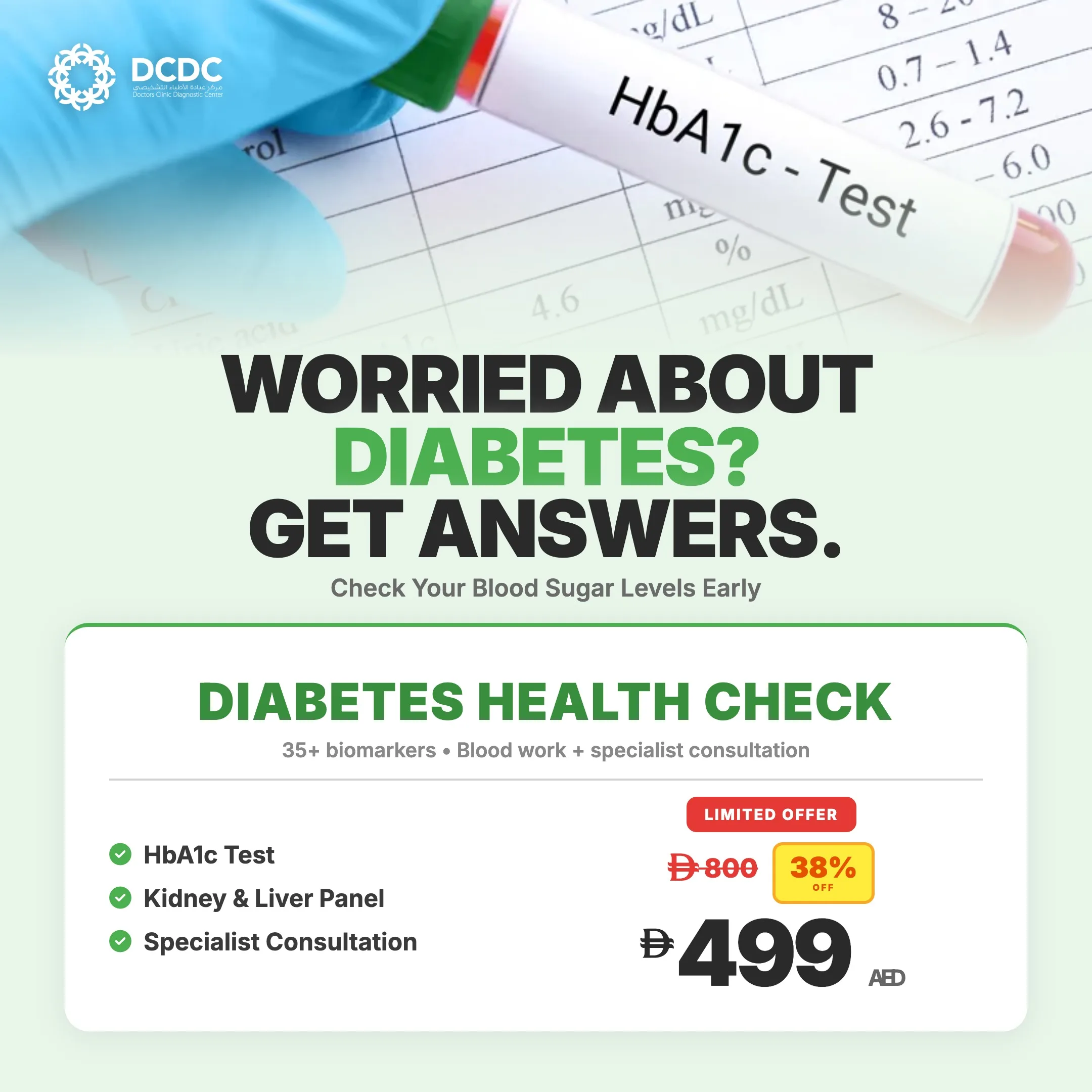
- At DCDC in Dubai Healthcare City, a glucose test costs AED 99, HbA1c AED 149, and a full diabetes panel AED 499, with same-day results and GP consultations from AED 249.
Whether you have just received a lab report with a number flagged in red or simply want to know where you stand, a clear normal blood sugar levels chart is the quickest way to make sense of your results. Blood glucose that is slightly too high rarely causes symptoms, yet it is the earliest signal of type 2 diabetes, a condition our diabetes clinic at Doctors Clinic Diagnostic Center (DCDC) in Dubai Healthcare City sees every day. This guide sets out the fasting, after-meal, and HbA1c ranges in both mg/dL and mmol/L, explains what each category means, and shows when and how to get tested in Dubai.
This reference guide, written by a general practitioner, covers why blood sugar matters, the standard diagnostic ranges, how age and pregnancy change the picture, symptoms of high and low blood sugar, who should be screened, and what a testing visit at DCDC involves. It is educational and does not replace personal medical advice.
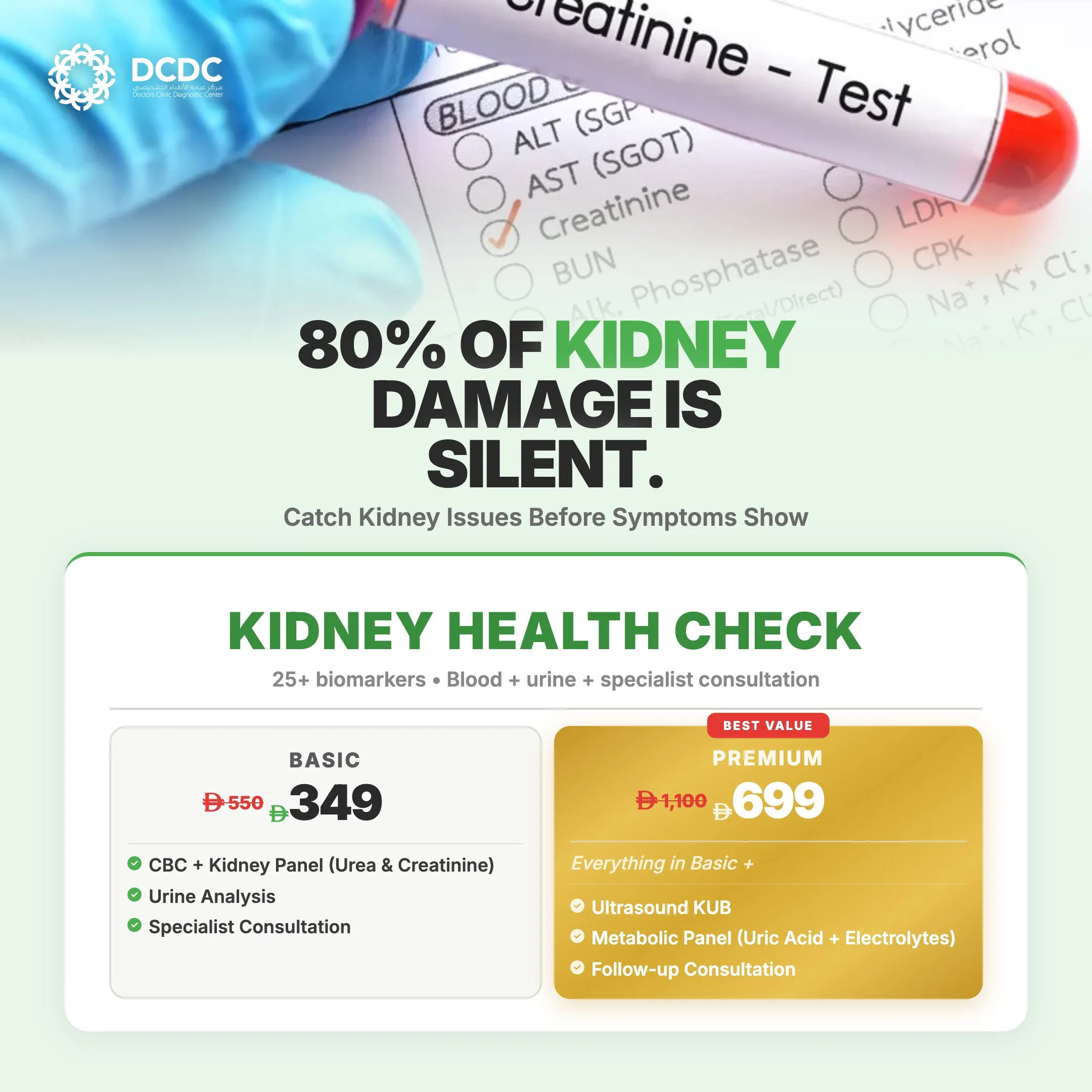
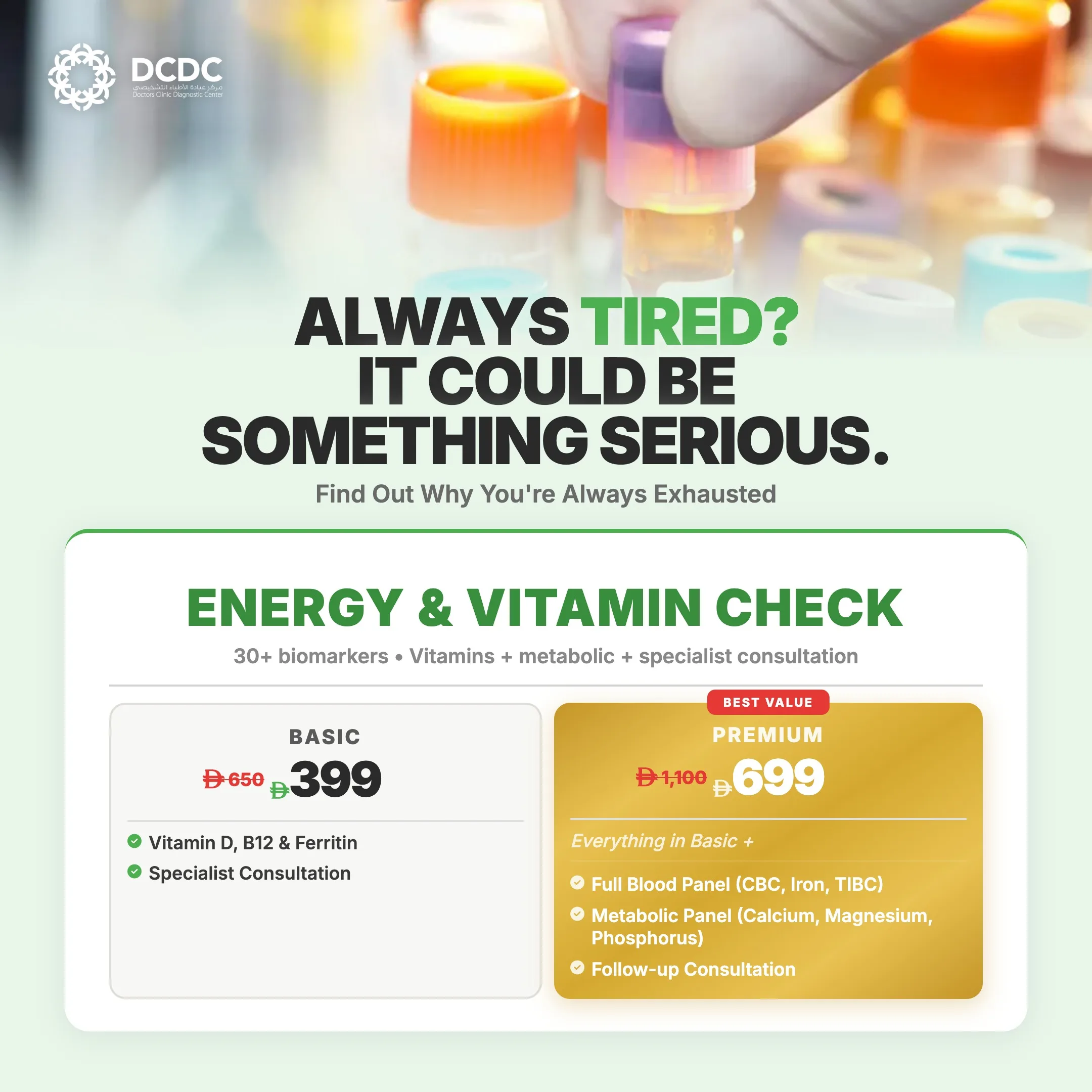
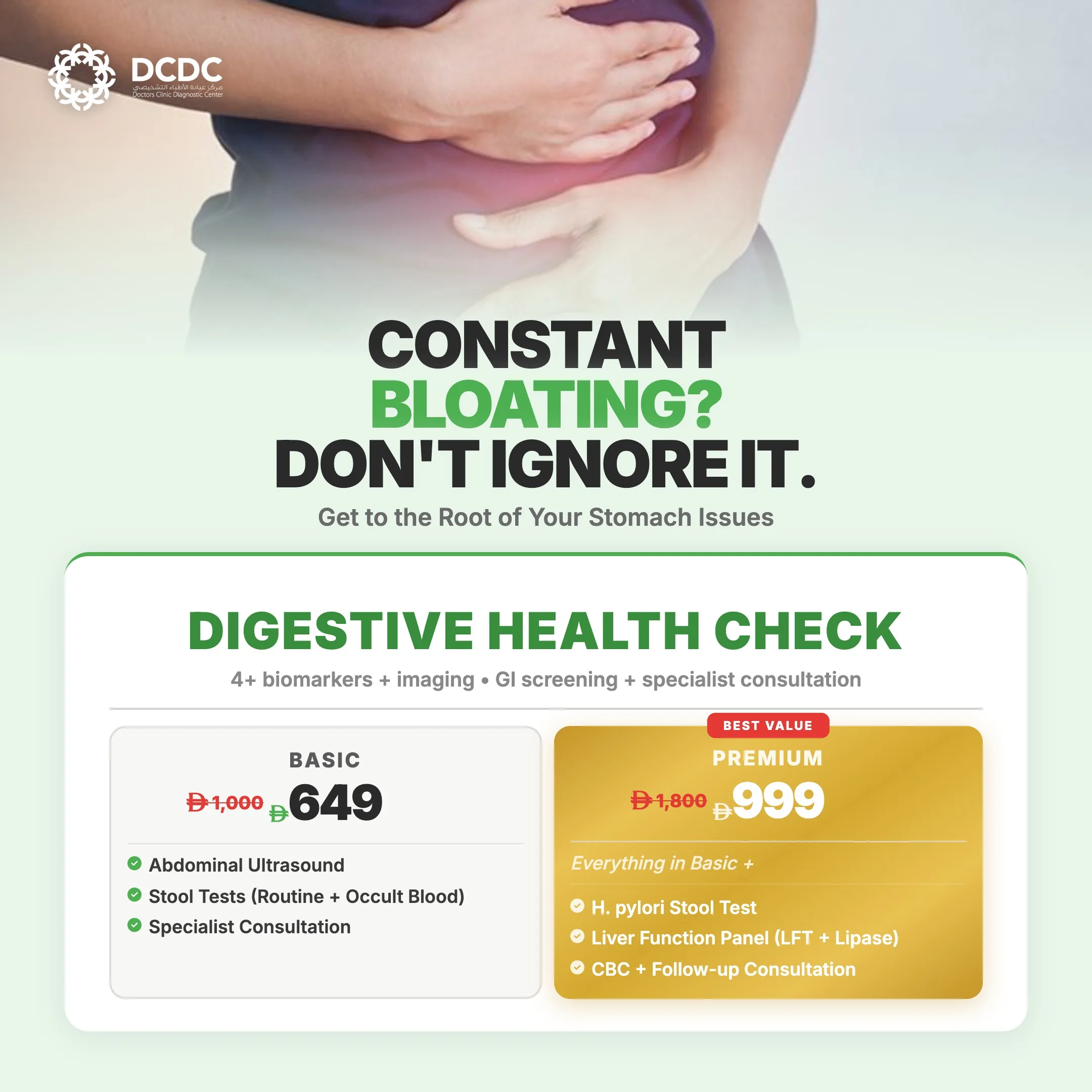
Health Screening Packages
Save with our bundled screening packages — specialist consultation included


Why Blood Sugar Levels Matter
Glucose is the main fuel your body runs on. After you eat, carbohydrates are broken down into glucose, which enters the bloodstream and raises your blood sugar. In response, the pancreas releases insulin, a hormone that helps cells absorb glucose for energy or store it in the liver and muscles. Between meals and overnight, the liver releases stored glucose to keep levels steady. In a healthy person this system keeps blood glucose within a narrow range without any conscious effort.
When the system falters, glucose lingers in the blood. This happens when the pancreas does not make enough insulin (as in type 1 diabetes) or when the body stops responding well to the insulin it makes (insulin resistance, the hallmark of type 2 diabetes). Over years, persistently high glucose damages small and large blood vessels, which is why diabetes is linked to kidney disease, nerve damage, eye disease, heart attack, and stroke. The important point is that damage starts quietly: blood sugar can sit in the prediabetes range for years without a single symptom.
That is why knowing your numbers matters. The UAE has one of the highest diabetes burdens in the region, driven by sedentary work patterns, calorie-dense food, family history, and a large population at higher genetic risk. Published UAE data show that a substantial share of adults have prediabetes or undiagnosed diabetes. A single blood test can tell you where you stand, and early detection gives you the best chance to reverse or delay the disease.
Blood Sugar Levels Chart: Normal Ranges
The table below is a normal blood sugar levels chart based on the diagnostic thresholds of the American Diabetes Association (ADA) and the World Health Organization (WHO) for non-pregnant adults. Values are shown in both mg/dL (used in the US and many labs) and mmol/L (used in the UK, Europe, and most UAE laboratory reports).
| Test | Normal | Prediabetes | Diabetes |
|---|---|---|---|
| Fasting (8+ hours without food) | Below 100 mg/dL (below 5.6 mmol/L) | 100-125 mg/dL (5.6-6.9 mmol/L) | 126 mg/dL or higher (7.0 mmol/L or higher) |
| 2 hours after eating or a 75 g glucose drink | Below 140 mg/dL (below 7.8 mmol/L) | 140-199 mg/dL (7.8-11.0 mmol/L) | 200 mg/dL or higher (11.1 mmol/L or higher) |
| Random (any time of day) | Usually below 140 mg/dL (below 7.8 mmol/L) | No formal category | 200 mg/dL or higher (11.1 mmol/L or higher) with classic symptoms |
| HbA1c (3-month average) | Below 5.7% | 5.7-6.4% | 6.5% or higher |
A few notes on reading the chart. First, a diagnosis of diabetes normally requires two abnormal results, either from two different tests taken at the same time or the same test repeated on a separate day, unless you have unmistakable symptoms of high blood sugar and a random reading of 200 mg/dL or more. Second, the random category has no official normal range, because glucose rises and falls through the day; a figure below 140 mg/dL is generally considered reassuring. Third, the ranges are for diagnosis, not for treatment targets. People already living with diabetes have personalised goals set by their doctor.
If you are asking what is normal blood sugar level for a healthy adult, a practical answer is: roughly 70-99 mg/dL (3.9-5.5 mmol/L) when fasting, and rarely above 140 mg/dL (7.8 mmol/L) at any point after meals.
Fasting Blood Sugar: What the Numbers Mean
Fasting blood sugar is measured after at least eight hours without food or caloric drinks, which is why it is usually drawn in the morning. It reflects how well your liver and pancreas control glucose when no meal is pushing it up, and it is the most commonly used screening number worldwide because it is simple, cheap, and reproducible.
| Fasting result | What it usually means | Suggested next step |
|---|---|---|
| Below 70 mg/dL (below 3.9 mmol/L) | Low; may be hypoglycemia, prolonged fasting, or medication effect | Discuss with a doctor, especially if you have symptoms |
| 70-99 mg/dL (3.9-5.5 mmol/L) | Normal fasting glucose | Repeat screening at the interval your risk level suggests |
| 100-125 mg/dL (5.6-6.9 mmol/L) | Impaired fasting glucose (prediabetes) | Confirm with a repeat test or HbA1c; start lifestyle changes |
| 126 mg/dL or higher (7.0 mmol/L or higher) | In the diabetic range | Repeat to confirm, then full medical evaluation |
Note that WHO and some international bodies set the lower limit of impaired fasting glucose at 110 mg/dL (6.1 mmol/L) rather than 100 mg/dL. The ADA threshold of 100 mg/dL is more conservative and flags people earlier. Your doctor will interpret your result in the context of your weight, family history, blood pressure, and other findings.
Why a single fasting reading can mislead
Fasting glucose varies from day to day by up to 10-15%. A poor night of sleep, acute illness, stress, certain medications (such as steroids), and even an early-morning surge of hormones known as the dawn phenomenon can nudge a reading upward. Drinking coffee with sugar, or eating something without realising it, will also invalidate a fasting test. For this reason, a borderline result is usually repeated or paired with another measurement rather than acted on alone.
Preparing for a fasting test
- Fast for 8 to 10 hours: Water is allowed and encouraged. Avoid tea, coffee, juice, gum, and smoking.
- Take regular medication unless told otherwise: Ask your doctor about diabetes tablets or insulin before the test day.
- Keep your normal routine the day before: Do not crash-diet or binge, as either can distort the picture.
- Book a morning slot: It makes the fast easier and gives you the result in time to discuss with a doctor the same day.
Blood Sugar After Eating: Postprandial Levels
Postprandial glucose is the level after a meal. It rises as food is digested, peaks, and then falls as insulin does its work. Because insulin resistance often shows up after meals before it affects fasting glucose, post-meal readings can reveal problems that a fasting test misses. This is the answer to a common question: what is blood sugar after eating normal?
| Time after starting a meal | Typical in people without diabetes | Concerning |
|---|---|---|
| 30-60 minutes (usual peak) | Up to about 140-160 mg/dL (7.8-8.9 mmol/L) | Repeatedly above 180 mg/dL (10.0 mmol/L) |
| 1 hour | Generally below 140 mg/dL (below 7.8 mmol/L) | Above 155 mg/dL (8.6 mmol/L) may signal early glucose intolerance in research settings |
| 2 hours | Below 140 mg/dL (below 7.8 mmol/L) | 140-199 mg/dL (7.8-11.0 mmol/L) is prediabetes; 200 mg/dL (11.1 mmol/L) or more suggests diabetes |
| 3-4 hours | Back to near fasting level (70-100 mg/dL) | Persistently elevated values suggest poor glucose control |
For adults who already have diabetes, the ADA generally suggests a post-meal target of under 180 mg/dL (10.0 mmol/L) measured 1 to 2 hours after the start of the meal, although individual goals vary. People without diabetes rarely exceed 140 mg/dL (7.8 mmol/L).
What affects your post-meal reading
- Meal composition: Refined carbohydrates such as white rice, white bread, sweet pastries, and sugary drinks raise glucose faster than meals rich in fibre, protein, and healthy fats. Traditional dishes served with large portions of rice or dates alongside sweet tea are common high-peak meals in the Gulf.
- Portion size: A larger carbohydrate load produces a higher and longer peak.
- Activity: A 10-15 minute walk after eating can noticeably lower the peak, because working muscles take up glucose without needing much insulin.
- Stress, illness, and poor sleep: All can raise glucose through stress hormones.
- Timing of the test: The 2-hour value is counted from the first bite, not from the last.
The formal diagnostic version of this test is the oral glucose tolerance test (OGTT), in which you drink a 75 g glucose solution after fasting and have blood drawn at 2 hours. It is more sensitive than fasting glucose alone and is the standard for diagnosing gestational diabetes.
HbA1c: Your Three-Month Average
While a glucose reading is a snapshot, HbA1c (glycated haemoglobin) is the long exposure photograph. Glucose in the blood attaches to haemoglobin, the oxygen-carrying protein in red blood cells. Red blood cells live for about 120 days, so the percentage of haemoglobin that is glycated reflects your average glucose over roughly the past two to three months, weighted towards the most recent weeks. It needs no fasting and can be drawn at any time of day. For a full explanation of the test, see our guide to HbA1c testing in Dubai, and for a comparison of the two approaches read HbA1c vs fasting blood sugar.
Researchers in the A1c-Derived Average Glucose (ADAG) study established a formula linking HbA1c to estimated average glucose (eAG): eAG (mg/dL) = 28.7 x HbA1c - 46.7. The table converts common HbA1c values.
| HbA1c (%) | Estimated average glucose (mg/dL) | Estimated average glucose (mmol/L) | Category |
|---|---|---|---|
| 5.0 | 97 | 5.4 | Normal |
| 5.5 | 111 | 6.2 | Normal |
| 5.7 | 117 | 6.5 | Prediabetes (lower limit) |
| 6.0 | 126 | 7.0 | Prediabetes |
| 6.4 | 137 | 7.6 | Prediabetes (upper limit) |
| 6.5 | 140 | 7.8 | Diabetes (diagnostic threshold) |
| 7.0 | 154 | 8.6 | Common target for many adults with diabetes |
| 8.0 | 183 | 10.2 | Above target for most |
| 9.0 | 212 | 11.8 | High; treatment review advised |
| 10.0 | 240 | 13.4 | Very high |
HbA1c is not perfect. Conditions that change red blood cell lifespan or structure, including iron-deficiency anaemia, sickle cell trait, thalassaemia (relatively common in the Gulf region), recent blood loss or transfusion, and kidney disease, can produce falsely high or low results. In those cases, your doctor may rely on fasting glucose or an OGTT instead. Pregnancy also alters HbA1c, so it is not used alone for gestational diabetes diagnosis.
Blood Sugar Levels by Age and Risk Group
The diagnostic cut-offs above apply to non-pregnant adults. Other groups have special considerations, so a blood glucose levels by age comparison needs context rather than separate normal ranges.
Children and adolescents
Normal fasting glucose in healthy children is similar to adults: roughly 70-99 mg/dL (3.9-5.5 mmol/L). Young children can have lower fasting levels after a long overnight fast. In children with type 1 diabetes, the ADA recommends an HbA1c goal of under 7% for most, individualised to avoid hypoglycemia. Type 2 diabetes is increasingly seen in overweight adolescents, and the ADA recommends testing youth who are overweight or obese and have one or more additional risk factors, starting at puberty or from age 10, whichever comes first.
Adults
For most adults, the chart earlier applies. The ADA recommends screening for prediabetes and type 2 diabetes in all adults from age 35, and earlier in those who are overweight and have risk factors. Glucose tolerance tends to decline gradually with age, so fasting and post-meal readings drift slightly upward, which is one reason regular screening is recommended even when the first test is normal.
Older adults
Diagnostic thresholds do not change with age, but treatment targets do. For healthy older adults, an HbA1c under 7.0-7.5% is reasonable. For those with multiple chronic illnesses, cognitive impairment, or limited life expectancy, the ADA suggests a more relaxed goal of under 8.0%, because the risk of hypoglycemia (falls, confusion, hospital admission) outweighs the benefit of tight control. Fasting targets are often 90-150 mg/dL (5.0-8.3 mmol/L) in this group.
Pregnant women
Pregnancy changes glucose metabolism, and screening for gestational diabetes is usually done between 24 and 28 weeks, or earlier in women with risk factors. The HAPO study showed that the risk of complications such as large babies, caesarean delivery, and neonatal low blood sugar rises continuously with maternal glucose, which led the International Association of Diabetes and Pregnancy Study Groups (IADPSG) to recommend lower thresholds. On a 75 g OGTT, gestational diabetes is diagnosed when any one value meets or exceeds the following.
| 75 g OGTT time point | Gestational diabetes threshold (mg/dL) | Gestational diabetes threshold (mmol/L) |
|---|---|---|
| Fasting | 92 or higher | 5.1 or higher |
| 1 hour | 180 or higher | 10.0 or higher |
| 2 hours | 153 or higher | 8.5 or higher |
Once gestational diabetes is diagnosed, the ADA suggests treatment targets of fasting glucose under 95 mg/dL (5.3 mmol/L), 1-hour under 140 mg/dL (7.8 mmol/L), or 2-hour under 120 mg/dL (6.7 mmol/L). Most women return to normal after delivery but have a higher lifetime risk of type 2 diabetes, so follow-up testing at 4 to 12 weeks postpartum and every one to three years afterwards is advised.
People at higher risk
You are in a higher-risk group if you are overweight, have a parent or sibling with diabetes, have had gestational diabetes, have polycystic ovary syndrome, high blood pressure, abnormal cholesterol, or a sedentary lifestyle. People of South Asian and Arab ancestry develop type 2 diabetes at lower body weights and younger ages than European populations, which is relevant for much of Dubai's population. If you are already in the prediabetes range, our guide to pre-diabetes prevention in Dubai explains how to reverse it.
Signs Your Blood Sugar May Be Too High or Too Low
Symptoms are not a reliable way to detect mild or early abnormalities, because many people with prediabetes or early type 2 diabetes feel completely well. Symptoms generally appear once glucose is markedly high or low. The table compares the two.
| Feature | High blood sugar (hyperglycemia) | Low blood sugar (hypoglycemia) |
|---|---|---|
| Typical level | Above 180 mg/dL (10.0 mmol/L), symptoms usually above 250 mg/dL (13.9 mmol/L) | Below 70 mg/dL (3.9 mmol/L); severe below 54 mg/dL (3.0 mmol/L) |
| Onset | Gradual, over hours to days | Sudden, within minutes |
| Common symptoms | Increased thirst, frequent urination, tiredness, blurred vision, headache, slow-healing cuts, recurrent infections | Shakiness, sweating, rapid heartbeat, hunger, anxiety, dizziness, irritability, pale skin |
| Severe symptoms | Nausea, vomiting, abdominal pain, fruity breath, rapid breathing, confusion (possible ketoacidosis) | Confusion, slurred speech, blurred vision, seizures, loss of consciousness |
| Common causes | Undiagnosed or poorly controlled diabetes, illness, missed medication, large carbohydrate meals, steroids | Diabetes medication or insulin, skipped meals, excess alcohol, intense exercise, rare hormonal or pancreatic conditions |
| What to do | Drink water, check glucose if you can, seek same-day medical review; emergency care for vomiting or confusion | If conscious, take 15 g fast-acting sugar (juice, glucose tablets), recheck in 15 minutes; call 998 or 999 if unresponsive |
People without diabetes can occasionally have low readings, for example after a prolonged fast or heavy exercise, and this is usually harmless. Recurrent episodes of shakiness and sweating a few hours after eating deserve a medical assessment. Long-term warning signs of unrecognised high glucose include darkened, velvety skin patches in the neck or armpits (acanthosis nigricans), unexplained weight loss, numbness or tingling in the feet, and frequent skin or urinary infections.
When to Get Your Blood Sugar Tested
The ADA recommends that all adults be screened from age 35, and that anyone younger who is overweight (BMI 25 or higher; 23 or higher for Asian Americans) with one or more risk factors be tested earlier. If results are normal, testing should be repeated at least every three years, and annually or more often if you are in the prediabetes range. WHO recommends targeted screening of people with risk factors and symptoms, particularly in regions with high prevalence.
- Age 35 or older with no previous screening
- Overweight or obese, especially with a large waistline
- Family history of type 2 diabetes in a parent or sibling
- History of gestational diabetes or a baby weighing over 4 kg
- High blood pressure or abnormal cholesterol, or a history of heart disease
- Polycystic ovary syndrome or fatty liver disease
- Physical inactivity or previously identified prediabetes
- Symptoms such as excessive thirst, frequent urination, fatigue, or blurred vision
Testing is also sensible if you are starting long-term medication that affects glucose, planning a pregnancy, or simply want a baseline. A glucose check is a standard part of a preventive health checkup. For a broader view of costs, see our overview of diabetes test costs in Dubai.
How to check blood sugar
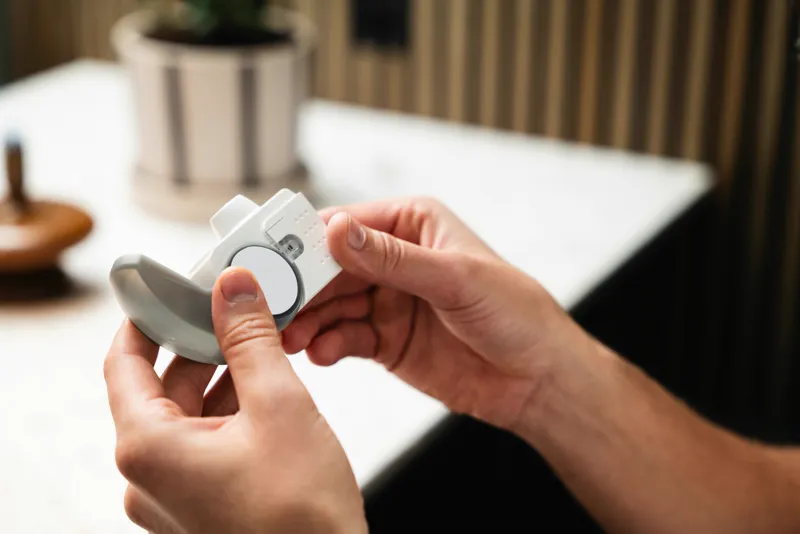
There are three main ways to check blood sugar. A laboratory venous blood test (fasting glucose, OGTT, or HbA1c) is the only method used for diagnosis because it is the most accurate. A home glucometer uses a fingerprick sample and gives an instant reading; it is useful for monitoring but is less precise, with a tolerance of about 15% in either direction, and should not be used on its own to diagnose diabetes. Continuous glucose monitors (CGMs) are small sensors worn on the arm that measure interstitial glucose every few minutes and are increasingly used by people on insulin and, increasingly, by those wanting to understand their food responses. If a home reading is abnormal, confirm it with a laboratory test.
What to Expect at DCDC
Doctors Clinic Diagnostic Center (DCDC) is located in Building 64, Block A, Al Razi Medical Complex, Dubai Healthcare City, with free dedicated parking. We are open Saturday to Thursday 8 AM to 10 PM and Friday 9 AM to 9 PM. You can walk in or book through WhatsApp or phone. Our on-site laboratory means routine blood sugar results are typically ready the same day, so you do not have to wait days for answers.
- Booking: Walk in or schedule a morning appointment by calling +971 54 219 5008 or messaging +971 50 970 3884 on WhatsApp. Mention that you want a fasting test so we can book you early.
- Preparation: Fast for 8 to 10 hours (water only). Bring your Emirates ID or passport and insurance card if you have one. HbA1c does not need fasting, but if you are doing both tests together, fast anyway.
- Choosing a test: A glucose test costs AED 99, an HbA1c test costs AED 149, an insulin test costs AED 199, and the comprehensive diabetes panel costs AED 499. The panel is a good choice if you have risk factors, a borderline result, or want a complete picture in a single visit.
- Sample collection: A quick blood draw from your arm takes a few minutes. Our team will let you know when to expect results.
- Same-day results: Routine results are generally available on the same day from our on-site laboratory.
- Doctor review: A GP consultation from AED 249 lets you discuss your numbers, risk factors, and next steps. If results point to diabetes, you can continue care through our diabetes clinic, and our guide to diabetes management in Dubai outlines what ongoing care involves.
- Insurance: We have direct billing with more than 20 insurance partners; coverage for screening depends on your plan, so please check with the team.
DCDC holds a 4.8/5 Google rating from over 1,000 patient reviews, and our general practitioners, including Dr. Hadeel Elnur, regularly help patients interpret borderline results and plan sensible next steps.
Check Your Blood Sugar Today
Get a glucose test (AED 99), HbA1c (AED 149), or a full diabetes panel (AED 499) at DCDC in Dubai Healthcare City, with same-day results from our on-site laboratory.
Call +971 54 219 5008 or WhatsApp +971 50 970 3884
Related Services at DCDC
Expert care and advanced diagnostics at Dubai Healthcare City
Frequently Asked Questions
Key Points on Blood Sugar Levels
Blood sugar numbers are simple once you know the thresholds: fasting under 100 mg/dL (5.6 mmol/L), under 140 mg/dL (7.8 mmol/L) two hours after eating, and an HbA1c under 5.7% are considered normal. Anything above those lines is not a diagnosis by itself, but it is a prompt to repeat the test and look at your overall risk. The earlier prediabetes is found, the more reversible it is, and most people can lower their numbers through weight loss, movement, and better food choices.
If you have risk factors, are over 35, or have never had your blood sugar checked, a test at DCDC in Dubai Healthcare City takes only a few minutes: glucose AED 99, HbA1c AED 149, or a full diabetes panel AED 499, with same-day results and a GP consultation from AED 249 to explain them. Book by calling +971 54 219 5008 or messaging us on WhatsApp at +971 50 970 3884.
Sources & References
This article references the following sources:
- American Diabetes Association. Standards of Care in Diabetes 2026: Prevention or Delay of Diabetes and Associated Comorbidities. Diabetes Care
- Nathan DM, et al. Translating the A1C assay into estimated average glucose values (ADAG study). Diabetes Care. 2008
- HAPO Study Cooperative Research Group. Hyperglycemia and adverse pregnancy outcomes. N Engl J Med. 2008
- International Association of Diabetes and Pregnancy Study Groups. Recommendations on the diagnosis and classification of hyperglycemia in pregnancy. Diabetes Care. 2010
- Diabetes Prevention Program Research Group. Reduction in the incidence of type 2 diabetes with lifestyle intervention or metformin. N Engl J Med. 2002
- Prediabetes and diabetes prevalence and risk factors in the UAE. Scientific Reports
This information is educational and does not replace individual medical advice. See our editorial policy for more information.

Written by
Dr. Hadeel Elnur
General Practitioner
MD, General Practice
Dr. Hadeel Elnur is a General Practitioner at Doctors Clinic Diagnostic Center (DCDC) in Dubai Healthcare City.
Related Articles
HbA1c Test Dubai: Levels, Cost & Guide (2026)
Diabetes Management Dubai: Complete Guide (2026)
Pre-Diabetes Dubai: Signs & How to Reverse (2026)
HbA1c vs Fasting Blood Sugar Dubai: Guide (2026)
Diabetes Test Cost Dubai: From AED 249 (2026)
More in Internal Medicine
LDL vs HDL Cholesterol Dubai: Guide (2026)
Read More
Night Sweats Causes Dubai: When to Worry (2026)
Read MoreDiabetes Complications Dubai: Warning Signs (2026)
Read MoreDiabetes and Heart Disease Dubai: Risk Guide (2026)
Read More
Indigestion Dubai: Causes & When to Worry (2026)
Read More
Blood in Stool Dubai: Causes & When to Worry (2026)
Read More© 2026 Doctors Clinic Diagnostic Center (DCDC), Dubai Healthcare City. Originally published at https://doctorsclinicdubai.ae/blog/blood-sugar-levels-chart-normal-range-dubai. All rights reserved. Unauthorized reproduction is prohibited.