Key Takeaways
- True night sweats soak your clothes and bedding and recur even in a cool room, unlike simply sleeping warm under heavy blankets.
- The most common causes are menopause, medications, thyroid overactivity, infections, low blood sugar, anxiety and sleep apnea, and most are treatable.
- Weight loss over 5% in 6 months, persistent fever, swollen lymph nodes, severe fatigue or sweats lasting over 2 weeks need prompt evaluation.
- Initial blood tests at DCDC cost AED 99-149 each, with results in 18-24 hours, and a GP consultation starts from AED 249.
Waking up drenched in sweat, with damp pyjamas and sheets that need changing, is alarming, but it usually has a treatable cause. Hormonal shifts, medicines, thyroid problems and stress account for most cases, and a smaller number point to infections or conditions that need prompt attention. Night sweats are also different from simply sleeping warm, and understanding the difference is the first step. If hormones or metabolism may be involved, our endocrine and metabolic disorders service in Dubai Healthcare City can help you find answers.
True night sweats are episodes of heavy perspiration that soak your clothing or bedding, regardless of how warm the room is. This guide explains the benign and serious causes, the warning signs that mean you should see a doctor, the tests used to find the cause, and practical steps to sleep better, including Dubai-specific advice on air conditioning and humidity.
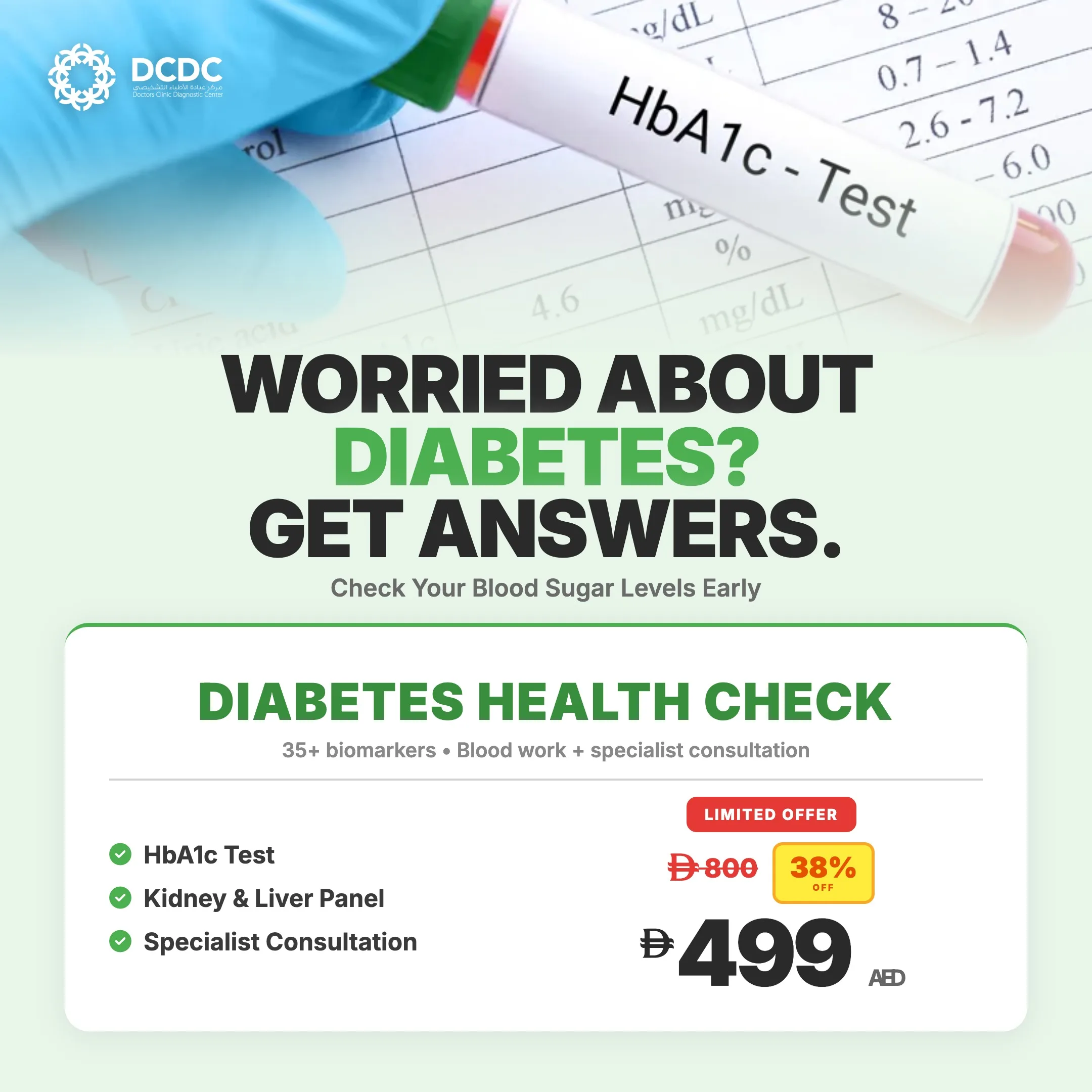
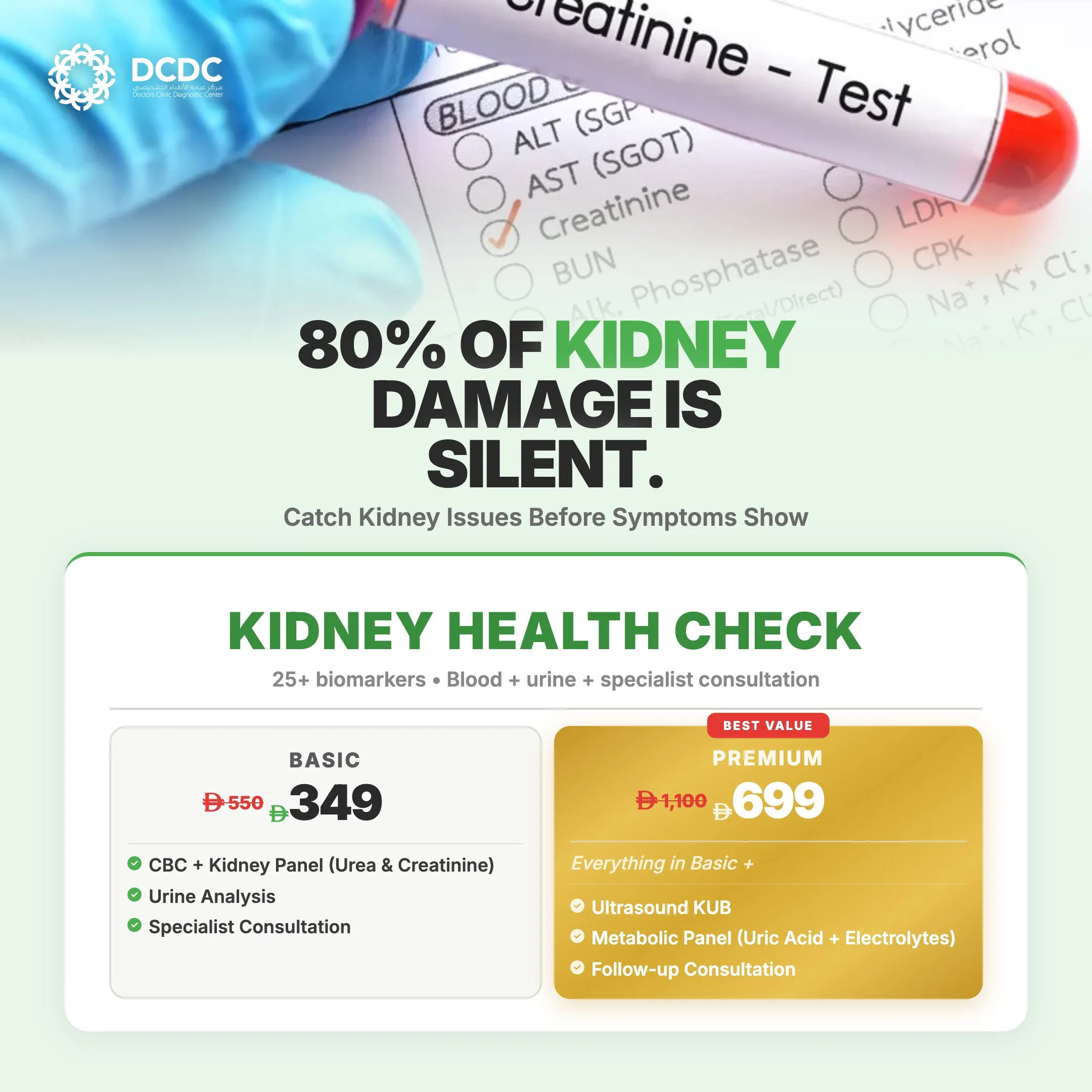
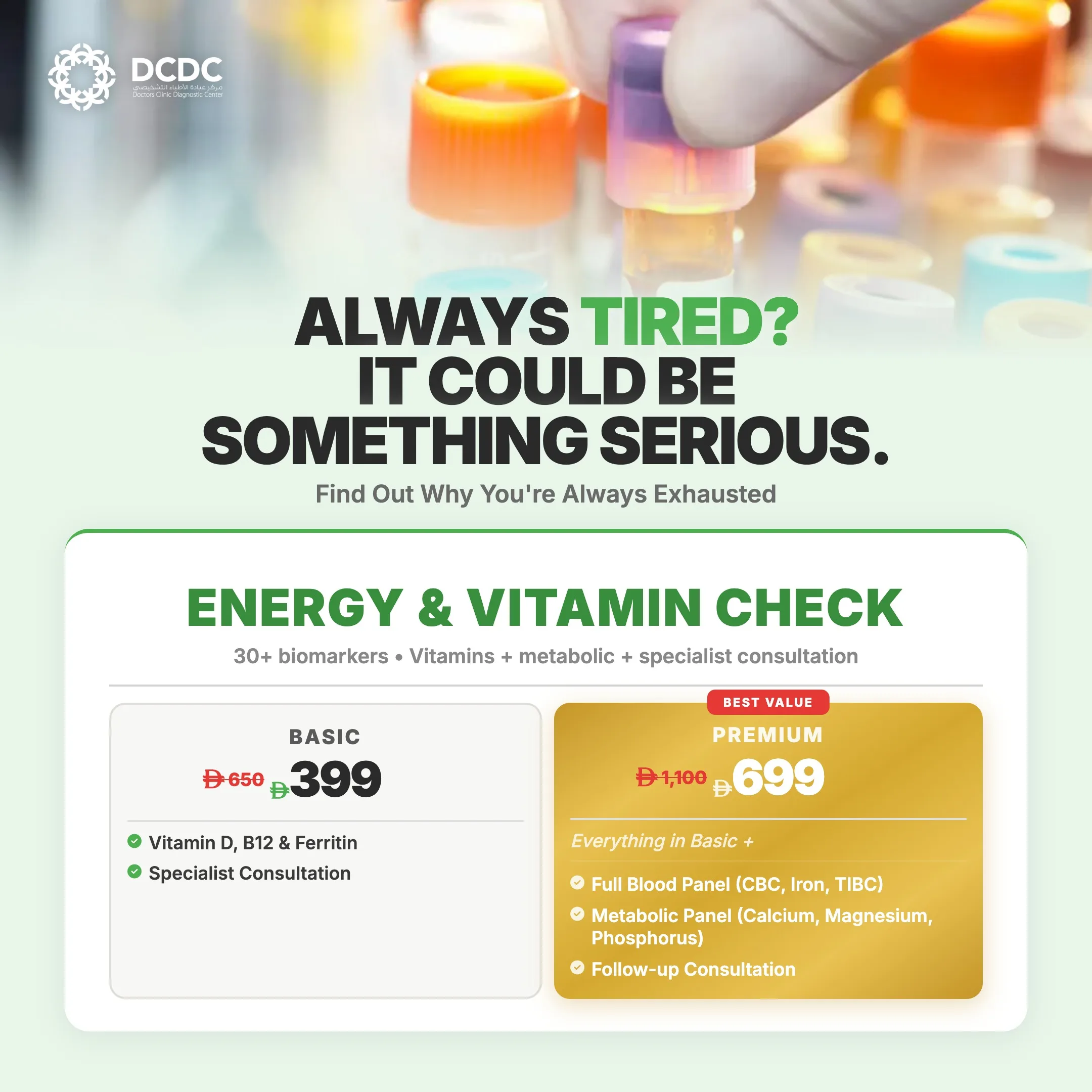
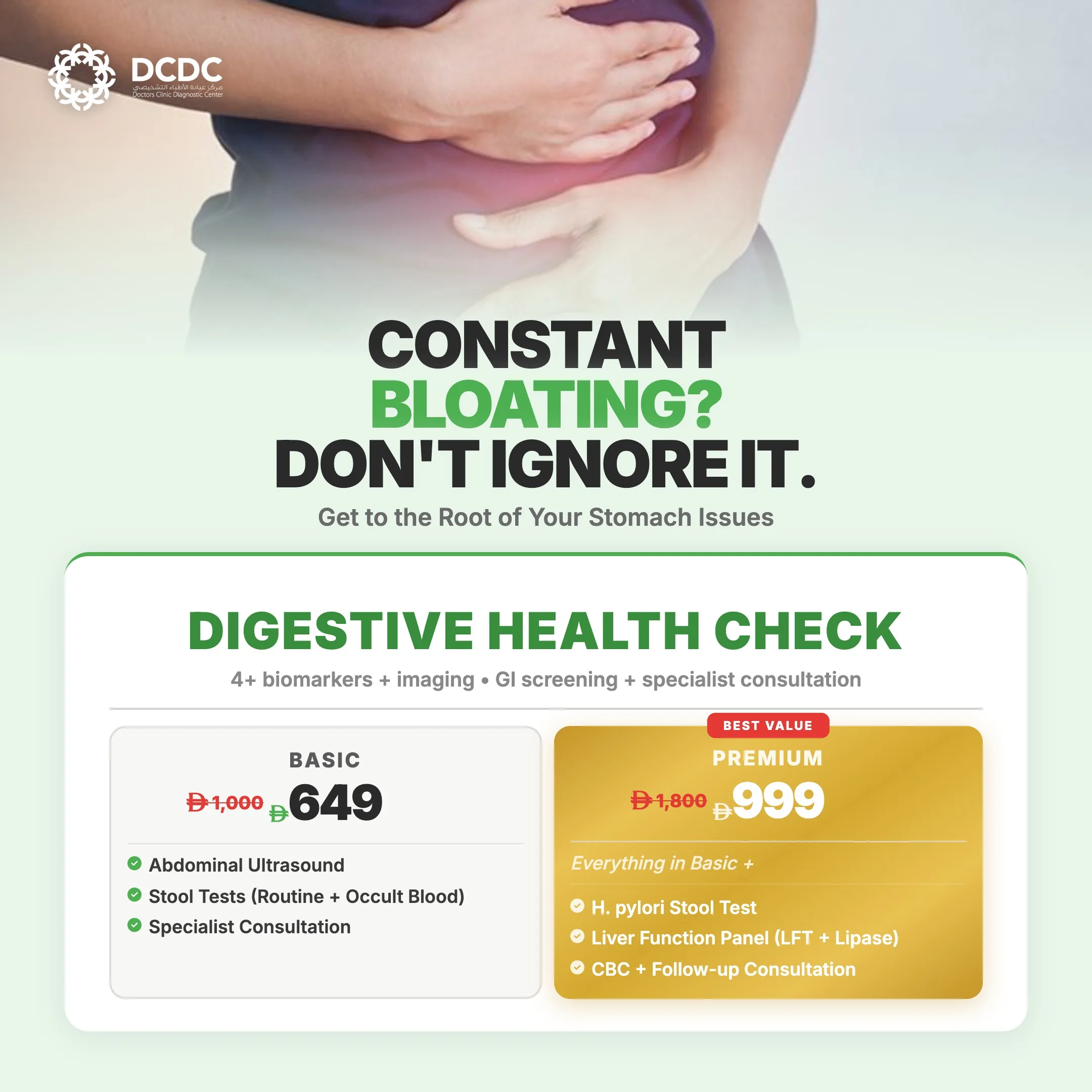
Health Screening Packages
Save with our bundled screening packages — specialist consultation included


What Are Night Sweats? Normal Sweating vs Concerning Signs
Sweating is the body's cooling system, and it is perfectly normal to sweat a little during sleep. True night sweats are different: they are repeated episodes of heavy perspiration that soak your pyjamas and bedding, and they happen whatever the temperature of the room. Doctors separate them from the ordinary overheating that comes from a warm bedroom or a thick duvet.
In Dubai the distinction matters more than usual. Many residents run air conditioning at low settings, sleep under heavy blankets to compensate, or return home from 40°C heat to a cold apartment. Waking up damp in these conditions is often an environmental effect rather than a medical one. The table below helps you tell the two apart.
| Feature | Sleeping Hot (Usually Harmless) | True Night Sweats (Worth Investigating) |
|---|---|---|
| Amount of sweat | Mild dampness, mostly on the neck or back | Drenching; clothes and sheets soaked through |
| Trigger | Heavy blanket, warm room, AC off or set too high | Occurs even in a cool room with light bedding |
| Relief | Resolves when you remove covers or cool the room | Persists after changing the environment |
| Frequency | Occasional, linked to specific nights | Recurring, several nights a week |
| Other symptoms | None | Fever, weight loss, palpitations, hot flashes, fatigue |
Normal sleep sweating compared with true night sweats
If you only wake up damp on nights when the bedroom is warm, adjust the environment first. If you are repeatedly changing nightwear or sheets despite a cool room, a medical cause is more likely and an evaluation is sensible.
Common Causes of Night Sweats
Night sweats have a long list of possible causes, and most of them are treatable. The sections below start with the most frequent explanations seen in primary care.
Hormonal Changes: Menopause, Perimenopause and Andropause
Hormonal change is the most common cause of night sweats in adults. In women, perimenopause and menopause are the leading explanation, with symptoms most often starting between ages 45 and 55. Falling estrogen narrows the brain's temperature comfort zone, so small rises in body heat trigger a sudden release of sweat to cool down. Many women describe a wave of heat that spreads across the chest and face, followed by drenching perspiration. You can read more in our guide to perimenopause symptoms in Dubai.
Men are not exempt. A gradual decline in testosterone (sometimes called andropause or late-onset hypogonadism) can cause sweating, fatigue, low mood and reduced libido. Hormone levels can be measured with a simple blood test, as explained in our hormone balance test guide.
Infections
Any infection that causes fever can cause sweating as the fever breaks, and this tends to happen overnight. Common examples include viral illnesses such as influenza, urinary tract infections and chest infections. Less common but important causes are tuberculosis, which classically produces night sweats with a persistent cough and weight loss, HIV, and infections of the heart valves or bones. Dubai's international population means doctors keep these possibilities in mind, particularly if you have travelled or lived in a region where tuberculosis is common.
Medications
Medicines are a frequent and easily overlooked trigger. Drugs commonly linked with night sweating include:
- Antidepressants, especially SSRIs and SNRIs, which affect the brain's temperature regulation
- Diabetes medications such as insulin and sulfonylureas, which can cause overnight low blood sugar
- Hormone therapy, including tamoxifen, aromatase inhibitors and some anti-testosterone treatments
- Steroids such as prednisolone
- Pain and fever medicines such as aspirin and acetaminophen (paracetamol), which cause sweating as they lower a fever
- Some blood pressure, opioid and osteoporosis medicines
Never stop a prescribed medicine on your own. Instead, tell your doctor, who may adjust the dose, change the timing or switch to an alternative.
Hyperthyroidism (Overactive Thyroid)
The thyroid gland sets the body's metabolic speed. When it produces too much hormone, metabolism and heat production increase, leading to heat intolerance, sweating, a racing heart, weight loss despite a normal appetite, tremor and anxiety. Night sweats are a common complaint. A simple TSH blood test usually identifies the problem, and treatment is effective. Our article on thyroid problem symptoms in Dubai explains the other warning signs.
Hypoglycemia (Low Blood Sugar)
When blood sugar drops during the night, the body releases adrenaline to correct it, which causes sweating, a pounding heart, shakiness and sometimes nightmares or a headache on waking. This is most common in people with diabetes who take insulin or sulfonylureas, particularly if they skipped dinner, exercised late or drank alcohol. It can occasionally occur in people without diabetes. Repeated night-time hypoglycemia needs a medication review.
Anxiety and Stress
Stress and anxiety activate the autonomic nervous system, the same "fight or flight" response that causes a sweaty palm before a presentation. If your mind is racing at night, or you wake from vivid dreams with a pounding heart, sweating can follow. Stress-related night sweats are usually accompanied by tension, restless sleep and daytime worry, and they respond well to relaxation techniques, therapy and treating the underlying anxiety.
Obstructive Sleep Apnea
In obstructive sleep apnea the airway repeatedly collapses during sleep. Each pause in breathing triggers a surge of stress hormones, and the extra effort of breathing raises body temperature, so heavy sweating is common. Clues include loud snoring, gasping, morning headaches and daytime sleepiness. It is more frequent in people who are overweight, and it is worth treating because it raises the risk of high blood pressure and heart disease.
Idiopathic Hyperhidrosis
Some people simply sweat more than average, a condition called hyperhidrosis. When sweating is excessive and no underlying medical cause is found after investigation, it is called idiopathic hyperhidrosis. It often runs in families and can occur day and night. It is a diagnosis of exclusion, which is why doctors check for other causes first, and it can usually be managed with prescription antiperspirants or other treatments.
Night Sweats in Women vs Men
Both sexes experience night sweats, but the typical causes differ. The table compares the most common patterns seen in clinic.
| Factor | Women | Men |
|---|---|---|
| Most common cause | Perimenopause/menopause | Medications, infections |
| Hormonal link | Estrogen decline | Testosterone decline (andropause) |
| Age peak | 45-55 years | Any age |
| Associated symptoms | Hot flashes, mood changes | Fatigue, reduced libido |
Night sweats in women compared with men
Women under 45 should not assume menopause automatically. Thyroid disease, pregnancy, polycystic ovary syndrome and medications can all mimic it. In men, night sweats are less often hormonal and more often due to medicines, sleep apnea, infection or, occasionally, a more serious illness, so a thorough check is worthwhile.
When Night Sweats Are a Red Flag
Most night sweats are not dangerous, but certain features suggest a more serious condition that should be investigated promptly. Book a medical review if your night sweats occur together with any of the following:
- Unexplained weight loss of more than 5% of your body weight over 6 months
- Persistent fever without an obvious infection
- Night sweats lasting more than 2 weeks without improvement
- Swollen lymph nodes in the neck, armpit or groin
- Severe fatigue that poor sleep does not explain
- Recurrent infections alongside the sweating
These combinations can point to conditions such as lymphoma, leukemia, tuberculosis or HIV, which are much easier to treat when found early. The American Cancer Society lists drenching night sweats, unexplained fever and weight loss among the classic "B symptoms" of lymphoma. Having these symptoms does not mean you have cancer, since infections and thyroid disease cause the same pattern, but they do mean you should not wait. Our guide to cancer screening in Dubai explains which tests are suitable at different ages.
Seek urgent care straight away if night sweats come with chest pain, shortness of breath, confusion, coughing up blood or a very high fever.
Diagnostic Tests for Night Sweats
Evaluation starts with a detailed history and examination, followed by targeted blood tests. The table lists the investigations we commonly use, with exact DCDC prices.
| Test | What It Checks | DCDC Price |
|---|---|---|
| CBC | Infection markers, blood cell abnormalities | AED 149 |
| TSH | Thyroid function (hyperthyroidism) | AED 149 |
| Glucose (fasting) | Hypoglycemia/diabetes | AED 99 |
| ESR | Inflammation/infection | AED 99 |
| CRP | Acute inflammation | AED 149 |
| Female Hormone Panel | Estradiol, FSH, LH (menopause) | AED 499 |
| Total Testosterone | Male hormonal decline | AED 149 |
| HbA1c | Long-term blood sugar control | AED 149 |
| HBsAg | Hepatitis B screening | AED 149 |
| HCV | Hepatitis C screening | AED 149 |
Blood tests for night sweats at DCDC Dubai
You will not need every test. Your doctor selects them according to your age, symptoms and medication list. A woman in her late forties with hot flashes may need a hormone panel and TSH, while a man with weight loss and fever may need a CBC, inflammatory markers and infection screening. Home collection is available for all of these tests for AED 199 per visit.
If blood work suggests something further, your doctor may request a chest X-ray, thyroid or abdominal ultrasound, or other imaging, all of which are available on-site.
What to Expect at DCDC: Night Sweats Evaluation
A visit is designed to give you answers in one place without moving between buildings.
- Location: DHCC Building 64, Block A, Al Razi Medical Complex, with free parking
- Consultation: a GP consultation from AED 249 with a thorough history and physical examination, including lymph nodes, thyroid and heart
- Same-day blood work at our on-site laboratory
- Results within 18-24 hours, and same-day for urgent cases
- Specialist referral when needed: endocrinologist (from AED 299), gynecologist or another specialist
- Imaging if indicated, including thyroid ultrasound and chest X-ray, all on-site
- Insurance: 20+ insurance partners with direct billing
- Opening hours: Saturday to Thursday 8AM-10PM, Friday 9AM-9PM
Bring a list of your medicines and supplements, and if possible a short diary of your symptoms. Hormonal and metabolic causes are assessed within our endocrine and metabolic disorders service, and thyroid concerns can be reviewed at the thyroid clinic.
Book Your Night Sweats Evaluation at DCDC
See a doctor at Dubai Healthcare City for a full assessment: consultation, same-day blood tests and on-site imaging if needed.
GP consultation from AED 249 - direct billing with 20+ insurers
How to Manage Night Sweats at Home
While you wait for an evaluation, or once a cause has been treated, these steps can reduce how often you wake up drenched.
- Keep the bedroom cool: aim for 20-22°C and adjust the AC thermostat accordingly
- Choose breathable fabrics: cotton or bamboo bedding and sleepwear, with layers you can remove
- Avoid triggers before bed: alcohol, spicy food and caffeine
- Stay hydrated, but time it: drink well through the day and reduce fluids 1-2 hours before sleep
- Practise relaxation: slow breathing, meditation or gentle stretching if stress is a factor
- Keep a symptom diary: note dates, severity, associated symptoms and medications
- Track your menstrual cycle if applicable, as sweats may follow a pattern
A diary is genuinely useful. It helps your doctor spot patterns, such as sweats that follow a certain medicine or occur only at particular points of your cycle. If fatigue accompanies the sweating, our article on chronic fatigue causes in Dubai may also help.
Night Sweats and Dubai's Climate
Dubai's climate creates its own challenges. Outdoor temperatures can exceed 40°C in summer with high humidity, while indoor spaces are often cooled to 18-20°C. These large swings can disturb the body's temperature regulation and make sleep environments hard to judge.
- AC cycling: air conditioners that switch on and off through the night can leave the room alternately cold and stuffy, causing you to pile on covers and then overheat. Use a steady setting around 21-22°C or a sleep mode
- Humidity: humid air slows evaporation of sweat, so sweat feels heavier and cooling is less effective. A dehumidifier setting can help
- Dehydration: heat and daytime sweating mean many residents are mildly dehydrated by evening, which can worsen sleep quality and headaches
- Indoor-outdoor swings: going from hot outdoors to a cold bedroom late in the day can leave your body temperature unsettled at bedtime. A lukewarm shower before bed helps
Climate may explain mild, occasional sweating, but it does not explain drenching sweats that persist in a well-controlled room, or sweats that come with weight loss or fever. Do not put those down to the weather.
Worried About Night Sweats? Get Answers at DCDC
Our team in Dubai Healthcare City can help you find the cause, from simple hormonal and thyroid checks to specialist referral. Walk-in or appointment.
Open Sat-Thu 8AM-10PM, Fri 9AM-9PM
Related Services at DCDC
Expert care and advanced diagnostics at Dubai Healthcare City
Frequently Asked Questions
Key Points to Remember
Night sweats are common and most often caused by treatable issues such as menopause, medications, thyroid overactivity, anxiety or low blood sugar.
Distinguish true night sweats from sleeping warm: drenching sweats that recur in a cool room deserve a medical check.
Weight loss, fever, swollen lymph nodes, severe fatigue or sweats lasting over 2 weeks are red flags that need prompt investigation.
Simple blood tests, from AED 99, can identify thyroid, blood sugar, infection and hormonal causes, with home collection available for AED 199 per visit.
Keep a symptom diary and review your medications with your doctor before changing anything.
Sources & References
This article references the following sources:
- NHS - Night sweats
- Mayo Clinic - Night sweats: Causes
- Cleveland Clinic - Menopause
- American Cancer Society - Signs and Symptoms of Cancer
This information is educational and does not replace individual medical advice. See our editorial policy for more information.

Written by
Dr. Hadeel Elnur
General Practitioner
MD, General Practice
Dr. Hadeel Elnur is a General Practitioner at Doctors Clinic Diagnostic Center (DCDC) in Dubai Healthcare City.
Related Articles
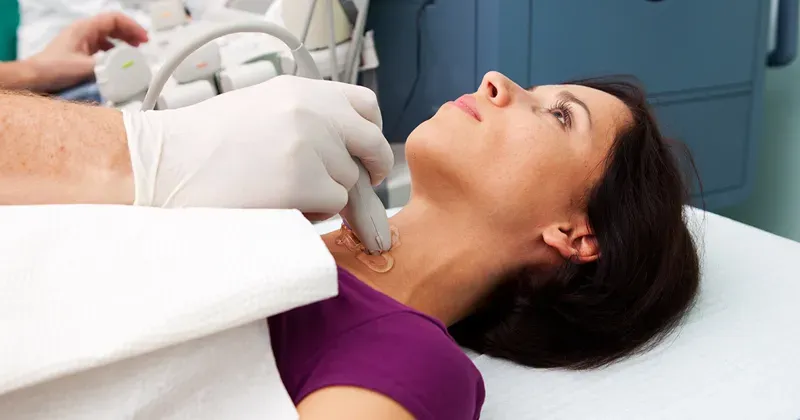
Thyroid Problems Symptoms Dubai

Perimenopause Symptoms Dubai: Signs & Care

Hormone Balance Test Dubai: Full Guide
Chronic Fatigue Causes Dubai: Why Always Tired
Cancer Screening Dubai: Tests & Cost by Age
More in Internal Medicine
Diabetes Complications Dubai: Warning Signs (2026)
Read More
Diabetes and Heart Disease Dubai: Risk Guide (2026)
Read More
Indigestion Dubai: Causes & When to Worry (2026)
Read More
Blood in Stool Dubai: Causes & When to Worry (2026)
Read MoreSigns of Lupus Dubai: Autoimmune Guide (2026)
Read More
Elevated Liver Enzymes: Causes & Next Steps (2026)
Read More© 2026 Doctors Clinic Diagnostic Center (DCDC), Dubai Healthcare City. Originally published at https://doctorsclinicdubai.ae/blog/night-sweats-causes-dubai. All rights reserved. Unauthorized reproduction is prohibited.