Key Takeaways
- A hormone balance test in Dubai checks reproductive, thyroid and metabolic hormones through a simple blood draw — individual tests start from AED 149 at DCDC with same-day results
- Common signs of hormone imbalance include unexplained fatigue, weight changes, irregular periods, hair thinning, acne, mood swings and low libido — testing identifies the specific hormone driving your symptoms
- Timing matters: women should test FSH and LH on cycle day 2–4 and progesterone on day 21, while testosterone and cortisol are most accurate from a morning fasting blood draw
- The female hormone panel at DCDC costs AED 499 and covers FSH, LH, estradiol, progesterone and prolactin — significantly less than ordering each test separately
- DCDC's on-site laboratory in Dubai Healthcare City returns hormone results the same day, so your doctor can review them during a follow-up without a second visit
- Home collection is available for AED 199 per visit on top of the test price — convenient for patients who need early-morning fasting draws
Hormones regulate virtually every process in your body, from metabolism and mood to fertility and sleep. When even one hormone drifts out of its optimal range, the ripple effects — persistent fatigue, sudden weight gain, thinning hair, irregular cycles, or anxiety that seems to come from nowhere — can undermine your quality of life for months before the underlying cause is identified. A hormone balance test is the single most efficient way to pinpoint which hormones are responsible and guide targeted treatment. At DCDC's hormone testing laboratory in Dubai Healthcare City, individual hormone markers start from AED 149 with same-day results, letting you and your doctor move from guesswork to a clear clinical picture in one visit.
This guide walks you through every hormone a balance panel can measure, explains the symptoms that warrant testing, breaks down DCDC's 2026 pricing for individual tests and bundled panels, and covers how to interpret your results. Whether you suspect a thyroid issue, are tracking fertility, or simply want a baseline health snapshot, the information below will help you decide which tests to request and when to schedule them.
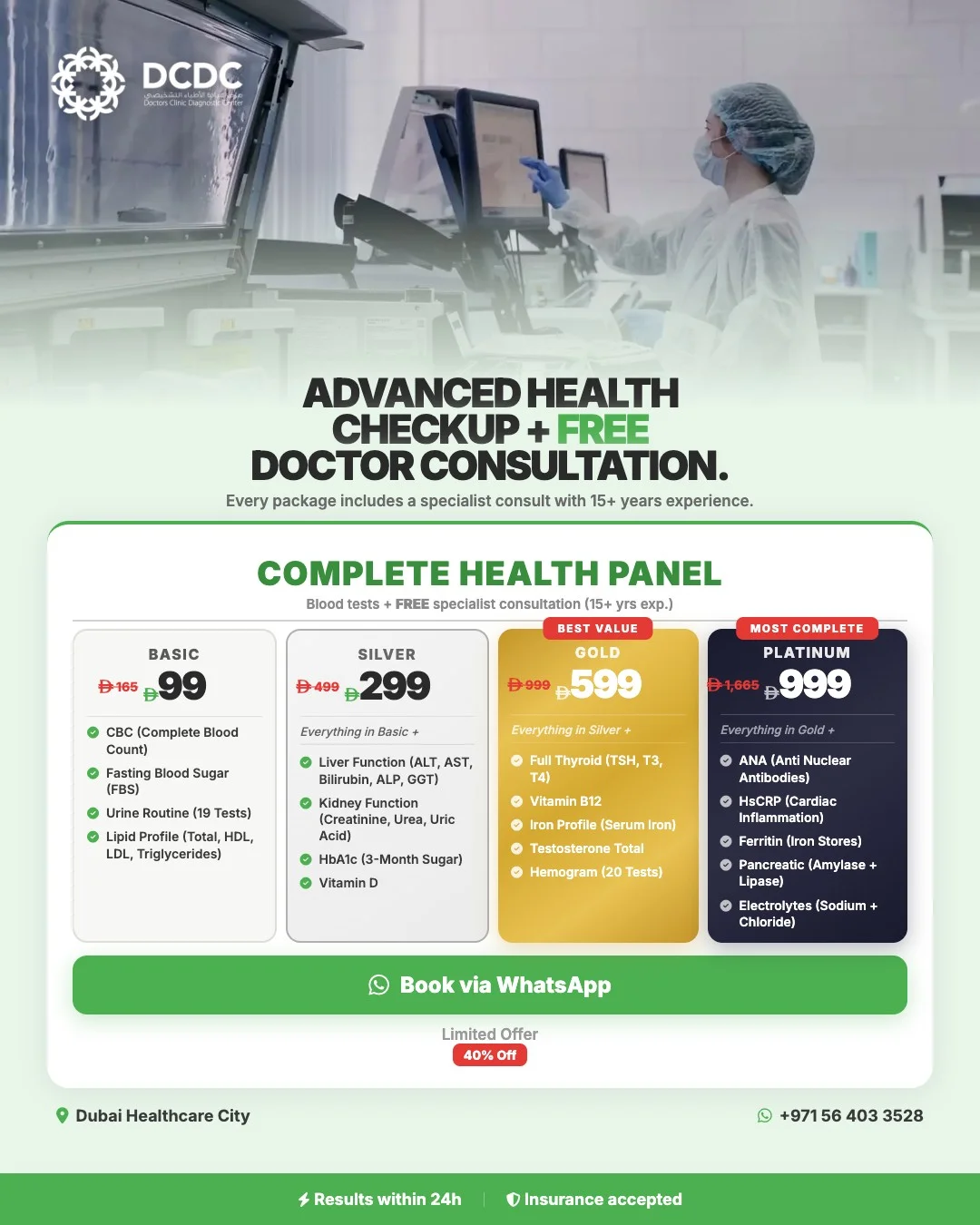
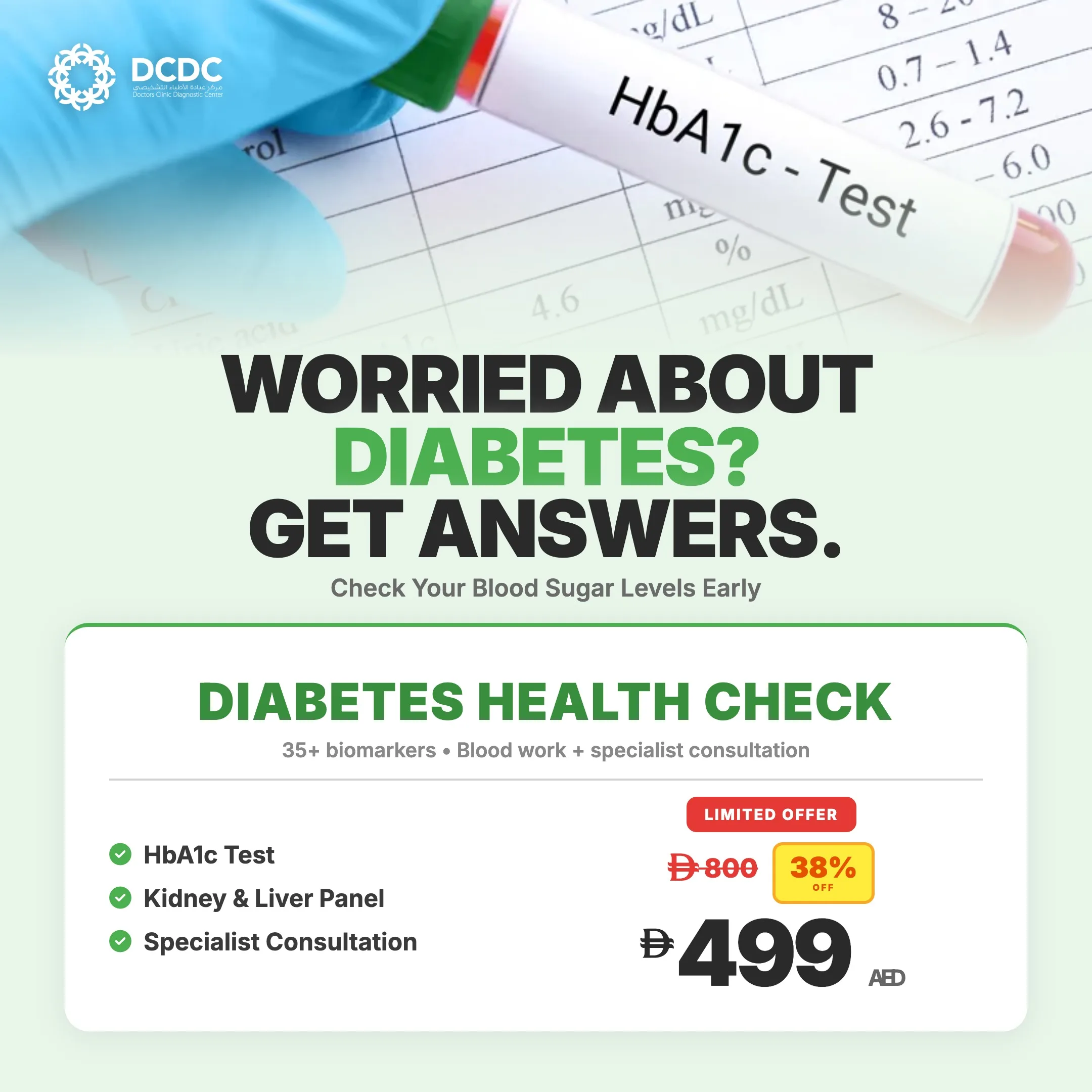
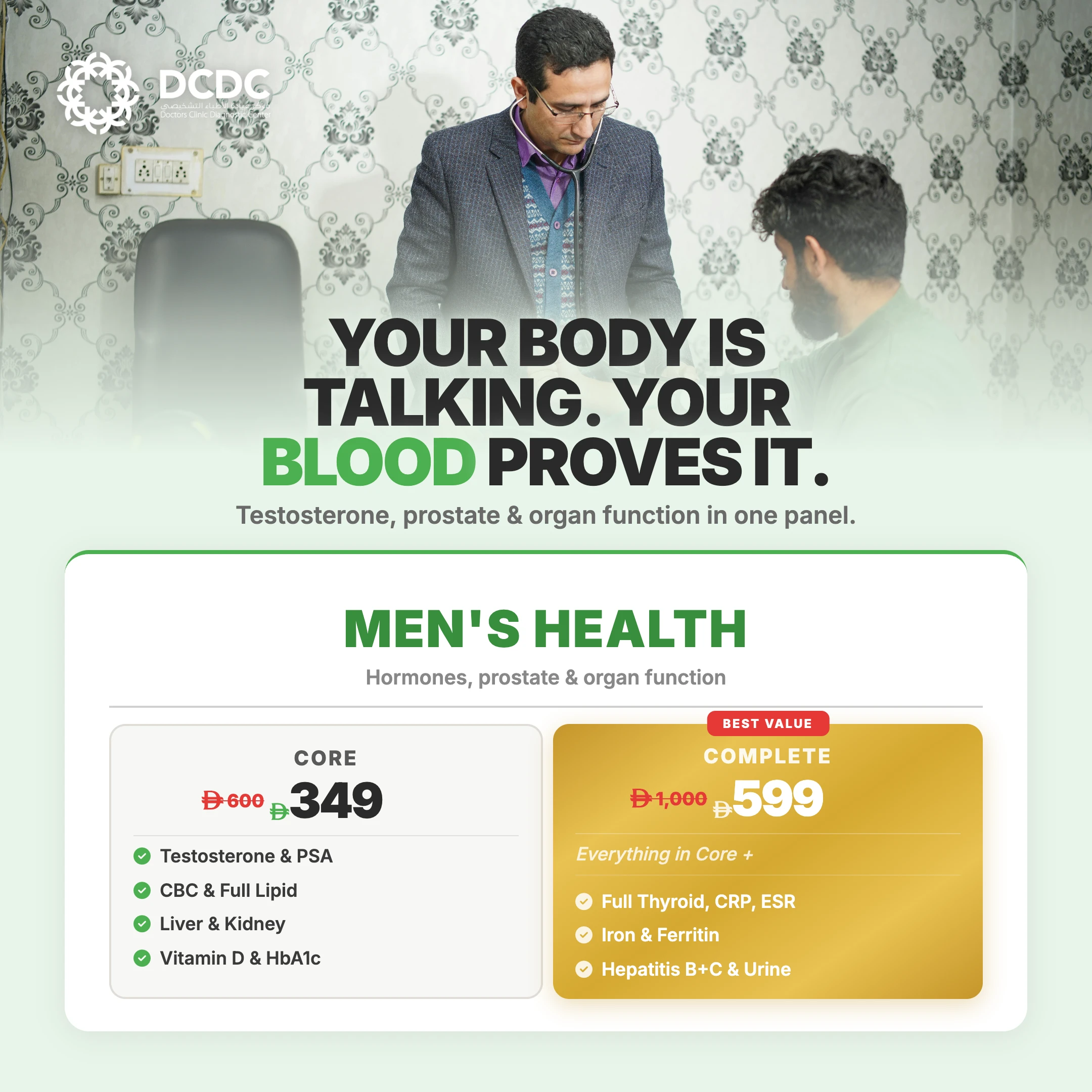
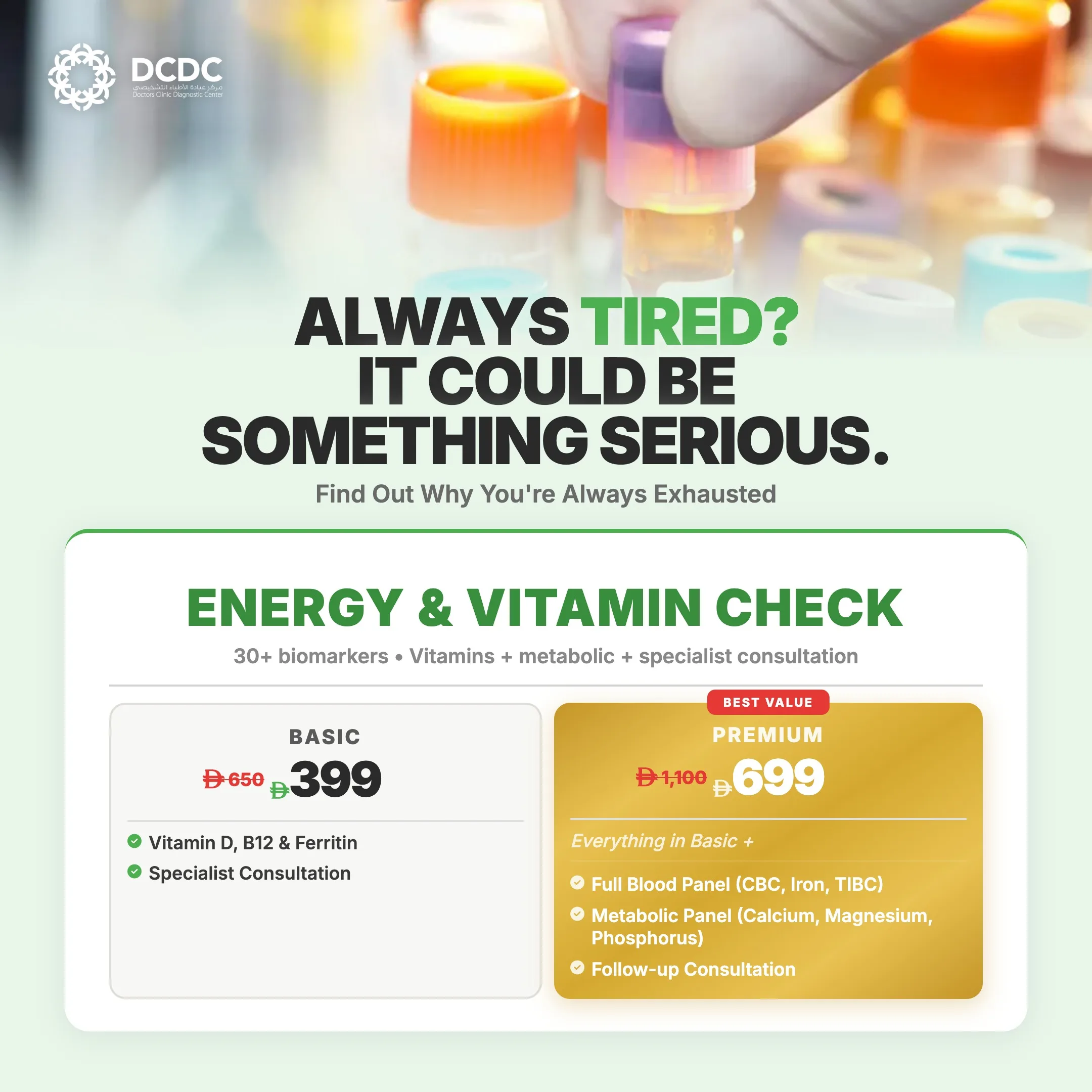
Health Screening Packages
Save with our bundled screening packages — specialist consultation included

What Is a Hormone Balance Test?
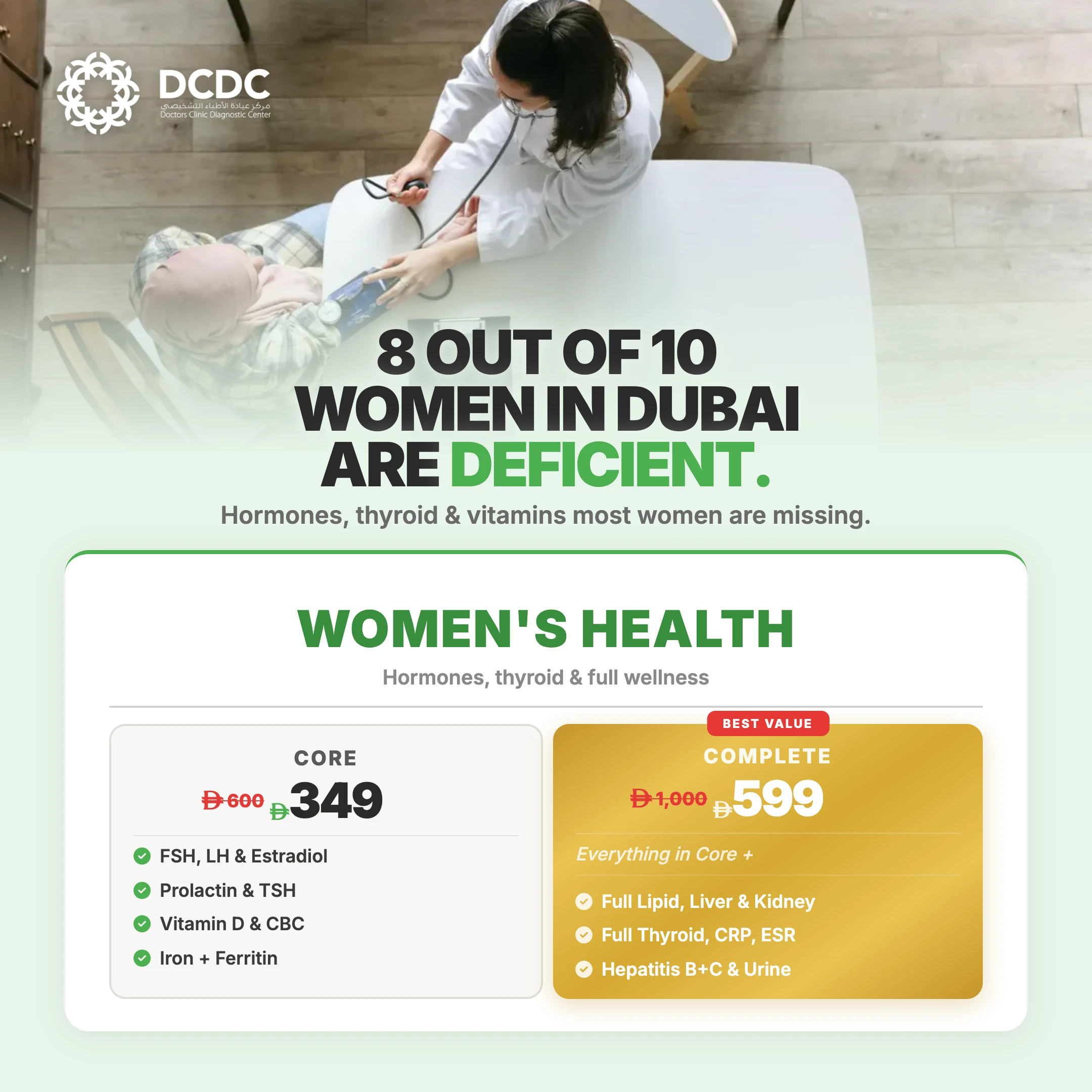
A hormone balance test is a blood panel that measures the circulating levels of hormones produced by the endocrine glands — the thyroid, pituitary, adrenals, ovaries, and testes. Unlike a single-marker test such as TSH for thyroid screening, a balance panel casts a wider net, checking multiple hormone families simultaneously so that interconnected imbalances are not missed.
Hormones do not operate in isolation. FSH and LH from the pituitary stimulate the ovaries and testes; the sex hormones those glands produce (estradiol, progesterone, testosterone) feed back to the pituitary to regulate further release. Thyroid hormones (T3, T4) governed by TSH influence basal metabolic rate, heart rate, and body temperature. Insulin and cortisol modulate blood sugar, fat storage, and the stress response. A disruption at any point in these feedback loops can produce symptoms that overlap — fatigue, for instance, can stem from low thyroid function, elevated cortisol, iron deficiency, or low testosterone — making a comprehensive panel the fastest route to a differential diagnosis.
In clinical practice, a full hormone balance assessment typically combines a reproductive panel, a thyroid panel, and selected metabolic markers. Your doctor may order the complete set or select specific tests based on your symptoms, age, and medical history. The results provide a snapshot of your hormonal environment on that particular day, which is why timing the blood draw correctly — relative to the menstrual cycle and time of day — is critical for accurate interpretation.
Signs You May Need Hormone Testing
Hormonal imbalance rarely announces itself with a single dramatic symptom. Instead, it tends to produce a constellation of persistent, low-grade changes that patients often attribute to stress, ageing, or lifestyle. If several of the following have been present for more than a few weeks, a hormone balance test can clarify whether an endocrine issue is the driver.
A targeted blood panel removes the guesswork. Rather than trialling supplements or lifestyle changes blindly, you get objective data that tells your physician exactly which axis to address.
Key Hormones Tested in a Full Panel
A comprehensive hormone balance panel covers three major groups: reproductive hormones, thyroid hormones, and metabolic hormones. Below is a detailed breakdown of what each marker measures and why it matters.
Reproductive Hormones
Follicle-Stimulating Hormone (FSH) — produced by the pituitary gland, FSH stimulates the growth of ovarian follicles in women and sperm production in men. Elevated FSH in women may indicate diminished ovarian reserve or approaching menopause; low FSH can suppress ovulation. In men, high FSH suggests testicular dysfunction. The FSH test at DCDC costs AED 149.
Luteinising Hormone (LH) — works in tandem with FSH. In women, an LH surge mid-cycle triggers ovulation; a persistently elevated LH-to-FSH ratio is a hallmark of PCOS. In men, LH stimulates testosterone production by Leydig cells. LH testing at DCDC is AED 149.
Estradiol (E2) — the primary oestrogen in premenopausal women, produced mainly by the ovaries. Estradiol regulates the menstrual cycle, supports bone density, and influences mood and skin health. Low estradiol is characteristic of menopause and premature ovarian insufficiency; elevated levels may occur with obesity (peripheral aromatisation) or certain ovarian conditions. Testing costs AED 149 at DCDC.
Progesterone — produced by the corpus luteum after ovulation, progesterone prepares the uterine lining for implantation and supports early pregnancy. A mid-luteal (day 21) progesterone level confirms whether ovulation occurred — essential for fertility assessment. Low progesterone contributes to luteal phase defects, spotting, and early miscarriage risk. DCDC tests progesterone for AED 149.
Total Testosterone — not just a male hormone. In women, even small testosterone elevations cause acne, hirsutism, and scalp hair thinning; in men, low testosterone drives fatigue, low libido, erectile dysfunction, and muscle loss. The testosterone test at DCDC is AED 200.
DHEA-S (Dehydroepiandrosterone Sulphate) — an adrenal androgen precursor that the body converts into testosterone and oestrogen. Elevated DHEA-S in women points toward an adrenal source of androgen excess rather than ovarian, which changes the treatment approach for conditions like hirsutism and acne. The test is AED 149 at DCDC.
Prolactin — secreted by the pituitary, prolactin stimulates breast milk production. Outside of pregnancy and breastfeeding, elevated prolactin (hyperprolactinaemia) can suppress ovulation, cause irregular periods, and reduce libido in both sexes. High levels warrant imaging of the pituitary to rule out a prolactinoma. Prolactin testing is AED 149 at DCDC.
Thyroid Hormones
TSH (Thyroid-Stimulating Hormone) — the first-line screening marker for thyroid function. TSH rises when the thyroid underperforms (hypothyroidism) and drops when it overproduces hormones (hyperthyroidism). An individual TSH test at DCDC is AED 249; the TSH panel, which adds a broader thyroid assessment, is also AED 249.
Free T3 (FT3) and Free T4 (FT4) — the active thyroid hormones circulating in the bloodstream. FT4 is produced directly by the thyroid; FT3 is largely converted from T4 in peripheral tissues and is the more metabolically active form. Measuring both alongside TSH reveals whether an abnormal TSH is due to actual hormone production problems or a pituitary-level issue. Individual FT3 or FT4 tests are AED 149 each. The full thyroid profile (TSH + FT3 + FT4) at DCDC is AED 399.
Metabolic Hormones
Insulin — a fasting insulin level detects insulin resistance well before blood glucose or HbA1c becomes abnormal. Insulin resistance is a root cause of PCOS-related androgen excess, central weight gain, and prediabetes — and it is highly prevalent in the UAE due to dietary patterns and sedentary lifestyles. Fasting insulin at DCDC is AED 199.
Cortisol — the primary stress hormone produced by the adrenal glands. Chronically elevated cortisol (Cushing's-like patterns) promotes abdominal fat deposition, muscle wasting, glucose intolerance, insomnia, and immune suppression. Low cortisol (adrenal insufficiency) causes profound fatigue, salt cravings, and hypotension. Morning cortisol is the standard screening draw; your doctor may request additional timed samples if baseline results are equivocal. Cortisol testing is available at DCDC — consult with your physician to determine whether a morning serum cortisol, salivary cortisol, or 24-hour urinary cortisol is appropriate.
Hormone Testing for Women vs Men
While the individual hormone markers overlap, the clinical context and panel composition differ between women and men.
Women's Hormone Panel
A standard female hormone panel focuses on the hypothalamic-pituitary-ovarian axis: FSH, LH, estradiol, progesterone, and prolactin. If androgen excess is suspected (acne, hirsutism, hair loss), testosterone and DHEA-S are added. Thyroid function (TSH, FT3, FT4) is routinely included because thyroid dysfunction is 5–8 times more common in women than men, and its symptoms — fatigue, weight gain, menstrual irregularity — mirror ovarian hormone imbalance. Fasting insulin is recommended when PCOS, unexplained weight gain, or a family history of type 2 diabetes is present.
DCDC's female hormone panel at AED 499 is the most cost-efficient starting point, covering the core reproductive hormones. Adding individual tests for testosterone (AED 200), DHEA-S (AED 149), thyroid profile (AED 399), and insulin (AED 199) builds out the complete picture based on clinical indication.
Men's Hormone Panel
For men, the initial assessment centres on total testosterone (drawn in the morning when levels peak), FSH, and LH to differentiate primary (testicular) from secondary (pituitary) hypogonadism. Prolactin is added when testosterone is unexpectedly low or when libido changes and headaches co-exist — a combination that raises suspicion for a pituitary adenoma. Thyroid testing is less routinely ordered but should be included when fatigue, weight change, or heart rate abnormalities are present.
A practical starting panel for men at DCDC: total testosterone (AED 200), FSH (AED 149), LH (AED 149), and TSH panel (AED 249) — totalling AED 747 for a focused assessment of the two most common hormonal drivers of male fatigue and sexual dysfunction.
When to Get Tested: Timing Matters
Hormone levels are not static — they fluctuate throughout the day and, in women, across the menstrual cycle. Drawing blood at the wrong time can produce misleading results that lead to unnecessary worry or missed diagnoses. Follow these timing guidelines for the most clinically useful results.
| Hormone | Optimal Timing | Why It Matters |
|---|---|---|
| FSH, LH, Estradiol | Cycle day 2–4 (early follicular phase) | Baseline levels before a dominant follicle is selected; avoids the mid-cycle LH surge that would artificially elevate results |
| Progesterone | Cycle day 21 (or 7 days post-ovulation) | Confirms whether ovulation occurred; a level above 10 nmol/L (3 ng/mL) indicates a functional corpus luteum |
| Testosterone (men) | 7:00–10:00 AM, fasting | Testosterone peaks in early morning; afternoon draws may underestimate levels by 20–30% |
| Testosterone (women) | Cycle day 2–4, morning | Minimises menstrual-cycle variation; morning draw ensures consistency |
| Cortisol | 8:00–9:00 AM, fasting | Cortisol follows a strict diurnal rhythm with an early morning peak (the cortisol awakening response) |
| TSH, FT3, FT4 | Morning, fasting preferred | TSH is highest in early morning and can fall by 50% by afternoon; fasting avoids postprandial TSH suppression |
| Insulin | Morning, 8–12 hour fast | Fasting insulin eliminates the confounding effect of a recent meal; baseline reflects true insulin sensitivity |
| Prolactin | Morning, fasting, rested | Stress, exercise, and recent meals can transiently raise prolactin and trigger a false-positive result |
For women with irregular cycles who cannot reliably identify day 2–4, your physician may order the tests at any point and interpret them alongside an ultrasound of the ovaries to assess follicle count and phase. DCDC's on-site ultrasound and laboratory make it possible to complete both assessments in a single visit.
Understanding Your Hormone Test Results
Reference ranges vary slightly between laboratories depending on the assay platform. The table below provides the general adult ranges used in clinical interpretation. Your DCDC report will print the laboratory-specific reference range alongside each result.
| Hormone | Women (Follicular Phase) | Women (Mid-Cycle / Luteal) | Men | Unit |
|---|---|---|---|---|
| FSH | 3.5–12.5 | 4.7–21.5 (mid-cycle surge) | 1.5–12.4 | mIU/mL |
| LH | 2.4–12.6 | 14.0–95.6 (mid-cycle surge) | 1.7–8.6 | mIU/mL |
| Estradiol (E2) | 12.5–166 (follicular) | 43.8–211 (luteal) | 7.6–42.6 | pg/mL |
| Progesterone | 0.2–1.5 (follicular) | 1.7–27.0 (luteal) | 0.2–1.4 | ng/mL |
| Total Testosterone | 0.1–0.9 (varies by lab) | — | 8.6–29.0 (age-dependent) | nmol/L |
| DHEA-S | 35–430 (age-dependent) | — | 80–560 (age-dependent) | µg/dL |
| Prolactin | 4.8–23.3 | — | 4.0–15.2 | ng/mL |
| TSH | 0.27–4.20 | — | 0.27–4.20 | mIU/L |
| Free T4 (FT4) | 12.0–22.0 | — | 12.0–22.0 | pmol/L |
| Free T3 (FT3) | 3.1–6.8 | — | 3.1–6.8 | pmol/L |
| Fasting Insulin | 2.6–24.9 | — | 2.6–24.9 | µIU/mL |
A single out-of-range value does not always equal disease. Mild TSH elevation, for example, may be transient after illness or stress and warrants a repeat test in 6–8 weeks before treatment decisions are made. Conversely, a value within the reference range can still be clinically significant — a TSH of 4.0 in a woman with fatigue and a family history of thyroid disease may warrant further investigation even though it falls inside the technical normal limits.
This is why context matters as much as numbers. At DCDC, your physician reviews the complete panel together with your symptoms, medical history, and any imaging findings to arrive at an integrated clinical interpretation rather than treating each marker in isolation.
What to Expect at DCDC
DCDC (Doctors Clinic Diagnostic Center) is located in Building 64, Block A, Al Razi Medical Complex in Dubai Healthcare City — Dubai's dedicated medical free zone. The clinic is open Saturday to Thursday 8 AM – 10 PM and Friday 9 AM – 9 PM, with free on-site parking and direct-billing agreements with 20+ insurance providers.
Here is how hormone balance testing works at the clinic:
Patients who prefer to test at home can use DCDC's home collection service. A phlebotomist visits your location at a scheduled time, draws the blood under the same quality standards, and transports the sample back to the DCDC lab. The home collection fee is AED 199 per visit (not per test), added to the standard test prices. This is especially useful for early-morning fasting draws required for cortisol, testosterone, and insulin.
Hormone Balance Test Cost in Dubai (2026)
Hormone testing at DCDC uses transparent, published pricing. Individual tests let you check specific markers; panels offer a cost-efficient bundle when multiple related hormones are needed. All prices below are the current 2026 DCDC rates.
Individual Hormone Tests
| Hormone Test | DCDC Price (AED) |
|---|---|
| FSH | 149 |
| LH | 149 |
| Estradiol (E2) | 149 |
| Progesterone | 149 |
| Prolactin | 149 |
| Total Testosterone | 200 |
| DHEA-S | 149 |
| TSH (individual) | 249 |
| Free T3 (FT3) | 149 |
| Free T4 (FT4) | 149 |
| Insulin (fasting) | 199 |
Hormone Panels and Packages
| Panel | Includes | DCDC Price (AED) |
|---|---|---|
| Female Hormone Panel | FSH, LH, Estradiol, Progesterone, Prolactin | 499 |
| TSH Panel | TSH-based thyroid screening | 249 |
| Thyroid Profile | TSH, FT3, FT4 | 399 |
| Insulin Panel | Fasting insulin-based assessment | 449 |
The female hormone panel at AED 499 covers five reproductive markers that would cost AED 745 if ordered individually — a saving of AED 246. Similarly, the thyroid profile at AED 399 bundles TSH, FT3, and FT4 versus AED 547 separately.
Home Collection
Home blood collection is available across Dubai for a flat AED 199 per visit, added to the test prices above. Multiple tests collected in the same visit incur only one collection fee. For example, a female hormone panel (AED 499) plus thyroid profile (AED 399) collected at home would total AED 1,097 (499 + 399 + 199 collection).
Insurance Coverage
DCDC bills 20+ insurance providers directly — including Daman, AXA, Bupa, MetLife, and Cigna — so you typically pay only the applicable co-pay or deductible at the time of service. The clinic's staff handle pre-authorisation before your blood draw, confirming coverage and out-of-pocket cost upfront.
Treatment Options for Hormone Imbalance
Treatment depends entirely on which hormone is abnormal and why. A hormone balance test identifies the problem; the next step is a targeted intervention guided by your physician.
Lifestyle Interventions
For mild imbalances — borderline insulin resistance, subclinical thyroid shifts, or stress-driven cortisol elevation — lifestyle modifications are often the first line of treatment. Regular exercise (particularly resistance training for insulin sensitivity and testosterone support), a Mediterranean-style diet rich in healthy fats and fibre, adequate sleep of 7–9 hours, and stress management techniques such as mindfulness or structured relaxation can measurably shift hormone levels within 8–12 weeks. Follow-up testing confirms whether lifestyle changes alone are sufficient or whether medication is needed.
Medical Treatment
When hormone levels are significantly abnormal or when lifestyle changes have not achieved adequate correction, medical treatment options include:
At DCDC, your treating physician coordinates across specialties when needed. A patient with PCOS, for example, may see the gynecologist for cycle regulation, the internist for insulin resistance management, and the dermatologist for acne — all within the same clinic in Dubai Healthcare City.
Follow-Up Testing
Hormone levels should be rechecked 6–12 weeks after starting treatment to assess response and adjust dosing. For thyroid replacement, TSH is typically rechecked at 6–8 weeks; for testosterone replacement, total testosterone and haematocrit are reviewed at 3 months. Patients with PCOS or insulin resistance benefit from a repeat fasting insulin and glucose panel at 3–6 months. DCDC's same-day results make follow-up efficient — you receive updated numbers the same day, enabling immediate dose adjustment without scheduling a separate results appointment.
Which Symptoms Point to Which Hormones?
| Symptom | Hormones to Test | Common Conditions |
|---|---|---|
| Fatigue, cold intolerance, weight gain | TSH, FT4, FT3 | Hypothyroidism |
| Heart palpitations, anxiety, weight loss | TSH, FT4, FT3 | Hyperthyroidism |
| Irregular or absent periods | FSH, LH, Estradiol, Prolactin, TSH | PCOS, premature ovarian insufficiency, thyroid disease |
| Acne, excess facial/body hair | Testosterone, DHEA-S, Insulin | PCOS, adrenal androgen excess |
| Hair thinning (scalp) | Testosterone, DHEA-S, TSH, Ferritin | Androgen excess, thyroid disease, iron deficiency |
| Low libido (women) | Testosterone, Estradiol, TSH | Menopause, hypothyroidism |
| Low libido, erectile dysfunction (men) | Total Testosterone, FSH, LH, Prolactin | Hypogonadism, hyperprolactinaemia |
| Difficulty conceiving (women) | FSH, LH, Estradiol, Progesterone, Prolactin, TSH | Anovulation, luteal phase defect, thyroid disease |
| Central weight gain, sugar cravings | Fasting Insulin, Cortisol, TSH | Insulin resistance, Cushing syndrome, hypothyroidism |
| Night sweats, hot flushes | FSH, Estradiol | Perimenopause, menopause |
Related Services at DCDC
Expert care and advanced diagnostics at Dubai Healthcare City
Frequently Asked Questions
Final Thoughts
The table below maps common symptoms to the hormones most likely responsible. Use it as a starting point for discussing testing priorities with your doctor — it is not a substitute for a clinical assessment.

Written by
Dr. Hadeel Elnur
General Practitioner
MD, General Practice
Dr. Hadeel Elnur is a General Practitioner at Doctors Clinic Diagnostic Center (DCDC) in Dubai Healthcare City.
Related Articles
Testosterone Test Dubai: Cost & Levels Guide (2026)
PCOS Treatment & Diagnosis Dubai: Guide (2026)
Thyroid Test Dubai: TSH, T3 & T4 Guide (2026)
FSH & LH Test Dubai: Day 3 Levels, Ratio & Price

Menopause Treatment Dubai: Symptoms & HRT Options (2026)
More in Laboratory
OGTT Dubai: Glucose Tolerance Test Guide (2026)
Read MorePSA Test Cost Dubai: From AED 149 Guide (2026)
Read MorePTH Test Dubai: Parathyroid Hormone Guide (2026)
Read More
Vitamin D Levels Chart: What Results Mean (2026)
Read More
ANA Test Dubai: Positive Result, Titre & Pattern Explained
Read More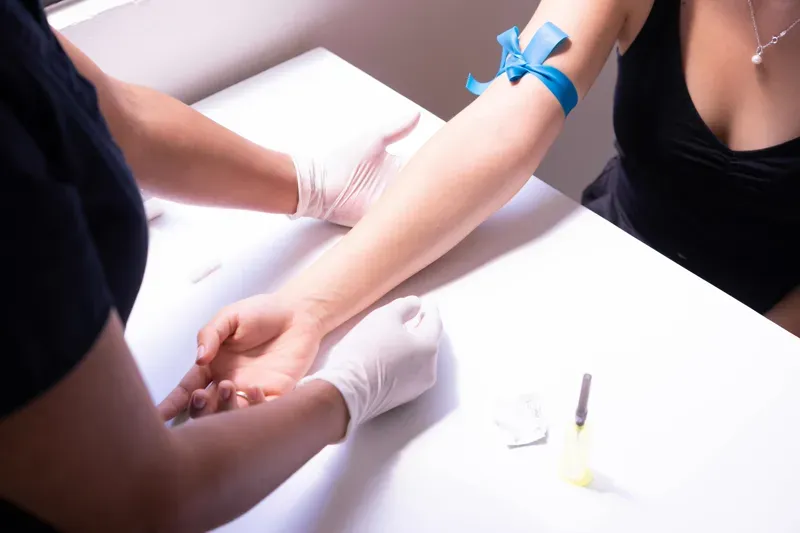
Autoimmune Panel Test Dubai: ANA & Guide (2026)
Read More© 2026 Doctors Clinic Diagnostic Center (DCDC), Dubai Healthcare City. Originally published at https://doctorsclinicdubai.ae/blog/hormone-balance-test-dubai-guide. All rights reserved. Unauthorized reproduction is prohibited.