Key Takeaways
- Parathyroid hormone (PTH) is the main regulator of blood calcium. It acts on bone, kidneys and gut, and is only meaningful when measured alongside a simultaneous calcium level
- A typical intact PTH reference range is approximately 15 to 65 pg/mL, but ranges vary between laboratories, so always use the range on your own report
- High PTH with high calcium suggests primary hyperparathyroidism; high PTH with low or normal calcium usually means secondary hyperparathyroidism from vitamin D deficiency or kidney disease
- Vitamin D deficiency is endemic in the UAE and is one of the most common reasons for a raised PTH. Checking 25-OH vitamin D (AED 99) at the same time avoids misdiagnosis
- At DCDC, an individual PTH test costs AED 449, with results in 24 to 48 hours, prompt sample processing, direct insurance billing and an endocrinology referral pathway for abnormal results
- Persistently high PTH weakens bone and raises kidney stone risk, so PTH is often paired with a DEXA scan and kidney function tests
If your doctor has found an abnormal calcium level, low bone density, recurrent kidney stones or stubborn vitamin D deficiency, the next question is usually what your parathyroid glands are doing. A PTH test in Dubai measures parathyroid hormone, the signal that keeps your blood calcium stable, and it can separate a gland problem from a vitamin D, diet or kidney problem. At DCDC in Dubai Healthcare City, our PTH test is AED 449, with calcium and vitamin D analysed together so that results make sense in context.
This guide explains what PTH measures, how to read normal ranges, the differences between primary, secondary and tertiary hyperparathyroidism, the powerful link with vitamin D in the UAE, how PTH relates to bone and kidney health, who should be tested, how to prepare, what happens at DCDC and what it costs. Written by Dr. Hadeel Elnur, MD, General Practice, DCDC Dubai Healthcare City.
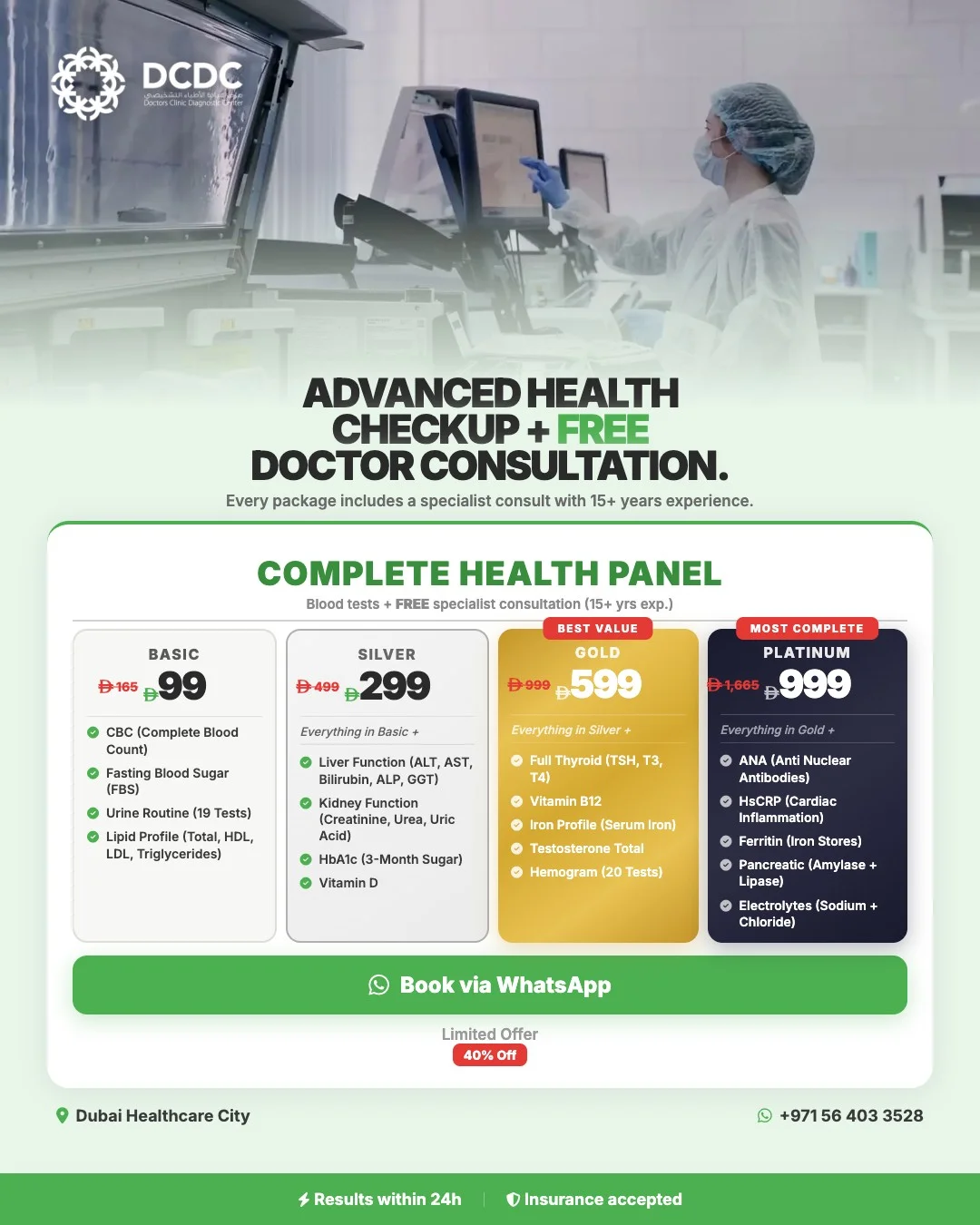
Health Screening Packages
Save with our bundled screening packages — specialist consultation included





What PTH Measures and Why It Matters
Parathyroid hormone (PTH) is produced by four small glands, each roughly the size of a grain of rice, located behind the thyroid gland in the neck. Despite their size, these glands act as the body's calcium thermostat. Every second they sense the calcium level in your blood and release more or less PTH to keep it within a very narrow window. That window matters: calcium controls muscle contraction, nerve signalling, heart rhythm, blood clotting, and the strength of your skeleton.
When blood calcium falls, PTH rises. The hormone acts on three targets. In the bones, it releases stored calcium. In the kidneys, it reduces calcium loss in urine and activates vitamin D into its hormonal form (calcitriol). In the intestines, that activated vitamin D increases calcium absorption from food. When calcium is back to normal, PTH falls again. This negative feedback loop works silently in healthy people, and a PTH blood test is the most direct way to see whether it is working.
A PTH measurement is rarely interpreted alone. It is always read together with serum calcium, and usually with vitamin D, phosphate and kidney function, because the right question is not 'is PTH high?' but 'is PTH appropriate for this person's calcium?' A normal PTH with a high calcium, for example, can be just as significant as a high PTH.
Intact PTH: the assay used in clinical practice
Most laboratories measure intact PTH (PTH 1-84), the full-length active hormone. Because the intact molecule breaks down quickly once the blood is drawn, sample handling is important. This is one reason the sample should be collected and processed promptly rather than left sitting at room temperature.
PTH Normal Ranges and How They Are Interpreted
Reference ranges for intact PTH vary slightly between laboratories and analyser platforms, so the range printed on your own report is the one that applies to you. As a general guide, most adult ranges fall at approximately 15 to 65 pg/mL (about 1.6 to 6.9 pmol/L), and some laboratories quote 10 to 65 pg/mL. Total serum calcium in adults is typically around 8.6 to 10.2 mg/dL (2.15 to 2.55 mmol/L), again depending on the laboratory.
| Measurement | Typical adult reference (varies by lab) | Comment |
|---|---|---|
| Intact PTH | Approx. 15 – 65 pg/mL (1.6 – 6.9 pmol/L) | Use the range printed on your own report |
| Total serum calcium | Approx. 8.6 – 10.2 mg/dL (2.15 – 2.55 mmol/L) | Should be interpreted with albumin (albumin-adjusted calcium) |
| 25-OH vitamin D | Deficiency below 20 ng/mL; insufficiency 20 – 29 ng/mL; sufficiency 30 ng/mL or above | Cut-offs differ slightly between guidelines |
| Phosphate | Approx. 2.5 – 4.5 mg/dL | Often low in primary, high in advanced kidney disease |
Why calcium must be measured at the same time
PTH and calcium are two halves of one equation. A PTH of 60 pg/mL looks normal on paper, but if it appears alongside a calcium of 11 mg/dL, the parathyroid glands are failing to switch off when they should, which suggests primary hyperparathyroidism. The same PTH of 60 with a calcium of 7.5 mg/dL would be a rather weak response to low calcium. For this reason, DCDC runs calcium on the same blood draw whenever PTH is requested.
Why a single result can mislead
PTH follows a daily rhythm, fluctuating through the day and tending to peak at night. It is also influenced by recent calcium intake, vitamin D status, kidney function and certain medicines. Doctors therefore interpret one value in context and may repeat the test if the picture is unclear.
Primary, Secondary and Tertiary Hyperparathyroidism
'High PTH' is not one disease. There are three distinct patterns, and telling them apart is the whole purpose of pairing PTH with calcium.
Primary hyperparathyroidism
In primary hyperparathyroidism the problem lies in the parathyroid glands themselves. Most often a single benign growth (adenoma) produces PTH independently of the calcium level. The result is high calcium with a high or inappropriately normal PTH. It is among the most common causes of high calcium in people who are otherwise well, and is more frequently diagnosed in women after menopause. Many people have few or no symptoms and are picked up on routine bloods. Others report fatigue, low mood, poor concentration, excessive thirst and urination, constipation, bone and joint aches, kidney stones, or fragile bones. Guidelines such as NICE NG132 and the international workshop recommendations describe the diagnosis as biochemical: confirmed calcium elevation plus a PTH that is not suppressed. Surgery to remove the overactive gland is the only definitive treatment, and guidelines set out which patients should be offered it.
Secondary hyperparathyroidism
Here the glands are healthy but are responding to a persistent low or low-normal calcium signal elsewhere in the body. The commonest causes are vitamin D deficiency, chronic kidney disease, low dietary calcium intake and malabsorption. PTH is high because the body needs it to be, and calcium is low or normal. Treating the underlying cause, for instance correcting vitamin D deficiency, usually brings PTH back down.
Tertiary hyperparathyroidism
After years of secondary stimulation, typically in advanced kidney disease, the glands can become enlarged and autonomous. They keep producing PTH even after the original trigger is corrected, and calcium becomes high. Tertiary disease is managed by nephrologists and endocrine surgeons.
Other patterns worth knowing
- Normocalcaemic primary hyperparathyroidism: persistently high PTH with normal calcium after secondary causes such as vitamin D deficiency and kidney disease have been excluded.
- Familial hypocalciuric hypercalcaemia (FHH): a benign inherited condition that looks like primary hyperparathyroidism on blood tests. A urine calcium-to-creatinine ratio helps separate the two, avoiding unnecessary surgery.
- Hypoparathyroidism: low PTH with low calcium, most often after neck surgery, or from autoimmune or genetic causes.
- Non-parathyroid hypercalcaemia: high calcium with a suppressed (low) PTH points away from the parathyroids, for example to certain cancers, excess vitamin D, or some medicines.
The PTH and Vitamin D Connection: Especially Relevant in the UAE
Vitamin D is the key that lets your gut absorb calcium. When vitamin D is low, calcium absorption drops, blood calcium dips slightly, and the parathyroid glands respond by releasing more PTH. This inverse relationship between 25-OH vitamin D and PTH is well documented: as vitamin D falls, PTH tends to climb. Over months or years, the sustained elevation of PTH pulls calcium out of the skeleton to protect blood levels, weakening bone.
This matters in Dubai. Despite abundant sunshine, vitamin D deficiency is remarkably common among UAE residents. Long working days indoors, high-factor sunscreen, avoidance of midday heat, clothing that covers most of the skin, darker skin tones and air-conditioned lifestyles all reduce vitamin D production. Many people with a raised PTH in Dubai are therefore found to have simple secondary hyperparathyroidism from vitamin D deficiency, a condition that is both common and correctable. Our guide to vitamin D deficiency in Dubai covers symptoms, causes and treatment in detail.
Why vitamin D should be checked before labelling someone as 'primary'
Because vitamin D deficiency can push PTH up and can even mask primary hyperparathyroidism by lowering calcium into the normal range, guidelines recommend measuring 25-OH vitamin D whenever PTH is raised or calcium is high. If vitamin D is low, it is usually corrected first and the tests are repeated. At DCDC, a 25-OH vitamin D test is AED 99 individually, or AED 149 as part of a vitamin D panel, and can be added to your PTH blood draw so everything is interpreted together.
Calcium intake also plays a role
Studies show that the vitamin D level at which PTH begins to rise depends partly on how much calcium you eat. People with low dietary calcium tend to have a higher PTH at the same vitamin D level. If you suspect your diet is low in calcium, see our calcium deficiency symptoms guide.
PTH and Bone Health: The Osteoporosis Connection
Bone is a living tissue that is continually broken down and rebuilt. PTH influences this cycle in a surprising way. Short, intermittent pulses of PTH can stimulate bone building, and synthetic PTH fragments are in fact used as osteoporosis medicines. But persistently elevated PTH, as in hyperparathyroidism, speeds up bone resorption and thins bone, especially the cortical bone of the wrist, forearm and hip.
This is why primary hyperparathyroidism is recognised as a cause of secondary osteoporosis, and why guidelines recommend bone density assessment in affected patients. Conversely, when a DEXA scan shows unexpectedly low bone density, or a person has a fragility fracture, doctors commonly check calcium, vitamin D and PTH to rule out an underlying metabolic cause before attributing the loss to ageing or menopause alone.
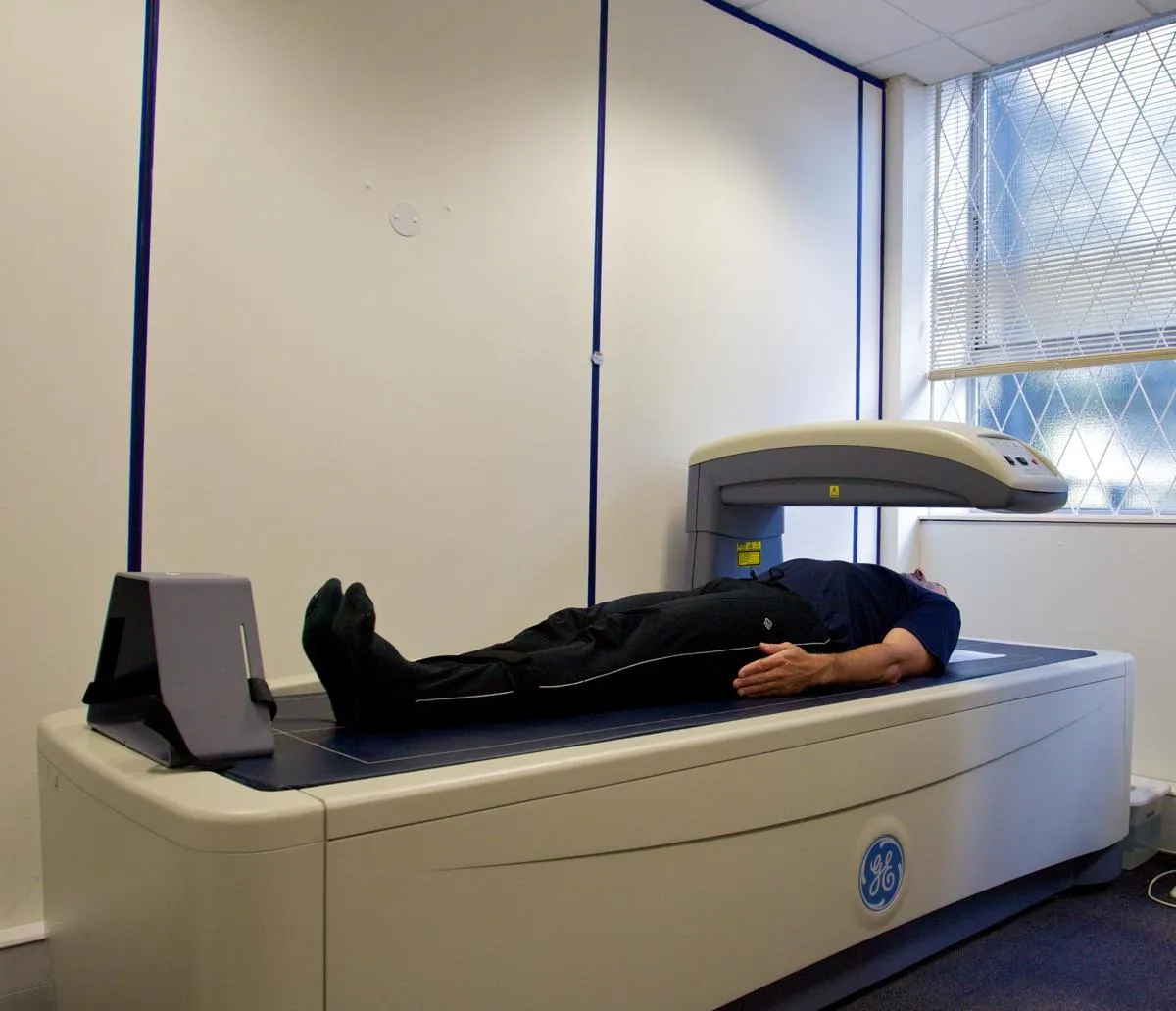
If you are being assessed for bone loss, read our guides to osteoporosis screening and treatment in Dubai and DEXA scans, T-scores and who needs one. Combining a DEXA scan with a PTH, calcium and vitamin D profile gives a far more complete picture than imaging alone.
PTH and Kidney Stones
When PTH is high for long periods, more calcium is mobilised from bone and, with it, more calcium passes into the urine. Higher urinary calcium encourages calcium-based kidney stones. A meaningful share of people who form recurrent calcium stones are found to have primary hyperparathyroidism, which is why many urologists and kidney specialists check calcium and PTH in anyone with a recurrent or early-onset stone history.
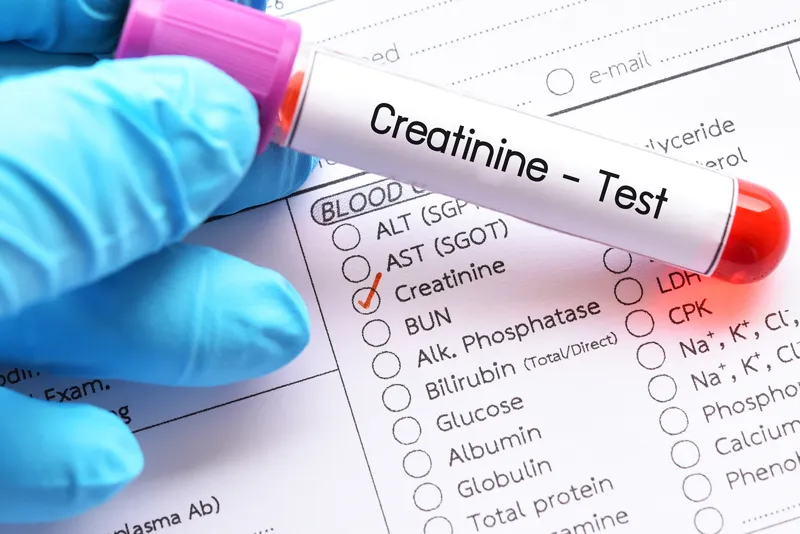
The relationship also runs the other way. Reduced kidney function lowers the kidney's ability to activate vitamin D and to excrete phosphate, driving secondary hyperparathyroidism. In people with chronic kidney disease, PTH monitoring is a standard part of care. If kidney health is a concern, our kidney function test guide explains creatinine, eGFR and related markers.
Who Should Get a PTH Test?
A doctor may recommend parathyroid hormone testing in the following situations.
- High blood calcium found on routine bloods, to find out whether the parathyroid glands are responsible.
- Low blood calcium that cannot be explained by diet or vitamin D.
- Osteoporosis or low bone density, particularly in younger adults, men, or when the result is more severe than expected.
- Fragility fractures after minimal trauma.
- Recurrent kidney stones or kidney calcification.
- Persistent vitamin D deficiency that does not correct with supplementation.
- Chronic kidney disease, as part of mineral and bone disorder monitoring.
- Unexplained symptoms such as fatigue, bone pain, muscle weakness, low mood, brain fog, constipation, or excessive thirst alongside abnormal calcium.
- Before or after neck or thyroid surgery, to check parathyroid function.
- Family history of parathyroid disease or multiple endocrine neoplasia.
You do not need a diagnosis to ask. If you are generally concerned about bone health or calcium, a GP consultation (from AED 249) is a good first step to decide which tests make sense for you.
How to Prepare for a PTH Test
Preparation is straightforward, but a few details improve accuracy.
- Fasting: a strict fast is generally not required, though some laboratories prefer a morning, fasted sample because PTH varies through the day and food can affect calcium and phosphate. Follow the instruction given when you book.
- Tell us about supplements and medicines: calcium, vitamin D, biotin (common in hair and nail supplements), thiazide diuretics, lithium, bisphosphonates and some antacids can all influence results. Do not stop prescribed medication without advice from your doctor.
- Biotin: high-dose biotin can interfere with some immunoassays. If you take it, mention it so the laboratory can advise on timing.
- Hydration: drink water normally. Dehydration can affect calcium readings.
- Bring previous results: earlier calcium, vitamin D, kidney or DEXA reports help your doctor interpret the new values.
- Timing: if you can, book a morning appointment so that serial tests are taken at a similar time of day.
What to Expect at DCDC
DCDC is located in Building 64, Block A, Al Razi Medical Complex, Dubai Healthcare City, with free parking. We are open Saturday to Thursday 8 AM to 10 PM and Friday 9 AM to 9 PM. Here is what your visit looks like.
- Arrival and registration: check in at reception with your Emirates ID or passport and insurance card. Multilingual staff can assist you in your preferred language, and if you have a request from another doctor, bring it with you.
- Brief review: our team confirms which tests are needed (typically PTH with calcium, and often 25-OH vitamin D) and asks about supplements and medicines.
- Blood draw: a trained phlebotomist collects a small blood sample from a vein in your arm. It takes only a few minutes. Samples are collected on site.
- Prompt processing: because PTH degrades at room temperature, your sample is handled and processed promptly to protect the integrity of the result.
- Results in 24 to 48 hours: your report is available within 24 to 48 hours for PTH. We can walk you through the numbers.
- If a result is abnormal: our doctors review your results in the context of calcium, vitamin D and kidney function and, where needed, refer you to an endocrinologist through our endocrinology referral pathway, so you do not have to find a specialist alone.
Prefer to stay home? Home collection is available for an additional AED 199 per visit. DCDC is MOHAP licensed and has a 4.8/5 Google rating from over 1,000 verified reviews. You can book via WhatsApp on +971 50 970 3884 or call +971 54 219 5008.
PTH Test Cost at DCDC
The approved price for an individual PTH test at DCDC is AED 449. This is a fixed price. Because PTH is rarely useful in isolation, many patients add related tests to the same blood draw.
| Test / Service | Price at DCDC |
|---|---|
| PTH (individual test) | AED 449 |
| Vitamin D 25-OH (individual) | AED 99 |
| Vitamin D 25-OH (panel) | AED 149 |
| CBC (complete blood count) | AED 149 |
| Home collection (per visit) | Additional AED 199 |
| GP consultation | From AED 249 |
Calcium is measured as part of a metabolic panel, so ask the team to include it so your PTH can be interpreted correctly.
Insurance
DCDC has more than 20 insurance partners with direct billing, including Daman, AXA, Bupa, MetLife and Cigna. Coverage for PTH depends on your plan and on whether your doctor documents a clinical indication, so please bring your card and a doctor's request, and our team will check eligibility before the test.
How the price compares
Prices for parathyroid hormone testing across Dubai vary widely with the laboratory and the platform used. When comparing, look at what is included: whether calcium and vitamin D are interpreted together, how quickly samples are processed, whether a doctor reviews the result, and whether a specialist referral is available if something is abnormal. A lower headline price that leaves you with an unexplained number is poor value.
Understanding Your PTH Results
The table below shows the most common patterns doctors look for. It is a guide to the logic, not a substitute for clinical review, because exact interpretation also depends on vitamin D, phosphate, kidney function, urine calcium and your symptoms.
| PTH | Calcium | Typical pattern | Common causes / next steps |
|---|---|---|---|
| High | High | Primary hyperparathyroidism | Parathyroid adenoma or hyperplasia. Confirm with repeat calcium, vitamin D, kidney function and urine calcium; consider bone density and imaging; endocrinology review |
| High or upper-normal | Normal | Normocalcaemic primary or secondary hyperparathyroidism | Check vitamin D, kidney function, calcium intake and medicines; repeat after correcting vitamin D |
| High | Low or low-normal | Secondary hyperparathyroidism | Vitamin D deficiency, chronic kidney disease, low calcium intake, malabsorption. Treat the underlying cause |
| High | High (after long-standing kidney disease) | Tertiary hyperparathyroidism | Autonomous glands after prolonged secondary stimulation; nephrology and endocrine surgical input |
| Low or low-normal | High | Non-parathyroid hypercalcaemia | Excess vitamin D or calcium, certain cancers, some medicines; urgent medical assessment |
| Low | Low | Hypoparathyroidism | Post-surgical, autoimmune or genetic; endocrinology care; calcium and vitamin D therapy |
| Normal | Normal | Normal parathyroid function | No parathyroid action required if symptoms are explained otherwise |
What to do with a high PTH
A high result is not an emergency in most cases. The most important steps are to confirm it with a calcium measurement, check 25-OH vitamin D and kidney function, and review medicines and calcium intake. In Dubai, correcting vitamin D deficiency resolves many mildly raised PTH values. If calcium is high and PTH is not suppressed, expect a referral to an endocrinologist for further assessment such as 24-hour urine calcium, bone density scanning and, if surgery is considered, imaging of the parathyroid glands.
What to do with a low PTH
A low PTH with low calcium needs a plan for calcium and active vitamin D replacement under specialist supervision. A low PTH with high calcium prompts a search for causes outside the parathyroid glands. In either case, ask your doctor to review the result promptly rather than waiting for the next routine appointment.
When to seek urgent care
Seek urgent medical attention if you have severe muscle cramps or spasms, tingling around the mouth, palpitations or fainting (possible low calcium), or severe thirst, confusion, vomiting, or intense abdominal or flank pain (possible high calcium or a kidney stone).
Related Services at DCDC
Expert care and advanced diagnostics at Dubai Healthcare City
Frequently Asked Questions
Get Clear Answers About Your Calcium and Bone Health
Parathyroid hormone sits at the centre of calcium, vitamin D, bone and kidney health. A single number rarely tells the whole story, but PTH read alongside calcium, vitamin D and kidney function can quickly distinguish a treatable vitamin D deficiency from a gland problem that needs a specialist. In Dubai, where vitamin D deficiency is so widespread, this distinction saves many people from worry and from unnecessary procedures.
If you have unexplained abnormal calcium, thinning bones, kidney stones, or a vitamin D level that will not improve, do not wait for symptoms to worsen. DCDC offers PTH testing at AED 449 with results in 24 to 48 hours, careful sample handling, direct billing with more than 20 insurers and an endocrinology referral pathway if anything is abnormal. Book on WhatsApp at +971 50 970 3884 or call +971 54 219 5008, or visit us at Building 64, Block A, Al Razi Medical Complex, Dubai Healthcare City.
This article is for general education and does not replace advice from your doctor.
Sources & References
This article references the following sources:
- NICE Guideline NG132: Hyperparathyroidism (primary): diagnosis, assessment and initial management
- Bilezikian JP et al. Fifth International Workshop on the Evaluation and Management of Primary Hyperparathyroidism (J Clin Endocrinol Metab, 2022)
- Endocrine Society Clinical Practice Guideline: Evaluation, Treatment, and Prevention of Vitamin D Deficiency
- American Association of Endocrine Surgeons Guidelines for Definitive Management of Primary Hyperparathyroidism (JAMA Surgery, 2016)
- KDIGO Clinical Practice Guideline Update for CKD-Mineral and Bone Disorder (2017)
- StatPearls: Physiology, Parathyroid Hormone (NCBI Bookshelf)
- World Health Organization: Osteoporosis Fact Sheet
This information is educational and does not replace individual medical advice. See our editorial policy for more information.

Written by
Dr. Hadeel Elnur
General Practice
MD, General Practice
Dr. Hadeel Elnur is a General Practitioner at Doctors Clinic Diagnostic Center in Dubai Healthcare City, providing primary care, preventive health screening and laboratory result interpretation for adults.
Related Articles

Vitamin D Deficiency Dubai: Signs & Treatment
Osteoporosis Screening Dubai: DEXA & Care
DEXA Scan Dubai: Cost, T-Score & Who Needs It
Calcium Deficiency Signs Dubai: Guide
Kidney Function Test Dubai: KFT Guide
More in Laboratory
PSA Test Cost Dubai: From AED 149 Guide (2026)
Read More
Vitamin D Levels Chart: What Results Mean (2026)
Read More
ANA Test Dubai: Positive Result, Titre & Pattern Explained
Read More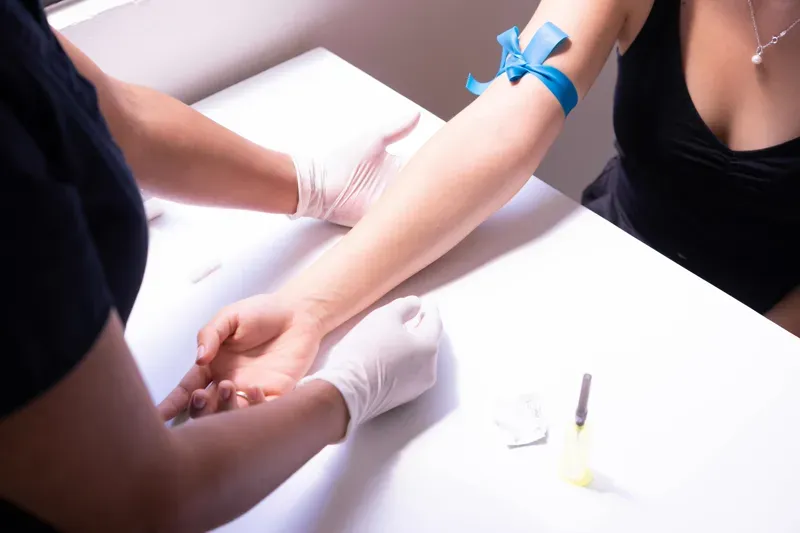
Autoimmune Panel Test Dubai: ANA & Guide (2026)
Read MoreBlood Test at Home in Dubai: Home Collection Service & Walk-In Alternative (2026)
Read More
CBC Test Results Explained: Normal Ranges by Age & Sex
Read More© 2026 Doctors Clinic Diagnostic Center (DCDC), Dubai Healthcare City. Originally published at https://doctorsclinicdubai.ae/blog/pth-test-dubai-guide. All rights reserved. Unauthorized reproduction is prohibited.