Key Takeaways
- Calcium deficiency (hypocalcemia) often develops silently for months or years before symptoms appear, because the body pulls calcium out of bone to keep blood levels stable
- Early signs of low calcium include muscle cramps and spasms, tingling or numbness in the fingers and around the mouth, persistent fatigue, brittle nails, and dental problems
- Severe, untreated calcium deficiency can progress to seizures, irregular heart rhythms, and a dangerous spasm of the airway muscles (laryngospasm) that requires emergency care
- Dubai's indoor-centric lifestyle — offices, malls, schools, and homes cooled by air conditioning almost year-round — paradoxically leaves many residents short on vitamin D despite living in a sun-rich desert climate, and vitamin D is essential for the body to absorb calcium
- Postmenopausal women, older adults, vegans and strict vegetarians, people with lactose intolerance, and anyone on long-term steroid medication or certain antacids face the highest risk of calcium deficiency in Dubai
- Diagnosis starts with a simple blood test (calcium, vitamin D, and parathyroid hormone), and a DEXA bone density scan can show whether long-standing low calcium has already weakened the bones
- At DCDC in Dubai Healthcare City, a calcium blood panel is available from AED 150 and a DEXA bone density scan from AED 400, both with same-day or next-day results
- Dubai's supermarkets and local food culture offer excellent calcium sources — from fortified laban and labneh to canned sardines, tahini, and leafy greens — making dietary correction realistic once a deficiency is identified
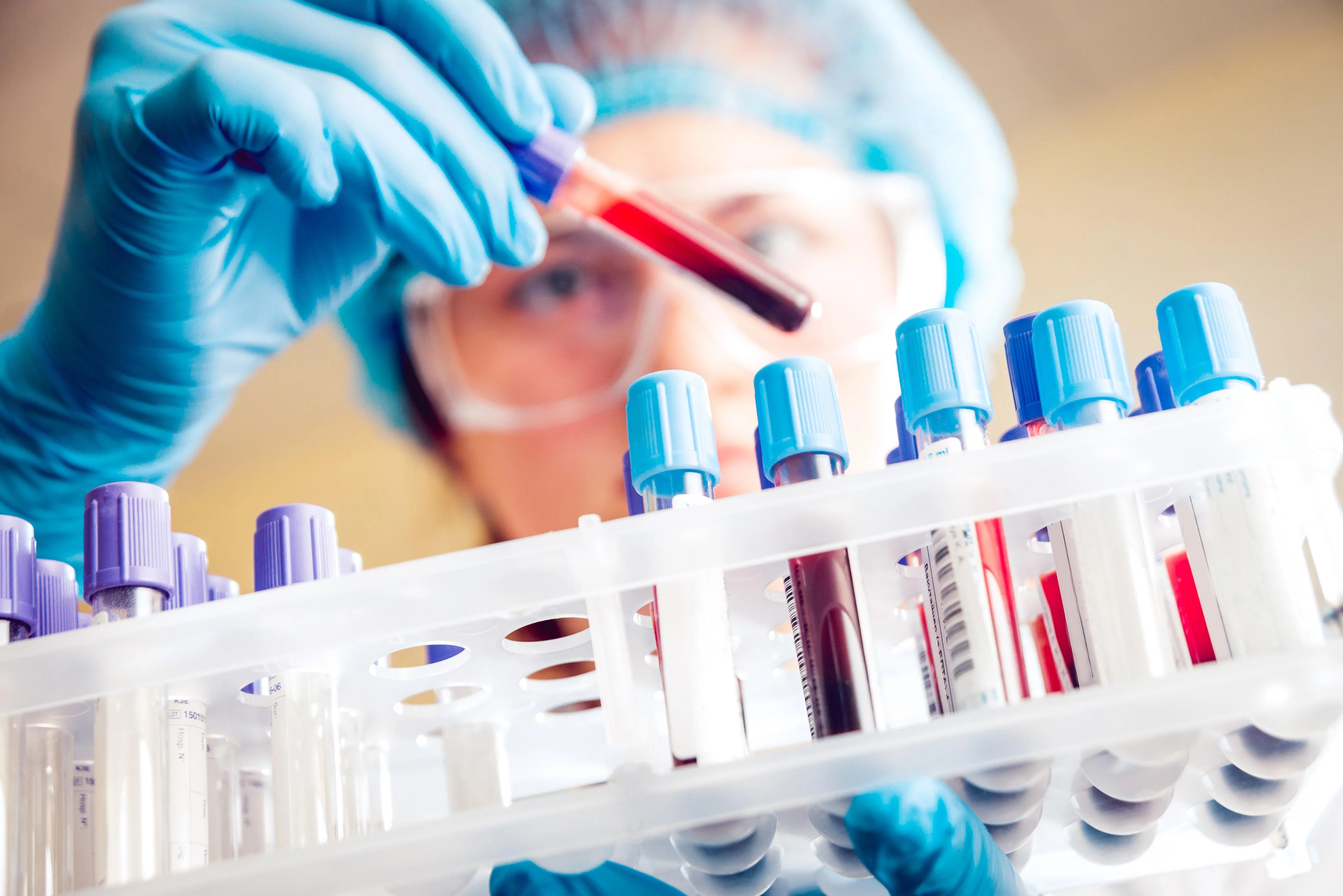
Persistent muscle cramps that wake you up at night. A tingling sensation around your lips or in your fingertips. Nails that split and crack no matter how much you moisturise them. On their own, these symptoms seem too minor to mention to a doctor — yet together, they are among the most common early signs of calcium deficiency, a condition that quietly affects a significant number of residents in Dubai. Despite living in one of the sunniest climates on earth, many people in the city spend the vast majority of their day indoors under air conditioning, eat a diet lower in dairy and calcium-rich foods than they realise, and never think to ask for a calcium blood test until symptoms become impossible to ignore. At Doctors Clinic Diagnostic Center (DCDC), our blood tests service in Dubai Healthcare City can check your calcium, vitamin D, and related markers in a single visit, with same-day results for routine panels.
This guide covers everything you need to know about calcium deficiency symptoms: what hypocalcemia is, the early warning signs and the severe symptoms that need urgent attention, why it is more common in Dubai than many people expect, who is most at risk, how doctors diagnose it with blood tests and DEXA scans, what testing costs in Dubai, what to expect during a visit to DCDC, and how to treat and prevent low calcium through diet, supplements, and lifestyle changes.
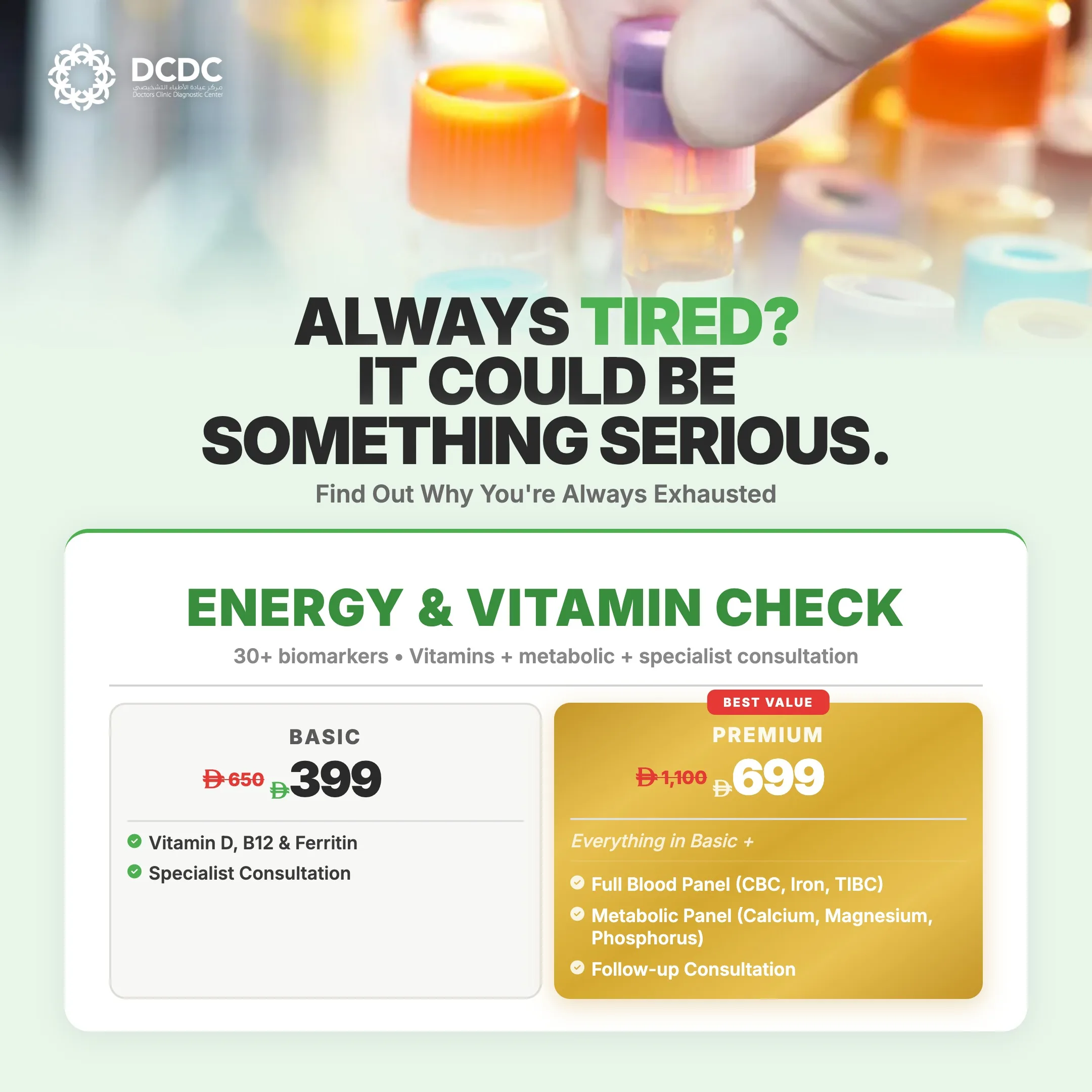
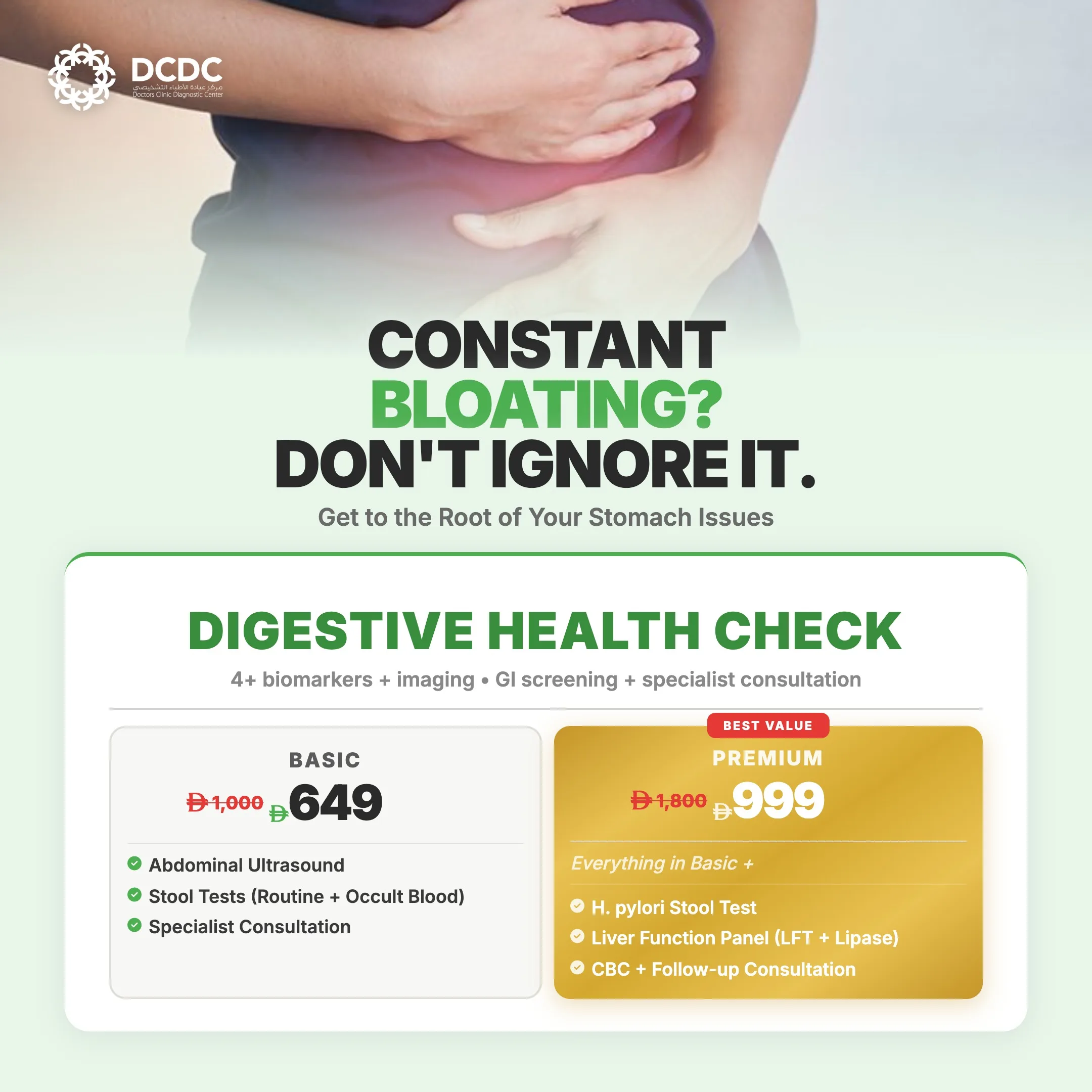
Health Screening Packages
Save with our bundled screening packages — specialist consultation included

What Is Calcium Deficiency (Hypocalcemia)?
Calcium is the most abundant mineral in the human body, and roughly 99% of it is stored in the bones and teeth, where it provides structural strength. The remaining 1% circulates in the blood and soft tissues, where it plays a critical role in muscle contraction, nerve signalling, blood clotting, and regulating heartbeat. Calcium deficiency, medically known as hypocalcemia, occurs when the level of calcium circulating in the blood drops below the normal range — typically below roughly 8.5–8.8 mg/dL for total serum calcium, though exact reference ranges vary slightly between laboratories.
The body is remarkably good at hiding early calcium deficiency. When dietary intake or absorption falls short, the parathyroid glands respond by pulling calcium out of the bones to keep blood levels stable — a process that can continue for years without any noticeable symptoms, all while quietly weakening bone density. This is why calcium deficiency and osteoporosis screening and treatment are so closely linked: by the time symptoms of low blood calcium appear, bone reserves have often already been affected.
Early Warning Signs and Symptoms of Low Calcium
Because calcium plays a role in so many body systems, the early symptoms of deficiency are often vague and easy to attribute to stress, dehydration, or simply 'being tired.' Use the checklist below to see how many of these signs apply to you.
- Muscle cramps and spasms, especially in the calves, thighs, and hands, often worse at night
- Tingling or numbness ('pins and needles') in the fingers, toes, and around the lips or mouth
- Persistent fatigue that does not improve with rest or sleep
- Brittle, weak, or easily splitting fingernails
- Dry, coarse, or itchy skin
- Dental problems, including weak tooth enamel, delayed tooth development in children, and increased cavities
- Brittle hair or excessive hair thinning
- Difficulty concentrating or 'brain fog'
- Premenstrual mood changes that are more severe than usual, sometimes linked to low calcium and vitamin D
- Frequent muscle twitching, particularly around the eyes or in small muscle groups
Severe Calcium Deficiency Symptoms That Need Urgent Attention
When calcium levels drop significantly or fall quickly, symptoms escalate well beyond cramps and tingling. These signs indicate that calcium deficiency has become a medical emergency and require immediate care rather than a routine appointment.
- Tetany — sustained, painful muscle contractions, particularly in the hands and feet, sometimes with a characteristic clawing of the fingers
- Seizures, which can occur when severe hypocalcemia affects the nervous system
- Irregular heart rhythms (arrhythmias), since calcium is essential for normal electrical activity in the heart muscle
- Laryngospasm — a spasm of the muscles around the airway that can cause difficulty breathing and is considered a medical emergency
- Confusion, memory problems, or personality changes in severe or long-standing cases
- Positive Chvostek's or Trousseau's sign — clinical tests doctors use to detect neuromuscular irritability caused by severe low calcium
If you or someone around you experiences sudden muscle spasms combined with difficulty breathing, chest palpitations, or a seizure, seek emergency medical care immediately rather than waiting for a scheduled blood test. Severe hypocalcemia is treatable, but it needs to be identified and corrected quickly. Many patients who eventually receive a diagnosis describe having lived with milder versions of these symptoms for months, a pattern also seen with vitamin D deficiency in Dubai, since the two conditions frequently occur together and share overlapping symptoms.
What Causes Calcium Deficiency?
Calcium deficiency rarely has a single cause. Most cases develop from a combination of insufficient dietary intake, poor absorption, and factors that increase how much calcium the body loses or uses up.
Low Dietary Calcium Intake
Simply not consuming enough calcium-rich foods — dairy products, leafy greens, fortified foods, and certain fish — over a sustained period is one of the most common and correctable causes of deficiency.
Vitamin D Deficiency
Vitamin D is required for the intestines to absorb calcium from food. Without enough vitamin D, even a calcium-rich diet may not translate into adequate blood calcium levels. This link is particularly relevant in Dubai, where an indoor-oriented lifestyle — despite abundant year-round sunshine outside — leaves a large proportion of residents with low vitamin D levels.
Medications and Medical Conditions
- Long-term corticosteroid use, which can interfere with calcium absorption and increase calcium loss
- Proton pump inhibitors and certain antacids, taken long-term for acid reflux, which can reduce calcium absorption
- Hypoparathyroidism, a condition in which the parathyroid glands do not produce enough parathyroid hormone to regulate calcium
- Kidney disease, which impairs the conversion of vitamin D into its active form and disrupts calcium and phosphate balance
- Malabsorption conditions such as celiac disease or inflammatory bowel disease, which reduce nutrient absorption in the gut
- Low magnesium levels, since magnesium is needed for the parathyroid glands to function normally
- Pancreatitis, which can cause calcium to bind with fatty acids and drop acutely
Dubai Lifestyle Factors
Several aspects of daily life in Dubai contribute to calcium and vitamin D deficiency more than residents typically expect. Extreme summer heat pushes most outdoor activity indoors for much of the year, offices and malls are heavily air-conditioned, and many people commute by car with minimal sun exposure. Dietary habits also play a role — busy lifestyles often mean more reliance on processed and takeaway food, which tends to be lower in calcium than home-cooked meals built around dairy, leafy vegetables, and fish.
Who Is at Risk of Calcium Deficiency in Dubai?
Some groups face a meaningfully higher risk of calcium deficiency, whether from biology, diet, or lifestyle. If you fall into one or more of the categories below, it is worth having your calcium and vitamin D levels checked even without obvious symptoms.
- Postmenopausal women, whose declining oestrogen levels accelerate bone calcium loss
- Older adults, whose skin becomes less efficient at producing vitamin D from sunlight and whose dietary intake often declines
- Vegans and strict vegetarians, who may consume less dietary calcium if plant-based sources are not deliberately included
- People with lactose intolerance, who often avoid dairy — the most concentrated dietary source of calcium — without replacing it with alternatives
- Pregnant and breastfeeding women, whose calcium requirements increase to support fetal bone development and milk production
- Office workers and residents who spend most of their time indoors, a pattern common across Dubai given the climate and air-conditioned lifestyle
- People who wear fully covering clothing, which reduces skin exposure to sunlight and lowers natural vitamin D production
- Anyone on long-term steroid medication, certain antacids, or with a diagnosed malabsorption condition
- People with a family history of osteoporosis or early bone fractures
How Calcium Deficiency Is Diagnosed
Calcium deficiency cannot be reliably diagnosed from symptoms alone, since early signs overlap with so many other conditions. A structured diagnostic work-up typically involves the following steps.
Step 1: Serum Calcium Blood Test
The starting point is a simple blood test measuring total serum calcium, and in some cases ionized (free) calcium, which is the biologically active form. Because calcium binds to protein in the blood, doctors often also check albumin levels to correctly interpret the result — a low albumin level can make total calcium appear falsely low.
Step 2: Vitamin D and Parathyroid Hormone (PTH)
Since vitamin D and parathyroid hormone directly regulate calcium levels, doctors typically order these alongside a calcium test to identify the underlying cause of the deficiency rather than just the deficiency itself. A low PTH combined with low calcium points toward hypoparathyroidism, while a high PTH with low calcium and low vitamin D points toward dietary or absorption-related deficiency.
Step 3: Magnesium and Kidney Function
Magnesium and kidney function tests are often included, since low magnesium can independently cause hypocalcemia, and impaired kidney function affects how the body activates vitamin D and regulates calcium and phosphate.
Step 4: DEXA Bone Density Scan
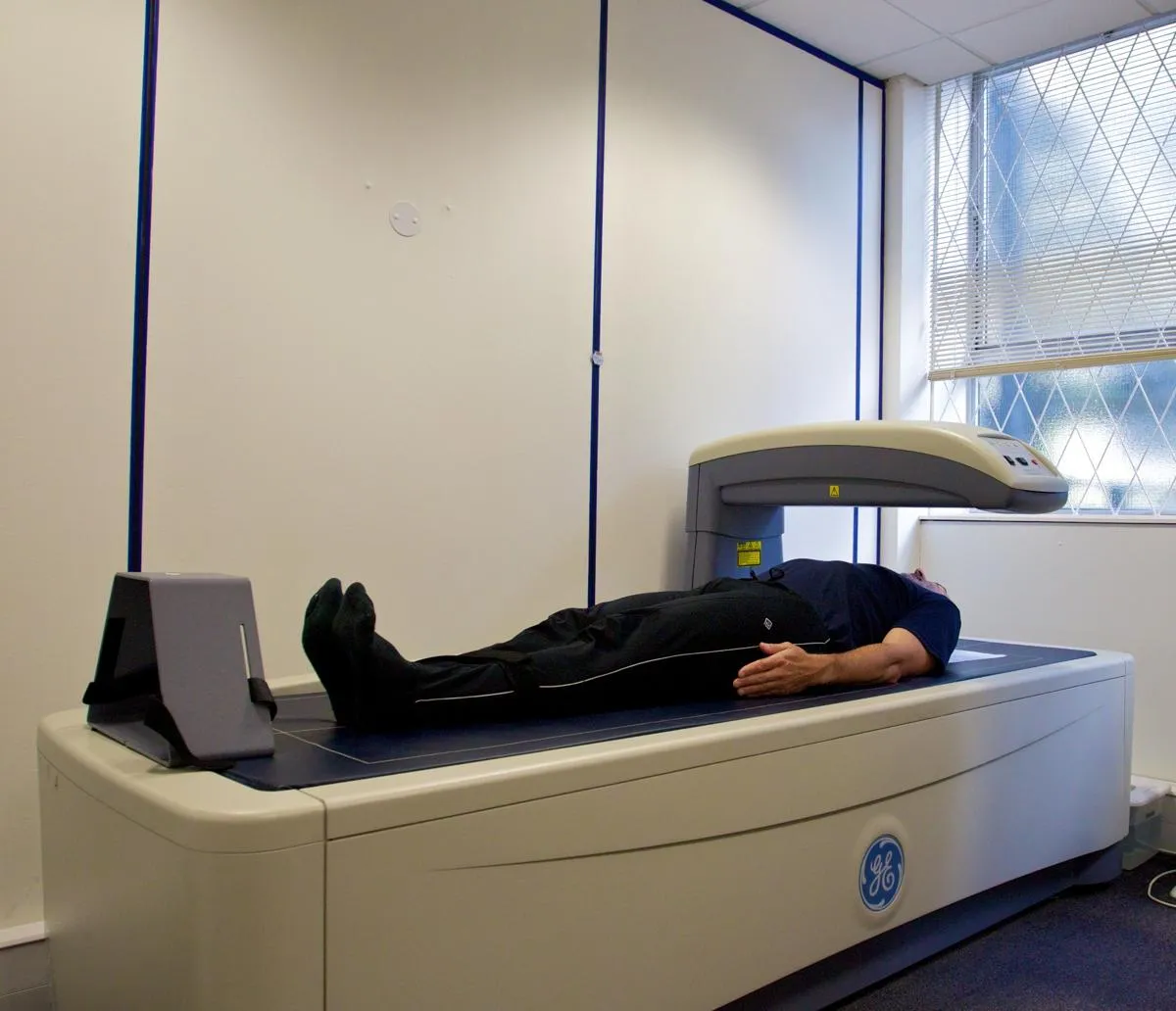
If deficiency has likely been present for a long time, or if you fall into a higher-risk group, a DEXA (dual-energy X-ray absorptiometry) scan measures bone mineral density to check whether long-term low calcium has already begun to weaken the bones. This is a quick, low-radiation scan that provides a clear picture of bone health and is a key tool used alongside blood work when investigating osteoporosis risk. Once you have your results in hand, our guide to blood test results explained can help you understand what the numbers mean before your follow-up appointment.
Calcium and Related Test Costs in Dubai
Costs vary depending on which tests are combined into your work-up. Most patients start with a calcium blood test and add vitamin D, PTH, or a DEXA scan based on symptoms and risk factors.
| Test | What It Checks | Estimated Cost at DCDC |
|---|---|---|
| GP consultation | Symptom review, risk assessment, and test recommendation | From AED 150 |
| Serum calcium blood test | Total blood calcium level (with albumin correction) | From AED 150 |
| Ionized calcium | Biologically active free calcium, when more precision is needed | From AED 200 |
| Vitamin D (25-OH) | Vitamin D status, essential for calcium absorption | From AED 99 |
| Parathyroid hormone (PTH) | Identifies whether the parathyroid glands are regulating calcium normally | From AED 449 |
| Magnesium level | Rules out magnesium deficiency as an underlying cause | From AED 100 |
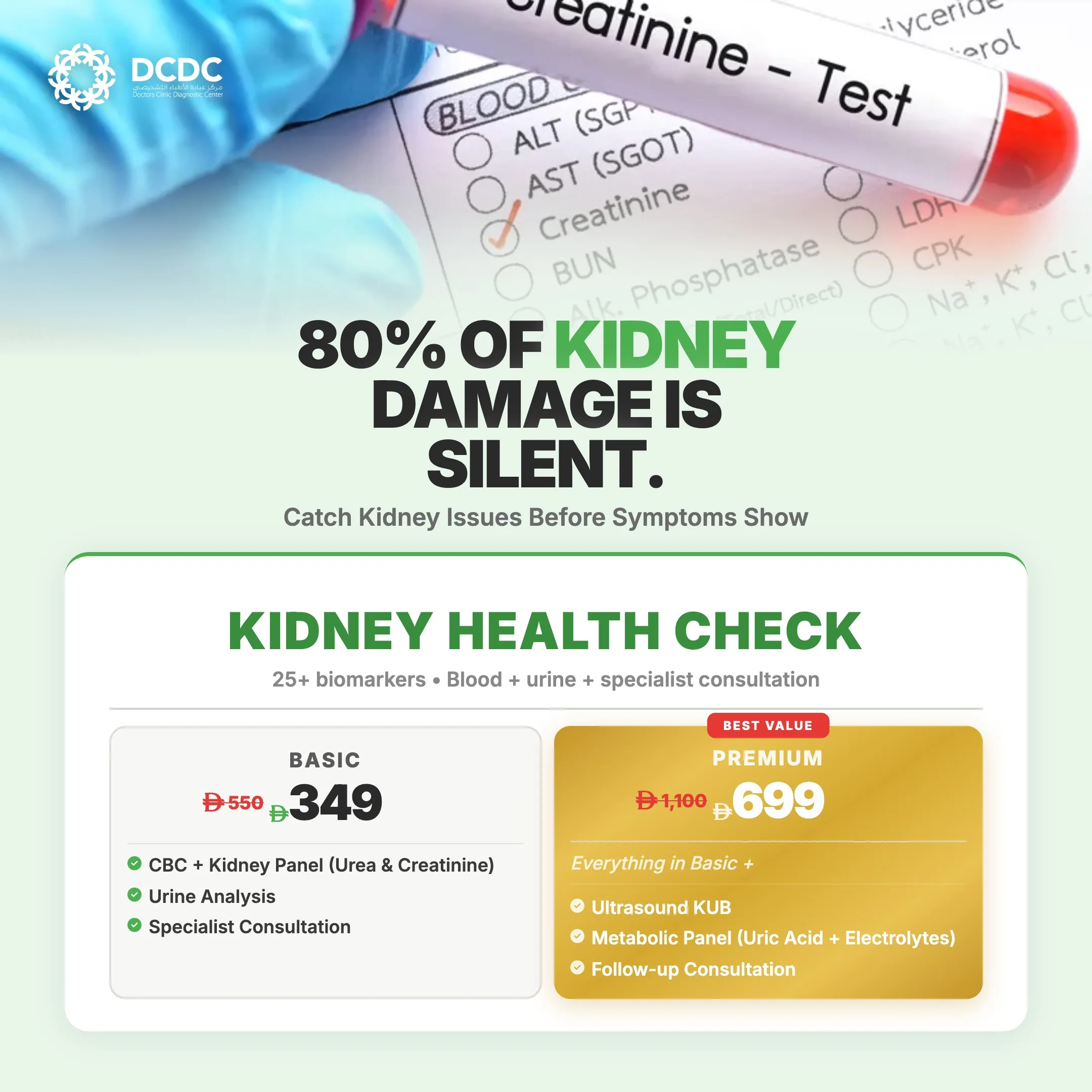
| Kidney function panel | Assesses kidney health, which affects calcium and vitamin D regulation | From AED 149 |
| DEXA bone density scan | Measures bone mineral density to check for long-term calcium loss | From AED 400 |
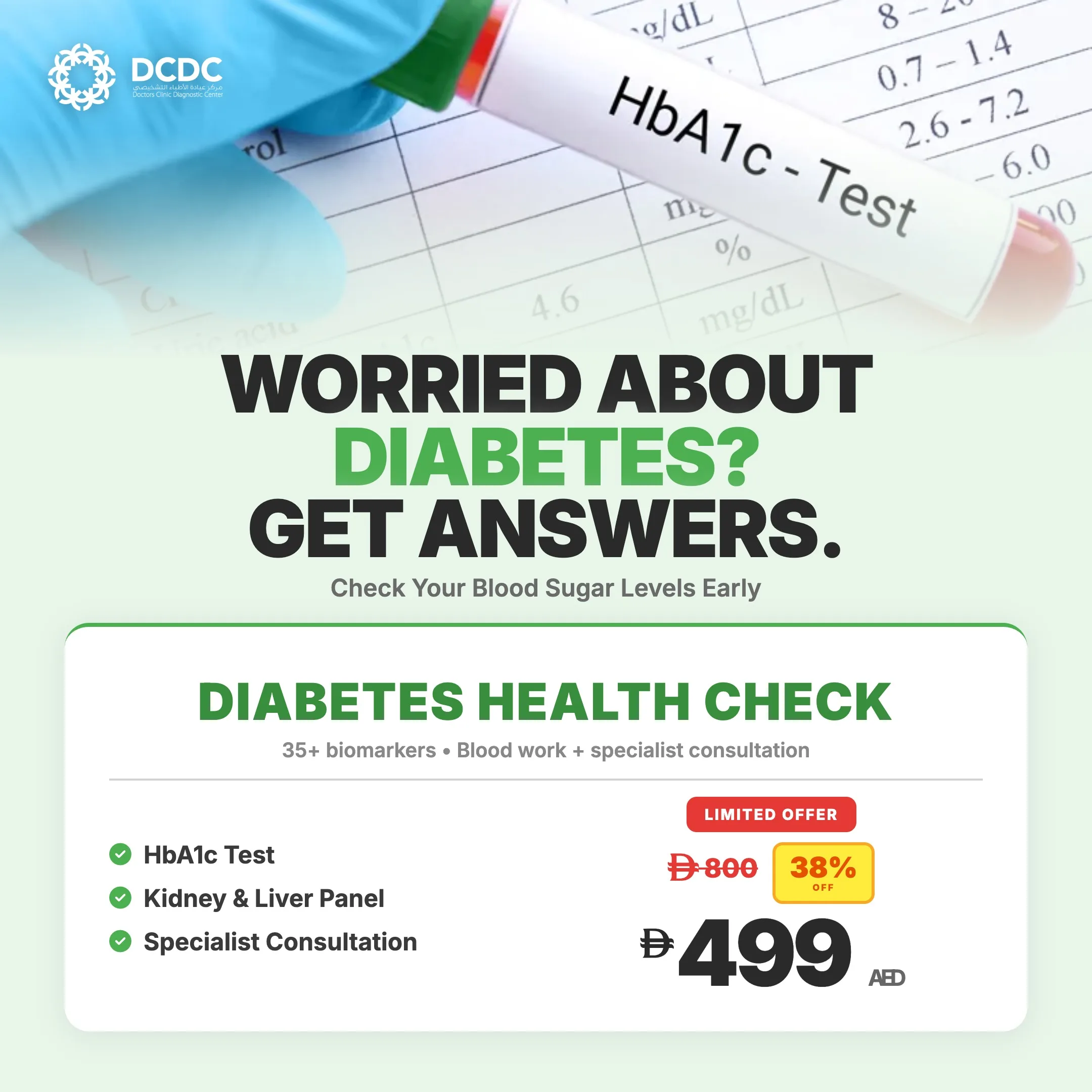
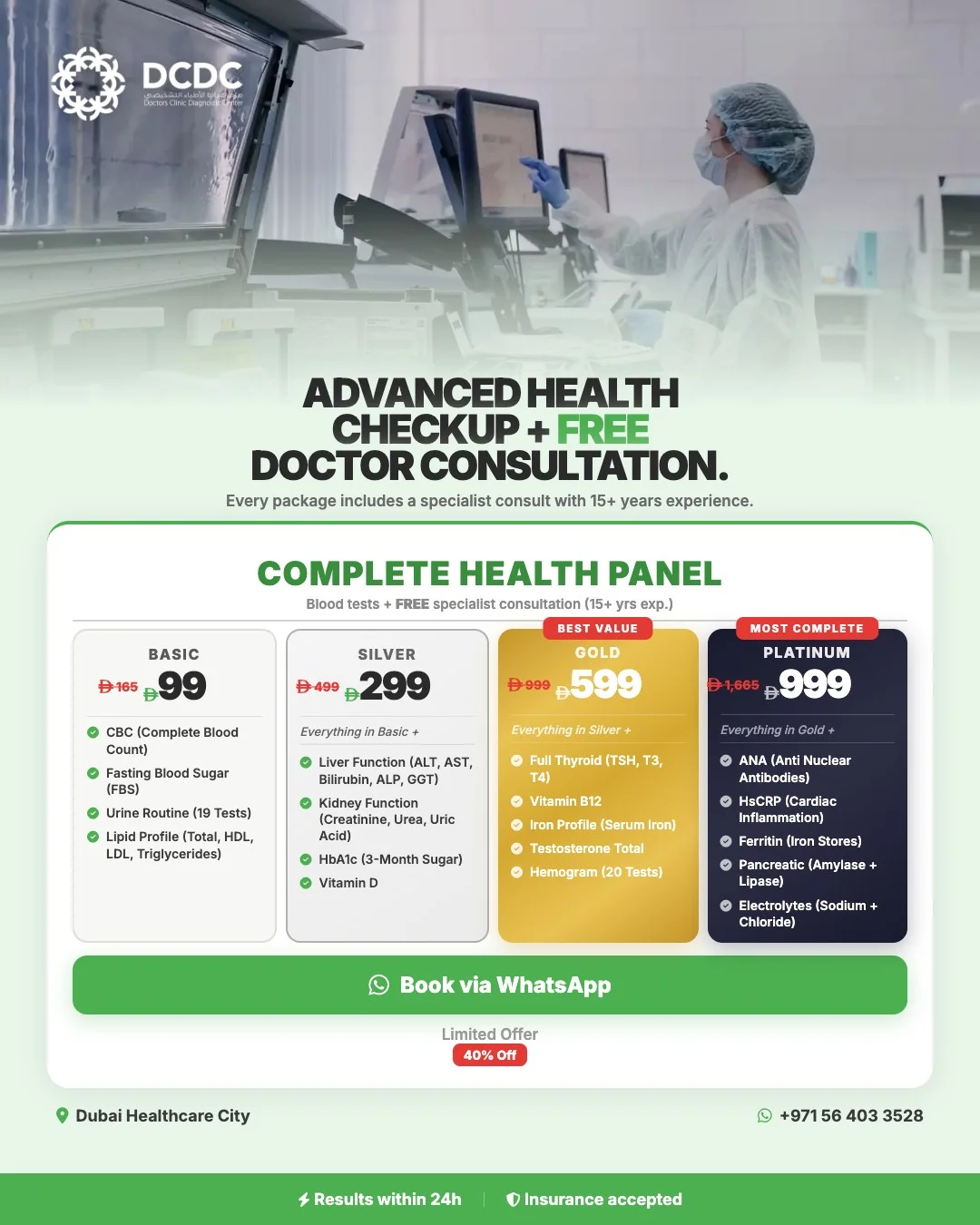
| Comprehensive health checkup package | Includes calcium, vitamin D, and broader screening in one package | From AED 249 |
Prices are approximate starting rates at DCDC and depend on the exact panel ordered and insurance coverage. Direct billing is available with 20+ insurance providers, including Daman, AXA, Bupa, MetLife, and Cigna.
Not Sure If Your Symptoms Point to Low Calcium?
A simple blood test can give you a clear answer. At DCDC in Dubai Healthcare City, our team can order a calcium, vitamin D, and PTH panel in the same visit. Book a blood test today.
Calcium blood test from AED 150 | Same-day results for routine panels
What to Expect at DCDC for Calcium Testing
Many people put off getting tested simply because they are unsure what the process involves. Here is exactly what a calcium deficiency work-up looks like at DCDC, from arrival to results.
- Arrival and check-in: Walk in or arrive for your scheduled appointment at our Dubai Healthcare City location in Building 64, Block A, Al Razi Medical Complex. Our average wait time is around 15 minutes, and free dedicated parking is available on-site
- Initial consultation: A doctor reviews your symptoms, diet, lifestyle, sun exposure habits, and any relevant medications or medical history, then recommends the right combination of tests
- Blood draw: A simple venous blood sample is taken for calcium, vitamin D, and any additional markers recommended, such as PTH, magnesium, or kidney function
- DEXA scan, if recommended: A quick, painless bone density scan can be performed on-site the same day if your doctor identifies risk factors for long-term calcium loss
- Results timeline: Routine blood tests, including calcium, are typically available the same day. Vitamin D and PTH results are usually ready within 24–48 hours
- Results discussion: Your doctor explains what the results mean in plain language and outlines next steps, whether that is dietary changes, supplementation, or further investigation
- Coordinated follow-up: Dr. Hadeel Elnur and the general practice team coordinate multi-specialty workups when calcium deficiency is linked to another condition, such as kidney disease, malabsorption, or a hormonal disorder
Why Patients Choose DCDC
- MOHAP-licensed facility (License No. NIMY7VY5-240925) in Dubai Healthcare City
- 4.8/5 Google rating from over 1,000 verified patient reviews
- 98% patient satisfaction rate
- Direct billing with 20+ insurance providers, including Daman, AXA, Bupa, MetLife, and Cigna
- Extended hours: Saturday to Thursday 8 AM–10 PM, Friday 9 AM–9 PM
- Average wait time of around 15 minutes
- Free dedicated parking on-site
- On-site laboratory and DEXA scanning, with same-day results for routine blood tests
A Doctor's Perspective: Why Calcium Deficiency Gets Missed
According to Dr. Hadeel Elnur, calcium deficiency is one of the conditions general practitioners in Dubai see more often than patients expect, precisely because its early symptoms are so easy to dismiss. Muscle cramps get blamed on exercise or dehydration in the heat, tingling fingers get attributed to poor circulation, and fatigue is written off as 'just Dubai life.' She notes that patients frequently mention these symptoms almost in passing during an unrelated consultation, and it is only once a calcium and vitamin D panel is ordered that the underlying cause becomes clear. Because Dubai's climate creates a false sense of sun exposure — residents assume they are getting enough vitamin D simply because it is sunny outside, even though most of their day is spent indoors under air conditioning — she recommends that anyone with persistent muscle cramps, tingling, or unexplained fatigue have their calcium and vitamin D levels checked rather than assuming the symptoms will resolve on their own.
Treatment Options for Low Calcium
Treatment depends on how severe the deficiency is, what is causing it, and whether symptoms are present. Mild, diet-related deficiency is often corrected without medication, while more significant or symptomatic hypocalcemia requires medical supervision.
- Dietary changes: Increasing intake of calcium-rich foods is the first step for mild deficiency and is often sufficient on its own once vitamin D levels are also corrected
- Oral calcium supplements: Calcium carbonate or calcium citrate supplements are commonly recommended, with citrate generally better absorbed on an empty stomach and in people taking acid-reducing medication
- Vitamin D supplementation: Since vitamin D is required for calcium absorption, correcting a vitamin D deficiency is often addressed alongside, or even before, calcium supplementation
- Magnesium correction: If low magnesium is contributing to the problem, magnesium supplementation is needed before calcium levels can normalise
- Prescription medication: For hypoparathyroidism or other underlying hormonal causes, doctors may prescribe active forms of vitamin D (calcitriol) alongside calcium
- IV calcium: Severe, symptomatic hypocalcemia — such as tetany, seizures, or cardiac symptoms — is treated urgently with intravenous calcium in a hospital setting
- Regular monitoring: Follow-up blood tests are used to confirm that calcium levels have normalised and to adjust supplement doses over time
Preventing Calcium Deficiency: Diet, Supplements, and Lifestyle
For most people, calcium deficiency is preventable with consistent attention to a few key habits, particularly in a city like Dubai where lifestyle factors work against natural calcium and vitamin D balance.
- Aim for consistent daily calcium intake through food first, using supplements only to fill genuine gaps rather than as a substitute for diet
- Get regular, sensible sun exposure — even 10–15 minutes of midday sun on the arms and legs a few times a week can meaningfully support vitamin D production, best done in the cooler early morning or late afternoon hours in Dubai
- Pair calcium with vitamin D, since calcium absorption is significantly reduced without adequate vitamin D levels
- Limit excessive caffeine and sodium intake, both of which can increase calcium loss through urine
- Include weight-bearing exercise, such as walking, resistance training, or dancing, which helps maintain bone density alongside adequate calcium intake
- Review medications with your doctor if you are on long-term steroids, certain antacids, or other medications known to affect calcium absorption
- Schedule periodic screening, particularly for postmenopausal women, older adults, and anyone with risk factors, even in the absence of symptoms
Calcium-Rich Foods Available in Dubai
One advantage of living in Dubai is access to an extremely wide range of calcium-rich foods, drawn from the many cuisines represented across the city's population. Building a calcium-friendly diet here does not require unusual or hard-to-find ingredients.
- Dairy staples — laban, labneh, yoghurt, and cheese are widely available and commonly consumed across Emirati, Levantine, and South Asian cuisines
- Fortified plant-based milks — almond, soy, and oat milk fortified with calcium are stocked in most major supermarkets
- Canned fish with bones — sardines and salmon, both easy to find and affordable, are excellent calcium sources when the soft bones are eaten
- Tahini and sesame-based foods — a staple of Middle Eastern cooking, tahini and hummus provide meaningful calcium alongside healthy fats
- Leafy greens — kale, spinach, and molokhia (a popular regional dish) all contribute calcium, though spinach's oxalate content somewhat reduces absorption compared with kale
- Almonds and chickpeas — commonly used across South Asian and Middle Eastern dishes, both provide a useful calcium contribution alongside protein and fibre
- Fortified breakfast cereals and bread — many international supermarket brands in Dubai include calcium-fortified options
Take Control of Your Bone and Calcium Health
If you recognise any of the symptoms in this guide, do not wait for them to worsen. DCDC offers on-site blood testing and DEXA bone density scanning in Dubai Healthcare City, with direct billing across 20+ insurance providers.
Call +971 4 279 8200 or WhatsApp us to book your appointment
Related Services at DCDC
Expert care and advanced diagnostics at Dubai Healthcare City
Frequently Asked Questions
Do Not Ignore the Small Signs
Calcium deficiency rarely announces itself with a single, unmistakable symptom. Instead, it tends to build quietly through muscle cramps that get blamed on exercise, tingling fingers that get attributed to poor circulation, and fatigue that everyone assumes is simply part of life in a fast-paced city. By the time more obvious signs appear, calcium may have already been drawn from the bones for months or years.
The good news is that testing is simple, treatment is usually straightforward, and Dubai's food culture offers plenty of accessible calcium-rich options once a deficiency is identified. What matters most is not dismissing persistent cramps, tingling, or unexplained fatigue as background noise, especially if you fall into a higher-risk group.
At Doctors Clinic Diagnostic Center in Dubai Healthcare City, our general practice team regularly helps patients connect these seemingly minor symptoms to an underlying calcium or vitamin D deficiency through a simple blood panel. If any part of this guide sounded familiar, book a consultation and get the clarity you need.
Sources & References
This article was reviewed by our medical team and references the following sources:
- NIH Office of Dietary Supplements — Calcium Fact Sheet for Health Professionals
- NHS — Hypoparathyroidism
- Mayo Clinic — Calcium and Calcium Supplements: Achieving the Right Balance
- NCBI Bookshelf (StatPearls) — Hypocalcemia
- Cleveland Clinic — Hypocalcemia (Low Calcium)
- MedlinePlus — Calcium Blood Test
- World Health Organization — Micronutrient Deficiencies
Medical content on this site is reviewed by DHA-licensed physicians. See our editorial policy for more information.

Written by
Dr. Hadeel Elnur
General Practitioner
MD, General Practice
Dr. Hadeel Elnur is a General Practitioner at Doctors Clinic Diagnostic Center (DCDC) in Dubai Healthcare City.
Related Articles

Vitamin D Deficiency Dubai: Symptoms & Guide
Osteoporosis Screening Dubai: DEXA & Care

Blood Test Results Dubai: What's Normal
DEXA Scan Cost Dubai: Bone Density Test

Health Checkup Cost Dubai: AED 800-6,000
More in General Health
Epilepsy Treatment Dubai: Symptoms & Care (2026)
Read More
Food Allergy vs Food Intolerance Dubai (2026)
Read More
Pneumonia vs Flu Dubai: Key Differences (2026)
Read More
Swollen Lymph Nodes Dubai: When to Worry (2026)
Read MoreFlu vs Cold Dubai: How to Tell the Difference (2026)
Read More
Sleep Study Cost Dubai: Tests & Pricing (2026)
Read More© 2026 Doctors Clinic Diagnostic Center (DCDC), Dubai Healthcare City. Originally published at https://doctorsclinicdubai.ae/blog/calcium-deficiency-symptoms-dubai. All rights reserved. Unauthorized reproduction is prohibited.