
Key Takeaways
- 80% of UAE residents are Vitamin D deficient despite year-round sunshine
- Indoor lifestyle, AC culture, and sun avoidance are the main causes in Dubai
- Symptoms include fatigue, muscle pain, depression, and frequent illness
- A simple blood test can diagnose deficiency - results in 24-48 hours
- Treatment ranges from oral supplements to Vitamin D injections depending on severity
- Optimal levels are 30-100 ng/mL - many Dubai residents have levels below 10 ng/mL
Here's something that surprises nearly every patient I see: Dubai, one of the sunniest places on Earth, has some of the highest Vitamin D deficiency rates in the world. According to the Dubai Health Authority's latest health statistics, roughly 8 out of 10 UAE residents have insufficient levels. I see this every day at our clinic - professionals, athletes, even outdoor enthusiasts coming in with levels so low they can barely stay awake past 3pm. Our Blood Tests service at DCDC offers same-day appointments in Dubai Healthcare City.
If you've been dragging yourself through the day, dealing with mysterious muscle aches, or just feeling "off" for months, there's a decent chance Vitamin D is the culprit. The UAE Ministry of Health and Prevention has flagged this as a major public health concern, and honestly? Most people have no idea they're deficient until they finally get tested. The good news is it's one of the easiest things to fix once you know what you're dealing with.
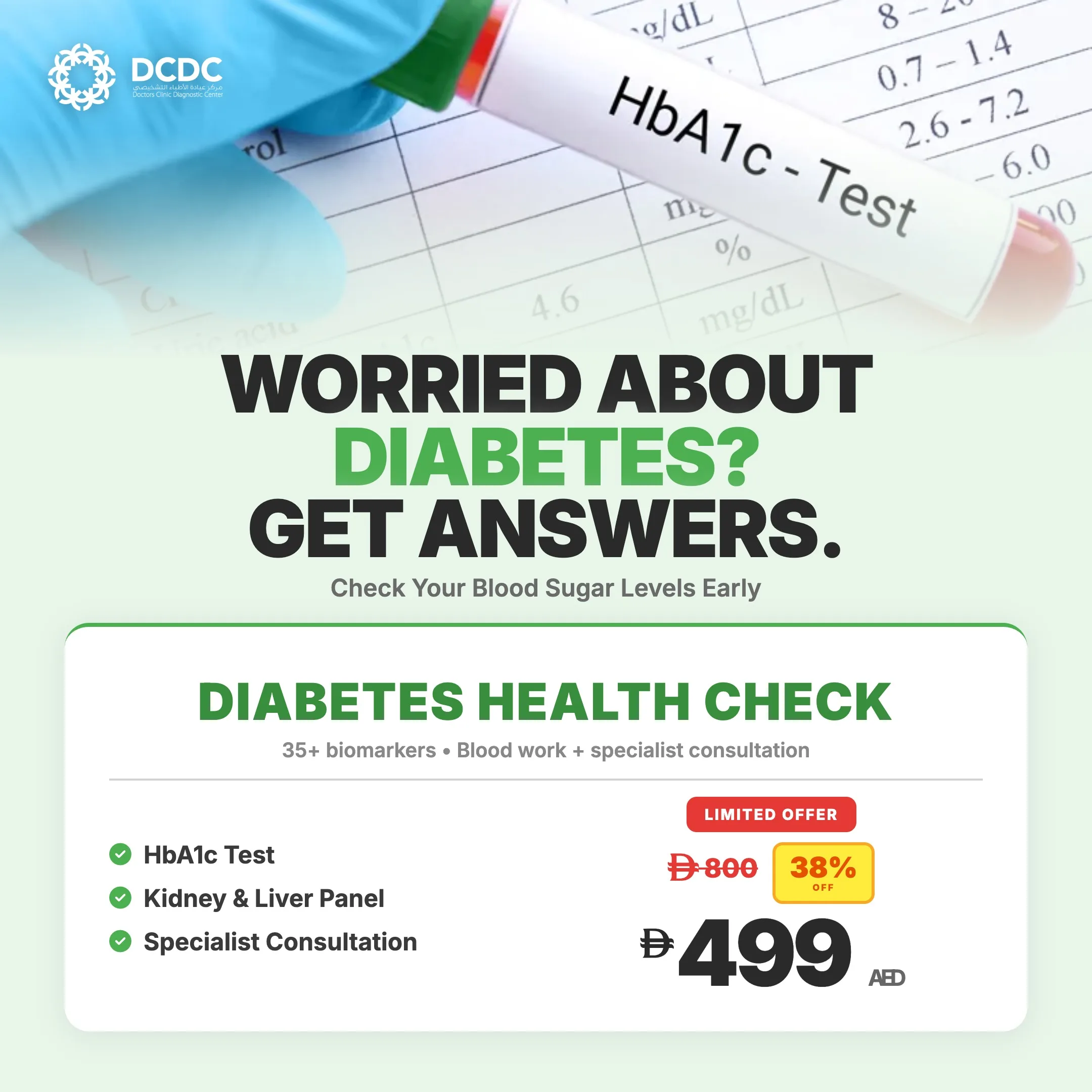
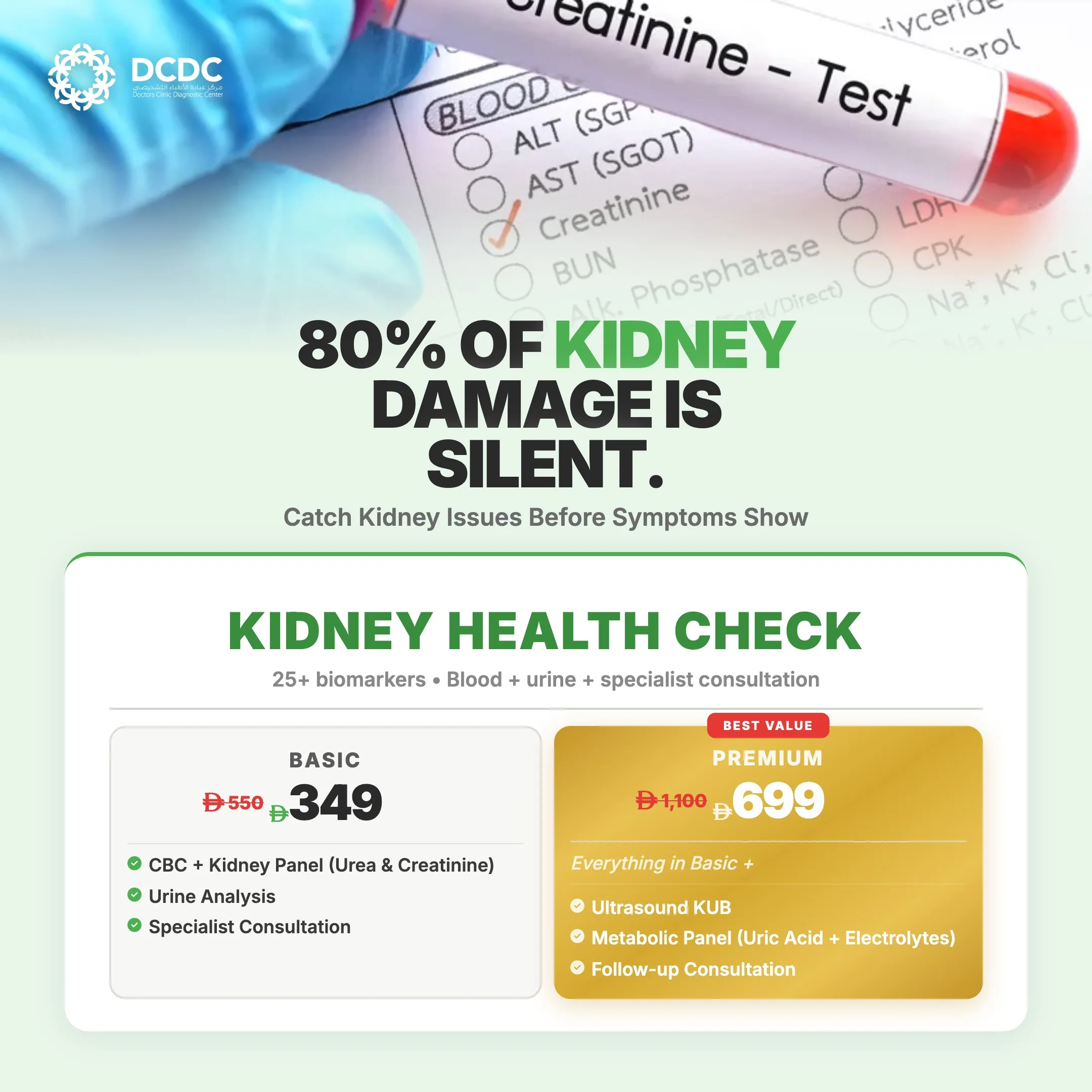
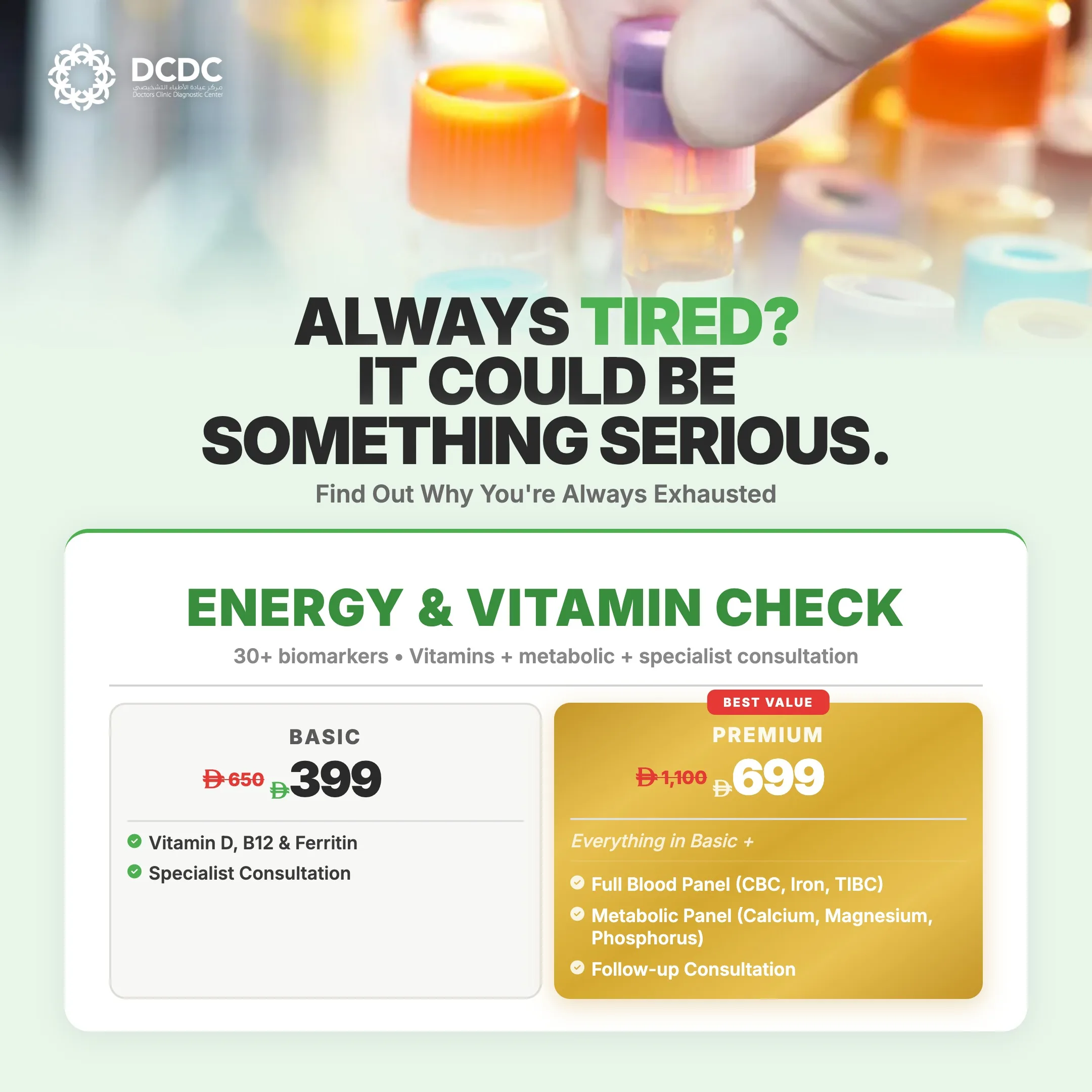
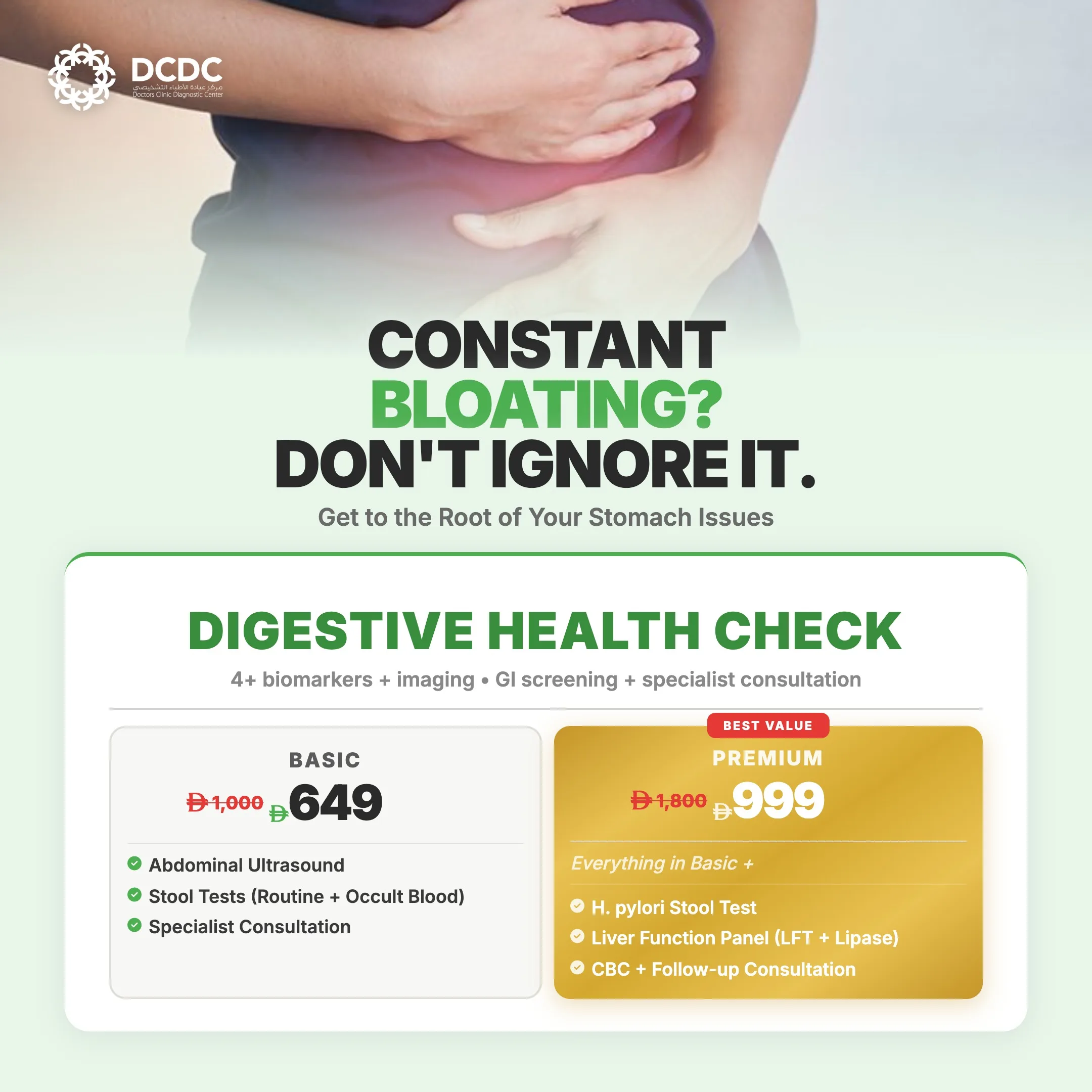
Health Screening Packages
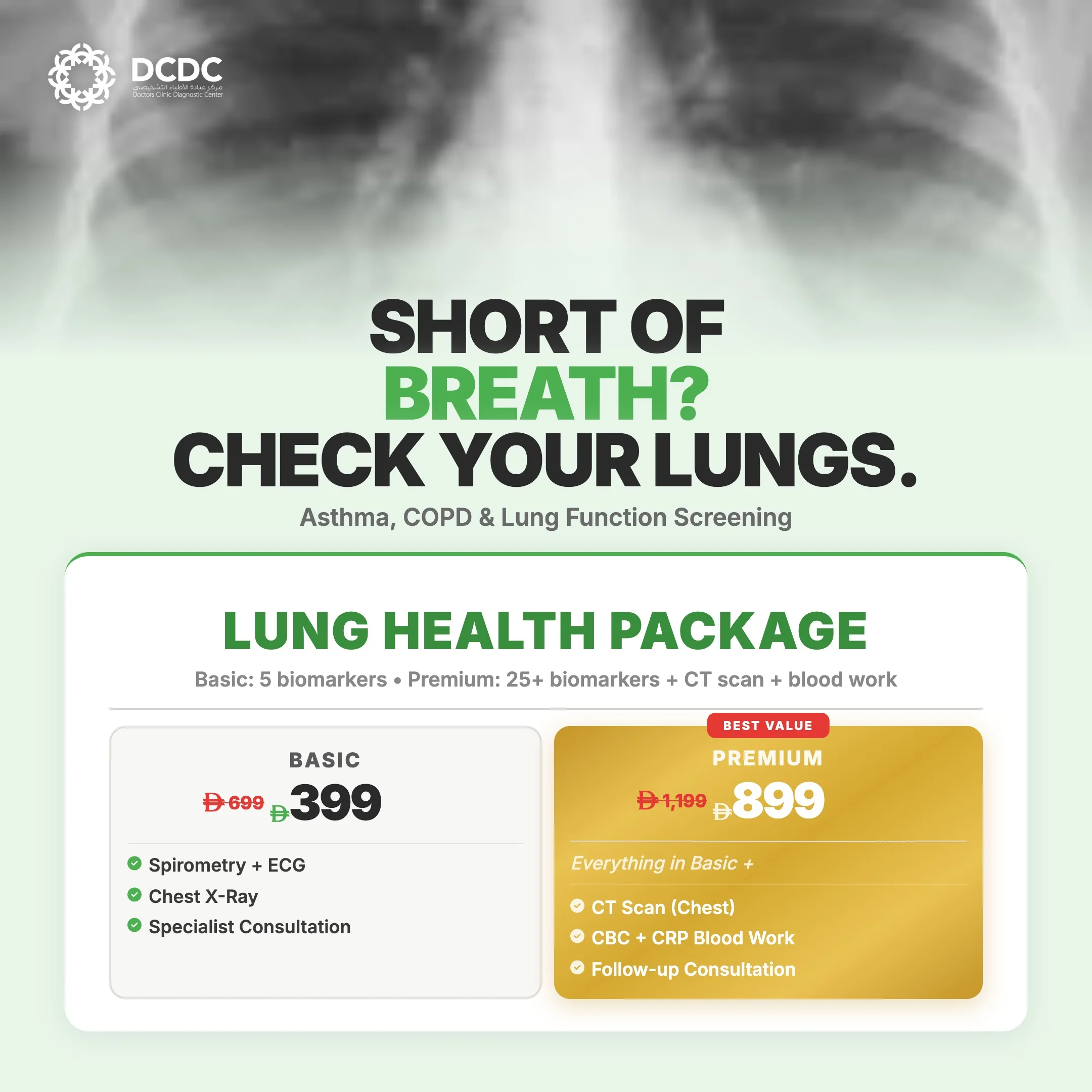
Save with our bundled screening packages — specialist consultation included

The Dubai Paradox: Too Much Sun, Not Enough Vitamin D
I get asked this constantly: "How can I possibly be deficient? I live in Dubai!" It seems counterintuitive, but DHA research shows that our modern UAE lifestyle has accidentally created the perfect storm for Vitamin D deficiency. Here's what's actually happening:
The Indoor Generation
Consider a typical day for a Dubai professional: wake up in an air-conditioned apartment, drive to work in a car with tinted windows, spend 8-10 hours in an air-conditioned office with UV-blocking glass, drive home, and relax indoors. On weekends, it's malls, cinemas, and indoor entertainment. During summer months when temperatures exceed 45°C, even the thought of going outside feels impossible.
Studies show UAE residents spend an average of 90% of their time indoors - one of the highest rates in the world. Your skin needs direct UVB exposure to synthesize Vitamin D, and glass windows block these rays completely.
Sun Avoidance Culture
Unlike northern countries where people eagerly soak up summer sun, Dubai's intense heat creates the opposite behavior. From May to September, outdoor activities drop dramatically. Even in winter, many people apply sunscreen whenever they go outside - which blocks the very UV rays needed for Vitamin D production.
Cultural and Religious Factors
For many residents who wear modest clothing covering most of their skin, sun exposure is naturally limited. This is a significant factor in deficiency rates among women in the UAE. Additionally, darker skin tones require longer sun exposure to produce the same amount of Vitamin D as lighter skin.
Warning Signs You Might Be Vitamin D Deficient
Vitamin D deficiency is often called a "silent epidemic" because symptoms develop gradually and are easily dismissed as stress, aging, or a busy lifestyle. Here are the key warning signs:
Physical Symptoms
- Persistent fatigue: Feeling tired even after 7-8 hours of sleep
- Muscle weakness: Difficulty climbing stairs, getting up from chairs
- Bone pain: Particularly in the lower back, hips, and legs
- Muscle cramps and aches: Unexplained pain without injury
- Slow wound healing: Cuts and bruises taking longer to heal
- Hair loss: Particularly in women, beyond normal shedding
Mental and Cognitive Symptoms
- Depression: Low mood, especially during winter months
- Anxiety: Increased feelings of worry and unease
- Brain fog: Difficulty concentrating and memory issues
- Sleep problems: Insomnia or poor sleep quality
Immune System Effects
- Frequent colds and flu: Getting sick more often than usual
- Slow recovery: Taking longer to bounce back from illness
- Recurring infections: Particularly respiratory infections
Testing for Vitamin D Deficiency in Dubai
The only reliable way to know your Vitamin D status is through a blood test called 25-hydroxyvitamin D (25(OH)D). This is a simple test that can be done at DCDC with results typically available within 24-48 hours.
Understanding Your Results
| Level (ng/mL) | Status | Action Needed |
|---|---|---|
| < 10 | Severe Deficiency | Vitamin D injection + high-dose supplements |
| 10-19 | Moderate Deficiency | High-dose supplements for 8-12 weeks |
| 20-29 | Insufficiency | Daily supplementation recommended |
| 30-100 | Optimal | Maintenance - retest annually |
| > 100 | Excess | Reduce supplementation, monitor |
Vitamin D levels and recommended actions based on blood test results.
Insurance Coverage for Vitamin D Testing
Most major insurance providers in the UAE cover Vitamin D testing when ordered by a physician for clinical reasons. At DCDC, we work with all major insurers including:
- Daman (National Health Insurance)
- ADNIC
- AXA
- MetLife
- Cigna
- Oman Insurance
- And many more
For self-pay patients, we offer competitive rates for Vitamin D testing. Contact us for current pricing or to verify your insurance coverage.
Vitamin D Testing and Treatment Costs in Dubai
Understanding the costs helps you plan your health budget. At DCDC, we offer transparent pricing with most insurance plans accepted:
| Service | Cost Range (AED) | Notes |
|---|---|---|
| Vitamin D Blood Test (25-OH Vitamin D) | 99 | Usually covered by insurance; results in 24-48 hours |
| Vitamin D + Calcium Panel | 200-350 | Comprehensive bone health assessment |
| Vitamin D Injection (200,000-600,000 IU) | 150-250 | For severe deficiency; rapid correction |
| Consultation + Test + Treatment Plan | 300-500 | Complete assessment with internal medicine specialist |
| Follow-up Vitamin D Retest (after 3 months) | 99 | To confirm levels have normalized |
Vitamin D services at DCDC Dubai Healthcare City. Most insurance plans cover testing and consultations. We verify coverage before your appointment.
Treatment Options Available in Dubai
Treatment for Vitamin D deficiency depends on the severity of your levels. At DCDC, our internal medicine specialists create personalized treatment plans based on your blood test results, symptoms, and lifestyle.
Oral Vitamin D Supplements
For mild to moderate deficiency, oral supplements are the first-line treatment:
- Vitamin D3 (cholecalciferol) is the preferred form - more effective than D2
- Dosing varies: 1,000-2,000 IU daily for maintenance; 5,000-10,000 IU daily for correction
- Best absorbed with fat: Take with your largest meal containing healthy fats
- Available over-the-counter at pharmacies throughout Dubai
Treatment Protocol by Deficiency Severity
Your treatment plan is personalized based on your blood test results. Here's the standard protocol we follow at DCDC:
| Vitamin D Level (ng/mL) | Severity | Recommended Treatment | Duration | Follow-up |
|---|---|---|---|---|
| 20-29 | Mild Deficiency/Insufficiency | 1,000-2,000 IU daily | Ongoing maintenance | Retest in 6-12 months |
| 10-19 | Moderate Deficiency | 5,000 IU daily | 8-12 weeks, then maintenance dose | Retest at 3 months |
| Below 10 | Severe Deficiency | 50,000 IU weekly for 8-12 weeks OR Vitamin D injection (200,000-600,000 IU single dose) | 2-3 months intensive, then maintenance | Retest at 6-8 weeks |
| 30-50 | Optimal (Maintenance) | 1,000 IU daily (varies by individual) | Long-term | Annual retest |
Treatment protocols based on clinical guidelines and Dubai-specific factors. Your doctor may adjust based on your weight, symptoms, and other health conditions.
Vitamin D Injections
For severe deficiency (levels below 10 ng/mL), Vitamin D injections offer rapid correction:
- High-dose cholecalciferol: 200,000-600,000 IU administered intramuscularly
- Fast-acting: Levels can normalize within 2-4 weeks
- Convenient: Single injection vs. daily pills
- Followed by maintenance: Oral supplements to maintain levels
Vitamin D injections are available at DCDC and can be administered during a regular consultation with our internal medicine team.
Lifestyle Modifications
While supplements are usually necessary in Dubai, lifestyle changes can help:
- Safe sun exposure: 15-20 minutes of midday sun on arms and legs (October-April)
- Vitamin D-rich foods: Fatty fish, egg yolks, fortified dairy and cereals
- Regular testing: Annual blood tests to monitor levels
- Outdoor activities: Morning or evening exercise during cooler months
Vitamin D Food Sources
While it's difficult to get enough Vitamin D from diet alone (especially if you're already deficient), incorporating these foods can support your supplementation:
| Food Source | Vitamin D Content (IU per serving) | Serving Size | Availability in Dubai |
|---|---|---|---|
| Salmon (wild-caught) | 570 IU | 100g (3.5 oz) | Widely available at supermarkets and fish markets |
| Sardines (canned) | 270 IU | 100g (3.5 oz) | Common in supermarkets |
| Cod Liver Oil | 1,360 IU | 1 tablespoon (15ml) | Available at pharmacies |
| Egg Yolks | 44 IU | 1 large egg yolk | Readily available |
| Mushrooms (UV-exposed) | 400 IU | 100g | Some specialty mushrooms in supermarkets |
| Fortified Milk/Dairy | 120 IU | 1 cup (240ml) | Most milk brands in Dubai are fortified |
| Fortified Orange Juice | 100 IU | 1 cup (240ml) | Select brands available |
| Fortified Cereals | 40-100 IU | 1 serving | Common breakfast cereals |
Daily Vitamin D requirement: 600-800 IU for adults, 1,000-2,000 IU for those with deficiency risk. As you can see, even eating salmon daily provides less than severe deficiency correction doses (50,000 IU weekly), which is why supplementation is essential for most Dubai residents.
Patient Success Story: From Exhausted to Energized
Sarah, a 30-year-old marketing manager working in Business Bay, came to our clinic complaining of persistent fatigue and muscle aches. "I'm sleeping 8 hours a night, but I wake up exhausted. By 2pm, I can barely keep my eyes open in meetings. I thought I was just stressed from work," she told me.
Her Vitamin D level was 8 ng/mL — severely deficient. This is common in Dubai office workers who go from air-conditioned home to air-conditioned car to air-conditioned office, getting almost zero sun exposure. Despite living in one of the sunniest cities on Earth, her body was starving for Vitamin D.
We started her on high-dose supplementation: 50,000 IU weekly for 8 weeks, then 5,000 IU daily for maintenance. She also made lifestyle changes: 15-minute morning walks before work (during the cooler months), adding more salmon and eggs to her diet, and keeping her supplements next to her coffee maker so she wouldn't forget to take them with breakfast.
Within 3 weeks, she reported noticeable improvement. "I actually have energy in the afternoons now. The brain fog is gone. My mood is better." At her 12-week follow-up, her Vitamin D level was 45 ng/mL — optimal range. Her muscle aches had completely resolved, and her energy levels were back to normal.
This is the power of identifying and treating Vitamin D deficiency. Such a simple fix for symptoms that can feel debilitating. If Sarah's story sounds familiar, a simple blood test could change your life too.
Are You Living with Undiagnosed Vitamin D Deficiency?
Don't let fatigue and muscle aches control your life. A simple blood test can reveal if Vitamin D deficiency is the culprit. At DCDC Dubai Healthcare City, we offer comprehensive Vitamin D testing and personalized treatment plans to get you back to feeling your best. WhatsApp us now to book your test and take the first step toward better energy and health. Learn more about our laboratory services and bone health screening.
Why Vitamin D Matters for Your Health
Vitamin D is not just about bone health. It's a hormone that affects virtually every cell in your body. Here's why maintaining optimal levels is crucial, especially in the UAE:
Diabetes Prevention
Here's something most people don't realize: the UAE has one of the highest Type 2 diabetes rates globally - MOHAP data shows roughly 1 in 5 adults are affected. And there's a strong link between low Vitamin D and diabetes risk. Research suggests deficiency can increase your diabetes risk by up to 50%. If you've got prediabetes or diabetes runs in your family, getting your Vitamin D sorted isn't optional - it's essential.
Immune Function
Vitamin D is essential for a healthy immune system. Deficiency has been linked to increased susceptibility to respiratory infections, including COVID-19. During flu season or when traveling, maintaining good Vitamin D levels helps your body fight off illness.
Mental Health
Low Vitamin D is strongly associated with depression and anxiety. The vitamin plays a role in serotonin production - your brain's "feel-good" chemical. Many patients report improved mood and mental clarity within weeks of starting treatment.
Bone Health
Vitamin D is essential for calcium absorption. Without it, bones become weak and brittle (osteoporosis). This is particularly important for women approaching menopause and older adults. A DEXA bone density scan can assess your bone health alongside Vitamin D testing.
Who Should Get Tested?
While anyone living in Dubai could benefit from Vitamin D testing, it's especially important for:
- Anyone with symptoms of deficiency (fatigue, muscle pain, depression)
- People who spend most of their time indoors
- Those who wear clothing that covers most of their skin
- People with darker skin tones
- Pregnant or breastfeeding women
- Older adults (reduced ability to synthesize Vitamin D)
- People with obesity (Vitamin D gets stored in fat tissue)
- Those with digestive disorders affecting fat absorption
- Anyone with diabetes or prediabetes
- People with osteoporosis or at risk of bone loss
Get Tested at DCDC Dubai Healthcare City
Don't let Vitamin D deficiency drain your energy and affect your health. At Doctors Clinic Diagnostic Center, we offer:
- Convenient location: Dubai Healthcare City, easily accessible from Oud Metha and Umm Hurair
- Quick results: Vitamin D blood test results within 24-48 hours
- Expert interpretation: Consultation with our internal medicine specialists
- Comprehensive treatment: Supplements, injections, and ongoing monitoring
- Insurance accepted: We work with all major UAE insurers
Book Your Vitamin D Test Today
Take the first step toward better energy and health. Our team is ready to help you understand your Vitamin D status and create a personalized treatment plan.
WhatsApp Us
Related Services at DCDC
Expert care and advanced diagnostics at Dubai Healthcare City
Frequently Asked Questions
Final Thoughts
Vitamin D deficiency is one of the most common yet overlooked health issues in Dubai. Despite living in one of the sunniest places on Earth, our modern indoor lifestyle has created an epidemic of deficiency that affects everything from energy levels to immune function to mental health.
The good news? It's incredibly easy to diagnose and treat. A simple blood test can reveal your status, and with proper supplementation or injection therapy, most patients see significant improvements within weeks. If you've been feeling tired, achy, or just not yourself, don't dismiss it as stress - get tested and find out if Vitamin D is the missing piece.
Learn more about related health screenings: DEXA Scan for Bone Density, Women's Health Screening, and our Laboratory Services at DCDC Dubai Healthcare City.
Sources & References
This article was reviewed by our medical team and references the following sources:
- UAE Ministry of Health and Prevention - Vitamin D Guidelines
- Endocrine Society Clinical Practice Guidelines on Vitamin D
- Dubai Health Authority - Health Statistics
- Journal of Steroid Biochemistry - Vitamin D in Middle East
- Cleveland Clinic - Vitamin D Deficiency
Medical content on this site is reviewed by DHA-licensed physicians. See our editorial policy for more information.

Written by
Dr. Hadi Komshi
Specialist Internal Medicine
DHA Licensed, Internal Medicine
Dr. Hadi Komshi is a DHA-licensed Internal Medicine Specialist with extensive experience in managing both acute and chronic medical conditions. He specializes in diabetes, metabolic disorders, and comprehensive health assessments.
Related Articles
Why Every Executive Needs an Annual Health Checkup
Diabetes Management in Dubai: A Comprehensive Guide
More in General Medicine

© 2026 Doctors Clinic Diagnostic Center (DCDC), Dubai Healthcare City. Originally published at https://doctorsclinicdubai.ae/blog/vitamin-d-deficiency-dubai. All rights reserved. Unauthorized reproduction is prohibited.