Key Takeaways
- Strep throat is a bacterial infection caused by Group A Streptococcus. It causes sudden, severe sore throat, fever and swollen tonsils, usually without a cough or runny nose. It is most common in children aged 5 to 15 but affects adults too.
- Sore throats are mostly viral, so symptoms alone cannot confirm strep. A throat swab test is needed. DCDC offers an on-site Rapid Strep A test for AED 149 with results in minutes.
- Confirmed strep is treated with antibiotics, usually penicillin or amoxicillin for about 10 days. Finish the full course to prevent complications such as rheumatic fever, peritonsillar abscess and kidney inflammation.
- Seek urgent care for difficulty breathing, drooling, inability to swallow, a muffled voice or severe one-sided throat pain. In Dubai's air-conditioned schools and offices, hand hygiene, not sharing items and staying home when sick are the best prevention.
A severe sore throat that comes on fast, with fever and painful swallowing, makes many people wonder whether it is strep throat or just a virus. The difference matters: strep is caused by bacteria and needs antibiotics, while viral sore throats do not. In this guide, Dr. Yousra Mohamed explains the symptoms, how to tell the two apart, how testing works and what treatment involves. If you want your throat examined, our ENT consultation team at DCDC in Dubai Healthcare City can test you on-site and give you an answer in minutes.
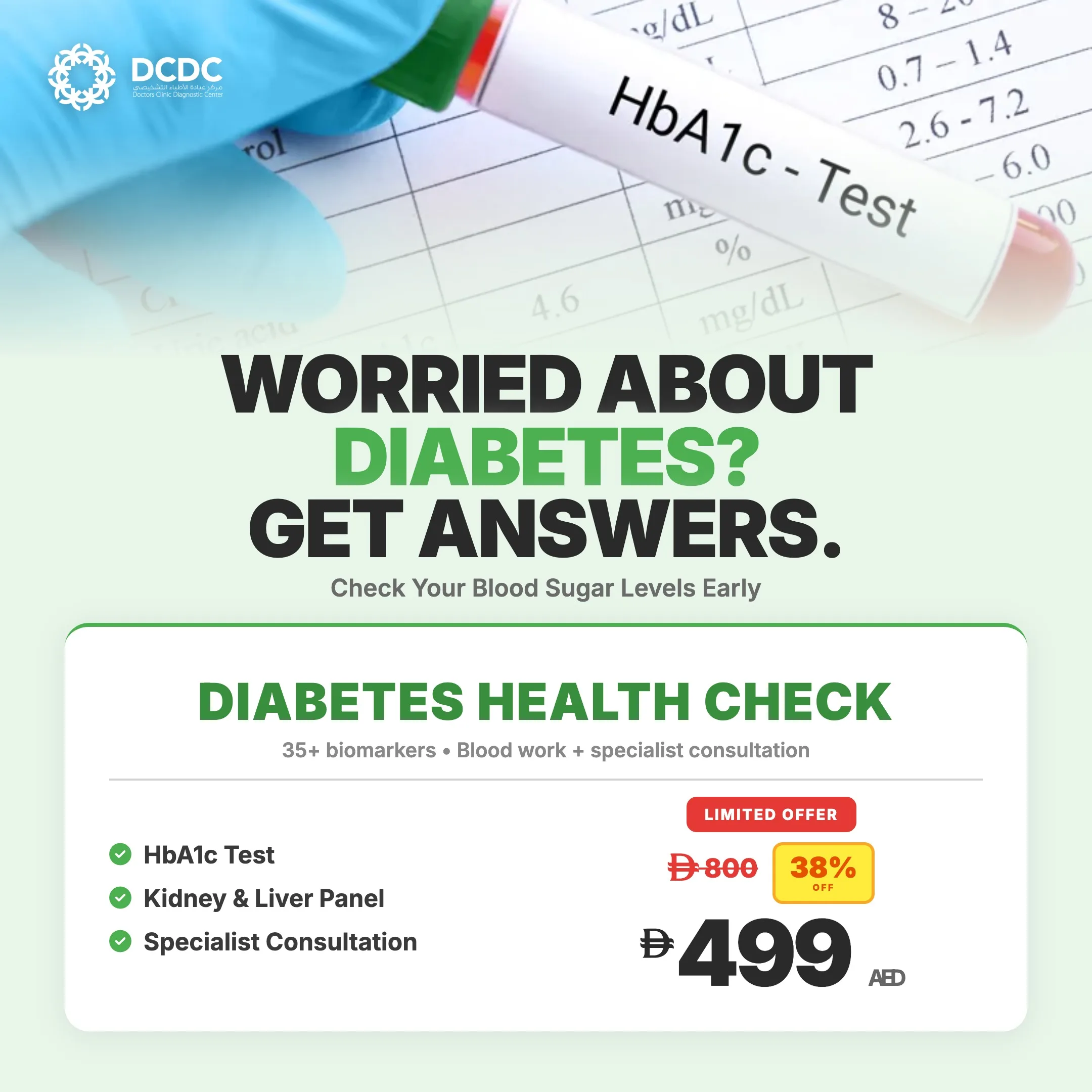
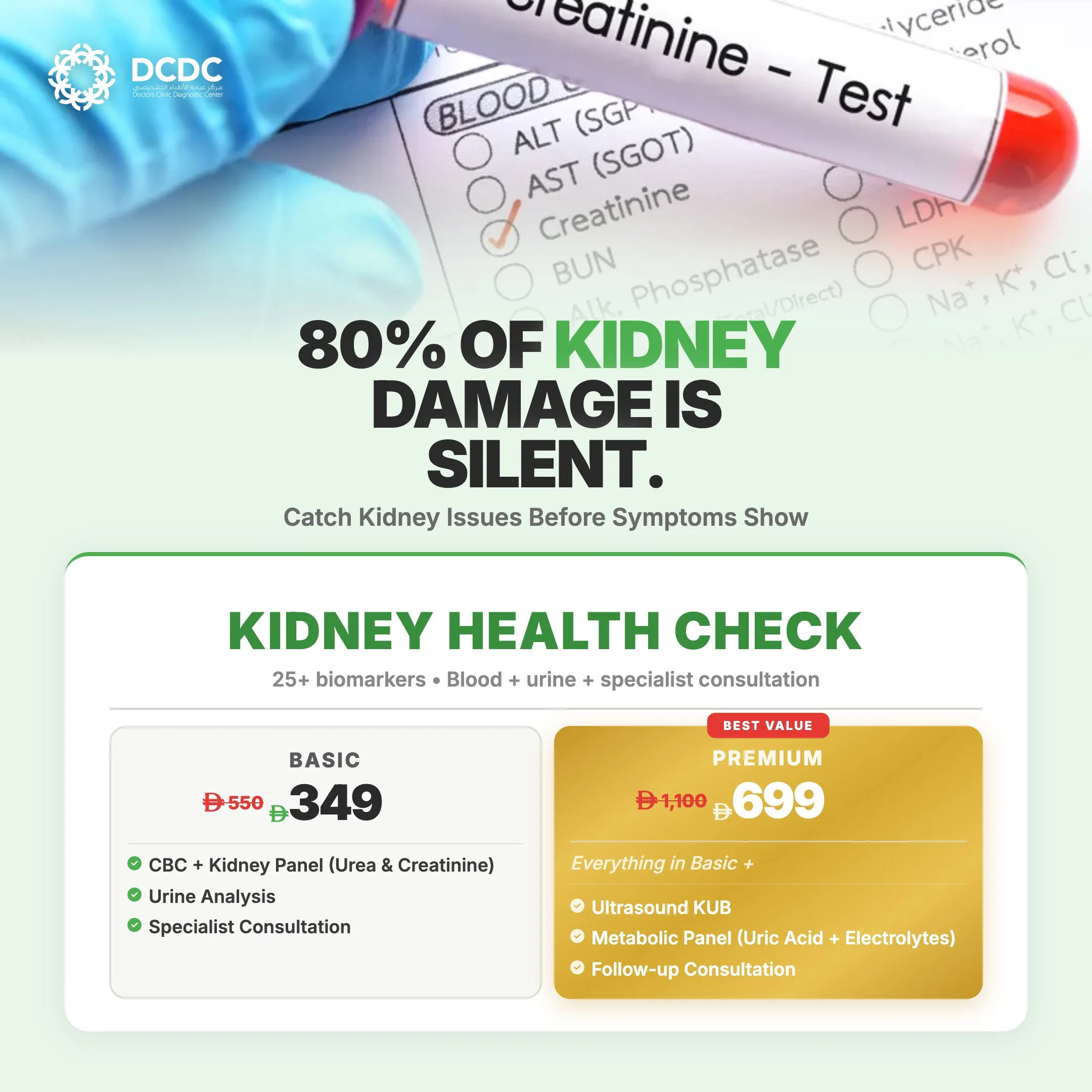
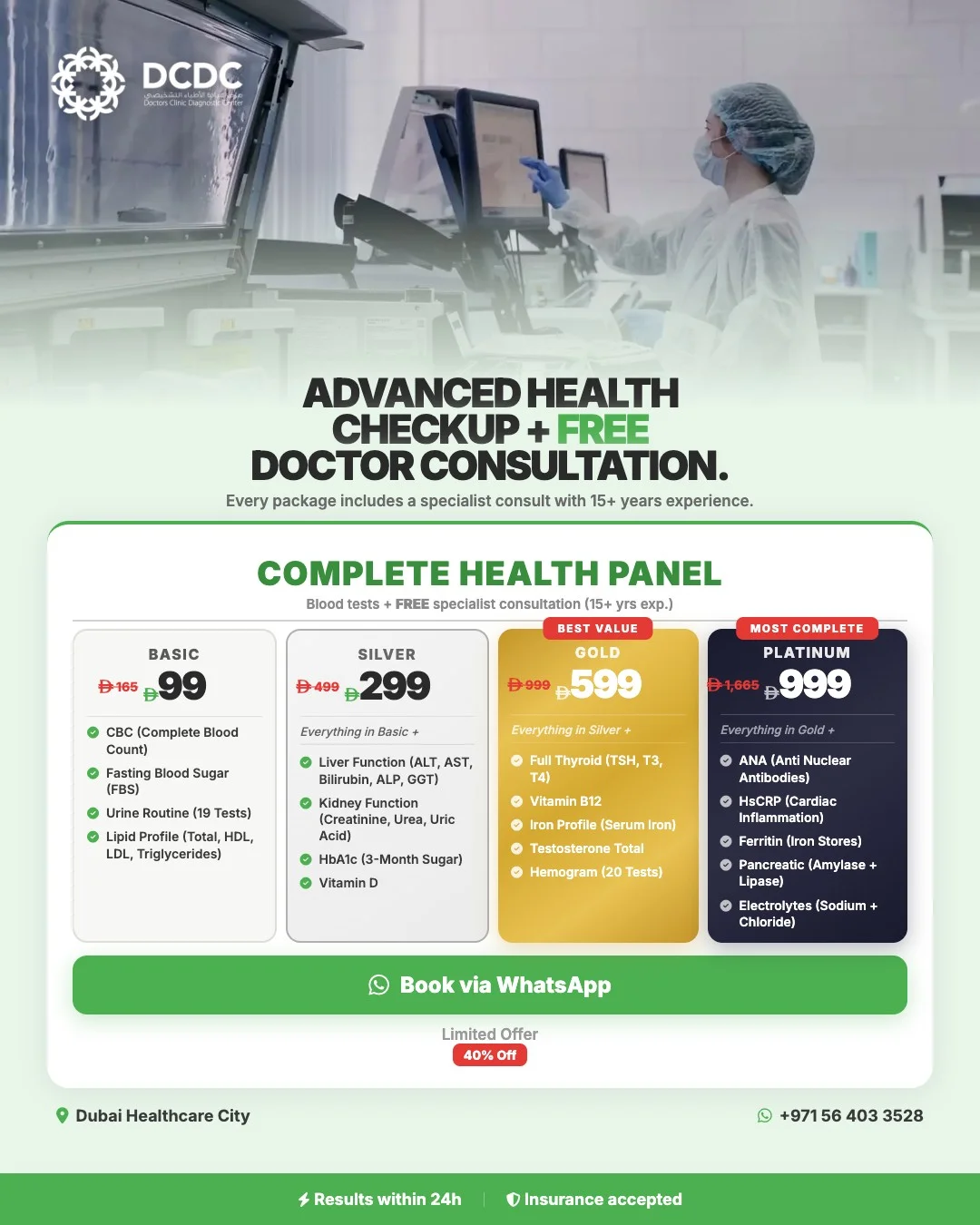
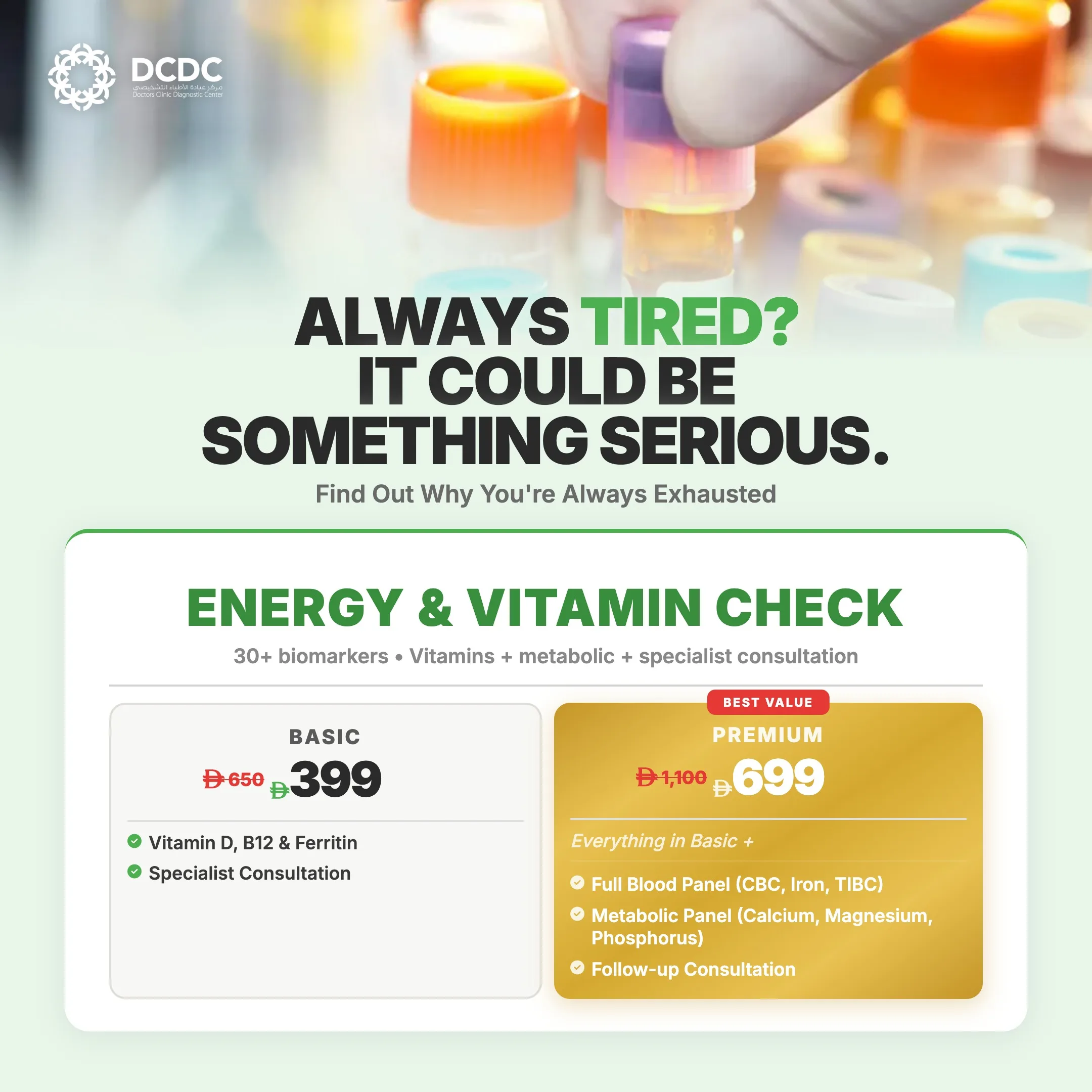
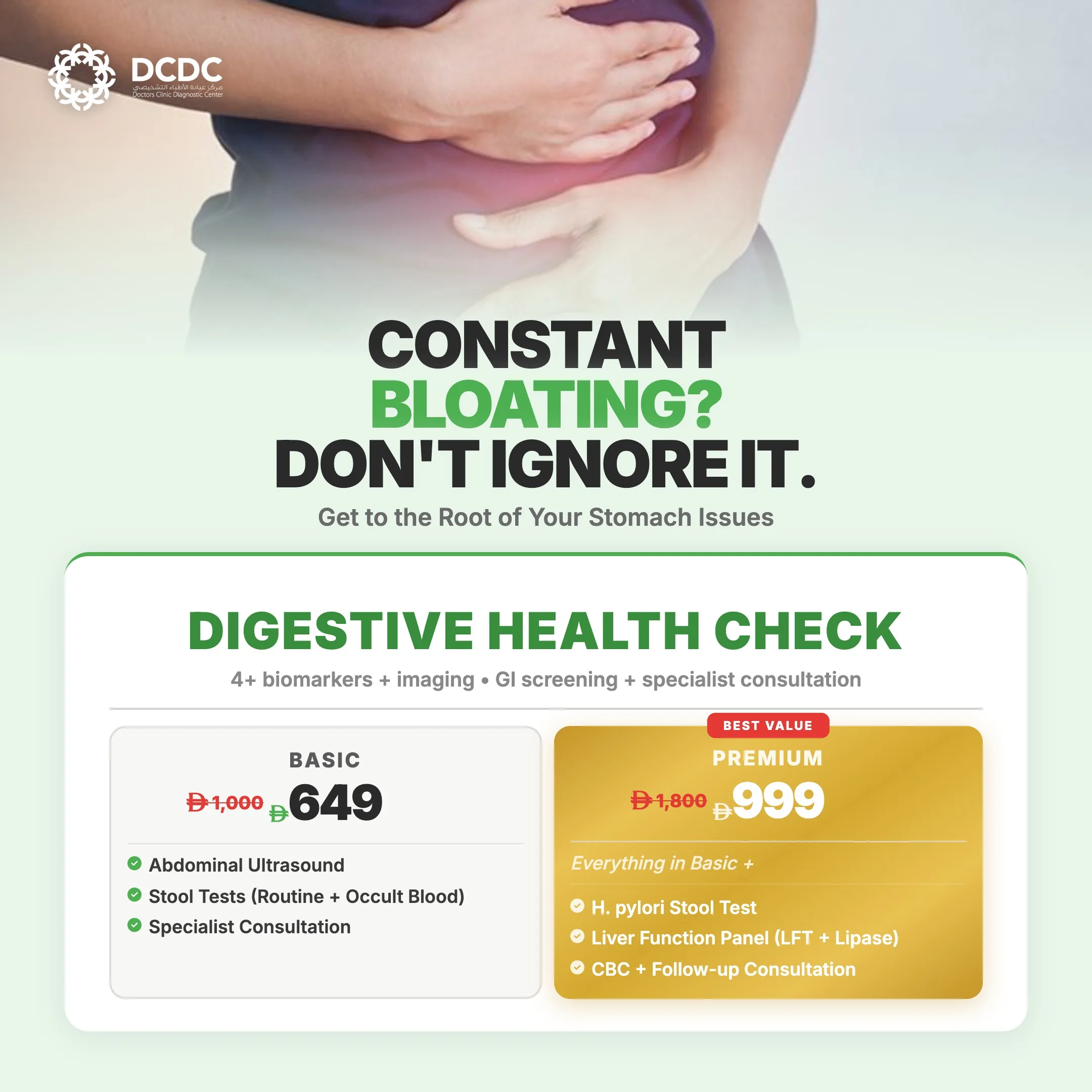
Health Screening Packages
Save with our bundled screening packages — specialist consultation included

What Is Strep Throat?
Strep throat is a bacterial infection of the throat and tonsils caused by Group A Streptococcus (Streptococcus pyogenes, often shortened to GAS). It spreads through respiratory droplets when an infected person coughs, sneezes or talks, and through shared cups, cutlery and contaminated surfaces. Unlike most sore throats, which are caused by viruses, strep throat responds to antibiotics, and treating it properly protects against rare but serious complications.
Strep throat is most common in children aged 5 to 15, and it accounts for roughly 20 to 30 percent of sore throats in children and 5 to 15 percent in adults. Adults who live with school-age children, teachers, nurses and office workers in shared spaces are at higher risk. In Dubai, long hours in air-conditioned classrooms, offices and malls mean people share recirculated indoor air for much of the day, which helps respiratory infections move through households and workplaces.
If you are unsure whether your sore throat is serious, our ENT consultation service at Doctors Clinic Diagnostic Center (DCDC) in Dubai Healthcare City can examine your throat and run an on-site Strep A test so you leave with a clear answer, not a guess.
How Strep Throat Spreads
- Respiratory droplets: coughing, sneezing and close conversation with an infected person
- Shared items: drinking glasses, utensils, towels and toothbrushes
- Hand-to-face contact: touching a contaminated surface such as a door handle or school desk, then your nose or mouth
- Close quarters: classrooms, nurseries, family homes and open-plan offices
- Contagious period: from a day or two before symptoms start until about 12 to 24 hours after beginning effective antibiotics. Untreated, a person can remain contagious for weeks
For a broader look at the many causes of throat pain, see our guide to sore throat causes and treatment in Dubai.
Strep Throat vs Viral Sore Throat: How to Tell the Difference
Most sore throats (roughly 70 to 85 percent in adults) are viral, caused by the common cold, influenza, COVID-19 or other viruses, and antibiotics do nothing for them. The challenge is that the two look similar. Certain patterns, however, point toward strep. The table below summarises the typical differences, but remember that no checklist replaces a test: even experienced doctors cannot reliably diagnose strep by appearance alone.
| Feature | Strep Throat (Bacterial) | Viral Sore Throat |
|---|---|---|
| Onset | Sudden, often within hours | Gradual over 1 to 2 days |
| Throat pain | Severe, painful swallowing | Mild to moderate, scratchy |
| Fever | Common, often 38.3 C or higher | Absent or low-grade |
| Cough | Usually absent | Usually present |
| Runny nose, sneezing | Uncommon | Common |
| Hoarse voice | Uncommon | Common |
| Red or watery eyes | Uncommon | Common with colds and some viruses |
| Tonsils | Red and swollen, sometimes with white patches or streaks of pus | Red, mildly swollen, usually without pus |
| Palate | Tiny red spots (petechiae) on the roof of the mouth | Usually normal |
| Neck glands | Tender, swollen front neck lymph nodes | May be mildly enlarged |
| Headache, stomach pain, nausea | Common, especially in children | Less common |
| Rash | Possible fine sandpaper-like rash (scarlet fever) | Uncommon |
| Treatment | Antibiotics, once confirmed by test | Rest, fluids, pain relief |
A useful rule of thumb used by clinicians is the Centor (or McIsaac) score, which awards points for fever, tonsil swelling or pus, tender neck glands and the absence of cough, with adjustments for age. The more points, the higher the chance of strep, but even a high score is confirmed with a test before antibiotics are prescribed. This approach protects you from unnecessary antibiotics and helps limit antibiotic resistance.
Key Symptoms of Strep Throat
Symptoms in Adults
- Sudden, severe sore throat that hurts when swallowing
- Fever, often with chills
- Red, swollen tonsils, sometimes with white patches or pus
- Tiny red or purple dots on the roof of the mouth
- Tender, swollen glands at the front of the neck
- Headache, body aches and fatigue
- Bad breath and, occasionally, pain that spreads to the ears
- Usually no cough, hoarseness or runny nose
Symptoms in Children
Children often show the classic throat symptoms, but younger ones may also complain of tummy ache, nausea or vomiting, and some simply refuse to eat or drink. Strep throat is uncommon in children under 3, though it can occur. A fever with a sore throat can overlap with other childhood illnesses, so our guide on managing child fever explains temperature thresholds and when to seek care. If your child is also tugging at an ear or has trouble sleeping, read about signs of ear infection in children, because throat and ear infections can occur together.
Scarlet Fever
Some children (and occasionally adults) with strep develop scarlet fever: a fine, red, sandpaper-textured rash that starts on the neck and chest and spreads, a flushed face with a pale ring around the mouth, and a bright red "strawberry" tongue. Scarlet fever is treated with the same antibiotics as strep throat and is not usually dangerous when treated promptly.
Symptoms That Suggest Something Other Than Strep
Cough, nasal congestion, hoarseness, red eyes, mouth ulcers or diarrhoea point towards a viral cause. Severe throat pain with a one-sided swelling, a muffled voice or inability to open the mouth fully could indicate a peritonsillar abscess, which needs prompt assessment. Persistent tonsil problems are covered in our article on tonsillitis treatment in Dubai.
When to See a Doctor Urgently
Most sore throats improve within a week, but some situations should not wait. Seek medical care the same day if you or your child has:
- A sore throat with fever above 38.3 C that lasts longer than 24 to 48 hours
- Severe pain that makes swallowing saliva or fluids difficult
- White patches or pus on the tonsils, or a sandpaper-like rash
- Sore throat with tender, swollen neck glands and no cough
- Recent close contact with someone diagnosed with strep throat
- A history of rheumatic fever, or a weakened immune system
- Symptoms that are getting worse after 3 to 4 days, or not improving after a week
Go to an emergency department immediately if there is difficulty breathing, noisy breathing (stridor), drooling because swallowing is impossible, a muffled "hot potato" voice, inability to fully open the mouth, a stiff neck, severe one-sided throat pain with swelling, signs of dehydration (no urine for 8 hours, dry mouth, extreme drowsiness), or a child who is floppy, unusually sleepy or very hard to wake.
Diagnosis: Rapid Strep Test vs Throat Culture
Because strep and viral sore throats look alike, the only reliable way to know is a test. Two options are used worldwide.
Rapid Antigen Detection Test (Rapid Strep A Test)
A clinician swabs the back of the throat and tonsils, and the swab is analysed on-site for Group A strep antigens. Results are available in minutes. A positive result is very reliable (specificity above 95 percent), so antibiotics can be started straight away. Sensitivity is lower, roughly 85 to 95 percent depending on the test and technique, so a few real infections can be missed.
Throat Culture
The swab is grown in a laboratory for 24 to 48 hours. Culture is the traditional reference standard and is more sensitive than a rapid test. Guidelines from the Infectious Diseases Society of America and the American Academy of Pediatrics suggest that a negative rapid test in children and teenagers be backed up by a culture, because missing strep in a child carries a higher risk of rheumatic fever. In adults, a negative rapid test is generally accepted because the risk of rheumatic fever is much lower.
DCDC's On-Site Strep A Test
At DCDC we offer an on-site Rapid Strep A test for AED 149, with results in minutes rather than days. You do not need to send samples to an outside laboratory, wait for a callback or return for a second visit just to hear the result. Your doctor reviews the result alongside your examination, discusses whether antibiotics are needed, and decides whether any further testing is appropriate. The test sits alongside our other rapid tests for common infections.
A positive test combined with typical symptoms confirms strep throat. A negative test with a very convincing picture, particularly in a child, may prompt your doctor to consider a confirmatory culture or to look for other causes.
Strep Throat Treatment
Antibiotics
Strep throat is treated with a course of antibiotics, which shortens the illness, reduces how long you are contagious and, most importantly, lowers the risk of complications. Penicillin or amoxicillin taken for about 10 days is the standard first-line treatment worldwide because Group A strep has never developed resistance to penicillin. A single intramuscular injection of benzathine penicillin G is an alternative when taking tablets for 10 days is unlikely. People with a penicillin allergy are prescribed other options such as certain cephalosporins, clindamycin or macrolides, chosen by the doctor according to the type of allergy.
Finish the full course even if you feel better after two or three days. Stopping early can leave bacteria behind and increase the chance of rheumatic fever. Never take leftover antibiotics or antibiotics from a friend. Your doctor will choose the drug, dose and duration based on your age, weight, allergies and kidney function.
Timeline: What to Expect
- Day 0: test is positive and antibiotics are started
- 24 to 48 hours: fever usually settles and throat pain begins to ease
- After 12 to 24 hours of antibiotics: you are generally no longer considered contagious, and children can usually return to school once they are fever-free and feeling well
- 3 to 5 days: most symptoms resolve, though fatigue may linger
- Day 10: antibiotic course completes (if the 10-day regimen was prescribed)
- Without antibiotics: symptoms usually pass within about a week, but the risk of complications remains and you stay contagious for longer
Relief at Home
- Rest and stay home until you are fever-free and at least 12 to 24 hours into treatment
- Drink plenty of fluids; warm drinks, honey in warm water (not for children under 1 year) and cold treats such as ice lollies can soothe the throat
- Paracetamol or ibuprofen for pain and fever, following the dose on the label or your doctor's advice (avoid aspirin in children and teenagers)
- Salt-water gargles (half a teaspoon of salt in a glass of warm water) for adults and older children
- Lozenges for adults and older children who can use them safely
- Soft foods that are easy to swallow, such as soup, yoghurt and mashed vegetables
- Keep indoor air from becoming too dry; avoid setting the AC to very cold, and consider a humidifier in the bedroom
- Replace your toothbrush after 24 to 48 hours of antibiotics
What Does Not Help
Antibiotics do not work for viral sore throats, and taking them unnecessarily causes side effects and contributes to antibiotic resistance, a concern the World Health Organization treats as a major global health threat. This is why testing before treating is the safest approach. Strep throat also should not be treated with herbal remedies alone: they may soothe symptoms but do not clear the bacteria or prevent complications.
Complications of Untreated Strep Throat
Most people recover fully, but untreated or inadequately treated strep infections can lead to problems in the throat itself or elsewhere in the body.
Rheumatic Fever
Rheumatic fever is an inflammatory condition that can follow strep throat by two to four weeks. It can cause painful, swollen joints, fever, a skin rash, jerky involuntary movements (Sydenham chorea) and inflammation of the heart. Repeated attacks can scar the heart valves, leading to rheumatic heart disease, which can require lifelong care or surgery. It is now uncommon in high-income settings but remains an important cause of heart disease in parts of the world, which is why treating strep throat completely matters, especially in children and young adults.
Peritonsillar Abscess (Quinsy)
A pocket of pus forms beside a tonsil, causing severe one-sided throat pain, fever, a muffled voice, difficulty opening the mouth and drooling. It usually needs drainage by an ENT specialist in addition to antibiotics, and it can obstruct the airway if not treated.
Post-Streptococcal Glomerulonephritis
Inflammation of the kidney filters can develop one to three weeks after a strep throat (or about three weeks after a skin infection). Signs include dark, tea- or cola-coloured urine, puffiness around the eyes or legs, high blood pressure and reduced urine output. Most children recover well, but it needs medical follow-up. Antibiotics do not reliably prevent this complication, but they limit the spread of the strain.
Other Complications
- Sinus and middle ear infections: bacteria can spread from the throat; if ear pain develops, see our guide to ear infection treatment in Dubai
- Retropharyngeal or neck abscess: rare deep-tissue infection that needs urgent care
- Scarlet fever: usually mild when treated
- Invasive group A strep disease: rare but serious infection of the blood or soft tissue; seek emergency care for rapidly spreading skin redness, severe pain or confusion
- PANDAS: a rare and debated link between strep and sudden-onset obsessive-compulsive or tic symptoms in children
What to Expect at DCDC
We designed the visit to be simple, particularly for parents juggling a sick child and a busy day. Here is the typical patient journey at our clinic in Building 64, Block A, Al Razi Medical Complex, Dubai Healthcare City:
- 1. Walk in or book: same-day appointments are frequently available. You can walk in, call +971 54 219 5008, or message us on WhatsApp to reserve a time. We are open Saturday to Thursday 8 AM to 10 PM and Friday 9 AM to 9 PM, and parking on site is free
- 2. Assessment by an ENT specialist or GP: your doctor asks about symptoms, exposures and allergies, then examines the throat, tonsils, ears and neck glands. A general practitioner consultation starts from AED 249
- 3. Rapid Strep A test (AED 149): a quick, painless throat swab, analysed on-site, with a result in minutes
- 4. Diagnosis and prescription: if the test is positive, your doctor prescribes the appropriate antibiotic and explains the dose and duration. If negative, the doctor discusses whether a confirmatory culture is advisable or whether a viral cause is more likely and suggests supportive care
- 5. Advice and follow-up: you receive guidance on symptom relief, when you can return to work or school, how to protect family members and which warning signs should prompt an earlier return. Follow-up is arranged if symptoms persist, recur frequently or complications are suspected
We accept more than 20 insurance partners with direct billing, so most insured patients do not pay up front for covered services. Please check your policy details with our team. Our clinic holds a 4.8 out of 5 Google rating from more than 1,000 verified reviews.
Sore Throat and Fever? Get Tested Today
Rapid Strep A test (AED 149) with results in minutes at DCDC, Dubai Healthcare City. Same-day appointments frequently available. Book via WhatsApp or call +971 54 219 5008.
Recurrent Strep Throat and Carriers
Some people have repeated episodes of sore throat that test positive. In some cases, they are strep carriers: people who harbour the bacteria in their throat without being ill, and who get unrelated viral sore throats that happen to test positive. Carriers are generally not at risk of complications and rarely spread infection, so they usually do not need repeated antibiotics. A doctor who sees frequent episodes will look at the pattern, compare it with established criteria and consider whether a tonsil operation is worthwhile. Our tonsillitis guide explains when tonsillectomy is considered.
If strep spreads repeatedly through your household, ask your doctor about testing symptomatic family members, washing or replacing toothbrushes and checking that everyone has finished their antibiotic course.
Prevention Tips for Dubai Homes, Schools and Offices
There is no vaccine for Group A strep, so prevention relies on good habits. Dubai's lifestyle creates a few specific challenges: classrooms and offices that are sealed and air-conditioned, packed school buses, shared snacks and water bottles, and rapid swings between the 45 C outdoor heat in summer and the 20 C indoor chill.
- Wash hands with soap for 20 seconds, especially before eating and after coughing, sneezing or using the bathroom; use alcohol-based sanitiser when soap is not available
- Do not share cups, bottles, cutlery, towels or toothbrushes, and teach children not to share water bottles at school
- Cover coughs and sneezes with a tissue or your elbow, then dispose of the tissue and clean your hands
- Stay home when sick: keep children home until they are fever-free and have had at least 12 to 24 hours of antibiotics; adults should do likewise or work remotely
- Improve indoor air: AC systems that recirculate air allow droplets to linger. Ask building managers to service filters regularly, open windows briefly in cooler months where possible and avoid crowded, poorly ventilated rooms when you are unwell
- Avoid extremes of AC: very cold, dry air can irritate the throat and make it more vulnerable. Keep home thermostats at a moderate temperature (about 23 to 25 C) and stay hydrated
- Clean shared surfaces such as door handles, desks, tablets, remote controls and phones, especially when someone in the household is ill
- Replace the toothbrush after you have been on antibiotics for 24 to 48 hours
- Support general health: enough sleep, a balanced diet and regular exercise help your immune defences, and avoid smoke exposure, which damages the throat lining
If your child's school reports a strep or scarlet fever case, watch for symptoms for the next one to two weeks and have a low threshold for testing.
Final Thoughts
Strep throat is common, treatable and rarely dangerous when it is recognised early. The key is not to guess: a sore throat with fever and no cough deserves a quick test, so that bacterial infections get the right antibiotic and viral infections are spared unnecessary medication. With a rapid, on-site Strep A test, you can know your result within minutes.
Related Services at DCDC
Expert care and advanced diagnostics at Dubai Healthcare City
Frequently Asked Questions
Final Thoughts
Strep throat is common, treatable and rarely dangerous when recognised early. The key is not to guess: a sore throat with fever and no cough deserves a quick test so that bacterial infections receive the right antibiotic and viral infections are spared unnecessary medication. Finishing the full antibiotic course protects you from complications such as rheumatic fever, and simple habits at home, school and work help stop the infection spreading to others.
If you or your child has a sore throat with fever, painful swallowing or swollen tonsils, DCDC can help. Visit us at Building 64, Block A, Al Razi Medical Complex, Dubai Healthcare City, call +971 54 219 5008, or message us on WhatsApp. We are open Saturday to Thursday 8 AM to 10 PM and Friday 9 AM to 9 PM, with free on-site parking. This article is for general information and does not replace personal medical advice.
Sources & References
This article references the following sources:
- CDC: Group A Strep Infection - About Strep Throat
- CDC: Clinical Guidance for Group A Streptococcal Pharyngitis
- NHS: Sore Throat
- Mayo Clinic: Strep Throat - Symptoms and Causes
- World Health Organization: Rheumatic Heart Disease
- American Academy of Pediatrics (HealthyChildren.org): Strep Throat
- PubMed: Clinical Practice Guideline for the Diagnosis and Management of Group A Streptococcal Pharyngitis: 2012 Update by the Infectious Diseases Society of America
- World Health Organization: Antimicrobial Resistance
This information is educational and does not replace individual medical advice. See our editorial policy for more information.

Written by
Dr. Yousra Mohamed
ENT Specialist
MBBS, Arab Board (ORL), MRCS
Dr. Yousra Mohamed is an ENT Specialist at Doctors Clinic Diagnostic Center (DCDC) in Dubai Healthcare City.
Related Articles

Sore Throat Dubai: Causes & Treatment
Tonsillitis Treatment Dubai: Symptoms & Care

Child Fever: When to Worry & What to Do
Ear Infection Treatment Dubai: Causes & Care
More in General Health

Flu vs COVID Symptoms Dubai: Key Signs (2026)
Read More
CBC Test Price Dubai: AED 149, Normal Ranges & Results
Read More
Dubai Clinic Without Insurance: Cost Guide (2026)
Read More
Doctor at Home Dubai: Home Visit Cost From AED 349 (2026)
Read MoreDoctor on Call Dubai 24/7: Home, Hotel & Office Visits
Read MoreEar Wax Removal & Ear Cleaning Dubai: From AED 300 (2026)
Read More© 2026 Doctors Clinic Diagnostic Center (DCDC), Dubai Healthcare City. Originally published at https://doctorsclinicdubai.ae/blog/strep-throat-treatment-dubai. All rights reserved. Unauthorized reproduction is prohibited.