Key Takeaways
- Dubai's winter (November to March, 15–25°C) still brings flu, allergies, dry skin and asthma triggers because of temperature swings, dry air conditioning and crowded indoor spaces.
- Vitamin D deficiency is common in the UAE even in sunny weather, so testing (AED 99 at DCDC) is more reliable than guessing.
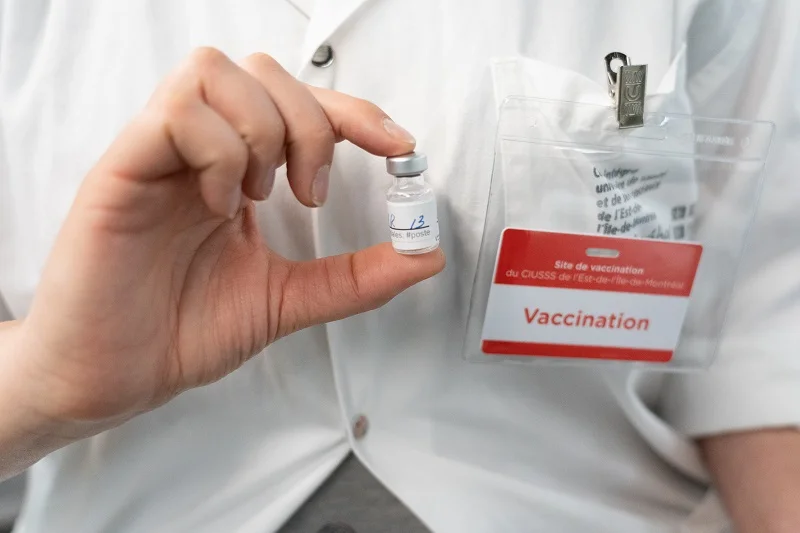
- Get your flu vaccine in October or November for best protection before activity peaks in December to February.
- Persistent fatigue may be anaemia, low iron or thyroid disease rather than 'winter tiredness', and simple blood tests can tell the difference.
- See a doctor for fever lasting over three days, a cough beyond two to three weeks, chest tightness or extreme fatigue.
Dubai's winter runs from November to March, with comfortable temperatures of 15–25°C and clear skies that tempt everyone outdoors. It is also the season when clinics fill with flu, coughs, allergies and unexplained tiredness. At Doctors Clinic Diagnostic Center (DCDC) in Dubai Healthcare City, our team sees these patterns every year, and most are preventable. A visit with our team for a general consultation is a good way to start the season well.
Winter health matters in Dubai precisely because the climate feels so gentle. Sharp temperature drops after sunset, dry air-conditioned interiors, crowded malls and schools, and reduced effective sun exposure all quietly raise your risk of illness. This guide explains the most common winter health problems in the UAE, a practical prevention checklist, the blood tests worth considering, and the warning signs that mean it is time to see a doctor.
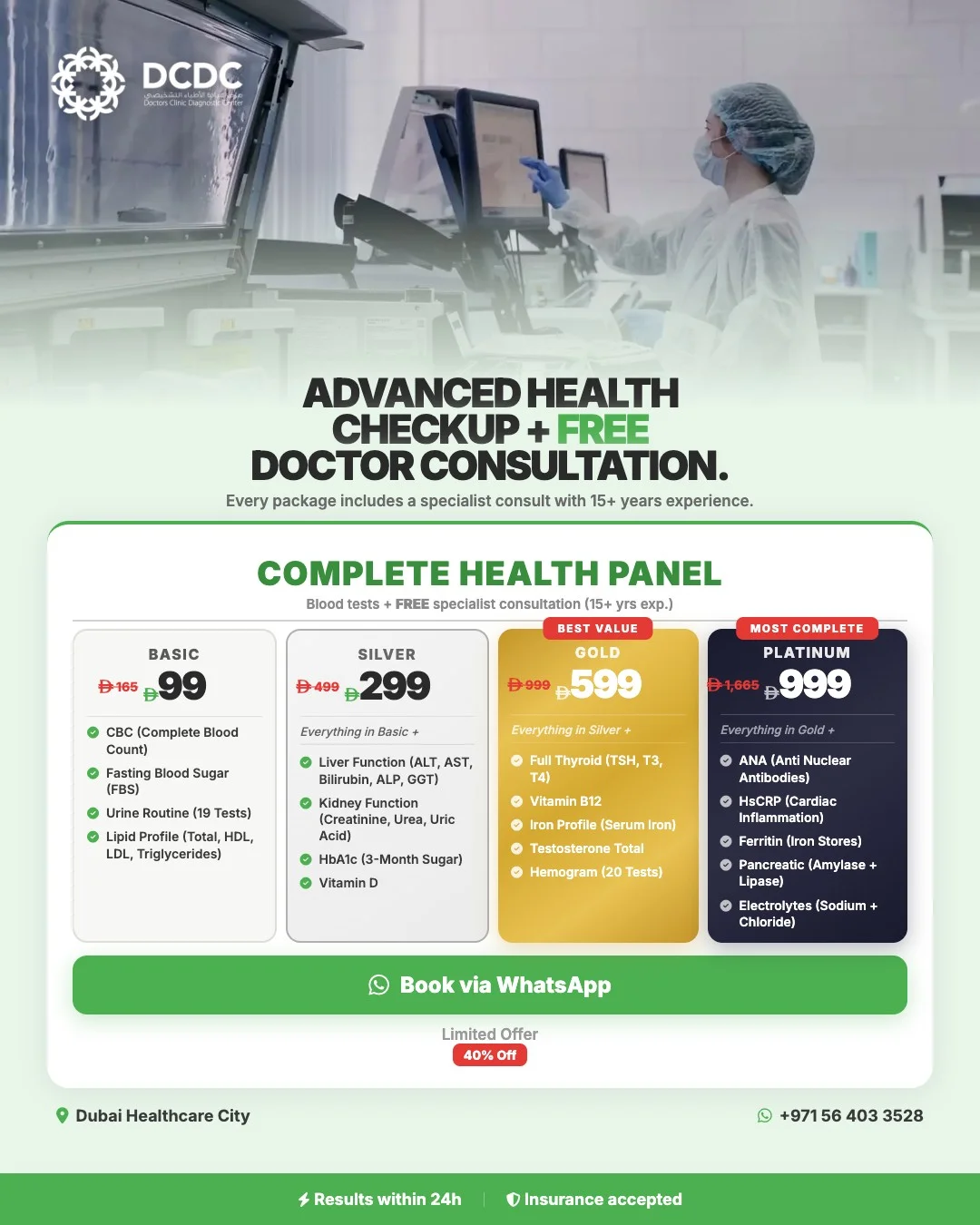
Health Screening Packages
Save with our bundled screening packages — specialist consultation included



Why Dubai's Winter Season Affects Your Health
It is easy to assume that a season with sunshine and pleasant evenings cannot harm your health. In reality, the shift from a hot summer to a cooler winter changes how we live, and those changes are what drive most seasonal illness in the UAE. The weather itself is only part of the story.
Sudden temperature drops. Daytime highs of 25°C can fall to 14–15°C after sunset, especially in desert areas, on beaches and in the early morning. The body has to adapt quickly, and many people go out in light clothing and pay for it with a sore throat or a stuffy nose the next day.
Dry air-conditioned interiors. Malls, offices, taxis and homes continue to run air conditioning through winter. Indoor humidity often falls below 30%, which dries the nasal lining, the throat and the skin. Dry mucous membranes are a less effective barrier against viruses, so infections take hold more easily.
Indoor crowding. Winter is Dubai's peak social and tourist season. Schools are in full swing, festivals and exhibitions fill the calendar, and visitors arrive from colder countries, often carrying respiratory viruses. More people sharing enclosed spaces means faster spread of influenza, RSV and common cold viruses.
Less useful sun exposure. Counter-intuitively, many residents get less effective sun exposure in winter than expected. Lower-angle sunlight, shorter days, office-bound routines and a habit of seeking out air-conditioned venues all limit vitamin D production. We explore this in detail below.
Common Winter Health Problems in Dubai
Based on what we see in clinic every November through March, a handful of conditions account for most winter visits. Recognising them early makes them easier to treat and often easier to prevent.
Flu and Respiratory Infections
Influenza typically circulates in the UAE from October through early spring, with activity often peaking between December and February. Symptoms include sudden fever, body aches, headache, dry cough, sore throat and marked tiredness. Unlike a common cold, flu tends to hit hard within hours and can keep you in bed for several days.
Respiratory infections are not limited to influenza. Rhinovirus, RSV, adenovirus and COVID-19 all circulate in winter, and they can be hard to tell apart without testing. Older adults, pregnant women, young children and people with chronic conditions are at greater risk of complications such as pneumonia. Our guide to flu season preparation in Dubai covers timing and prevention in more depth.
The Vitamin D Paradox
Dubai receives abundant sunshine all year, yet vitamin D deficiency is remarkably common among residents. Winter makes it a more interesting problem: because the weather is finally pleasant, you might expect people to spend more time outdoors, but many still work long hours indoors, and the cooler season brings fewer reasons to step out at midday. In summer, the opposite problem occurs, since people avoid the heat entirely and stay inside.
Other factors compound the issue: sunscreen use, covering clothing, darker skin pigmentation, high-rise living and limited time outdoors during the hours when UVB radiation is strongest. Low vitamin D can cause fatigue, bone and muscle aches, low mood and frequent infections. Read more in our article on vitamin D deficiency in Dubai.
Dry Skin and Eczema Flares
The combination of cooler temperatures, low indoor humidity and long, hot showers strips natural oils from the skin. People with atopic dermatitis (eczema), psoriasis or sensitive skin often notice flares from November onwards. Typical signs include tightness, flaking, itching, cracked heels and red, rough patches on the elbows, hands and behind the knees.
Simple measures help: lukewarm showers of five to ten minutes, a fragrance-free moisturiser applied within three minutes of drying, and a bedroom humidifier if air conditioning is running overnight. If itching disrupts your sleep or the skin becomes weepy or cracked, see a doctor, as prescription treatment may be needed.
Seasonal Allergies
Winter and early spring are the main allergy season in the UAE. Grass pollen peaks as the weather cools, and local species such as ghaf and date palm also contribute. Dust is a year-round trigger, and household dust mites thrive in air-conditioned bedrooms. Allergic rhinitis causes sneezing, itchy eyes, a runny or blocked nose and post-nasal drip, and it is frequently mistaken for a long-lasting cold.
A useful clue: a cold usually clears within 7–10 days, while allergy symptoms persist for weeks and flare with specific exposures. If over-the-counter antihistamines are not controlling your symptoms, an allergy assessment can identify your triggers.
Joint and Muscle Stiffness
Cooler temperatures make muscles tighter and joints stiffer, particularly in people with arthritis, previous injuries or lower back problems. Many residents also swap sedentary summers for a burst of winter outdoor activity such as running, padel, golf, hiking or cycling, which increases the risk of strains and overuse injuries when the body is not conditioned. A gradual return to activity and a proper warm-up are the best protection.
Cold-Induced Asthma Triggers
Breathing cooler, drier air can irritate the airways and trigger wheeze, chest tightness and coughing in people with asthma. Dust storms, higher pollen counts and viral infections add to the load. If you have asthma, winter is the time to review your action plan and make sure your inhalers are in date. Exercise outdoors on cool mornings can be a trigger too, so warm up slowly and keep your reliever inhaler nearby.
Essential Winter Health Prevention Checklist
Prevention does not need to be complicated. These six habits cover most of what protects you through the season.
- 1. Get your flu vaccination early. Vaccination is the single most effective protection against influenza and its complications. Aim to be vaccinated in October or November so you are protected before activity peaks. See our guide to flu vaccine options, prices and where to go.
- 2. Check your vitamin D level. A simple blood test shows whether you are deficient, insufficient or optimal, so any supplement can be matched to what you actually need.
- 3. Keep hydrating. Cooler weather reduces thirst, but you still lose fluid through breathing, air-conditioned dryness and exercise. Aim for around 2 litres a day and more if you are active. Our article on dehydration symptoms and treatment in Dubai explains the warning signs.
- 4. Use the good weather to exercise. Winter is the best time of year for outdoor activity in the UAE. Aim for at least 150 minutes of moderate activity a week, and include strength and mobility work to protect joints.
- 5. Protect your sleep. Sleep supports immune function. Keep regular bedtimes, set the bedroom to a comfortable 22–24°C, limit screens before bed and avoid heavy meals late in the evening.
- 6. Wash your hands and respect sick days. Wash with soap for 20 seconds after public transport, shopping and before eating. If you are unwell, stay home, cover coughs and avoid visiting vulnerable relatives.
Add a balanced diet rich in fruit, vegetables, oily fish and protein, moderate alcohol intake and stress management, and you have a strong foundation for the season. For a broader view of what to screen for at each age, see our annual health checkup guide.
Winter Blood Tests Worth Considering
Blood tests take the guesswork out of seasonal symptoms. Persistent tiredness, aches or repeated infections are often blamed on the weather when there is a treatable medical cause behind them. These are the tests we most often discuss with patients at the start of winter.
| Test | Why in Winter | DCDC Price |
|---|---|---|
| Vitamin D 25-OH | Reduced synthesis despite mild weather | AED 99 |
| CBC (Complete Blood Count) | Detect infections, anemia | AED 149 |
| CRP (C-Reactive Protein) | Inflammation marker for seasonal illness | AED 149 |
| Thyroid (TSH) | Fatigue often blamed on weather may be thyroid | AED 149 |
| Ferritin | Low iron mimics winter fatigue | AED 149 |
Recommended winter blood tests and DCDC prices. Home collection is available for all tests for an additional AED 199 per visit.
Our on-site laboratory processes samples in-house, and most results are available within 18–24 hours. Home collection is available for every test listed above at an additional AED 199 per visit, which is useful if you are already unwell or caring for children. You can browse the full range on our blood tests page.
Dubai-Specific Winter Health Risks
Some winter risks are particular to life in the UAE. Being aware of them helps you adapt.
- Dust storms and poor air quality. Winter and spring winds, including the shamal, can raise particulate levels sharply. Fine dust irritates the eyes, nose and lungs and can worsen asthma, allergic rhinitis and sinus problems. On dusty days, limit outdoor exercise, keep windows closed, use a clean HVAC filter and consider a mask if you are sensitive.
- Large temperature swings. A warm afternoon followed by a cool, windy evening at the beach or desert camp catches many people out. Carry a light jacket, change out of damp clothes quickly and avoid sitting in a strong air-conditioning draught after being in the heat.
- Dry indoor air. Constant air conditioning dries the skin, lips, eyes and airways. A humidifier, saline nasal spray, lip balm and regular water breaks help.
- Holiday travel and visitors. December and January bring heavy travel, with long flights, crowded airports and exposure to new viruses. Update your vaccinations before you fly, carry a small medical kit, drink water in transit and rest on arrival. If you travel to a colder climate, pack for a real temperature shock.
- Winter sun misjudgement. UV levels remain significant even in the cooler months. Wear sunscreen for long outdoor activities while still allowing short, safe periods of sun exposure for vitamin D.
What to Expect at DCDC: Winter Health Checkup
If you want to start the season with a clear picture of your health, here is what the experience looks like at Doctors Clinic Diagnostic Center (DCDC) in Dubai Healthcare City.
- 1. Easy arrival. We are located in DHCC Building 64, with free parking available for patients.
- 2. GP consultation. A general practitioner reviews your history, symptoms, medications and risk factors, and examines you. General consultations start from AED 249.
- 3. Same-day blood work. If tests are needed, samples are taken on the same visit in our on-site laboratory, so there is no second trip to another facility.
- 4. Fast results. Most results are ready within 18–24 hours, and your doctor explains what they mean and what, if anything, to do next.
- 5. Flu vaccine your way. Flu vaccination is available at the clinic, or we can come to you with our flu vaccination at home service.
- 6. Insurance made simple. We work with more than 20 insurance partners, with direct billing where your plan allows.
- 7. Flexible hours. We are open Saturday to Thursday 8 AM to 10 PM and Friday 9 AM to 9 PM, so you can fit a visit around work or school.
For a wider screening package, our health checkup packages start from AED 249 and can be tailored to your age and risk factors.
Start the Season Well at DCDC
Book a GP consultation from AED 249, add a vitamin D test for AED 99 or arrange your flu vaccine at the clinic or at home. View general consultation or WhatsApp us to book.
When to See a Doctor in Winter
Most winter colds settle on their own with rest, fluids and simple symptom relief. Some symptoms, however, should not be ignored. Arrange a consultation if you notice any of the following:
- Fever lasting more than three days, or a very high fever above 39°C at any time.
- A persistent cough lasting longer than two to three weeks, or a cough producing coloured or bloody phlegm.
- Chest tightness, wheeze or shortness of breath, especially if it is new or worsening.
- Extreme or unexplained fatigue that does not improve with rest and lasts more than two weeks.
- Symptoms that improve and then suddenly worsen, which can signal a secondary bacterial infection.
- Severe sore throat with difficulty swallowing, or ear or sinus pain with fever.
- Signs of dehydration such as dark urine, dizziness or very little urine output.
Seek emergency care immediately for severe breathing difficulty, chest pain, confusion, blue lips or a seizure. People who are over 65, pregnant, immunocompromised or living with heart, lung or kidney disease should seek advice earlier rather than waiting. If you are unsure, a short consultation with a GP is the quickest way to find out.
Winter Wellness for Children in Dubai
Children are especially vulnerable in winter because schools and nurseries are crowded and young immune systems are still learning to deal with new viruses. Colds, croup, bronchiolitis, ear infections and stomach bugs are all common between November and March.
- Vaccinate on time. Annual flu vaccination is recommended for children from six months of age, and routine immunisations should be up to date.
- Teach hand washing. Make it part of the routine on arrival home and before meals.
- Layer clothing. Dress children in layers that can be added or removed, particularly for morning school runs and evening outings.
- Encourage fluids and sleep. Children need 9–12 hours of sleep depending on age, and plenty of water, especially when they have a fever.
- Keep sick children at home. Resting until fever-free for 24 hours protects classmates and speeds recovery.
- Watch for warning signs. Fast or laboured breathing, poor feeding, unusual drowsiness or a fever in a baby under three months need prompt medical review.
Our paediatric services include child vaccination, well-baby checkups and acute care for sick children, so you can get help quickly when a cough or fever strikes.
Protect Your Family This Winter
From adult GP care to children's vaccinations, DCDC in Dubai Healthcare City is here all season. Open Saturday to Thursday 8 AM to 10 PM and Friday 9 AM to 9 PM, with free parking and 20+ insurance partners. WhatsApp us to book your visit.
Related Services at DCDC
Expert care and advanced diagnostics at Dubai Healthcare City
Frequently Asked Questions
Key Points to Remember
Dubai's mild winter is deceptive. Temperature swings, dry indoor air, crowded venues and holiday travel all raise the risk of flu, respiratory infections, allergies and skin flares between November and March.
The most effective steps are simple: vaccinate against flu early, check your vitamin D, stay hydrated, keep moving, protect your sleep and wash your hands. Targeted blood tests can uncover hidden causes of fatigue such as low iron or thyroid problems.
If symptoms are severe or persistent, do not wait. DCDC in Dubai Healthcare City offers GP consultations from AED 249, an on-site laboratory with results in 18–24 hours, and flu vaccination at the clinic or at home. WhatsApp us to book your winter visit.
Sources & References
This article references the following sources:
- World Health Organization (WHO) — Influenza (Seasonal) Fact Sheet
- UAE Ministry of Health and Prevention — Seasonal Health Advisories
- Cleveland Clinic — Winter Health Tips
- Mayo Clinic — Vitamin D
This information is educational and does not replace individual medical advice. See our editorial policy for more information.

Written by
Dr. Hadeel Elnur
General Practitioner
MD, General Practice
Dr. Hadeel Elnur is a General Practitioner at Doctors Clinic Diagnostic Center (DCDC) in Dubai Healthcare City.
Related Articles
Flu Season Preparation Dubai: Stay Protected

Vitamin D Deficiency Dubai: Signs & Treatment

Annual Health Checkup: Tests You Need by Age

Flu Vaccine Dubai 2026-27: Price, Types & Where to Go

Dehydration Dubai: Symptoms & Treatment
More in General Health

IV Drip Benefits & Risks Dubai: Guide (2026)
Read More
Hoarseness in Dubai: Causes & When to Worry (2026)
Read More
Swallowing Difficulty Dubai: Causes & Help (2026)
Read More
Year-End Insurance Checkup Dubai: Guide (2026)
Read MoreWeak Immune System Signs Dubai: When to Test (2026)
Read MoreStrep Throat Treatment Dubai: Signs (2026)
Read More© 2026 Doctors Clinic Diagnostic Center (DCDC), Dubai Healthcare City. Originally published at https://doctorsclinicdubai.ae/blog/winter-health-tips-dubai. All rights reserved. Unauthorized reproduction is prohibited.