
Key Takeaways
- IV delivery gives 100% bioavailability, while oral absorption varies from roughly 10% to 80% depending on the nutrient, dose and your gut
- For most healthy people with a normal diet and gut, oral supplements are enough, cheaper and safer for daily use
- IV therapy has real clinical indications: moderate-to-severe dehydration, malabsorption, confirmed severe deficiency, and some post-surgical situations
- Higher blood levels are not the same as better outcomes, and water-soluble vitamins taken in excess are largely excreted in urine
- A blood test and a short GP consultation should come before any IV, so the choice is based on your levels rather than a menu
- At DCDC, IV therapy starts at AED 249, while a Vitamin D test is AED 99 and a Vitamin B12 test is AED 149
Walk past any wellness clinic in Dubai and the pitch is simple: skip the pills and get your vitamins straight into the bloodstream. It sounds logical, but is it better? The honest answer is that it depends on why you want the vitamins. For dehydration, malabsorption or a confirmed severe deficiency, IV drip therapy can be the right tool. For most healthy adults, a good diet and an oral supplement do the same job for far less money.
This comparison covers absorption, speed, safety, cost and evidence for IV drips versus oral vitamins, then ends with a decision guide to help you choose. It draws on clinical references including PubMed-indexed studies, Cleveland Clinic and NHS guidance, and reflects DCDC pricing in Dubai Healthcare City.
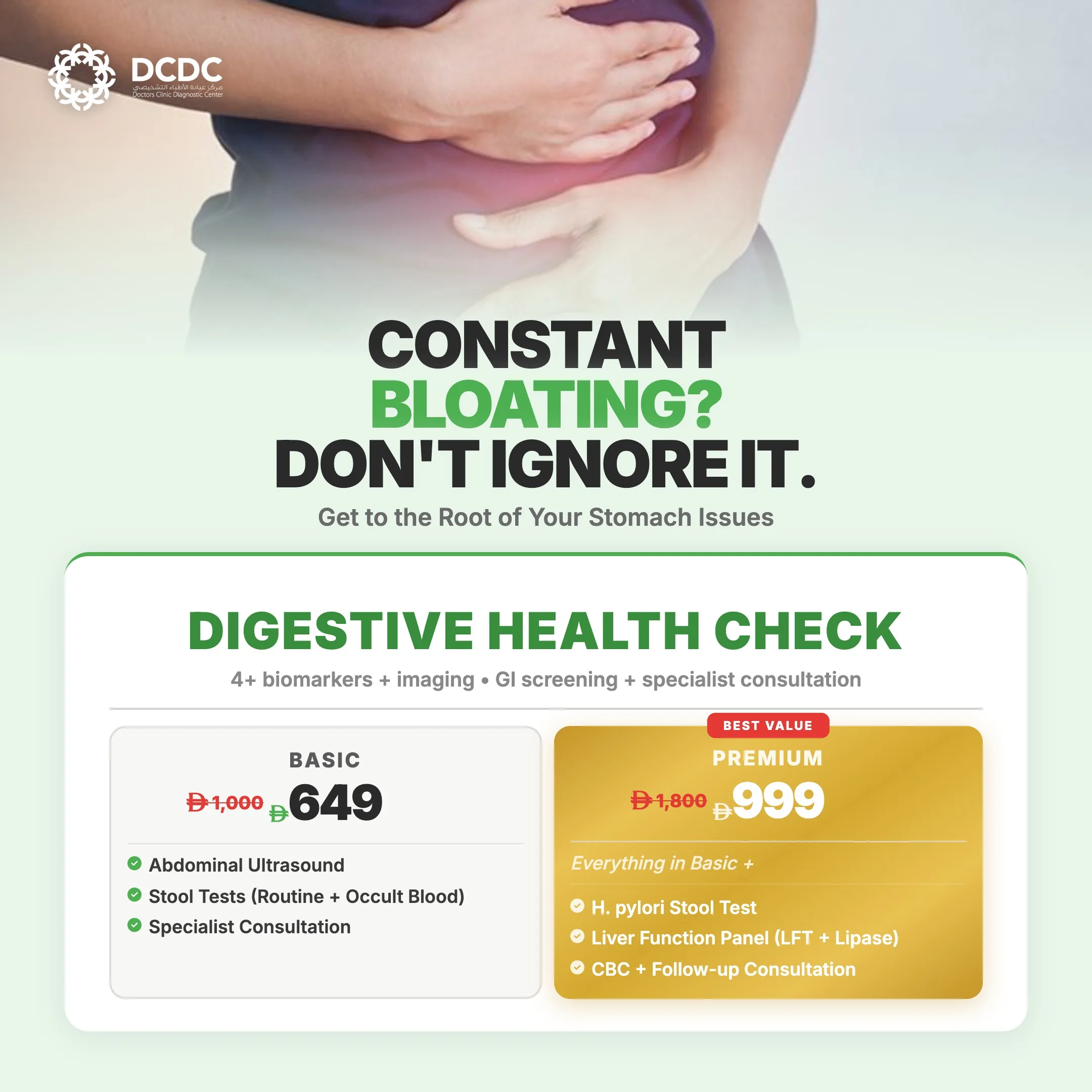
Health Screening Packages
Save with our bundled screening packages — specialist consultation included
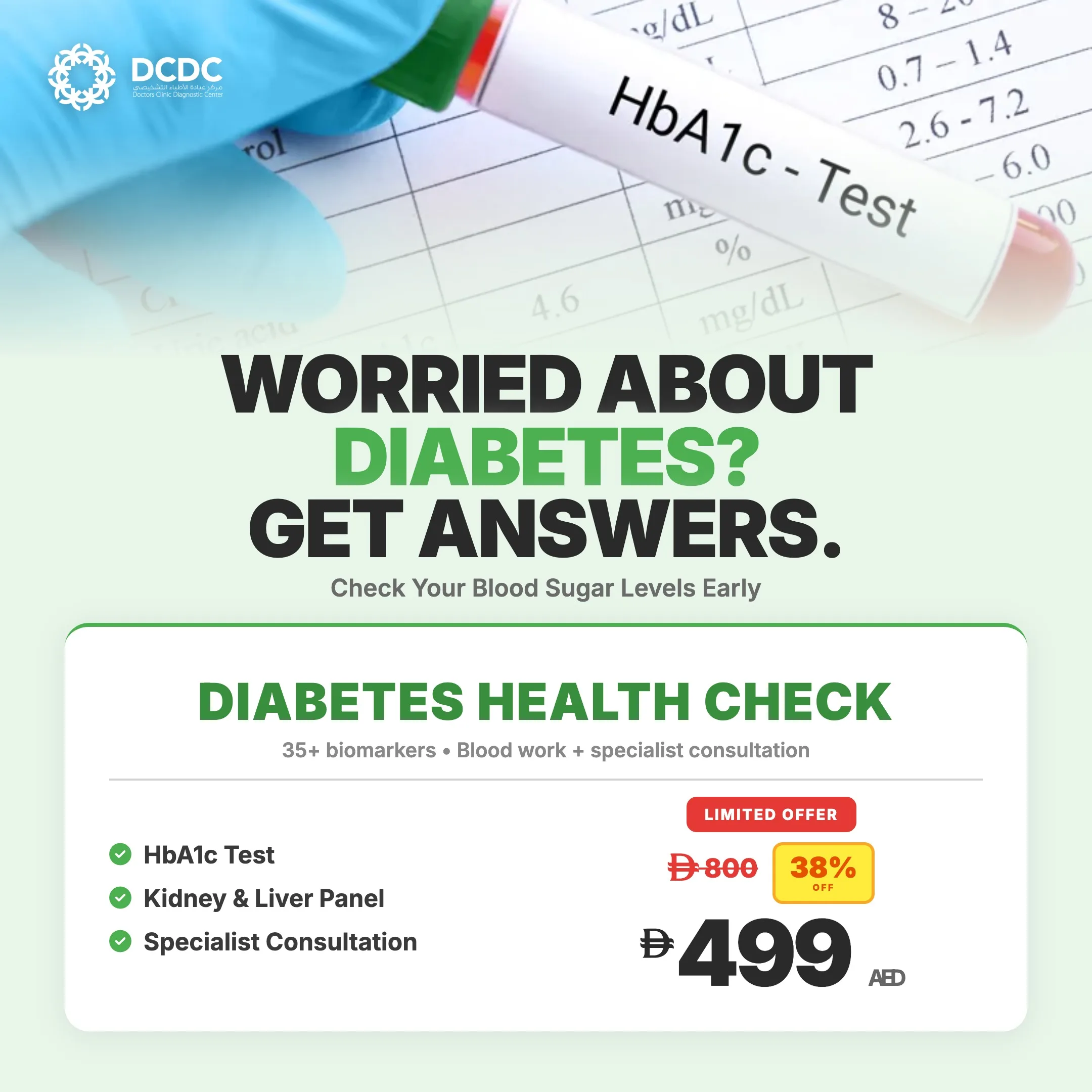
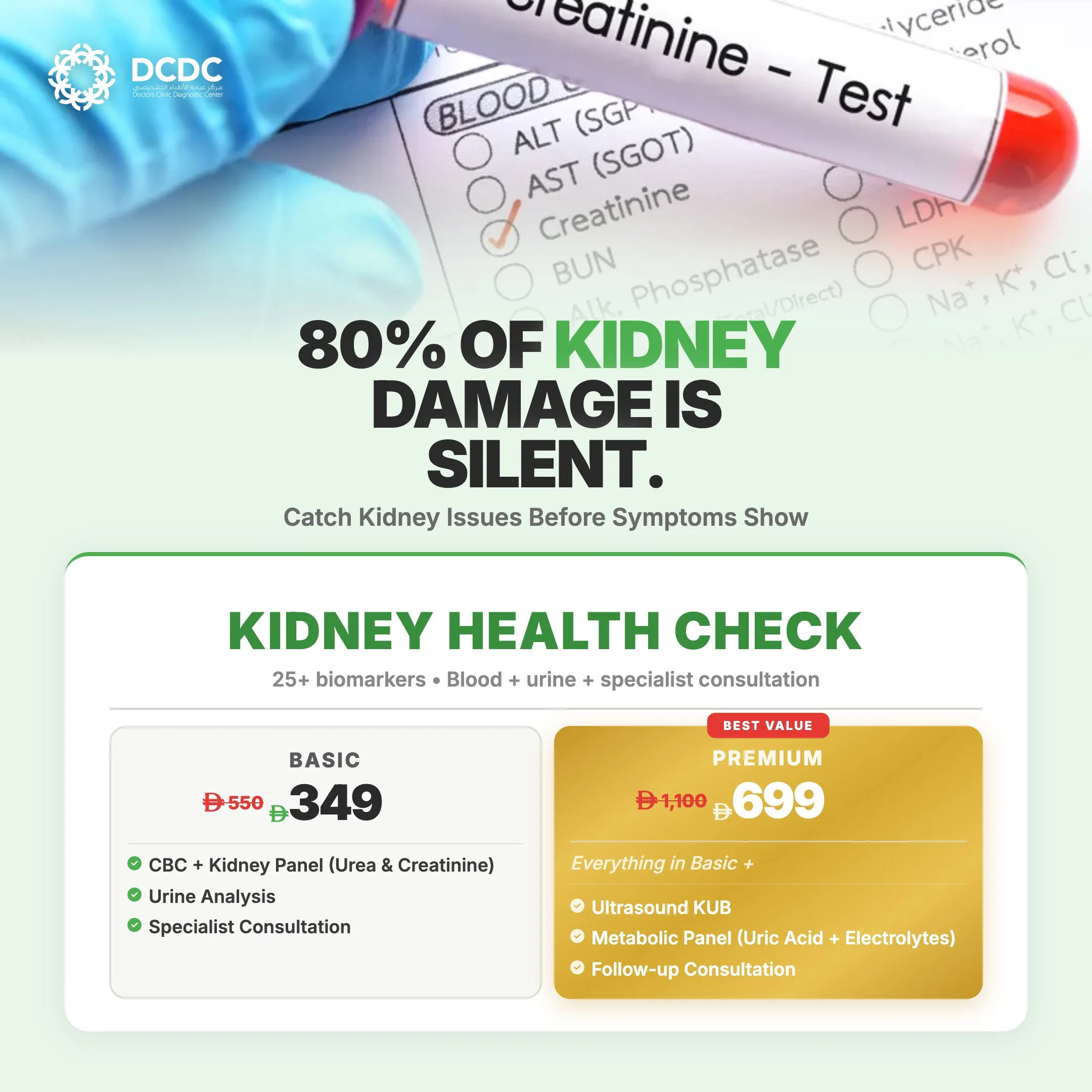

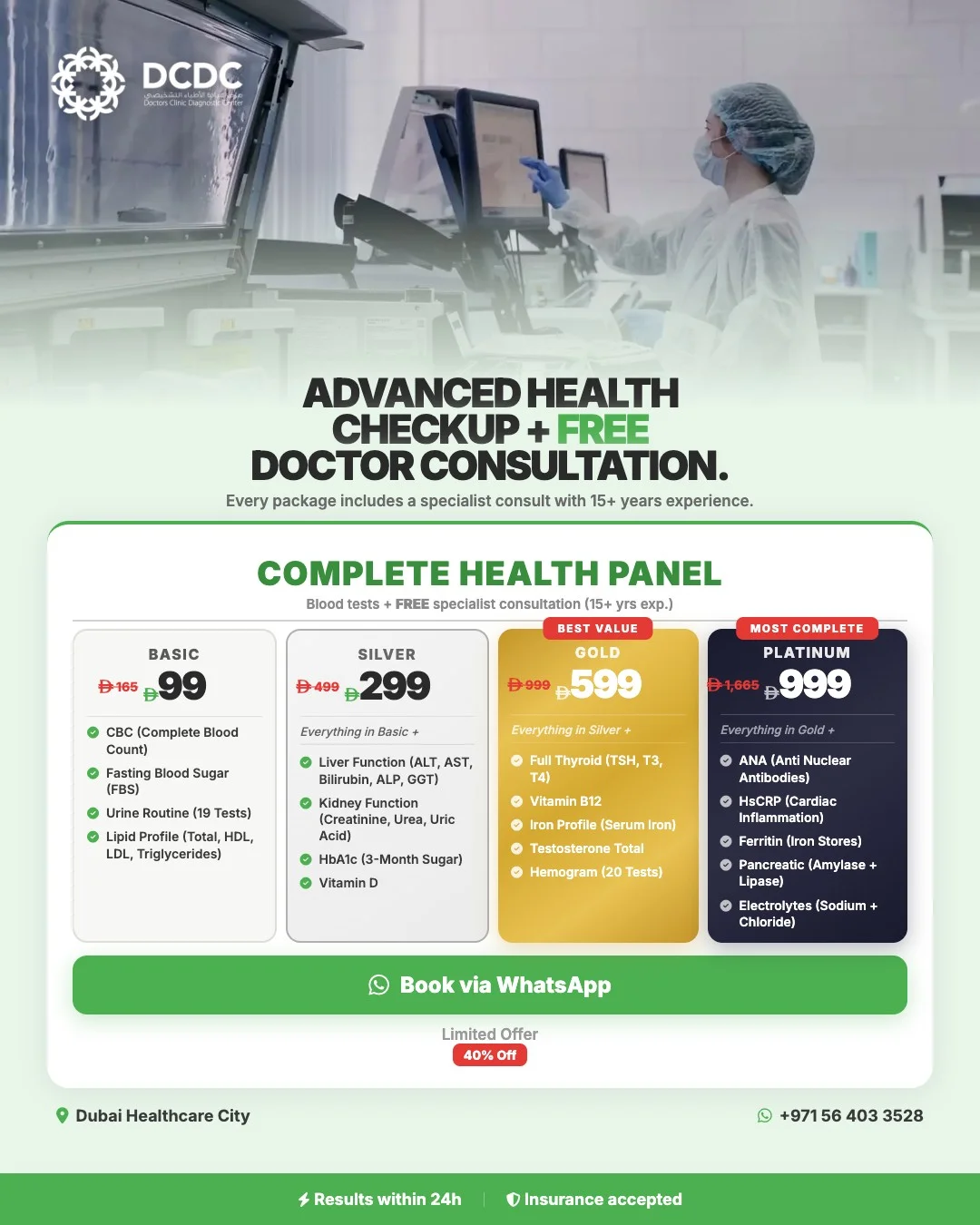
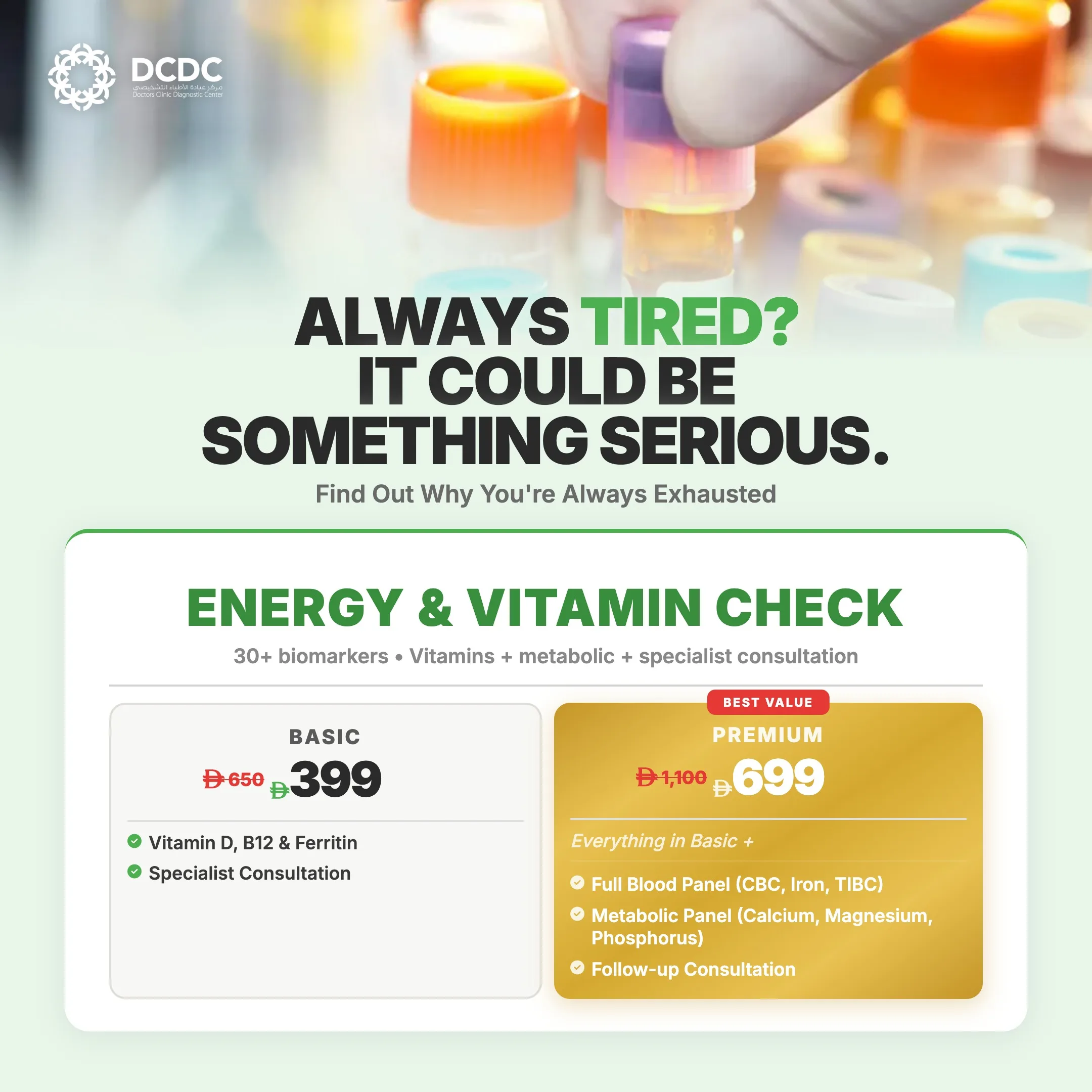
IV Drip vs Oral Vitamins: Side-by-Side Comparison
Here is how the two routes compare on the factors that matter most. Neither is universally better; they suit different situations.
| Factor | IV Drip | Oral Vitamins |
|---|---|---|
| Bioavailability | 100% (goes straight into the bloodstream) | Varies, roughly 10-80% depending on nutrient, dose and gut health |
| Speed | Immediate; infusion takes 30-60 minutes | Hours to days; weeks for deficiency correction |
| Best for | Dehydration, malabsorption, severe deficiency, post-surgery, when oral intake is not possible | Maintenance, mild deficiency, daily supplementation |
| Evidence | Strong for medical uses; limited for general wellness in healthy people | Strong for correcting deficiency and maintaining levels |
| Risks | Bruising, vein irritation, infection, fluid or electrolyte imbalance, allergic reaction (uncommon with proper care) | Stomach upset, constipation or nausea; excess dosing of fat-soluble vitamins can be harmful |
| Convenience | Requires a visit or home appointment and a trained nurse | Take at home any time |
| Cost | One-off sessions, from AED 249 at DCDC plus administration fee | Usually low monthly cost, paid continuously |
| Dose control | Precise, but needs medical screening | Easy, but depends on adherence |
IV drip vs oral vitamins: key differences
The key idea: IV therapy is a delivery route, not a stronger vitamin. If your gut absorbs nutrients normally and you are not severely depleted, the extra speed rarely changes how you feel or your lab results over time.
Absorption: IV (100%) vs Oral (10-80%)
When you swallow a vitamin, it must survive stomach acid, be absorbed in the small intestine, and pass through the liver before reaching the rest of the body. Each step can reduce how much arrives. An IV bypasses all of it, which is why intravenous delivery is described as 100% bioavailable.
Oral absorption is not equally poor for every nutrient. It varies widely:
- Vitamin C: absorption is high at low doses but falls as the dose rises. A classic pharmacokinetic study (Padayatty et al., PubMed) found oral intake plateaus in the blood, while IV doses reach much higher levels.
- Vitamin B12: needs intrinsic factor from the stomach. People with pernicious anaemia, atrophic gastritis, bariatric surgery or long-term metformin or acid-reducer use may absorb little from tablets. High-dose oral B12 still works in many cases through passive absorption.
- Vitamin D: fat-soluble, so absorption improves with a meal containing fat. Oral supplementation reliably corrects low levels in most people.
- Iron: absorbed poorly (often under 20%) and limited by gut inflammation, which is why IV iron is used when tablets fail.
- Magnesium and zinc: absorption depends on the form and dose, and can cause digestive upset if taken in large amounts.
There is an important caveat. Higher absorption does not automatically mean a better result. The body tightly regulates water-soluble vitamins such as C and the B group, and excess is passed in urine. A drip that delivers a large dose can therefore produce a short-lived spike in blood levels without a lasting clinical benefit in someone who was not deficient to begin with.
When IV Therapy Makes Sense
IV delivery has genuine clinical advantages in specific situations. In these cases, doctors use it routinely, not as a wellness add-on.
- Moderate-to-severe dehydration: vomiting, diarrhoea, heat illness or heavy fluid loss where drinking is not enough or not possible.
- Malabsorption: coeliac disease, inflammatory bowel disease, bariatric surgery or pernicious anaemia, where the gut cannot absorb nutrients well.
- Confirmed severe deficiency: a measured low level of B12, iron, magnesium or another nutrient that needs rapid correction. See our guides on vitamin B12 deficiency in Dubai and vitamin D deficiency in Dubai.
- After surgery or illness: when eating and drinking are limited and nutrition needs to be supported under medical supervision.
- Unable to take tablets: persistent nausea, swallowing difficulty or intolerance of oral supplements.
For a deeper look at what each drip type contains and the evidence behind it, read our IV drip guide for Dubai and the IV drip benefits and risks guide.
When Oral Vitamins Are Enough
For the majority of healthy adults, oral supplements are the sensible first choice. They are effective, inexpensive, flexible and carry fewer procedural risks.
- Daily maintenance: keeping levels steady when your diet or sun exposure is not ideal.
- Mild or moderate deficiency: low vitamin D, for example, is routinely corrected with oral doses over several weeks and then rechecked.
- Long-term needs: pregnancy supplements, vegan or vegetarian diets, and ongoing prevention. A drip cannot be repeated daily, but a tablet can.
- General wellness goals: if you feel tired or run down, a blood test often finds a specific, treatable cause that tablets can fix.
Many people in Dubai have low vitamin D despite the sunshine, because of indoor lifestyles and sun avoidance. This is one of the most common deficiencies we see and it is usually managed with oral supplements and a follow-up test. Read more in our guide to vitamin deficiency signs and the tests to get.
Cost Comparison: IV Sessions vs Monthly Supplements
Cost is where the two routes differ most. An oral multivitamin or targeted supplement is typically a small monthly expense. IV therapy is priced per session and is not designed to be taken daily. The table below uses DCDC prices; supplement cost is described in general terms because it varies by brand and dose.
| Option | How It Is Paid | Typical Pattern |
|---|---|---|
| Oral supplements | Small ongoing monthly purchase from a pharmacy or online | Daily use; cost depends on brand and dose |
| IV therapy at DCDC | From AED 249 per session, plus an administration fee | Occasional, based on a clinical need or doctor advice |
| Vitamin D or B12 blood test (to guide the choice) | AED 99 (Vitamin D) or AED 149 (B12) | Once, then repeat to confirm correction |
Cost comparison: IV vs oral approach
Over a year, regular IV sessions add up quickly compared with tablets. If a blood test shows you are only mildly low, paying for repeated drips is rarely the most effective use of money. Testing first, then choosing the route, usually saves both cost and unnecessary treatment.
Safety: Risks of Each Approach
Both routes are safe for most people when used properly, but the risks differ. Oral supplements can cause stomach upset, and taking very high doses of fat-soluble vitamins (A, D, E, K) over time can build up in the body. IV therapy involves a needle, so bruising, vein irritation and, rarely, infection or an allergic reaction are possible. Fluid and electrolyte imbalance is a consideration for people with kidney or heart conditions.
People with kidney disease, heart failure, G6PD deficiency, known allergies or pregnancy should speak to a doctor before any IV. For a full breakdown, see the IV drip benefits and risks guide.
What to Expect at DCDC
At DCDC, IV therapy is a medical service, not a menu you pick from at the door. Here is how it works at our clinic in Dubai Healthcare City.
- Consultation first: a doctor such as Dr. Hadeel Elnur reviews your history, medications and goals. A GP consultation starts from AED 249.
- Testing if needed: we may recommend a Vitamin D test (AED 99), Vitamin B12 test (AED 149) or a combined panel (AED 399) to see whether you are actually deficient.
- A clear recommendation: if oral supplements are enough, we will say so. If an IV is appropriate, we explain which one and why.
- Administration by trained nurses: in a comfortable room, using sterile technique. Most sessions last 30 to 60 minutes.
- Home option: if you prefer, see our guide to IV drip at home in Dubai, including drips, prices and safety.
We are located in Building 64, Block A, Al Razi Medical Complex, Dubai Healthcare City, with free parking, about 10 minutes from Downtown Dubai. Opening hours are Saturday to Thursday 8 AM to 10 PM and Friday 9 AM to 9 PM. DCDC holds a 4.8/5 Google rating from 1,000+ verified reviews, and we work with 20+ insurance partners with direct billing.
DCDC IV Therapy Pricing
| IV Option | Price (AED) | Notes |
|---|---|---|
| IV therapy | 249 | Doctor-assessed IV therapy |
| Vitamin C IV | 349 | High-dose vitamin C infusion |
| Glutathione IV | 349 | Antioxidant infusion |
| Hydration IV | 449 | Fluids and electrolytes for dehydration |
| IV administration fee | 149 for 30 min or 249 for 60 min | Nurse administration, based on session length |
DCDC IV therapy options and prices
Final suitability is decided by the doctor after assessment. Insurance coverage depends on your policy and the clinical reason for treatment.
Which Is Right for You? A Simple Decision Guide
Work through these questions in order. This is a general guide and does not replace medical advice.
- Step 1: Are you dehydrated, vomiting, or unable to keep fluids down? Yes: seek medical care, as an IV may be needed. No: go to Step 2.
- Step 2: Do you have a gut condition or surgery that affects absorption (coeliac, IBD, bariatric surgery, pernicious anaemia)? Yes: discuss IV or injection routes with a doctor. No: go to Step 3.
- Step 3: Has a blood test confirmed a severe deficiency? Yes: a doctor may recommend IV correction, followed by oral maintenance. No or unsure: go to Step 4.
- Step 4: Have you had a recent vitamin test? No: get tested first, starting with vitamin testing or a health checkup. Yes, and levels are normal or mildly low: oral supplements and diet are usually enough.
- Step 5: Do you simply want a one-off boost or convenience? An IV is a personal choice and should still follow a doctor's screening. Be aware the evidence for healthy people is limited. Many people are happy with oral options.
If you cannot get to the clinic, blood tests at home are available (home lab collection adds AED 199 per visit), so you can check your levels before deciding.
Common Myths About IV vs Oral
- Myth: IV vitamins are always stronger. The vitamin is the same; only the route differs. Healthy people excrete the excess of many water-soluble vitamins.
- Myth: Pills do not work. Oral supplements reliably correct most deficiencies, including vitamin D and B12 in the majority of people.
- Myth: An IV is a quick fix for chronic tiredness. Fatigue has many causes, including anaemia, thyroid problems, sleep issues and low vitamin levels. Testing finds the cause.
- Myth: More is better. Very high doses do not guarantee more benefit and may carry risk.
Related Services at DCDC
Expert care and advanced diagnostics at Dubai Healthcare City
Frequently Asked Questions
Final Thoughts
IV drips and oral vitamins are two routes to the same nutrients, and each has its place. IV is the right choice when speed or absorption is the problem: dehydration, malabsorption or a confirmed severe deficiency. For everyday maintenance and mild deficiencies, oral supplements are effective, affordable and easy to sustain.
The most useful first step is not a drip or a pill but a blood test and a short conversation with a doctor. That tells you what your body needs and which route fits. If you would like help deciding, the team at DCDC is happy to guide you.
This article is for general information and does not replace personal medical advice.
Sources & References
This article references the following sources:
- PubMed - Vitamin C pharmacokinetics: implications for oral and intravenous use
- PubMed - Intravenous vitamin therapy search results
- PubMed - Oral versus intravenous iron replacement search results
- Cleveland Clinic - IV Vitamin Therapy: Does It Work?
- NHS - Vitamin B12 or folate deficiency anaemia: Treatment
This information is educational and does not replace individual medical advice. See our editorial policy for more information.

Written by
Dr. Hadeel Elnur
General Practitioner
MD, General Practice
Dr. Hadeel Elnur is a General Practitioner at Doctors Clinic Diagnostic Center (DCDC) in Dubai Healthcare City.
Related Articles

IV Drip Dubai: Types, Cost & Complete Guide (2026)
IV Drip Benefits & Risks Dubai: Guide (2026)

IV Drip at Home Dubai: Cost & Guide (2026)

Vitamin Deficiency Signs Dubai: Tests to Get

Vitamin D Deficiency Dubai
More in General Health
Vitamin Deficiency Signs Dubai: Tests to Get (2026)
Read More
Winter Health Tips Dubai: Stay Well (2026)
Read MoreIV Drip Benefits & Risks Dubai: Guide (2026)
Read More
Hoarseness in Dubai: Causes & When to Worry (2026)
Read More
Swallowing Difficulty Dubai: Causes & Help (2026)
Read MoreYear-End Insurance Checkup Dubai: Guide (2026)
Read More© 2026 Doctors Clinic Diagnostic Center (DCDC), Dubai Healthcare City. Originally published at https://doctorsclinicdubai.ae/blog/iv-drip-vs-oral-vitamins-dubai. All rights reserved. Unauthorized reproduction is prohibited.