Key Takeaways
- IV fluids and nutrients have strong evidence for medical uses such as moderate-to-severe dehydration, iron-deficiency anaemia needing rapid correction, and documented vitamin deficiencies
- Evidence is limited for wellness drips (energy, immunity, skin, anti-ageing) in healthy people, and most claims rest on small studies, case reports or mechanism-based reasoning
- Real risks exist but are uncommon when care is proper: bruising, vein irritation, infection, fluid or electrolyte imbalance, allergic reactions, and, rarely, air embolism
- People with kidney disease, heart failure, G6PD deficiency, certain allergies or pregnancy need medical clearance before any IV drip
- In Dubai, choose a DHA-licensed provider where a doctor assesses you first and trained nurses administer the drip
IV drips have gone from hospital wards to wellness menus, and the claims have grown faster than the evidence. The honest answer to "do they work?" is: it depends on why you are having one. For dehydration, deficiencies and some medical conditions, intravenous therapy is well-established medicine. For general wellness, the research is thin. This guide separates the two, covers the genuine risks, and explains how to choose safely. If you decide an IV is right for you, DCDC offers medically supervised IV drip therapy at home or in clinic after a proper assessment.
This evidence-based guide draws on guidance and reviews from Cleveland Clinic, the NHS, Mayo Clinic and peer-reviewed literature. It explains how IV therapy works, where the benefits are real, where they are unproven, what can go wrong, who should avoid it, and what to look for in a Dubai provider.
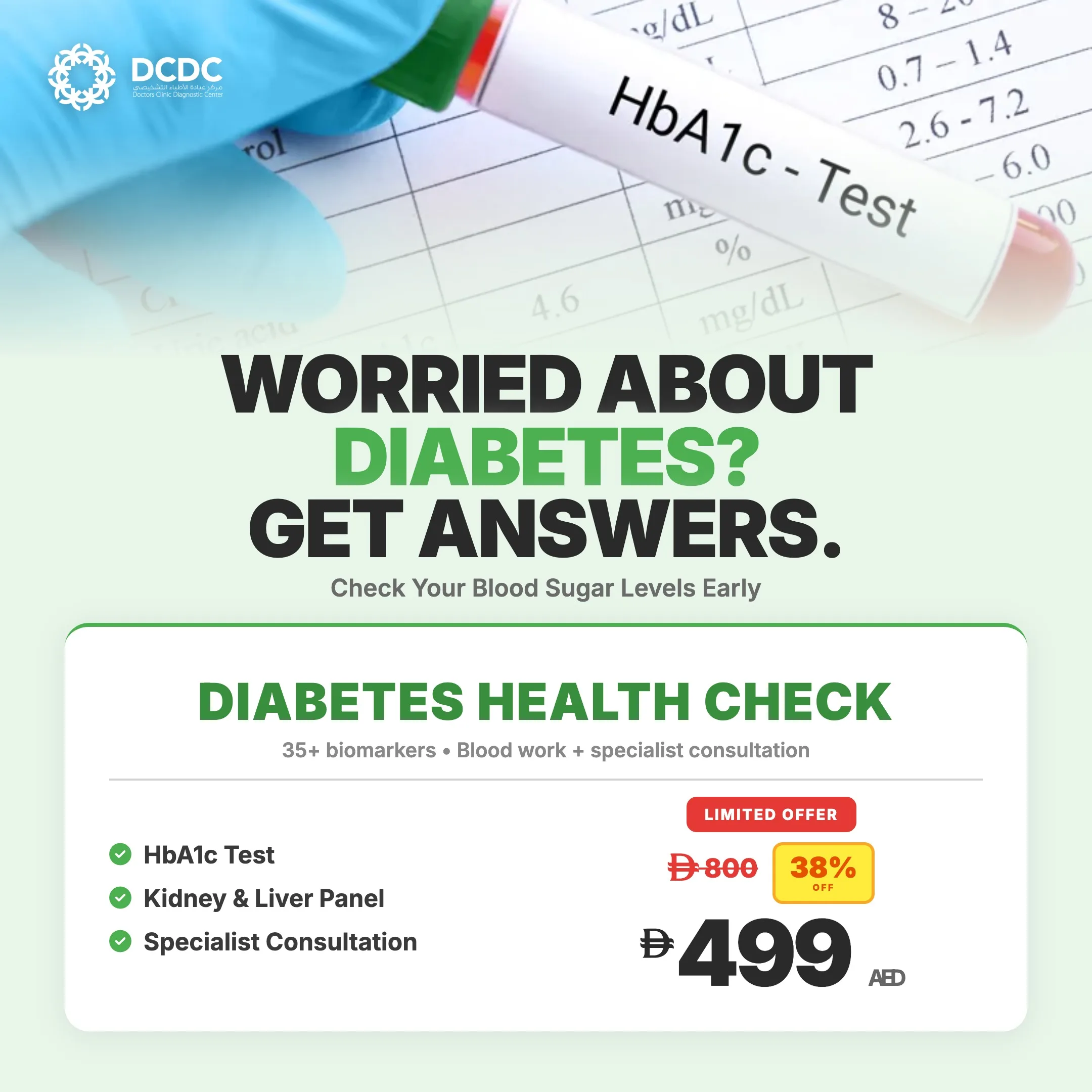
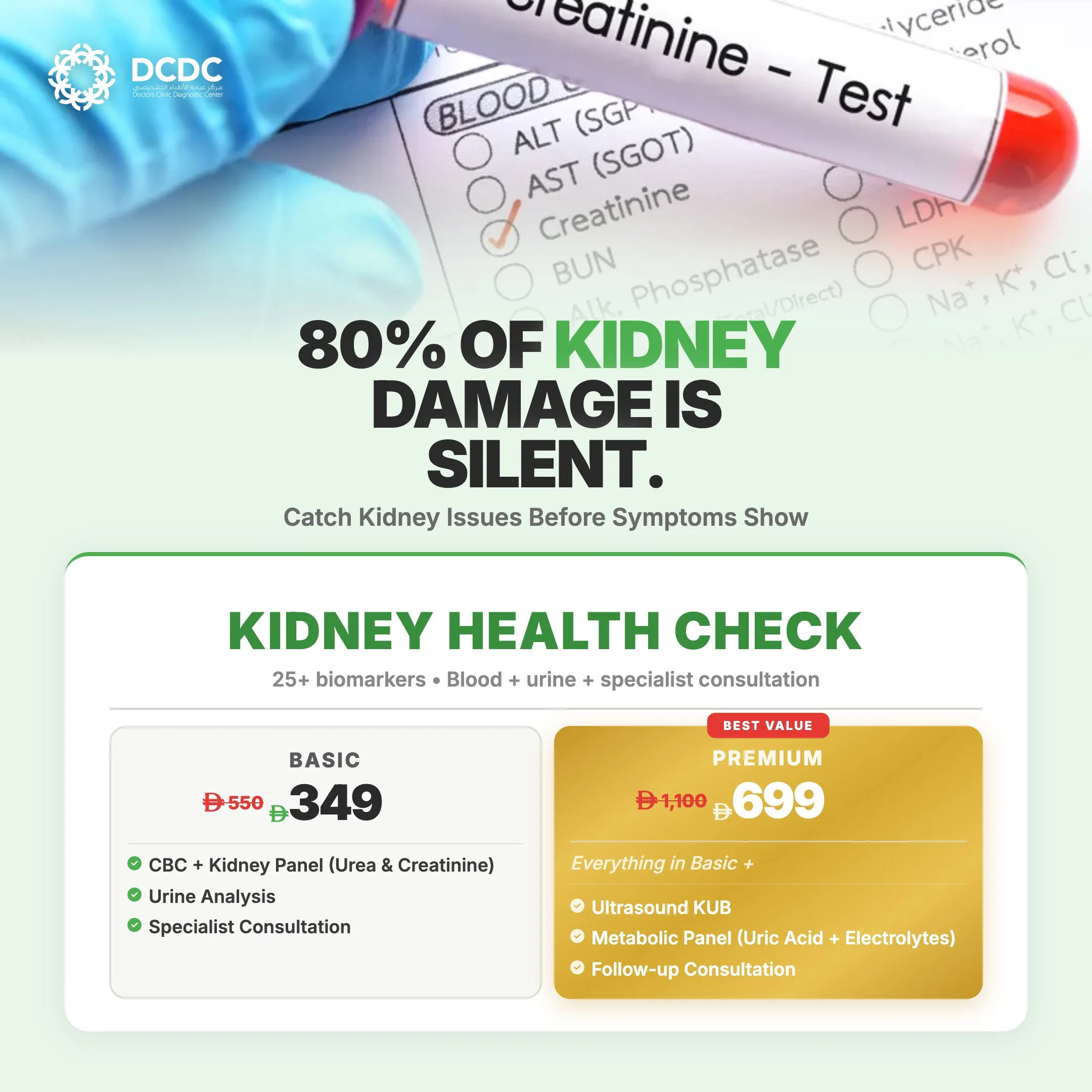
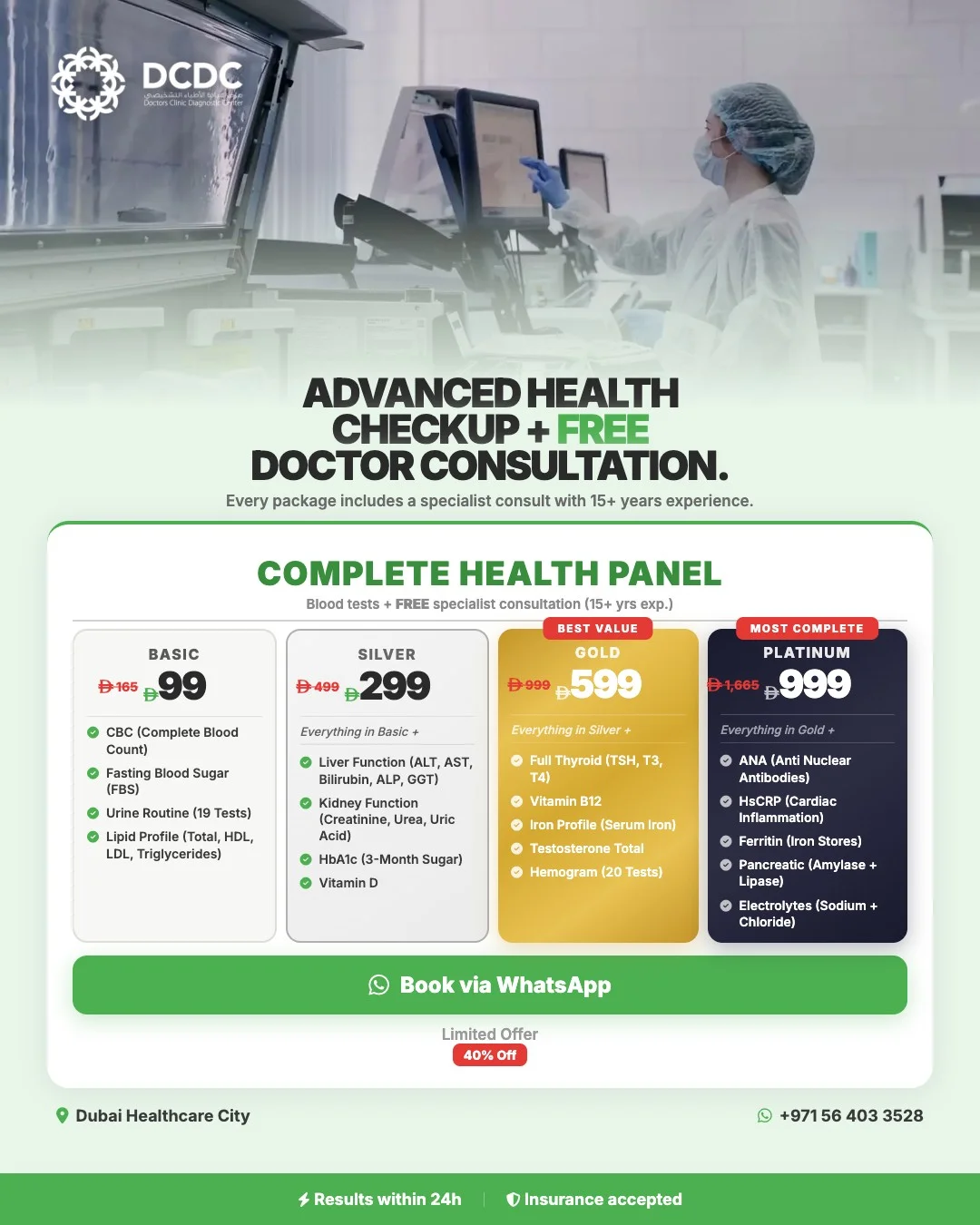
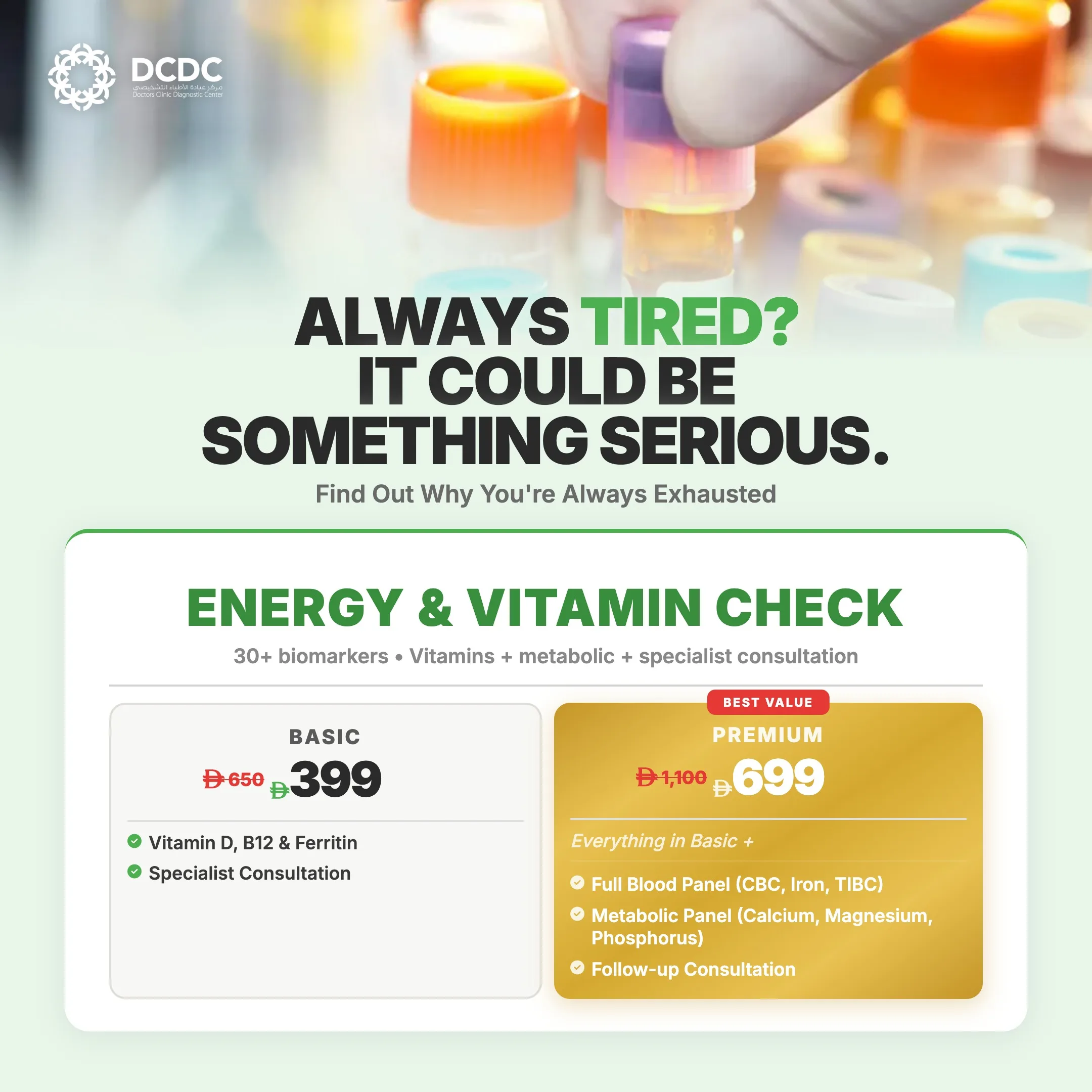
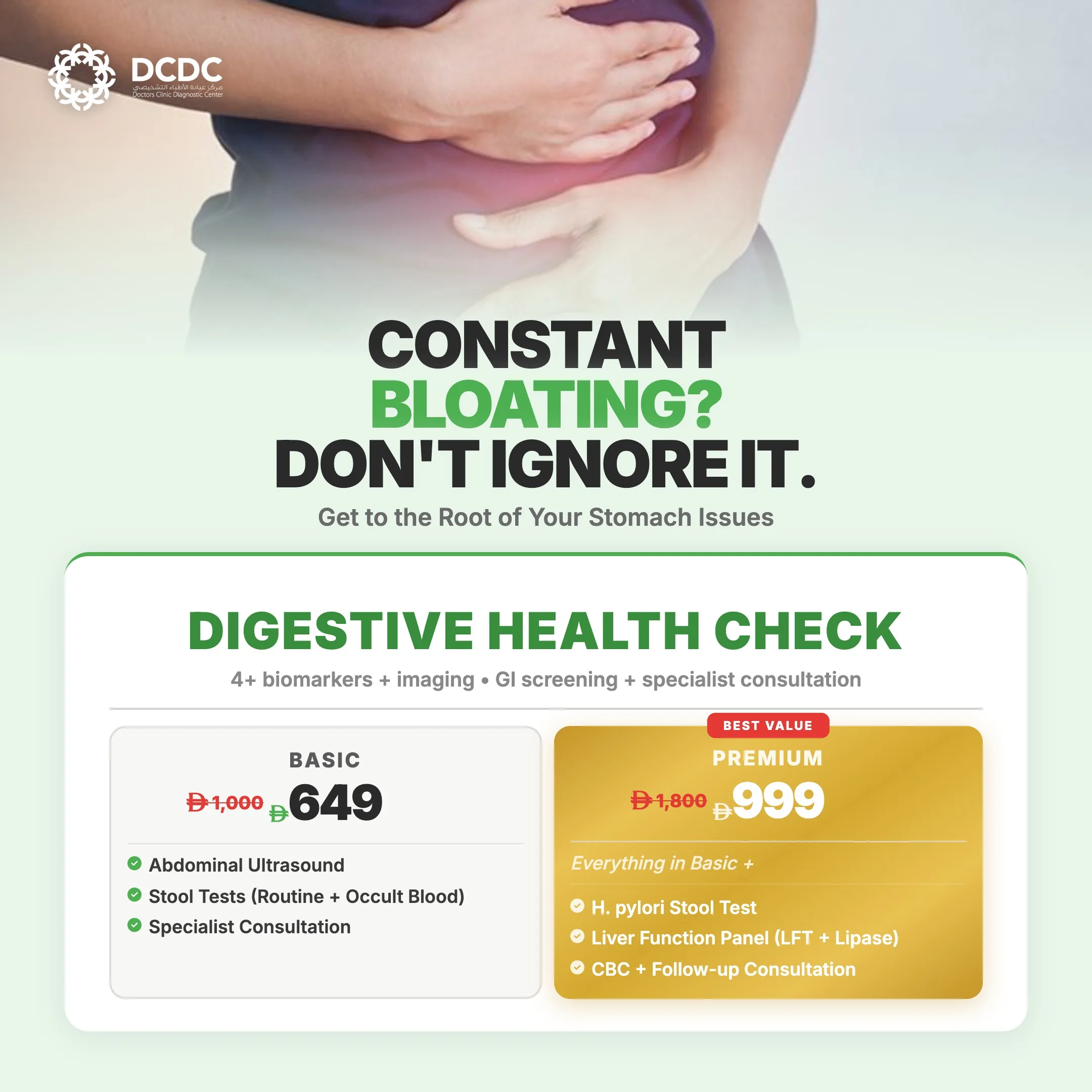
Health Screening Packages
Save with our bundled screening packages — specialist consultation included

What Is IV Therapy and How Does It Work?
Intravenous (IV) therapy delivers fluids, electrolytes, vitamins, minerals or medicines directly into a vein through a thin plastic cannula, usually in the forearm or back of the hand. Because the substance goes straight into the bloodstream, it bypasses the digestive system entirely. This is the single real mechanistic advantage of an IV: 100% bioavailability and a rapid onset, compared with oral intake where absorption can be partial and slow.
That advantage matters a great deal when someone cannot drink or keep fluids down, has a gut that does not absorb nutrients properly, or needs a large dose quickly. It matters far less for a healthy person with a normal gut and a normal diet, because the body already absorbs most oral nutrients well and tightly regulates blood levels of water-soluble vitamins. Excess vitamin C or B vitamins, for example, are largely excreted in urine.
A typical drip consists of a sterile bag of saline or a balanced salt solution (such as Ringer's lactate), sometimes with added vitamins, minerals or antioxidants, delivered over 30 to 60 minutes. Hospitals use the same basic technique for rehydration, antibiotics, pain relief and chemotherapy. What differs in a wellness setting is the purpose and the strength of the evidence behind it.
Evidence-Based Benefits of IV Drips
Strong Evidence: Medical Uses
- Rehydration for moderate-to-severe dehydration: When vomiting, diarrhoea, heat illness or heavy sweating leaves someone unable to rehydrate by mouth, IV fluids are the standard treatment and restore circulating volume faster than drinking. The NHS and Cleveland Clinic both list IV fluids as the treatment when oral rehydration fails.
- Iron-deficiency anaemia: IV iron is recommended when oral iron is not tolerated, not absorbed (for example in coeliac disease or after bariatric surgery), or when iron stores must be restored quickly. Trials show faster haemoglobin recovery than tablets in these groups. See our guide to iron infusion cost and indications in Dubai.
- Documented vitamin and mineral deficiencies: Severe B12 deficiency, magnesium deficiency, and thiamine deficiency in at-risk patients are treated parenterally. This is about correcting a measured deficit, not topping up healthy levels.
- Medication delivery: Antibiotics, anti-nausea drugs and some migraine treatments are given intravenously when oral routes fail or speed matters.
Moderate or Emerging Evidence
- Hangover relief: Hangovers involve dehydration, electrolyte loss and inflammation. IV fluids plausibly help the dehydration component and anti-nausea medication can help symptoms, but there are no large controlled trials showing an IV cures a hangover faster than oral fluids, rest and food. Many people report feeling better, which may partly reflect rest and expectation.
- Migraine and nausea: Magnesium and fluids are used in emergency settings for some migraine patients, with mixed trial results.
- High-dose vitamin C: It is being studied in critical illness, sepsis and oncology, but meta-analyses of randomised trials have not shown a clear survival benefit in critically ill patients. These are hospital protocols, not the same as a wellness vitamin C drip.
- Athletic recovery: Evidence that IV rehydration beats oral rehydration in athletes who can drink is weak, and sports bodies generally discourage non-medical IV use.
Limited Evidence: Wellness Claims
Claims that IV drips boost immunity, increase energy in healthy adults, improve skin, slow ageing or "detox" the body are mostly unsupported by good-quality trials. Cleveland Clinic notes that most people can get what they need from food and oral supplements, and that few studies have tested the Myers' cocktail or similar blends in people without a deficiency. The Merck Manual makes the same point. Absence of evidence is not proof that a drip does nothing, but it does mean you should be sceptical of confident promises.
Common IV Drip Types Explained
Menus vary, but most drips fall into a few categories. The table below summarises what each is used for, how strong the evidence is, and what you can typically expect to pay in Dubai. DCDC prices are shown where we offer the drip; other figures are market ranges for the UAE and vary by provider.
| IV Drip Type | Main Purpose | Evidence Level | Typical Cost (AED) |
|---|---|---|---|
| Hydration (saline or balanced salts) | Treat dehydration, heat exhaustion, gastroenteritis, hangover fluid loss | Strong for medical dehydration; moderate for mild cases | DCDC 449; market 300-800 |
| Iron infusion | Iron-deficiency anaemia when oral iron fails or speed is needed | Strong | From 500 at DCDC; market 800-2,500 depending on product |
| Vitamin C (high dose) | Antioxidant support, immune claims | Limited for wellness; investigational in critical illness and oncology | DCDC 349; market 300-700 |
| Glutathione | Antioxidant, skin and liver support claims | Limited to moderate; skin effects modest and unproven long term | DCDC 349; market 350-1,000 |
| NAD+ | Cellular energy, cognitive and anti-ageing claims | Limited; mostly early-stage or animal data | Market 1,000-4,000 or more |
| Myers' cocktail-style vitamin blend | General energy, fatigue, mood | Limited; small studies mainly in fibromyalgia and fatigue | DCDC IV therapy from 249; market 400-900 |
| B12 or magnesium correction | Documented deficiency | Strong when a deficiency is confirmed | Varies; confirm with blood test first |
IV drip types: purpose, evidence level and typical cost in Dubai
For deeper dives, see our guides on glutathione IV drips and NAD+ IV therapy, and our overview of IV drip types and pricing in Dubai.
Medical IV Therapy vs Wellness IV Drips
The most useful distinction is between medical IV therapy, which treats a diagnosed problem, and wellness IV drips, which are elective and aimed at feeling or looking better.
| Factor | Medical IV Therapy | Wellness IV Drip |
|---|---|---|
| Goal | Treat dehydration, deficiency or illness | Support energy, recovery, skin or general wellbeing |
| Evidence | Established in clinical guidelines | Often limited, small or indirect |
| Assessment | Symptoms, history and often labs first | Varies widely; sometimes a short questionnaire only |
| Dose logic | Based on a measured deficit | Standard menu doses |
| Best used when | You cannot rehydrate orally or have a confirmed deficiency | You understand the evidence is limited and have no contraindications |
Medical IV therapy compared with wellness IV drips
A reputable clinic will tell you which category your drip falls into. If a provider promises that a standard wellness blend will cure fatigue, prevent illness or reverse ageing, that is a red flag.
Risks and Side Effects of IV Drips
Most people tolerate IV drips well, and serious complications are uncommon when sterile technique and sensible screening are used. But "uncommon" is not "none", and the risks are the reason an IV should be a considered decision rather than a casual add-on.
Common and Minor Effects
- Bruising, pain or swelling at the site: Common and usually settles within days.
- Phlebitis (vein irritation): Redness, warmth and tenderness along the vein, more likely with irritant solutions or fast infusion rates.
- Infiltration: Fluid leaking into surrounding tissue if the cannula slips out of the vein, causing swelling and discomfort.
- Metallic taste, flushing or a cold sensation: Often related to infusion speed or the specific nutrient and usually passing.
Less Common but Serious Risks
- Infection: Any break in the skin can introduce bacteria. Infection at the site or, rarely, in the bloodstream is a risk when equipment is non-sterile or technique is poor. Reports of severe infections linked to improper sterilisation are the main reason Merck and Cleveland Clinic advise against IV therapy outside properly regulated settings.
- Fluid overload and electrolyte imbalance: Too much fluid, or the wrong electrolytes, can strain the heart and kidneys. Potassium-containing mixes can be dangerous for people with kidney impairment, and magnesium or calcium given too quickly can affect heart rhythm.
- Allergic reactions: From mild rash and itching to rare anaphylaxis. Reactions can occur with vitamins, additives, latex or antiseptics. Iron products carry a small risk of infusion reactions, which is one reason they are given with monitoring.
- Vitamin or mineral toxicity: High doses can accumulate. High-dose B6 can damage peripheral nerves, and high-dose vitamin C can promote kidney stones or, in people with G6PD deficiency, cause haemolysis (red blood cell breakdown).
- Air embolism: Air entering the bloodstream can be dangerous, though it is very rare in properly managed IV lines because small volumes of air are tolerated and trained staff prime lines and check for bubbles.
- Blood clots (thrombophlebitis): A clot can form in the irritated vein, particularly with repeated cannulation of the same site.
Risk is lowest when a doctor screens you, the staff are trained, the products are pharmaceutical grade and the infusion is monitored. It rises with unregulated mobile services, mixing of products without clinical oversight, and skipping medical history.
Are IV Drips Safe? Who Should Avoid Them
For a screened, healthy adult at a licensed facility, a standard IV drip is generally considered low risk. For some people, though, the risk-benefit balance changes, and an IV should only go ahead after medical review, if at all.
- Kidney disease: The kidneys may be unable to clear extra fluid, potassium or magnesium.
- Heart failure or significant heart disease: Extra fluid volume can precipitate breathlessness and fluid on the lungs.
- G6PD deficiency: High-dose vitamin C can trigger haemolysis. Screening is advisable, and G6PD deficiency is more common in parts of the Middle East, South Asia and Africa, so it is relevant to many Dubai residents.
- Pregnancy and breastfeeding: Many wellness blends have not been studied in pregnancy; only doctor-approved formulations should be used.
- Known allergies: Including to vitamins, preservatives, latex or antiseptics, or a history of anaphylaxis.
- Liver disease, uncontrolled hypertension or diabetes: Fluid shifts and added nutrients may interact with these conditions.
- Haemochromatosis or iron overload: Iron products must be avoided.
- Anyone on blood thinners or several medications: Bruising risk and interactions need review.
If any of these apply, speak with a doctor first. A short consultation and, where relevant, blood tests (a complete blood count, kidney function, electrolytes, vitamin levels) take the guesswork out of whether a drip is appropriate.
When Do You Actually Need an IV Drip?
Most of the time, you do not. The question to ask is: can I fix this by mouth? If you can drink and eat, oral rehydration solutions, water, food and standard supplements will work for mild dehydration and most nutritional needs.
An IV is more reasonable when:
- You are moderately dehydrated and cannot keep fluids down because of vomiting or diarrhoea, or you feel dizzy, faint, have very dark urine or a racing heart.
- You have heat exhaustion after prolonged exposure or exercise in Dubai's summer heat and oral fluids are not enough.
- A blood test confirms a deficiency (iron, B12, magnesium, vitamin D severe cases handled by injection) and oral treatment has failed or is unsuitable.
- You have a malabsorption condition, have had bariatric surgery, or follow a medically supervised plan.
- A doctor has assessed you and judges the IV route appropriate for a specific, documented reason.
Seek urgent emergency care, rather than a wellness clinic, for severe confusion, fainting, no urine for many hours, chest pain, a very high temperature or inability to stay awake. These can signal heat stroke or serious illness.
Dubai Context: Heat, Air Conditioning and Lifestyle
Dubai creates unusual conditions for dehydration. Summer temperatures regularly exceed 40 degrees Celsius with high humidity, and sweat losses can be large even during short outdoor exposure. Moving between extreme heat outside and strong air conditioning indoors can also dry the airways and mask thirst, so people drink less than they need without noticing.
IV therapy is popular among several groups in the city: tourists recovering from long flights, heat exposure or a heavy night out; fitness enthusiasts and runners training in hot weather; and expats and professionals dealing with fatigue, travel and long work hours. For most of these groups, steady oral hydration with electrolytes is the first-line answer and an IV is the exception. Persistent tiredness deserves a proper check rather than a drip, since low iron, vitamin D, thyroid problems or sleep disorders are common and treatable causes.
If you are already considering a drip, our article on IV drips at home in Dubai explains how mobile nursing services work and what to ask before booking.
How to Choose a Safe IV Provider in Dubai
IV therapy providers in the UAE operate under health authority oversight. In Dubai, the Dubai Health Authority (DHA) licenses healthcare facilities and professionals, and IV therapy is a clinical procedure that should be provided by licensed staff in a licensed setting. Practices in Dubai Healthcare City are regulated by the Dubai Healthcare City Authority (DHCA). Regulations and licensing categories change, so verify the current status directly with the provider and, where needed, the authority.
Use this checklist before booking any IV service:
- Check the licence. Ask for the facility's health authority licence and confirm that the nurse or doctor is licensed to practise in Dubai.
- Expect a medical assessment. A doctor or qualified clinician should review your history, medications, allergies and, where relevant, blood tests before the drip. Be wary of services that skip this step.
- Ask what is in the bag. Reputable providers disclose each ingredient, dose and brand and use pharmaceutical-grade, sealed products.
- Look for sterile technique. Gloves, skin antiseptic, single-use cannulas and sealed fluids are the minimum.
- Confirm monitoring and emergency readiness. Staff should stay with you or check frequently and have anaphylaxis medication and a clear escalation plan.
- Be sceptical of big promises. Claims to cure, detox or reverse ageing are marketing, not medicine.
- Get transparent pricing. The cost, home visit fee and any add-ons should be stated up front.
What to Expect at DCDC
Doctors Clinic Diagnostic Center (DCDC) offers IV therapy as a medically supervised service rather than a standalone menu item. Here is how it works:
- Trained nurses administer every drip. Infusions are set up and monitored by trained nursing staff.
- GP consultation first, if you want it. You can see a general practitioner before IV therapy to discuss whether a drip is appropriate (consultations from AED 249).
- Pre-IV blood work on site. Vitamin levels, a complete blood count (CBC) and a metabolic panel can be done at the clinic, so the drip can be matched to what you actually need (individual tests from AED 99).
- Clinic or home. You can have your IV in clinic or arrange IV drip at home. A home visit fee applies to home service.
- Transparent pricing. IV therapy is AED 249, Vitamin C IV AED 349, Glutathione IV AED 349 and Hydration IV AED 449. IV administration is AED 149 for 30 minutes or AED 249 for 60 minutes. Iron infusion is from AED 500.
- Location and hours. DCDC is in Dubai Healthcare City, Building 64, Block A, Al Razi Medical Complex, with free parking. Open Saturday to Thursday 8 AM to 10 PM and Friday 9 AM to 9 PM.
- Patient feedback and insurance. DCDC holds a 4.8/5 Google rating and works with more than 20 insurance partners. Cover for IV therapy varies by policy and indication, so check with your insurer.
Considering an IV Drip? Start With a Proper Assessment
Speak with a DCDC doctor about whether an IV drip suits you, and get blood work if needed. Treatment is administered by trained nurses in clinic or at home.
Call or WhatsApp to book. Sat-Thu 8AM-10PM, Fri 9AM-9PM.
Practical Safety Tips Before and After Your Drip
- Tell the clinician about all medications, supplements, allergies, pregnancy, and conditions such as kidney, heart or G6PD issues.
- Eat and drink normally beforehand unless told otherwise.
- Report any itching, breathlessness, chest tightness, dizziness, pain or swelling at the site immediately during the drip.
- Afterwards, watch the cannula site for spreading redness, heat, pus or fever over the next days and seek medical advice if these appear.
- Do not use drips as a routine substitute for sleep, diet, exercise and treating the underlying cause of fatigue.
Related Services at DCDC
Expert care and advanced diagnostics at Dubai Healthcare City
Frequently Asked Questions
Final Thoughts
IV therapy is a valuable medical tool. For dehydration that oral fluids cannot fix, iron deficiency that needs rapid correction, and confirmed nutrient deficiencies, the evidence is strong and the benefits are real. For general wellness, energy, immunity and anti-ageing, the evidence is limited, and the risks, though uncommon, are not zero.
The sensible approach is to treat an IV as a medical decision: understand why you want one, check whether oral options would do, get screened for conditions that raise risk, and choose a licensed provider where trained nurses administer the drip. If you are unsure, a short GP consultation and basic blood work will usually tell you more than a menu of drips ever will.
This article is for general information and does not replace personal medical advice.
Sources & References
This article references the following sources:
- Cleveland Clinic - IV Vitamin Therapy: Does It Work?
- Merck Manual Consumer Version - Intravenous Vitamin Therapy (Myers' Cocktail)
- NHS - Dehydration: Treatment
- NHS - Iron Deficiency Anaemia: Treatment
- Mayo Clinic - Dehydration: Diagnosis and Treatment
- PubMed Central - Intravenous vitamin C as monotherapy and mortality in critically ill patients: meta-analysis of randomised controlled trials
This information is educational and does not replace individual medical advice. See our editorial policy for more information.

Written by
Dr. Hadeel Elnur
General Practitioner
MD, General Practice
Dr. Hadeel Elnur is a General Practitioner at Doctors Clinic Diagnostic Center (DCDC) in Dubai Healthcare City.
Related Articles

IV Drip Dubai: Types, Cost & Complete Guide (2026)

IV Drip at Home Dubai: Cost & Guide (2026)
Glutathione IV Drip Dubai: Cost & Guide (2026)

NAD+ IV Therapy Dubai: Cost & Guide (2026)
Iron Infusion Cost Dubai: Guide (2026)
More in General Health

Hoarseness in Dubai: Causes & When to Worry (2026)
Read More
Swallowing Difficulty Dubai: Causes & Help (2026)
Read More
Year-End Insurance Checkup Dubai: Guide (2026)
Read MoreWeak Immune System Signs Dubai: When to Test (2026)
Read MoreStrep Throat Treatment Dubai: Signs (2026)
Read More
Flu vs COVID Symptoms Dubai: Key Signs (2026)
Read More© 2026 Doctors Clinic Diagnostic Center (DCDC), Dubai Healthcare City. Originally published at https://doctorsclinicdubai.ae/blog/iv-drip-benefits-risks-dubai. All rights reserved. Unauthorized reproduction is prohibited.