Key Takeaways
- The ACSM recommends medical clearance before vigorous exercise if you are sedentary, have symptoms during activity or have a known cardiovascular, metabolic or renal condition
- A pre-exercise screen typically includes blood pressure measurement, resting heart rate, body composition and targeted blood tests starting from AED 99 at DCDC
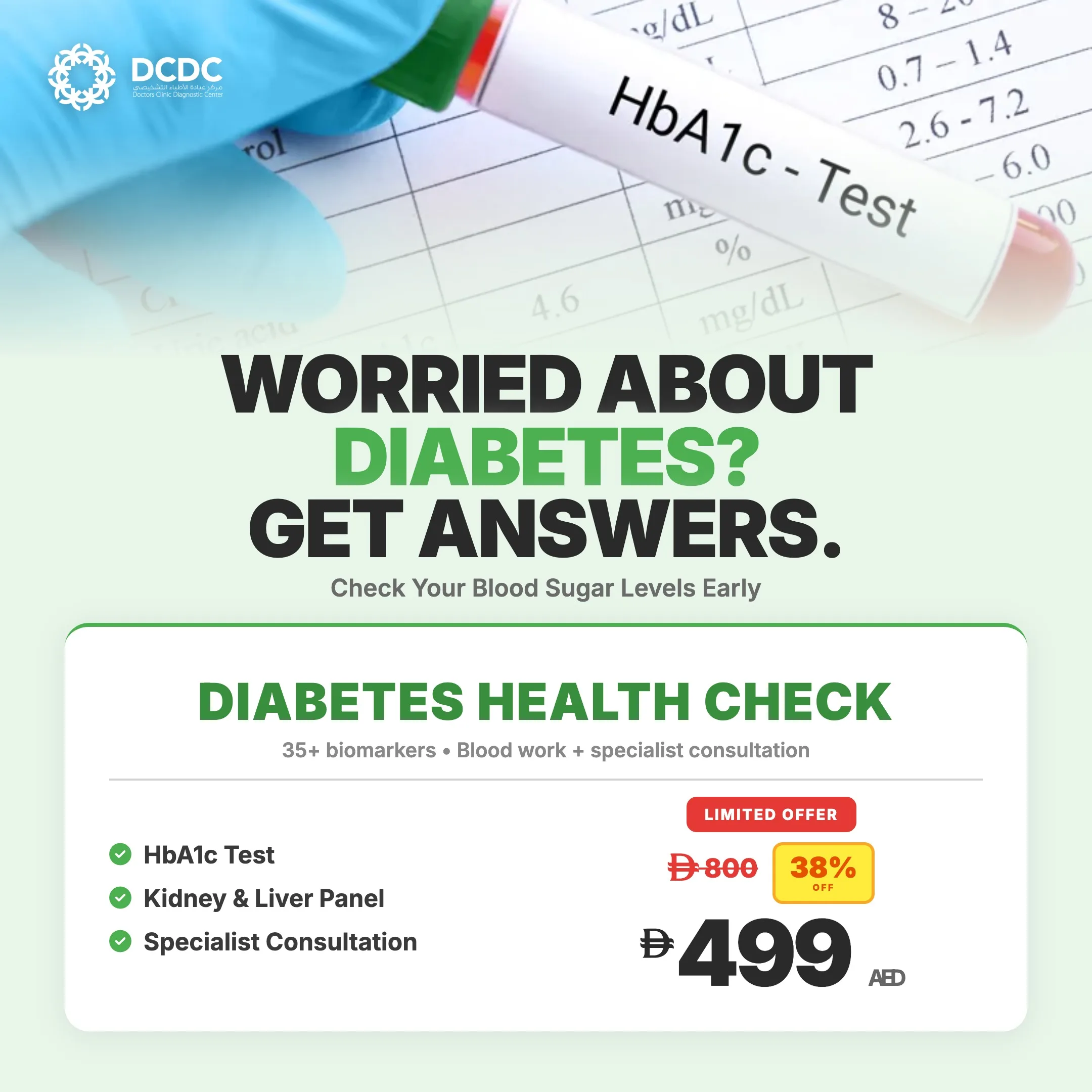
- Key blood panels — CBC (AED 149), lipid profile (AED 199), glucose (AED 99) and HbA1c (AED 149) — reveal hidden risks such as anaemia, dyslipidaemia and pre-diabetes
- Adults over 40, smokers and anyone with a family history of sudden cardiac death should add an ECG and possibly a stress test before high-intensity training
- DCDC in Dubai Healthcare City offers one-visit diagnostics: blood work, ECG, echocardiogram and stress testing completed in a single appointment with same-day routine results
- Health checkup packages at DCDC start from AED 249, with 20+ insurance partners and direct billing — no out-of-pocket claims
Starting a new fitness routine is one of the best decisions you can make for long-term health, but a pre-exercise health screening helps ensure your body is ready for the demands you are about to place on it. Sudden cardiac events during exercise are rare — roughly 1 in 50,000 to 80,000 among young athletes per year — yet many are preventable with the right screening. In a city where gym culture is booming and temperatures push workouts indoors for half the year, a brief medical check before you pick up a barbell or lace up for a run is a small investment in safety.
This guide explains who needs a pre-exercise medical assessment, which tests are involved, what the current ACSM and AHA guidelines recommend, how much screening costs in Dubai and exactly what happens when you book a fitness clearance appointment at Doctors Clinic Diagnostic Center (DCDC) in Dubai Healthcare City.
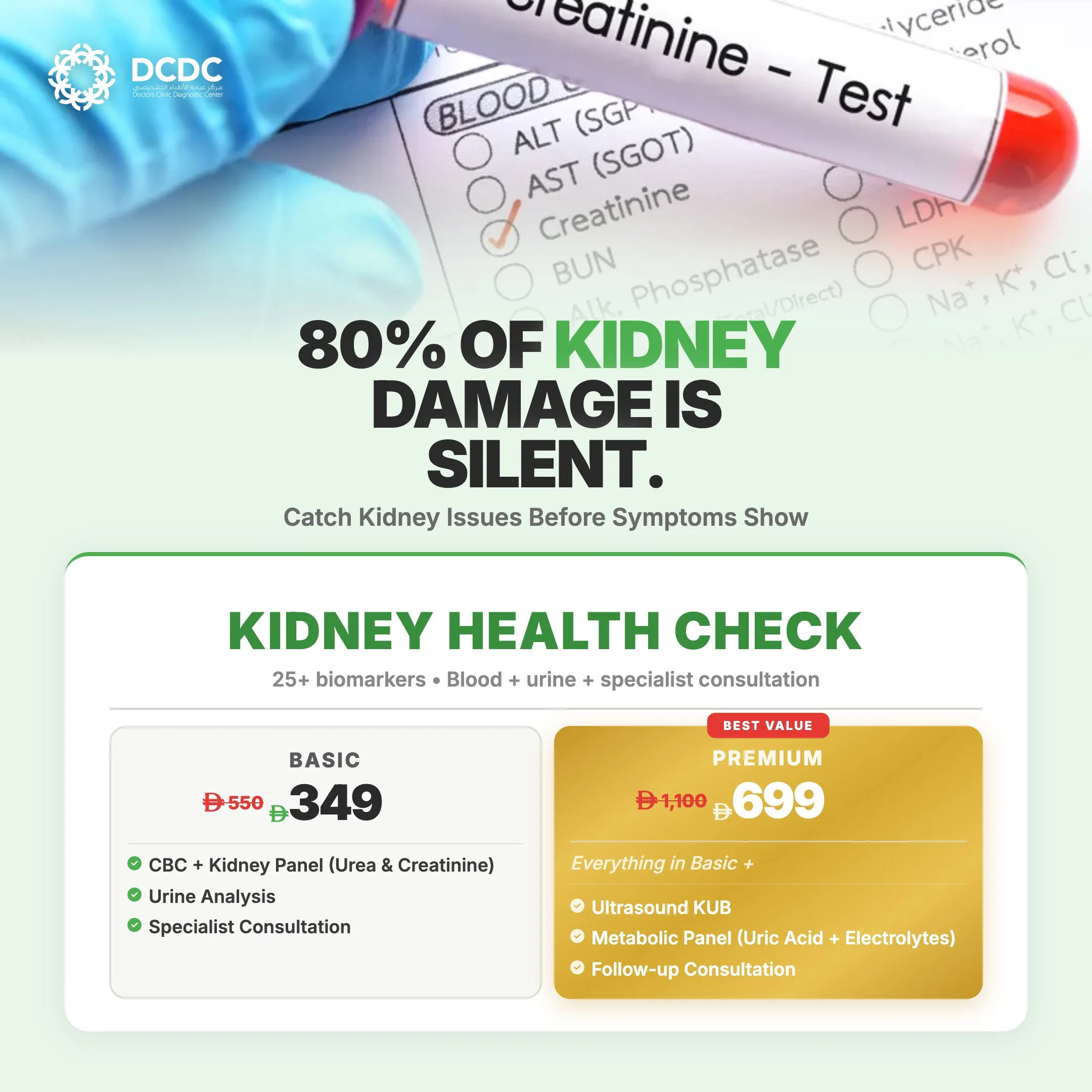
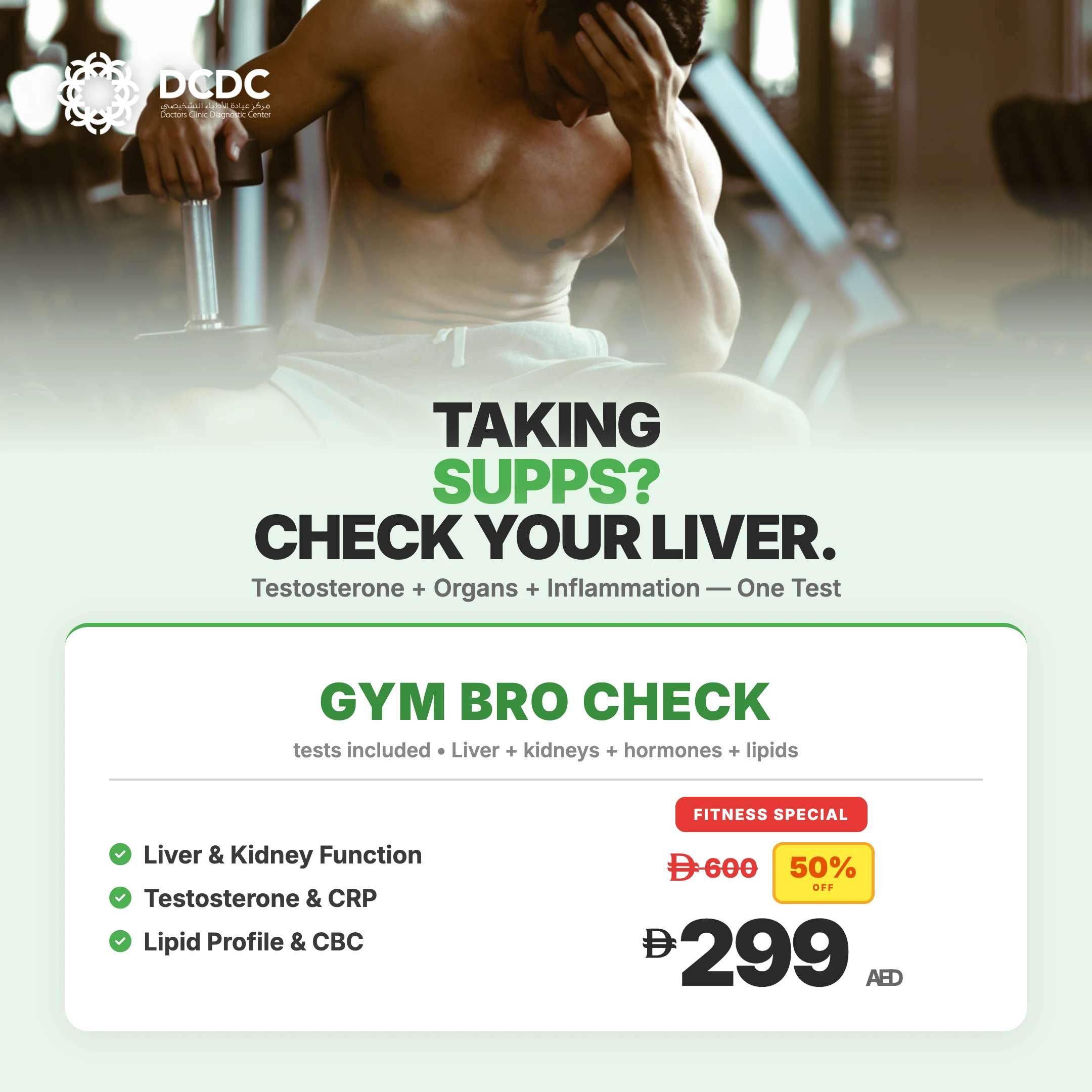
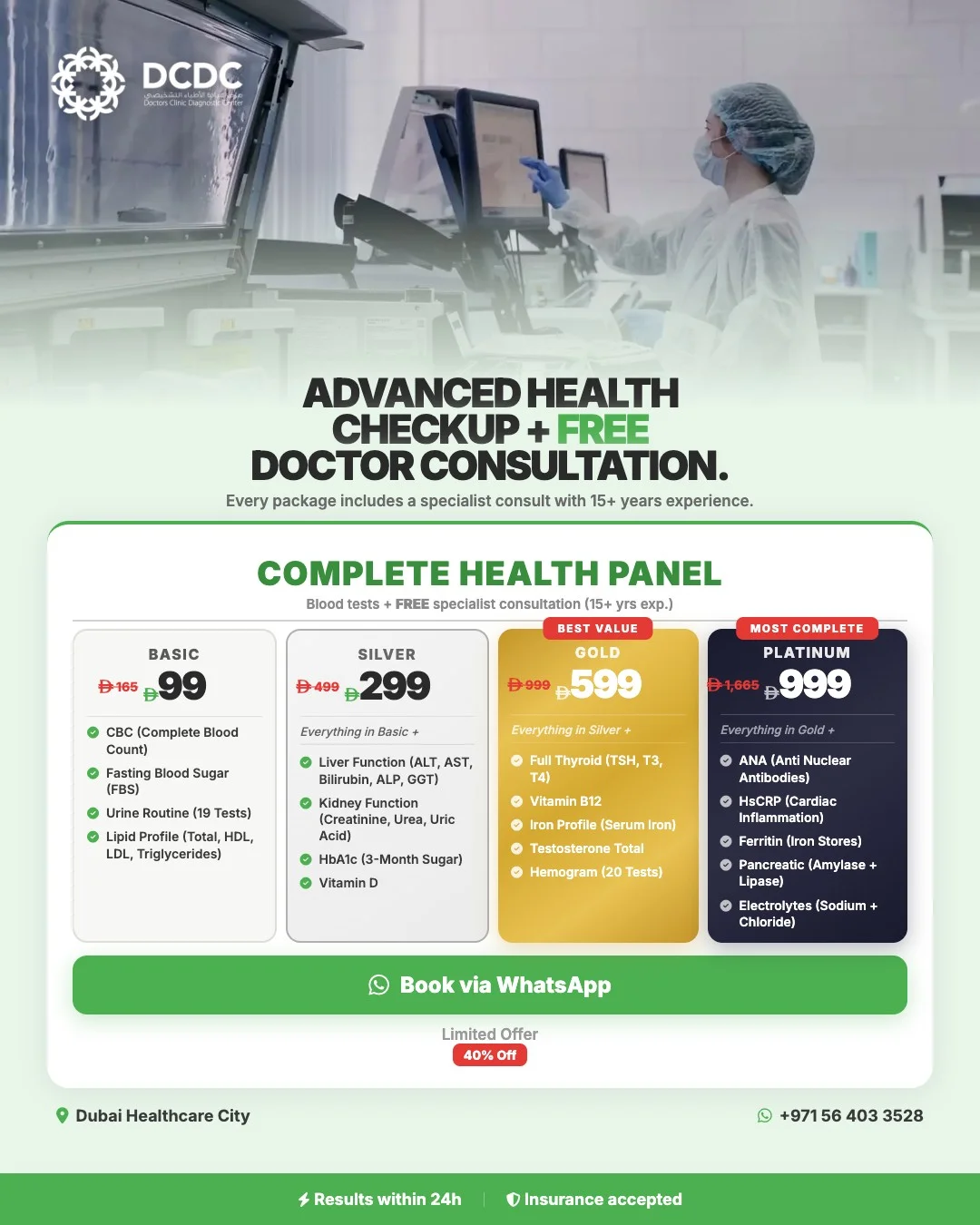
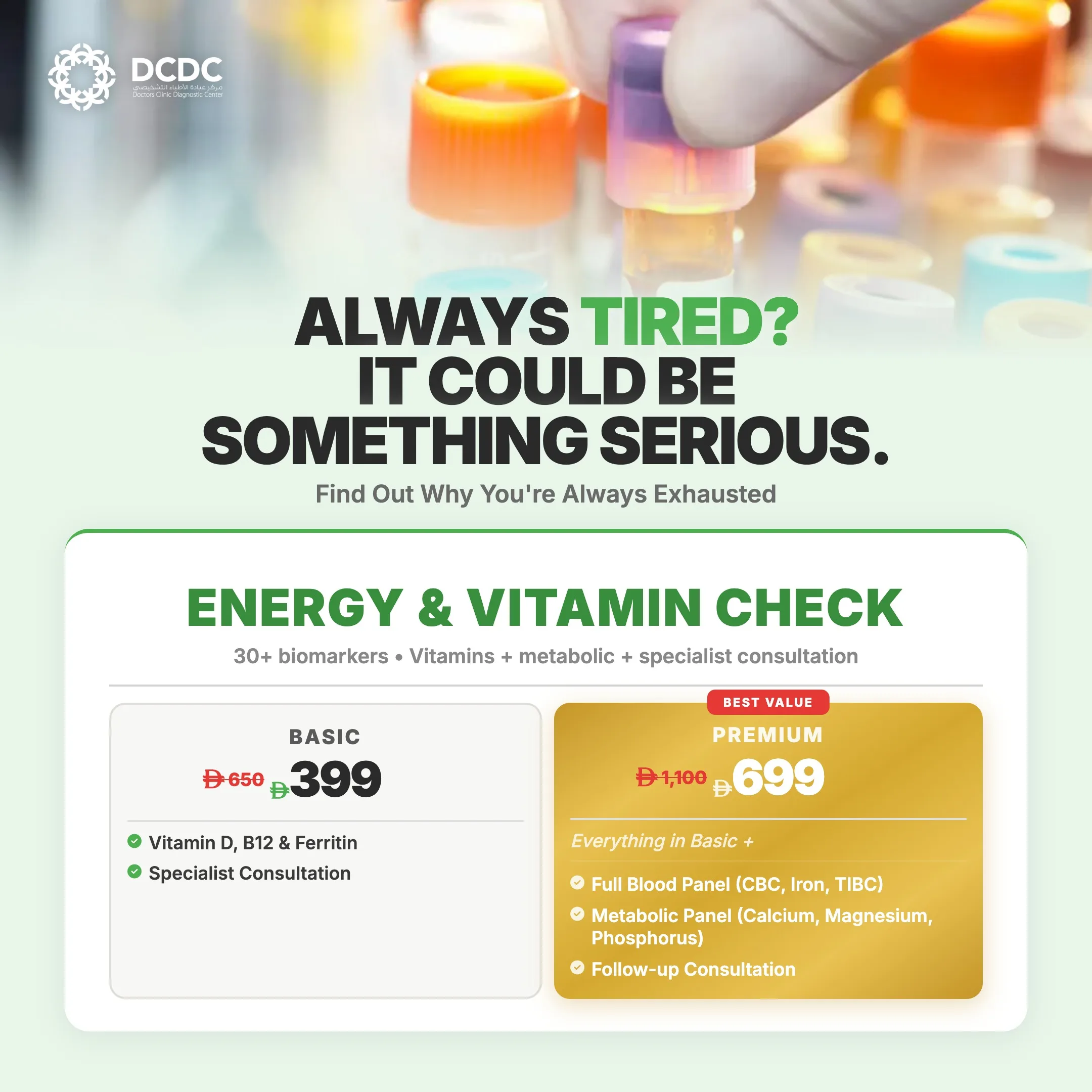
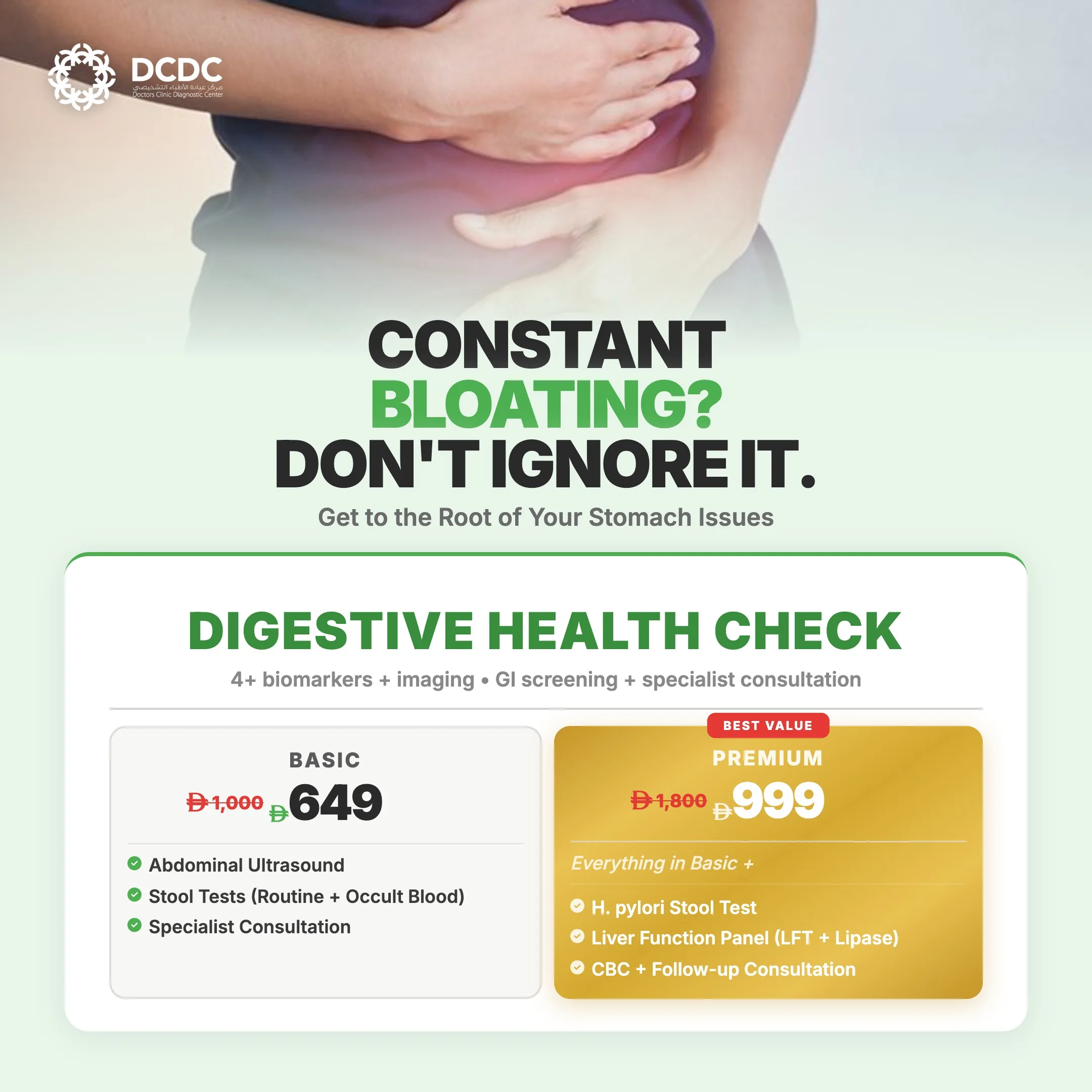
Health Screening Packages
Save with our bundled screening packages — specialist consultation included
Why Pre-Exercise Health Screening Matters
Exercise itself is overwhelmingly beneficial — the risk of not exercising far outweighs the risk of a cardiac event during a workout. But for a small group of people, undiagnosed conditions such as hypertrophic cardiomyopathy, coronary artery disease, uncontrolled hypertension or severe anaemia can turn a vigorous session into a medical emergency.
A pre-exercise health screening identifies these hidden risks before they become dangerous. The American College of Sports Medicine (ACSM) updated its screening algorithm specifically to lower the barrier to exercise while still catching the people who genuinely need medical clearance. The goal is not to discourage activity — it is to channel high-risk individuals toward the right tests so they can exercise safely.
Dubai's fitness landscape adds its own layer of relevance. Heat, humidity, Ramadan fasting and long sedentary work hours mean many residents shift from little movement to intense gym sessions overnight. A screening visit takes less than an hour and gives you a clear picture of where you stand before that first class.
Who Needs a Pre-Exercise Medical Assessment
The ACSM's 2015 updated algorithm — still the current standard — replaced the older cardiovascular risk-factor tally with a simpler three-factor model. Instead of counting individual risk factors, it asks three questions.
- Current physical activity level — Are you currently exercising regularly (at least 30 minutes of moderate activity on most days), or are you sedentary?
- Known disease or symptoms — Do you have a diagnosed cardiovascular, metabolic (e.g. diabetes, thyroid disorder) or renal condition, or do you experience symptoms such as chest pain, dizziness or unusual breathlessness during exertion?
- Desired exercise intensity — Are you planning moderate exercise (brisk walking, recreational cycling) or vigorous exercise (running, HIIT, heavy resistance training)?
If you are currently active and symptom-free, you can progress to either moderate or vigorous exercise without medical clearance. If you are sedentary but symptom-free and without known disease, you can begin moderate exercise without clearance but should see a doctor before jumping straight into vigorous training. If you have known disease or symptoms, medical clearance is recommended regardless of the intensity you plan.
Beyond the ACSM model, the AHA's March 2025 policy statement calls a resting 12-lead ECG "reasonable" for competitive athletes, and the Pre-Participation Physical Evaluation (PPE, 6th edition) recommends screening at least six weeks before pre-season — clearing about 98 percent of athletes after initial evaluation.
Essential Tests in a Pre-Exercise Health Screen
A standard pre-exercise screening covers more than just listening to your heart. The table below outlines what a thorough assessment includes and why each element matters.
| Assessment | What It Checks | Why It Matters for Exercise |
|---|---|---|
| Resting blood pressure | Systolic and diastolic pressure at rest | Uncontrolled hypertension raises stroke and cardiac event risk during exertion |
| Resting heart rate | Baseline pulse | An unusually high or low resting rate may warrant further cardiac investigation |
| BMI and body composition | Weight relative to height; body fat percentage | Helps tailor exercise intensity and identify obesity-related risk |
| Heart and lung auscultation | Heart murmurs, abnormal rhythms, wheezing | Detects valvular disease or respiratory conditions before they cause symptoms under load |
| Musculoskeletal check | Joint range of motion, posture, prior injuries | Identifies injury risk and helps guide safe exercise selection |
| Blood tests (panel) | CBC, lipids, glucose, HbA1c, thyroid, vitamins | Reveals anaemia, metabolic syndrome, diabetes risk and deficiencies that affect performance |
| ECG (if indicated) | Electrical activity of the heart | Screens for arrhythmias, long QT syndrome, hypertrophic cardiomyopathy |
Components of a pre-exercise health screening
Not everyone needs every test. Your doctor will select the relevant investigations based on your age, medical history, family history and exercise goals. At DCDC, a GP consultation starts from AED 249, and blood tests are available individually from AED 99 — so you pay only for what is clinically indicated.
Blood Tests That Reveal Hidden Exercise Risks
Blood work is the most informative part of a pre-exercise screen for the majority of gym-goers. Each panel targets a specific risk that can limit performance or cause harm during training. DCDC's on-site laboratory returns same-day results for routine tests, so you do not need a second visit to discuss findings. For a broader overview of what blood panels are available, see our blood test packages guide.
| Blood Test | What It Reveals | DCDC Price (AED) |
|---|---|---|
| Complete blood count (CBC) | Anaemia (low haemoglobin reduces oxygen delivery to muscles), infection, platelet issues | 149 |
| Lipid profile panel | Total cholesterol, LDL, HDL and triglycerides — cardiovascular risk markers | 199 |
| Fasting glucose | Current blood sugar level; screens for undiagnosed diabetes | 99 |
| HbA1c | Average blood sugar over 2-3 months; identifies pre-diabetes and diabetes | 149 |
| TSH (thyroid-stimulating hormone) | Thyroid function; hypothyroidism causes fatigue, weight gain and exercise intolerance | 149 |
| Vitamin D 25-OH | Bone health, muscle function and immune support; deficiency is common in Dubai despite the sunshine | 99 |
Key blood tests for pre-exercise screening at DCDC
If you are over 40 or have risk factors for diabetes, adding a full diabetes panel (AED 499) provides a more complete metabolic picture. Iron studies (ferritin AED 149, iron total AED 149) are worth considering for women, vegetarians and endurance athletes, since low iron stores cause fatigue well before full anaemia develops.
When You Need Cardiac Screening Before Exercise
Most people starting moderate exercise do not need cardiac imaging or stress testing. However, specific risk factors warrant a closer look at the heart before you begin vigorous training. DCDC has on-site ECG, echocardiography and treadmill stress testing — all performed and interpreted on the same day during a single cardiology appointment.
Indications for Cardiac Screening
- Family history of sudden cardiac death in a first-degree relative under age 50
- Known heart murmur that has not been investigated with echocardiography
- Chest pain, palpitations or unusual breathlessness during or after exercise
- Unexplained fainting (syncope), especially during exertion
- Age over 40 (men) or over 50 (women) planning vigorous exercise for the first time
- Multiple cardiovascular risk factors — diabetes, hypertension, smoking, obesity or high cholesterol
What Cardiac Tests Involve
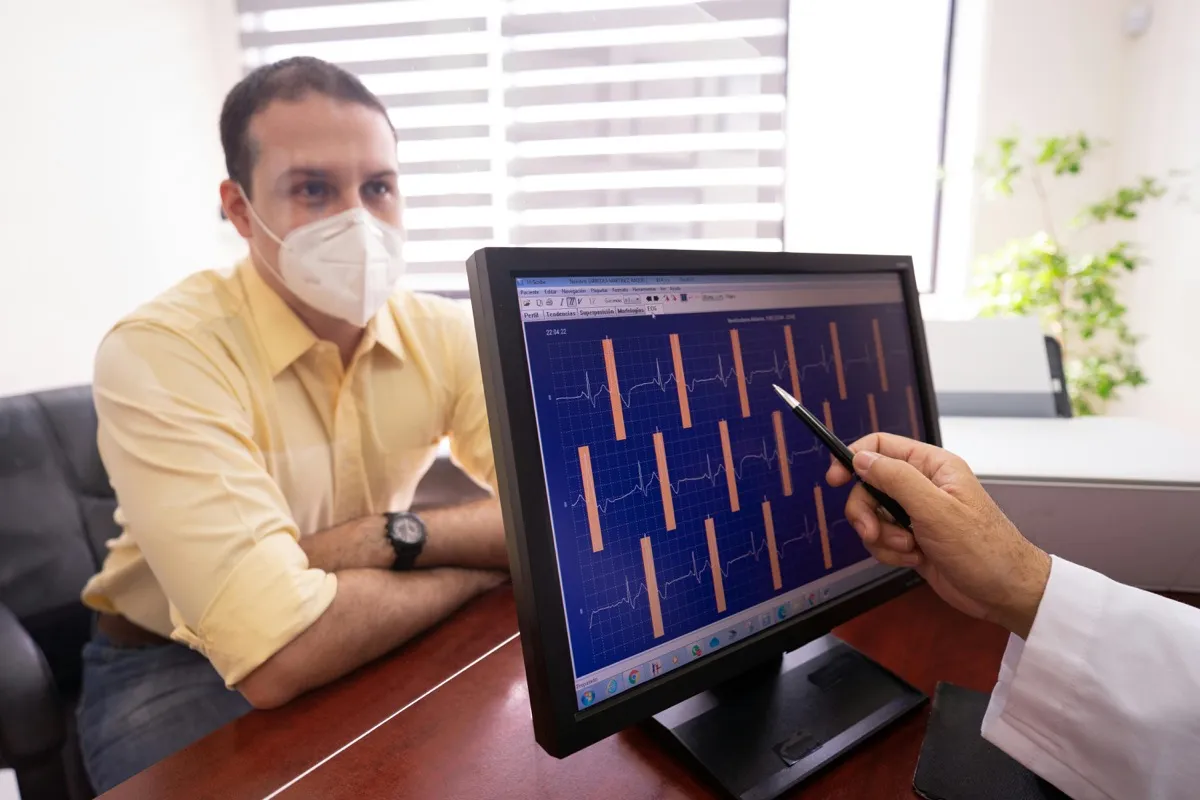
A resting 12-lead ECG takes about five minutes and screens for arrhythmias, conduction abnormalities and signs of hypertrophic cardiomyopathy. An echocardiogram uses ultrasound to visualise heart chamber size, valve function and ejection fraction. A treadmill stress test monitors your ECG and blood pressure while you walk at increasing speed and incline, revealing exercise-induced ischaemia that a resting ECG might miss. For a detailed breakdown of these tests and what results mean, see our ECG test guide.
DCDC's one-visit diagnostic capability means you can complete an ECG, echocardiogram, blood work and stress test in a single appointment rather than booking across multiple clinics and waiting days between results. A cardiac checkup package bundles these tests from AED 249.
What to Expect at DCDC
If you decide to get screened at Doctors Clinic Diagnostic Center, here is how the visit typically unfolds.
Before You Arrive
Book a GP consultation online or via WhatsApp. If blood tests are likely, you will be asked to fast for 8 to 12 hours beforehand (water is fine). Bring a list of any medications, supplements and your family medical history. Wear comfortable clothing in case a stress test is recommended on the same visit.
Arrival and Check-In
DCDC is located in Building 64, Block A, Al Razi Medical Complex, Dubai Healthcare City — about 10 minutes from Downtown Dubai, Business Bay and Sheikh Zayed Road. Dedicated free parking is on-site, and the average wait time is around 15 minutes. The clinic is open Saturday to Thursday from 8 AM to 10 PM and Friday from 9 AM to 9 PM, so early-morning and after-work appointments are both available.
The Consultation
Your GP will take a detailed medical and family history, measure blood pressure and resting heart rate, listen to your heart and lungs, check BMI and discuss your fitness goals and planned exercise intensity. Based on the ACSM screening criteria and your individual risk profile, they will recommend the appropriate blood tests and, if needed, refer you to the on-site cardiology team for ECG, echocardiogram or stress testing.
On-Site Lab and Cardiac Tests
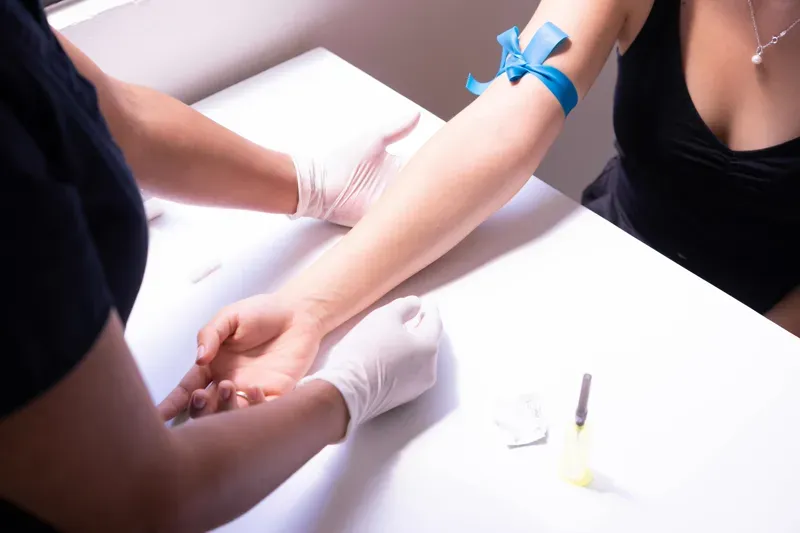
Blood is drawn in the same building at DCDC's in-house laboratory — no external lab referral needed. Routine results (CBC, glucose, lipids) are typically available the same day. If cardiac tests are ordered, the ECG, echo and stress test can often be completed during the same visit, so you leave with a full picture rather than scheduling follow-up appointments elsewhere.
Results and Clearance
Once results are in, your doctor reviews everything with you, explains any findings and either clears you for exercise or recommends a modified plan. Reports are accessible through the patient portal so you can share them with your personal trainer or gym. DCDC accepts 20+ insurance providers with direct billing — the clinic handles pre-authorisation so you do not pay out of pocket and claim later.
Pre-Exercise Screening by Age Group
Risk profiles change with age. The table below provides a general guide to the tests most commonly recommended at each stage of life. Your doctor may add or skip tests based on individual history. For a broader age-based screening checklist beyond exercise, see our annual health checkup guide.
| Age Group | Recommended Screening | Notes |
|---|---|---|
| Under 30 | Medical history, blood pressure, resting heart rate, basic blood panel (CBC, glucose) | ECG if family history of sudden cardiac death, known murmur or exercise-related symptoms |
| 30–39 | Above plus lipid profile, HbA1c, thyroid (TSH), vitamin D | Consider stress test if sedentary with multiple risk factors and planning vigorous training |
| 40–49 | Above plus fasting glucose, full lipid panel, ECG, cardiovascular risk calculation | Stress test or echocardiogram advisable before starting vigorous exercise for the first time |
| 50 and over | Comprehensive screening: full blood panel, ECG, stress test, echocardiogram, DEXA if indicated | Strongest evidence for medical clearance before vigorous exercise; include cancer screening discussions |
Pre-exercise screening recommendations by age group
These are guidelines, not rigid rules. A healthy, active 55-year-old marathon runner has a very different risk profile from a sedentary 35-year-old with uncontrolled diabetes. The screening should always be individualised.
How to Prepare for Your Screening Appointment
A little preparation helps your doctor get the most accurate results and saves you a repeat visit.
- Fast for 8–12 hours before the appointment if blood tests are planned (water, black coffee and prescribed medications are fine)
- Bring a medication list — include doses, supplements and over-the-counter products
- Note your family history — especially heart disease, sudden death, diabetes and high cholesterol in first-degree relatives
- Wear comfortable clothes and trainers in case a treadmill stress test is added on the same visit
- Write down your fitness goals — the type of exercise you plan, how often and at what intensity helps your doctor tailor the screening
- Bring your insurance card — DCDC handles direct billing with 20+ partners, but having your card speeds up registration
If you are currently on blood-pressure or heart-rate medication, take it as prescribed on the morning of the test unless your doctor advises otherwise. For a full guide to blood pressure ranges by age, see our dedicated article.
Book Your Pre-Exercise Health Screening at DCDC
GP consultations from AED 249, blood tests from AED 99, on-site ECG, echo and stress testing — all in one visit at Dubai Healthcare City. Walk in or book via WhatsApp.
Call +971 54 219 5008 or WhatsApp +971 50 970 3884
Related Services at DCDC
Expert care and advanced diagnostics at Dubai Healthcare City
Frequently Asked Questions
Final Thoughts
A pre-exercise health screening is not about creating barriers to fitness — it is about removing the guesswork so you can train with confidence. For the vast majority of people, the screening confirms that exercise is safe and highlights small adjustments (managing cholesterol, correcting a vitamin D deficiency, moderating intensity) that actually improve results.
At DCDC in Dubai Healthcare City, the entire process — consultation, blood work, cardiac tests if needed — happens under one roof in a single visit, with results the same day and 20+ insurance partners for direct billing. If you are planning to start or restart an exercise programme, a screening is the smartest first rep you will ever do.
Sources & References
This article references the following sources:
- Riebe D et al. — Updating ACSM's Recommendations for Exercise Preparticipation Health Screening (2015)
- AHA — Policy Position on Cardiovascular Screening of Competitive Athletes (2025)
- AAP — Preparticipation Physical Evaluation, 6th Edition
- Thompson PD et al. — Exercise and Acute Cardiovascular Events: Placing the Risks into Perspective
- Warburton DE et al. — The Physical Activity Readiness Questionnaire (PAR-Q+)
This information is educational and does not replace individual medical advice. See our editorial policy for more information.

Written by
Dr. Hadeel Elnur
General Practitioner
MD, General Practice
Dr. Hadeel Elnur is a General Practitioner at Doctors Clinic Diagnostic Center (DCDC) in Dubai Healthcare City.
Related Articles
Heart Checkup Dubai: Cardiac Packages From AED 249 (2026)

Annual Health Checkup: Tests You Need by Age (2026)
Blood Test Packages Dubai: From AED 249 (2026)

ECG Test Dubai: Cost, Types & Results (2026)
Heart Tests Dubai: ECG, Echo & Stress Test Cost (2026)
More in General Health

IV Drip vs Oral Vitamins Dubai: Guide (2026)
Read More
Vitamin Deficiency Signs Dubai: Tests to Get (2026)
Read More
Winter Health Tips Dubai: Stay Well (2026)
Read More
IV Drip Benefits & Risks Dubai: Guide (2026)
Read More
Hoarseness in Dubai: Causes & When to Worry (2026)
Read More
Swallowing Difficulty Dubai: Causes & Help (2026)
Read More© 2026 Doctors Clinic Diagnostic Center (DCDC), Dubai Healthcare City. Originally published at https://doctorsclinicdubai.ae/blog/pre-exercise-health-screening-dubai. All rights reserved. Unauthorized reproduction is prohibited.