Key Takeaways
- A good heart checkup starts with risk factors: blood pressure, cholesterol, blood sugar, smoking, weight and family history.
- Basic packages add an ECG; fuller packages add an echocardiogram and a treadmill test or CT calcium score.
- Routine ECG and stress testing are not recommended for low-risk people without symptoms; tests should match your risk.
- Chest pain, breathlessness or fainting need prompt medical assessment, not a routine package. Call 998 for severe chest pain.
- DCDC heart packages range from AED 249 (Heart Screening Basic) to AED 1,299 (with echo and treadmill or CT calcium score).
Heart disease is a leading cause of death in the UAE, and many people develop risk factors such as high blood pressure, diabetes and high cholesterol years before they notice symptoms. A heart checkup in Dubai aims to find those risk factors early and, when appropriate, look at the heart itself. More testing is not always better: the right checkup depends on your age, risk profile and symptoms. This guide explains what each test shows, who benefits from which level of screening and how DCDC's heart screening packages compare.
Who should have a heart checkup?
- Adults 40 and over, even without symptoms, for a risk assessment
- Anyone with high blood pressure, diabetes, high cholesterol, kidney disease or obesity
- Smokers, including shisha and vaping
- People with a family history of early heart disease (a father or brother before 55, or a mother or sister before 65)
- People starting a demanding exercise programme after years of inactivity, who may need tailored advice
- Women with a history of pre-eclampsia, gestational diabetes or early menopause, which raise later cardiovascular risk
Tests in a heart checkup and what they show
| Test | What it shows | Limits |
|---|---|---|
| Blood pressure | Hypertension, the most common treatable risk factor | Needs repeat readings; home or ambulatory monitoring may be advised |
| Lipid profile | LDL, HDL, triglycerides and total cholesterol | Interpreted with overall risk, not in isolation |
| HbA1c | Average blood sugar over 3 months; detects diabetes and prediabetes | Can be affected by anaemia and some haemoglobin variants |
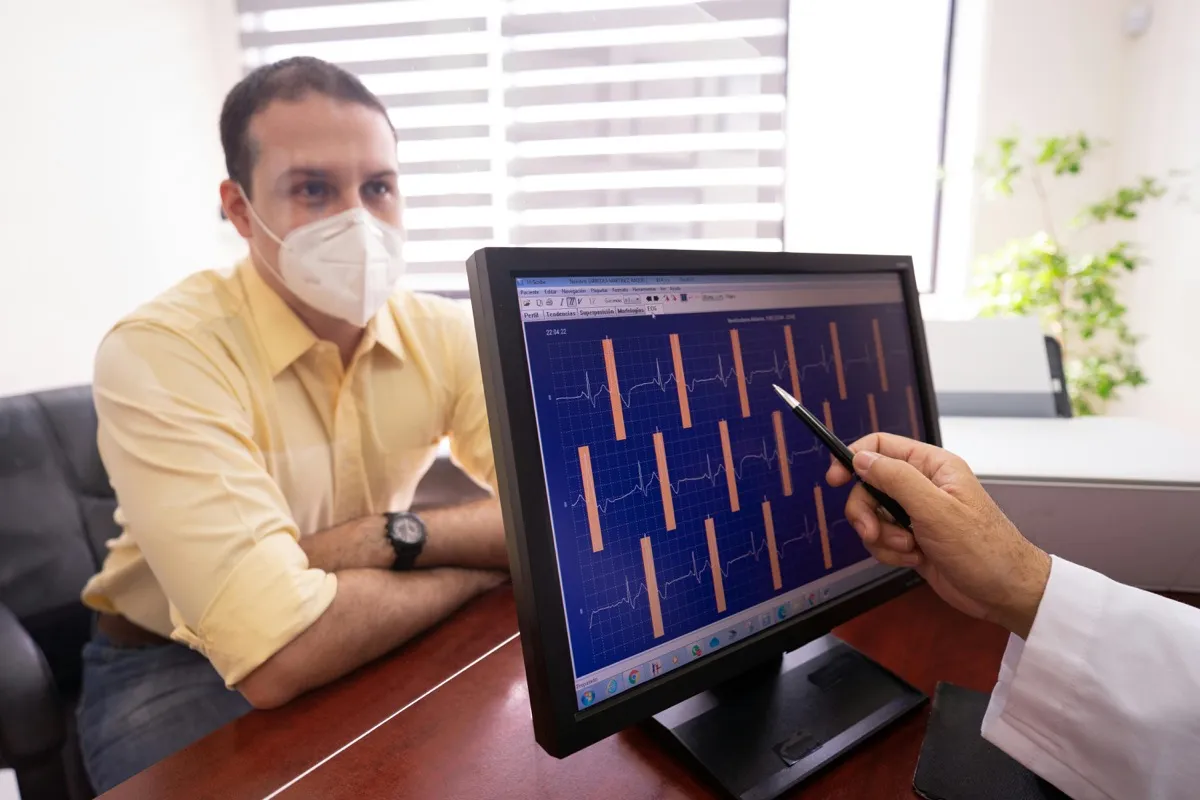
| ECG | Heart rhythm, signs of previous heart attack, thickened heart muscle | A normal resting ECG does not rule out narrowed arteries |
| Chest X-ray | Heart size and the lungs | Limited detail about heart function |
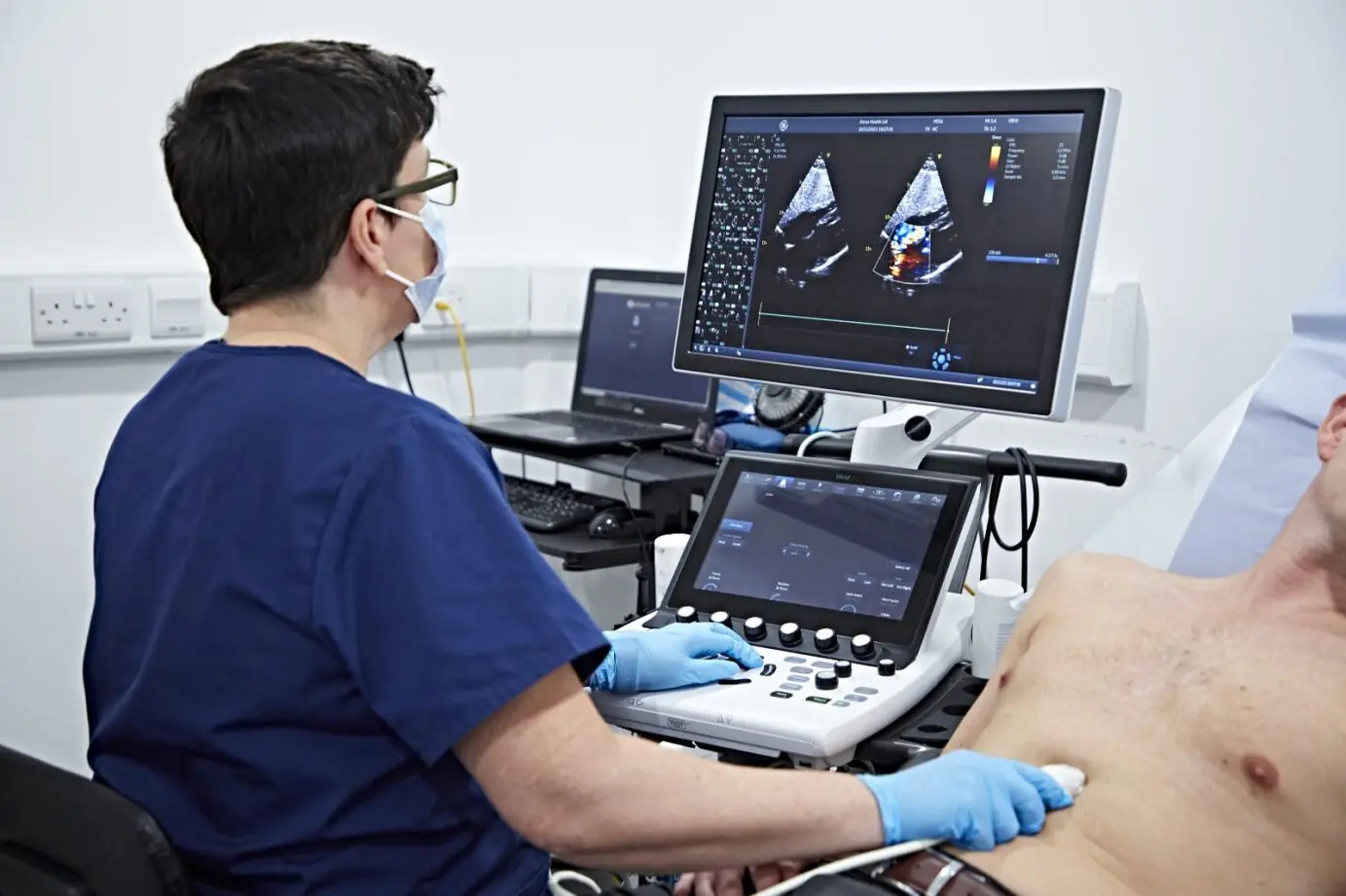
| Echocardiogram | Heart muscle pumping, valves and chamber sizes | Does not show the coronary arteries directly |
| Treadmill stress test | How the heart responds to exercise; exercise capacity | False positives and negatives occur, particularly in low-risk people |
| CT coronary calcium score | Calcified plaque in the coronary arteries | Involves low-dose radiation; most useful for people at intermediate risk |
What each test can and cannot tell you.
Do I need an ECG or stress test if I feel well?
Not always. The US Preventive Services Task Force recommends against screening low-risk adults without symptoms with a resting or exercise ECG, because false positives can lead to unnecessary further tests. For people at intermediate or higher risk, guidelines from the American College of Cardiology, the American Heart Association and the European Society of Cardiology support a more detailed assessment, which may include a coronary calcium score to refine the decision on treatment.
In practice, the first step is a risk assessment based on blood tests, blood pressure and history. A cardiologist can then advise whether an echo, a treadmill stress test or a calcium score adds value for you.
Heart checkup packages at DCDC compared
| Package | Price (AED) | Includes |
|---|---|---|
| Heart Screening - Basic | 249 | ECG, chest X-ray, CBC, lipid profile, specialist consultation |
| Heart Healthy Package - Bronze | 249 | CBC, lipid profile, ECG, chest X-ray (25+ biomarkers) |
| Heart & BP Check - Basic | 499 | ECG, troponin, lipid profile, creatinine, specialist consultation |
| Heart Risk Assessment | 699 | ECG, echocardiogram, HbA1c, lipid profile, kidney panel, specialist consultation |
| Heart Healthy Package - Silver | 699 | Bronze plus echocardiogram |
| Heart & BP Check - Best Value | 899 | Basic plus HbA1c, proBNP and follow-up consultation |
| Vascular Health Check | 899 | Carotid ultrasound, ECG, CRP, HbA1c, full lipid panel, specialist consult and follow-up |
| Heart Screening - Best Value | 1,299 | Basic plus echocardiogram, HbA1c, treadmill or CT calcium score, follow-up consultation |
| Heart Healthy Package - Gold | 1,299 | Silver plus HbA1c and treadmill or CT calcium score |
Current DCDC package prices and inclusions. Fasting for 8-12 hours is recommended before packages that include lipids or blood sugar.
Which package fits which person?
- Under 40, no risk factors, feeling well: blood pressure, lipids and blood sugar are usually enough; a basic package with consultation is a reasonable starting point.
- 40+ or one or more risk factors: the Heart Risk Assessment adds an echo, HbA1c and kidney function.
- High blood pressure: the Heart & BP Check focuses on kidney function and heart strain markers.
- Concern about stroke or circulation: the Vascular Health Check includes a carotid ultrasound.
- Strong family history or intermediate risk: a package with a treadmill test or CT calcium score, chosen with a cardiologist.
Some packages include a cardiologist review. If you have specific symptoms such as palpitations, our Holter monitoring service may be more useful than a general package. See our echo test cost guide for standalone echocardiogram pricing.
Symptoms that should not wait for a checkup
A screening package is for people without active symptoms. Seek medical assessment promptly for new or worsening breathlessness, palpitations with dizziness, fainting, or ankle swelling. Call 998 immediately for chest pain or pressure lasting more than a few minutes, pain spreading to the arm, jaw or back, or chest pain with sweating, nausea or breathlessness. Our guide to heart disease symptoms explains the warning signs.
What to Expect at DCDC
- Preparation: fast for 8-12 hours if blood tests for lipids or sugar are included; water is fine. Wear comfortable clothes and shoes if a treadmill test is planned.
- On the day: blood draw, ECG and imaging are performed on site in Dubai Healthcare City. ECG, echo, treadmill stress test and Holter monitoring are all available in-house.
- Results: ECG findings are available immediately and routine blood results usually the same day or within 24 hours.
- Consultation: packages with a specialist consultation include a review of all results, your overall risk and next steps.
- Insurance: direct billing with 20+ insurers; screening cover varies by policy.
Book a heart checkup
Heart screening from AED 249. Choose a package or ask our team which level of testing fits your risk.
Call +971 54 219 5008 or WhatsApp 971509703884. Building 64, Block A, Al Razi Medical Complex, Dubai Healthcare City. Free parking.
Related Services at DCDC
Expert care and advanced diagnostics at Dubai Healthcare City
Frequently Asked Questions
Match the checkup to your risk
The most valuable part of a heart checkup is often the simplest: knowing your blood pressure, cholesterol, blood sugar and overall risk, and acting on them. Imaging and stress tests add most value when chosen for the right person.
If you are unsure which package suits you, a short conversation with the team or a cardiologist can save both money and unnecessary tests.
Sources & References
This article references the following sources:
- Arnett DK, et al. 2019 ACC/AHA Guideline on the Primary Prevention of Cardiovascular Disease. Circulation
- Visseren FLJ, et al. 2021 ESC Guidelines on cardiovascular disease prevention in clinical practice. Eur Heart J
- US Preventive Services Task Force - Cardiovascular Disease Risk: Screening With Electrocardiography (2018)
- WHO - Cardiovascular diseases (CVDs) fact sheet
- American Heart Association - Heart Attack and Stroke Symptoms
This information is educational and does not replace individual medical advice. See our editorial policy for more information.

Written by
DCDC Editorial Team
Patient education
Patient information from Doctors Clinic Diagnostic Center in Dubai Healthcare City, based on the medical references listed with this article. This guide supports discussion with your clinician and does not provide an individual diagnosis.
Related patient guides
Heart Disease Symptoms Dubai
Echo Test Cost Dubai: 2D Echo Price & What It Includes

Heart Health Prevention Dubai

Lipid Profile & Cholesterol Test Dubai
More in Cardiology
Heart Tests Dubai: ECG, Echo & Stress Test Cost (2026)
Read MoreEcho Test Cost Dubai: 2D Echo Price & What It Includes
Read MoreHeart Screening Dubai: Checkup Packages & Prevention (2026)
Read MoreHolter Monitor Prep Dubai: What to Expect (2026)
Read More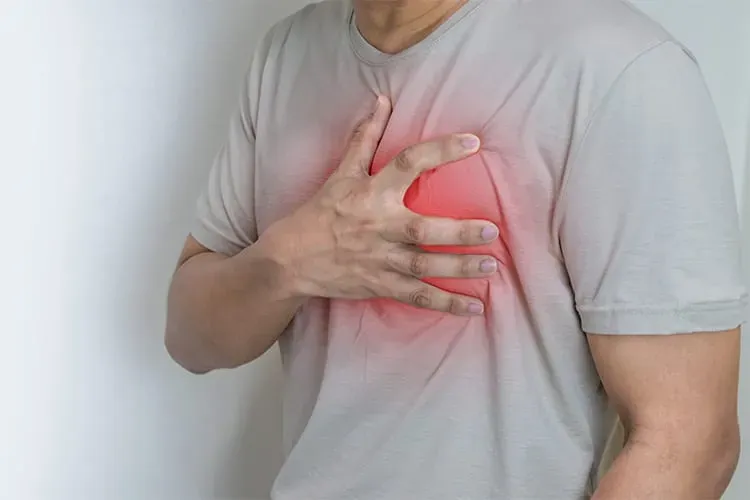
When to See a Cardiologist Dubai (2026)
Read MoreEcho Test Preparation Dubai: What to Expect (2026)
Read More© 2026 Doctors Clinic Diagnostic Center (DCDC), Dubai Healthcare City. Originally published at https://doctorsclinicdubai.ae/blog/heart-checkup-dubai. All rights reserved. Unauthorized reproduction is prohibited.