Key Takeaways
- Overall eating pattern matters more than any single food: the Mediterranean and DASH diets have the strongest evidence for lowering cardiovascular risk.
- The PREDIMED trial found about 30 percent fewer major cardiovascular events with a Mediterranean diet rich in extra-virgin olive oil or nuts.
- Prioritise vegetables, fruit, legumes, whole grains, fatty fish twice a week, unsalted nuts and olive oil; limit processed meat, salt, sugar and fried food.
- Dubai's traditional dishes such as hummus, tabbouleh, lentil soup and grilled fish already fit a heart-healthy pattern with small portion and cooking changes.
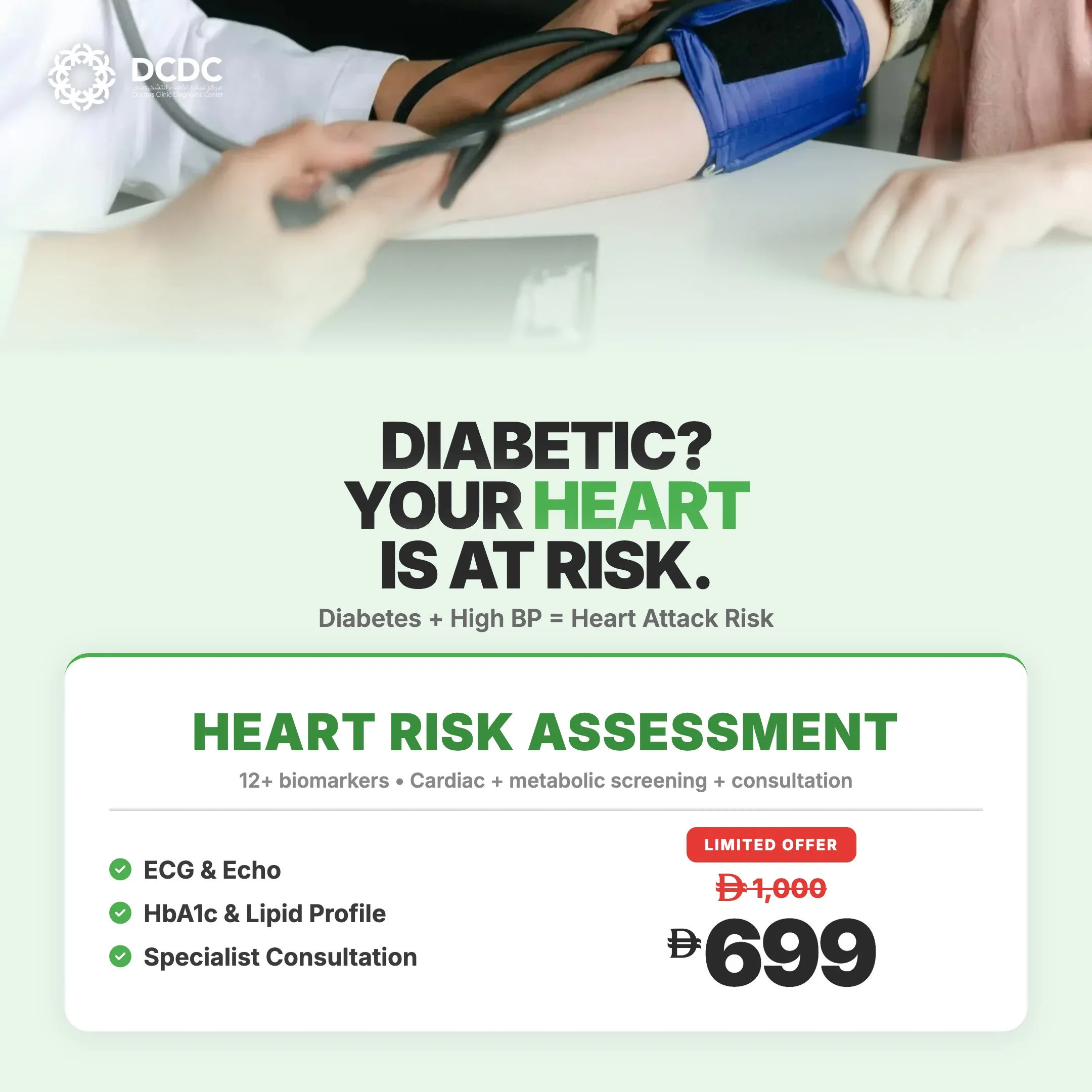
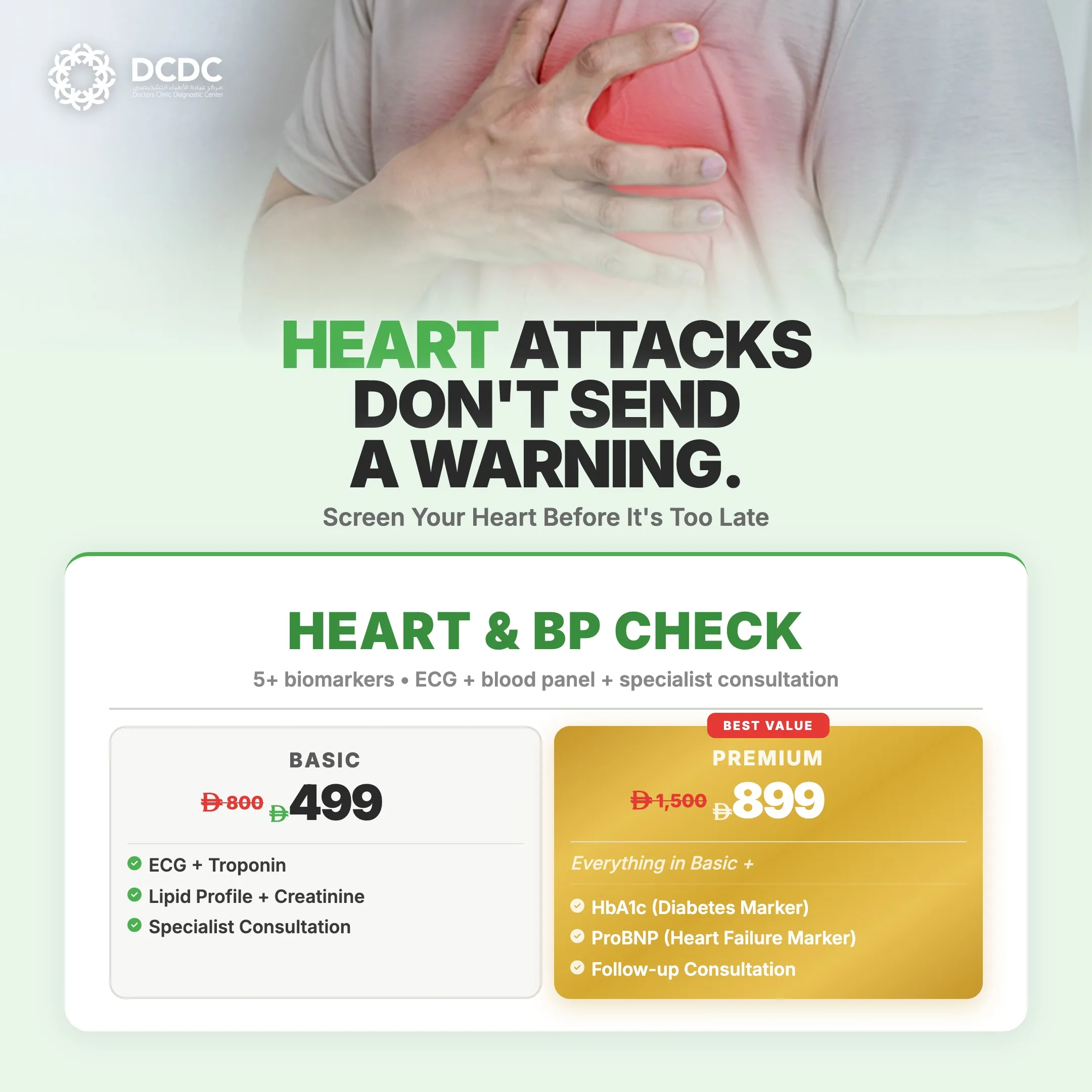
- Know your numbers: a lipid profile at DCDC starts from AED 199, and cardiology consultation with cardiovascular risk assessment starts from AED 250.
Cardiovascular disease is the leading cause of death in the UAE and worldwide, and in the Gulf it often appears a decade earlier than in Western countries. The encouraging news is that what you eat every day can change that risk. This guide explains the most heart healthy foods in Dubai, what the evidence says about the Mediterranean diet, which foods to limit and how to put it all together, and shows how preventive cardiology at DCDC can personalise your plan.
The WHO estimates that cardiovascular diseases cause around 18 million deaths globally every year, and the UAE has high rates of the risk factors behind them, including diabetes, obesity, high blood pressure and high cholesterol. Lifestyle patterns in Dubai, from long working hours and sedentary routines to easy access to fast food and sweet drinks, add to the challenge. A heart-healthy diet is one of the most effective tools for prevention, and this November, during Heart Health Awareness Month, it is a good time to start. Written by Dr. Shahoo Mazhari, cardiologist at DCDC, this guide gives practical, evidence-based advice you can use today.

Why Diet Matters for Heart Health
Food influences almost every major driver of heart disease: LDL cholesterol, blood pressure, blood sugar, body weight and inflammation. The 2021 European Society of Cardiology (ESC) prevention guidelines and the American Heart Association (AHA) dietary guidance both place nutrition alongside smoking cessation and physical activity as a cornerstone of cardiovascular prevention. In March 2026 the AHA published updated dietary guidance that keeps the focus on overall eating pattern rather than any single superfood: match calories to activity, eat plenty of vegetables, fruit, whole grains and plant proteins, choose minimally processed foods, use liquid non-tropical plant oils, and keep salt, added sugar and alcohol low.
The World Health Organization (WHO) makes similar recommendations: fewer than 5 grams of salt per day, less than 10 percent of energy from saturated fat, virtually no industrial trans fat, and at least 400 grams (five portions) of fruit and vegetables daily. These are not exotic targets. They are achievable in Dubai with ordinary supermarket ingredients.
The strongest single piece of evidence comes from the PREDIMED trial, which randomised more than 7,400 adults at high cardiovascular risk. Those who followed a Mediterranean diet supplemented with extra-virgin olive oil or nuts had roughly 30 percent fewer major cardiovascular events (heart attack, stroke or cardiovascular death) than those advised to follow a low-fat diet. For a deeper look at how cholesterol numbers shift with age, see our cholesterol levels by age guide.
Diet is only one part of the picture. Genetics, diabetes, smoking, stress and sleep also matter, which is why a diet plan works best when it starts from your own numbers. Our guide to diabetes and heart disease risk explains why blood sugar control and heart protection go hand in hand.
Best Heart-Healthy Foods
The foods below have the most consistent evidence for protecting the heart. Quantities are practical starting points for a healthy adult; your own plan may differ depending on your cholesterol, blood pressure, kidney function and medications.
Fatty Fish and Omega-3s
Fatty fish such as salmon, sardines, mackerel and herring provide the long-chain omega-3 fats EPA and DHA, which lower triglycerides, reduce abnormal heart rhythms and ease inflammation in blood vessels. The AHA recommends two servings (about 100 grams cooked each) per week. In Dubai, locally caught hamour, sheri and kingfish are lean and nutritious, while sardines and canned mackerel in olive oil or water are affordable sources of omega-3. Grill, bake or steam rather than deep frying, which adds saturated fat and cancels out much of the benefit.
Fruits and Vegetables
Aim for at least five portions (400 grams) a day, ideally two of fruit and three or more of vegetables. Leafy greens (spinach, rocket, molokhia), tomatoes, peppers, carrots, aubergine and cruciferous vegetables such as broccoli and cauliflower supply potassium, folate, fibre and antioxidants. Potassium helps counter the blood-pressure-raising effect of sodium. Berries, citrus, pomegranate and apples are particularly rich in polyphenols. Dates are nutritious but concentrated in sugar, so keep to two or three at a time and pair them with nuts or yoghurt.
Whole Grains
Whole grains keep the bran and germ that refined grains lose, so they deliver more fibre, magnesium and B vitamins. Higher whole-grain intake is consistently linked with lower rates of coronary disease and type 2 diabetes. Aim for three servings a day (a serving is roughly half a cup of cooked brown rice, one slice of whole-wheat bread or 40 grams of oats). Swap white rice for brown rice, bulgur or freekeh, choose whole-wheat khubz or Arabic bread, and start the day with oats, whose beta-glucan fibre helps lower LDL cholesterol.
Nuts and Seeds
A small handful of unsalted nuts, about 30 grams (a quarter cup) a day, is linked with lower LDL cholesterol and fewer cardiovascular events. Walnuts offer plant omega-3 (ALA), almonds add vitamin E and pistachios provide plant sterols. Chia, flax and sesame seeds (including tahini) add fibre and healthy fats. Choose raw or dry-roasted nuts without added salt or sugar and measure the portion, because nuts are energy dense.
Olive Oil and Healthy Fats
Replacing butter, ghee and palm oil with extra-virgin olive oil is among the best-studied changes you can make. In PREDIMED the olive oil group used about four tablespoons (roughly 50 millilitres) per day. Other good fats include avocado, rapeseed (canola) oil and the fats in nuts and fish. The goal is to replace saturated fat with unsaturated fat, not simply add oil on top of an already high-calorie diet. Keep total saturated fat below 10 percent of daily calories, and lower still if you have high LDL cholesterol.
Legumes and Pulses
Lentils, chickpeas, fava beans and kidney beans are staples of Levantine and South Asian cooking and are some of the best heart foods available. They provide soluble fibre, plant protein, potassium and magnesium with almost no saturated fat. Aim for at least four servings a week (about 130 grams cooked each). Hummus, ful medames, lentil soup (shorbat adas) and dal all count. Rinse canned legumes to cut sodium by up to a third. If you want more food-specific cholesterol advice, read our guide to cholesterol-lowering foods.
The Mediterranean Diet and Heart Disease Prevention
The Mediterranean diet is not a strict plan but a pattern: abundant vegetables, fruit, legumes, whole grains, nuts and olive oil; moderate fish and poultry; little red meat and few sweets. It is the most studied dietary pattern in cardiology. Besides PREDIMED, the Lyon Diet Heart Study found fewer repeat heart attacks in survivors who adopted it, and large observational cohorts link close adherence with lower cardiovascular mortality.
It also fits Dubai remarkably well. Many traditional Gulf and Levantine dishes already follow the same template, including grilled fish, tabbouleh, fattoush, hummus, lentil soups, olives and tahini. The main adjustments are portion size, cooking method and what sits alongside the meal (refined bread, fried starters, sweet drinks).
- Fill half your plate with vegetables at lunch and dinner, raw or lightly cooked.
- Cook with olive oil instead of butter, ghee or hydrogenated fat.
- Eat fish twice a week and replace some red meat meals with legumes or chicken.
- Snack on fruit and unsalted nuts rather than pastries and biscuits.
- Use herbs, lemon, garlic, sumac and za'atar for flavour instead of extra salt.
- Keep dairy modest and favour plain yoghurt, labneh made from low-fat yoghurt and small portions of cheese.
A related pattern, the DASH diet, was designed to lower blood pressure and in trials cut systolic pressure by around 5 to 11 mmHg. It emphasises the same foods with extra attention to low-fat dairy and sodium. If your blood pressure is borderline, a DASH-style Mediterranean diet is a sensible combination.
What counts as the best diet for heart patients? For people who already have coronary disease, heart failure or have had a stent, the principles are the same, with adjustments: tighter sodium limits (often under 2 grams of sodium per day) and fluid guidance in heart failure, and interactions to watch with medicines such as warfarin (consistent vitamin K intake from leafy greens) and some statins (grapefruit juice). Always tailor advice to your own treatment.
Foods to Avoid or Limit
No single food causes heart disease, but certain foods and ingredients reliably worsen cholesterol, blood pressure and blood sugar when eaten often. Use the table as a guide to what to reduce and what to choose instead.
| Food or ingredient | Why it harms the heart | Healthier swap |
|---|---|---|
| Processed meats (shawarma meat blends, sausages, salami, turkey ham) | High in sodium and preservatives; linked to higher risk of coronary disease and diabetes | Grilled chicken breast, fish, eggs, legume-based fillings |
| Deep-fried foods (samosas, fried chicken, french fries) | Absorb saturated and trans fats; calorie dense | Baked or air-fried versions, grilled kebabs, roasted vegetables |
| Ghee, butter, palm oil and cream | High in saturated fat, which raises LDL cholesterol | Extra-virgin olive oil, rapeseed oil; use ghee sparingly |
| Sugar-sweetened drinks, energy drinks and sweetened juices | Raise triglycerides, weight and diabetes risk | Water, unsweetened tea, karak with less sugar, lemon-mint water |
| Refined carbohydrates (white bread, pastries, white rice in large portions) | Rapid blood sugar spikes and low fibre | Whole-wheat bread, brown rice, bulgur, freekeh |
| Salty foods (pickles, salted snacks, instant noodles, stock cubes) | Excess sodium raises blood pressure | Fresh herbs, lemon, spices, low-sodium products |
| Fatty red meat and full-fat dairy in large amounts | Saturated fat raises LDL cholesterol | Lean cuts in small portions, low-fat yoghurt, more legumes |
| Sweets and desserts (kunafa, baklava, luqaimat in large portions) | Added sugar and saturated fat | Fresh fruit, a small portion shared, dates with nuts |
| Alcohol | The 2026 AHA guidance advises against starting alcohol for heart benefit; it raises blood pressure and triglycerides | Sparkling water with citrus, non-alcoholic alternatives |
Foods to limit for heart health and practical swaps
Watch for hidden sodium in bread, sauces and restaurant food, where much of the salt comes from rather than the salt shaker. Check labels and aim for products with less than 120 mg of sodium per 100 grams. If you are unsure how your current diet is affecting your numbers, a lipid profile test gives an objective baseline.
Heart-Healthy Eating in Dubai
Dubai offers a huge variety of food, which makes heart-healthy eating easier than many people assume, provided you know where to look and how to order.
Eating Out
- Choose grilled over fried. Grilled hamour, chicken tikka, shish tawook and kebabs without heavy sauces are good choices.
- Start with mezze built on vegetables and legumes such as tabbouleh, fattoush, hummus, baba ghanoush and muhammara, and ask for the dressing on the side.
- Ask for brown rice or extra salad instead of fries or buttered white rice.
- Share desserts and finish with fresh fruit or Arabic coffee with one date.
- Limit food delivery apps' fried and creamy options by saving two or three healthy favourite orders you can repeat.
Shopping and Cooking
Fresh produce is easy to find at Dubai's fruit and vegetable souks, the Al Aweer market and local supermarkets. Look for seasonal local produce, frozen vegetables and berries (just as nutritious as fresh), canned fish and dried legumes. Batch cooking a pot of lentils or chickpeas on Sunday gives you healthy lunches for the week. Heat and busy schedules make convenience tempting, so stock the fridge with washed salad leaves, cut vegetables, boiled eggs and plain yoghurt.
Traditional Foods
Traditional Emirati dishes can be heart friendly with small tweaks. Harees and thareed made with lean meat, lots of vegetables and less ghee are fine in moderate portions. Machboos with fish or chicken is a good option when served with salad and a controlled rice portion. Dates, a traditional staple, supply fibre and potassium but should be counted as a sweet food. During Ramadan, break the fast gently with water and one or two dates, then eat a balanced iftar with soup, salad, protein and whole grains, avoiding the temptation of fried starters and sugary drinks.
Lifestyle Factors Specific to Dubai
Hot weather can discourage walking outdoors, so build movement into air-conditioned spaces such as malls, gyms and early-morning or evening walks. Aim for 150 minutes of moderate activity per week. Stay hydrated with water, and remember that many people in the UAE have low vitamin D despite the sunshine, so ask your doctor before supplementing. Nutrition works best alongside sleep, stress control and not smoking, including shisha, which carries real cardiovascular risk.
Sample Heart-Healthy Meal Plan
This three-day sample shows how the principles above look on a plate. Adjust portions to your energy needs, and speak with your doctor or a dietitian if you have diabetes, kidney disease or take blood thinners.
| Meal | Day 1 | Day 2 | Day 3 |
|---|---|---|---|
| Breakfast | Oats cooked in low-fat milk with walnuts and berries | Whole-wheat toast with mashed avocado, tomato and a boiled egg | Plain yoghurt with chia seeds, sliced apple and cinnamon |
| Snack | Orange and a few almonds | Carrot and cucumber sticks with hummus | Two dates with a small handful of pistachios |
| Lunch | Lentil soup, fattoush with olive oil dressing and one slice of whole-wheat bread | Grilled chicken, brown rice and roasted vegetables | Chickpea and vegetable salad with tahini-lemon dressing |
| Snack | Unsweetened tea and a pear | Low-fat labneh with cucumber | Unsalted roasted chickpeas |
| Dinner | Grilled hamour, steamed broccoli, bulgur pilaf | Vegetable and lentil dal with a small portion of basmati rice and salad | Baked salmon, sweet potato and green beans |
Three-day heart-healthy sample meal plan
Consistency matters more than perfection. Aim to follow the pattern most of the time and enjoy social meals without guilt.
Book a Heart Health Checkup at DCDC
Find out where you stand before you change your diet. Our Dubai Healthcare City team offers cardiovascular risk assessment with your consultation, a lipid profile from AED 199 and health checkup packages from AED 249, with extended hours Saturday to Thursday 8AM-10PM and Friday 9AM-9PM.
Direct billing with 20+ insurance partners. Free parking.
What to Expect at DCDC
A diet plan works best when it is based on your own risk. At Doctors Clinic Diagnostic Center (DCDC), located in Building 64, Block A, Al Razi Medical Complex, Dubai Healthcare City, the cardiac risk assessment is designed to be completed in a single visit. Here is how it typically works.
- 1. Booking and preparation. Book by phone or WhatsApp. If you are having a lipid profile, you may be asked to fast for 9 to 12 hours; water is fine. Bring your medication list and any previous results.
- 2. Consultation and risk assessment. Your cardiology consultation (from AED 250) includes a cardiovascular risk assessment. Your doctor reviews your family history, blood pressure, symptoms, smoking, diet, activity and existing conditions such as diabetes.
- 3. Same-visit diagnostics. Because ECG, echocardiography, treadmill stress testing and 24-hour Holter monitoring are all available on site, you can often complete an ECG, echo, blood work and stress test in one visit, rather than being referred to several centres.
- 4. Blood tests. A lipid profile (from AED 199) shows total cholesterol, LDL, HDL and triglycerides. A diabetes panel (AED 499) checks blood sugar markers, which matter for heart risk.
- 5. Personalised plan. Your doctor explains your results, sets targets (for example an LDL goal), recommends diet and activity changes, and decides whether medication or follow-up testing is needed.
- 6. Follow-up. Repeat testing is usually advised after about 8 to 12 weeks of lifestyle changes to measure progress.
| Service at DCDC | Price | What it includes |
|---|---|---|
| Lipid profile | from AED 199 | Total cholesterol, LDL, HDL, triglycerides; same-day results |
| Cardiology consultation | from AED 250 | Specialist review with cardiovascular risk assessment |
| Health checkup packages | from AED 249 | Screening including cardiac markers |
| Diabetes panel | AED 499 | Blood sugar and related markers |
DCDC heart health services and pricing (2026)
DCDC holds a 4.8 out of 5 Google rating with 98 percent patient satisfaction, and works with more than 20 insurance partners with direct billing, so many patients pay little out of pocket. Learn more about our preventive cardiology service, compare packages in our heart checkup guide, and learn which warning signs need prompt attention in our article on heart disease symptoms.
Related Services at DCDC
Expert care and advanced diagnostics at Dubai Healthcare City
Frequently Asked Questions
Final Thoughts
A heart-healthy diet is not about perfection or giving up the food you love. It is about repeating good choices: more vegetables, legumes, fish, whole grains, nuts and olive oil, and less processed meat, salt, sugar and fried food. Dubai's food culture makes this easier than you might expect, because so many traditional dishes already follow the Mediterranean pattern.
This Heart Health Awareness Month, pair these changes with a check of your own numbers. Knowing your cholesterol, blood pressure and blood sugar turns general advice into a plan that fits you. Our team at DCDC in Dubai Healthcare City can assess your cardiovascular risk, run the tests in a single visit and help you set realistic targets. This article is for general education and does not replace personal medical advice.
Sources & References
This article references the following sources:
- American Heart Association - 2026 Dietary Guidance to Improve Cardiovascular Health (summary)
- Lichtenstein AH et al. 2021 Dietary Guidance to Improve Cardiovascular Health: AHA Scientific Statement (Circulation, PubMed)
- Estruch R et al. Primary Prevention of Cardiovascular Disease with a Mediterranean Diet (NEJM 2018, PubMed)
- Appel LJ et al. A Clinical Trial of the Effects of Dietary Patterns on Blood Pressure - DASH (NEJM 1997, PubMed)
- Visseren FLJ et al. 2021 ESC Guidelines on cardiovascular disease prevention in clinical practice (Eur Heart J)
- World Health Organization - Healthy diet fact sheet
- World Health Organization - Cardiovascular diseases fact sheet
This information is educational and does not replace individual medical advice. See our editorial policy for more information.

Written by
Dr. Shahoo Mazhari
Cardiologist
MD, Cardiology
Dr. Shahoo Mazhari is a Cardiologist at Doctors Clinic Diagnostic Center (DCDC) in Dubai Healthcare City.
Related Articles

Cholesterol-Lowering Foods & Diet Dubai (2026)

Cholesterol Levels by Age Dubai: Chart
Heart Disease Symptoms Dubai
Heart Checkup Packages Dubai
Lipid Profile Test Dubai: Cost & Guide

Diabetes and Heart Disease Risk Dubai
More in Cardiology
Peripheral Artery Disease Dubai: Symptoms (2026)
Read More
Smartwatch ECG vs Medical ECG Dubai (2026)
Read More
Heart Disease in Women Dubai: Warning Signs (2026)
Read More
ABPM Test Dubai: 24-Hour BP Monitoring (2026)
Read More
Heart Tests Dubai: ECG, Echo & Stress Test Cost (2026)
Read More
Echo Test Cost Dubai: 2D Echo Price & What It Includes
Read More© 2026 Doctors Clinic Diagnostic Center (DCDC), Dubai Healthcare City. Originally published at https://doctorsclinicdubai.ae/blog/heart-healthy-foods-diet-dubai. All rights reserved. Unauthorized reproduction is prohibited.