Key Takeaways
- Coronary artery disease causes are mainly atherosclerosis, a slow build-up of plaque in the heart's arteries, driven by cholesterol, blood pressure, diabetes, smoking, obesity and inactivity
- The UAE has a distinct risk profile: diabetes affects roughly 15% of adults, obesity rates are high, and summer heat makes regular outdoor exercise difficult
- CAD is often silent for years, and warning signs include exertional chest pressure, breathlessness, fatigue and pain spreading to the arm or jaw
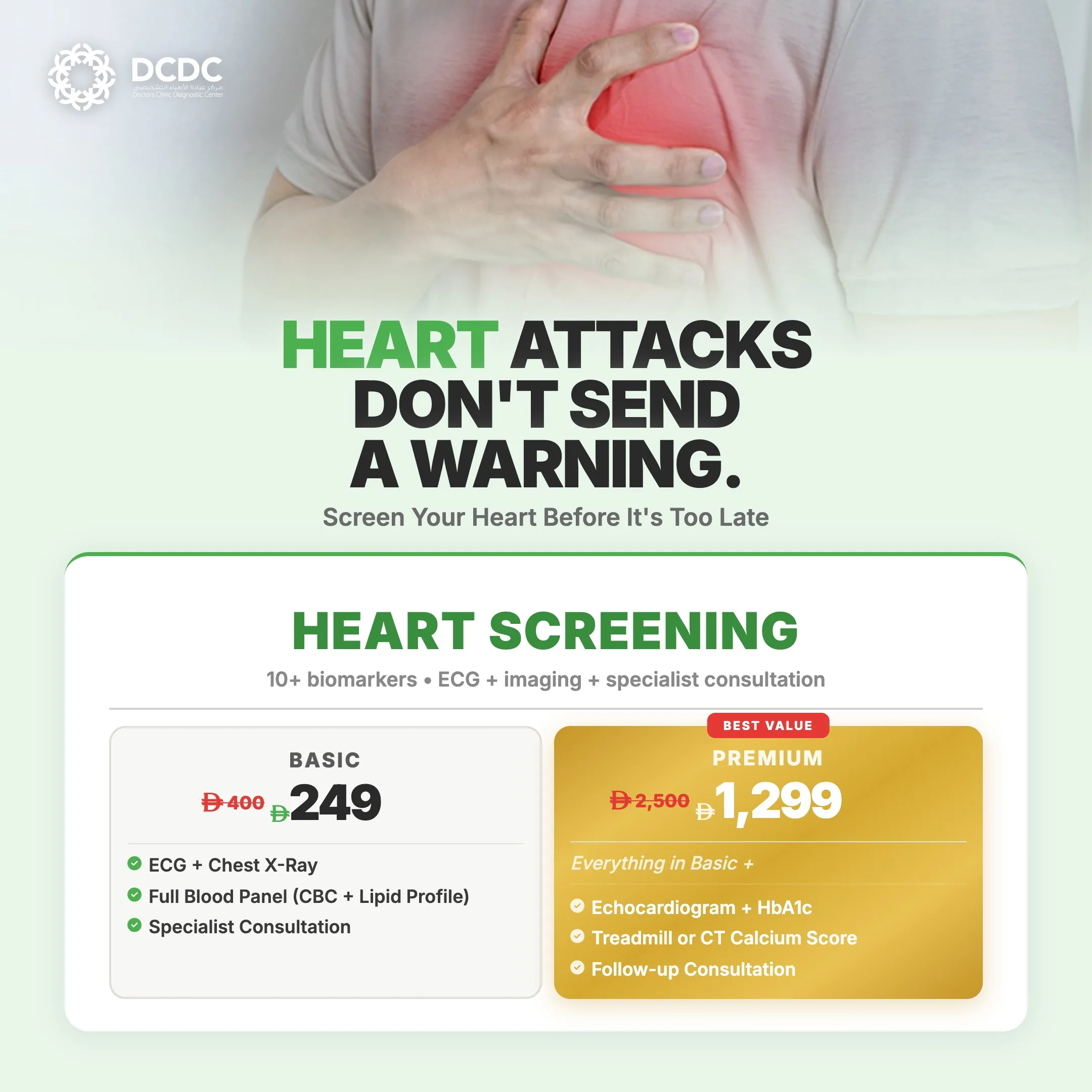
- DCDC offers ECG, echo, treadmill stress test, Holter monitoring and multi-slice CT calcium score and angiography on site, often with several tests completed in one visit
- A cardiology consultation is from AED 250 and includes a cardiovascular risk assessment, with results typically within 18 to 24 hours and same-day for urgent cases
- Most CAD is preventable: know your numbers, stop smoking, stay active, eat well, and seek urgent care (call 998) for severe or prolonged chest pain
Coronary artery disease is the most common form of heart disease and a leading cause of heart attacks, yet it often develops silently for years. Understanding your personal risk is the first step, and our heart risk assessment and prevention service at Doctors Clinic Diagnostic Center (DCDC) in Dubai Healthcare City is designed to help you do exactly that, before symptoms start.
This guide explains what coronary artery disease is, why Dubai residents face a particular risk profile, which warning signs matter, how the condition is diagnosed with tests available on site at DCDC, and what you can do to prevent it. It is written for general education and is not a substitute for a personal medical assessment.
What Is Coronary Artery Disease?
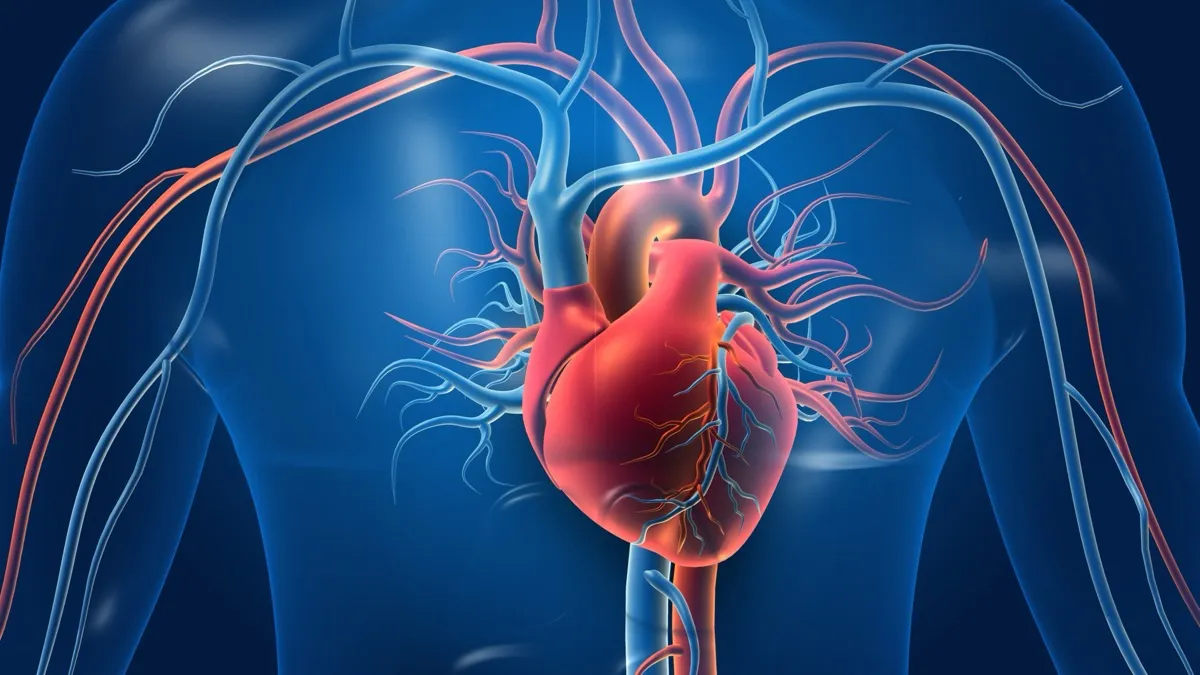
Your heart is a muscle that never rests, and like every other muscle it needs a constant supply of oxygen-rich blood. That supply arrives through the coronary arteries, a network of vessels that wrap around the surface of the heart. Coronary artery disease (CAD), also called coronary heart disease or ischaemic heart disease, develops when these arteries become narrowed or blocked, reducing the blood available to the heart muscle.
The underlying process is called atherosclerosis. Over years, fatty deposits made of cholesterol, inflammatory cells, calcium and cellular debris accumulate inside the artery wall. These deposits are known as plaque. Early plaque may cause no narrowing at all, because arteries can enlarge outwards to accommodate it. As plaque grows, it can restrict flow, especially when the heart is working harder during exercise or stress. This is the pattern that causes angina, a pressure-type chest discomfort that comes on with exertion and settles with rest.
The more dangerous event happens when the surface of a plaque ruptures. The body treats the rupture like an injury and forms a blood clot, which can block the artery abruptly. This is the usual mechanism behind a heart attack (myocardial infarction). Importantly, heart attacks can occur from plaques that were not severely narrowing the artery beforehand, which is why identifying plaque early, and not only tight blockages, matters so much.
How Atherosclerosis Develops
Atherosclerosis begins quietly, often in the teenage years and twenties. Injury to the inner lining of the artery, caused by high blood pressure, high LDL cholesterol, smoking, elevated blood sugar and chronic inflammation, allows cholesterol particles to enter the artery wall. Immune cells engulf them and turn into foam cells, forming fatty streaks. Over decades, these streaks become complex plaques with a fatty core and a fibrous cap. Some plaques gradually calcify, and calcium is something a CT scanner can measure directly. To understand how cholesterol types influence this process, see our guide to LDL vs HDL cholesterol.
Because the process is slow and silent, many people have significant coronary artery disease for years before their first symptom. That is why the causes and risk factors discussed below deserve attention long before any chest discomfort appears.
Who Is at Risk? CAD Risk Factors
The causes of coronary artery disease are multifactorial. Some risk factors cannot be changed, such as age, sex and family history. Others are modifiable, and these account for most of the preventable burden. Large international studies, including the INTERHEART study, have found that a small group of factors explains the majority of heart attack risk worldwide: abnormal cholesterol, smoking, diabetes, high blood pressure, abdominal obesity, psychosocial stress, low fruit and vegetable intake and low physical activity.
Non-Modifiable Risk Factors
- Age: risk rises steadily with age, and plaque accumulates over decades
- Sex: men tend to develop CAD earlier, while women's risk rises after menopause
- Family history: a father or brother diagnosed before 55, or a mother or sister before 65, raises your risk meaningfully
- Ethnicity: South Asian populations are recognised to develop CAD at younger ages and at lower body weights than many other groups, which is relevant in Dubai where South Asian residents form a large part of the community
- Inherited cholesterol disorders: familial hypercholesterolaemia causes very high LDL cholesterol from birth
Modifiable Risk Factors
- High LDL cholesterol and raised triglycerides: the main building blocks of plaque
- High blood pressure: damages the artery lining and accelerates plaque formation
- Diabetes and prediabetes: high glucose injures blood vessels and often travels with other risk factors
- Smoking and shisha: tobacco in any form damages the artery wall and promotes clotting
- Obesity, especially abdominal fat: drives insulin resistance, blood pressure and cholesterol problems
- Physical inactivity: weakens cardiovascular fitness and worsens every other risk factor
- Chronic stress and poor sleep: linked to higher blood pressure and unhealthy coping behaviours
- Chronic kidney disease and inflammatory conditions: raise cardiovascular risk independently
Why Dubai and the UAE Present a Distinct Risk Profile
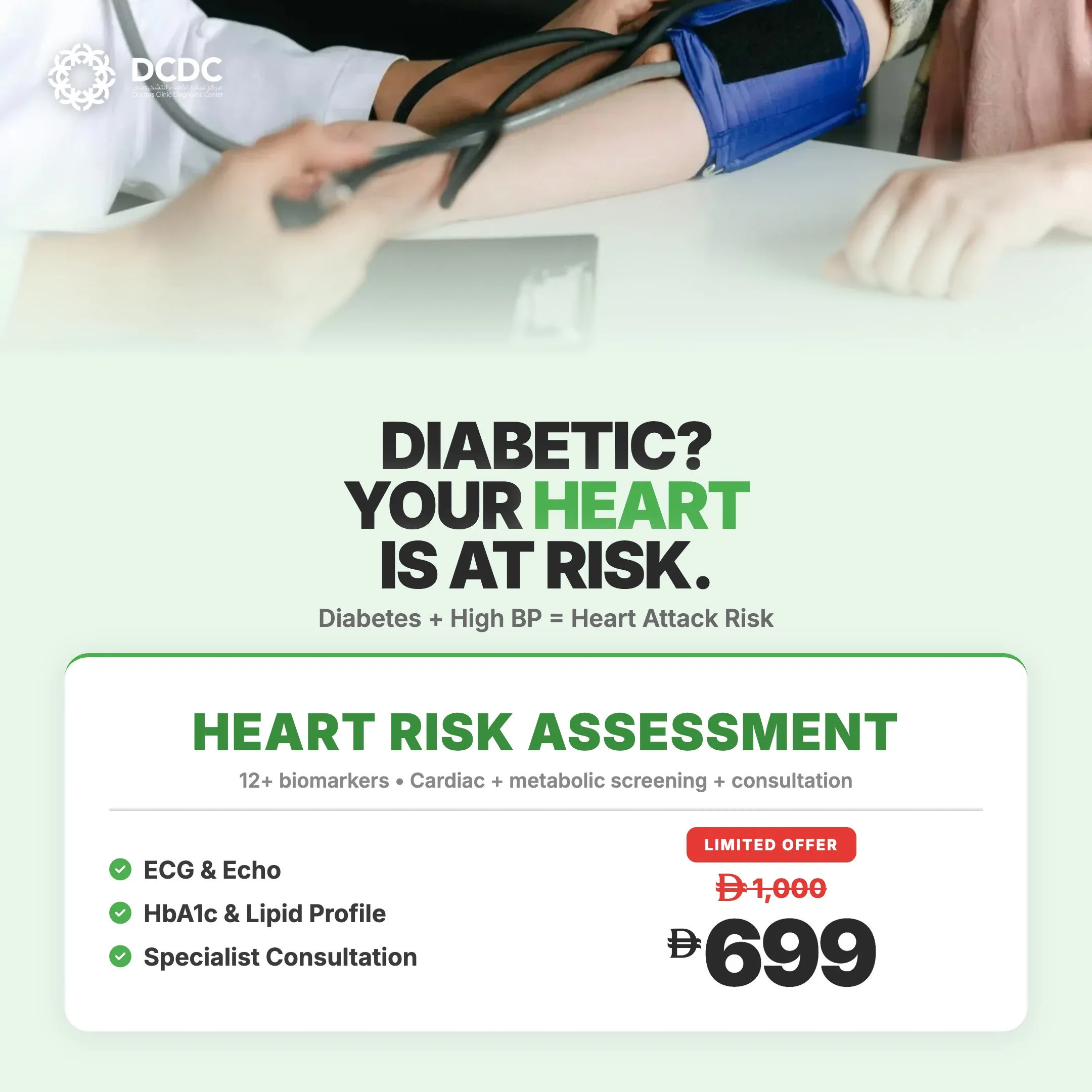
Cardiovascular disease is a leading cause of death in the UAE, and the local risk profile has several features worth understanding. Diabetes prevalence among UAE adults is roughly 15%, which is among the higher rates globally, and many more people live with undiagnosed prediabetes. Diabetes roughly doubles the risk of coronary disease, so this single factor shapes risk across the whole population. Our dedicated guide on diabetes and heart disease in Dubai explains the link in detail.
Obesity rates in the UAE are also high, and rich, calorie-dense food is easily available. Dubai's summer heat adds another layer: for several months of the year, outdoor walking, running and cycling become uncomfortable or unsafe, and many residents drive everywhere and work in air-conditioned offices. The result is a sedentary pattern that quietly erodes cardiovascular fitness. Residents who relocated from other countries may also have a genetic predisposition that was never assessed, as routine screening is not part of many people's lives.
Finally, CAD in this region tends to appear at a younger age than in many Western countries. Heart attacks in people in their thirties and forties are not rare, which is why waiting until you are in your fifties to ask about your risk may be too late for some people.
Warning Signs of Coronary Artery Disease
Many people with CAD have no symptoms until the disease is advanced, and the first symptom can be a heart attack. When symptoms do appear, they typically reflect the heart muscle not getting enough blood relative to its demand. For a deeper symptom review, see our guide to heart disease symptoms in Dubai.
Chest Pain or Pressure (Angina)
Classic angina is a pressure, tightness, squeezing or heaviness in the centre or left of the chest. It typically comes on with exertion, emotional stress or after a heavy meal, and eases within a few minutes of rest. Pain that is sharp, localised to a pinpoint, or changes with breathing or position is less typical of coronary disease, but it should still be assessed. Our article on chest pain causes and when to worry helps you tell the patterns apart.
Pain That Radiates
Discomfort may spread to the left arm, both arms, shoulders, neck, jaw, upper back or upper abdomen. Some people feel only the radiated discomfort, such as jaw tightness when climbing stairs, without noticing any chest sensation. These are common coronary artery blockage symptoms that are often misattributed to dental problems, muscle strain or indigestion.
Shortness of Breath and Fatigue
Breathlessness on exertion that is new or worse than before, and unusual tiredness with everyday activity, can be the only symptoms of CAD. These are especially common in women, older adults and people with diabetes, who may experience what are called atypical symptoms. Nausea, light-headedness and cold sweats can also occur.
When Symptoms Become an Emergency
Chest pain lasting more than a few minutes, pain with sweating, breathlessness, nausea or fainting, or pain that does not settle with rest requires immediate emergency care. Call 998 (Dubai Ambulance) or go to the nearest emergency department. Do not drive yourself, and do not wait for a clinic appointment.
How CAD Is Diagnosed at DCDC
Diagnosing coronary artery disease is a step-by-step process that starts with understanding your story and risk profile and then uses the least invasive test that answers your question. At Doctors Clinic Diagnostic Center (DCDC) in Dubai Healthcare City, the tests that are commonly needed are available on site, so most of the work can be done in a single visit. The following is what to expect.
What to Expect at DCDC: Your Patient Journey
- Arrival and parking: DCDC is in Building 64, Block A, Al Razi Medical Complex, Dubai Healthcare City. Parking is free, and the average wait time is around 15 minutes
- Cardiology consultation (from AED 250): the cardiologist reviews your symptoms, family history, medications and lifestyle, examines you, and performs a cardiovascular risk assessment, which is included with the consultation
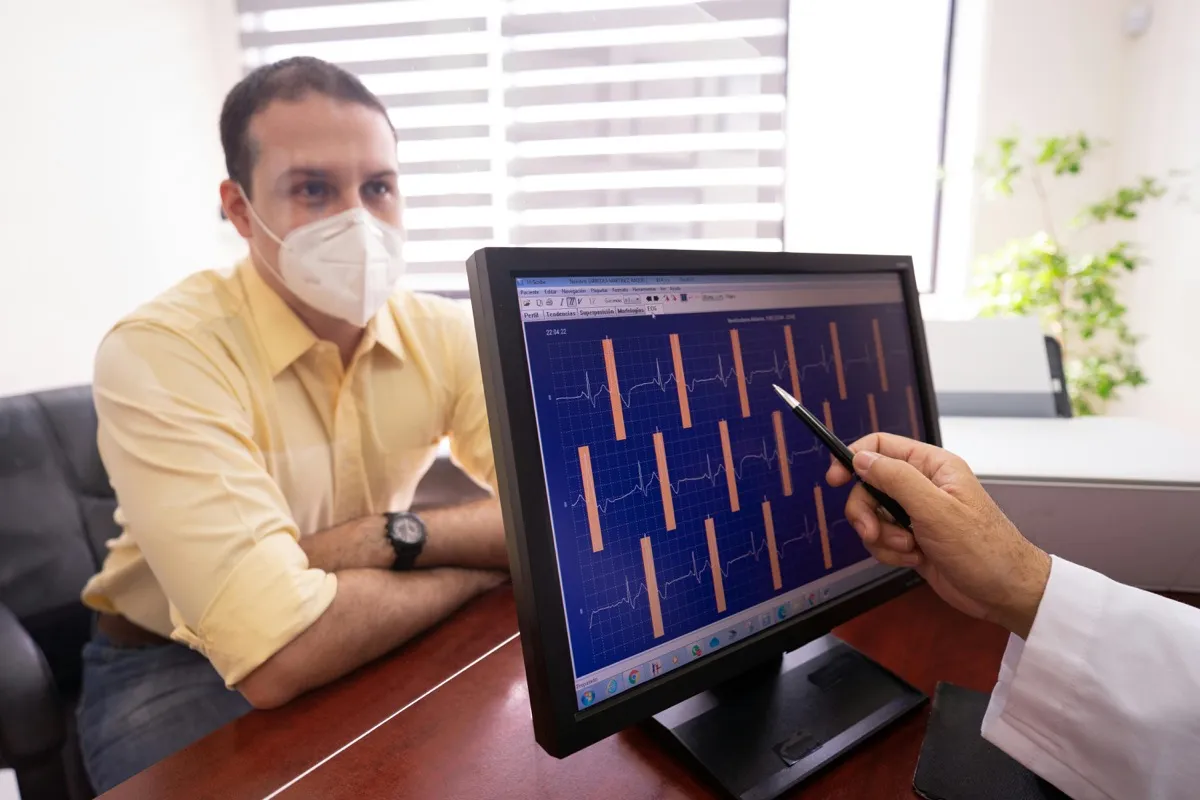
- On-site ECG: a resting electrocardiogram records the heart's electrical activity and can show signs of previous heart damage, rhythm problems or strain
- Echocardiogram: an ultrasound of the heart shows pumping strength, valve function and whether any part of the heart wall moves abnormally
- Treadmill stress test: an ECG recorded while you walk on a treadmill with gradually increasing effort, to see whether exertion provokes changes or symptoms suggestive of reduced blood flow
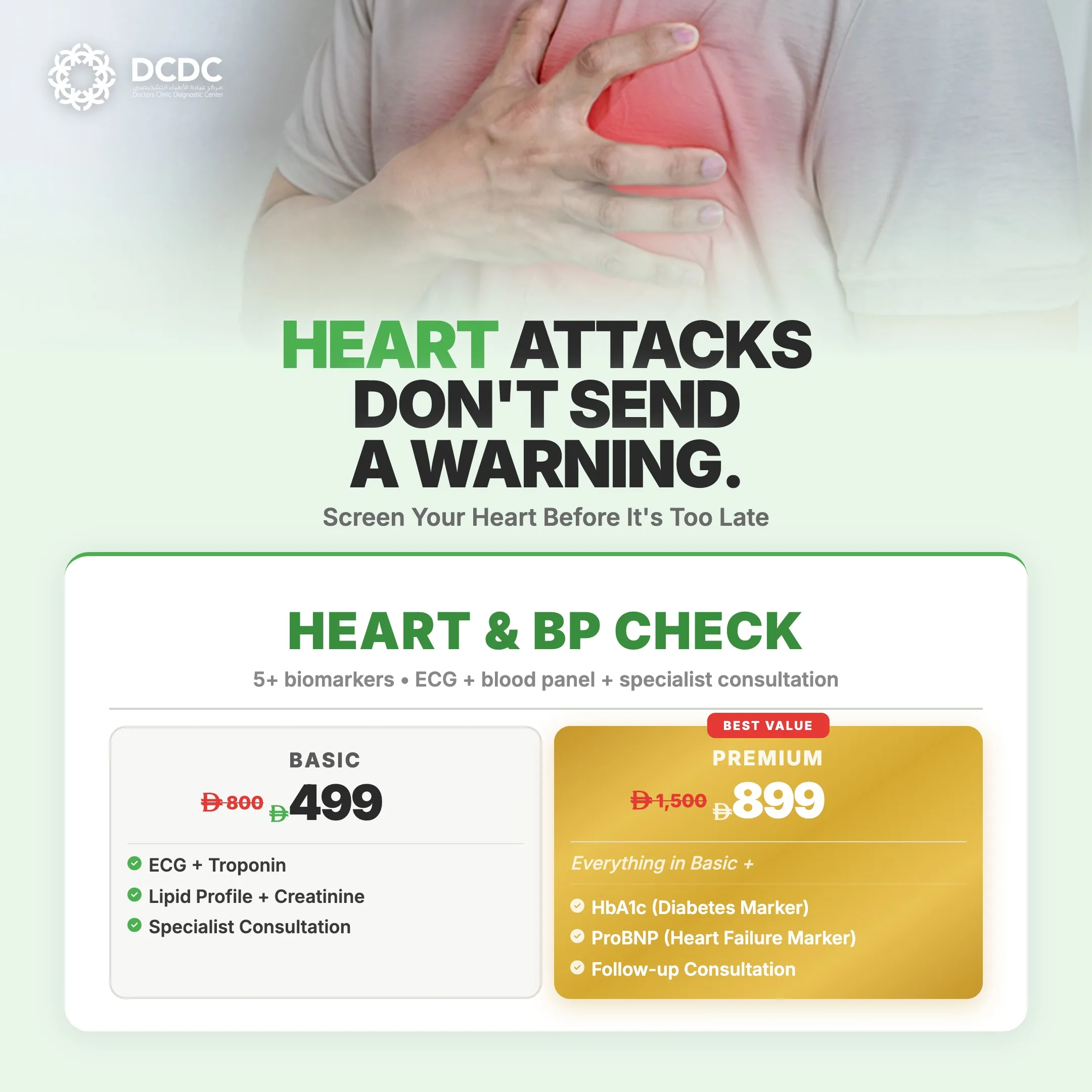
- Blood work: a lipid profile (AED 199), HbA1c (AED 149), and where relevant a troponin panel (AED 299), CRP (AED 149) and glucose (AED 99)
- CT calcium score or CT coronary angiogram, if needed: performed on DCDC's multi-slice CT scanner, on site
- Results and follow-up plan: results are typically available within 18 to 24 hours, with same-day results for urgent cases, followed by a clear explanation and a personalised plan
The clinic is open Saturday to Thursday from 8 AM to 10 PM and Friday from 9 AM to 9 PM. ECG, echocardiogram, blood work and stress testing are often completed in a single visit, which saves multiple trips. DCDC holds a Google rating of 4.8 out of 5 from more than 1,000 reviews, and direct billing is available with more than 20 insurance partners, so you should check your cover before you attend.
Resting ECG, Echocardiogram and Holter Monitoring
A resting ECG takes only a few minutes and is a useful baseline, but it can be completely normal in someone with significant CAD, so a normal result alone does not exclude the disease. An echocardiogram complements it by showing structure and function. If you have palpitations or intermittent symptoms that do not happen in the clinic, 24-hour Holter monitoring records your heart rhythm throughout a normal day and night and can capture episodes that a brief ECG misses.
Treadmill Stress Test
The stress test is a functional test. It asks whether your heart develops symptoms, ECG changes, abnormal blood pressure response or rhythm problems when working harder. It is useful for people with exertional symptoms and an intermediate likelihood of CAD, and it also shows your exercise capacity, which is itself a strong predictor of long-term health. It is less suitable for people who cannot walk on a treadmill or whose baseline ECG is abnormal, in which case your cardiologist may choose imaging instead.
CT Calcium Score vs CT Angiogram: Which Test?
These two CT tests are often confused, but they answer different questions. The coronary CT calcium score is a quick, non-contrast scan that measures the amount of calcified plaque in the coronary arteries and gives a number. A score of zero is reassuring for the short to medium term, while higher scores indicate more plaque and higher risk. It is mainly used to refine risk in people without symptoms. Our guide explains what your calcium score means, and a separate article covers the calcium score cost in Dubai.
The CT coronary angiogram (CTA) uses a contrast dye injected into a vein to visualise the inside of the coronary arteries. It shows both calcified and non-calcified plaque and can estimate how much an artery is narrowed. It is generally used for people with symptoms such as chest pain, or when other tests are unclear. For a full side-by-side explanation, read CTA vs calcium score.
In practice, your cardiologist chooses based on your symptoms and risk: a calcium score for a person with no symptoms but several risk factors or a strong family history, and a CTA for a person with symptoms suggestive of angina. Neither test is right for everybody, and your doctor will explain why one is recommended over the other. CT scans involve a small dose of radiation, and contrast dye requires a check of kidney function and allergy history beforehand.
Comparison Table: CAD Diagnostic Tests at DCDC
| Test | What It Shows | Time | Who Typically Needs It |
|---|---|---|---|
| Resting ECG | Heart rhythm, signs of strain or previous heart attack | About 10 minutes | Anyone with chest symptoms, palpitations or risk factors |
| Echocardiogram | Pumping function, valves and wall motion | About 30 minutes | People with breathlessness, abnormal ECG or suspected heart muscle problems |
| Treadmill stress test | Heart response to exertion; exercise capacity | About 30 to 45 minutes | People with exertional symptoms who can walk on a treadmill |
| 24-hour Holter monitor | Rhythm over a full day and night | 24 hours of wear | People with palpitations, dizziness or fainting |
| Blood tests (lipids, HbA1c, glucose, CRP, troponin) | Cholesterol, blood sugar control, inflammation, heart muscle injury | Collected in minutes; results in 18 to 24 hours | Everyone being assessed for CAD risk; troponin when symptoms suggest heart muscle injury |
| CT calcium score | Amount of calcified plaque in the coronary arteries | About 10 to 15 minutes | People without symptoms who have intermediate risk or strong family history |
| CT coronary angiogram (CTA) | Plaque and narrowing inside the coronary arteries | About 30 minutes in the department | People with symptoms or unclear test results |
Preventing Coronary Artery Disease
Atherosclerosis prevention is the most powerful tool against CAD. The principles are well established, and the earlier you start, the more benefit you gain. Prevention is not only for people with risk factors. Everyone benefits from the basics, and those with several risk factors benefit the most.
Nutrition
A Mediterranean-style pattern is well supported by research: plenty of vegetables, fruit, legumes, whole grains, nuts, olive oil and fish, with limited red and processed meat, sugary drinks and refined carbohydrates. Traditional Gulf and South Asian meals can be adapted easily: choose grilled rather than fried dishes, reduce portions of white rice and bread, add salad and pulses, and limit sweets and sugary coffee drinks. Cut back on salt, as high intake raises blood pressure.
Physical Activity
Aim for at least 150 minutes per week of moderate activity, such as brisk walking, cycling or swimming, plus two sessions of strength training. In Dubai's summer, use indoor options: air-conditioned malls, gyms, indoor pools, or early morning and late evening outdoor walks once temperatures drop. Even short walks after meals help control blood sugar.
Stopping Smoking
Quitting is the single most effective step for smokers. Risk drops significantly within a year and continues to fall over time. This applies to cigarettes, shisha, cigars and vaping, and to exposure to second-hand smoke. Ask your doctor about nicotine replacement and medication options that double the chance of success.
Stress, Sleep and Weight
Chronic stress and poor sleep contribute to higher blood pressure and unhealthy habits. Aim for seven to eight hours of sleep, and consider relaxation techniques, regular breaks and social connection. Even a modest weight loss of 5 to 10% improves blood pressure, cholesterol and blood sugar.
Know Your Numbers and Screen Regularly
You cannot manage what you do not measure. Know your blood pressure, LDL cholesterol, HbA1c and waist circumference. Adults over 40, and younger adults with diabetes, smoking, a family history of early heart disease or high cholesterol, should consider a structured risk assessment. A lipid profile at DCDC costs AED 199, HbA1c is AED 149 and glucose is AED 99. If your cholesterol is elevated, our guide on high cholesterol treatment in Dubai covers your options.
CAD Treatment Options
The goals of treatment are to relieve symptoms, slow or stabilise plaque, and prevent heart attacks. Most people are treated with a combination of approaches, and treatment is tailored to the severity of the disease and your overall health.
Lifestyle Treatment
Everything described in the prevention section remains the foundation of treatment. A structured exercise programme, a heart-healthy diet, stopping smoking and weight management reduce the risk of future events even in people who take medication.
Medication
Common medicines include statins and other cholesterol-lowering therapies to reduce LDL and stabilise plaque, antiplatelet drugs such as aspirin in selected people, blood pressure medication, beta blockers or other agents to control angina, and diabetes medicines that also protect the heart. Medication choices are individual, so never start or stop medicines, including aspirin, without medical advice.
Procedures and Referral
If tests show severe narrowing or if symptoms are not controlled with medication, procedures may be needed. Coronary angioplasty with stent placement opens blocked arteries, and coronary artery bypass surgery is used for complex or multi-vessel disease. These are performed at hospitals with cardiac catheterisation and surgical facilities. DCDC is a diagnostic and outpatient clinic, so where an intervention is needed, your cardiologist will explain the options and refer you to an appropriate hospital team, then continue your follow-up afterwards.
Worried About Your Coronary Artery Disease Risk?
Find out where you stand with a cardiology consultation from AED 250 that includes a cardiovascular risk assessment. On-site ECG, echo, stress test, blood work and multi-slice CT, with free parking and an average wait of 15 minutes. Open Saturday to Thursday 8 AM to 10 PM, Friday 9 AM to 9 PM. Learn more about our heart risk assessment and prevention service, or WhatsApp us to book your appointment.
Related Services at DCDC
Expert care and advanced diagnostics at Dubai Healthcare City
Frequently Asked Questions
Final Thoughts
Coronary artery disease is common, often silent for years, and strongly shaped by factors that can be changed. In Dubai, where diabetes, obesity and sedentary habits are widespread, understanding your own risk is among the most valuable health steps you can take. The earlier plaque is found, the more options you have to slow it down.
A structured assessment combines your history and risk factors with simple, accessible tests, and moves to CT imaging only where it will change decisions. Combined with the lifestyle foundations of good food, regular movement, no tobacco and good sleep, this approach can prevent many heart attacks.
To discuss your risk, book a consultation at DCDC in Dubai Healthcare City. This article is for general information and does not replace personal medical advice. If you have emergency symptoms, call 998 immediately.
Sources & References
This article references the following sources:
- World Health Organization - Cardiovascular Diseases Fact Sheet
- American Heart Association - Atherosclerosis
- American Heart Association - Coronary Artery Disease
- NHS - Coronary Heart Disease
- NHS - Coronary Heart Disease Causes
- Cleveland Clinic - Coronary Artery Disease
- PubMed - Effect of potentially modifiable risk factors associated with myocardial infarction in 52 countries (INTERHEART)
- International Diabetes Federation - UAE Diabetes Report
This information is educational and does not replace individual medical advice. See our editorial policy for more information.

Written by
Dr. Shahoo Mazhari
Cardiology
MD, Cardiology
Dr. Shahoo Mazhari is a Cardiologist at Doctors Clinic Diagnostic Center (DCDC) in Dubai Healthcare City.
Related Articles
Heart Disease Symptoms Dubai: 8 Signs to Watch
Calcium Score Test: What Your Score Means

Diabetes and Heart Disease Dubai: Risk Guide

Heart Screening Dubai: Checkup Packages & Prevention

LDL vs HDL Cholesterol Dubai: Guide
More in Cardiology
DVT Symptoms Dubai: Blood Clot Warning Signs (2026)
Read More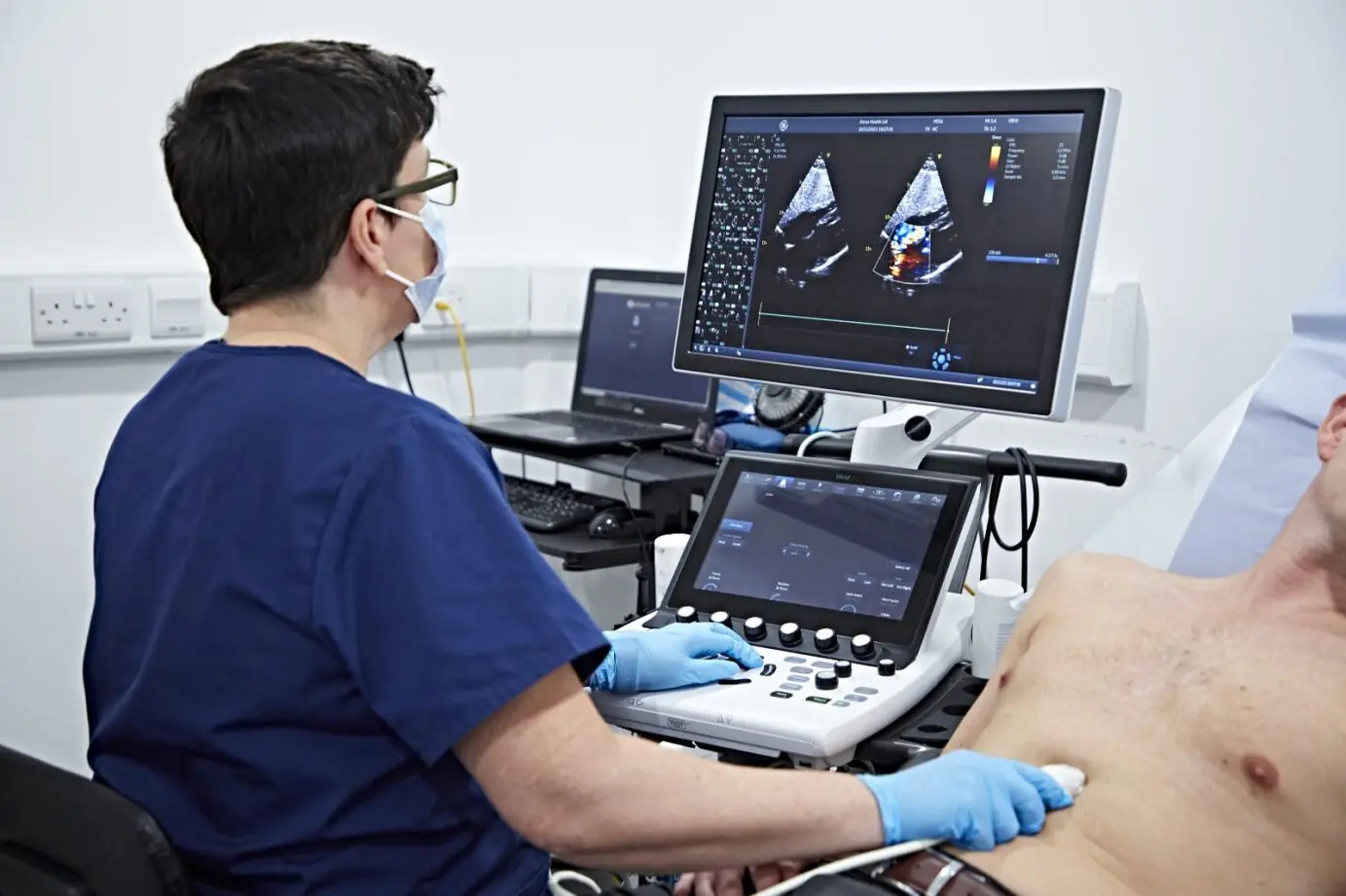
Heart Valve Disease Dubai: Signs & Guide (2026)
Read More
Heart-Healthy Foods: Diet Tips Dubai (2026)
Read MorePeripheral Artery Disease Dubai: Symptoms (2026)
Read MoreSmartwatch ECG vs Medical ECG Dubai (2026)
Read More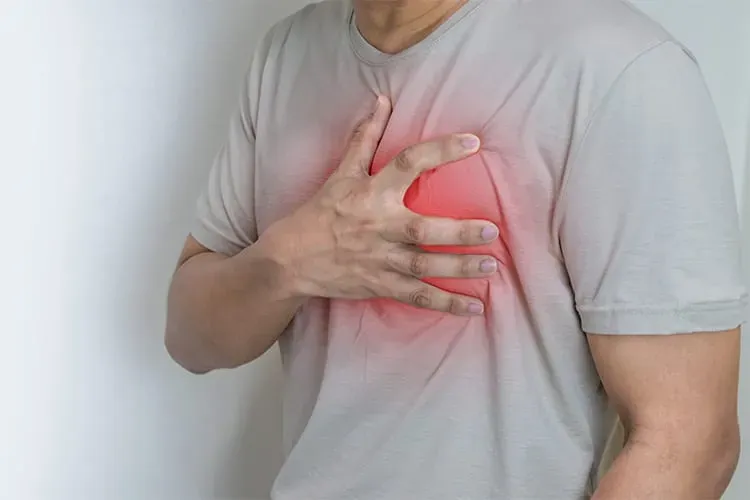
Heart Disease in Women Dubai: Warning Signs (2026)
Read More© 2026 Doctors Clinic Diagnostic Center (DCDC), Dubai Healthcare City. Originally published at https://doctorsclinicdubai.ae/blog/coronary-artery-disease-risks-dubai. All rights reserved. Unauthorized reproduction is prohibited.