Key Takeaways
- DVT is a blood clot in a deep vein, usually in the leg, and most often causes swelling, pain, warmth, and redness in one leg.
- Some clots cause few or no symptoms, so risk factors matter as much as signs.
- Long-haul flights, dehydration, desk-bound work, surgery, pregnancy, and estrogen-containing hormones can all raise risk.
- Emergency warning signs: sudden shortness of breath, sharp chest pain, fainting, or coughing up blood. Call 999 immediately.
- A venous Doppler ultrasound is a painless, radiation-free test that confirms or rules out a leg clot.
- DCDC offers on-site Doppler ultrasound and laboratory tests, with same-day appointments frequently available and extended hours.
Knowing the DVT symptoms that signal a blood clot in the leg can help you act before a serious complication develops, and a venous Doppler ultrasound is the standard test that confirms or rules out a clot. Deep vein thrombosis (DVT) happens when a clot forms in a deep vein, most often in the calf or thigh, and it can cause swelling, pain, warmth, and redness in one leg. If part of the clot travels to the lungs it can cause a pulmonary embolism, which is an emergency. This guide explains the warning signs, who is at risk in Dubai, how DVT is diagnosed at Doctors Clinic Diagnostic Center (DCDC) in Dubai Healthcare City, and how to lower your risk.
This article is for general information and does not replace medical advice. If you have sudden breathlessness or chest pain, call 999 now.
What Is Deep Vein Thrombosis?
Deep vein thrombosis (DVT) is a condition in which a blood clot, called a thrombus, forms in one of the deep veins of the body. These veins run through the muscles and carry blood back toward the heart. Most DVTs develop in the calf or thigh, although clots can also form in the pelvis, the arms, or other deep veins.
Blood clotting is a normal and protective process. When you cut your skin, clotting stops the bleeding. The problem begins when a clot forms inside a vein without a good reason, or fails to dissolve as it should. Doctors often describe three factors that make this more likely, known as Virchow's triad: slow blood flow (stasis), damage or irritation of the vein wall, and blood that clots more easily than usual. Prolonged sitting, surgery, injury, pregnancy, hormones, and some medical conditions can each affect one or more of these factors.
A clot in a deep vein can partially or completely block blood flow in the leg. That causes the swelling and pain that people notice. The more serious concern is that part of the clot can break away, travel through the bloodstream to the lungs, and block an artery there. This is called a pulmonary embolism (PE), and it is a medical emergency. DVT and PE are considered two forms of the same condition, venous thromboembolism.
DVT is different from superficial vein problems such as visible varicose veins or surface phlebitis, although they can sometimes coexist. If you are unsure which applies to you, read our guide to varicose veins and when they need attention.
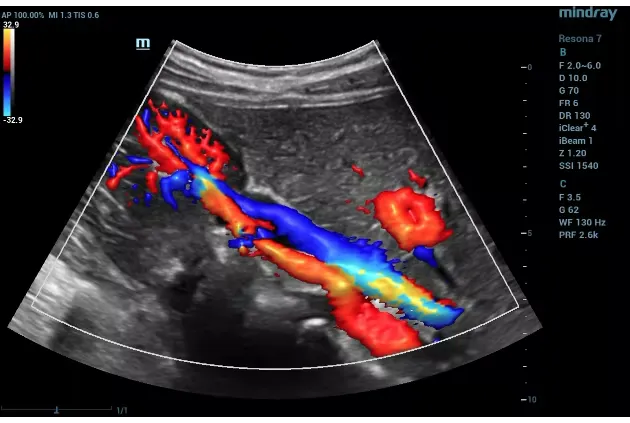
Because the symptoms of DVT can be subtle, and because many people with a clot in the leg notice few or no symptoms, a physical examination alone is not reliable. Imaging with venous Doppler ultrasound is the standard way to confirm or rule out a clot. For a deeper look at how the scan works, see our article on Doppler ultrasound for DVT detection.
DVT Warning Signs: Symptoms You Should Not Ignore
DVT symptoms usually affect one leg, and they often appear over hours to a few days. The signs below are the ones doctors look for first. Having one of them does not mean you have a clot, but having several, especially on one side only, is a reason to be assessed promptly.
Common Signs of a Blood Clot in the Leg
- Swelling in one leg, ankle, or foot that is new and unexplained. A noticeably larger calf or thigh compared with the other leg is a key clue.
- Pain or tenderness in the calf or thigh. It is often described as a cramp, a deep ache, or soreness that does not ease with rest and may be worse when you stand, walk, or flex the foot upward.
- Warmth over the painful or swollen area, which feels warmer than the skin of the other leg.
- Red, purplish, or darker skin discoloration over the affected area.
- Prominent surface veins in the affected leg, or skin that looks tight and shiny from swelling.
- A heavy or tired feeling in one leg that is out of proportion to your activity.
Many people first assume that these changes are a pulled muscle or cramp. Leg cramps are very common and are usually harmless, so it helps to know how they differ. Our guide to leg cramps, their causes, and treatment explains the usual patterns.
Silent DVT
Some clots cause no clear symptoms at all. In these cases the first sign can be a complication such as a pulmonary embolism. This is one reason why people with strong risk factors, such as recent surgery, a recent long flight with other risks, or a personal history of clots, should have a low threshold for seeking assessment if anything feels different in a leg.
Emergency Signs: When a Clot May Have Reached the Lungs
Call emergency services (999 in the UAE) or go to the nearest emergency department immediately if you have any of the following, particularly if you also have leg swelling or pain:
- Sudden shortness of breath that is unexplained
- Sharp chest pain that is worse when you breathe in or cough
- A fast heartbeat or a feeling of palpitations
- Light-headedness, fainting, or collapse
- Coughing up blood
- Unusual sweating or a sense of impending doom
Do not drive yourself if you feel faint or severely short of breath. For more on breathlessness, see our overview of the causes of shortness of breath, and for chest symptoms see our guide on when chest pain should worry you.
Chest pain has many causes, from muscle strain to heart attack to pulmonary embolism. Only a medical assessment can sort them out, so do not wait to see if it settles.
Who Is at Risk for DVT?
Anyone can develop DVT, but risk rises when one or more of the factors below are present. Several of them are especially relevant to life in Dubai and the wider UAE.
Long-Haul Flights and Travel
Dubai is one of the world's busiest international hubs, and many residents and visitors take flights of six hours or more. Sitting for long periods in a confined seat slows blood flow in the legs. Clots linked to travel are sometimes called economy class syndrome, although they can happen in any seat and on long car, bus, or train journeys too. The risk is higher if you are travelling with other risk factors, such as recent surgery, pregnancy, hormonal medication, or a history of clots. Symptoms can appear during the journey or in the days to weeks afterwards, so a swollen or painful leg after a long flight deserves attention.
Hot Climate and Dehydration
Long summers, outdoor heat, air-conditioned indoor environments, and fasting can all contribute to low fluid intake. Dehydration makes blood thicker and may make clotting more likely, especially when combined with sitting for long periods. Staying hydrated is a simple measure that supports healthy circulation.
Sedentary Lifestyle and Desk Work
Long hours at a desk, in a car, or in front of a screen mean the calf muscles are not working to pump blood upward. Regular movement is one of the best protections for your leg veins. If your legs also feel heavy or have visible veins, you may want to read about peripheral artery disease and circulation problems, which can look similar but have different causes.
Other Established Risk Factors
- Recent surgery, especially orthopedic surgery on the hip or knee, or abdominal and pelvic surgery
- Recent hospitalization or prolonged bed rest, including after illness or injury
- Pregnancy and the first weeks after delivery
- Hormonal contraceptives or hormone replacement therapy that contain estrogen
- Obesity, which increases pressure on the veins of the pelvis and legs
- A personal or family history of DVT or pulmonary embolism
- Inherited clotting disorders, which your doctor can test for if your history suggests it
- Active cancer or cancer treatment
- Leg injury, a cast, or reduced mobility of a limb
- Smoking and older age
Having a risk factor does not mean you will develop a clot. It means you should know the warning signs and take sensible preventive steps. If several factors apply to you, a cardiology consultation is a practical way to review your overall vascular risk.
DVT vs Muscle Strain: How to Tell the Difference
A pulled calf muscle and a DVT can feel alike at first. The table below lists typical differences. It is a general guide only. If you cannot tell, or if you have risk factors, get examined, because a visual check cannot exclude a clot.
| Feature | DVT (Blood Clot) | Muscle Strain or Cramp |
|---|---|---|
| Onset | Often gradual over hours to days, sometimes with no clear cause | Usually sudden, linked to exercise, a twist, or a specific movement |
| Swelling | Common, usually one leg, may involve the whole calf or thigh | Mild and localized, if present at all |
| Pain pattern | Deep ache or cramp that persists at rest and may worsen on standing | Sharp when the muscle is used; eases with rest |
| Warmth and color | Warm skin, possible redness or darker discoloration | Possible bruising at the injury site, usually not warm all over |
| Response to rest | Often does not improve, may worsen | Improves over days with rest and stretching |
| Risk context | Recent flight, surgery, immobility, pregnancy, hormones | Recent sport or unusual physical effort |
| Action needed | Prompt medical assessment and Doppler ultrasound | Usually self-care; see a doctor if it does not settle |
General comparison; only a clinical assessment and imaging can confirm the cause
The Dangerous Complication: Pulmonary Embolism
Pulmonary embolism occurs when a piece of a clot, called an embolus, breaks off from a deep vein, travels to the lungs, and blocks one or more pulmonary arteries. This reduces blood flow to part of the lung and can strain the heart. Depending on the size of the clot, a PE can range from mild to life-threatening.
Symptoms of PE can appear suddenly. They include unexplained shortness of breath, chest pain that sharpens when you inhale, a rapid pulse, cough, light-headedness, and in more severe cases fainting. Some people with PE have no leg symptoms at all, because the leg clot may be small or unnoticed.
PE is treatable, and early treatment improves outcomes. That is why it matters to act on leg symptoms and not wait. If you think you may have a PE, go to an emergency department or call 999 immediately. DCDC is an outpatient diagnostic center and is not an emergency department, so emergencies should not be brought to the clinic first.
For suspected DVT without breathing or chest symptoms, same-day assessment at an outpatient center is often appropriate, and early diagnosis and treatment of a leg clot lower the chance that it travels to the lungs.
How DVT Is Diagnosed at DCDC
Doctors Clinic Diagnostic Center (DCDC) is located in Building 64, Block A, Al Razi Medical Complex, Dubai Healthcare City. Everything needed to assess a suspected clot is under one roof: specialist consultation, on-site ultrasound, and laboratory testing. Here is what the visit usually looks like.
Step 1: Walk In or Book the Same Day
You can book through WhatsApp, phone, or by walking in. Same-day appointments are frequently available, which matters when a leg symptom is new. We are open Saturday to Thursday from 8 AM to 10 PM and Friday from 9 AM to 9 PM, so extended hours help if your concern arises in the evening. Parking is free, and the average wait is about 15 minutes.
Step 2: Consultation and Examination
The doctor asks about your symptoms, when they began, recent travel or surgery, medications including hormonal contraceptives, and your personal and family history of clots. The leg is examined for swelling, tenderness, warmth, and skin changes. Clinicians often combine these findings into a clinical probability, which guides which tests are needed. A cardiology consultation is available from AED 250 if a vascular specialist's view is helpful.
Step 3: Venous Doppler Ultrasound
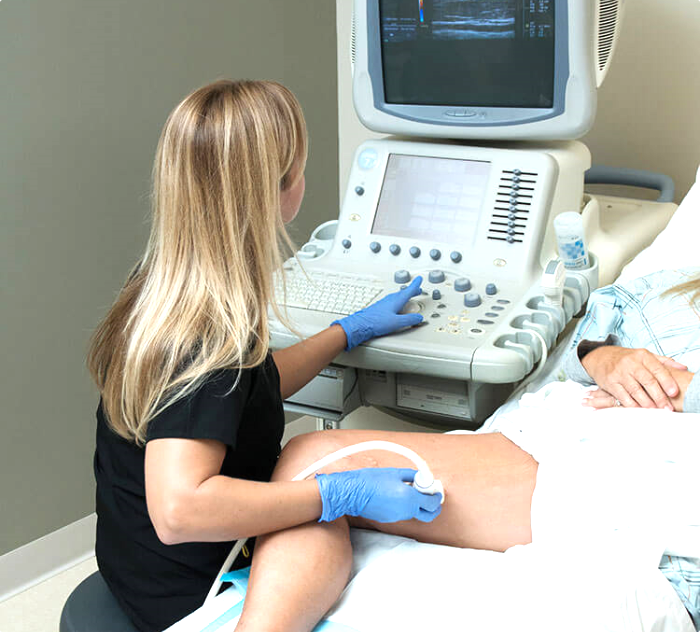
The main test for DVT is venous Doppler ultrasound, sometimes called a compression ultrasound. A trained sonographer places a probe with gel on the skin and presses gently along the veins of the leg. A healthy vein compresses easily; a vein with a clot does not. Doppler adds a view of the blood flow and shows whether it is slowed or blocked. The test is non-invasive, painless, uses no radiation, and requires no special preparation. DCDC performs Doppler ultrasound on-site for general, vascular, and musculoskeletal indications.
Step 4: D-dimer and Other Blood Tests if Needed
If your clinical probability is low or moderate, the doctor may order a D-dimer blood test. D-dimer is a substance released when a clot breaks down. A normal result in a low-risk patient makes DVT unlikely, but a raised level is not specific, because it also rises with infection, pregnancy, recent surgery, and inflammation, so it is not enough on its own to confirm a clot. D-dimer and other blood tests can be run in the on-site laboratory. A CRP test, an inflammation marker that can help when the cause of leg pain or swelling is unclear, is available from AED 149. An on-site ECG can be done if your symptoms include chest discomfort or a fast heartbeat.
Step 5: Results and Treatment Plan
Results are generally available within 18 to 24 hours, and the same day for urgent cases. If a clot is confirmed, the doctor explains the findings, discusses blood-thinning (anticoagulant) treatment, which is the standard treatment for DVT, and arranges follow-up and any onward referral. If no clot is found, the doctor will look at other causes of leg swelling or pain such as muscle injury, venous insufficiency, or a cyst, and advise on the next step.
Because imaging, laboratory, and specialist input are in one place, you do not need to travel between several facilities. DCDC works with more than 20 insurance partners with direct billing, and coverage depends on your plan. Our Google rating is 4.8 out of 5 from over 1,000 reviews. You can read more about the test itself on our venous Doppler ultrasound service page.
Prevention Strategies
Not every clot can be prevented, but many can be made less likely with simple habits. Which measures suit you depends on your risk level, so discuss them with your doctor if you have risk factors.
Travel Tips
- Walk the aisle every one to two hours on long flights, when it is safe to do so
- Do seated exercises: ankle circles, foot pumps, and calf raises
- Choose an aisle seat if possible and avoid crossing your legs for long periods
- Wear loose clothing and avoid tight waistbands
- Consider graduated compression stockings if you have risk factors, after checking with your doctor
- On long road trips, stop and walk every one to two hours
Hydration and Lifestyle
- Drink water regularly, especially in hot weather, while travelling, and when fasting outside meal times
- Limit excess alcohol, which contributes to dehydration
- Keep a healthy weight
- Stop smoking
- Keep active with walking, swimming, or cycling most days
Movement at Work
If you work at a desk, stand and walk for a couple of minutes every hour. Calf raises under the desk, a standing desk, and walking meetings all help the calf muscle pump push blood out of the legs.
After Surgery, Injury, or Hospital Stay
Hospitals assess clot risk for many patients and may use early walking, compression devices, or blood-thinning injections or tablets. Follow your surgeon's instructions closely, and report new leg swelling or pain after discharge. Do not stop or start blood thinners without medical advice.
Hormones and Pregnancy
If you use estrogen-containing contraceptives or hormone therapy, tell your doctor about any personal or family history of clots before you start. During pregnancy and after delivery, report leg swelling that is one-sided or painful. Do not stop a prescribed medicine on your own. Speak to your doctor first.
DVT Symptoms vs Other Conditions: Comparison Table
Leg swelling and pain have many causes. This table shows how DVT compares with other common conditions. It is a guide for conversation with your doctor, not a way to self-diagnose.
| Condition | Typical Signs | Usually Affects | How It Is Assessed |
|---|---|---|---|
| Deep vein thrombosis | Swelling, deep ache, warmth, redness; often one leg | One leg, usually the calf or thigh | Clinical assessment, venous Doppler ultrasound, D-dimer |
| Muscle strain or cramp | Sharp or tight pain linked to activity; improves with rest | One muscle group | Clinical examination |
| Varicose veins or venous insufficiency | Visible twisted veins, heavy aching legs, evening swelling | Often both legs | Clinical examination, venous Doppler ultrasound |
| Peripheral artery disease | Leg pain when walking that eases with rest, cool or pale skin | Usually both legs, calves or thighs | Ankle-brachial index, arterial Doppler |
| Cellulitis | Spreading redness, warmth, tenderness, sometimes fever | Usually one leg | Clinical examination, blood tests such as CRP |
| Baker's cyst | Swelling and fullness behind the knee | One knee | Ultrasound |
| Pulmonary embolism (complication) | Sudden breathlessness, chest pain, fast heartbeat | Lungs; may follow a leg clot | Emergency assessment; CT pulmonary angiography |
Overlap between conditions is common; imaging may be needed to tell them apart
Worried About a Blood Clot in Your Leg?
If you have new leg swelling, pain, or warmth, do not wait. Visit Doctors Clinic Diagnostic Center in Dubai Healthcare City for a consultation and venous Doppler ultrasound with on-site laboratory support. Same-day appointments are frequently available. If you have sudden shortness of breath or chest pain, call 999 instead.
Open Sat to Thu 8 AM to 10 PM, Fri 9 AM to 9 PM. Free parking.
Related Services at DCDC
Expert care and advanced diagnostics at Dubai Healthcare City
Frequently Asked Questions
Final Thoughts
A new swollen, painful, or warm leg is worth taking seriously, especially after a long flight, surgery, or a period of inactivity. DVT is treatable, and early diagnosis lowers the chance of complications such as pulmonary embolism. The most important step is not to wait and hope the symptoms disappear.
At DCDC in Dubai Healthcare City, you can see a doctor, have a venous Doppler ultrasound, and get blood tests in one visit, with same-day appointments frequently available. Call or message us on WhatsApp to book, and remember that sudden breathlessness or chest pain needs emergency care at once.
Sources & References
This article references the following sources:
- NHS - Deep vein thrombosis (DVT)
- Mayo Clinic - Deep vein thrombosis: Symptoms and causes
- Cleveland Clinic - Deep Vein Thrombosis (DVT)
- American Heart Association - What Is Venous Thromboembolism (VTE)?
- PubMed - Deep vein thrombosis diagnosis and management literature
- NCBI Bookshelf - Deep Venous Thrombosis (StatPearls)
This information is educational and does not replace individual medical advice. See our editorial policy for more information.

Written by
Dr. Hadeel Elnur
General Practitioner
MD, General Practice
Dr. Hadeel Elnur is a General Practitioner at Doctors Clinic Diagnostic Center (DCDC) in Dubai Healthcare City.
Related Articles
Doppler Ultrasound for DVT: Deep Vein Detection

Varicose Veins Treatment Dubai: Options & Cost
Peripheral Artery Disease Dubai: Symptoms
Shortness of Breath Dubai: Causes & Help
Chest Pain Dubai: Causes & When to Worry
More in Cardiology
Coronary Artery Disease Dubai: Risks & Care (2026)
Read More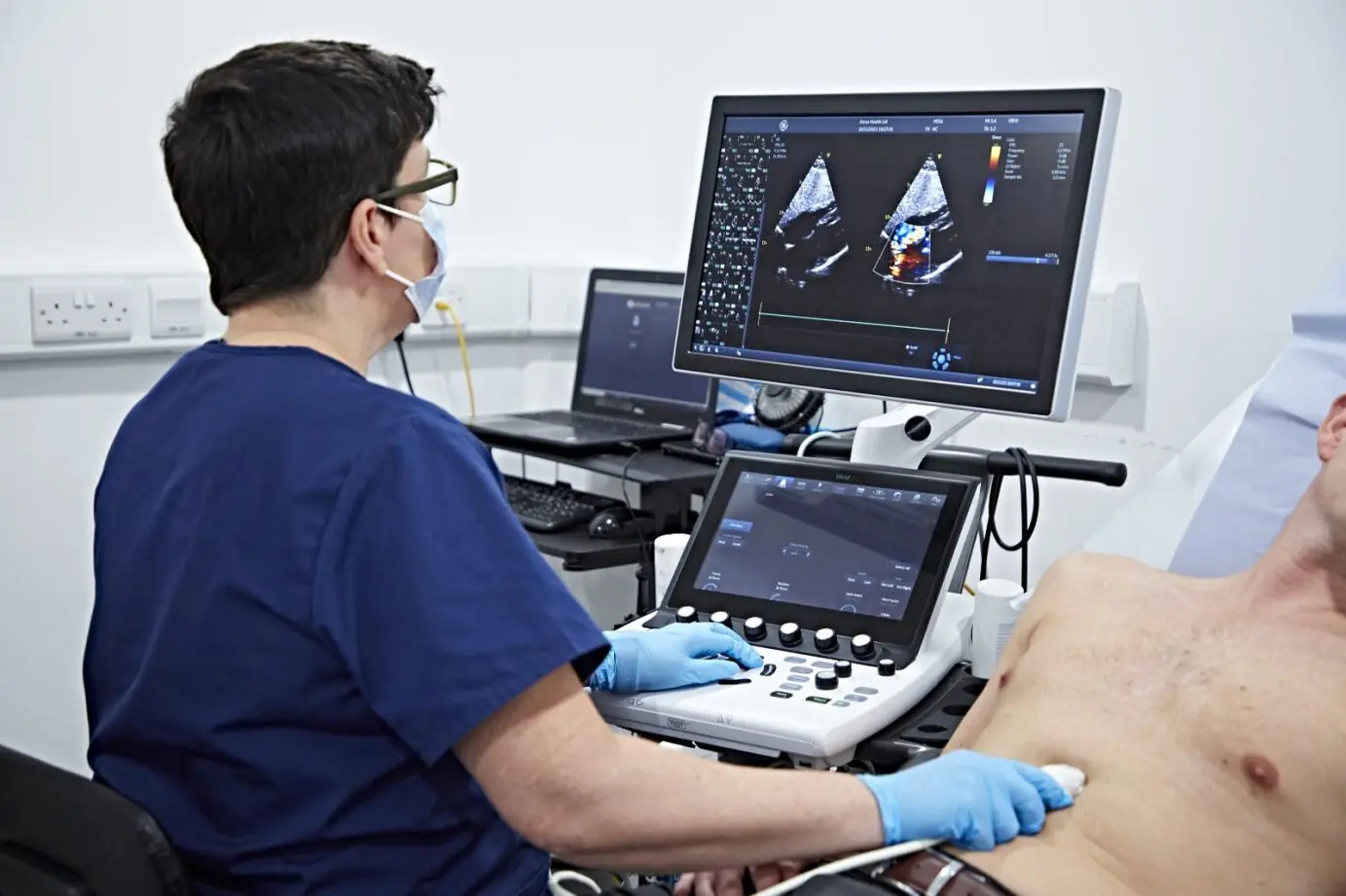
Heart Valve Disease Dubai: Signs & Guide (2026)
Read More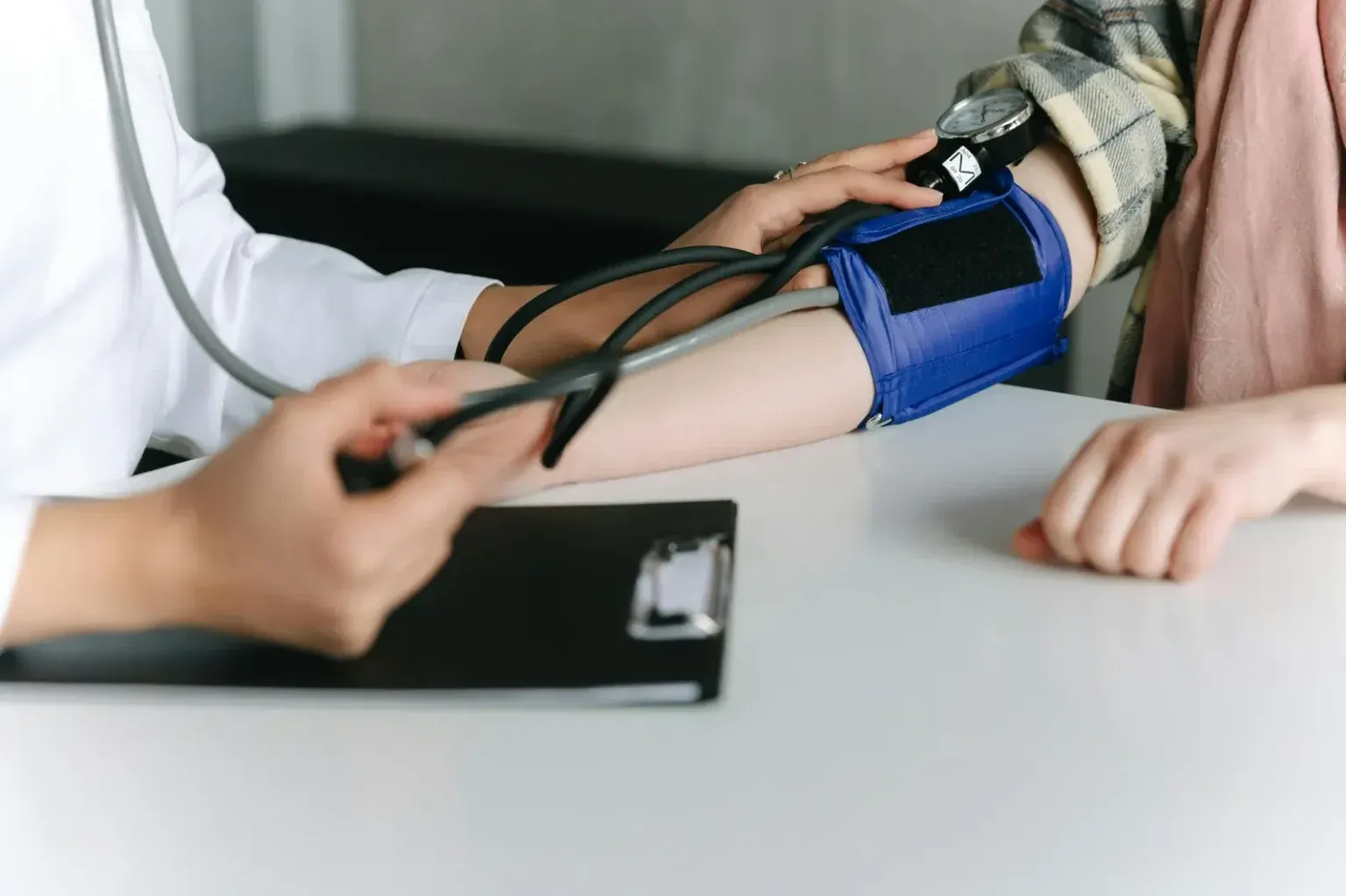
Heart-Healthy Foods: Diet Tips Dubai (2026)
Read MorePeripheral Artery Disease Dubai: Symptoms (2026)
Read More
Smartwatch ECG vs Medical ECG Dubai (2026)
Read MoreHeart Disease in Women Dubai: Warning Signs (2026)
Read More© 2026 Doctors Clinic Diagnostic Center (DCDC), Dubai Healthcare City. Originally published at https://doctorsclinicdubai.ae/blog/dvt-deep-vein-thrombosis-symptoms-dubai. All rights reserved. Unauthorized reproduction is prohibited.