Key Takeaways
- A smartwatch ECG records a single electrical lead (Lead I) while a medical ECG uses 12 leads to view your heart from multiple angles. The two tests serve fundamentally different clinical purposes.
- Smartwatch ECGs are FDA-cleared for atrial fibrillation screening with 98.3% sensitivity in classifiable recordings, but they cannot detect heart attacks, ischemia or complex arrhythmias.
- A 12-lead medical ECG remains the diagnostic standard for chest pain, suspected heart attack, ST-segment changes, chamber enlargement and pre-surgical cardiac clearance.
- If your smartwatch flags an irregular rhythm, persistent fast heart rate above 120 bpm at rest or symptoms such as chest pain, breathlessness or dizziness, see a cardiologist for a clinical ECG.
- At DCDC in Dubai Healthcare City, a cardiology consultation from AED 250 includes an on-site ECG with same-day echocardiogram and stress testing available when needed.
- A smartwatch is a useful screening tool that can prompt timely medical evaluation, but it is not a replacement for the diagnostic depth of a clinical 12-lead ECG.
Smartwatches from Apple, Samsung and other manufacturers now offer built-in ECG apps that can record your heart rhythm in 30 seconds from your wrist. The technology is impressive, but it raises a question many Dubai residents ask after seeing an alert on their watch: is this the same as the ECG my doctor does? The short answer is no. A smartwatch ECG and a medical 12-lead ECG measure the same electrical activity but from very different perspectives, and each has distinct strengths and blind spots. This guide compares the two, explains what each can and cannot detect, and helps you decide when a cardiology consultation at DCDC is the right next step.
With wearable health technology now part of daily life in the UAE, understanding the gap between consumer-grade and clinical-grade cardiac monitoring matters more than ever. Atrial fibrillation alone affects roughly two percent of the general population and up to 12 percent of adults over 75, and undiagnosed AF raises stroke risk fivefold. A smartwatch can flag potential problems early, but the clinical decisions that follow still depend on the richer data a medical ECG provides.
How Smartwatch ECG Technology Works
Every smartwatch ECG uses the same basic principle as a hospital ECG: it measures the tiny electrical signals your heart produces with each beat. The difference lies in how many perspectives it captures. A smartwatch records from a single electrical vector, equivalent to Lead I in clinical terminology. You place a finger on the watch crown or button, creating a circuit between your two arms through the watch sensors. The device records approximately 30 seconds of data and uses an algorithm to classify the rhythm as sinus rhythm, atrial fibrillation or inconclusive.
Single-Lead Recording Explained
A single-lead recording captures one slice of your heart's electrical activity — the voltage difference between your left and right arms. Think of it as looking at a building from one window: you can see the front wall clearly, but you cannot see the sides, the back or the roof. This single view is enough to detect the chaotic, disorganised rhythm of atrial fibrillation because AF disrupts the overall pattern visible from any angle. However, it cannot identify problems that are localised to specific regions of the heart, such as a blocked artery affecting the inferior wall or ischemia in the lateral wall.
FDA Clearance and Clinical Validation
The Apple Watch ECG app received FDA De Novo clearance in 2018 based on a study of 602 participants. In classifiable recordings, it achieved 98.3 percent sensitivity and 99.6 percent specificity for detecting atrial fibrillation. However, when unclassifiable recordings were included, sensitivity dropped to 85.2 percent and specificity to 90.5 percent. The landmark Stanford Apple Heart Study, published in the New England Journal of Medicine in 2019, found a positive predictive value of 84 percent for AF among users who received an irregular rhythm notification. Samsung Galaxy Watch ECG has similar regulatory clearance in multiple markets. These are strong screening numbers, but they come with an important caveat: the devices are cleared as screening tools for AF only, not as diagnostic devices for the full range of cardiac conditions.
How a Medical 12-Lead ECG Works
A standard medical ECG uses 10 electrodes placed on your chest, arms and legs to create 12 different views of your heart's electrical activity. The entire recording takes about 10 seconds and is interpreted by a cardiologist. Where a smartwatch sees one angle, a 12-lead ECG captures the full three-dimensional electrical field of the heart.
Why 12 Leads Matter
Each lead views a specific region of the heart. Leads II, III and aVF look at the inferior wall (bottom of the heart). Leads V1 through V6 look across the front of the heart from right to left. Leads I and aVL view the lateral wall. This multi-angle approach means a 12-lead ECG can pinpoint exactly where a problem is occurring. If you are having a heart attack caused by a blockage in the right coronary artery, for example, the inferior leads will show characteristic ST-segment elevation while the other leads remain normal or show reciprocal changes. A smartwatch simply cannot provide this spatial resolution.
Diagnostic Capabilities of a 12-Lead ECG
- Myocardial infarction (heart attack) — detects ST-segment elevation and depression that indicate acute coronary events
- Ischaemia — identifies reduced blood flow to specific heart regions before permanent damage occurs
- Arrhythmias — classifies complex rhythm disorders including ventricular tachycardia, heart block and Wolff-Parkinson-White syndrome
- Chamber enlargement — reveals left or right atrial enlargement and ventricular hypertrophy
- Conduction abnormalities — measures PR, QRS and QT intervals to detect bundle branch blocks and prolonged QT syndrome
- Electrolyte imbalances — shows characteristic waveform changes caused by abnormal potassium, calcium or magnesium levels
- Drug effects — identifies ECG changes caused by medications including digoxin, beta-blockers and antiarrhythmics
Smartwatch ECG vs Medical ECG: Key Differences
The following table summarises the core differences between a consumer smartwatch ECG and a clinical 12-lead ECG. Understanding these distinctions helps you interpret what your wearable is telling you and when to seek professional evaluation.
| Feature | Smartwatch ECG | Medical 12-Lead ECG |
|---|---|---|
| Number of leads | 1 (Lead I equivalent) | 12 (full cardiac mapping) |
| Recording time | 30 seconds | 10 seconds (all leads simultaneously) |
| Electrode placement | Wrist and finger | Chest, arms and legs (10 electrodes) |
| AF detection | FDA-cleared, 98.3% sensitivity | Gold standard, detects all AF types |
| Heart attack detection | Not capable | Diagnostic standard for STEMI and NSTEMI |
| Ischaemia detection | Not capable | Yes — ST-segment analysis across regions |
| Complex arrhythmias | Limited | Full classification capability |
| Chamber enlargement | Not assessable | Yes — voltage criteria across leads |
| QT interval measurement | Unreliable | Precise measurement for drug safety |
| Interpretation | Algorithm classification only | Cardiologist interpretation |
| Clinical use | Screening tool | Diagnostic tool |
| Availability | Anytime, anywhere | Clinic or hospital visit required |
| Typical cost in Dubai | AED 1,100–3,500 (device purchase) | From AED 250 (included in consultation) |
Smartwatch ECG vs 12-lead medical ECG comparison — Dubai 2026
What a Smartwatch ECG Can Detect
Atrial Fibrillation Screening
AF screening is the strongest validated use case for smartwatch ECGs. Atrial fibrillation produces an irregular, chaotic rhythm that is visible even on a single-lead tracing. Because smartwatches can monitor passively throughout the day and prompt on-demand recordings when an irregularity is detected, they catch episodes of paroxysmal AF that might be missed between clinic visits. This matters because AF is often asymptomatic — many people have no idea their heart is in an irregular rhythm until a stroke occurs. A smartwatch alert for AF should always be confirmed with a Holter monitor or clinical ECG, but the early warning itself has genuine clinical value.
Heart Rate and Rhythm Monitoring
Beyond the ECG app, smartwatches continuously track heart rate using optical sensors (photoplethysmography). They can alert you to unusually high resting heart rates, low heart rates or irregular rhythms throughout the day and during sleep. This passive monitoring provides trend data that can be useful during a cardiology consultation. Sharing a week of heart rate data with your cardiologist gives them context that a single clinic visit cannot capture.
What a Smartwatch ECG Cannot Detect
The limitations of single-lead technology are significant, and understanding them could be lifesaving. A smartwatch ECG showing "sinus rhythm" does not mean your heart is healthy — it means one specific measurement, from one angle, at one moment in time, looked normal.
Heart Attacks and Ischaemia
Detecting a heart attack requires seeing ST-segment changes across multiple leads to localise the affected artery and determine the extent of damage. A single-lead smartwatch ECG cannot reliably identify ST elevation or depression. A study published in JAMA Cardiology found that while a smartwatch algorithm could classify MI with 93 to 95 percent accuracy in a research setting, the investigators themselves described this as "proof of principle" and not yet clinically applicable. If you experience chest pain, pressure, jaw pain, left arm pain or sudden breathlessness, call emergency services immediately. Do not wait for your smartwatch to confirm or deny a heart attack — it cannot.
Complex Arrhythmias and Conduction Disorders
Ventricular tachycardia, heart block, Wolff-Parkinson-White syndrome and other complex rhythm disorders require multi-lead analysis for accurate classification. A smartwatch may detect that your heart rate is abnormally fast or slow, but it cannot distinguish between benign and dangerous causes. Ventricular tachycardia, for example, is a potentially life-threatening rhythm that can look deceptively similar to other fast rhythms on a single lead. Only a 12-lead ECG viewed by a trained cardiologist can make this distinction reliably.
Structural Heart Problems
Chamber enlargement, ventricular hypertrophy and valve-related electrical changes require voltage analysis across multiple leads. These findings often prompt further investigation with an echocardiogram, but the 12-lead ECG is the first test to raise the suspicion. A smartwatch offers no information about cardiac structure.
When to See a Cardiologist After a Smartwatch Alert
Your smartwatch is a screening tool, and like any screening tool, it can produce both helpful alerts and false alarms. Knowing when to act is crucial. If your smartwatch shows any of the following, book a cardiology consultation rather than waiting to see if it happens again.
See a Cardiologist Promptly
- Repeated atrial fibrillation readings on two or more occasions
- Resting heart rate consistently above 100 bpm or below 50 bpm without an obvious cause such as exercise or fitness training
- Irregular rhythm notifications accompanied by palpitations, dizziness, breathlessness or fatigue
- Unexplained drops in heart rate during the night flagged by your watch
- A single AF reading if you are over 65, have high blood pressure, diabetes or a family history of stroke
Call Emergency Services Immediately
- Chest pain, tightness or pressure — regardless of what the smartwatch shows
- Sudden severe breathlessness at rest
- Fainting or near-fainting episodes
- Pain radiating to the jaw, left arm or between the shoulder blades
A normal smartwatch ECG during chest pain does not rule out a cardiac emergency. The device cannot see the leads that would show inferior, posterior or lateral wall ischaemia. When in doubt, seek emergency care.
Concerned About a Smartwatch Heart Alert?
Book a cardiology consultation at DCDC in Dubai Healthcare City. On-site ECG, echocardiogram and stress testing available — often on the same day as your consultation.
Call +971 54 219 5008 or WhatsApp +971 50 970 3884
What to Expect at DCDC for an ECG Test
If your smartwatch has flagged something that warrants follow-up, here is exactly what happens when you visit Doctors Clinic Diagnostic Center in Dubai Healthcare City for a cardiac evaluation.
Arrival and Check-In
DCDC is located in Building 64, Block A of the Al Razi Medical Complex in Dubai Healthcare City, with free dedicated on-site parking. Same-day appointments are frequently available, and the clinic is open Saturday to Thursday until 10 PM and Friday until 9 PM. Check-in includes insurance verification — DCDC works with 20 or more insurance partners and handles pre-authorisation on your behalf.
The Clinical ECG and Consultation
A resting 12-lead ECG takes only a few minutes and is performed on-site during your consultation. Ten adhesive electrodes are placed on your chest, wrists and ankles. You lie still for about 10 seconds while the machine records. The results are available immediately and your cardiologist reviews them with you during the same visit. If you have smartwatch recordings saved on your phone, bring them — they provide useful context about your heart rhythm over time, even though they are not diagnostically equivalent to the clinical ECG.
Same-Day Advanced Testing
One of the advantages of DCDC is the one-visit diagnostics approach. If your ECG shows findings that need further investigation, your cardiologist can order an echocardiogram, treadmill stress test or 24-hour Holter monitor on the same day. This means faster answers and fewer return visits. A cardiovascular risk assessment covering blood pressure, lipid profile, family history and lifestyle factors is included with every cardiology consultation.
Results and Follow-Up
ECG results are discussed during your consultation. Echocardiogram and stress test results are typically ready within 18 to 24 hours. Blood test results for cardiac biomarkers, cholesterol and glucose are available the same day for routine panels. Your cardiologist will explain findings in plain language, outline a treatment plan if needed, and schedule follow-up as appropriate. Reports are also accessible through the DCDC patient portal.
ECG Test Cost in Dubai (2026)
Understanding the cost comparison between a smartwatch ECG and a clinical ECG helps put the investment in perspective.
| ECG Option | Cost | What You Get |
|---|---|---|
| Smartwatch with ECG (one-time purchase) | AED 1,100–3,500 | Unlimited single-lead recordings, AF screening, no clinical interpretation |
| Standalone ECG at a Dubai clinic | AED 80–400 | 12-lead recording, technician-performed, report within 24 hours |
| DCDC cardiology consultation (includes ECG) | From AED 250 | 12-lead ECG, cardiologist interpretation, risk assessment, same-day advanced tests if needed |
ECG cost comparison in Dubai — 2026
At DCDC, a cardiology consultation from AED 250 includes an on-site resting ECG as part of the evaluation. This means you receive both the recording and expert cardiologist interpretation in one visit. Most major insurance plans in Dubai cover cardiology consultations when medically indicated, and DCDC provides direct billing with more than 20 insurers including Daman, AXA, Bupa, MetLife and Cigna.
A smartwatch costs significantly more upfront than a single clinical ECG visit, though it provides ongoing monitoring capability. The two are not substitutes but rather complementary: the smartwatch screens continuously at home, and the clinical ECG provides diagnostic answers when screening raises a question. For a detailed breakdown of ECG testing options and pricing in Dubai, see our ECG test guide.
The Bottom Line: Complement, Not Replace
The American Heart Association and the European Society of Cardiology both position wearable ECG devices as screening tools that complement clinical testing. They are not replacements. A smartwatch can prompt you to seek care you might otherwise delay, and that early nudge can genuinely save lives — particularly for undiagnosed atrial fibrillation, where the first symptom is sometimes a stroke.
However, the comfort of a "normal" smartwatch reading should never discourage you from seeking professional evaluation when symptoms are present. Chest pain with a normal smartwatch ECG still needs emergency assessment. Persistent palpitations still need a cardiologist. The device is a valuable addition to your health toolkit, but the toolkit still needs the right tool for each job.
Related Services at DCDC
Expert care and advanced diagnostics at Dubai Healthcare City
Frequently Asked Questions
Final Thoughts
Smartwatch ECG technology represents a genuine advance in consumer health monitoring. The ability to screen for atrial fibrillation from your wrist and share recordings with your doctor has moved cardiac screening from periodic clinic visits into daily life. For AF detection specifically, the accuracy data is strong and the clinical value is real.
But knowing what the technology cannot do matters just as much as knowing what it can. A single-lead wrist recording does not view enough of your heart to diagnose heart attacks, assess ischaemia, classify complex arrhythmias or evaluate structural changes. When symptoms are present or when your smartwatch raises a concern, the next step is a clinical evaluation with a 12-lead ECG. At DCDC in Dubai Healthcare City, a cardiology consultation from AED 250 gives you the full diagnostic picture — on-site ECG, same-day echo and stress testing when needed, and expert interpretation from a cardiologist. Call +971 54 219 5008 or WhatsApp to book your appointment.
Sources & References
This article references the following sources:
- FDA - De Novo Classification Request for ECG App (DEN180044)
- Perez MV et al. - Large-Scale Assessment of a Smartwatch to Identify Atrial Fibrillation (NEJM 2019)
- World Health Organization - Cardiovascular Diseases Fact Sheet
- American Heart Association - Atrial Fibrillation
- Seshadri DR et al. - Accuracy of Apple Watch for Detection of Atrial Fibrillation (Circulation 2020)
This information is educational and does not replace individual medical advice. See our editorial policy for more information.

Written by
DCDC Editorial Team
Healthcare Content
Medical Editorial Board
The DCDC Editorial Team produces evidence-based health content reviewed for clinical accuracy. Our team works with specialist physicians at Doctors Clinic Diagnostic Center in Dubai Healthcare City.
Related Articles

ECG Test Dubai: Cost, Types & Results (2026)
ECG vs Echocardiogram: Differences Explained (2026)
Holter Monitor Test in Dubai: Complete Guide
Heart Palpitations Dubai: Causes & Help (2026)
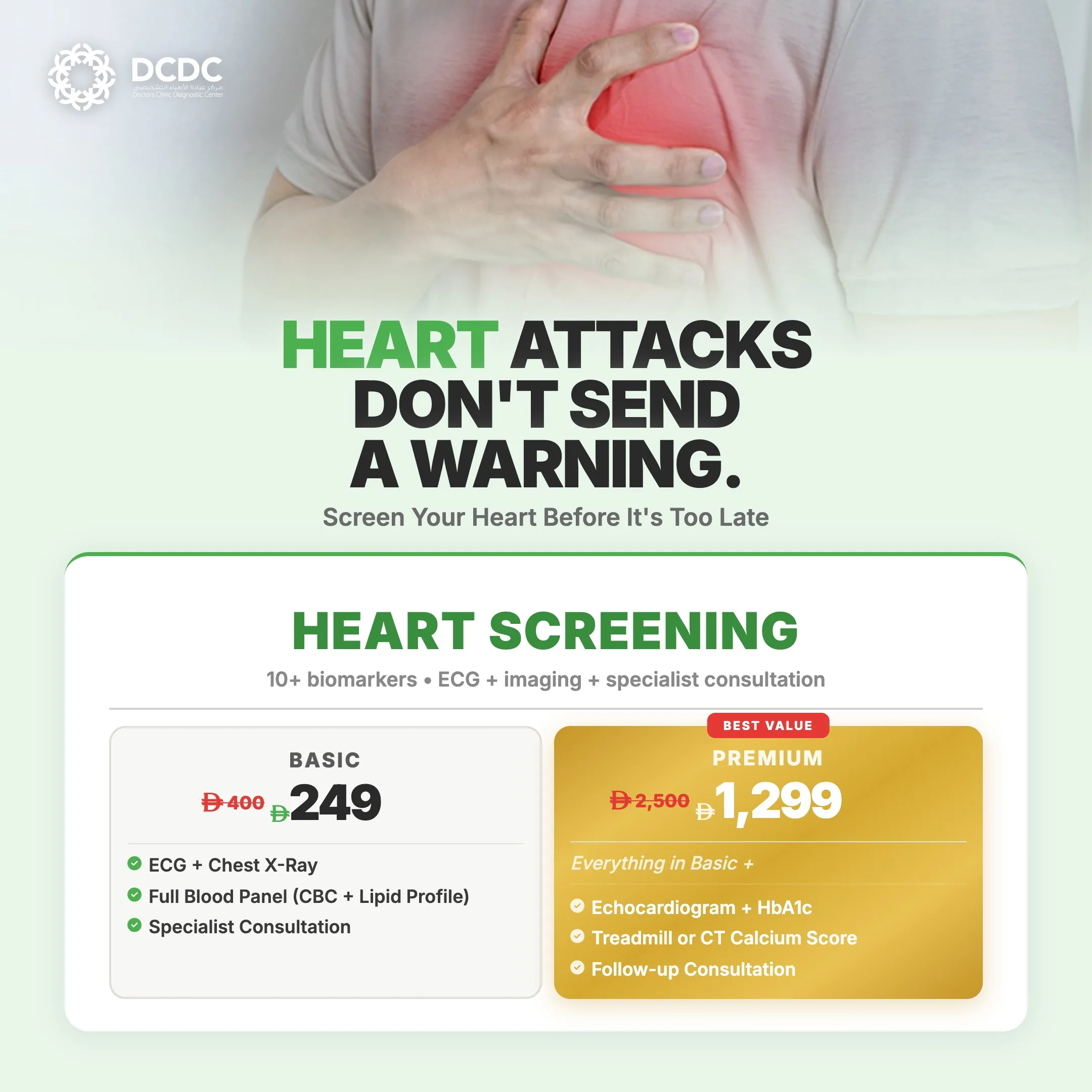
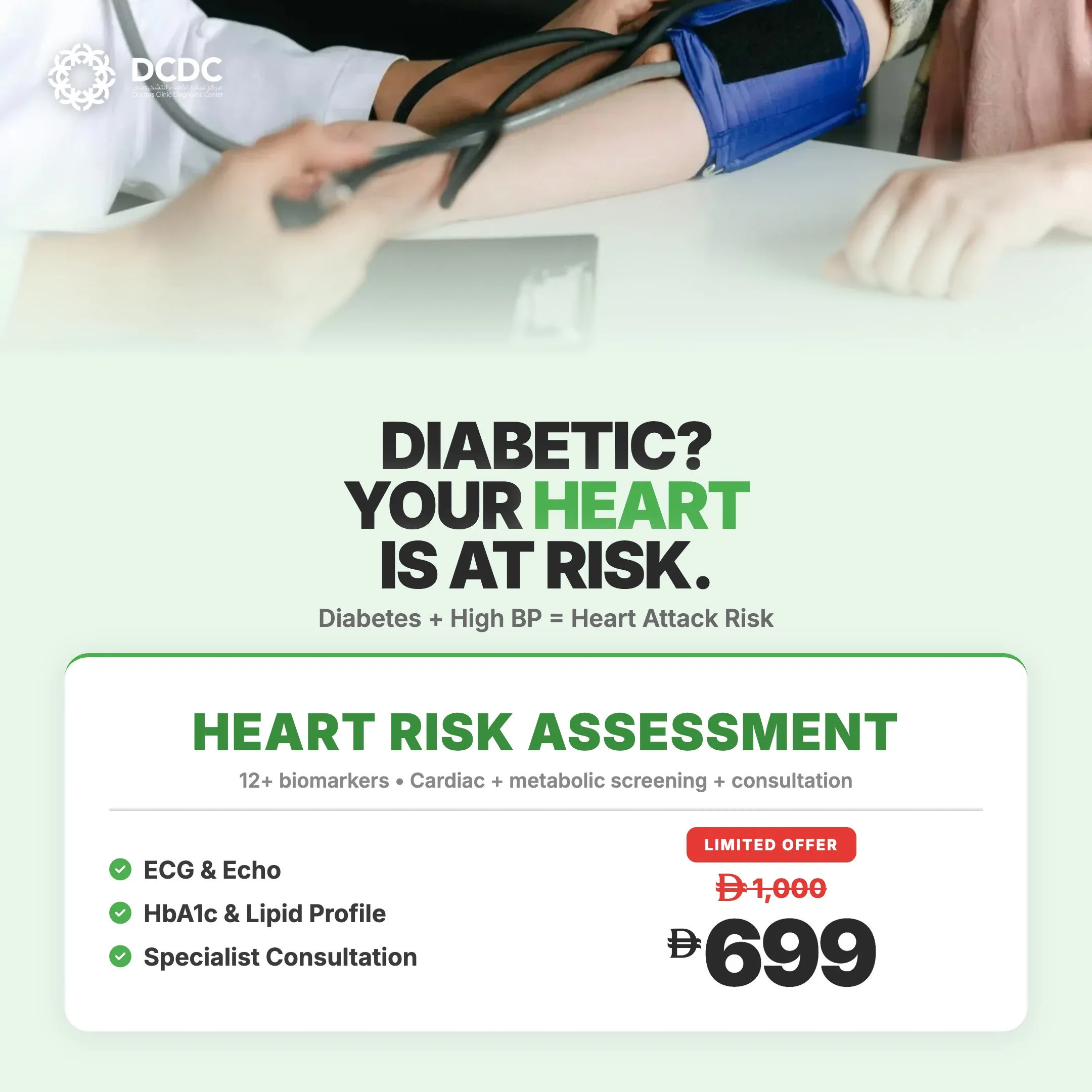
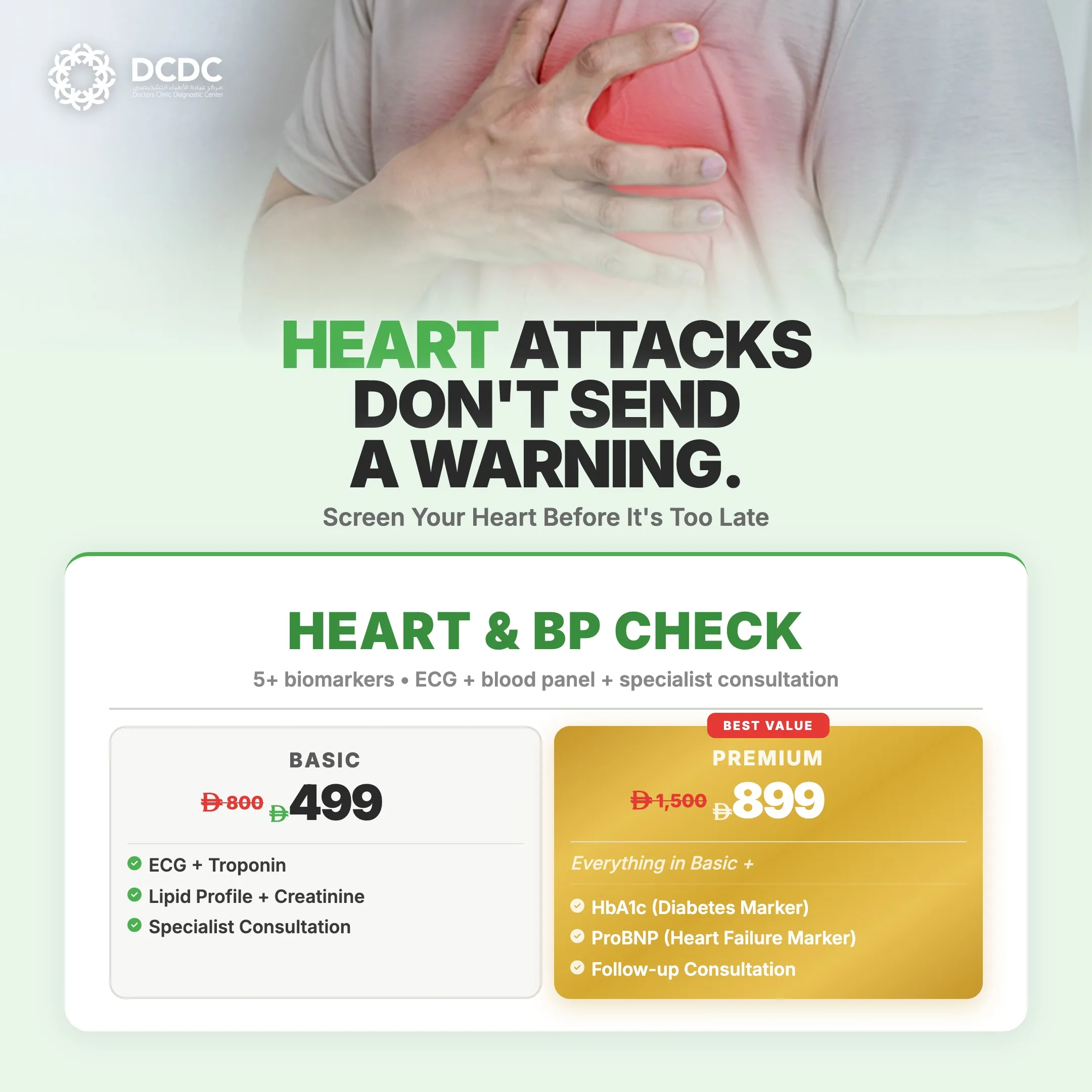
Heart Checkup Dubai: Cardiac Packages From AED 249 (2026)
More in Cardiology
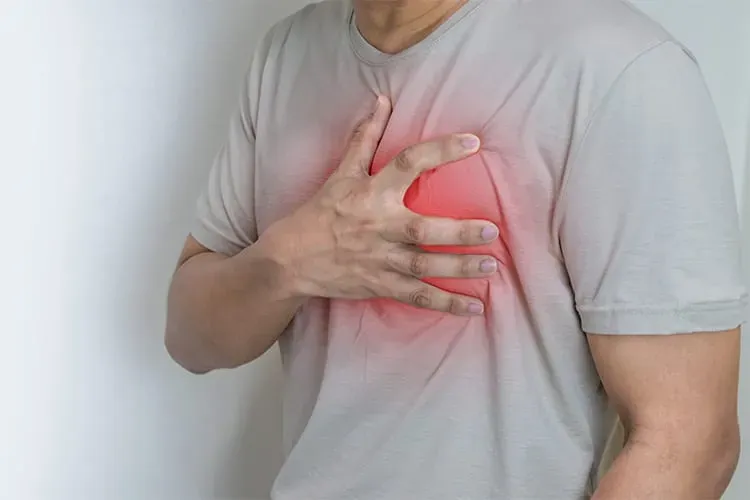
Heart Disease in Women Dubai: Warning Signs (2026)
Read More
ABPM Test Dubai: 24-Hour BP Monitoring (2026)
Read More
Heart Tests Dubai: ECG, Echo & Stress Test Cost (2026)
Read More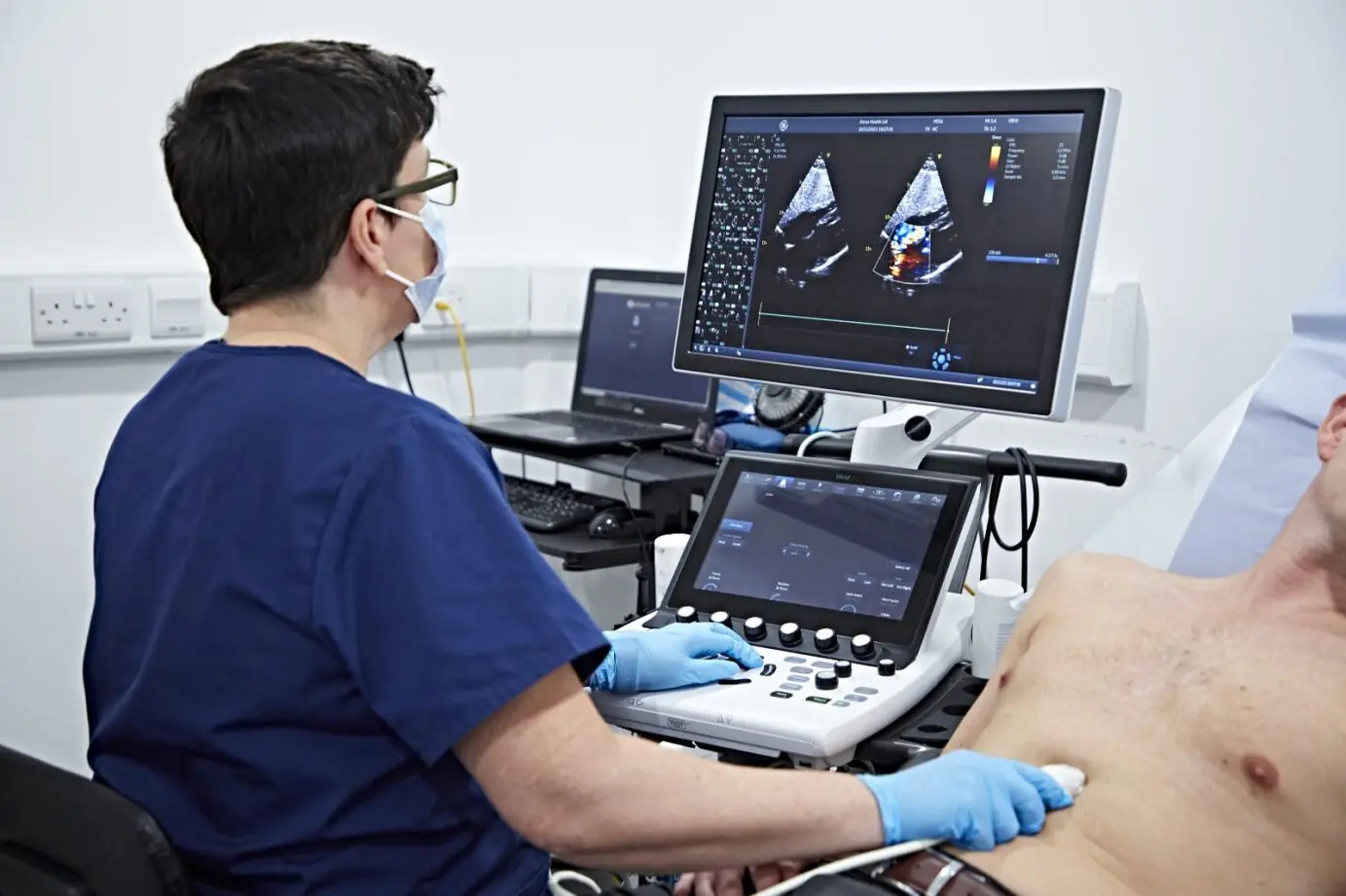
Echo Test Cost Dubai: 2D Echo Price & What It Includes
Read MoreHeart Checkup Dubai: Cardiac Packages From AED 249 (2026)
Read MoreHeart Screening Dubai: Checkup Packages & Prevention (2026)
Read More© 2026 Doctors Clinic Diagnostic Center (DCDC), Dubai Healthcare City. Originally published at https://doctorsclinicdubai.ae/blog/smartwatch-ecg-vs-medical-ecg-dubai. All rights reserved. Unauthorized reproduction is prohibited.