Key Takeaways
- An ECG (electrocardiogram) — also called EKG — is a painless, 5-minute test that records your heart's electrical activity using 10 electrode stickers placed on your chest, arms, and legs. It is the most common and affordable cardiac test available.
- ECG can detect arrhythmias (irregular heartbeat), heart attacks (current or previous), enlarged heart chambers, electrolyte imbalances, pericarditis, and the effects of cardiac medications — all from a quick, non-invasive tracing
- Three types of ECG are available: resting 12-lead ECG (5 minutes, captures one moment), Holter monitor (24-48 hours, captures daily patterns), and stress ECG (during exercise, detects exertion-related problems)
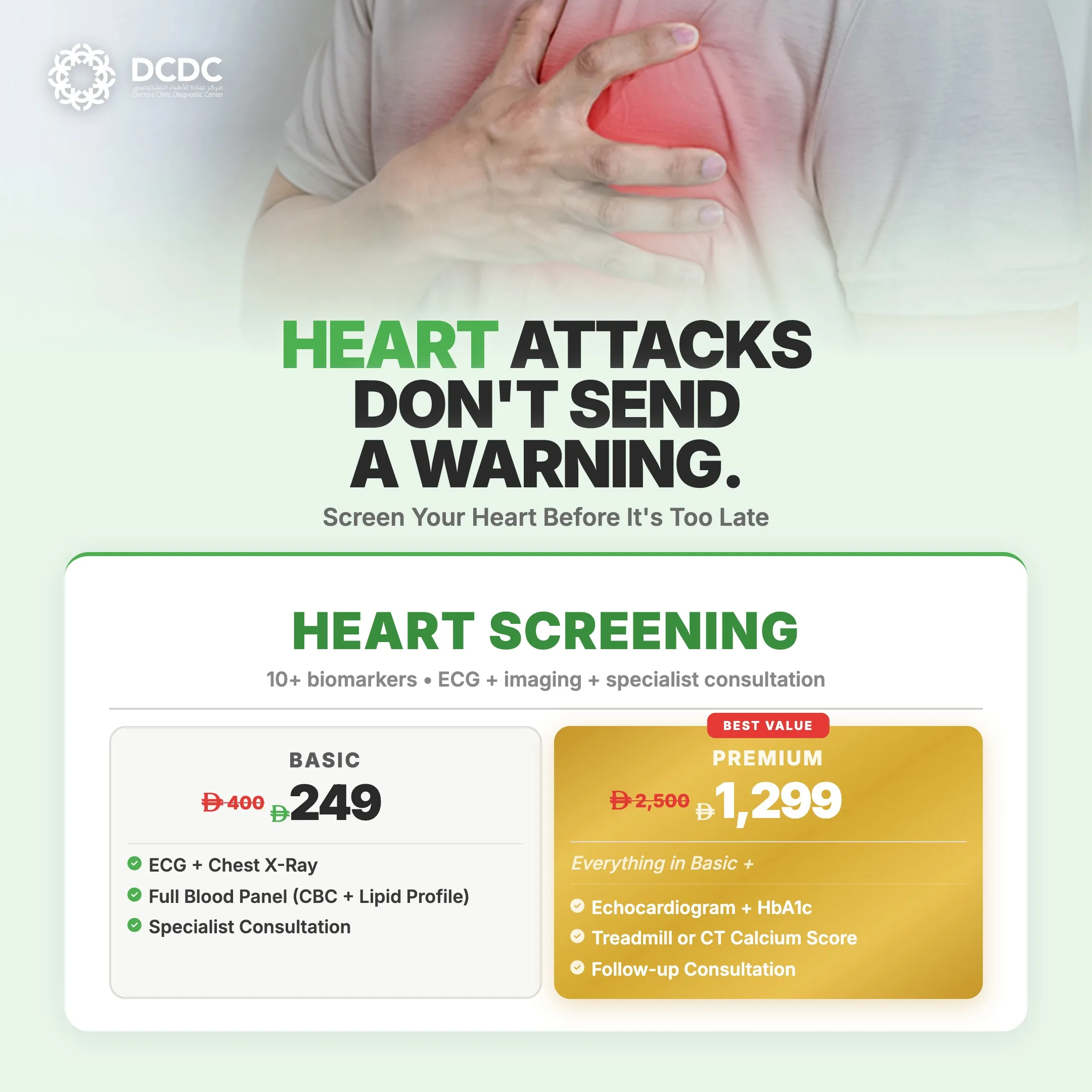
- ECG costs in Dubai range from AED 100-300 for a resting ECG — one of the most affordable cardiac investigations — with 24-hour Holter monitoring at DCDC for AED 1,000 and stress ECG at AED 800-1,500
- An ECG evaluates four key parameters: heart rhythm (regular vs irregular), heart rate (60-100 bpm normal), electrical axis (direction of electrical flow), and evidence of ischemia (reduced blood supply) — each visible in the waveform pattern
- An "abnormal ECG" does not always mean heart disease — many findings are benign, age-related, or incidental. Your cardiologist interprets the tracing in the context of your symptoms and overall health
The ECG is the most performed cardiac test in the world — and for good reason. In under 5 minutes, with no needles, no radiation, and no preparation, a 12-lead electrocardiogram can detect heart rhythm disorders, evidence of heart attacks (current or old), enlarged heart chambers, and electrical conduction abnormalities. Whether your doctor has ordered an ECG, you need one for a visa medical, or you are experiencing palpitations and want answers — this guide explains everything.
From what an ECG actually measures to what "sinus rhythm" means on your report, the difference between ECG and EKG, how it compares to an echocardiogram, what abnormal findings mean (and when they are harmless), costs in Dubai, and when you need more than a resting ECG. Reviewed by Dr. Shahoo Mazhari, Consultant Cardiologist at DCDC Dubai Healthcare City.
What Is an ECG (EKG) Test?
An electrocardiogram (ECG) records the electrical signals that control your heartbeat. Every time your heart beats, an electrical impulse travels through the heart muscle in a precise sequence — from the sinoatrial (SA) node through the atria, to the atrioventricular (AV) node, and down through the ventricles. This electrical activity is detected by electrodes on your skin and displayed as a characteristic waveform on paper or a screen.
The standard 12-lead ECG uses 10 electrode stickers — 6 on the chest and 4 on the limbs — to create 12 different "views" of the heart's electrical activity from different angles. This allows your cardiologist to identify exactly which part of the heart is affected by any abnormality.
ECG vs EKG: Is There a Difference?
No. ECG and EKG are the same test. ECG comes from the English "electrocardiogram" while EKG comes from the German "Elektrokardiogramm" (the test was invented by Dutch physician Willem Einthoven, whose work was published in German). In the UK, Australia, and the Middle East, "ECG" is more commonly used. In the US, both terms are used interchangeably, with "EKG" often preferred in clinical settings to avoid confusion with "EEG" (electroencephalogram, a brain test).
What Does an ECG Show? The Four Key Parameters
When a cardiologist reads your ECG, they systematically evaluate four fundamental parameters. Understanding these helps you make sense of your report:
1. Heart Rhythm
The ECG reveals whether your heart is beating in a regular, organised pattern (sinus rhythm) or an irregular one (arrhythmia). Normal sinus rhythm means the electrical impulse originates from the SA node and travels through the correct pathway. Abnormal rhythms include atrial fibrillation (irregular quivering), atrial flutter (rapid regular fluttering), and various forms of heart block where conduction is delayed or interrupted.
2. Heart Rate
Your heart rate is calculated from the distance between R-waves (the tall spikes) on the ECG. Normal resting heart rate is 60-100 beats per minute (bpm). Below 60 bpm is bradycardia (often normal in athletes and during sleep), and above 100 bpm is tachycardia (which may be normal during anxiety, exercise, or fever, or may indicate an underlying cardiac condition).
3. Electrical Axis
The electrical axis describes the overall direction of the heart's electrical flow during contraction. Normal axis is between -30 and +90 degrees. Left axis deviation may indicate left ventricular hypertrophy, left anterior fascicular block, or inferior wall heart attack. Right axis deviation may indicate right ventricular strain, pulmonary embolism, or right bundle branch block. The axis provides important clues about which part of the heart may be affected.
4. Evidence of Ischemia
Ischemia means reduced blood supply to the heart muscle, usually from narrowed or blocked coronary arteries. The ECG detects ischemia through characteristic changes in the ST segment and T waves. ST elevation is a hallmark of acute heart attack (STEMI), while ST depression and T-wave inversion may indicate chronic ischemia or a non-ST-elevation heart attack (NSTEMI). These changes tell the cardiologist not only that ischemia is present, but which coronary artery territory is affected.
What Can an ECG Detect?
- Arrhythmias: Atrial fibrillation, atrial flutter, supraventricular tachycardia (SVT), ventricular tachycardia, bradycardia, heart block — any disorder of heart rhythm
- Heart attack (myocardial infarction): ST-segment elevation or depression, T-wave changes, and Q waves that indicate current or previous heart attack damage
- Enlarged heart chambers: Left ventricular hypertrophy (LVH) from long-standing high blood pressure, right ventricular strain from lung disease
- Conduction abnormalities: Bundle branch blocks (left or right), AV blocks (first, second, or third degree), Wolff-Parkinson-White syndrome
- Electrolyte imbalances: Abnormal potassium, calcium, or magnesium levels produce characteristic ECG changes that can be detected before blood test results are available
- Pericarditis: Inflammation of the heart lining produces widespread ST changes with a distinctive pattern
- Medication effects: Digoxin, antiarrhythmic drugs, and certain psychiatric medications produce recognisable ECG changes that need monitoring
- Prolonged QT interval: A genetic or medication-induced condition that increases risk of dangerous arrhythmias
What an ECG Cannot Detect
An ECG is powerful but has limitations. It records electrical activity only at the moment of the test — a normal resting ECG does not rule out coronary artery disease, heart valve problems, or arrhythmias that come and go. For these conditions, additional tests like an echocardiogram, Holter monitor, or cardiac stress test are needed.
When Do You Need an ECG Test?
An ECG may be needed urgently for acute symptoms or electively for screening and monitoring. Here is a comprehensive list of situations where an ECG is indicated:
Symptoms That Require an ECG
- Chest pain or pressure — the most common reason for an urgent ECG, to rule out heart attack or angina
- Palpitations — feeling your heart racing, skipping beats, or fluttering. Even if the ECG is normal during the visit, it provides a baseline; a Holter monitor may be recommended for intermittent symptoms
- Dizziness or fainting (syncope) — to check for arrhythmias or heart block that could cause sudden loss of consciousness
- Shortness of breath — particularly new onset or disproportionate to exertion level
- Fatigue — unexplained persistent fatigue can sometimes be caused by slow heart rate (bradycardia) or heart failure
- Swelling in the legs or ankles — may indicate heart failure, which an ECG can suggest through chamber enlargement patterns
- Jaw, neck, or arm pain — atypical angina can present as referred pain without classic chest symptoms, especially in women and diabetic patients
- Episodes of sudden weakness — transient arrhythmias can cause brief episodes of weakness or near-fainting that resolve spontaneously
Screening and Routine Reasons
- Pre-surgical clearance: Many surgeons require a baseline ECG before general anaesthesia, especially for patients over 40 or with cardiac risk factors
- Visa medical examination: Some UAE visa categories require an ECG as part of the medical fitness check
- Annual health checkup: Recommended as part of cardiac screening for adults over 40 or those with hypertension, diabetes, or family history of heart disease
- Fitness clearance: Before starting a new vigorous exercise programme, particularly for adults over 40 or those with risk factors
- Medication monitoring: Regular ECGs are needed for patients on antiarrhythmic drugs, QT-prolonging medications, or digoxin
- Follow-up after cardiac procedures: After stent placement, bypass surgery, or pacemaker implantation
- Insurance or employment medical: Some employers and insurance companies require a baseline ECG for policy issuance or high-risk occupations
Walk-In ECG Testing at DCDC Dubai
No appointment needed for a resting ECG. Results within minutes, reviewed by our Consultant Cardiologist. Book a cardiology consultation or walk in for an ECG at DCDC Dubai Healthcare City.
Types of ECG Tests Available in Dubai
There are three main types of ECG, each designed for different clinical scenarios. The following comparison helps you understand which test is appropriate for your situation:
Resting 12-Lead ECG
The standard ECG. You lie on an examination bed while 10 electrode stickers are placed on your chest, arms, and legs. The machine records your heart's electrical activity for approximately 10 seconds — enough to capture several heartbeats from 12 different angles. The entire process takes less than 5 minutes including electrode placement. No preparation needed. Completely painless.
Best for: initial cardiac evaluation, chest pain assessment, pre-surgical clearance, visa medicals, medication monitoring, and baseline recording.
Holter Monitor (24-48 Hour Continuous ECG)
A small, portable recording device worn on your belt or around your neck, connected to 3-5 chest electrodes. It records every heartbeat continuously for 24, 48, or even 72 hours while you go about your normal daily activities — sleeping, working, exercising. This is the gold standard for detecting intermittent arrhythmias that may not appear during a brief resting ECG.
You will be asked to keep a diary noting the time of any symptoms (palpitations, dizziness, chest pain) so the cardiologist can correlate your symptoms with the ECG recording at that exact moment.
Best for: intermittent palpitations, suspected atrial fibrillation, evaluating effectiveness of antiarrhythmic medication, syncope investigation. Learn more about Holter monitoring at DCDC.
Stress ECG (Exercise ECG)
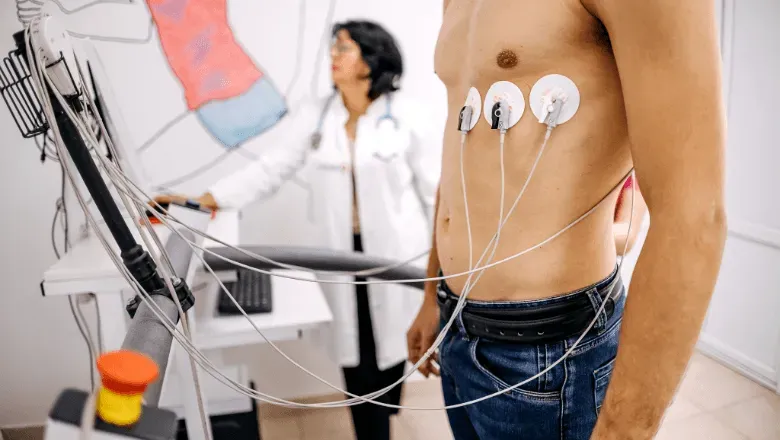
An ECG recorded while you exercise on a treadmill, with the workload gradually increasing every 3 minutes (Bruce Protocol). This reveals problems that only appear when the heart is working hard — specifically, reduced blood flow from coronary artery blockages that are not apparent at rest.
Best for: exertional chest pain, shortness of breath with exercise, evaluating coronary artery disease risk, pre-exercise clearance. Read our complete cardiac stress test guide for detailed information.
Event Monitor (2-4 Week Recording)
Similar to a Holter but worn for 2-4 weeks. Some event monitors record continuously; others are patient-activated — you press a button when you feel symptoms, and the device saves the ECG recording from that moment plus the 30-60 seconds before. Ideal for symptoms that occur only a few times per month, making them unlikely to be captured during a 24-48 hour Holter.
Resting ECG vs Stress ECG vs Holter: Comparison Table
Choosing the right type of ECG depends on your symptoms, clinical question, and what your cardiologist needs to evaluate. This table summarises the key differences:
| Feature | Resting 12-Lead ECG | Stress ECG (Exercise ECG) | Holter Monitor (24-48h) |
|---|---|---|---|
| Duration | 5 minutes | 60-90 minutes (total visit) | 24-72 hours |
| What it captures | 10-second snapshot at rest | Heart response during graded exercise | Every heartbeat over 1-3 days |
| Best for detecting | Acute heart attack, baseline rhythm, LVH, conduction blocks | Exercise-induced ischemia, coronary artery disease, exercise capacity | Intermittent arrhythmias, paroxysmal AFib, symptom-rhythm correlation |
| Preparation | None | Wear exercise clothing, may need to stop beta-blockers 48h before | None (avoid showering with device) |
| Walk-in available | Yes | By appointment (cardiologist must supervise) | By appointment (device fitting required) |
| Cost in Dubai (AED) | 100-300 | 800-1,500 | 500-1,500 |
| Results timeline | Immediate | Same day | 1-3 days after device return |
| Limitations | Captures only one moment — misses intermittent problems | Cannot detect structural problems (valves, muscle thickness) | Cannot detect structural problems or exercise-induced ischemia |
Comparison of ECG types available at DCDC Dubai Healthcare City. Your cardiologist will recommend the appropriate test based on your symptoms.
The ECG Procedure: What Happens
A resting ECG is one of the simplest medical tests you will ever have. Here is exactly what to expect:
- Preparation (none needed): You do not need to fast, stop medications, or do anything special. You may be asked to remove upper clothing or wear a hospital gown for electrode access.
- Electrode placement (1-2 minutes): A technician cleans small areas on your chest with an alcohol wipe and places 6 adhesive electrode stickers in specific positions on your chest, plus 4 on your wrists and ankles. Men with significant chest hair may have small patches shaved for better contact.
- Recording (10-30 seconds): You lie still and breathe normally. The machine records your heart's electrical activity. You will not feel anything — the electrodes are sensors, not delivering any electricity.
- Electrode removal (30 seconds): The stickers are peeled off. You may have minor redness at the sticker sites that fades within an hour.
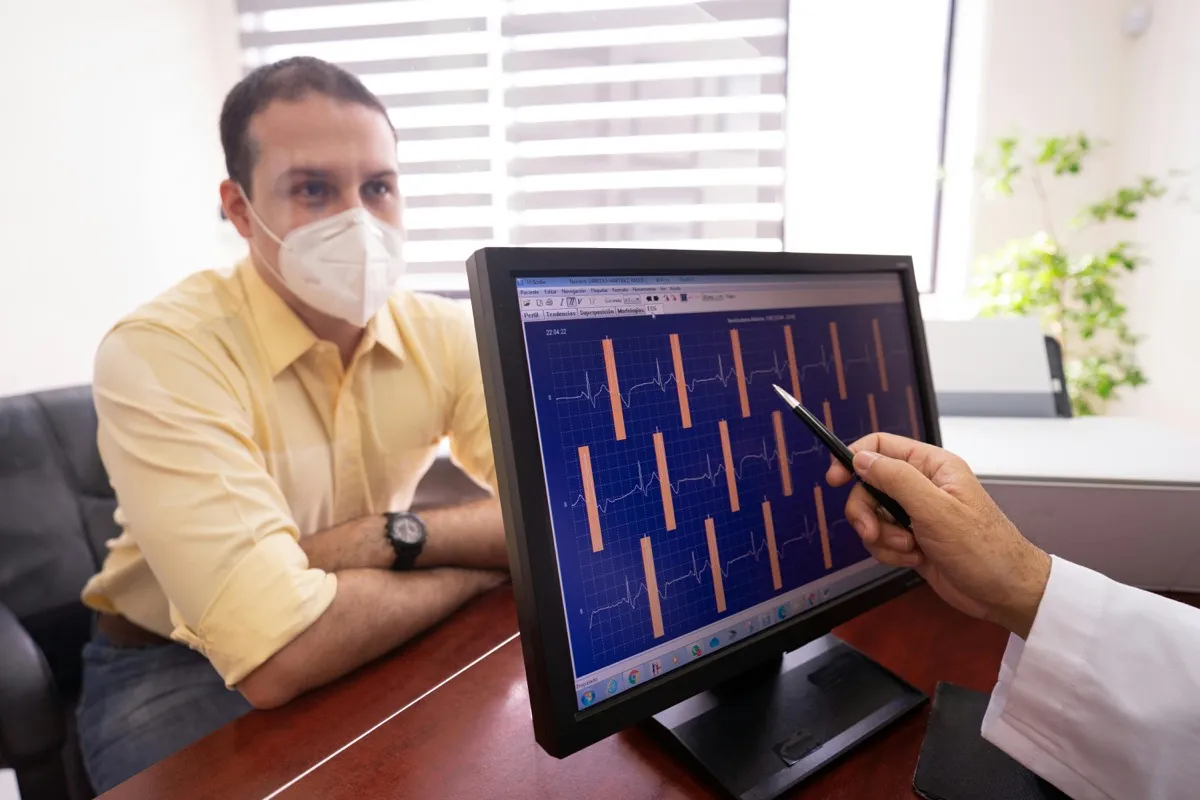
- Results (immediate): The ECG printout is available immediately. At DCDC, the tracing is reviewed by a cardiologist before results are communicated to you.
Total time: 5 minutes. No pain. No side effects. No recovery time. You can drive, work, and exercise normally immediately after.
Understanding Your ECG Results
An ECG produces a characteristic waveform with several components. Your cardiologist analyses each component systematically:
The Normal ECG Waveform Components
A normal ECG report will typically state "normal sinus rhythm" — meaning the electrical impulse is originating from the correct place (the sinus node) at a normal rate (60-100 beats per minute) with normal conduction through the heart. The report confirms normal P waves, normal PR interval, narrow QRS complexes, no ST-segment changes, and normal QT interval.
| ECG Component | What It Represents | Normal Value | Abnormal Indicates |
|---|---|---|---|
| P wave | Atrial depolarisation (contraction of upper chambers) | Small, upright, rounded | Absent: atrial fibrillation. Peaked: right atrial enlargement. Broad: left atrial enlargement |
| PR interval | Time from atrial to ventricular activation | 120-200 milliseconds | Long (>200ms): AV block. Short (<120ms): pre-excitation (WPW) |
| QRS complex | Ventricular depolarisation (contraction of lower chambers) | <120 milliseconds (narrow) | Wide (>120ms): bundle branch block. Very wide: ventricular rhythm |
| ST segment | Early ventricular repolarisation | Flat, at baseline | Elevated: acute MI or pericarditis. Depressed: ischemia or digoxin effect |
| T wave | Ventricular repolarisation (recovery) | Upright in most leads | Inverted: ischemia, strain, or electrolyte abnormality. Peaked: high potassium |
| QT interval | Total ventricular electrical activity | QTc 350-450ms (men), 350-460ms (women) | Prolonged: medication effect or genetic condition — risk of torsades de pointes |
Normal ECG values and what abnormalities in each component may indicate. Your cardiologist interprets these in the context of your clinical picture.
Common Abnormal Findings and What They Mean
| ECG Finding | What It Means | Is It Serious? | Next Steps |
|---|---|---|---|
| Sinus tachycardia | Heart rate above 100 bpm from the normal pacemaker | Usually not — often from anxiety, caffeine, dehydration, fever, or pain | Treat underlying cause; rarely needs cardiac investigation alone |
| Sinus bradycardia | Heart rate below 60 bpm | Usually benign — common in fit/athletic individuals and during sleep | Investigate only if causing symptoms (dizziness, fatigue, fainting) |
| Atrial fibrillation (AFib) | Irregular rhythm; atria quiver instead of contracting effectively | Yes — increases stroke risk 5-fold; needs anticoagulation assessment | Cardiology referral, echocardiogram, stroke risk scoring, anticoagulation |
| Left ventricular hypertrophy (LVH) | Thickened left ventricle wall (often from long-standing hypertension) | Moderate — indicates the heart has been working harder than normal | Blood pressure optimisation, echocardiogram to confirm, lifestyle changes |
| Bundle branch block (RBBB or LBBB) | Delayed electrical conduction in one side of the heart | RBBB often benign in young people; LBBB may indicate underlying disease | Echocardiogram recommended, especially for new LBBB |
| ST-segment changes | Elevation or depression of the ST segment | Potentially serious — may indicate heart attack, ischemia, or pericarditis | Urgent evaluation if new or symptomatic; troponin blood test, further imaging |
| Prolonged QT interval | Delayed electrical recovery after each heartbeat | Yes — increases risk of dangerous ventricular arrhythmias | Review medications (many drugs prolong QT), genetic testing, cardiology follow-up |
| First-degree AV block | Slightly delayed conduction from atria to ventricles (PR > 200ms) | Almost always benign — very common incidental finding | No treatment needed; document and monitor at routine checkups |
This table covers the most common findings. Many abnormalities are benign and require no treatment.
"Abnormal ECG" Does NOT Always Mean Heart Disease
This is one of the most important points to understand. An ECG report flagged as "abnormal" can cause significant anxiety — but many abnormalities are clinically insignificant. Automated ECG machines are deliberately sensitive, meaning they flag anything that deviates from a textbook-perfect tracing. Common benign findings include sinus bradycardia in athletes, minor ST changes in young women, right bundle branch block without symptoms, and non-specific T-wave changes. Your cardiologist interprets the tracing in the context of your age, symptoms, medications, and medical history — not the machine's automated reading alone.
ECG vs Echocardiogram vs Stress Test: Complete Comparison
These three cardiac tests are frequently confused, but they measure completely different things and answer different clinical questions. Understanding the distinction helps you know which test you actually need:
| Factor | ECG (Electrocardiogram) | Echocardiogram (Echo) | Cardiac Stress Test |
|---|---|---|---|
| What it measures | Electrical activity of the heart | Physical structure and movement of the heart | Heart response to exercise (electrical + sometimes structural) |
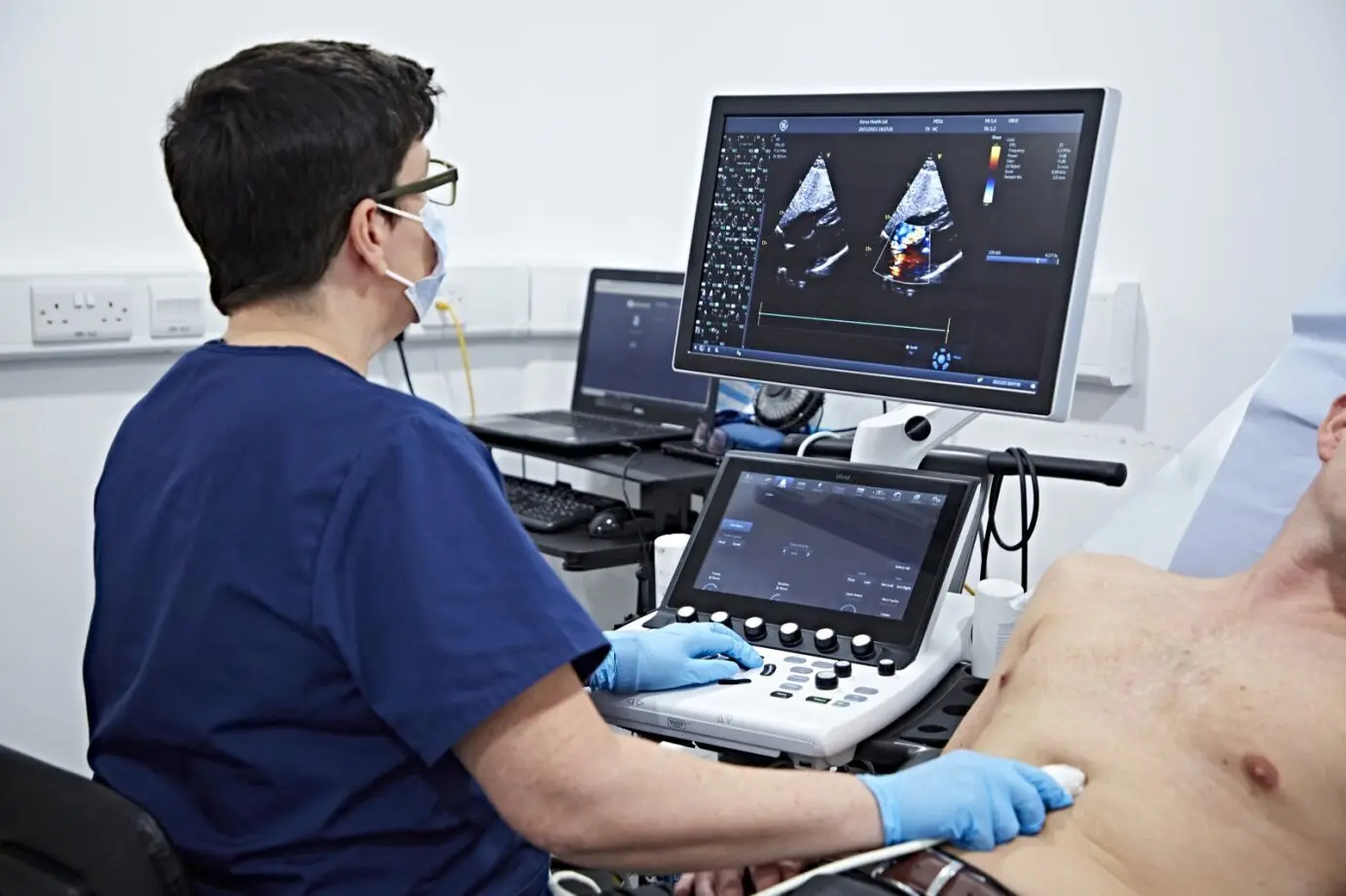
| Technology | Electrode sensors on skin | Ultrasound waves (same technology as pregnancy scans) | Treadmill exercise with ECG monitoring (or echo/nuclear imaging) |
| Duration | 5 minutes | 20-30 minutes | 60-90 minutes (including recovery) |
| What it detects | Arrhythmias, heart attack, conduction blocks, LVH, QT prolongation | Valve problems, pumping strength (ejection fraction), wall motion, fluid around heart | Exercise-induced ischemia, coronary artery disease, functional capacity |
| Preparation | None | None | Exercise clothing, may stop beta-blockers 48h before |
| Cost in Dubai (AED) | 100-300 | 500-1,200 | 800-1,500 |
| When to choose | Palpitations, chest pain, pre-surgery, visa medical, medication monitoring | Heart murmur, shortness of breath, suspected heart failure, valve assessment | Exertional chest pain, coronary artery disease screening, fitness clearance |
| Invasive? | No — electrode stickers on skin only | No — ultrasound probe on chest only | No — but requires physical exercise (treadmill) |
ECG, echocardiogram, and stress test are complementary — many patients need two or all three for a complete cardiac picture.
In practice, a cardiology consultation often includes multiple tests. An ECG checks the electrical system, an echocardiogram checks the mechanical system, and a stress test evaluates how both perform under exertion. At DCDC, all three can be performed in a single visit. For a detailed comparison of ECG versus echo specifically, read our ECG vs echo guide.
Need a Heart Check? Start with an ECG
Walk-in ECG testing available at DCDC — results in minutes, cardiologist review included. For a comprehensive assessment, ask about our cardiac checkup packages (ECG + Echo + Consultation). Book a cardiology consultation.
ECG Test Cost in Dubai (2026)
| ECG Test Type | Typical Cost in Dubai (AED) | What Is Included |
|---|---|---|
| Resting 12-lead ECG | 100 – 300 | Electrode placement, 12-lead recording, physician interpretation and report |
| Holter monitor (24 hours) | 500 – 1,200 | Device fitting, 24-hour continuous recording, device return, cardiologist analysis of full recording |
| Holter monitor (48 hours) | 800 – 1,500 | Same as 24-hour with extended recording period for better arrhythmia detection |
| Stress ECG (exercise ECG) | 800 – 1,500 | Treadmill exercise with continuous ECG monitoring, cardiologist supervision, same-day report |
| ECG as part of health checkup | Often included | Many executive health checkup packages include a resting ECG at no additional cost |
Resting ECG is one of the most affordable cardiac tests available. Insurance typically covers it with a referral.
For a detailed breakdown of echocardiogram pricing, see our echo test cost guide. For stress test costs, refer to our stress test Dubai guide.
Insurance Coverage for ECG in Dubai
Resting ECG is covered by virtually all Dubai insurance plans when requested by a physician. The co-pay is typically AED 0-50. Holter monitoring and stress ECG usually require pre-authorisation. Self-pay patients can walk in for a resting ECG without a referral — contact us for current pricing at DCDC.
ECG Testing at DCDC Dubai Healthcare City
At DCDC's cardiology department, ECG testing is available as a walk-in service or as part of a scheduled cardiology consultation. All tracings are reviewed by Dr. Shahoo Mazhari, Consultant Cardiologist.
According to Dr. Shahoo Mazhari, "An ECG is the starting point of any cardiac evaluation, but it must be read by a human — not just a machine. I review every tracing personally, looking at the full 12 leads in the context of the patient's symptoms and risk factors. An automated machine report that says 'abnormal' can cause unnecessary panic, while a trained eye recognises which findings need urgent action and which are completely benign. That clinical judgment is what separates a useful ECG from a confusing one."
- Walk-in resting ECG available — no appointment needed, results within minutes
- Cardiologist interpretation — every ECG is reviewed by Dr. Shahoo Mazhari, not just an automated machine reading
- Full cardiac workup in one visit — ECG, echocardiogram, stress test, and consultation can be completed on the same day
- Holter monitoring on-site — device fitting and analysis performed at DCDC
- Insurance accepted — direct billing with 20+ insurance providers including Daman, AXA, and Bupa
- MOHAP-licensed facility — located in Dubai Healthcare City, with a 4.8/5 Google rating from over 1,000 verified patient reviews
- Digital records — your ECG is stored digitally for comparison at future visits, allowing your cardiologist to track changes over time
How to Prepare for Different ECG Tests
While a resting ECG requires no preparation at all, the other types have specific requirements. Here is what you need to know before each test:
| Test Type | Fasting Required? | Medication Changes? | What to Wear | Other Notes |
|---|---|---|---|---|
| Resting ECG | No | Take all medications as normal | Loose top for easy chest access | Avoid body lotion/oil on chest on the day |
| Holter Monitor | No | Take all medications as normal unless told otherwise | Comfortable daily clothes (wear for 24-72 hours) | Cannot shower while wearing the device; keep a symptom diary |
| Stress ECG | Light meal 2 hours before | May need to stop beta-blockers 48 hours before (ask your cardiologist) | Exercise clothes and trainers | Avoid caffeine for 12 hours before; bring an inhaler if asthmatic |
Preparation requirements vary by ECG type. When in doubt, call DCDC to confirm before your appointment.
Book Your ECG or Cardiac Checkup Today
Walk-in ECG testing, Holter monitoring, stress testing, and comprehensive cardiac packages available. Book a cardiology consultation at DCDC Dubai Healthcare City or call us for same-day ECG.
Call +971 54 219 5008 or WhatsApp for immediate booking
Related Services at DCDC
Expert care and advanced diagnostics at Dubai Healthcare City
Cardiology Consultation
Expert heart evaluation including ECG interpretation and cardiac workup
Book AppointmentCardiac Stress Test
Exercise ECG stress test for comprehensive heart function assessment
Book AppointmentHolter Monitoring
24-48 hour continuous ECG recording for rhythm abnormalities
Book AppointmentFrequently Asked Questions
Final Thoughts
The ECG remains one of the most valuable tools in medicine — simple, fast, painless, affordable, and capable of detecting life-threatening conditions in seconds. No other cardiac test gives so much information for so little cost and inconvenience.
However, a normal resting ECG is not a complete heart clearance. It captures only a 10-second snapshot of your heart's electrical activity. For a comprehensive cardiac assessment — especially if you have symptoms, risk factors, or are over 40 — an ECG is best combined with an echocardiogram (structural assessment) and, when indicated, a stress test (functional assessment under exercise).
At Doctors Clinic Diagnostic Center in Dubai Healthcare City, walk-in ECG testing is available with immediate cardiologist review by Dr. Shahoo Mazhari. Whether you need a quick ECG for a visa medical or a comprehensive cardiac evaluation, we provide the full range of cardiac diagnostics in one visit — ECG, echo, stress test, and Holter monitoring — all under one roof.
Sources & References
This article was reviewed by our medical team and references the following sources:
- American Heart Association — Understanding Your ECG/EKG Results
- European Society of Cardiology — ESC Guidelines on Supraventricular Tachycardia (2024)
- Braunwald's Heart Disease — Chapter: Electrocardiography (12th Edition, 2022)
- NHS — Electrocardiogram (ECG) Patient Information
- Dubai Health Authority — Cardiac Diagnostic Standards
- Mayo Clinic — Electrocardiogram (ECG or EKG): Overview and Results
- Cleveland Clinic — Understanding ECG Results and Normal Ranges
Medical content on this site is reviewed by DHA-licensed physicians. See our editorial policy for more information.

Written by
Dr. Shahoo Mazhari
Consultant Cardiologist
MD, Cardiology
Dr. Shahoo Mazhari is a Consultant Cardiologist at DCDC Dubai Healthcare City, specializing in preventive cardiology, cardiac diagnostics, and interventional cardiology. He reviews and interprets all ECG and cardiac tests at DCDC.
Related Articles
Cardiac Stress Test in Dubai: Cost, Procedure & What to Expect
ECG vs Echo: Understanding the Difference
Echocardiogram Cost Dubai: Types, Pricing & Guide

Holter Monitor Test in Dubai: Complete Guide
Heart Health Prevention in Dubai: Complete Guide
More in Cardiology
Holter Monitor Prep Dubai: What to Expect (2026)
Read More
When to See a Cardiologist Dubai (2026)
Read MoreEcho Test Preparation Dubai: What to Expect (2026)
Read MoreHeart Attack vs Panic Attack Dubai: Signs (2026)
Read MoreHeart Failure Warning Signs Dubai (2026)
Read MoreStress Test Cost Dubai: AED 800–5,000 (2026)
Read More© 2026 Doctors Clinic Diagnostic Center (DCDC), Dubai Healthcare City. Originally published at https://doctorsclinicdubai.ae/blog/ecg-test-guide-dubai. All rights reserved. Unauthorized reproduction is prohibited.