Key Takeaways
- 80% of premature heart attacks are preventable through lifestyle changes and early detection, yet cardiovascular disease remains the leading cause of death in the UAE
- Know your numbers: blood pressure under 120/80, LDL cholesterol under 100, fasting glucose under 100, and BMI under 25 are your heart health targets
- Baseline cardiac screening at age 40 (or 30 with risk factors) including ECG, lipid profile, and risk assessment costs AED 800-3,000 at DCDC
- Dubai lifestyle factors (high sodium restaurant food, sedentary indoor living, work stress) significantly increase cardiovascular risk for expats
- Family history doesn't guarantee heart disease. Aggressive control of modifiable risk factors can offset genetic risk
- Warning signs requiring immediate attention: chest pressure with exertion, unexplained shortness of breath, unusual fatigue, or radiation to arm/jaw
Here's a statistic that should terrify every Dubai resident: cardiovascular disease is the leading cause of death in the UAE. Not accidents. Not cancer. Heart disease. And here's what makes it worse: 80% of premature heart attacks and strokes are preventable. We know how to prevent them. We just don't do it.
I've been practicing cardiology in Dubai for years, and I see this pattern repeatedly: busy professionals who haven't checked their cholesterol since their last job medical. Executives who dismiss chest tightness as stress. Parents who prioritize their children's checkups but not their own. Then, suddenly, they're in my office after a "cardiac event" that could have been prevented years earlier with basic screening. This guide is everything I wish my patients knew before their heart problems became emergencies. It's about understanding your risk, getting the right tests, and making changes that actually matter, not vague advice about "eating healthy."
The Heart Attack That Nobody Saw Coming (And How to See It Coming)
Let me tell you about a pattern I see too often. A 52-year-old man comes in after a heart attack. He's shocked. He felt fine, he wasn't overweight, he didn't smoke. But when we look back at his history: his cholesterol had been slightly high for a decade (he never followed up). His blood pressure was "borderline" at his last checkup three years ago. His father had a heart attack at 58 (he assumed modern medicine would protect him). His stress levels were through the roof, and he hadn't exercised regularly in years.
None of these things alone screamed "emergency." But together, over time, they built toward a disaster. The plaque in his arteries grew silently. His arteries stiffened. Then one morning, a plaque ruptured, a clot formed, and part of his heart muscle died.
The tragedy? All of this was detectable years before the heart attack. And most of it was treatable.
Understanding Your Heart Disease Risk
Heart disease doesn't happen randomly. It develops over years, driven by risk factors that we can identify and usually modify. Some you can't change, but knowing them helps you be more vigilant about the ones you can.
Risk Factors You Can't Change
- Age: Risk increases as you get older (over 45 for men, over 55 for women)
- Sex: Men develop heart disease earlier than women, though women catch up after menopause
- Family history: First-degree relatives with early heart disease (before 55 in men, 65 in women) significantly increase your risk
- Ethnicity: South Asians have higher cardiovascular risk at any given cholesterol level, which is relevant for Dubai's large South Asian population
Risk Factors You CAN Change
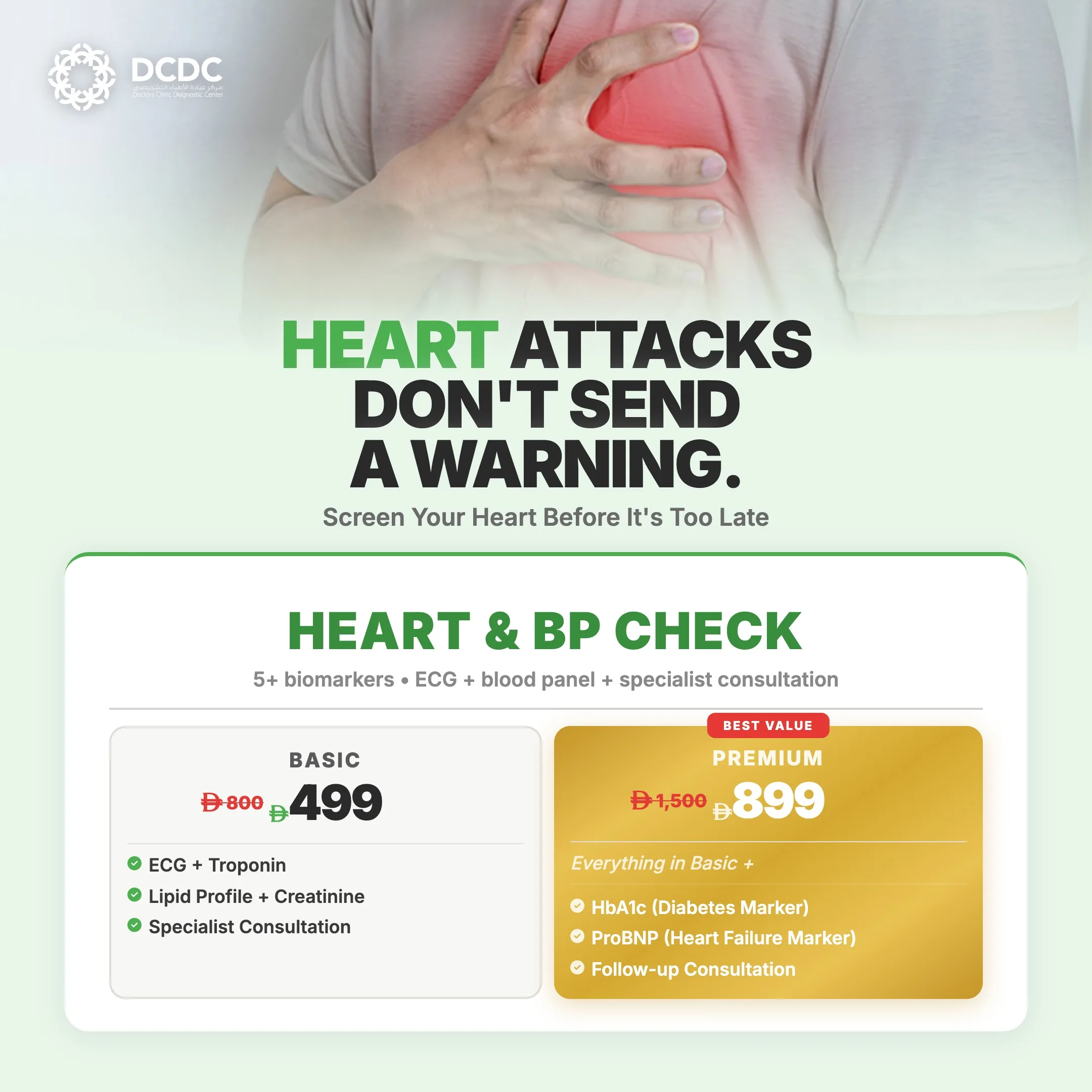
- High blood pressure: The leading modifiable risk factor that damages arteries over time
- High cholesterol: Specifically high LDL ("bad" cholesterol) and low HDL ("good" cholesterol)
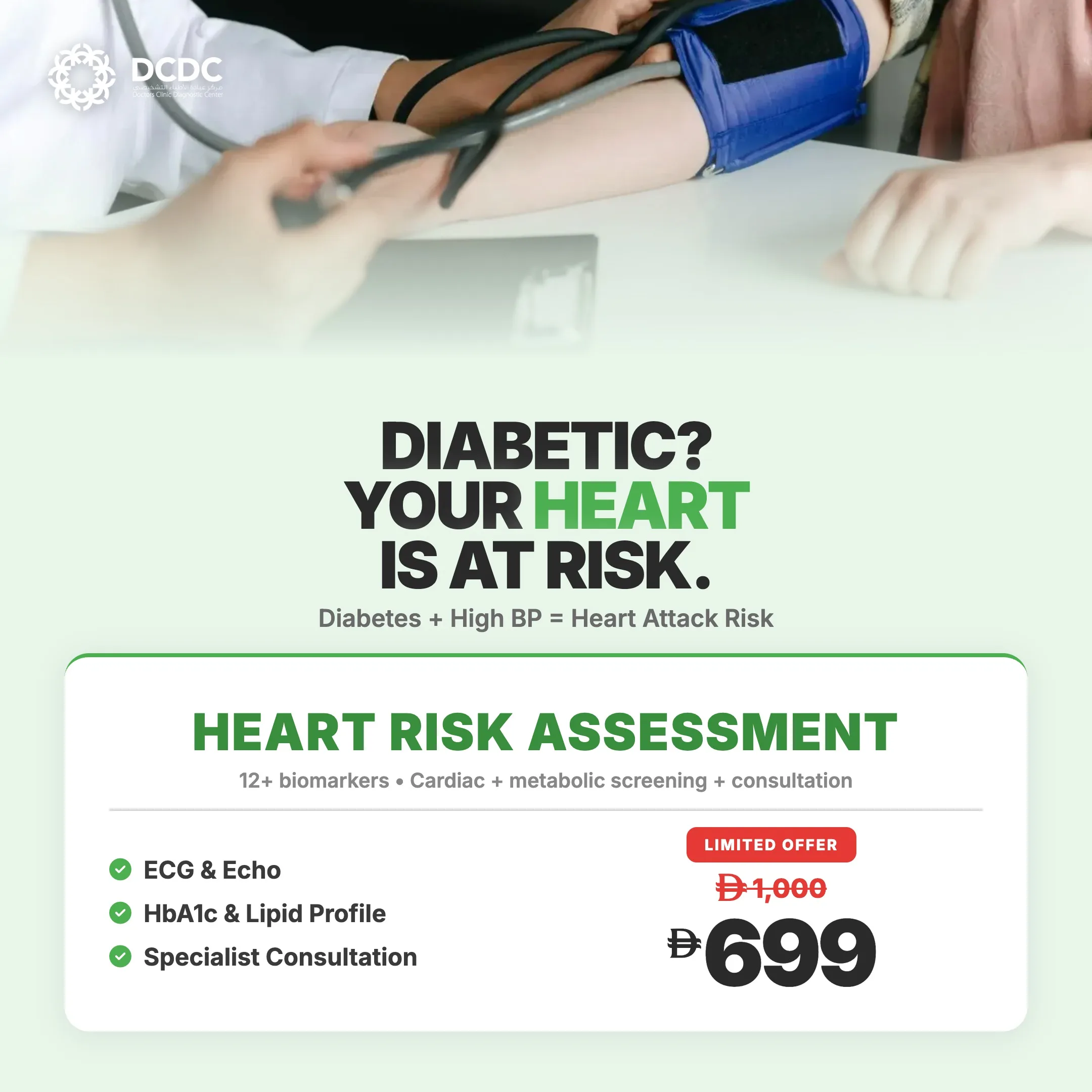
- Diabetes and prediabetes: Dramatically increases cardiovascular risk. UAE has one of the world's highest diabetes rates
- Smoking: Directly damages blood vessels and accelerates atherosclerosis
- Obesity: Especially abdominal obesity (belly fat), which is linked to metabolic dysfunction
- Physical inactivity: Sedentary lifestyle is an independent risk factor
- Unhealthy diet: High in sodium, processed foods, saturated fat, and sugar
- Chronic stress: Raises cortisol and blood pressure, promotes unhealthy behaviors
- Poor sleep: Sleep apnea and chronic sleep deprivation increase cardiovascular risk
Know Your Numbers: The Critical Cardiac Metrics
You can't manage what you don't measure. These are the numbers that predict your cardiovascular future: For related information, see our guide on Heart Tests Dubai: ECG, Echo & Stress Test Cost.
| Metric | Target Value |
|---|---|
| Blood Pressure | Less than 120/80 mmHg (optimal) |
| LDL Cholesterol ("Bad") | Less than 100 mg/dL (less than 70 if high risk) |
| HDL Cholesterol ("Good") | Above 40 mg/dL for men, 50 for women |
| Triglycerides | Less than 150 mg/dL |
| Fasting Blood Sugar | Less than 100 mg/dL (5.6 mmol/L) |
| HbA1c (3-month blood sugar average) | Less than 5.7% |
| BMI | 18.5-24.9 kg/m² (waist circumference matters too) |
Target heart health numbers for optimal cardiovascular health
When did you last check these numbers? If you can't answer immediately, you're overdue for a checkup. Many patients discover problems at routine screening that would have been missed until a cardiac event.
Cardiac Screening Tests: What Each One Tells Us
At DCDC, our cardiology department offers comprehensive cardiac screening. Here's what each test reveals about your heart health:
ECG/EKG (Electrocardiogram): AED 150-300
This 5-minute test records your heart's electrical activity. It can detect irregular heart rhythms (arrhythmias), evidence of previous heart attacks (scar tissue changes electrical patterns), heart muscle thickening from chronic high blood pressure, and some structural abnormalities. A normal ECG is reassuring but doesn't rule out blocked arteries or predict future heart attacks. It's a first-line screening, not a complete assessment.
Echocardiogram: AED 600-1,000
An echocardiogram is an ultrasound of your heart that shows heart chamber sizes and wall thickness, how strongly your heart pumps (ejection fraction), valve function, blood flow patterns within the heart, and fluid around the heart (pericardial effusion). We recommend echo for patients with heart murmurs, shortness of breath, abnormal ECG, high blood pressure, or family history of cardiomyopathy.
Stress Test (Exercise ECG): AED 800-1,200
Our cardiac stress test involves walking on a treadmill while we monitor your ECG and blood pressure. The intensity increases every few minutes. This reveals how your heart performs under physical stress, ECG changes that suggest blocked arteries, your exercise capacity and fitness level, blood pressure response to exercise, and arrhythmias triggered by exertion. If you can't exercise on a treadmill, we can use medication to simulate exercise stress while imaging your heart.
Holter Monitor (24-Hour ECG): AED 1,000
Our Holter monitor is a portable device that records your heart rhythm continuously for 24-48 hours while you go about normal activities. This catches intermittent arrhythmias that a standard ECG might miss, correlation between symptoms (palpitations, dizziness) and heart rhythm, and heart rate patterns during sleep and activity.
Lipid Profile and Cardiac Blood Tests: AED 200-500
Blood tests reveal metabolic risk factors including full lipid panel (total cholesterol, LDL, HDL, triglycerides, cholesterol ratios), blood sugar (fasting glucose and HbA1c), kidney function (kidney disease increases cardiovascular risk), CRP (C-reactive protein measures inflammation), and Lipoprotein(a) (genetic marker for high cardiovascular risk).
Cardiac Screening Packages at DCDC
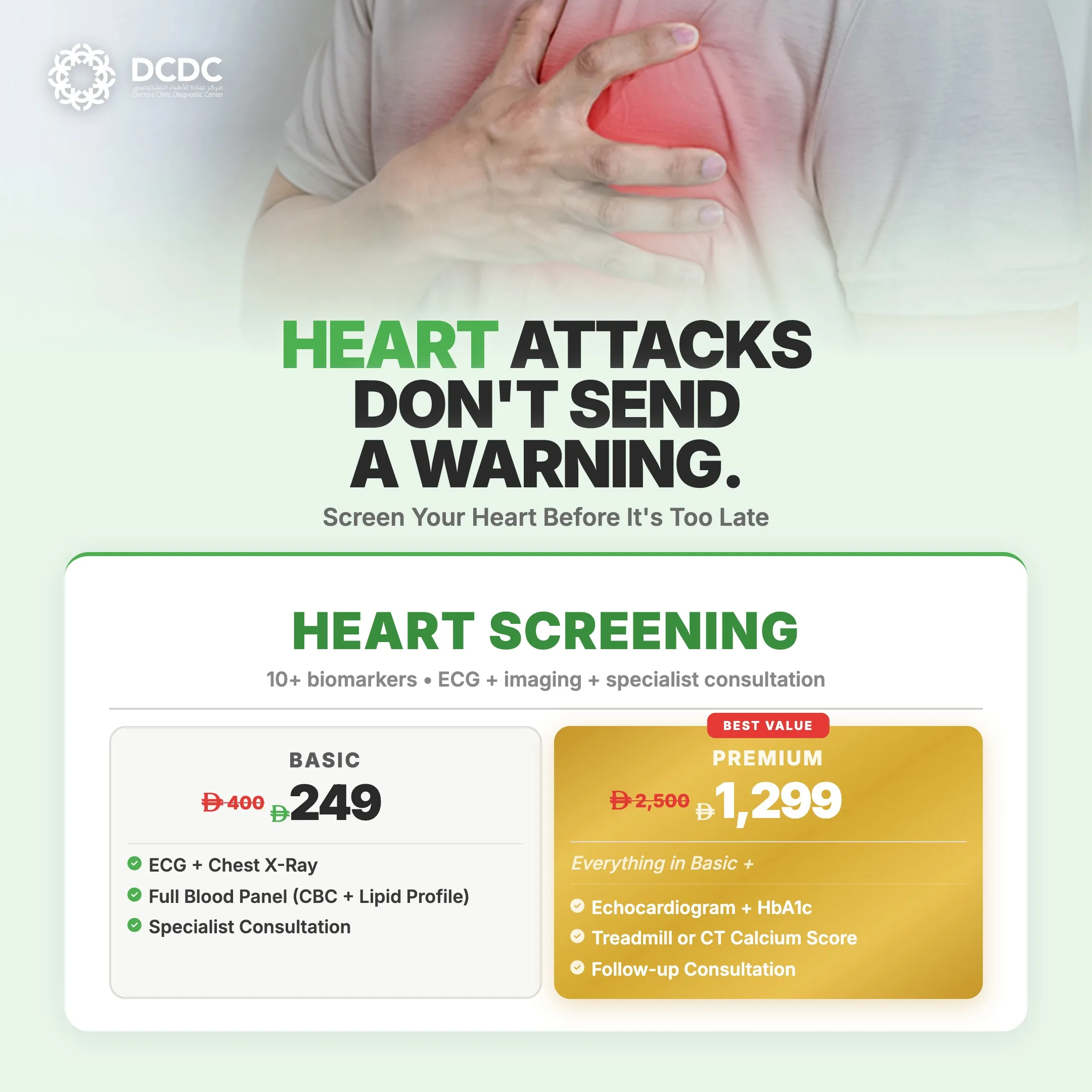
Basic Heart Check (AED 800-1,200): ECG, blood pressure, lipid profile, blood sugar, physician consultation.
Comprehensive Cardiac Screening (AED 1,500-2,500): Everything in Basic plus echocardiogram and detailed risk assessment.
Executive Cardiac Package (AED 2,500-3,500): Comprehensive screening plus stress test and Holter monitoring.
Most insurance plans cover cardiac screening with pre-approval. Contact us for insurance verification.
If you are ready to book screening, our heart checkup guide compares DCDC's cardiac packages, from a basic ECG and blood test package at AED 249 to packages with an echocardiogram and treadmill or CT calcium score.
Why Dubai Residents Face Unique Heart Risks
I've practiced cardiology in multiple countries, and Dubai presents a unique cardiovascular risk profile. Understanding these factors helps you address them.
The Expat Health Paradox
Many expats arrive in Dubai healthy and fit, then gradually develop risk factors they never had at home. The pattern is consistent: they work longer hours, exercise less, eat out more, cook less, sleep less, stress more. After a few years, their blood pressure, weight, cholesterol, and blood sugar have all crept up. They're often too busy to notice until a health screening reveals the changes.
The Restaurant Culture Problem
Dubai's amazing restaurant scene has a cardiovascular downside. Restaurant meals are typically higher in sodium, saturated fat, and calories than home-cooked food. If you eat out frequently (for business, social life, or convenience), you're likely consuming more than you realize. One business lunch can exceed your entire daily sodium allowance.
The Sedentary Environment
Dubai is designed for cars, not walking. The summer heat makes outdoor exercise impractical for months. Air-conditioned offices, malls, and homes mean you can go days without meaningful physical activity. This sedentary pattern directly increases cardiovascular risk because your heart and blood vessels need regular exercise to stay healthy.
The South Asian Risk Factor
South Asians (Indians, Pakistanis, Bangladeshis, Sri Lankans) have significantly higher cardiovascular risk at any given cholesterol level compared to Europeans. This is relevant because South Asians comprise a large portion of Dubai's population. Standard risk calculators often underestimate risk in this population. If you're of South Asian descent, more aggressive screening and prevention are warranted.
Lifestyle Changes That Actually Protect Your Heart
I'm not going to tell you to "eat healthy and exercise." That advice is too vague to act on. Here are specific, evidence-based interventions that genuinely reduce cardiovascular risk: You may also find our Diabetes Management Dubai: Complete Guide helpful.
Exercise: The Specifics Matter
Minimum effective dose: 150 minutes of moderate-intensity exercise weekly (30 minutes, 5 days). This alone reduces cardiovascular mortality by 30-35%.
What counts as moderate intensity: Brisk walking where you can talk but not sing. Swimming. Cycling. Anything that raises your heart rate to 50-70% of maximum. In Dubai's heat, indoor options work: gym, pool, home workouts, mall walking.
Adding intensity helps more: Mixing in some vigorous activity (where you can only say a few words at a time) provides additional benefit.
Don't sit all day: Even if you exercise, prolonged sitting is harmful. Get up and move every 30-60 minutes. Standing desks, walking meetings, and taking stairs help.
Diet: Focus on Patterns, Not Individual Foods
The Mediterranean diet has the strongest evidence for cardiovascular protection: abundant vegetables, fruits, whole grains, legumes, nuts, olive oil, fish, moderate poultry, limited red meat, very limited processed food.
Practical adjustments for Dubai:
- Request low-sodium cooking when eating out (most restaurants can accommodate)
- Avoid the bread basket and limit appetizers, as these are often sodium-heavy
- Choose grilled over fried, fish over red meat
- Fill half your plate with vegetables
- Cook more at home when possible because you control the ingredients
- Limit sugary beverages including fruit juices
Weight Management
If you're overweight, losing 5-10% of body weight significantly improves all cardiovascular risk factors. More important than the number on the scale is waist circumference, as abdominal fat is metabolically active and harmful. Target: under 94cm for men, under 80cm for women.
Stress Management
Chronic stress is a genuine cardiovascular risk factor, not a wellness buzzword. Evidence-based approaches: regular exercise (which helps stress too), adequate sleep (7-8 hours), maintaining social connections, and for some people, mindfulness or meditation practices. If stress is significantly affecting your life, professional support helps.
Sleep
Poor sleep, especially sleep apnea, dramatically increases cardiovascular risk. If you snore heavily, wake gasping, or feel tired despite adequate sleep time, get evaluated. Treatment of sleep apnea reduces heart disease risk. Aim for 7-8 hours of actual sleep, with consistent timing.
When Medication Becomes Necessary
Lifestyle changes are powerful, but sometimes not enough. Here's when we typically recommend medication:
Statins for Cholesterol
Statins are among the most evidence-based medications in cardiology. They reduce LDL cholesterol, stabilize arterial plaques, and lower heart attack and stroke risk. We recommend statins for anyone with known cardiovascular disease (previous heart attack, stent, bypass), diabetics over 40, very high LDL (over 190 mg/dL), high 10-year cardiovascular risk (over 7.5-10%), and high risk with moderately elevated LDL that doesn't respond to lifestyle changes.
The fear of statin side effects is often overblown. True muscle problems are rare (about 1-2%). Most people tolerate statins well. The cardiovascular benefits far outweigh risks for appropriate patients.
Blood Pressure Medications
If lifestyle modifications don't achieve target blood pressure (under 130/80 for most people, under 140/90 for some), medication is warranted. Several classes are available, and we choose based on your specific situation, including presence of diabetes, kidney disease, or other conditions. Most patients eventually need 2-3 medications, which is normal and expected.
Aspirin
Aspirin prevents blood clots and is clearly beneficial for people with established heart disease. For primary prevention (people who haven't had a heart attack or stroke), it's more nuanced because the bleeding risk may outweigh benefits for many people. We assess this individually rather than recommending aspirin for everyone.
Warning Signs That Need Immediate Attention
While prevention is the goal, know the warning signs of heart problems:
- Chest discomfort (pressure, squeezing, fullness), especially with exertion
- Pain radiating to left arm, jaw, back, or upper abdomen
- Unexplained shortness of breath, especially with activity or lying flat
- Unusual fatigue or weakness
- Racing heart, skipped beats, or irregular pulse
- Lightheadedness or near-fainting with exertion
- Swelling in legs or feet (new or worsening)
If chest discomfort is severe, associated with sweating, nausea, or breathing difficulty, call emergency services immediately.
Your Heart Health Action Plan
Prevention works. Here's what to do next: Read more in our Executive Health Checkup: What Tests Are Included.
- Get baseline numbers: If you don't know your blood pressure, cholesterol, and blood sugar, schedule a checkup. This is step one.
- Assess your risk: Consider a comprehensive cardiac screening, especially if you have risk factors or are over 40.
- Make one lifestyle change: Don't try to overhaul everything at once. Pick one thing: add exercise, improve one meal per day, start tracking blood pressure. Build from there.
- Follow up: Prevention is ongoing, not a one-time event. Regular monitoring catches problems early.
At DCDC, our preventive cardiology program provides complete preventive care, from basic screening to advanced cardiac imaging and long-term management. We'll help you understand your risk and create a practical plan to protect your heart.
Ready to Protect Your Heart?
Book a cardiac consultation with Dr. Mazhari or contact us to discuss cardiac screening packages tailored to your needs.
Related Services at DCDC
Expert care and advanced diagnostics at Dubai Healthcare City
Frequently Asked Questions
Related Resources
For more information on related health topics, explore our other guides on Hypertension: The Silent Killer You Need to Know About, Diabetes Management: A Comprehensive Guide, and Executive Health Checkups: What's Included and Why It Matters.
Sources & References
This article was reviewed by our medical team and references the following sources:
- Dubai Health Authority - Cardiovascular Disease Prevention Program
- UAE Ministry of Health and Prevention - National Cardiovascular Guidelines
- Emirates Cardiac Society - Clinical Practice Standards
- 2021 ESC Guidelines on Cardiovascular Disease Prevention - European Society of Cardiology
- American Heart Association - Heart Disease Statistics
Medical content on this site is reviewed by DHA-licensed physicians. See our editorial policy for more information.

Written by
Dr. Shahoo Mazhari
Consultant Cardiologist
MD, Board Certified in Cardiology
Dr. Shahoo Mazhari is a consultant cardiologist at DCDC Dubai Healthcare City specializing in preventive cardiology, heart failure management, and comprehensive cardiovascular risk assessment. He is committed to helping Dubai residents understand and reduce their heart disease risk through personalized screening and evidence-based prevention strategies.
Related Articles

Heart Checkup Dubai: Cardiac Packages From AED 249

Hypertension: The Silent Killer You Need to Know About

Diabetes Management: A Comprehensive Guide
Executive Health Checkups: What's Included and Why It Matters
More in Cardiology
Heart Tests Dubai: ECG, Echo & Stress Test Cost (2026)
Read More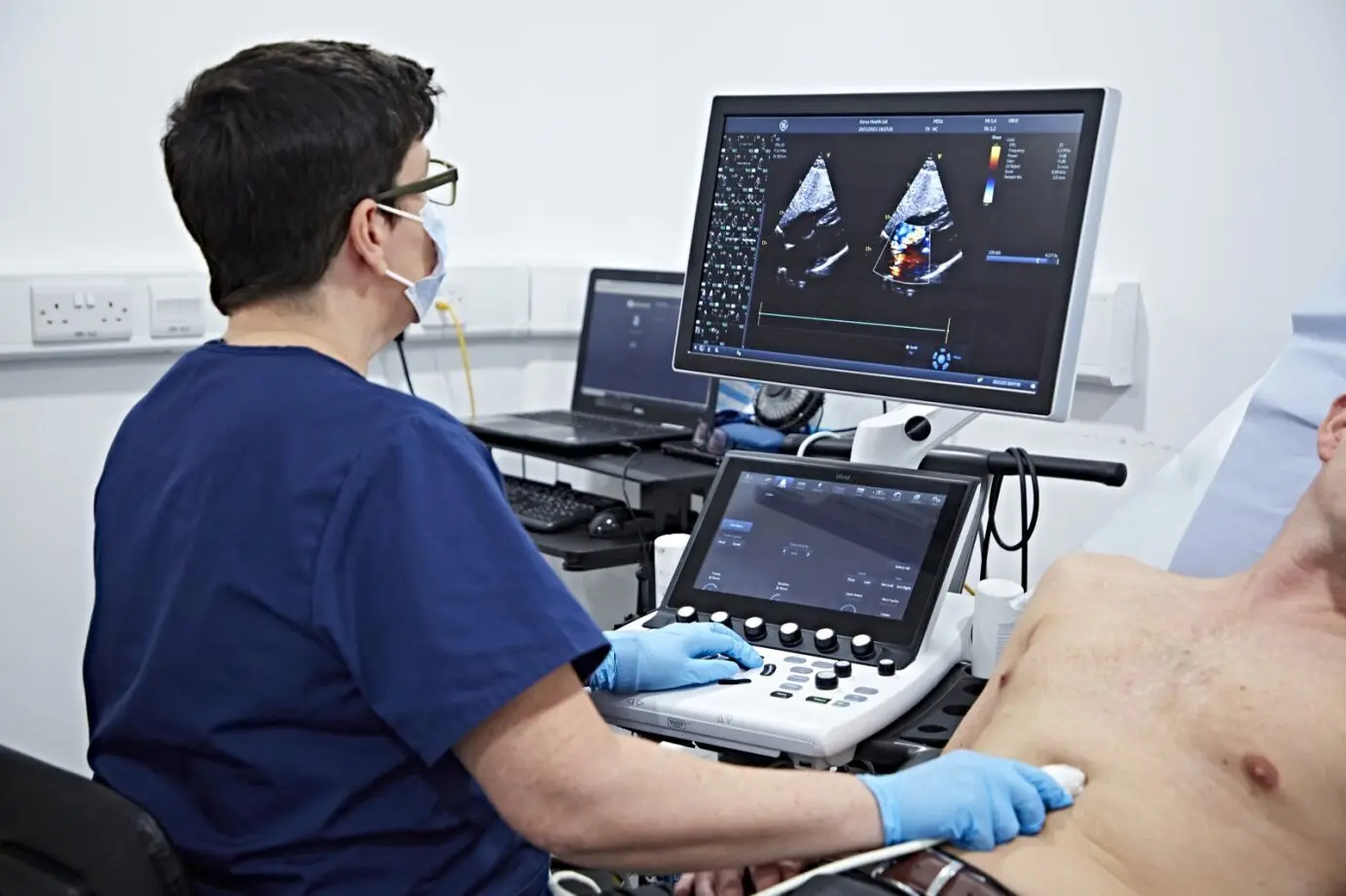
Echo Test Cost Dubai: 2D Echo Price & What It Includes
Read MoreHeart Checkup Dubai: Cardiac Packages From AED 249 (2026)
Read More
Holter Monitor Prep Dubai: What to Expect (2026)
Read More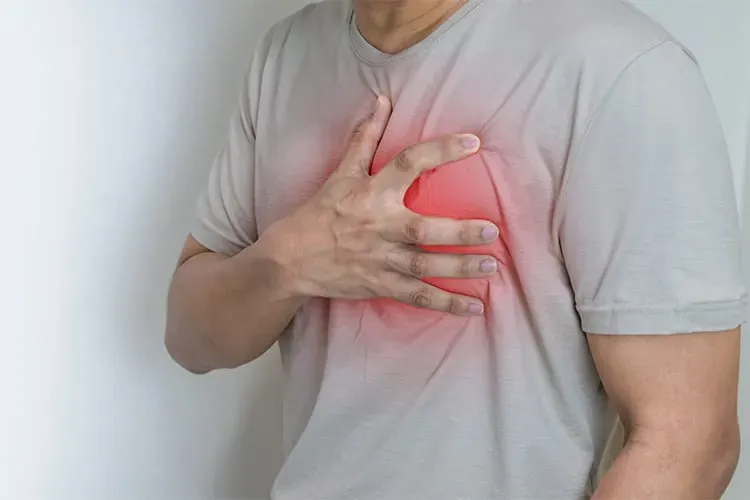
When to See a Cardiologist Dubai (2026)
Read MoreEcho Test Preparation Dubai: What to Expect (2026)
Read More© 2026 Doctors Clinic Diagnostic Center (DCDC), Dubai Healthcare City. Originally published at https://doctorsclinicdubai.ae/blog/heart-health-prevention-dubai. All rights reserved. Unauthorized reproduction is prohibited.