Key Takeaways
- Nearly 30% of UAE adults have hypertension, but most don't know it because blood pressure rarely causes symptoms until serious damage occurs
- Dubai lifestyle factors significantly increase risk: high-sodium restaurant food, sedentary indoor living, work stress, and chronic dehydration
- 24-hour ambulatory blood pressure monitoring (AED 500-800 at DCDC) is the gold standard for accurate diagnosis and treatment planning
- Lifestyle changes can lower blood pressure 10-20 points: sodium reduction, weight loss, regular exercise, and stress management
- Most patients need 2-3 medications to reach target blood pressure, and this is normal and doesn't mean treatment is failing
- A blood pressure crisis (180/120+ with symptoms) requires immediate emergency care, but high readings without symptoms can be addressed same-day at DCDC
Last month, a 42-year-old executive walked into our Dubai Healthcare City clinic feeling perfectly healthy. He was fit, didn't smoke, exercised occasionally. He'd come for an unrelated insurance requirement, a routine checkup. His blood pressure was 178/110. He had no idea anything was wrong. Our Hypertension service at DCDC offers same-day appointments in Dubai Healthcare City.
This scenario repeats itself in our clinic several times a week. Successful professionals, active parents, and apparently healthy individuals all discovering that their blood pressure has been silently elevated for months or years. And here's what terrifies me as a cardiologist: every day that blood pressure stays high, it's quietly damaging your heart, your kidneys, your eyes, your brain. By the time most people discover they have hypertension, some damage has already occurred. That's why we call it the silent killer. Not because it kills quickly, but because it kills slowly, secretly, without any warning signs until something catastrophic happens.
What Blood Pressure Numbers Actually Mean
Let me explain what those numbers mean, because I find most patients don't fully understand them. When we measure blood pressure, we get two numbers: systolic (the top number) and diastolic (the bottom number).
Systolic pressure is the force when your heart beats and pushes blood out. Think of it as the peak pressure. Diastolic pressure is the pressure between beats, when your heart relaxes and refills with blood. Think of it as the baseline pressure.
Here's how we categorize blood pressure readings:
| Category | Blood Pressure Range |
|---|---|
| Normal | Less than 120/80 mmHg |
| Elevated | 120-129/less than 80 mmHg |
| Stage 1 Hypertension | 130-139/80-89 mmHg |
| Stage 2 Hypertension | 140/90 mmHg or higher |
| Hypertensive Crisis | Higher than 180/120 mmHg |
Blood pressure categories according to international cardiology guidelines.
A single high reading doesn't mean you have hypertension. Blood pressure fluctuates constantly, and stress, caffeine, or rushing to an appointment can all spike it temporarily. That's why diagnosis requires multiple readings over time, or ideally, 24-hour ambulatory monitoring that captures your true average.
Why Dubai's Lifestyle Creates Perfect Conditions for Hypertension
I've practiced cardiology in multiple countries, and I can tell you: Dubai has unique risk factors that many residents don't fully appreciate. The lifestyle here creates almost perfect conditions for developing high blood pressure. At DCDC, our hypertension management program is designed to address these Dubai-specific challenges with personalized monitoring and treatment.
The Sodium Problem
Restaurant food in Dubai is notoriously high in sodium. A single brunch meal can exceed your entire daily sodium allowance (2,300mg). Those delicious shawarmas, biryanis, and mezze platters? Sodium bombs. And because the dining culture here is so active (business lunches, family dinners, social brunches), most residents consume far more sodium than they realize.
Sodium causes your body to retain water, which increases blood volume, which raises pressure. It's that simple. And it's that dangerous over time.
The Sedentary Indoor Life
Here's a pattern I see constantly: people who were active outdoors in their home countries move to Dubai and become almost completely sedentary. It's 45°C outside for half the year. The commute is by car. Offices are air-conditioned. Malls are air-conditioned. Homes are air-conditioned. You can go weeks without meaningful physical activity.
Regular exercise is one of the most effective ways to lower blood pressure naturally, and it can reduce readings by 5-8 mmHg. But when the environment makes outdoor exercise impractical for months at a time, and gym memberships feel like a luxury, activity levels plummet.
The Chronic Dehydration Problem
Dubai's extreme heat and dry air conditioning environment create a constant dehydration risk. Many people think they're drinking enough water, but they're not accounting for sweat loss during even brief outdoor exposure, or the dehydrating effect of air conditioning.
Here's what's counterintuitive: chronic mild dehydration can actually raise blood pressure. Your blood becomes more concentrated, and your body releases hormones that constrict blood vessels to maintain pressure. Drinking adequate water (3+ liters daily in Dubai's climate) is genuinely important for blood pressure control.
The Stress Factor
Dubai is a high-pressure city in more ways than one. The work culture is demanding. The cost of living is significant. Many residents are far from family support networks. Traffic is stressful. The constant hustle to maintain lifestyle standards takes a toll.
Chronic stress keeps your body in fight-or-flight mode, with elevated cortisol and adrenaline. This directly raises blood pressure. And stress often leads to coping behaviors that worsen the problem, such as overeating, poor sleep, reduced exercise, and increased alcohol consumption.
The Damage Hypertension Causes (Before You Feel Anything)
This is what I really want you to understand: high blood pressure isn't just a number to worry about. It's a physical force that damages your body every single day it remains elevated. For related information, see our guide on Diabetes Management Dubai: Complete Guide.
Your Heart
When blood pressure is chronically high, your heart has to work harder to pump blood. Over time, the heart muscle thickens and stiffens. This leads to heart failure, meaning the heart can no longer pump efficiently. Hypertension is also the leading cause of coronary artery disease and heart attacks.
Your Kidneys
Your kidneys filter blood through tiny, delicate blood vessels. High pressure damages these vessels, reducing kidney function over time. This creates a vicious cycle because damaged kidneys can't regulate blood pressure effectively, which damages them further. Hypertension is the second leading cause of kidney failure in the UAE after diabetes.
Your Brain
High blood pressure is the leading cause of stroke. It can cause blood vessels in the brain to weaken and burst (hemorrhagic stroke) or become blocked (ischemic stroke). Even without a major stroke, chronic hypertension damages small vessels in the brain, leading to vascular dementia, a gradual decline in memory and thinking ability.
Your Eyes
The tiny blood vessels in your eyes are particularly vulnerable. Hypertension can cause them to bleed, swell, or narrow, leading to vision problems and even blindness. This is called hypertensive retinopathy, and we often detect signs of it during a routine eye exam.
How We Diagnose Hypertension at DCDC
Accurate diagnosis matters more than most people realize. Treatment decisions depend on understanding your true blood pressure pattern, not just a single office reading.
Standard Blood Pressure Check (AED 50-100)
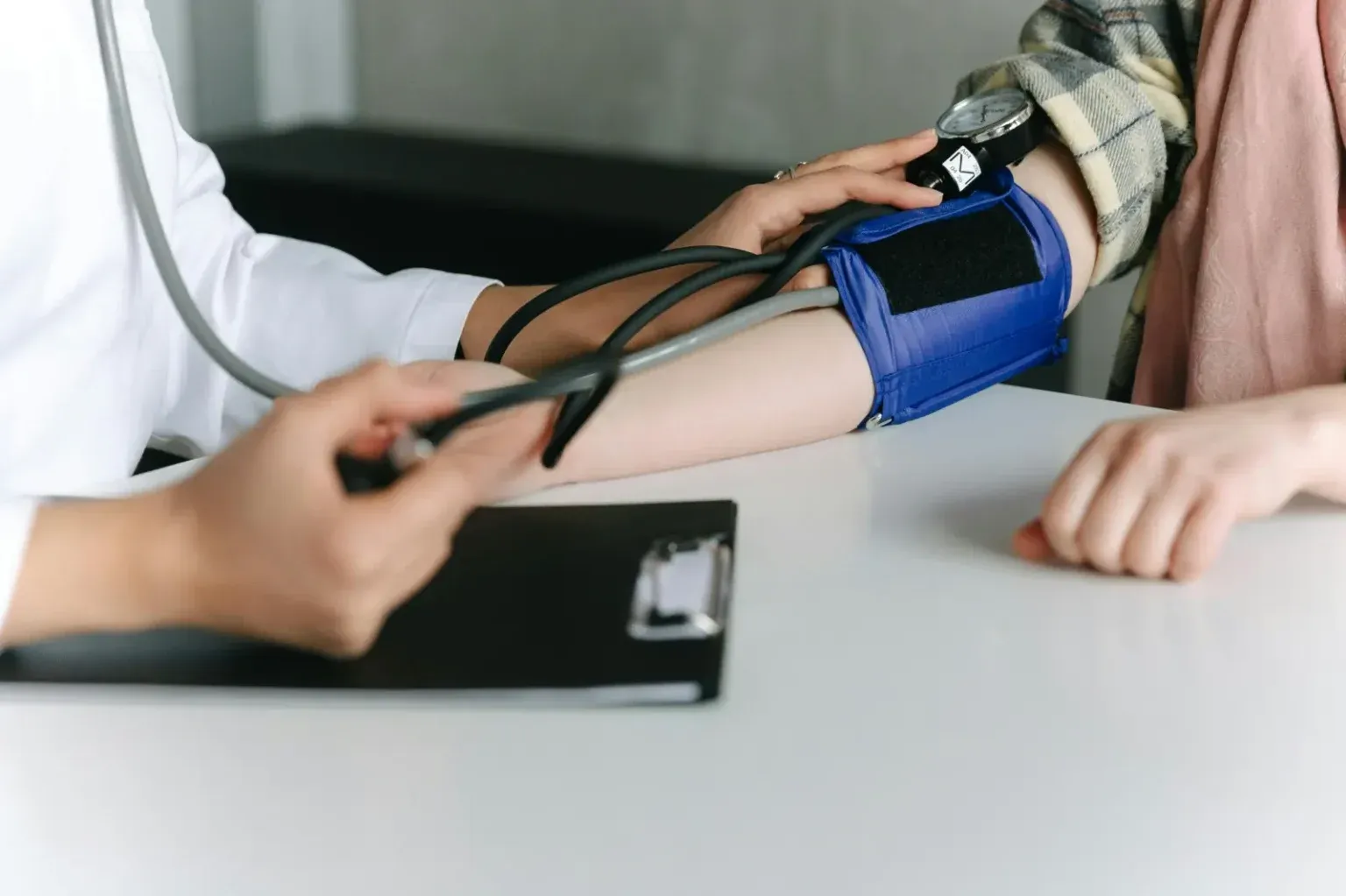
Every consultation at DCDC includes a blood pressure measurement. We use validated, calibrated devices and proper technique: seated quietly for 5 minutes, arm supported at heart level, and appropriate cuff size. If your reading is elevated, we'll recheck it twice and use the average.
24-Hour Ambulatory Blood Pressure Monitoring (AED 500-800)
This is the gold standard. You wear a portable device on your arm for 24 hours. It automatically takes readings every 15-30 minutes during the day and every 30-60 minutes at night. This gives us your true average blood pressure and shows how it fluctuates throughout your normal activities.
24-hour monitoring is especially valuable because it detects:
- White coat hypertension: High readings only in medical settings due to anxiety. These patients don't need medication.
- Masked hypertension: Normal readings in clinics but elevated at home or work. These patients DO need treatment.
- Non-dipping pattern: Blood pressure that doesn't fall during sleep, which indicates higher cardiovascular risk.
- Morning surge: Dangerous blood pressure spikes upon waking, linked to morning heart attacks and strokes.
Comprehensive Cardiovascular Assessment (AED 800-2,000)
For newly diagnosed hypertension, we typically recommend additional tests to assess overall cardiovascular health and look for organ damage:
- ECG (electrocardiogram): Detects heart rhythm problems and signs of heart thickening
- Echocardiogram: Ultrasound of the heart showing structure and pumping function
- Blood tests: Kidney function, cholesterol, blood sugar, potassium, sodium
- Urine test: Protein in urine indicates early kidney damage
- Eye exam: Fundoscopy to check for retinal damage
| Service | Cost Range (AED) |
|---|---|
| Standard BP check | 50-100 (included in consultation) |
| 24-hour ambulatory monitoring | 500-800 |
| ECG | 150-300 |
| Echocardiogram | 600-1,000 |
| Comprehensive cardiac workup | 1,500-3,000 |
Most insurance plans cover blood pressure monitoring and cardiac assessments with pre-approval.
Lifestyle Changes That Actually Lower Blood Pressure
I'm not going to tell you to "eat healthy and exercise more." That advice is so vague it's almost useless. Here are specific, evidence-based interventions that genuinely work:
Sodium Reduction (Can Lower 5-6 mmHg)
The target is less than 2,300mg daily, ideally less than 1,500mg if you have hypertension. This is genuinely challenging in Dubai. One restaurant meal can exceed your entire daily allowance.
Practical strategies that work for my patients:
- Cook more meals at home, where you control the salt
- When eating out, request no added salt (most restaurants can accommodate)
- Avoid obvious sodium bombs: pickles, olives, processed cheese, canned soups, fast food
- Read labels, because anything over 400mg sodium per serving is high
- Use herbs, spices, lemon, and garlic for flavor instead of salt
Weight Loss (1 mmHg Per Kg Lost)
If you're overweight, losing even 5kg can reduce your blood pressure by 5 mmHg. This is one of the most effective interventions. It also improves blood sugar, cholesterol, and reduces strain on your heart.
Regular Exercise (5-8 mmHg Reduction)
Aim for 150 minutes of moderate-intensity exercise weekly, which is 30 minutes, five days a week. Walking counts. Swimming is excellent. In Dubai's heat, indoor options work well: gym, pool, mall walking, home workouts.
The key is consistency. Sporadic intense workouts don't help as much as regular moderate activity. Your blood vessels become more flexible and efficient when you exercise regularly.
The DASH Diet (11 mmHg Reduction)
The Dietary Approaches to Stop Hypertension (DASH) diet is specifically designed to lower blood pressure. It emphasizes:
- Fruits and vegetables (8-10 servings daily)
- Whole grains
- Lean proteins (fish, chicken, legumes)
- Low-fat dairy
- Limited saturated fat and red meat
- Very limited sodium, sugar, and processed foods
Limiting Alcohol (2-4 mmHg Reduction)
If you drink, keeping it moderate (one drink daily for women, two for men) can help blood pressure. More than this raises it. Heavy drinking is a major cause of resistant hypertension.
Stress Management (3-5 mmHg Reduction)
Chronic stress is harder to address than diet or exercise, but it matters. Evidence-based approaches include regular exercise (which helps stress too), adequate sleep (7-8 hours), meditation or deep breathing practices, and maintaining social connections. For some patients, addressing work-life balance or seeking professional support for anxiety makes a significant difference.
When Medication Becomes Necessary
Let me be direct: lifestyle changes alone are not always enough. If your blood pressure is significantly elevated (Stage 2 hypertension) or you have additional risk factors, medication shouldn't be delayed. You may also find our Heart Screening Dubai: Checkup Packages & Prevention helpful.
I often encounter patients who resist medication, viewing it as a failure or a lifetime sentence. Here's how I think about it: blood pressure medication is not a sign of weakness. It's a tool that protects your heart, brain, and kidneys while you work on lifestyle factors. Many patients eventually reduce their medications as they lose weight and improve their habits. But in the meantime, medication prevents damage.
Several classes of blood pressure medications are available, and the choice depends on your specific situation:
- ACE inhibitors and ARBs: Particularly beneficial if you have diabetes or kidney disease
- Calcium channel blockers: Excellent for older adults and African patients
- Diuretics (water pills): Often used in combination with other medications
- Beta-blockers: Preferred if you have heart disease or certain arrhythmias
Most patients with hypertension eventually need 2-3 medications to reach their blood pressure target. This is completely normal because different medications work through different mechanisms, and combining them is often more effective than high doses of a single drug. If your doctor adds a second or third medication, it doesn't mean the first one failed.
Blood Pressure Medication Comparison
Understanding the different types of blood pressure medications can help you have more informed conversations with your cardiologist:
| Medication Class | Example Drug | How It Works | Common Side Effects | Best For Which Patients |
|---|---|---|---|---|
| ACE Inhibitors | Lisinopril, Enalapril, Ramipril | Blocks enzyme that narrows blood vessels | Dry cough, dizziness, high potassium | Diabetes, kidney disease, heart failure, post-heart attack |
| ARBs | Losartan, Valsartan, Telmisartan | Blocks receptors that narrow blood vessels | Dizziness, high potassium (rare cough) | Similar to ACE inhibitors but for patients who get cough |
| Calcium Channel Blockers | Amlodipine, Diltiazem, Nifedipine | Relaxes blood vessel walls and heart muscle | Ankle swelling, flushing, headache | Older adults, African patients, angina |
| Beta Blockers | Metoprolol, Atenolol, Bisoprolol | Slows heart rate and reduces force | Fatigue, cold hands/feet, vivid dreams | Heart disease, arrhythmias, post-heart attack, migraine |
| Diuretics | Hydrochlorothiazide, Furosemide, Indapamide | Removes excess fluid and sodium | Increased urination, low potassium, gout | Often combined with other medications, heart failure |
Common blood pressure medications used in Dubai. Your cardiologist will personalize selection based on your specific health profile.
Need Help Choosing the Right Blood Pressure Medication?
Our cardiology team at DCDC Dubai Healthcare City provides personalized medication management with regular monitoring and adjustment. Most insurance plans cover blood pressure medications and follow-up visits. WhatsApp us to book a consultation and start your treatment plan.
Recognizing a Blood Pressure Emergency
Most hypertension is managed gradually, but occasionally blood pressure rises to dangerous levels requiring immediate attention.
Seek emergency care immediately if:
- Blood pressure above 180/120 mmHg WITH symptoms
- Severe headache (worst of your life)
- Chest pain or tightness
- Difficulty breathing
- Vision changes (blurred, double, loss of vision)
- Numbness, weakness, or difficulty speaking (stroke signs)
- Confusion or difficulty concentrating
- Severe anxiety or sense of doom
If your blood pressure is high but you have no symptoms, don't panic. Anxiety itself raises blood pressure. Sit quietly for 15-20 minutes, then recheck. If it remains very high, contact your doctor or come to DCDC for same-day assessment. High readings without symptoms (hypertensive urgency) need attention, but usually not emergency room-level care.
Long-Term Blood Pressure Management at DCDC
Hypertension is a chronic condition requiring ongoing attention. At DCDC, our cardiology department provides comprehensive management:
- Initial consultation and diagnosis with detailed cardiovascular assessment
- 24-hour ambulatory monitoring for accurate baseline and treatment response
- Personalized treatment plans combining lifestyle modifications and medication as needed
- Regular follow-up visits to monitor progress and adjust treatment
- Coordination with other specialists if kidney disease, diabetes, or other conditions are present
- Patient education on home monitoring and recognizing warning signs
Our goal isn't just to lower your blood pressure numbers. It's to reduce your risk of heart attack, stroke, kidney failure, and other complications. With proper management, most people with hypertension live long, healthy lives. The key is taking it seriously, even when you feel fine.
Take Action Before Symptoms Appear
If you're reading this article, you're already ahead of most people because you're thinking about your blood pressure. Now take the next step. When was your last blood pressure check? If you can't remember, or if it's been more than a year, schedule one. If you have risk factors (family history, overweight, sedentary lifestyle, high stress), more frequent monitoring is wise. Read more in our Heart Tests Dubai: ECG, Echo & Stress Test Cost.
Blood pressure management is one of the most effective things you can do for your long-term health. Every point you lower your blood pressure translates to reduced risk of heart attack, stroke, kidney failure, and dementia. It's worth the effort.
Start Your Blood Pressure Management Journey Today
Don't wait for symptoms to appear. Early detection and treatment of hypertension prevents heart attacks, strokes, and kidney damage. At DCDC, we offer comprehensive blood pressure assessment with same-day appointments available. WhatsApp us now to book with Dr. Mazhari and take control of your cardiovascular health.
Concerned About Your Blood Pressure?
At Doctors Clinic Diagnostic Center in Dubai Healthcare City, our cardiology team provides comprehensive blood pressure assessment including 24-hour ambulatory monitoring, cardiovascular evaluation, and personalized treatment plans.
Related Services at DCDC
Expert care and advanced diagnostics at Dubai Healthcare City
Frequently Asked Questions
Take Action Before Symptoms Appear
Blood pressure management is one of the most effective things you can do for your long-term health. Every point you lower your blood pressure translates to reduced risk of heart attack, stroke, kidney failure, and dementia. It's worth the effort.
Book a blood pressure assessment at our Dubai Healthcare City clinic or call us to schedule a comprehensive cardiovascular evaluation with Dr. Mazhari.
Sources & References
This article was reviewed by our medical team and references the following sources:
- Dubai Health Authority - Hypertension Screening Program
- UAE Ministry of Health and Prevention - Cardiovascular Disease Statistics
- Emirates Cardiac Society - Blood Pressure Management Guidelines
- European Society of Cardiology - Arterial Hypertension Guidelines
- American Heart Association - Blood Pressure Management
Medical content on this site is reviewed by DHA-licensed physicians. See our editorial policy for more information.

Written by
Dr. Shahoo Mazhari
Consultant Cardiologist
MD, Board Certified in Cardiology
Dr. Shahoo Mazhari is a consultant cardiologist at DCDC Dubai Healthcare City with extensive experience in hypertension management, heart failure, and preventive cardiology. He specializes in helping patients achieve optimal cardiovascular health through personalized treatment plans combining lifestyle modifications and evidence-based medication protocols.
Related Articles

Heart Health Prevention in Dubai
Cardiology Services in Dubai
Executive Health Checkup Benefits
More in Cardiology
Heart Tests Dubai: ECG, Echo & Stress Test Cost (2026)
Read More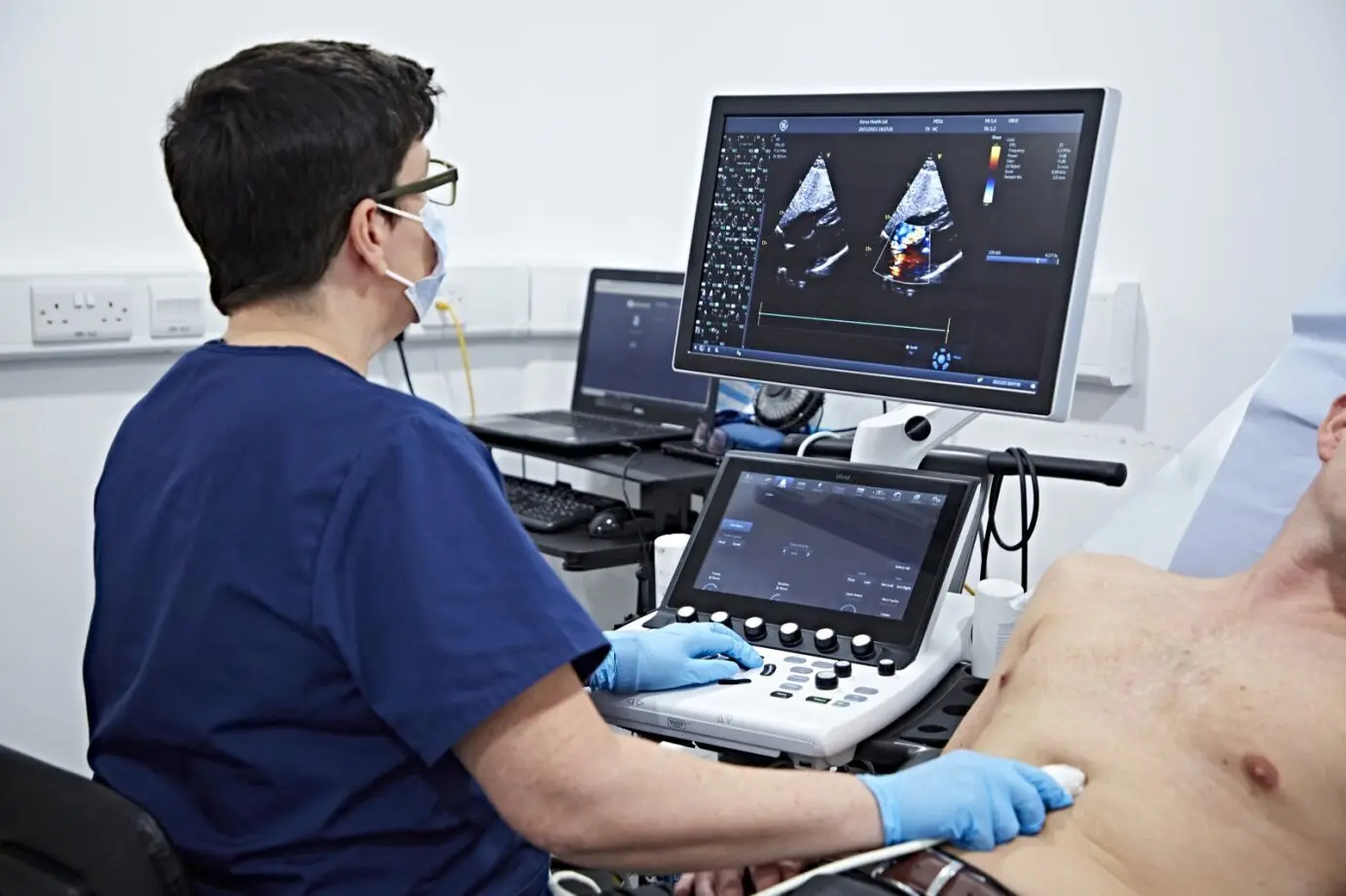
Echo Test Cost Dubai: 2D Echo Price & What It Includes
Read More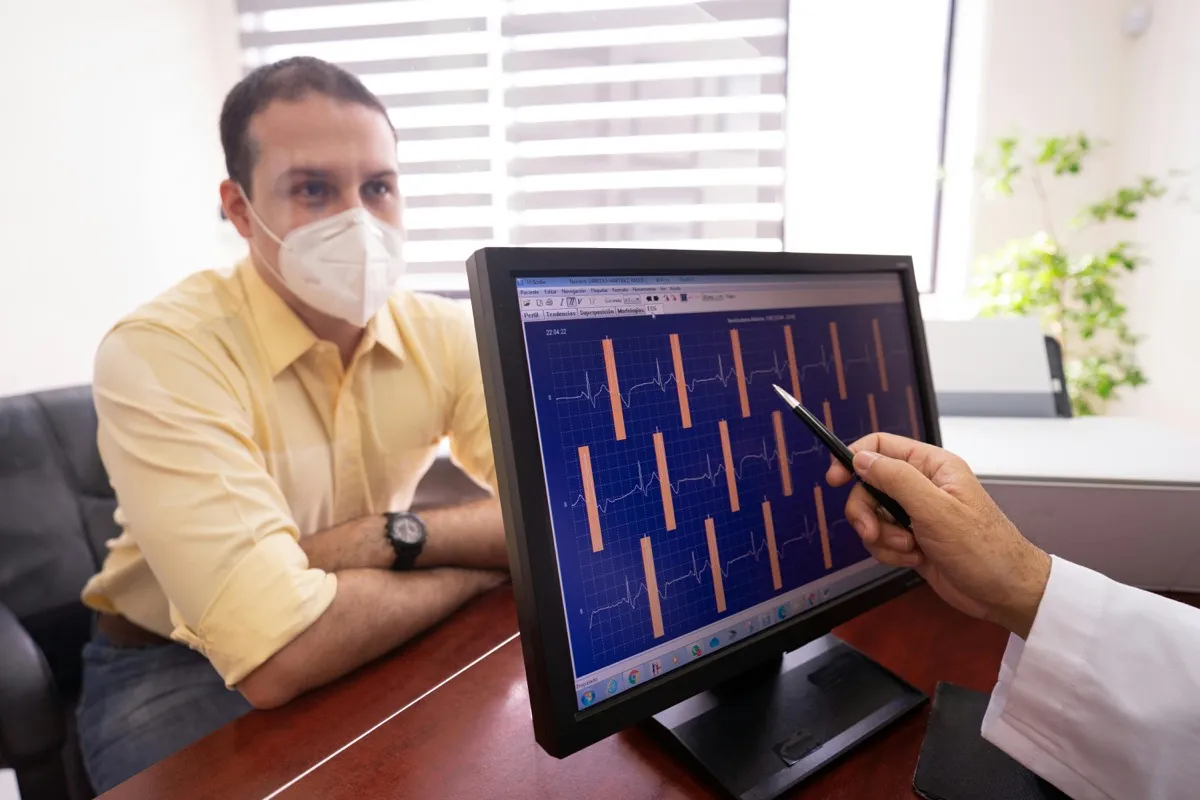
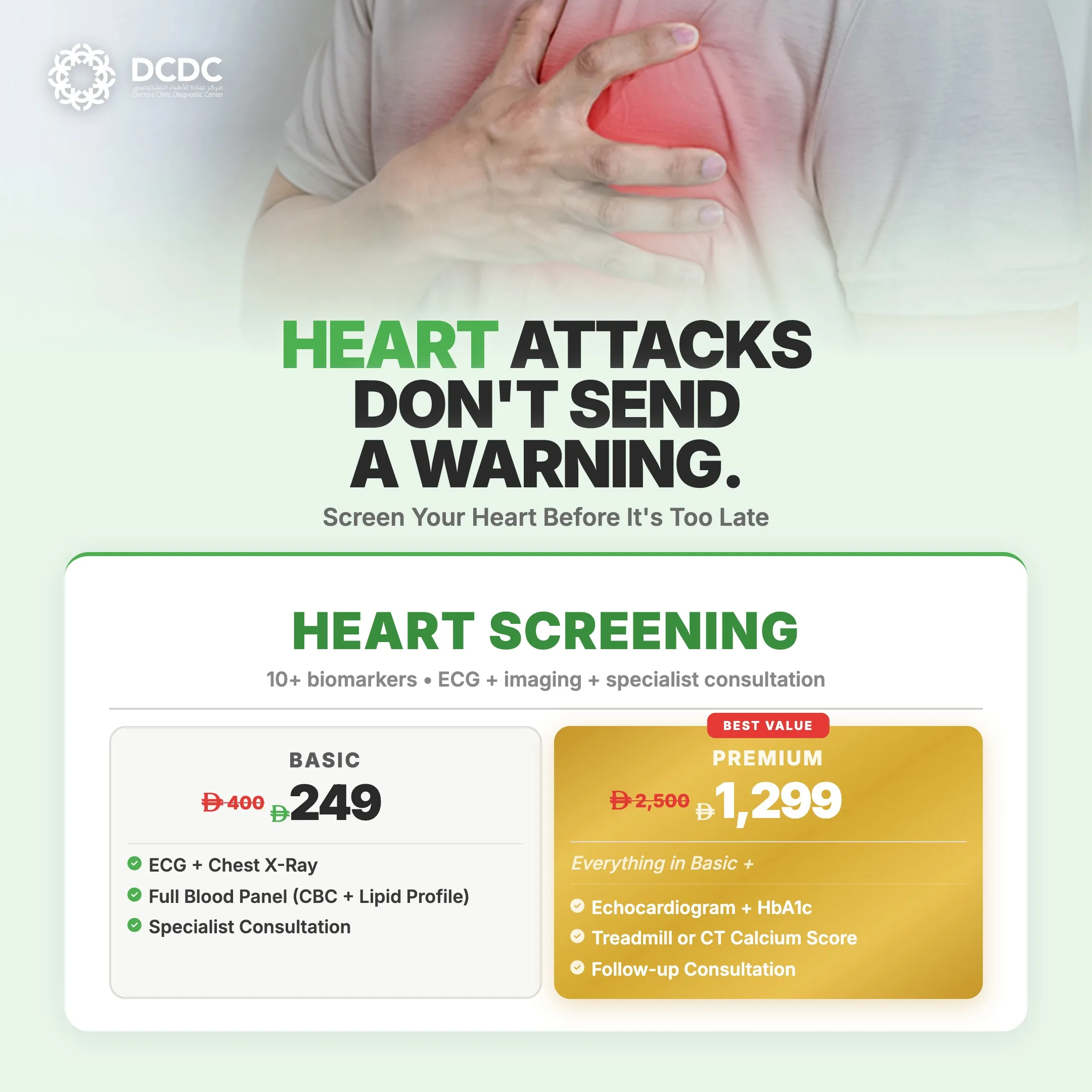
Heart Checkup Dubai: Cardiac Packages From AED 249 (2026)
Read MoreHeart Screening Dubai: Checkup Packages & Prevention (2026)
Read MoreHolter Monitor Prep Dubai: What to Expect (2026)
Read More
When to See a Cardiologist Dubai (2026)
Read More© 2026 Doctors Clinic Diagnostic Center (DCDC), Dubai Healthcare City. Originally published at https://doctorsclinicdubai.ae/blog/hypertension-silent-killer-dubai. All rights reserved. Unauthorized reproduction is prohibited.