Key Takeaways
- A Holter monitor is a small, portable device that continuously records your heart's electrical activity for 24-48 hours while you go about your normal daily life. Unlike a standard ECG that captures only 10 seconds, a Holter records over 100,000 heartbeats — dramatically increasing the chance of detecting intermittent arrhythmias.
- Holter monitoring increases arrhythmia detection rates by 60-70% compared to a standard resting ECG, making it the gold standard for investigating unexplained palpitations, dizziness, fainting spells, and suspected atrial fibrillation.
- The test is completely non-invasive, uses no radiation, requires no medication, and is safe for all ages including pregnant women. Modern devices weigh under 100 grams and are small enough to clip onto your belt or wear around your neck.
- Holter monitor test costs in Dubai range from AED 500-1,500 depending on the duration (24 vs 48 hours) and the facility. At DCDC Dubai Healthcare City, Holter monitoring is available from AED 1,000 with cardiologist interpretation included.
- Your Holter report includes average, minimum, and maximum heart rate; total premature beats (PVCs and PACs); arrhythmia episodes with duration and type; ST-segment changes suggesting ischaemia; and heart rate variability — all correlated with your symptom diary.
- Premature ventricular complexes (PVCs) are found in up to 75% of healthy adults on Holter monitoring. A PVC burden below 1% is generally considered benign and requires no treatment — so a finding of occasional PVCs should not cause alarm.
If your doctor has recommended a Holter monitor test, you probably have questions: What exactly does the device record? How long do you wear it? Can you shower? And what will the results show? A Holter monitor is the most effective non-invasive tool for catching heart rhythm problems that a standard ECG misses — because it records every single heartbeat for 24 to 48 hours while you live your normal life. Heart disease is the leading cause of death in the UAE, accounting for roughly 30% of all deaths, and early detection of rhythm abnormalities through Holter monitoring can be genuinely lifesaving.
This guide covers everything you need to know about Holter monitor testing in Dubai: how the device works, what it can and cannot detect, how to prepare, what happens during the recording period, how to read your results, costs at different facilities, and when your cardiologist may recommend a longer event monitor instead. Reviewed by Dr. Shahoo Mazhari, Cardiologist at DCDC Dubai Healthcare City.
What Is a Holter Monitor Test?
A Holter monitor is a small, battery-powered, portable electrocardiogram (ECG) device that you wear continuously for 24 to 48 hours — or sometimes up to 72 hours. Named after biophysicist Norman Holter, who developed the technology in the 1960s, the device records every heartbeat during the monitoring period using 3 to 5 electrode patches attached to your chest. The data is stored digitally and later analysed by your cardiologist using specialised software.
The fundamental limitation of a standard resting ECG is time: it captures approximately 10 seconds of your heart's electrical activity. If an arrhythmia is not occurring during those 10 seconds, the ECG will appear normal — even if you experience significant rhythm disturbances at other times. A Holter monitor eliminates this limitation by recording continuously, capturing over 100,000 heartbeats across a full day-night cycle. This includes periods of sleep, physical activity, emotional stress, and meals — all of which can trigger arrhythmias that would never appear during a brief office visit.
Modern Holter devices are remarkably compact. Most weigh under 100 grams — lighter than a smartphone — and can be clipped to a belt, worn around the neck on a lanyard, or placed in a shirt pocket. You can work, exercise moderately, and sleep while wearing the device. The only restriction is that the device cannot get wet, so you will need to avoid showers, baths, and swimming during the recording period.
Why You Might Need Holter Monitoring in Dubai
The American College of Cardiology (ACC) and American Heart Association (AHA) recommend Holter monitoring for patients with unexplained palpitations, syncope (fainting), or near-syncope episodes. Your cardiologist may order a Holter monitor for any of the following reasons:
- Unexplained palpitations: You feel your heart racing, skipping beats, or fluttering — but your resting ECG is normal. Holter monitoring can capture the rhythm during these episodes and determine whether they are benign or clinically significant.
- Fainting or near-fainting (syncope): Sudden loss of consciousness may be caused by a dangerously slow heart rate (heart block) or a fast arrhythmia. Holter recording during an episode provides a definitive diagnosis.
- Suspected atrial fibrillation: Atrial fibrillation (AF) affects 2-4% of adults globally and may occur in episodes (paroxysmal AF) that come and go unpredictably. Holter monitoring can detect brief AF episodes lasting only seconds or minutes.
- Post-stroke evaluation: Up to 25% of strokes are cryptogenic (no identified cause). Holter monitoring after stroke can reveal previously undetected atrial fibrillation, which requires anticoagulation therapy to prevent recurrence.
- Medication monitoring: After starting antiarrhythmic drugs (such as flecainide, amiodarone, or sotalol), a Holter helps verify that the medication is controlling the arrhythmia and not causing new rhythm disturbances.
- Pacemaker evaluation: Holter monitoring can verify that an implanted pacemaker is functioning correctly and capturing/pacing appropriately throughout daily activities.
- Risk stratification after heart attack: Frequent premature ventricular complexes (PVCs) or non-sustained ventricular tachycardia after myocardial infarction may indicate increased risk and guide decisions about further intervention.
- Evaluating dizziness or unexplained fatigue: Intermittent slow heart rates (bradycardia) or brief pauses can cause episodic dizziness or fatigue that standard testing misses.
Given that Dubai's population is diverse and includes a large proportion of adults with cardiovascular risk factors — including high rates of diabetes, hypertension, and sedentary lifestyles — Holter monitoring plays a critical role in preventive cardiac care in the UAE.
Holter Monitor vs Standard ECG: Key Differences
Both tests record the heart's electrical activity, but they serve fundamentally different purposes. Understanding when each test is appropriate will help you get the right investigation for your symptoms.
| Feature | Standard Resting ECG | Holter Monitor |
|---|---|---|
| Recording duration | ~10 seconds | 24-48 hours (up to 72 hours) |
| Heartbeats captured | ~10-15 beats | 100,000+ beats |
| Setting | Clinic/hospital, lying still | Normal daily life — home, work, sleep, exercise |
| Electrodes | 10 electrodes, 12 leads | 3-5 electrodes, 2-3 leads |
| Best for | Heart attack, conduction blocks, LVH, baseline assessment | Intermittent arrhythmias, palpitations, syncope, AF detection |
| Detection of intermittent arrhythmia | Low — captures only a snapshot | High — 60-70% greater arrhythmia detection rate |
| Symptom correlation | Not possible (too brief) | Yes — symptom diary matched to ECG recording |
| Cost in Dubai | AED 100-300 | AED 500-1,500 |
A resting ECG is a snapshot; a Holter monitor is a full movie of your heart's electrical activity. Both tests are complementary.
In clinical practice, Holter monitoring increases arrhythmia detection by 60-70% compared to a standard resting ECG alone. This is why your cardiologist will typically start with a resting ECG — which is quick and can detect many acute problems — and then proceed to Holter monitoring if intermittent symptoms are suspected. At DCDC Dubai Healthcare City, our Holter monitoring service includes cardiologist-interpreted reports with same-week turnaround. For a deeper comparison of cardiac tests, see our guide on ECG testing in Dubai and ECG vs echocardiogram differences.
How a Holter Monitor Works
The technology behind Holter monitoring is straightforward. Small adhesive electrode patches are placed on specific positions on your chest. These electrodes detect the tiny electrical signals generated by your heart with each beat — the same signals that a standard ECG records, but captured continuously over a much longer period.
Thin lead wires connect the electrodes to the recording device, which digitises and stores the electrical signal. Modern Holter devices use solid-state digital storage (similar to a memory card) and can record 2-3 channels of continuous ECG data for up to 72 hours on a single battery charge. Some newer devices use Bluetooth to transmit data to a smartphone app, allowing real-time event marking.
The Symptom Diary
One of the most valuable features of Holter monitoring is the symptom diary. You will be given a paper or digital log to record the exact time and nature of any symptoms you experience — palpitations, dizziness, chest pain, shortness of breath, or lightheadedness. You also note your activities: sleeping, eating, exercising, climbing stairs, or experiencing emotional stress.
When the cardiologist analyses the recording, they correlate your symptom entries with the ECG tracing at those exact moments. This is critically important: if you report palpitations at 3:15 PM and the Holter shows a burst of supraventricular tachycardia (SVT) at 3:15 PM, the diagnosis is confirmed. Conversely, if you report palpitations but the rhythm is normal sinus at that time, the cardiologist knows the sensation is not caused by an arrhythmia — which is equally useful information.
Holter Monitor Test Cost in Dubai (2026)
Holter monitor testing costs vary across Dubai depending on the facility, the duration of monitoring, and whether cardiologist interpretation is included in the price or billed separately.
| Holter Monitor Service | Typical Cost in Dubai (AED) | What Is Included |
|---|---|---|
| 24-hour Holter monitor | 500 – 1,200 | Device fitting, electrode placement, 24-hour continuous recording, device return, data download and cardiologist analysis |
| 48-hour Holter monitor | 800 – 1,500 | Extended 48-hour recording for better detection of infrequent arrhythmias, full cardiologist report |
| Holter at DCDC Dubai Healthcare City | AED 1,000 (24h) | Device fitting by trained cardiac technician, recording period, cardiologist interpretation by Dr. Shahoo Mazhari, detailed written report |
| Event monitor (14-30 days) | 1,500 – 3,000 | Extended monitoring for rare/infrequent symptoms, patient-activated recording, full analysis |
Prices are approximate and may vary. Insurance typically covers Holter monitoring with a physician referral and pre-authorisation.
Insurance Coverage
Most comprehensive insurance plans in Dubai cover Holter monitoring when prescribed by a cardiologist. Pre-authorisation is typically required. At DCDC, we process insurance claims directly with all major Dubai insurers. Self-pay patients can book directly without a referral. Contact us for current pricing and insurance verification.
When comparing prices across facilities, ensure the quoted price includes cardiologist interpretation — some centres charge separately for device fitting and for the physician's analysis report, which can significantly increase the total cost.
What to Expect During Holter Monitoring
Understanding the process from start to finish helps you prepare and ensures you get the best possible recording quality.
Step 1: Device Fitting (15-20 minutes)
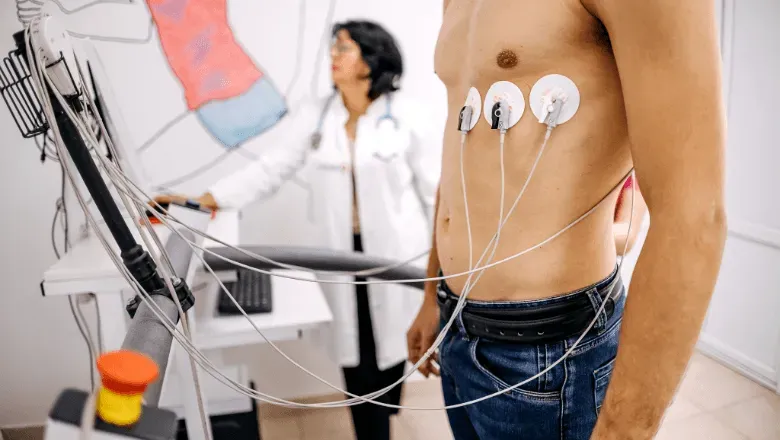
At your appointment, a cardiac technician will clean small areas on your chest with an alcohol swab and lightly abrade the skin to ensure good electrode contact. Three to five adhesive electrode patches are placed in specific positions on your chest. For men with significant chest hair, small patches may be shaved for better adhesion. The electrodes are connected by thin wires to the recording device, which is clipped to your belt or worn in a pouch around your neck.
Step 2: The Recording Period (24-48 hours)
Once the device is activated, you go about your normal daily routine. The monitor records silently and continuously — you do not need to press any buttons (unless the model has an event-marker button for symptoms). Go to work, eat meals, take your medications, exercise at your usual level, and sleep in your normal position. The more "normal" your day, the more representative the recording will be.
- Do: Continue all normal activities, take all prescribed medications, keep the symptom diary accurately, press the event button when you feel symptoms
- Do: Sleep in whatever position is comfortable — the device will not be damaged by lying on it
- Don't: Shower, bathe, or swim — the device and electrodes must stay dry
- Don't: Use electric blankets, stand near strong magnets or high-voltage equipment, or use a microwave oven for prolonged periods directly next to the device
- Don't: Remove or reposition the electrodes yourself — if one comes loose, secure it with medical tape and note the time in your diary
Step 3: Device Return and Analysis
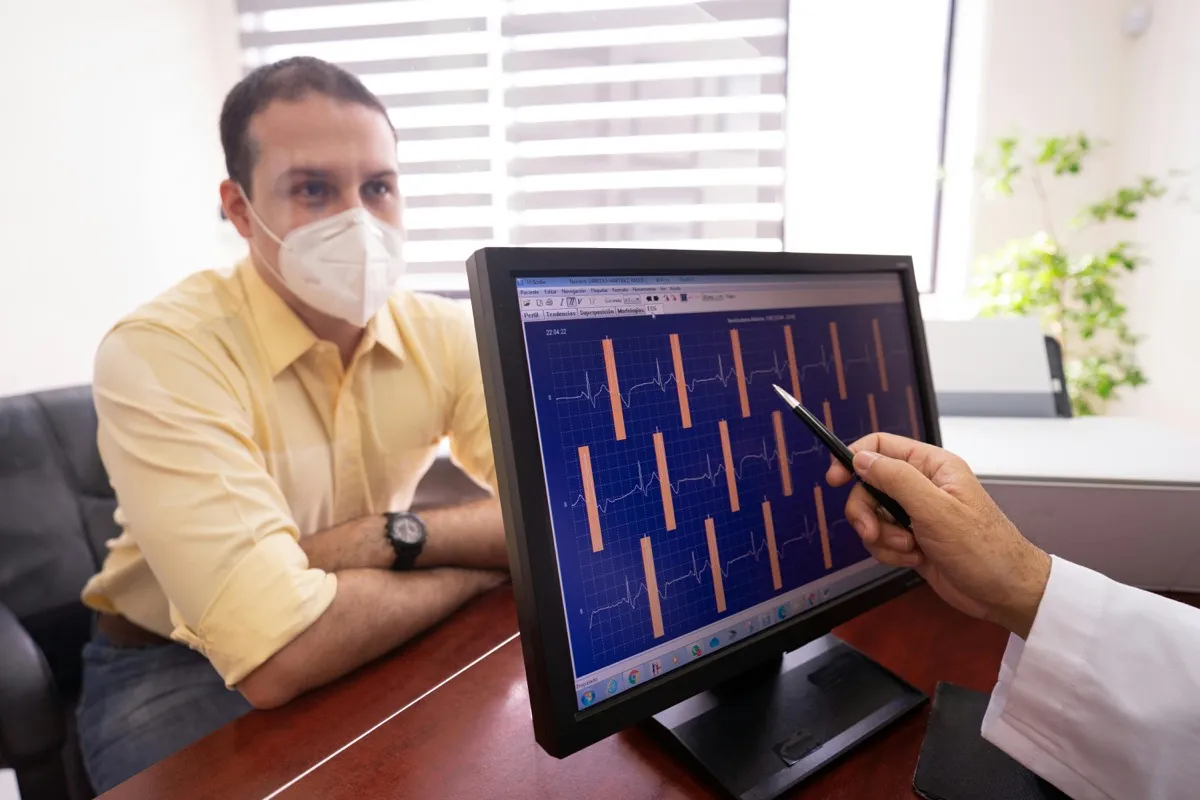
After the recording period, you return to the clinic. The technician removes the device and electrodes (the adhesive patches may leave mild redness that fades within hours). The recorded data is downloaded to analysis software that scans the entire recording for abnormalities, and the cardiologist then reviews and interprets the findings alongside your symptom diary.
For more context on related cardiac diagnostic procedures, read our comprehensive echocardiogram guide and learn about the full range of cardiac tests available in Dubai.
Book Your Holter Monitor Test at DCDC
Holter monitoring available from AED 1,000 with cardiologist interpretation included. Device fitting in 15 minutes, results within 2-3 working days. Book Holter monitoring at DCDC Dubai Healthcare City or call us for a same-day fitting.
How to Prepare for a Holter Monitor Test
Preparation for Holter monitoring is minimal, but a few steps will help ensure a high-quality recording:
- Shower before your appointment: Since you cannot shower during the 24-48 hour recording period, have a thorough shower or bath before you come to the clinic.
- Avoid skin lotions and oils: Do not apply moisturiser, body oil, or powder to your chest on the day of fitting — these substances reduce electrode adhesion and can cause signal artefact.
- Wear a loose-fitting top: A comfortable, loose shirt or blouse makes electrode placement easier and helps conceal the device and wires during the recording period.
- Bring your medication list: Your cardiologist needs to know all medications you are taking, especially cardiac drugs like beta-blockers, antiarrhythmics, or blood pressure medications, so they can interpret the recording in context.
- Continue your medications: Unless specifically instructed otherwise by your cardiologist, take all your regular medications as normal. The purpose of the test is to assess your heart rhythm under your usual conditions.
- Plan your schedule: Try to schedule the test during a representative 24-48 hour period. If your symptoms tend to occur during exercise, make sure you include your usual exercise routine during the recording period.
What a Holter Monitor Can Detect
The diagnostic power of a Holter monitor lies in its ability to record continuously, capturing abnormalities that occur unpredictably throughout the day and night. Here are the key conditions it can identify:
- Atrial fibrillation (AF/AFib): The most common sustained arrhythmia globally, affecting 2-4% of adults. Paroxysmal AF may occur in episodes lasting seconds to hours, making it invisible on a resting ECG but detectable on Holter.
- Supraventricular tachycardia (SVT): Sudden episodes of rapid heart rate originating above the ventricles. Holter recording during an episode confirms the diagnosis and identifies the specific type.
- Ventricular tachycardia (VT): A potentially dangerous rapid rhythm originating from the ventricles. Even brief, non-sustained episodes are significant and may require treatment.
- Premature beats (PVCs and PACs): Extra heartbeats from the ventricles (PVCs) or atria (PACs). PVCs are found in up to 75% of healthy adults on Holter monitoring — a PVC burden below 1% is generally benign and requires no treatment.
- Heart block (AV block): Delayed or blocked conduction from the atria to the ventricles. Intermittent second or third-degree heart block can cause sudden fainting and may require a pacemaker.
- Sick sinus syndrome: A malfunctioning natural pacemaker (sinus node) that causes alternating fast and slow heart rates, pauses, or chronotropic incompetence.
- Sinus pauses: Periods where the heart temporarily stops beating for more than 2-3 seconds. These may explain episodes of lightheadedness or syncope.
- ST-segment changes: Depression or elevation of the ST segment may indicate episodes of cardiac ischaemia (reduced blood flow), even without symptoms (silent ischaemia).
- Heart rate variability (HRV): Reduced HRV is associated with increased cardiovascular risk and can be assessed from the Holter recording.
What a Holter Monitor Cannot Detect
A Holter monitor records electrical activity only — it cannot detect structural heart problems (valve disease, heart muscle weakness) which require an echocardiogram, or coronary artery blockages which require a stress test or CT angiogram. It also cannot diagnose arrhythmias that do not occur during the recording period. If symptoms are infrequent — occurring only a few times per month — an event monitor worn for 14 to 30 days is a better choice. To arrange Holter monitoring at DCDC, book a cardiology consultation or walk in during clinic hours.
Understanding Your Holter Monitor Results
Holter results are typically available within 2-5 working days after you return the device. The analysis software processes the entire recording and generates a detailed report, which your cardiologist then reviews and interprets. Here is what the report includes:
Key Metrics in Your Holter Report
- Total recording time and quality: The percentage of the recording that is analysable (ideally above 95%). Poor electrode contact or excessive movement artefact reduces the usable recording.
- Heart rate summary: Average heart rate over 24 hours (typically 60-80 bpm), minimum heart rate (usually during deep sleep, often 40-50 bpm), and maximum heart rate (during exertion or stress). Separate values for daytime and nighttime are provided.
- Premature beats: Total number of premature atrial complexes (PACs) and premature ventricular complexes (PVCs), expressed as both a total count and a percentage of all beats (the "burden"). A PVC burden below 1% is generally benign.
- Arrhythmia episodes: Any episodes of sustained or non-sustained tachycardia (fast rhythm), bradycardia (slow rhythm), or pauses, with the time, duration, and maximum rate of each episode.
- ST-segment analysis: Any periods of ST depression or elevation that may indicate cardiac ischaemia, with timing and duration.
- Symptom correlation: A direct comparison of your diary entries with the ECG recording at those times, showing whether symptoms coincide with rhythm disturbances.
Interpreting Common Findings
Many patients worry unnecessarily about Holter findings. It is important to understand that finding some premature beats is extremely common and usually benign. Studies show that PVCs appear on Holter recordings in up to 75% of healthy adults. Similarly, brief sinus pauses during deep sleep and slight heart rate variations are entirely normal. Your cardiologist evaluates all findings in the context of your symptoms, medical history, and cardiac function — a few extra beats in an otherwise healthy heart are very different from the same finding in someone with structural heart disease.
When to See a Cardiologist After Holter Results
While your cardiologist will review all Holter results and contact you about significant findings, certain results warrant prompt follow-up or additional testing:
- Atrial fibrillation detected: Even brief episodes require stroke risk assessment (CHA2DS2-VASc scoring) and a discussion about anticoagulation therapy. An echocardiogram is typically ordered to assess heart structure.
- Ventricular tachycardia: Any episode of ventricular tachycardia — sustained or non-sustained — needs further evaluation, often including an echocardiogram and potentially cardiac MRI.
- Significant pauses (>3 seconds): Pauses during waking hours may indicate sinus node dysfunction and could require pacemaker implantation if causing symptoms.
- High PVC burden (>10%): A PVC burden exceeding 10% of all beats may, over time, weaken the heart muscle (PVC-induced cardiomyopathy) and may warrant treatment with medication or catheter ablation.
- Second or third-degree heart block: Intermittent advanced heart block detected on Holter often requires pacemaker evaluation.
- ST-segment changes during symptoms: ST depression correlated with chest pain or exertion suggests coronary artery disease and warrants further investigation with a stress test or angiography.
If your Holter results reveal any of the above, your cardiologist at DCDC will discuss the findings with you in detail and recommend a clear management plan. For an overview of heart disease prevention strategies, read our guide on heart health and prevention in Dubai and understand the risks of hypertension as a silent killer.
Holter Monitor for Athletes and Active Patients
Athletes and highly active individuals present unique considerations for Holter monitoring. Regular intense exercise causes adaptive changes to the heart — lower resting heart rate (sinus bradycardia), increased heart rate variability, and occasionally brief pauses during sleep — that may appear "abnormal" on a Holter but are completely normal physiological adaptations.
However, athletes also face specific cardiac risks. Exercise can trigger arrhythmias in susceptible individuals, and conditions like hypertrophic cardiomyopathy, arrhythmogenic right ventricular cardiomyopathy (ARVC), and Wolff-Parkinson-White syndrome can cause dangerous arrhythmias during exertion. Holter monitoring is particularly valuable for athletes who experience palpitations, dizziness, or unexplained drops in performance during training.
Practical Tips for Athletes Wearing a Holter
- Train during the recording period: Include your usual training session so the cardiologist can assess your heart rhythm during exercise. Use the event button or diary to note the start and end of exercise.
- Secure the device: Use a snug-fitting exercise vest or compression shirt over the electrodes and device to prevent movement artefact during high-intensity activity.
- Avoid contact sports: Activities with heavy body contact risk dislodging electrodes or damaging the device.
- Manage sweat: Excessive sweating can loosen electrodes. Apply extra medical tape over the electrodes before exercise, and carry spare tape with you.
Where to Get Holter Monitoring in Dubai
Holter monitoring is offered by most cardiology departments in Dubai's hospitals and specialist clinics. When choosing a facility, consider the following factors:
- Cardiologist interpretation included: Ensure the price includes interpretation by a qualified cardiologist, not just a technician-generated automated report. The clinical value of a Holter test depends almost entirely on expert interpretation.
- Same-day device fitting: Some facilities have limited device availability and may require advance booking. At DCDC, same-day Holter fitting is available subject to device availability.
- Turnaround time: Ask how long the results will take. At DCDC, results are typically ready within 2-3 working days.
- Insurance processing: Choose a facility that processes your insurance directly to avoid upfront out-of-pocket costs.
- Follow-up consultation: Ideally, the cardiologist who interprets your Holter should also be the one who discusses results and plans further management. This continuity of care is important.
At Doctors Clinic Diagnostic Center (DCDC) in Dubai Healthcare City, Holter monitoring is performed under the supervision of Dr. Shahoo Mazhari, Cardiologist. The clinic offers 24-hour Holter monitoring for AED 1,000 and 48-hour monitoring by quote, with device fitting taking approximately 15 minutes. DCDC provides the full spectrum of cardiac diagnostics in one location — including resting ECG, Holter monitoring, echocardiography, and cardiac stress testing — allowing comprehensive cardiac workup without referrals to multiple facilities.
Comprehensive Cardiac Testing at DCDC Dubai Healthcare City
From resting ECG to Holter monitoring, echocardiography, and stress testing — get all your cardiac diagnostics in one visit. Cardiologist interpretation included with every test. Book Holter monitoring or call DCDC to schedule your cardiac assessment today.
24-Hour vs 48-Hour vs 7-Day vs 14-Day Holter Monitor: Which Duration Do You Need?
Not all Holter monitoring is the same duration, and the right choice depends on how frequently your symptoms occur. The recording duration directly affects the probability of capturing an arrhythmia event — longer recording means more heartbeats captured and a higher chance of catching intermittent problems. The following comparison table breaks down each option.
| Feature | 24-Hour Holter | 48-Hour Holter | 7-Day Holter | 14-Day Event Monitor |
|---|---|---|---|---|
| Heartbeats recorded | ~100,000 | ~200,000 | ~700,000 | Patient-activated events |
| Best for | Daily symptoms (palpitations, dizziness occurring at least once/day) | Symptoms every 1–2 days; post-medication assessment | Symptoms occurring 2–3 times per week | Rare symptoms (weekly or less frequent) |
| Recording type | Continuous ECG | Continuous ECG | Continuous ECG | Continuous or patient-activated |
| Showering allowed | No | No | Yes (some waterproof models) | Yes (patch-style monitors) |
| Device size | Small (50–100g) | Small (50–100g) | Patch-style or compact recorder | Small adhesive patch or wearable |
| Cost in Dubai (AED) | 500–1,200 | 800–1,500 | 1,200–2,500 | 1,500–3,000 |
| Arrhythmia detection rate | 60–70% (vs resting ECG) | 75–85% | 85–95% | 90–98% (for rare events) |
| Symptom diary | Required (paper or digital) | Required (paper or digital) | Recommended | Event button required |
Comparison of Holter monitor durations and event monitors available in Dubai. Your cardiologist will recommend the optimal duration based on symptom frequency.
According to Dr. Shahoo Mazhari, Cardiologist at DCDC, "The most common mistake I see is ordering a 24-hour Holter for a patient whose symptoms occur only once or twice a week. In those cases, the recording simply may not capture the event, leading to a falsely reassuring normal result. For infrequent symptoms, I always recommend extended monitoring — either a 7-day continuous Holter or a 14-day event monitor — because the diagnostic yield is substantially higher."
Complete List of Arrhythmias a Holter Monitor Can Detect
A Holter monitor can identify a wide spectrum of cardiac rhythm disturbances. The following comprehensive list covers every type of arrhythmia that Holter monitoring can detect, grouped by clinical significance.
Supraventricular Arrhythmias (Originating Above the Ventricles)
- Premature atrial complexes (PACs): Extra beats originating in the atria — found in up to 50% of healthy adults. Isolated PACs are generally benign but frequent PACs may indicate an underlying atrial substrate.
- Atrial fibrillation (AF/AFib): Irregular, rapid activation of the atria. The most clinically significant finding because it increases stroke risk 5-fold and requires anticoagulation assessment.
- Atrial flutter: Organised, rapid atrial circuit with a characteristic sawtooth pattern. Often alternates with atrial fibrillation.
- Supraventricular tachycardia (SVT): Sudden episodes of rapid heart rate (150–220 bpm) originating above the ventricles. Includes AVNRT, AVRT, and atrial tachycardia.
- Wolff-Parkinson-White (WPW) pattern: An accessory conduction pathway that can predispose to dangerous rapid rhythms. Identified by a short PR interval and delta wave.
Ventricular Arrhythmias (Originating in the Ventricles)
- Premature ventricular complexes (PVCs): Extra beats from the ventricles. Found in up to 75% of healthy adults. A PVC burden above 10% may cause PVC-induced cardiomyopathy over time.
- Non-sustained ventricular tachycardia (NSVT): Three or more consecutive ventricular beats at a rate above 100 bpm, lasting less than 30 seconds. Clinically significant, especially post-myocardial infarction.
- Sustained ventricular tachycardia (VT): Dangerous rapid ventricular rhythm lasting more than 30 seconds or causing haemodynamic collapse. Requires urgent evaluation.
- Ventricular fibrillation (VF): Life-threatening chaotic ventricular activity. Extremely rare on ambulatory monitoring but may be captured if the patient survives the episode.
Conduction Abnormalities
- First-degree AV block: Prolonged PR interval (>200 ms). Usually benign and often an incidental finding.
- Second-degree AV block (Mobitz Type I / Wenckebach): Progressive PR prolongation until a beat is dropped. Often benign, particularly in young athletes during sleep.
- Second-degree AV block (Mobitz Type II): Sudden dropped beats without progressive PR prolongation. More serious — may progress to complete heart block and require a pacemaker.
- Third-degree (complete) AV block: Complete dissociation between atrial and ventricular activity. Usually requires pacemaker implantation.
- Sinus pauses and sinus arrest: Temporary cessation of sinus node activity for more than 2–3 seconds. Significant pauses during waking hours may explain syncope episodes.
- Bundle branch blocks (RBBB/LBBB): Delayed conduction through the right or left bundle branches, producing characteristic wide QRS complexes. New LBBB can indicate underlying heart disease.
How to Wear a Holter Monitor: Practical Tips for the Best Recording
Getting a high-quality Holter recording requires proper electrode placement and some practical precautions during the monitoring period. Poor recording quality can make portions of the trace unreadable, potentially causing the cardiologist to miss important findings.
- Electrode placement: The cardiac technician places 3–5 electrodes at specific positions on your chest. Men with chest hair will have small patches shaved. The skin is cleaned with alcohol and gently abraded to ensure good electrical contact. Proper skin preparation is the single most important factor in recording quality.
- Securing the device: Clip the recorder to your belt, place it in a trouser pocket, or wear it in the supplied pouch around your neck. Avoid letting the device hang freely — movement creates artefact.
- Clothing choice: Wear a loose-fitting shirt or blouse that does not restrict the electrode leads. Button-down shirts are easier than pullover tops for fitting and removing.
- Sleeping position: Sleep in whatever position is comfortable. Rolling onto the device will not damage it or significantly affect the recording. If an electrode comes loose during the night, press it firmly back on and note the time in your diary.
- Managing sweat: Dubai's heat and humidity can loosen electrodes. Apply extra medical tape (provided by the clinic) over the electrodes before going outdoors. Carry spare tape and note any electrode repositioning in your diary.
- If an electrode falls off: Do not panic. Reattach the electrode firmly and secure it with medical tape. Note the exact time in your symptom diary so the cardiologist knows to expect a brief gap in the recording at that point.
- Electronic devices: Smartphones, laptops, and tablets can be used normally. Avoid prolonged close contact with strong magnets, industrial equipment, or electric blankets.
Keeping an Effective Symptom Diary During Holter Monitoring
The symptom diary is arguably the most important part of Holter monitoring — it allows your cardiologist to correlate your subjective symptoms with the objective ECG recording. A well-kept diary transforms a Holter test from a raw data dump into a clinically meaningful diagnostic tool.
What to Record in Your Holter Diary
- Symptoms: Note the exact time and nature of every symptom — palpitations, dizziness, lightheadedness, chest pain, shortness of breath, fainting, or feeling your heart "skip a beat." Be as specific as possible: "3:15 PM — felt heart racing for approximately 30 seconds while sitting at desk."
- Activities: Record major activities with approximate times — waking up, meals, walking, climbing stairs, exercise, emotional stress, driving, and going to sleep. These activities can trigger or suppress arrhythmias.
- Medications: Note the time you take each medication, especially cardiac drugs like beta-blockers, calcium channel blockers, or antiarrhythmics.
- Caffeine and alcohol: Record coffee, tea, energy drinks, and alcoholic beverages with times. Both caffeine and alcohol are known arrhythmia triggers.
- Sleep quality: Note when you went to bed, any nighttime awakenings, and when you woke up. Nocturnal arrhythmias and bradycardia are important findings.
- Press the event button: If your Holter has an event marker button, press it at the moment you feel symptoms. This creates a digital timestamp that makes correlation with the ECG tracing fast and precise.
Holter Monitor vs Smartwatch ECG: Can an Apple Watch Replace a Holter?
Consumer smartwatches like the Apple Watch, Samsung Galaxy Watch, and Fitbit Sense now offer single-lead ECG recording and irregular rhythm notification features. While these are valuable screening tools, they have fundamental limitations that prevent them from replacing a medical-grade Holter monitor.
| Feature | Holter Monitor | Smartwatch ECG |
|---|---|---|
| ECG leads | 2–3 leads, continuous multi-channel recording | Single lead (Lead I only) |
| Recording mode | Continuous 24–72 hours — every heartbeat captured | On-demand 30-second snapshots (user must activate) |
| Arrhythmia detection | Detects all arrhythmia types including VT, heart block, PVCs, pauses | Primarily detects atrial fibrillation; cannot reliably identify VT, heart block, or PVCs |
| ST-segment analysis | Yes — detects ischaemia episodes | No — not validated for ischaemia detection |
| Heart rate variability | Full 24-hour HRV analysis with clinical-grade metrics | Limited HRV data, not clinically validated |
| Symptom correlation | Detailed diary matched to continuous recording | Limited — only captures rhythm during 30-second recording |
| Clinical acceptance | Gold standard — accepted for diagnosis and treatment decisions | Screening tool only — findings must be confirmed by medical ECG |
| Cardiologist interpretation | Full expert interpretation included | Self-interpretation or forwarded PDF — not equivalent |
A smartwatch ECG is a useful screening alert but cannot replace the diagnostic depth of medical-grade Holter monitoring.
If your smartwatch has detected an irregular rhythm or you have received an atrial fibrillation notification, this is an important finding — but it needs confirmation with a medical-grade Holter monitor before any treatment decisions are made. At DCDC, we see an increasing number of patients who present with smartwatch alerts. Dr. Shahoo Mazhari notes: "I welcome patients who bring smartwatch ECG printouts — it shows they are engaged with their heart health. But I always explain that a smartwatch notification is a reason to investigate further with proper monitoring, not a diagnosis in itself. A 30-second single-lead tracing cannot provide the detail we need for treatment planning."
Holter Monitor vs Event Monitor vs Loop Recorder: Choosing the Right Cardiac Monitor
Beyond the standard Holter, several other ambulatory cardiac monitoring devices exist. Each serves a different purpose depending on symptom frequency and clinical suspicion.
| Monitor Type | Duration | How It Works | Best For | Cost in Dubai (AED) |
|---|---|---|---|---|
| Holter Monitor | 24–72 hours | Continuous recording of every heartbeat | Symptoms occurring at least daily | 500–1,500 |
| Event Monitor (External) | 14–30 days | Worn continuously; patient presses button during symptoms to save the recording | Symptoms occurring weekly but not daily | 1,500–3,000 |
| Patch Monitor (e.g. Zio Patch) | 7–14 days | Single adhesive patch worn continuously; waterproof; auto-detects arrhythmias | Patients who need longer monitoring without wires; active patients | 1,200–2,500 |
| Implantable Loop Recorder (ILR) | Up to 3 years | Small device implanted under the skin of the chest; continuously monitors and auto-records events | Very rare symptoms (monthly or less); unexplained syncope; cryptogenic stroke | 15,000–25,000 (including implantation) |
Ambulatory cardiac monitoring options available in Dubai — from short-term Holter to long-term implantable loop recorders.
At DCDC, Dr. Shahoo Mazhari can advise you on the most appropriate monitoring option based on the frequency and nature of your symptoms. For most patients presenting with palpitations or dizziness, a 24–48 hour Holter is the appropriate first-line investigation. If the Holter does not capture the symptoms, the next step is typically extended event monitoring. For further reading on related cardiac investigations, see our guides on ECG vs echocardiogram and cardiac stress testing in Dubai.
Related Services at DCDC
Expert care and advanced diagnostics at Dubai Healthcare City
Frequently Asked Questions
Final Thoughts
A Holter monitor test is one of the most valuable tools in cardiology — it extends the diagnostic power of an ECG from a 10-second snapshot to a comprehensive 24-48 hour recording of your heart's electrical activity. For patients with palpitations, dizziness, fainting, or suspected atrial fibrillation, it provides answers that no other non-invasive test can match.
The test is safe, painless, requires no special preparation, and involves no radiation or medication. The minor inconvenience of wearing a small device for a day or two is far outweighed by the diagnostic information it provides — information that can guide life-saving treatment decisions including anticoagulation for atrial fibrillation, pacemaker implantation for heart block, or medication adjustment for arrhythmia control.
At Doctors Clinic Diagnostic Center in Dubai Healthcare City, Holter monitoring is available from AED 1,000 with full cardiologist interpretation by Dr. Shahoo Mazhari. Combined with our resting ECG testing, echocardiography, and cardiac stress testing, DCDC offers comprehensive cardiac diagnostics in a single facility — so you can get the answers you need without visiting multiple centres.
Sources & References
This article was reviewed by our medical team and references the following sources:
- American Heart Association — Ambulatory ECG (Holter and Event) Monitoring
- American College of Cardiology — ACC/AHA Guidelines on Ambulatory Electrocardiographic Monitoring
- Mayo Clinic — Holter Monitor: Overview, Procedure, and Results
- Cleveland Clinic — Holter Monitor Test: Purpose, Procedure, and Results
- NHS — Heart Rhythm Tests Including ECG and Ambulatory Monitoring
Medical content on this site is reviewed by DHA-licensed physicians. See our editorial policy for more information.

Written by
Dr. Shahoo Mazhari
Cardiologist
MD, Cardiology
Dr. Shahoo Mazhari is a Cardiologist at Doctors Clinic Diagnostic Center (DCDC) in Dubai Healthcare City.
Related Articles

ECG Test Dubai: Cost, Types & Results (2026)
Cardiac Tests Dubai: ECG vs Echo vs Stress Test Comparison
Cardiac Stress Test in Dubai: Cost, Procedure & What to Expect
Heart Health Prevention in Dubai: Complete Guide
Echocardiogram in Dubai: Complete Guide
More in Cardiology
ABPM Test Dubai: 24-Hour BP Monitoring (2026)
Read MoreHeart Tests Dubai: ECG, Echo & Stress Test Cost (2026)
Read More
Echo Test Cost Dubai: 2D Echo Price & What It Includes
Read MoreHeart Checkup Dubai: Cardiac Packages From AED 249 (2026)
Read MoreHeart Screening Dubai: Checkup Packages & Prevention (2026)
Read MoreHolter Monitor Prep Dubai: What to Expect (2026)
Read More© 2026 Doctors Clinic Diagnostic Center (DCDC), Dubai Healthcare City. Originally published at https://doctorsclinicdubai.ae/blog/holter-monitor-test-dubai. All rights reserved. Unauthorized reproduction is prohibited.