Key Takeaways
- Heart disease is the number one killer of women worldwide, yet symptoms in women are often subtle and mistaken for stress, reflux, or fatigue
- Atypical warning signs include extreme fatigue, jaw or neck pain, nausea, shortness of breath, and upper back pressure, sometimes without any chest pain
- Women-specific risk factors include preeclampsia, gestational diabetes, PCOS, early menopause, and autoimmune disease
- Screening may include ECG, echocardiogram, treadmill stress test, Holter monitoring, and blood tests (lipid profile, HbA1c, CRP)
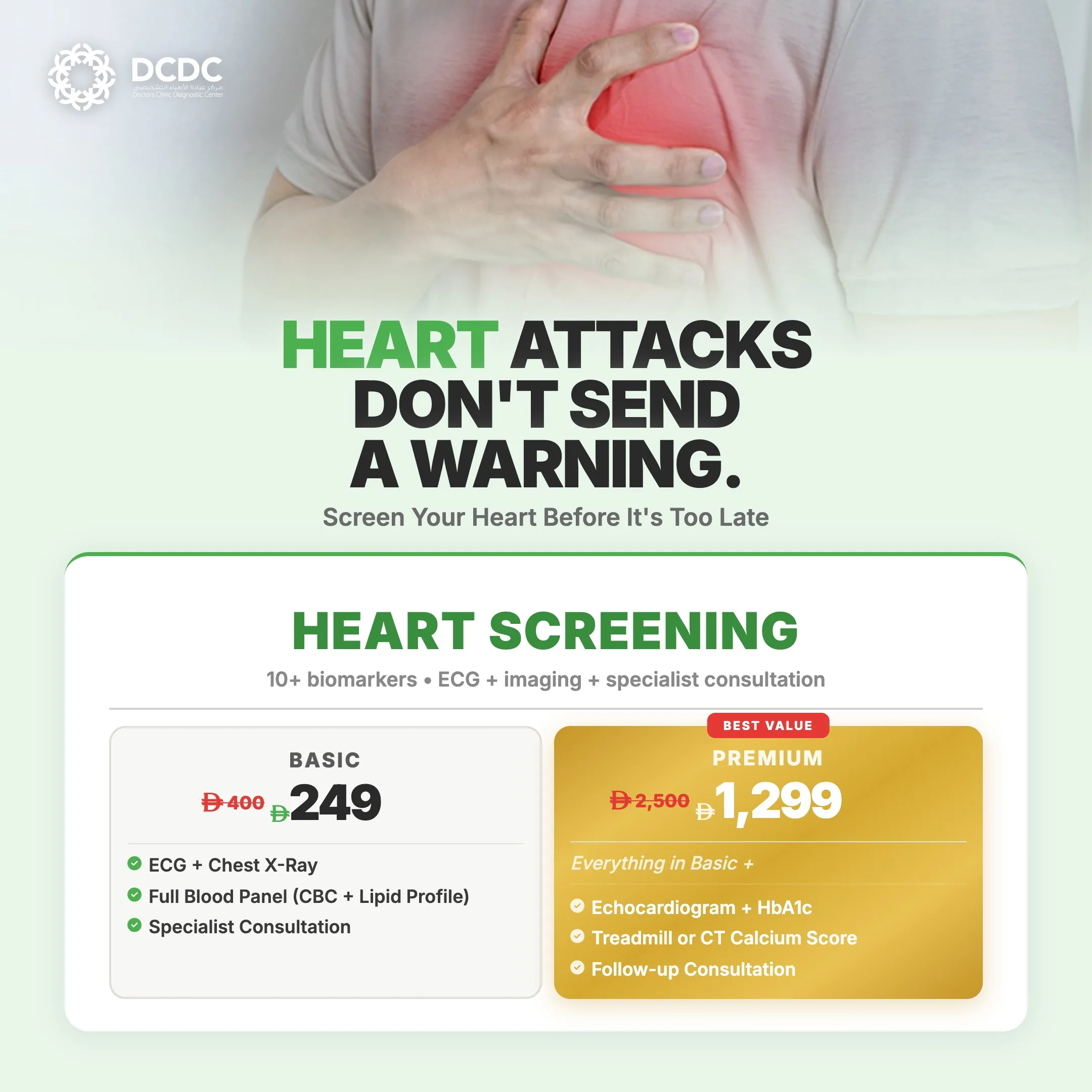
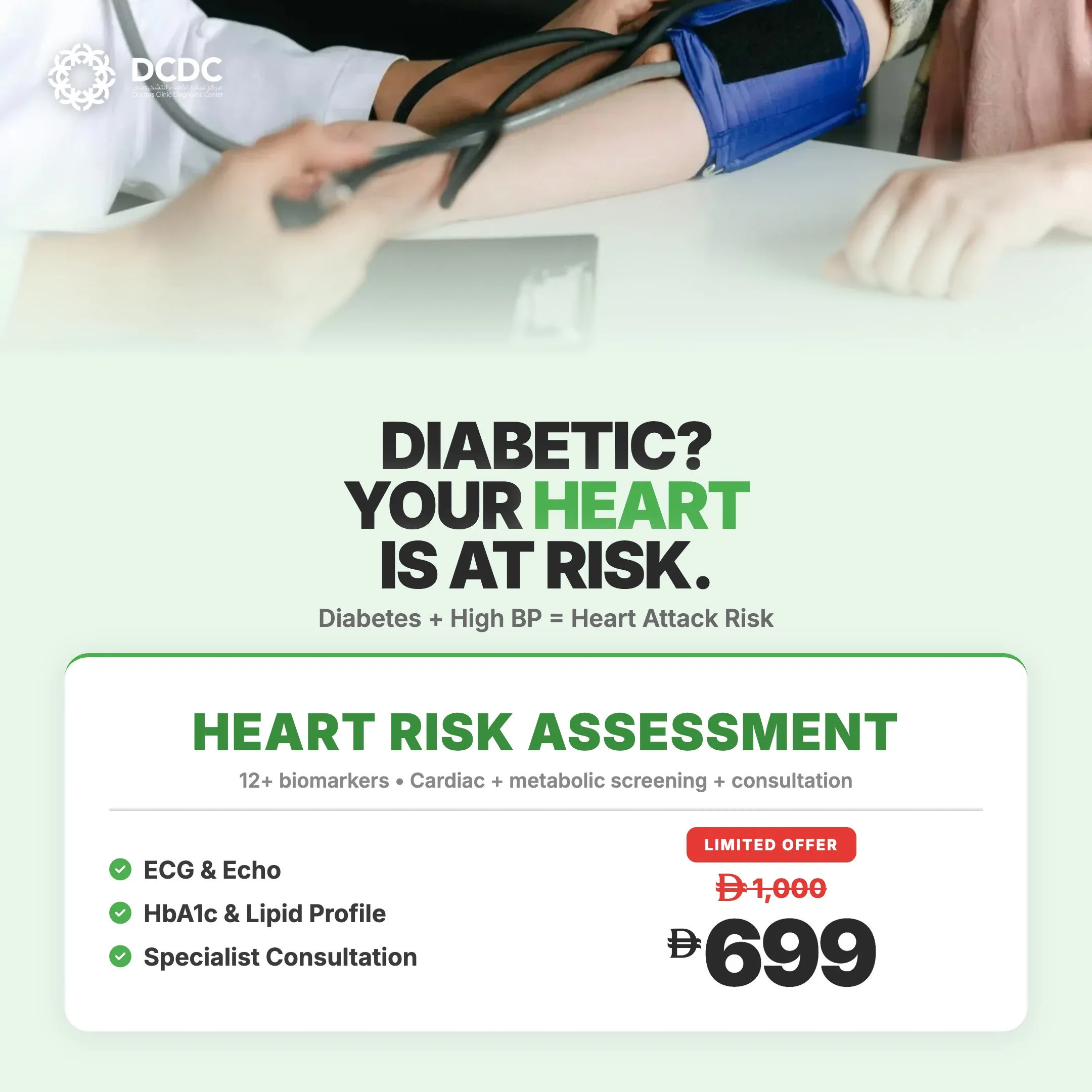
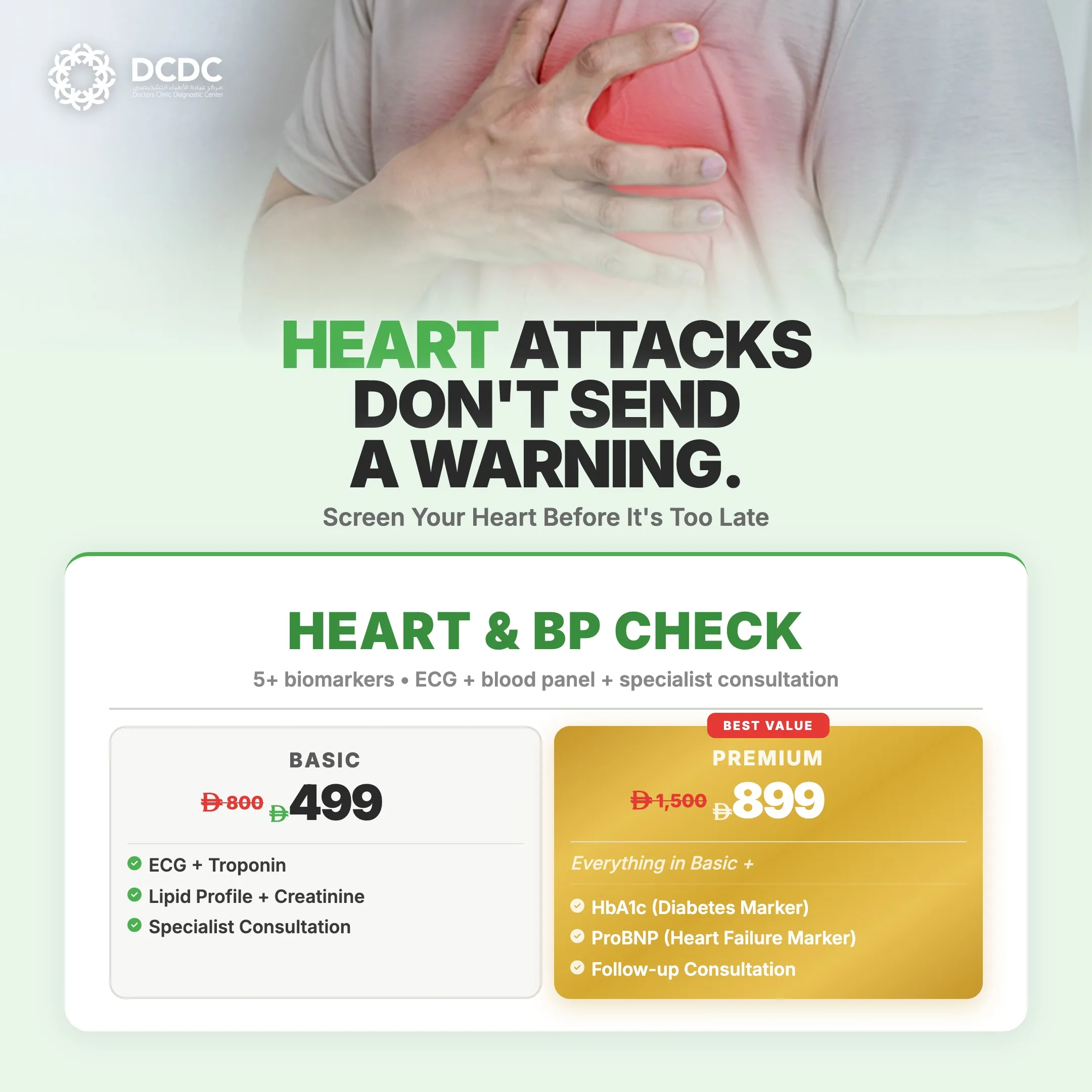
- DCDC offers on-site cardiac testing and a cardiovascular risk assessment with every consultation, from AED 250; call 998 or 999 in an emergency
Heart disease is the leading cause of death in women worldwide, claiming more lives than all cancers combined, yet many women still believe it is mainly a man's condition. Symptoms in women can look very different from the classic chest-clutching picture, which is why they are often missed or dismissed. Understanding heart disease symptoms in women can help you act early. If you would like a personalised heart risk assessment at our Dubai Healthcare City clinic, our cardiology team is here to help.
This guide explains how heart disease differs in women, the warning signs to take seriously, risk factors unique to women, the screening tests available in Dubai, and what a visit to DCDC involves. It is written for women of all ages, and for the family members who care about them.
Why Heart Disease Is Different in Women
For decades, heart disease was treated as a "man's problem." Textbook descriptions of a heart attack, the crushing chest pain, the left arm radiating ache, the cold sweat, were based largely on studies of middle-aged men. Women were underrepresented in cardiology research, and many were sent home with a diagnosis of anxiety, indigestion, or stress while a genuine cardiac problem went unrecognised. That history still shapes how women describe their symptoms, how they are triaged, and how long they wait before seeking help.
Biology matters too. Women tend to have smaller coronary arteries, and they are more likely than men to develop disease in the tiny vessels of the heart (coronary microvascular disease) rather than only in the large, easily visible arteries. A woman can have intense symptoms and a "clear" angiogram or a normal-looking ECG, yet still have a real, treatable problem. Women are also more prone to conditions such as spontaneous coronary artery dissection (SCAD), stress-induced cardiomyopathy (takotsubo), and heart failure with preserved ejection fraction.
Hormones play a role as well. Oestrogen appears to protect blood vessels before menopause, which is one reason heart attacks are less common in younger women than in men of the same age. After menopause that advantage fades, and a woman's risk climbs steeply. By the time many women reach their sixties, their risk is similar to that of men, but because they are often older and have more accumulated conditions when disease appears, outcomes can be worse.
The Awareness Gap
Surveys repeatedly show that many women underestimate their own risk. Breast cancer is widely feared, yet heart disease causes far more deaths. In Dubai, where many women juggle demanding careers, family responsibilities, and long hours in air-conditioned offices, symptoms such as fatigue or breathlessness are easily blamed on a busy schedule. Understanding how heart disease symptoms in women can look different is the first step toward catching problems early.
Why Dubai Residents Should Pay Attention
The UAE has a high prevalence of diabetes, obesity, vitamin D deficiency, and low physical activity, all of which raise cardiovascular risk. Summer heat pushes people indoors for months, and a sedentary routine combined with high-calorie convenience food is common. Many women in Dubai are also expatriates who have no established family doctor and no recent baseline numbers for blood pressure, cholesterol, or blood sugar. That makes women cardiovascular health Dubai a topic worth taking seriously, well before symptoms appear.
Warning Signs of Heart Disease in Women
The most common symptom of a heart attack in women is still chest pain or discomfort. But women are more likely than men to experience additional, less obvious symptoms, and some women have no chest pain at all. These women heart attack warning signs are often subtle, may come and go over days or weeks, and are easily mistaken for flu, reflux, or exhaustion.
Unusual or Extreme Fatigue
Many women report overwhelming tiredness in the weeks before a heart attack, the kind that makes simple tasks like making the bed or climbing a flight of stairs feel exhausting. Research on women's early warning symptoms found that unusual fatigue was the most frequently reported prodromal symptom, ahead of chest discomfort. If you feel drained in a way that does not improve with rest and is new for you, it deserves attention.
Shortness of Breath
Breathlessness while doing things you used to manage easily, or while lying flat, can signal that the heart is not pumping efficiently. Some women notice it as an inability to catch their breath during a short walk, or waking at night needing to sit up. Shortness of breath can occur with or without chest pain.
Jaw, Neck, and Throat Pain
Pain that starts in or spreads to the jaw, neck, or throat is more common in women. It may feel like a toothache, a tight collar, or pressure that comes on with exertion and eases with rest. Women sometimes visit a dentist first. If jaw pain appears when you walk briskly or climb stairs and fades when you stop, that pattern points toward the heart rather than the teeth.
Upper Back or Shoulder Pressure
Pressure, aching, or tightness between the shoulder blades or across the upper back is another typical female presentation. It may be mistaken for a pulled muscle or poor posture. Pain that radiates to one or both arms, not only the left, can also occur.
Nausea, Indigestion, and Vomiting
Nausea, a feeling of fullness, upper abdominal discomfort, or vomiting can accompany a heart attack, particularly one affecting the lower wall of the heart. Because these feel like stomach trouble, women often take an antacid and wait. Be especially cautious if the "indigestion" appears with exertion, comes with sweating, or occurs alongside any other symptom on this list.
Cold Sweats, Dizziness, and Light-Headedness
Breaking out in a cold sweat for no obvious reason, feeling faint, or feeling a sense of impending doom can all be signs of a heart event. Lightheadedness alone has many causes, but combined with other symptoms it should never be ignored.
Chest Pressure That Does Not Feel Like "Pain"
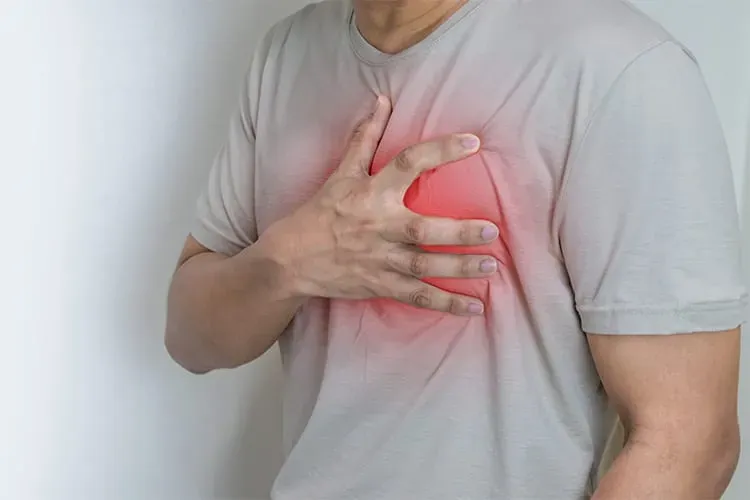
When women do have chest symptoms, they often describe pressure, squeezing, fullness, or tightness rather than sharp pain. Some say it feels like an elephant sitting on the chest, others like a band tightening. It may last more than a few minutes, or go away and return.
- Unusual fatigue lasting days or weeks
- Shortness of breath at rest or with minor effort
- Pain or pressure in the jaw, neck, throat, or upper back
- Nausea, vomiting, or indigestion-like discomfort
- Cold sweat, dizziness, or lightheadedness
- Chest pressure, squeezing, or fullness (not always sharp pain)
- Pain spreading to one or both arms or shoulders
- Sleep disturbance or unexplained anxiety in the days before an event
If several of these appear together, or they come on with activity and ease with rest, do not wait to see whether they pass. A heart attack is a medical emergency. In the UAE, call 998 (ambulance) or 999 and do not drive yourself.
Heart Attack Signs in Women vs Men
Men and women share the most important symptom, chest discomfort. The differences lie in how often other symptoms appear and how they feel. The table below summarises general patterns reported in the medical literature. Individual experiences vary widely, and having a "male" or "female" pattern does not guarantee anything, so any suspicious symptom should be evaluated.
| Feature | More Typical in Women | More Typical in Men |
|---|---|---|
| Chest symptoms | Pressure, tightness, or fullness; sometimes no chest pain at all | Crushing or squeezing chest pain, usually central or left-sided |
| Pain location | Jaw, neck, throat, upper back, between shoulder blades | Left arm, chest, shoulder |
| Digestive symptoms | Nausea, vomiting, indigestion-like discomfort are more common | Less common |
| Fatigue | Extreme, unexplained tiredness, often for days or weeks beforehand | Less often a leading warning sign |
| Breathing | Shortness of breath, often without chest pain | Shortness of breath usually accompanies chest pain |
| Onset | Can be gradual, occur at rest or during sleep or emotional stress | Often triggered by physical exertion |
| Typical artery pattern | More small-vessel (microvascular) disease; higher rate of SCAD | More blockage of large coronary arteries |
| Average age at event | Several years later than men, on average | Earlier on average |
| Likelihood of delayed care | Higher; symptoms are more often dismissed or misattributed | Lower |
The practical lesson is simple: do not wait for the "classic" Hollywood heart attack. A woman who feels unusually unwell, breathless, nauseated, and sweaty deserves urgent assessment, even if her chest feels fairly normal.
Silent Heart Attacks
Some heart attacks cause so few symptoms that they are only found later on an ECG or echocardiogram. These "silent" events can damage the heart muscle and raise the risk of future problems. Women with diabetes are particularly likely to have muted symptoms because high blood sugar can dull pain signals. This is one reason routine risk assessment matters even when you feel fine.
Risk Factors Unique to Women
Women share the traditional risk factors with men: high blood pressure, high cholesterol, diabetes, smoking, obesity, inactivity, and family history. But several risk factors are specific to women or affect them more strongly. Knowing them helps you and your doctor judge your true female cardiac risk factors, which standard calculators can underestimate.
Pregnancy Complications
Pregnancy acts as a natural stress test for the cardiovascular system. Certain complications are now recognised as early indicators of future heart disease:
- Preeclampsia and gestational hypertension: women who had high blood pressure in pregnancy have a considerably higher lifetime risk of hypertension, heart disease, and stroke.
- Gestational diabetes: raises the risk of developing type 2 diabetes later, and with it, heart disease.
- Preterm delivery and low birth weight babies: are associated with higher maternal cardiovascular risk in later life.
- Recurrent miscarriage and stillbirth: have been linked with increased cardiovascular risk in some studies.
- Peripartum cardiomyopathy: a rare weakening of the heart muscle late in pregnancy or in the months after delivery.
If you had any of these, tell your doctor even if the pregnancy was years ago. It is a valuable piece of your cardiac history.
Polycystic Ovary Syndrome (PCOS)
PCOS affects a significant share of women of reproductive age and is associated with insulin resistance, central weight gain, high blood pressure, abnormal cholesterol, and sleep apnoea. Together these raise the long-term risk of diabetes and heart disease. Women with PCOS benefit from regular monitoring of blood pressure, lipids, and blood sugar rather than treating the condition as purely a fertility or skin issue.
Menopause and Early Menopause
The drop in oestrogen at menopause is accompanied by rises in LDL cholesterol, blood pressure, abdominal fat, and insulin resistance. Women who go through menopause before age 45, or who have had both ovaries removed at a young age, face a higher risk. Menopause is a natural time to review your cardiovascular numbers, since the protection you may have enjoyed in earlier decades is no longer guaranteed. Discuss any hormone therapy decisions with your doctor, as the right choice depends on age, timing, and personal risk.
Autoimmune and Inflammatory Conditions
Autoimmune diseases are far more common in women, and many raise cardiovascular risk through chronic inflammation. Rheumatoid arthritis, lupus, psoriasis, and inflammatory bowel disease are all linked with earlier and more severe atherosclerosis. If you live with one of these conditions, you should be assessed for heart risk even if your cholesterol and blood pressure look acceptable.
Other Factors
- Migraine with aura: associated with a modest increase in heart attack and stroke risk, especially combined with smoking or oestrogen-containing contraceptives.
- Breast cancer treatments: some chemotherapy drugs and chest radiation can affect the heart, so cancer survivors need follow-up.
- Depression and chronic stress: women are more likely to experience depression, which is independently linked with heart disease.
- Smoking, including shisha: shisha is widespread in the region and is not a safe alternative to cigarettes. Smoking has a particularly strong effect on women's heart risk.
- Diabetes: raises heart disease risk more steeply in women than in men.
- Low vitamin D and sedentary indoor life: common in Dubai and often overlooked.
| Risk Factor | Why It Matters for Women | What You Can Do |
|---|---|---|
| Preeclampsia / gestational hypertension | Signals vascular vulnerability years later | Annual blood pressure checks, share history with your doctor |
| Gestational diabetes | Higher chance of type 2 diabetes | HbA1c monitoring, weight and activity management |
| PCOS | Insulin resistance, lipid and blood pressure changes | Regular lipid, glucose, and blood pressure review |
| Early or surgical menopause | Loss of oestrogen at a younger age | Early cardiovascular assessment, discuss options with your doctor |
| Autoimmune disease | Chronic inflammation damages arteries | Risk assessment even with normal cholesterol; control disease activity |
| Diabetes | Greater relative risk than in men; silent symptoms | Tight glucose control, statin discussion, regular screening |
| Smoking / shisha | Strong, dose-related effect on arteries | Quit support; avoid all tobacco forms |
Heart Disease Screening Tests for Women
Screening is not about finding disease in everyone. It is about identifying risk early, while lifestyle changes and, when needed, medication can still make the biggest difference. The right tests depend on your age, symptoms, family history, and risk factors. Your cardiologist will choose from the following.
Electrocardiogram (ECG)
An ECG records the heart's electrical activity using small sensors placed on the chest, arms, and legs. It takes only a few minutes, is painless, and can show rhythm disturbances, signs of reduced blood flow, previous heart attacks, and thickened heart muscle. It is usually the first test performed for chest pain, palpitations, or breathlessness. A normal resting ECG does not rule out all heart disease, particularly in women, which is why additional tests are sometimes needed.
Echocardiogram
An echocardiogram is an ultrasound of the heart. It shows the size of the chambers, the strength of the pumping action, and how well the valves are working. It is useful for women with breathlessness, swelling, a heart murmur, a history of chemotherapy, or a history of peripartum cardiomyopathy. It is safe, uses no radiation, and takes roughly half an hour.
Exercise Stress Test (Treadmill)
During a treadmill stress test, you walk on a treadmill with gradually increasing speed and incline while your ECG, heart rate, and blood pressure are monitored. It reveals how the heart behaves under physical demand and can uncover blood flow problems that are hidden at rest. It also shows your exercise capacity, which is itself a strong predictor of long-term health. Women who cannot exercise adequately may be offered alternative imaging or pharmacological stress testing.
24-Hour Holter Monitoring
If you experience palpitations, skipped beats, dizziness, or fainting that comes and goes, a short ECG may miss the problem. A Holter monitor is a small portable recorder worn for 24 hours that captures every heartbeat during your normal activities, helping detect intermittent rhythm disturbances.
Blood Tests
| Blood Test | What It Measures | Why It Matters |
|---|---|---|
| Lipid profile | Total cholesterol, LDL, HDL, triglycerides | Shows the cholesterol patterns that build plaque; HDL and triglycerides often shift after menopause |
| HbA1c | Average blood sugar over about 3 months | Detects diabetes and prediabetes, a major risk multiplier in women |
| Fasting glucose | Current blood sugar | Complements HbA1c, useful after gestational diabetes |
| High-sensitivity CRP (hs-CRP) | Level of inflammation in the body | May help refine risk, especially with autoimmune disease or borderline risk |
| Kidney function and electrolytes | Creatinine, eGFR, potassium | Kidney disease and heart disease are closely linked |
| Thyroid function (TSH) | Thyroid hormone balance | Thyroid disorders cause palpitations, fatigue, and cholesterol changes |
| Troponin (if symptoms are active) | Heart muscle injury | Used in suspected heart attack; not a routine screening test |
The above tests are not all needed by everyone. After a detailed history and examination, your cardiologist will recommend only what is relevant to you.
What to Expect at DCDC
If you are worried about your heart, or simply want to understand your risk, knowing what the visit involves can make it far less intimidating. Here is the typical patient journey for women's heart screening at Doctors Clinic Diagnostic Center (DCDC) in Dubai Healthcare City.
Step 1: Booking and Arrival
You can book by phone or WhatsApp us to book on WhatsApp. Our team will ask a few questions about your symptoms and goals, and confirm your insurance or self-pay details. DCDC is located at Building 64, Block A, Al Razi Medical Complex, Dubai Healthcare City (DHCC), with free parking on site. We are open Saturday to Thursday from 8 AM to 10 PM and Friday from 9 AM to 9 PM, so appointments can fit around work and family schedules. Bring any previous ECGs, blood test reports, and a list of your medications.
Step 2: History and Risk Discussion
Your consultation with Dr. Shahoo Mazhari starts with listening. You will discuss your symptoms (when they occur, what triggers them, what relieves them), your pregnancy history, menstrual and menopausal history, any autoimmune conditions, family history of early heart disease, and lifestyle factors such as diet, exercise, sleep, stress, and smoking. A cardiology consultation at DCDC starts from AED 250, and a cardiovascular risk assessment is included with the consultation.
Step 3: Examination and On-Site ECG
Blood pressure, heart rate, weight, and waist measurements are taken, followed by a physical examination that includes listening to the heart and lungs. A resting ECG is performed on site so that results are available during the same visit. Our team is mindful of privacy and comfort, and you are welcome to ask for a female member of staff to assist where available.
Step 4: Targeted Tests
Depending on your symptoms and risk profile, Dr. Mazhari may recommend further on-site testing. An echocardiogram can assess your heart's structure and pumping function. A treadmill stress test can check how your heart responds to exertion, and 24-hour Holter monitoring can look for intermittent rhythm problems. Blood tests such as a lipid profile, HbA1c, and CRP can usually be arranged at the same visit. Not everyone needs every test; the aim is to do what is useful and avoid what is not.
Step 5: Results and Personal Plan
Dr. Mazhari reviews the findings with you in plain language, explains what they mean for your heart, and builds a personalised plan. That may include lifestyle changes, medication if indicated, repeat monitoring, or referral for further investigation. You will leave knowing your numbers and your next steps.
Step 6: Follow-Up
Risk is not a one-time question. Follow-up visits track your blood pressure, cholesterol, and blood sugar, and review how you are responding to the plan. Many women find that having one trusted cardiologist who knows their history makes it easier to catch changes early.
- On-site ECG, echocardiogram, treadmill stress test, and 24-hour Holter monitoring
- Cardiovascular risk assessment included with your consultation
- Cardiology consultation from AED 250
- 20+ insurance partners with direct billing
- Free parking at Al Razi Medical Complex
- Rated 4.8/5 on Google from 1,000+ reviews
Understand Your Heart Risk at DCDC
Worried about symptoms, or due for a heart risk review? Speak to our cardiology team in Dubai Healthcare City about women's heart health screening with on-site ECG, echocardiogram, and stress testing. Visit our heart risk assessment page or WhatsApp us to book on WhatsApp.
When to See a Cardiologist in Dubai
Knowing when to act, and how urgently, can save your life. Use this guide as a starting point, but trust your instincts. If something feels seriously wrong, get help.
| Situation | Urgency | What to Do |
|---|---|---|
| Chest pressure, pain spreading to the jaw or arm, cold sweat, breathlessness, or sudden severe weakness | Emergency | Call 998 or 999 immediately. Chew an aspirin only if you are not allergic and the dispatcher or doctor advises it. Do not drive yourself. |
| Fainting, or a very rapid or irregular heartbeat with dizziness or chest discomfort | Emergency | Call emergency services |
| New chest tightness or breathlessness with exertion that settles with rest | Same day or within 24-48 hours | Book an urgent cardiology appointment; stop strenuous activity until assessed |
| Unusual persistent fatigue, reduced exercise tolerance, ankle swelling, or new breathlessness lying flat | Within days | See a cardiologist soon |
| Recurrent palpitations or skipped beats | Within 1-2 weeks | Arrange assessment, possibly with Holter monitoring |
| History of preeclampsia, gestational diabetes, PCOS, early menopause, or autoimmune disease | Routine, but do not delay | Schedule a cardiovascular risk assessment |
| Age 40+ with high blood pressure, diabetes, high cholesterol, smoking, or family history | Routine, yearly | Annual review and risk assessment |
| No symptoms and no risk factors, aged 30-40 | Routine | Baseline blood pressure, lipids, and glucose check |
Please note that DCDC is an outpatient diagnostic centre and is not an emergency department. If you suspect a heart attack, call emergency services first. Once you are stable, our team can support follow-up and further evaluation.
You may find these related reads helpful: Heart Disease Symptoms Dubai, When to See a Cardiologist Dubai, and Heart Palpitations Dubai.
Prevention Strategies for Women
The encouraging news is that most heart disease is largely preventable. Research suggests that the great majority of cardiovascular events are linked to modifiable risk factors. These are practical steps you can start today.
Move Your Body
Aim for at least 150 minutes of moderate activity per week, such as brisk walking, swimming, cycling, or dancing, plus muscle-strengthening twice a week. In Dubai's summer, walk in air-conditioned malls, swim, or exercise early morning or late evening. Even breaking up long periods of sitting with 5-minute walks helps.
Eat for Your Arteries
A Mediterranean-style pattern works well: vegetables, fruit, legumes, whole grains, nuts, olive oil, and fish, with limited red and processed meat, sugary drinks, and refined carbohydrates. Traditional Middle Eastern foods such as hummus, tabbouleh, grilled fish, lentils, and olives fit this pattern naturally. Watch portion sizes with rice-based dishes, sweets, and fried foods, and limit added salt.
Know and Control Your Numbers
- Blood pressure: aim for below 130/80 mmHg for most adults, and check regularly, including after pregnancy complications.
- LDL cholesterol: your target depends on your overall risk; discuss with your cardiologist.
- HbA1c: screen for prediabetes and diabetes, particularly after gestational diabetes or with PCOS.
- Waist circumference and weight: central fat is more important than the number on the scale alone.
Do Not Smoke or Vape, and Avoid Shisha
Smoking is one of the most powerful and reversible risk factors. Within a year of quitting, heart attack risk falls substantially. Ask your doctor about cessation support if you need help.
Protect Your Sleep and Mental Health
Poor sleep, untreated sleep apnoea, chronic stress, and depression are linked to heart disease. Prioritise 7-8 hours of sleep, seek support for anxiety or low mood, and build in relaxation such as walking, yoga, or time with friends.
Manage Hormonal Transitions Wisely
Review your heart risk when you reach perimenopause, and again if you experience early menopause. Discuss contraception choices with your doctor if you have high blood pressure, migraine with aura, or you smoke.
Take Medications as Prescribed
If you have been prescribed blood pressure medication, a statin, or diabetes treatment, take it consistently. Women are sometimes less likely to be offered or to continue preventive medication, so ask questions and share concerns about side effects rather than stopping on your own.
Be Your Own Advocate
If you feel something is wrong, say so clearly. Use phrases such as "I am worried this could be my heart," and ask whether an ECG or further tests are appropriate. Bring a family member if it helps you speak up.
Related Services at DCDC
Expert care and advanced diagnostics at Dubai Healthcare City
Frequently Asked Questions
Final Thoughts
Heart disease is the leading cause of death in women, yet it is still under-recognised, under-diagnosed, and under-discussed. The warning signs are often quieter than the dramatic chest-clutching scenes in films: unusual fatigue, breathlessness, jaw or back pressure, nausea, and cold sweats. Learning to recognise them, and acting on them, can make the difference between a scare and a tragedy.
Your own history matters too. Pregnancy complications, PCOS, early menopause, autoimmune disease, diabetes, and family history all shape your risk, and most of these never appear on a standard checklist unless you mention them. Bring them to your doctor, and ask for your numbers.
At DCDC in Dubai Healthcare City, Dr. Shahoo Mazhari and the cardiology team offer on-site ECG, echocardiogram, treadmill stress testing, and 24-hour Holter monitoring, with a cardiovascular risk assessment included in your consultation, which starts from AED 250. If you have symptoms, a family history, or simply want to know where you stand, you can learn more about our heart risk assessment service or WhatsApp us to book on WhatsApp. Don't wait for a crisis to take your heart seriously.
This article is for general information and does not replace personal medical advice. If you think you are having a heart attack, call 998 or 999 immediately.
Sources & References
This article references the following sources:
- McSweeney JC et al. Women's Early Warning Symptoms of Acute Myocardial Infarction. Circulation 2003
- Mehta LS et al. Acute Myocardial Infarction in Women: A Scientific Statement From the American Heart Association. Circulation 2016
- Mosca L et al. Effectiveness-Based Guidelines for the Prevention of Cardiovascular Disease in Women: 2011 Update. Circulation 2011
- Arnett DK et al. 2019 ACC/AHA Guideline on the Primary Prevention of Cardiovascular Disease. Circulation 2019
- World Health Organization - Cardiovascular Diseases (CVDs) Fact Sheet
This information is educational and does not replace individual medical advice. See our editorial policy for more information.

Written by
Dr. Shahoo Mazhari
Cardiology
MD, Cardiology
Dr. Shahoo Mazhari is a cardiologist at DCDC Dubai Healthcare City, with a focus on cardiovascular risk assessment, prevention, and the diagnosis of heart conditions in men and women.
Related Articles
Heart Disease Symptoms Dubai: 8 Signs to Watch
When to See a Cardiologist Dubai
Heart Palpitations Dubai: Causes & Help

Blood Pressure by Age Dubai: Normal Ranges
Cholesterol Levels by Age Dubai: Chart
More in Cardiology
ABPM Test Dubai: 24-Hour BP Monitoring (2026)
Read More
Heart Tests Dubai: ECG, Echo & Stress Test Cost (2026)
Read More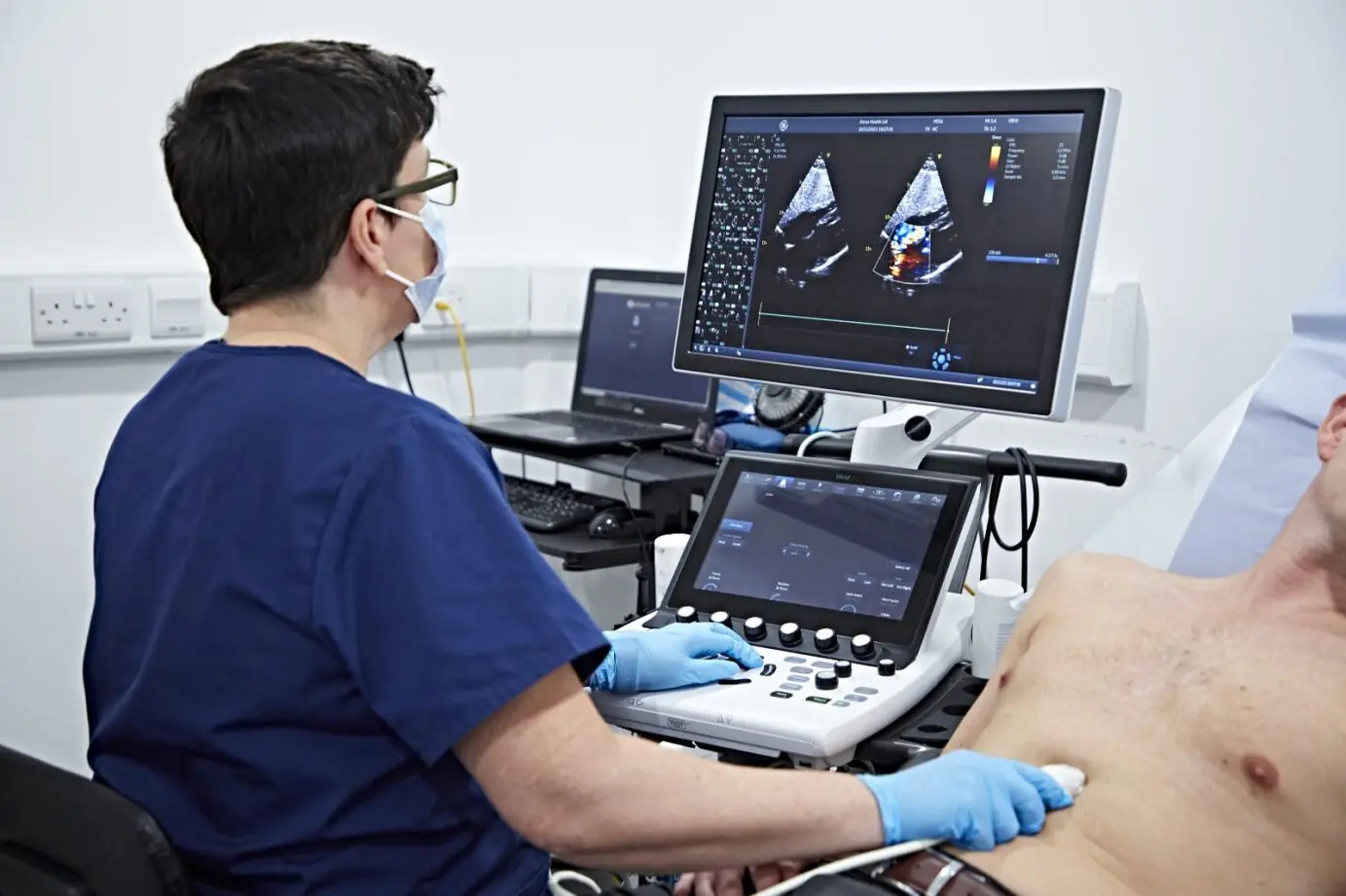
Echo Test Cost Dubai: 2D Echo Price & What It Includes
Read MoreHeart Checkup Dubai: Cardiac Packages From AED 249 (2026)
Read More
Heart Screening Dubai: Checkup Packages & Prevention (2026)
Read MoreHolter Monitor Prep Dubai: What to Expect (2026)
Read More© 2026 Doctors Clinic Diagnostic Center (DCDC), Dubai Healthcare City. Originally published at https://doctorsclinicdubai.ae/blog/heart-disease-in-women-dubai. All rights reserved. Unauthorized reproduction is prohibited.