Key Takeaways
- Cardiovascular disease is the world's leading cause of death, claiming an estimated 17.9 million lives every year — and in the UAE, heart disease and stroke together account for a substantial share of all deaths, according to WHO data
- You should see a cardiologist promptly for chest pain, palpitations, unexplained shortness of breath, fainting, swelling in the legs, or a blood pressure reading consistently above 140/90 mmHg — these are the symptoms doctors treat as red flags, not something to "wait and see"
- Certain symptoms are true emergencies: crushing chest pressure, pain radiating to the arm or jaw, sudden severe breathlessness, or fainting mean calling 999 immediately rather than booking a routine appointment
- Key risk factors — age over 40, family history of heart disease, diabetes, smoking, high cholesterol, obesity, and a sedentary lifestyle — compound significantly in the UAE, where desk-based work, air-conditioned commutes, and rich dining culture reduce daily physical activity
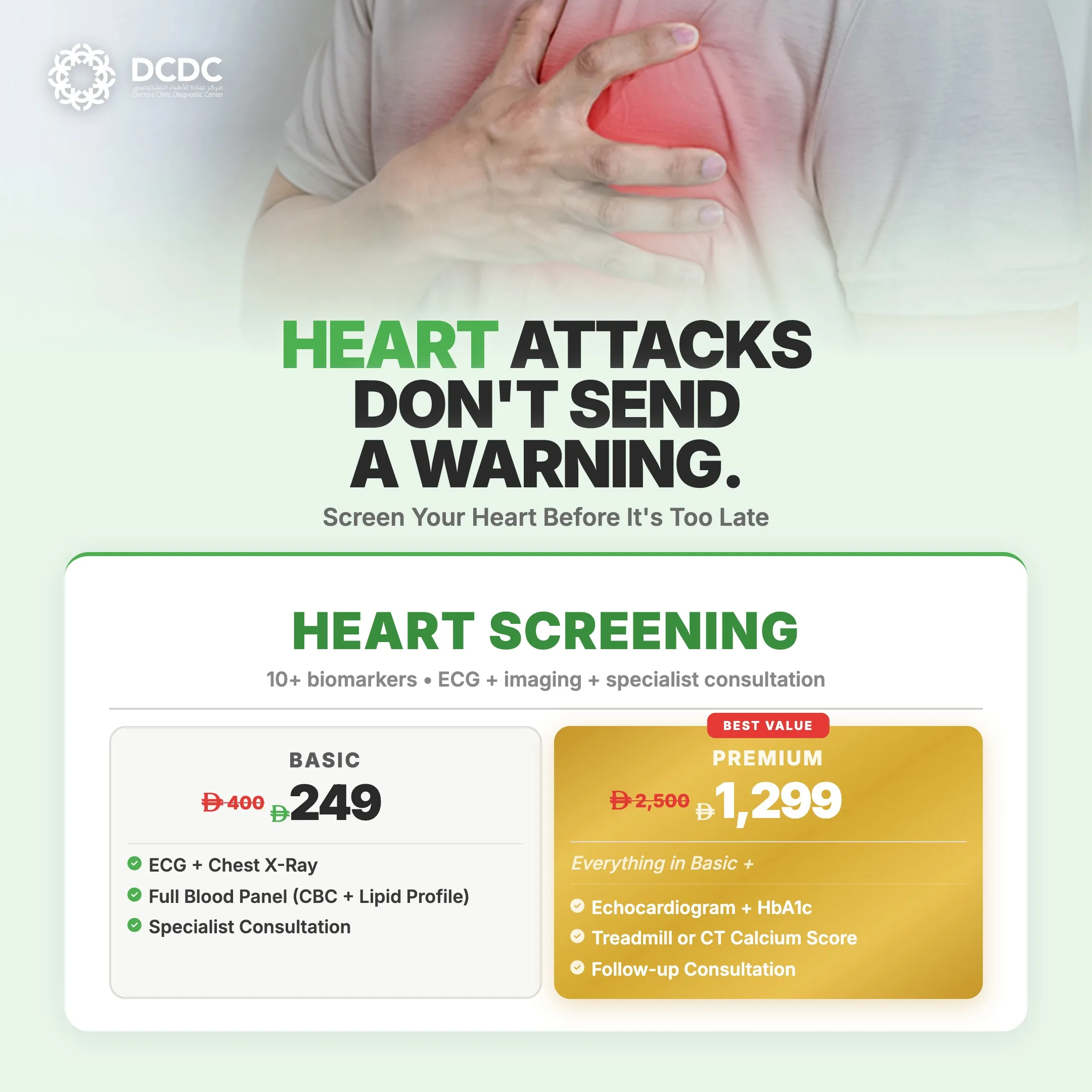
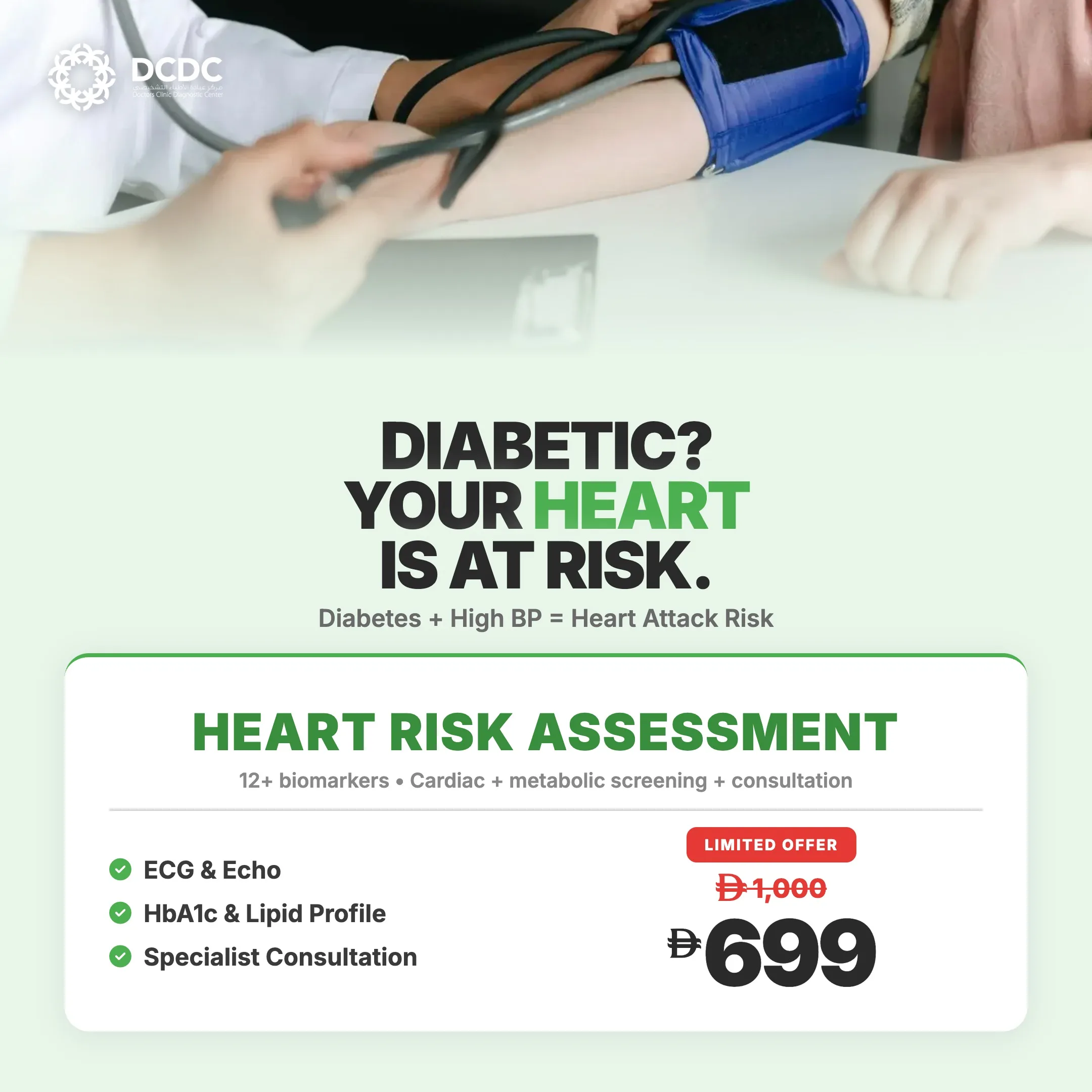
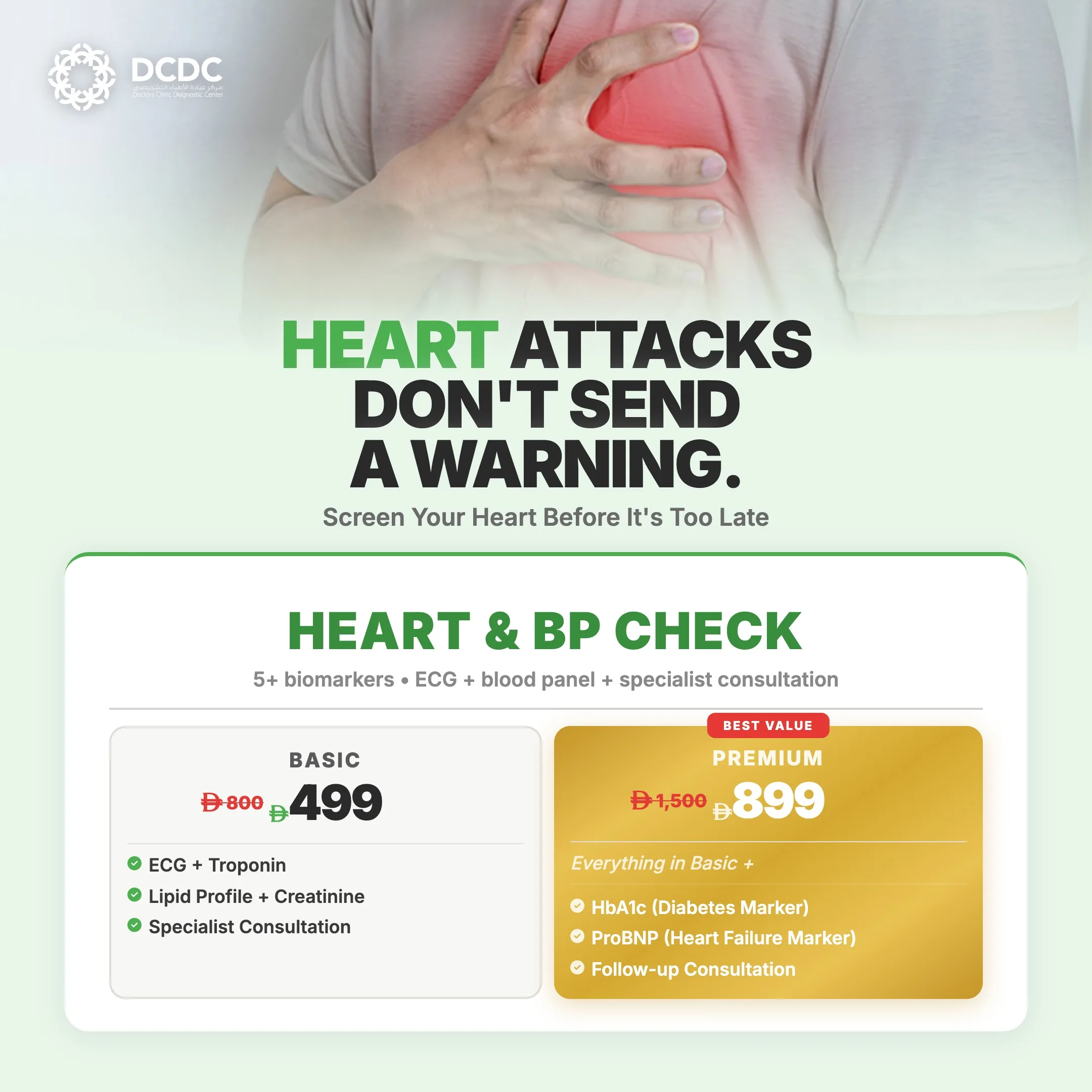
- A cardiology consultation with cardiovascular risk assessment at DCDC starts from AED 299, and many patients can complete ECG, echocardiogram, and blood work in a single visit with same-day results
- Even without symptoms, adults should have a baseline heart health check by age 30-35, with more frequent screening from age 40 onward — earlier still if diabetes, high blood pressure, or a family history of early heart disease is present
- Dubai's climate and lifestyle create unique cardiac stressors — extreme summer heat, dehydration, heavy reliance on air-conditioned indoor living, and a high-fat dining culture all elevate cardiovascular risk for residents and long-term expats
- DCDC in Dubai Healthcare City offers on-site ECG, echocardiography, treadmill stress testing, and 24-hour Holter monitoring, with direct billing across 20+ insurance providers and an average wait time of just 15 minutes
Most people wait far too long to see a cardiologist. They tell themselves the chest tightness is just stress, the racing heartbeat is too much coffee, or the breathlessness on the stairs is simply being out of shape. Meanwhile, cardiovascular disease remains the single leading cause of death worldwide, and in Dubai's fast-paced, high-stress, dining-heavy lifestyle, heart risk factors accumulate quietly for years before symptoms ever appear. Knowing exactly when to see a cardiologist — and which symptoms genuinely warrant urgent evaluation versus a routine check-up — can be the difference between catching a problem early and facing a life-threatening event. This guide walks through the warning signs, risk factors, and screening timelines that matter, and explains what happens during a cardiology consultation so you know exactly what to expect before you book one.
Heart disease rarely announces itself with a single dramatic moment. More often, it builds gradually through elevated blood pressure, rising cholesterol, and a slow decline in exercise tolerance that people explain away as "just getting older" or "just the heat." This comprehensive guide, reviewed by Dr. Shahoo Mazhari, Cardiologist at DCDC in Dubai Healthcare City, breaks down the specific symptoms, risk factors, and age milestones that should prompt a visit to a cardiologist, along with the tests you can expect and what they typically cost.
When to See a Cardiologist in Dubai: A Health Priority You Can't Ignore
According to the World Health Organization, cardiovascular disease kills an estimated 17.9 million people every year, making it the leading cause of death globally — more than all forms of cancer combined. In the UAE, heart disease and stroke are consistently among the top causes of mortality, a trend driven by a demanding mix of sedentary office work, high-fat dining culture, extreme summer heat, and rising rates of diabetes and obesity across the resident population.
The frustrating part is that most cardiovascular disease is preventable or manageable if caught early. A cardiologist's job is precisely to catch it early: to identify risk before it becomes a crisis, and to intervene with lifestyle guidance, medication, or further testing long before a patient ends up in an emergency room. Yet surveys consistently show that people delay seeing a heart doctor, often for months or years, because symptoms feel vague, inconsistent, or easy to attribute to something else.
This guide is built around one simple goal: helping you recognize, clearly and without guesswork, when it's time to book a cardiologist appointment — whether that means an urgent same-day visit or a routine preventive screening.
What Does a Cardiologist Do?
A cardiologist is a physician who specializes in diagnosing and treating conditions of the heart and blood vessels — everything from high blood pressure and irregular heart rhythms to coronary artery disease, heart failure, and valve disorders. Unlike a general practitioner, a cardiologist has completed years of additional training specifically focused on cardiovascular physiology, diagnostic testing, and heart-specific treatment protocols.
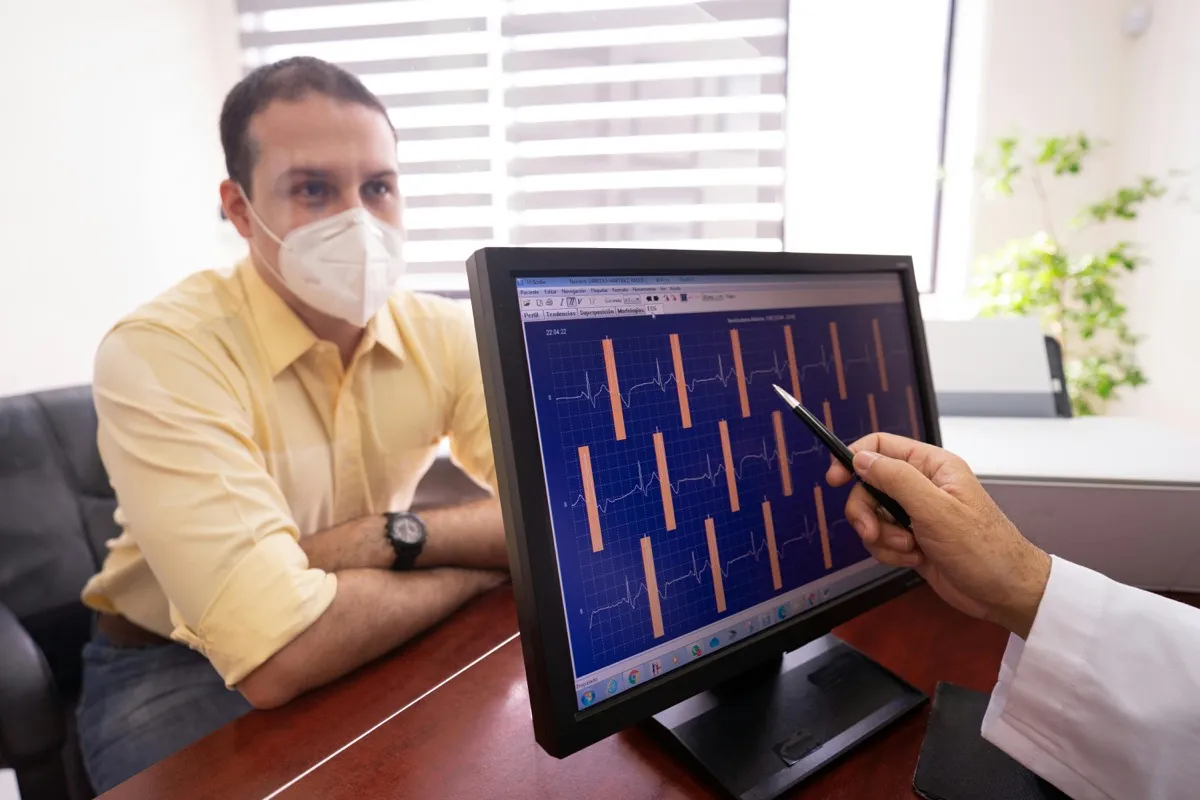
During a cardiology consultation, the doctor typically takes a detailed history of your symptoms, lifestyle, and family history, performs a physical examination including blood pressure measurement and listening to your heart and lungs, and often orders or performs diagnostic tests on the spot — such as an electrocardiogram (ECG) or echocardiogram — to assess how your heart is functioning structurally and electrically.
At DCDC, every cardiology consultation includes a cardiovascular risk assessment as standard, meaning the cardiologist doesn't just address the symptom that brought you in — they also evaluate your broader risk profile based on cholesterol, blood pressure, weight, family history, and lifestyle factors, and recommend a screening plan tailored to your individual risk.
Warning Signs You Need to See a Heart Doctor
Some symptoms are subtle and easy to dismiss; others are impossible to ignore. Below are the most common warning signs that cardiologists consider genuine reasons to schedule an evaluation, ranked roughly from the most common presenting complaints to less obvious but still important signs.
- Chest pain, pressure, tightness, or discomfort — especially if it occurs with exertion, spreads to the arm, jaw, neck, or back, or lasts more than a few minutes
- Heart palpitations — a racing, pounding, fluttering, or skipping sensation in your chest, particularly if it happens frequently or without an obvious trigger like caffeine or stress
- Shortness of breath during activities that never used to cause breathlessness, or breathlessness while lying flat at night
- Unexplained fatigue that doesn't improve with rest, especially when it's a new or worsening pattern
- Dizziness, lightheadedness, or fainting (syncope) — particularly during exertion
- Swelling in the legs, ankles, or feet, which can signal the heart isn't pumping efficiently
- High blood pressure readings consistently above 140/90 mmHg, even without symptoms
- High cholesterol or an abnormal lipid panel found on routine blood work
- A family history of heart disease, especially a parent or sibling diagnosed before age 55 (men) or 65 (women)
- Persistent cough or wheezing combined with fatigue, which can occasionally indicate heart-related fluid buildup rather than a respiratory issue
If you're experiencing new or worsening versions of any of the above, it's worth a visit — even if you suspect it's "probably nothing." Cardiologists would rather see ten patients with benign findings than miss one with a genuine cardiac issue. For a deeper breakdown of one of the most common presenting symptoms, see our guide to chest pain causes and when to worry.
Heart Disease Risk Factors You Should Know
Even in the absence of symptoms, certain risk factors substantially increase your likelihood of developing cardiovascular disease over time. Recognizing where you fall on this list helps determine how proactive your screening schedule should be.
- Age — cardiovascular risk rises significantly after age 45 for men and age 55 for women, though heart disease increasingly affects younger adults too
- Family history — a close relative with early heart disease meaningfully raises your own risk, independent of lifestyle
- Diabetes and prediabetes — high blood sugar damages blood vessels over time and roughly doubles cardiovascular risk
- Smoking and vaping — tobacco use is one of the strongest modifiable risk factors for heart attack and stroke
- High blood pressure and high cholesterol — both often have no symptoms at all, which is why routine screening matters
- Obesity and abdominal fat — excess weight strains the heart and is closely linked to diabetes and hypertension
- Sedentary lifestyle — long hours at a desk, combined with car commutes and air-conditioned living, reduce the cardiovascular benefits of daily movement
- Chronic stress — common in high-pressure professional environments and linked to elevated blood pressure and inflammation
- Heat and dehydration stress — a factor especially relevant in Dubai, where extreme summer temperatures place added strain on the cardiovascular system
Most people carry more than one of these risk factors simultaneously, and risk compounds rather than simply adding up — someone with diabetes who also smokes and lives sedentarily faces dramatically higher risk than either factor alone would suggest. This is exactly why a cardiologist evaluates your overall risk profile rather than treating each factor in isolation.
When to See a Cardiologist Urgently vs a Routine Visit
See a Cardiologist Urgently (Same Day or Emergency) If You Have:
- Crushing, squeezing chest pressure lasting more than a few minutes, especially with pain radiating to the arm, jaw, neck, or back
- Chest pain accompanied by shortness of breath, cold sweating, nausea, or lightheadedness
- Sudden fainting or loss of consciousness
- A rapid or irregular heartbeat accompanied by dizziness or chest discomfort
- Sudden, severe shortness of breath, particularly at rest
- Sudden, severe, tearing chest or back pain
If you experience any of the emergency signs above, call 999 immediately or go to the nearest emergency department — do not drive yourself, and do not wait to "see if it passes." These symptoms can indicate a heart attack, a dangerous arrhythmia, or another life-threatening cardiac emergency where minutes genuinely matter.
Book a Routine Cardiology Consultation If You Have:
- Occasional palpitations without other alarming symptoms
- Mild, intermittent chest discomfort that resolves quickly and isn't linked to exertion
- Newly diagnosed high blood pressure or high cholesterol
- A family history of heart disease and no prior cardiac screening
- Fatigue or reduced exercise tolerance that has developed gradually
- You're over 40 and haven't had a baseline cardiac evaluation
Not Sure If It's Urgent? Get Evaluated Today
If you're experiencing chest discomfort, palpitations, or any symptom that's making you second-guess yourself, don't wait for it to escalate. Book a same-day cardiology consultation at DCDC — consultations start from AED 299 and include a full cardiovascular risk assessment, with on-site ECG and echocardiogram available the same day. Rated 4.8/5 from 1,000+ Google reviews, with direct billing across 20+ insurance providers. WhatsApp us to book your appointment.
Common Heart Tests Explained: ECG, Echo, Stress Test & Holter Monitor
When you see a cardiologist, the specific tests ordered depend on your symptoms and risk profile. Here's what each of the most common cardiac diagnostic tests actually measures.
Electrocardiogram (ECG or EKG)
An ECG records the heart's electrical activity through small electrodes placed on the chest, arms, and legs. It takes only a few minutes and can detect irregular heart rhythms (arrhythmias), evidence of a prior or ongoing heart attack, and signs of an enlarged heart. It's typically the first test performed in any cardiac evaluation because it's fast, painless, and highly informative.
Echocardiogram (Echo)
An echocardiogram uses ultrasound waves to create a moving image of the heart's structure and function in real time. It shows how well the heart's chambers and valves are working, measures pumping efficiency (ejection fraction), and can detect structural abnormalities, valve disease, or fluid around the heart. It's painless and involves no radiation.
Treadmill Stress Test
A stress test monitors your heart's electrical activity and blood pressure while you walk on a treadmill at increasing intensity. Because some blockages in the coronary arteries only reveal themselves when the heart is working hard, this test can uncover problems that a resting ECG would miss entirely. It's particularly useful for evaluating chest pain that occurs specifically during exertion.
24-Hour Holter Monitor
A Holter monitor is a small, portable ECG device worn continuously for 24 hours (or longer) as you go about your normal day. It's used when palpitations or irregular heartbeats are intermittent and might not show up during a brief in-office ECG. By recording continuously, it can capture an arrhythmia that only happens occasionally, giving the cardiologist a much fuller picture than a single snapshot reading.
Many patients assume they need to return for multiple appointments to complete this kind of workup, but at DCDC, ECG, echocardiogram, and blood work can often be completed in a single visit, with results reviewed by your cardiologist the same day. To understand the difference between two of the most commonly confused tests in more depth, read our guide on ECG vs echocardiogram differences.
Heart Checkup Cost in Dubai: Comparing Cardiac Test Prices
Cardiac test pricing varies significantly between clinics and hospitals in the UAE. The table below compares typical starting prices at DCDC against the broader private healthcare market, so you know roughly what to budget for — keeping in mind that most tests are covered, in full or in part, by UAE health insurance when deemed medically necessary.
| Heart Test / Service | DCDC Price (AED) | Typical Dubai Market Range (AED) |
|---|---|---|
| Cardiology Consultation (with risk assessment) | from AED 299 | AED 300 – 800 |
| ECG (Resting) | from AED 150 | AED 150 – 400 |
| Echocardiogram | from AED 500 | AED 600 – 1,500 |
| Treadmill Stress Test | from AED 500 | AED 500 – 1,200 |
| 24-Hour Holter Monitor | AED 1,000 | AED 600 – 1,500 |
| Basic Lipid Profile (Cholesterol) Blood Test | from AED 199 | AED 150 – 400 |
Indicative heart test costs (2026). Actual pricing depends on individual assessment; check with your insurance provider for coverage details before your visit.
It's worth noting that combining tests in a single visit — for example, a consultation plus ECG and echocardiogram on the same day — is generally more cost-efficient and far more convenient than scheduling each test separately across multiple clinic visits.
What to Expect at DCDC: Your Cardiology Visit Step by Step
Doctors Clinic Diagnostic Center (DCDC) is a MOHAP-licensed diagnostic and medical center (License No. NIMY7VY5-240925) located in Building 64, Block A, Al Razi Medical Complex, Dubai Healthcare City. Here's what a typical cardiology visit looks like from arrival to results.
Step 1: Booking and Arrival
You can book your appointment by phone, WhatsApp, or through the DCDC website. DCDC is open Saturday to Thursday from 8 AM to 10 PM and Friday from 9 AM to 9 PM, with an average patient wait time of around 15 minutes — considerably shorter than the wait times often reported at larger hospitals in the city.
Step 2: Consultation with Dr. Shahoo Mazhari
Your cardiologist will review your symptoms, medical history, and lifestyle, take your blood pressure, and listen to your heart and lungs. Every consultation includes a cardiovascular risk assessment, so even if you're there for a specific symptom, you'll leave with a clear picture of your broader heart health risk.
Step 3: On-Site Diagnostic Testing
If testing is indicated, DCDC performs ECG, echocardiogram, treadmill stress testing, and 24-hour Holter monitoring on-site — there's no need to travel to a separate imaging center or wait days for a referral appointment elsewhere. In many cases, ECG, echocardiogram, and relevant blood work can all be completed in one visit.
Step 4: Same-Day Results and a Clear Plan
Results are typically reviewed with you the same day, with a clear explanation of findings and next steps — whether that's reassurance, a treatment plan, lifestyle guidance, or a referral for further specialized care. DCDC works with 20+ insurance partners offering direct billing, including Daman, AXA, Bupa, MetLife, and Cigna, which means most patients don't need to pay out of pocket and settle claims separately later.
DCDC holds a 4.8/5 Google rating from more than 1,000 verified reviews and reports a 98% patient satisfaction rate — figures reflective of a diagnostic-first approach that prioritizes clear communication and fast turnaround.
A Cardiologist's Perspective: Dr. Shahoo Mazhari on When to Seek Care
"The single most common thing I hear from patients is, 'I didn't want to make a big deal out of it,'" says Dr. Shahoo Mazhari, board-certified Cardiologist at DCDC. "But heart symptoms are rarely a 'big deal' emergency and 'nothing at all' — there's a wide middle ground, and that's exactly where a proper evaluation earns its keep. A five-minute ECG can either reassure you completely or catch something early enough to treat easily. There's very little downside to checking."
"In Dubai specifically, I see a pattern again and again," Dr. Mazhari continues. "Professionals in their 30s and 40s who spend most of the day at a desk, commute by car in air conditioning, eat out frequently, and don't realize how sedentary their daily routine has become. None of that shows up as an obvious symptom until blood pressure or cholesterol is already elevated. That's why I recommend a baseline heart health check well before symptoms appear — not after."
This philosophy shapes how DCDC structures its cardiology consultations: every visit includes a full cardiovascular risk assessment, not just symptom-focused triage. For patients dealing with a racing or irregular heartbeat specifically, our detailed guide on heart palpitations causes in Dubai explains the most common triggers and when palpitations warrant urgent attention.
Heart Screening Recommendations by Age
Ages 20-35: Establish a Baseline
Even without symptoms or known risk factors, a baseline blood pressure check and cholesterol panel every two to three years is reasonable starting in your 20s. This establishes a personal baseline that makes any future changes easier to spot, and it's especially important if there's a family history of early heart disease.
Ages 35-45: Begin Regular Monitoring
By your mid-30s to mid-40s, annual blood pressure and cholesterol checks are recommended, along with a cardiologist consultation if you have any risk factors such as diabetes, smoking, obesity, or a sedentary lifestyle. This is also a sensible age to have a resting ECG on file as a reference point.
Ages 45-60: Annual Cardiac Risk Assessment
Risk rises meaningfully in this decade for both men and women. Annual cardiovascular risk assessment, including blood pressure, lipid panel, blood sugar, and a clinical evaluation, is generally recommended, with additional testing such as a stress test or echocardiogram if symptoms or risk factors are present.
Ages 60+: Comprehensive, Ongoing Monitoring
Older adults benefit from more comprehensive and more frequent cardiac monitoring, particularly if they have hypertension, diabetes, or a prior cardiac event. Your cardiologist may recommend periodic echocardiograms, stress testing, or Holter monitoring even in the absence of new symptoms, simply to track how the heart is functioning over time.
Regardless of age, anyone with diabetes, a family history of early heart disease, or existing high blood pressure or cholesterol should move up this timeline and begin cardiology follow-up earlier than these general guidelines suggest.
Dubai-Specific Heart Health Risks: Heat, Sedentary Lifestyle & Diet
Extreme Heat and Dehydration
Dubai summers regularly exceed 45°C, and heat places direct strain on the cardiovascular system — the heart has to work harder to pump blood to the skin's surface for cooling while managing fluid loss through sweating. Dehydration thickens the blood slightly and can trigger palpitations or dizziness, particularly in people with existing heart conditions or those taking blood pressure medication.
Air-Conditioned, Sedentary Living
The comfort of air-conditioned homes, offices, cars, and malls makes it easy to go days with minimal outdoor movement, especially during the hottest months. Combined with desk-based work, this sedentary pattern is one of the most significant modifiable risk factors for cardiovascular disease among residents and expats in the region.
High-Fat, Dining-Out Culture
The local dining scene is one of the city's great attractions, but frequent restaurant meals tend to run higher in sodium, saturated fat, and refined carbohydrates than home-cooked food. Over time, this contributes to elevated cholesterol, weight gain, and higher blood pressure — all significant, modifiable cardiovascular risk factors.
Workplace Stress and Long Hours
The UAE's competitive professional environment often means long working hours and high performance pressure, both of which are associated with elevated blood pressure, disrupted sleep, and increased cardiovascular strain over time. Chronic stress is increasingly recognized as an independent risk factor for heart disease, not merely a background contributor.
Book Your Cardiovascular Risk Assessment at DCDC
Whether you're managing symptoms or simply overdue for a baseline heart health check, DCDC makes it straightforward. Every cardiology consultation includes a full cardiovascular risk assessment, with on-site ECG, echocardiogram, stress testing, and Holter monitoring available on-site. Consultations start from AED 299, with direct billing across 20+ insurance providers and an average wait time of just 15 minutes. WhatsApp us to book now.
Related Services at DCDC
Expert care and advanced diagnostics at Dubai Healthcare City
Frequently Asked Questions
Final Thoughts
Heart disease develops quietly, which is exactly why waiting for dramatic symptoms before seeking care is the wrong strategy. The warning signs covered in this guide — chest discomfort, palpitations, unexplained breathlessness, fainting, swelling, and abnormal blood pressure or cholesterol readings — are your body's early signals, and cardiologists would always rather see you a year too early than a day too late.
In Dubai specifically, the combination of extreme heat, sedentary air-conditioned living, dining-out culture, and high-pressure work schedules means cardiovascular risk factors accumulate faster than many residents realize. A baseline cardiology evaluation, followed by age-appropriate screening, is one of the most valuable things you can do for your long-term health.
At Doctors Clinic Diagnostic Center in Dubai Healthcare City, Dr. Shahoo Mazhari and the cardiology team provide comprehensive evaluation — including cardiovascular risk assessment, on-site ECG, echocardiography, treadmill stress testing, and 24-hour Holter monitoring — with consultations starting from AED 299 and same-day results in many cases. With a 4.8/5 Google rating from 1,000+ reviews, 98% patient satisfaction, and direct billing across 20+ insurance providers, getting a proper heart health check has never been more straightforward. WhatsApp us to book your cardiology consultation today.
Sources & References
This article was reviewed by our medical team and references the following sources:
- World Health Organization - Cardiovascular Diseases (CVDs) Fact Sheet
- American Heart Association - Warning Signs of a Heart Attack
- Mayo Clinic - Heart Disease: Symptoms and Causes
- NHS - Symptoms of Coronary Heart Disease
- Cleveland Clinic - When to See a Cardiologist
- American College of Cardiology - Cardiovascular Risk Assessment
Medical content on this site is reviewed by DHA-licensed physicians. See our editorial policy for more information.

Written by
Dr. Shahoo Mazhari
Cardiologist
MD, Cardiology
Dr. Shahoo Mazhari is a Cardiologist at Doctors Clinic Diagnostic Center (DCDC) in Dubai Healthcare City.
Related Articles

Chest Pain Dubai: Causes & When to Worry
Heart Palpitations Dubai: Causes & When to Worry
ECG vs Echocardiogram: Differences Explained
Heart Tests Dubai: ECG, Echo & Stress Test Cost

Blood Pressure by Age Dubai: Normal Ranges
More in Cardiology

Holter Monitor Prep Dubai: What to Expect (2026)
Read More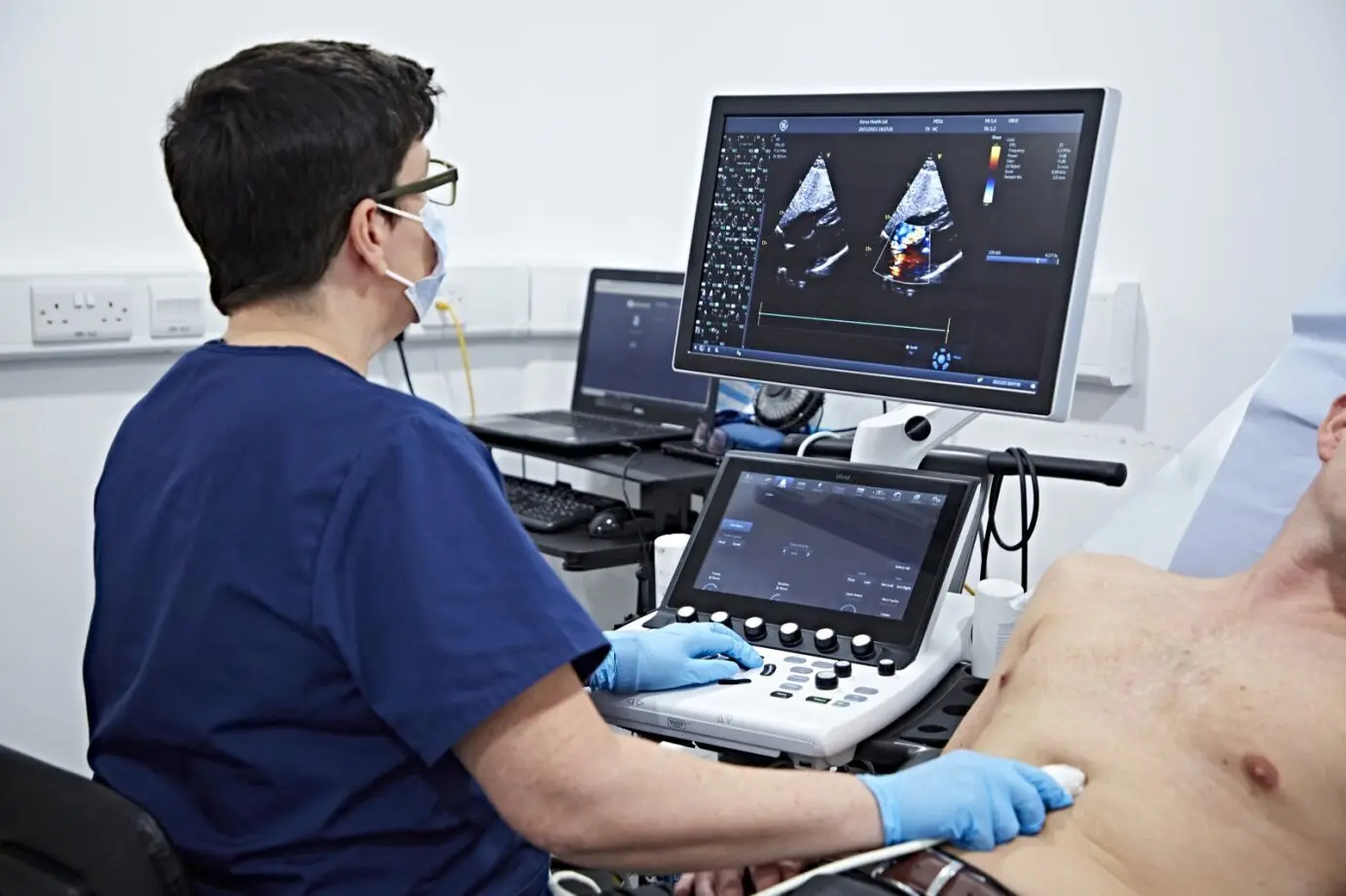
Echo Test Preparation Dubai: What to Expect (2026)
Read MoreHeart Attack vs Panic Attack Dubai: Signs (2026)
Read MoreHeart Failure Warning Signs Dubai (2026)
Read MoreStress Test Cost Dubai: AED 800–5,000 (2026)
Read MoreStress Test vs Echo Dubai: Which Heart Test? (2026)
Read More© 2026 Doctors Clinic Diagnostic Center (DCDC), Dubai Healthcare City. Originally published at https://doctorsclinicdubai.ae/blog/when-to-see-cardiologist-dubai. All rights reserved. Unauthorized reproduction is prohibited.