Key Takeaways
- Shortness of breath (medically called dyspnea) is one of the most common symptoms prompting a medical visit, with causes ranging from cardiac and pulmonary conditions to anxiety, anemia, and simple deconditioning — pinpointing the cause requires a structured evaluation, not guesswork.
- Research summarized by the American Family Physician journal indicates that roughly 85% of shortness of breath cases trace back to just five conditions: asthma, COPD, heart failure, pneumonia, or a psychological cause such as anxiety.
- Peak summer heat, which regularly exceeds 45°C with high humidity in the region during August, is a genuine trigger for breathlessness through dehydration, heat exhaustion, and increased workload on the heart — a pattern that becomes noticeably more common in clinics every summer.
- Sudden, severe shortness of breath — especially with chest pain, blue-tinged lips, or fainting — is a medical emergency that requires calling 999 immediately, not scheduling a routine appointment.
- A structured workup combining an ECG, chest X-ray, blood tests, and sometimes an echocardiogram or spirometry can identify the underlying cause of breathlessness for the large majority of patients.
- At DCDC in Dubai Healthcare City, patients can complete an ECG, echocardiogram, and blood work in a single visit, avoiding the delay of being referred between separate facilities for cardiac and pulmonary causes of breathlessness.
- DCDC holds a 4.8/5 Google rating from 1,000+ verified reviews and works with 20+ insurance partners, including Daman, AXA, Bupa, MetLife, and Cigna, for direct billing, with General Practitioner consultations starting from AED 200.
Feeling breathless — whether climbing a flight of stairs, walking through a shopping mall, or even sitting quietly at your desk — is one of the most unsettling symptoms a person can experience, because breathing is something we normally never have to think about. A General Consultation at Doctors Clinic Diagnostic Center (DCDC) in Dubai Healthcare City is often the first step patients take once shortness of breath starts to cause concern, and for good reason: dyspnea, the medical term for breathlessness, can point to dozens of different underlying conditions, from a treatable anxiety episode to a heart or lung problem that needs urgent attention. The local climate adds its own layer of complexity — extreme summer heat, heavy reliance on air conditioning, and periodic dust exposure can all trigger or worsen breathlessness, making it harder for residents to know whether their symptoms are heat-related or something that genuinely needs a diagnostic workup. This guide walks through the most common causes of shortness of breath, the warning signs that mean you should seek emergency care, and what a thorough evaluation actually involves.
This article covers what shortness of breath means medically, the full range of causes — cardiac, pulmonary, metabolic, and psychological — the specific ways the Dubai climate contributes to breathlessness, the difference between manageable symptoms and true emergencies, how doctors diagnose the underlying cause, what evaluation typically costs in 2026, and what to expect during a visit to DCDC. It is reviewed by Dr. Hadeel Elnur, General Practitioner at DCDC, who coordinates the multi-specialty workup that many breathlessness cases require.
What Is Shortness of Breath (Dyspnea)?
Shortness of breath, known medically as dyspnea, is the subjective sensation of not being able to get enough air, of breathing being unusually effortful, or of tightness in the chest during breathing. It is a symptom, not a diagnosis in itself, which is exactly why it can be so difficult for patients to interpret on their own. The same sensation can be caused by a heart that is struggling to pump efficiently, lungs that cannot move air freely, blood that is not carrying enough oxygen, or a nervous system on high alert during a panic episode.
Doctors generally classify breathlessness by how it develops. Acute dyspnea comes on over minutes to hours or a few days, and is more likely to reflect an infection, an asthma flare, a blood clot in the lung, or a sudden cardiac event. Chronic dyspnea, typically defined as breathlessness lasting more than four to eight weeks, points toward ongoing conditions such as heart failure, COPD, anemia, or deconditioning. According to Dr. Hadeel Elnur, "the timeline of the breathlessness — how fast it came on, and how it has changed since — is often more useful diagnostically than the severity alone. A patient who has felt gradually more breathless over three months needs a very different initial workup than someone who woke up struggling to breathe an hour ago."
Common Causes of Shortness of Breath
Because so many organ systems can produce the sensation of breathlessness, it helps to think about the causes by category rather than trying to match symptoms to a single condition. The table below summarizes the four broad groups doctors consider, along with the typical pattern each tends to produce.
| Body System | Common Causes | Typical Pattern |
|---|---|---|
| Cardiac (Heart) | Heart failure, coronary artery disease, arrhythmias such as atrial fibrillation, valve disease | Worse when lying flat or with exertion; may include ankle or leg swelling |
| Pulmonary (Lungs) | Asthma, COPD, pneumonia, pulmonary embolism, pleural effusion | Often with wheeze, cough, or chest tightness; sudden onset raises concern for a clot |
| Metabolic / Blood | Anemia, thyroid disorders, kidney disease, diabetic ketoacidosis | Gradual onset with fatigue; pale skin and exercise intolerance common with anemia |
| Anxiety / Psychological | Panic attacks, generalized anxiety, hyperventilation syndrome | Rapid shallow breathing, tingling in the hands, chest tightness without a clear trigger |
| Other | Obesity, deconditioning, pregnancy, heat exhaustion, dehydration | Progressive with exertion; improves with fitness, rest, or rehydration |
Heart-Related (Cardiac) Causes of Breathlessness
Cardiac causes of breathlessness occur when the heart cannot pump blood efficiently enough to meet the body's oxygen demands, or when abnormal heart rhythms reduce the heart's pumping effectiveness. These causes are among the most important to identify early, because timely treatment can meaningfully change the outcome.
Heart Failure
Heart failure occurs when the heart muscle becomes too weak or too stiff to pump blood effectively. Fluid backs up into the lungs, producing breathlessness that is often worse when lying flat (a symptom called orthopnea) and may wake patients at night gasping for air. Ankle swelling, unexplained weight gain from fluid retention, and persistent fatigue frequently accompany the breathlessness of heart failure.
Coronary Artery Disease and Angina
When the arteries supplying the heart muscle narrow, the heart may not receive enough oxygen during exertion, producing breathlessness alongside chest tightness or pressure — a pattern known as an anginal equivalent. This can be a warning sign of an impending heart attack, particularly when it appears with exertion and resolves with rest. Understanding the broader picture of chest pain causes and when to worry is useful here, since breathlessness and chest discomfort frequently occur together in cardiac disease.
Arrhythmias
Abnormal heart rhythms, particularly atrial fibrillation, can cause the heart to beat too fast or too irregularly to pump blood efficiently, producing sudden breathlessness, palpitations, and light-headedness. Many patients are unaware they have an arrhythmia until breathlessness or fatigue prompts an ECG. For a broader look at how cardiac symptoms present, our guide on heart disease symptoms and warning signs covers the range of presentations beyond breathlessness alone.
Lung and Airway (Pulmonary) Causes
Pulmonary causes of breathlessness involve the airways, the lung tissue itself, or the blood vessels within the lungs. These are frequently accompanied by cough, wheeze, or chest tightness, though not always.
Asthma
Asthma causes the airways to narrow and become inflamed in response to triggers such as allergens, cold air, exercise, or irritants, producing breathlessness, wheezing, and chest tightness. Attacks can range from mild to severe, and breathlessness that does not respond to a rescue inhaler is an emergency. Our detailed guide to asthma symptoms and management covers triggers, diagnosis, and treatment in more depth.
COPD and Chronic Bronchitis
Chronic obstructive pulmonary disease (COPD), which includes chronic bronchitis and emphysema, causes progressive, long-term airway narrowing and lung damage, most commonly linked to smoking. Breathlessness with COPD typically worsens gradually over years and is accompanied by a productive cough. If a persistent cough is your main concern alongside breathlessness, our article on chronic cough causes and when to worry explains how the two symptoms relate.
Pneumonia and Respiratory Infections
Infections of the lungs, including pneumonia and severe bronchitis, inflame lung tissue and airways, reducing the surface area available for oxygen exchange and producing breathlessness, fever, and productive cough. Our guide to bronchitis symptoms and treatment outlines how these infections are distinguished from other causes of breathlessness.
Pulmonary Embolism
A pulmonary embolism occurs when a blood clot, usually originating in the legs, travels to the lungs and blocks blood flow. It causes sudden, severe breathlessness, often with sharp chest pain that worsens on breathing in, and sometimes coughing up blood. This is a medical emergency, and risk is notably higher after long-haul flights, prolonged immobility, recent surgery, or in people with clotting disorders — all relevant for a population that travels internationally as frequently as UAE residents do.
Anxiety, Anemia & Other Causes of Breathlessness
Not every cause of breathlessness originates in the heart or lungs. A significant proportion of patients presenting with shortness of breath have a metabolic, hematologic, or psychological cause instead — and these deserve equal attention, since they respond very well to the right treatment once identified.
Anxiety and Panic-Related Breathlessness
Anxiety and panic attacks are a genuinely common cause of breathlessness, particularly in fast-paced professional environments. During a panic episode, the body's stress response triggers rapid, shallow breathing (hyperventilation), which paradoxically lowers carbon dioxide levels in the blood and produces a very real, frightening sensation of air hunger, along with tingling in the fingers and around the mouth, dizziness, and a racing heart. Anxiety-related breathlessness is not dangerous in itself, but because its symptoms overlap so closely with cardiac and pulmonary causes, it should only be diagnosed after those possibilities have been reasonably ruled out.
Anemia
Anemia, a shortage of healthy red blood cells or hemoglobin, reduces the blood's oxygen-carrying capacity, forcing the heart and lungs to work harder to deliver adequate oxygen to tissues. This produces breathlessness on exertion, fatigue, pale skin, and sometimes a rapid heartbeat. Anemia is common and easily detected with a simple blood test, and iron-deficiency anemia in particular is frequently under-recognized, especially in women of reproductive age.
Obesity and Deconditioning
Excess body weight increases the oxygen demand of daily activity while simultaneously restricting how far the lungs can expand, a combination that produces breathlessness with relatively mild exertion. Prolonged physical inactivity, common among office-based professionals who spend most of the year in air-conditioned environments, has a similar deconditioning effect, reducing cardiovascular fitness and lowering the exertion threshold at which breathlessness appears.
Thyroid Disorders and Other Causes
An overactive thyroid can increase metabolic demand and heart rate, producing breathlessness alongside weight loss, tremor, and anxiety-like symptoms, while an underactive thyroid can cause fatigue and reduced exercise tolerance. Pregnancy also commonly causes mild breathlessness due to increased oxygen demand and the growing uterus limiting lung expansion, though new or severe breathlessness in pregnancy should always be evaluated promptly.
Shortness of Breath in the UAE: Heat, Air Conditioning, and Dust
While the core medical causes of breathlessness are universal, the local environment amplifies several of them in ways worth understanding, particularly during the peak summer months. August in the UAE regularly brings daytime temperatures above 45°C combined with heavy humidity, and this combination is a genuine and frequently underestimated trigger for breathlessness.
- Heat exhaustion and dehydration: Fluid loss through sweating reduces blood volume, forcing the heart to work harder and beat faster to maintain blood pressure, which can produce a real sensation of breathlessness, especially during outdoor activity or brief exposure between air-conditioned spaces.
- Increased cardiac workload in heat: Extreme heat causes blood vessels near the skin to dilate for cooling, which the heart compensates for by pumping faster — a stress that can unmask or worsen breathlessness in people with underlying heart disease that was previously well-controlled.
- Air conditioning and indoor air quality: Because AC runs almost year-round, poorly maintained units can recirculate dust, mould spores, and allergens, contributing to airway irritation that can worsen asthma-related or allergic breathlessness.
- Dust and sandstorms: Fine desert dust is a recognized airway irritant in the region, and periods of reduced air quality are associated with increased breathlessness, wheeze, and cough, particularly in people with asthma or other airway sensitivity.
- Sharp temperature and humidity swings: Moving repeatedly between intense outdoor heat and cold, dry, air-conditioned interiors places additional stress on the airway and cardiovascular system, which can be enough to trigger breathlessness in people who are otherwise stable.
"Every summer we see a genuine rise in patients presenting with breathlessness that turns out to be heat- and dehydration-related rather than a new heart or lung problem," notes Dr. Hadeel Elnur. "That said, we never assume heat is the cause without checking. Someone with existing heart disease who becomes breathless in extreme heat may be experiencing a real cardiac stress response, not just discomfort, so we still evaluate carefully rather than dismissing the symptom as purely climate-related."
When Shortness of Breath Is an Emergency
Knowing which breathlessness symptoms need immediate emergency care, versus which can wait for a scheduled appointment, can genuinely make a life-or-death difference. The table below organizes symptoms into three practical categories.
| Category | Symptoms | What to Do |
|---|---|---|
| Red Flag — Emergency | Sudden, severe breathlessness; chest pain or pressure; blue-tinged lips or fingertips; fainting or confusion; breathlessness at rest that is rapidly worsening; coughing up blood | Call 999 or go to the nearest emergency room immediately |
| Yellow Flag — See a Doctor Soon | Breathlessness lasting more than a few days; new breathlessness with mild exertion; waking at night gasping for air; ankle or leg swelling; persistent cough with breathlessness | Book a same-day or next-day GP or cardiology evaluation |
| Manageable — Monitor at Home | Mild breathlessness only with heavy exertion in extreme heat; brief breathlessness that resolves fully with rest and rehydration; known mild seasonal allergy symptoms | Rest, hydrate, and monitor; seek care if it persists, recurs, or worsens |
This table is a general guide, not a substitute for medical evaluation. When in doubt, especially with any red flag symptom, seek care immediately.
"If breathlessness comes on suddenly, is severe, or is accompanied by chest pain, blue lips, or fainting, do not wait — call emergency services," says Dr. Hadeel Elnur. "For breathlessness that has been building gradually over days or weeks, a same-day consultation is the right call. It is far better to be evaluated and reassured than to delay and find out later that something treatable was missed."
Experiencing Unexplained Breathlessness? Get Evaluated Today
Don't guess whether your breathlessness is heat, heart, or lung-related. Book a same-day evaluation at DCDC in Dubai Healthcare City — ECG within minutes of arrival, on-site echocardiogram, chest X-ray, and blood work, with results the same day. Rated 4.8/5 from 1,000+ Google reviews. Direct billing with 20+ insurance providers.
GP consultation from AED 200 | ECG from AED 150 | Same-day results
How Doctors Diagnose the Cause of Shortness of Breath
A systematic diagnostic approach is essential because so many different conditions can produce the same sensation of breathlessness. Your doctor will start with a detailed history — how the breathlessness developed, what makes it better or worse, and any associated symptoms — followed by a focused physical exam, before deciding which of the following tests are needed.
| Test | What It Checks | Typical Turnaround |
|---|---|---|
| ECG (electrocardiogram) | Heart rhythm, signs of strain, or evidence of a prior heart attack | Minutes, same visit |
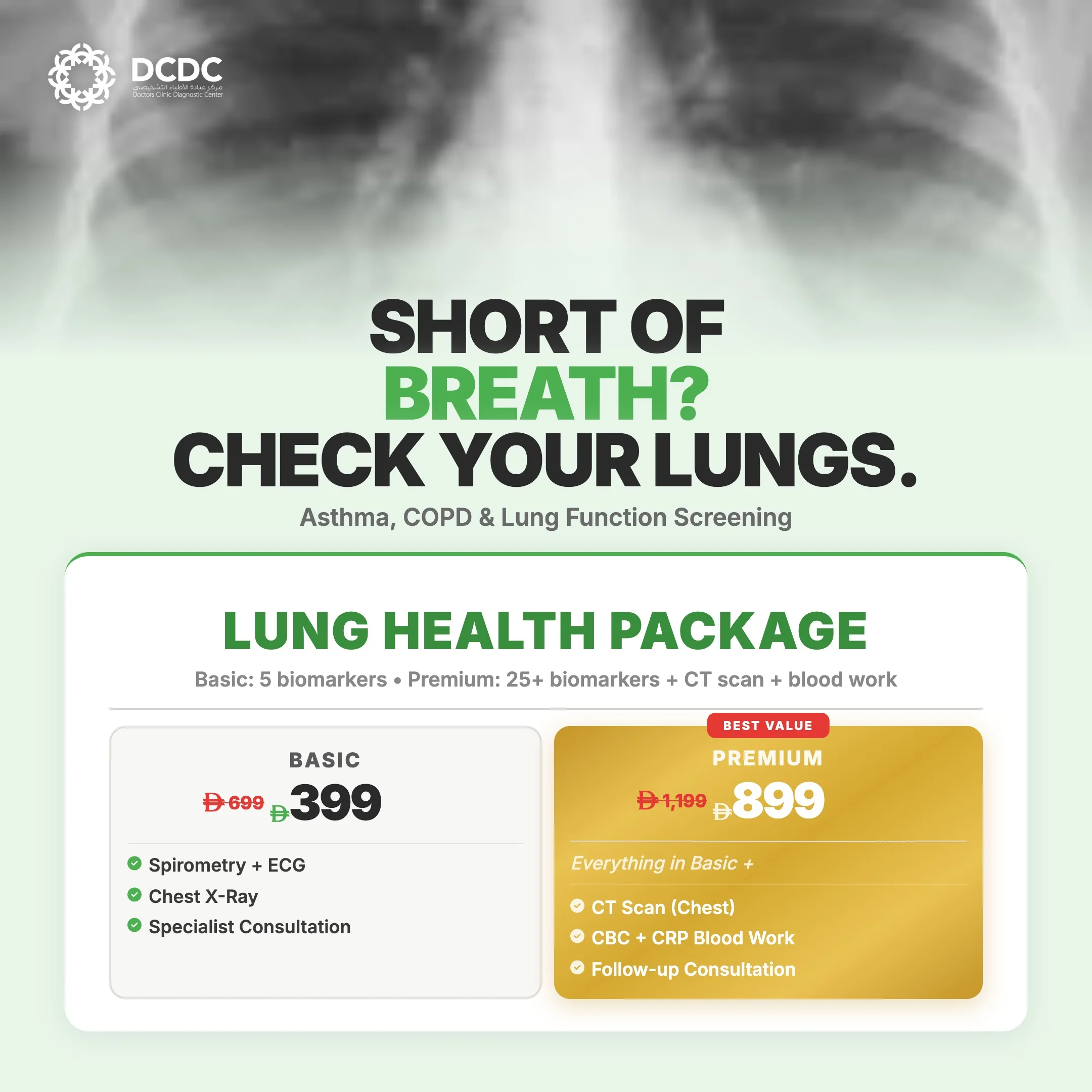
| Chest X-ray | Lung fields, heart size, fluid buildup, pneumonia, or masses | Same day |
| Blood tests (CBC, BNP, thyroid, D-dimer) | Anemia, heart strain marker, thyroid function, clotting risk | Same day for routine tests |
| Echocardiogram | Heart chamber size, valve function, and pumping strength | Same day |
| Spirometry (lung function test) | Airway obstruction, asthma, COPD severity | Same visit |
| CT scan / CT angiogram | Detailed lung imaging, pulmonary embolism, HRCT for lung tissue detail | Same day, results within 24 hours |
The single biggest advantage of an integrated diagnostic center is the ability to complete several of these tests in one visit rather than being referred between separate radiology, cardiology, and laboratory facilities. At DCDC, ECG, echocardiogram, and blood work can all be performed during a single appointment, meaning the physician can review the combined results together the same day rather than piecing together reports from multiple locations over multiple visits.
Cost of Shortness of Breath Evaluation in Dubai (2026)
Understanding the likely cost of a breathlessness workup helps patients plan ahead and removes a common barrier to seeking timely evaluation. The exact combination of tests needed depends entirely on your symptoms and clinical history — many patients only require a consultation, ECG, and basic blood work to identify the cause, while others benefit from a more comprehensive cardiac and pulmonary workup. Most insurance plans are accepted with direct billing at DCDC, so out-of-pocket costs for insured patients are often limited to the copayment.
| Service | Approximate Cost (AED) |
|---|---|
| General Practitioner consultation | from AED 200 |
| ECG (resting) | from AED 150 |
| Chest X-ray | from AED 250 |
| Blood tests (CBC, BNP, thyroid panel) | from AED 180 |
| Spirometry / lung function test | AED 250 – 450 |
| Echocardiogram | from AED 600 |
| CT chest / CT angiogram | AED 1,200 – 2,800 |
Approximate pricing at DCDC Dubai Healthcare City (2026). Final cost depends on which tests are clinically indicated. Verify coverage with your insurance provider before your appointment.
A basic breathlessness evaluation — consultation, ECG, and blood work — typically totals around AED 500 to 600 at DCDC, while a more comprehensive workup including echocardiogram and chest X-ray may range from AED 1,200 to AED 1,700. "The cost of a proper evaluation is genuinely modest compared to the cost of a missed diagnosis," says Dr. Hadeel Elnur. "An untreated heart or lung condition tends to progress and become more expensive, and more dangerous, to manage the longer it goes unaddressed."
What to Expect at DCDC
At Doctors Clinic Diagnostic Center in Dubai Healthcare City, shortness of breath evaluation is designed to move efficiently from consultation to diagnosis without unnecessary delays or repeat visits to separate facilities.
- Step 1 — Arrival and registration: Free dedicated parking is available on-site, and our multilingual reception team verifies your insurance details on the spot. Average wait time is around 15 minutes.
- Step 2 — Detailed history and vitals: Dr. Hadeel Elnur or one of our physicians records your blood pressure, oxygen saturation, and heart rate, and asks about the onset, timing, and pattern of your breathlessness, along with any associated symptoms.
- Step 3 — Physical examination: Listening to the heart and lungs, checking for ankle swelling, and assessing overall respiratory effort to guide which tests are needed.
- Step 4 — On-site ECG within minutes: A resting ECG is performed and reviewed by the physician as part of the same consultation.
- Step 5 — Same-visit diagnostics as needed: Depending on the findings, echocardiogram, chest X-ray, spirometry, and blood work can all be completed on-site, often in a single visit, rather than being referred elsewhere.
- Step 6 — Results and treatment plan: ECG and routine blood results are available the same day; echocardiogram and X-ray reports are typically ready within hours. If specialist input from cardiology or pulmonology is needed, Dr. Elnur coordinates the referral directly so you are not left navigating the system on your own.
DCDC is MOHAP-licensed and holds a 4.8/5 rating from over 1,000 verified Google reviews, with a 98% patient satisfaction rate. The clinic works with 20+ insurance partners, including Daman, AXA, Bupa, MetLife, and Cigna, with direct billing so most insured patients pay only a copayment. Clinic hours run Saturday to Thursday from 8 AM to 10 PM and Friday from 9 AM to 9 PM, at Building 64, Block A, Al Razi Medical Complex.
Treatment Options for Shortness of Breath
Treatment for breathlessness is entirely directed at the underlying cause identified through evaluation, which is why an accurate diagnosis matters more than symptomatic relief alone.
- For heart failure: Medications to reduce fluid retention (diuretics), improve heart function, and lower blood pressure, alongside dietary sodium restriction and structured follow-up.
- For coronary artery disease: Antiplatelet medication, statins, and, depending on severity, procedures such as angioplasty to restore blood flow to the heart muscle.
- For asthma or COPD: Inhaled bronchodilators and corticosteroids to reduce airway inflammation and improve airflow, along with a written action plan for flare-ups.
- For pneumonia or infection: Antibiotics when a bacterial cause is confirmed, along with rest, hydration, and monitoring for improvement.
- For anemia: Iron supplementation or treatment of the underlying cause of blood loss or deficiency, with breathlessness typically improving as blood counts normalize.
- For anxiety-related breathlessness: Breathing retraining techniques, cognitive behavioral therapy, and, when appropriate, short-term medication, always after cardiac and pulmonary causes have been reasonably excluded.
- For heat- and dehydration-related breathlessness: Rehydration, rest in a cooled environment, and gradual reacclimatization to heat exposure, with closer monitoring for anyone with underlying heart or lung disease.
Preventing Breathlessness: Lifestyle Tips for Residents
Many causes of breathlessness — both climate-related and chronic — can be reduced through consistent, practical lifestyle adjustments, particularly relevant given the extreme summer heat.
- Stay well hydrated year-round: Fluid loss through sweating in the heat is a genuine trigger for breathlessness; carry water and drink consistently rather than only when thirsty.
- Limit outdoor exertion during peak heat hours: Reschedule exercise and outdoor activity to early morning or evening during the hottest months, and take AC breaks during prolonged outdoor exposure.
- Service your AC unit regularly: A clean filter and coil prevent dust, mould, and allergens from recirculating and irritating the airway.
- Build cardiovascular fitness gradually: Even 20-30 minutes of moderate activity most days, indoors if needed, meaningfully improves exercise tolerance and reduces breathlessness from deconditioning over time.
- Manage chronic conditions consistently: Take asthma, heart failure, or thyroid medications as prescribed, and do not skip follow-up appointments, since gaps in management are a common trigger for worsening breathlessness.
- Avoid smoking and shisha: Both significantly accelerate airway and cardiovascular damage that contributes to long-term breathlessness.
- Know your baseline: Understanding what level of exertion normally causes you to feel breathless makes it much easier to notice — and act on — a genuine change.
Get to the Bottom of Your Breathlessness
At DCDC in Dubai Healthcare City, our General Practice team provides thorough shortness of breath evaluation, from clinical assessment to same-day ECG, echocardiogram, chest X-ray, and blood work, with specialist referral coordinated when needed. Same-day appointments available.
Building 64, Block A, Al Razi Medical Complex | Sat–Thu 8 AM–10 PM, Fri 9 AM–9 PM
Related Services at DCDC
Expert care and advanced diagnostics at Dubai Healthcare City
Frequently Asked Questions
Final Thoughts
Shortness of breath is a symptom that deserves genuine attention rather than guesswork. Because the sensation can be produced by so many different systems — the heart, the lungs, the blood, or the nervous system's stress response — self-diagnosis is genuinely unreliable, and the stakes of missing a cardiac or pulmonary cause are too high to leave to assumption.
The local climate adds a distinct layer to this picture. Extreme summer heat, near-constant air conditioning, and periodic dust exposure all contribute to breathlessness in ways that residents of milder climates may not experience to the same degree, which is exactly why heat-related breathlessness should still be evaluated rather than automatically dismissed, particularly in anyone with underlying heart or lung disease.
At DCDC in Dubai Healthcare City, shortness of breath evaluation combines a thorough clinical history with same-visit ECG, echocardiogram, chest X-ray, and blood work, and coordinated specialist referral when needed, all under one roof. If your breathlessness is new, has lasted more than a few days, or comes with any red flag symptom, a proper evaluation is a small step that can bring genuine clarity — and, when needed, timely treatment. To book an appointment, WhatsApp our team or visit us at Building 64, Block A, Al Razi Medical Complex in Dubai Healthcare City.
Sources & References
This article was reviewed by our medical team and references the following sources:
- Mayo Clinic — Shortness of Breath: Symptoms and Causes
- NHS — Shortness of Breath
- Cleveland Clinic — Dyspnea (Shortness of Breath)
- American Lung Association — Shortness of Breath
- American Heart Association — Warning Signs of Heart Failure
- MedlinePlus — Shortness of Breath
Medical content on this site is reviewed by DHA-licensed physicians. See our editorial policy for more information.

Written by
Dr. Hadeel Elnur
General Practitioner
MD, General Practice
Dr. Hadeel Elnur is a General Practitioner at Doctors Clinic Diagnostic Center (DCDC) in Dubai Healthcare City.
Related Articles
Asthma Symptoms Dubai: Triggers & Management (2026)
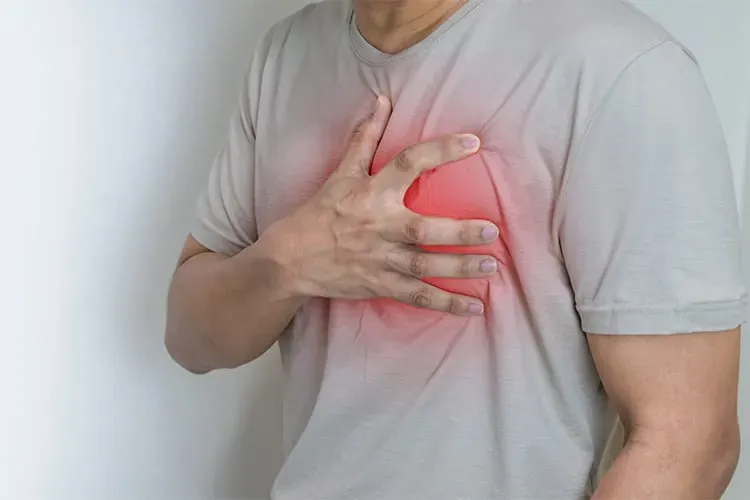
Chest Pain Dubai: Causes & When to Worry (2026)
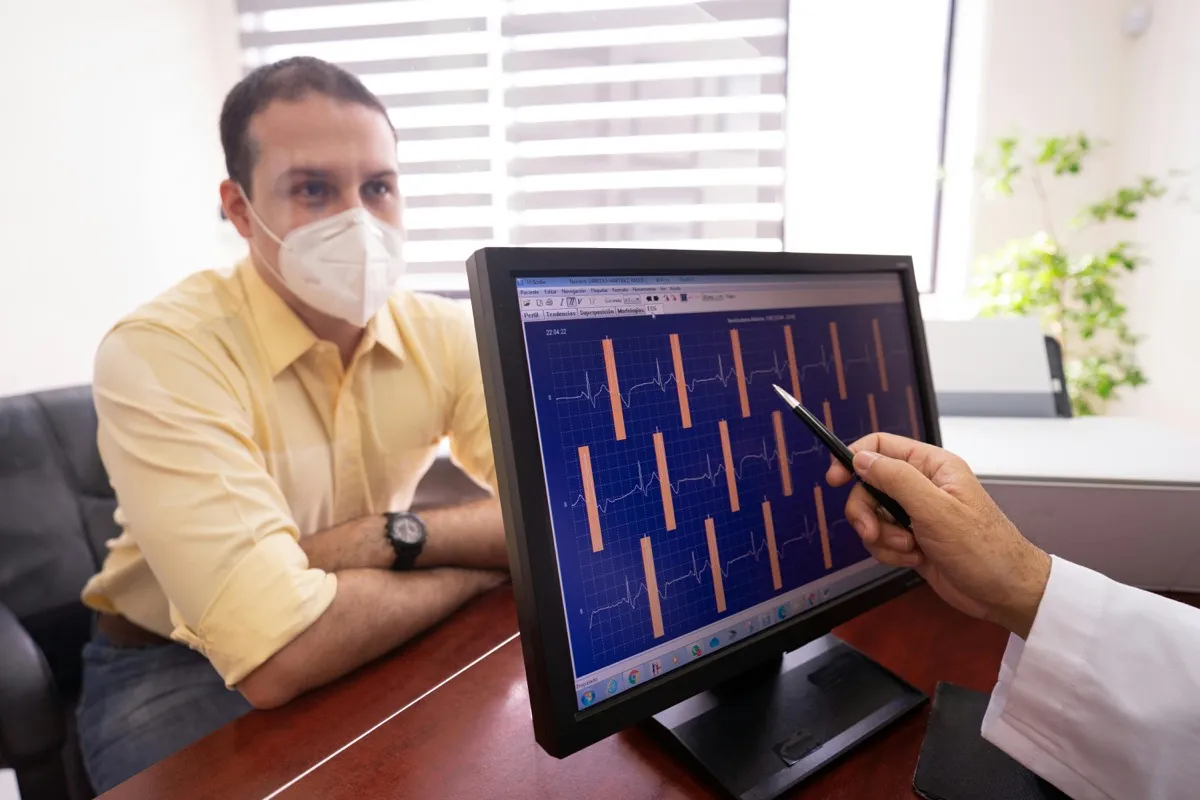
Heart Disease Symptoms Dubai: Warning Signs (2026)
Chronic Cough Dubai: Causes & When to Worry (2026)
Bronchitis Treatment Dubai: Symptoms & Care (2026)
More in Respiratory

© 2026 Doctors Clinic Diagnostic Center (DCDC), Dubai Healthcare City. Originally published at https://doctorsclinicdubai.ae/blog/shortness-of-breath-causes-dubai. All rights reserved. Unauthorized reproduction is prohibited.