Key Takeaways
- COPD (chronic obstructive pulmonary disease) is a progressive lung condition, usually a combination of chronic bronchitis and emphysema, that narrows the airways and permanently reduces airflow out of the lungs
- Early symptoms are easy to dismiss: a persistent cough, a bit more breathlessness on stairs, occasional wheeze. By the time breathlessness interferes with daily life, a significant amount of lung function may already be lost
- Smoking, including shisha and waterpipe use, causes the majority of COPD cases; long-term exposure to dust, fumes, and air pollution are also major contributors, both relevant to Dubai's construction and outdoor workforce
- COPD is staged using the GOLD system, which combines a spirometry-based grade (1 to 4, based on FEV1) with a symptom and exacerbation-risk group (A, B, or E) to guide treatment intensity
- Diagnosis requires spirometry (a lung function breathing test) to confirm airflow limitation; chest X-ray, HRCT, and blood tests help rule out other causes and assess severity
- COPD has no cure, but bronchodilator inhalers, pulmonary rehabilitation, smoking cessation, and vaccination meaningfully slow progression, reduce flare-ups, and improve quality of life for most patients
- Dubai's dust storms, heavy construction activity, shisha culture, and constant transitions between hot outdoor air and cold air-conditioned interiors can all worsen COPD symptoms and trigger exacerbations
- Warning signs of a COPD exacerbation that need urgent medical attention include a sudden increase in breathlessness, a change in mucus colour or volume, fever, or lips/fingertips turning bluish
If you have been living with a cough that will not quit, breathlessness that seems to arrive earlier every year, or a wheeze you have started to explain away as "just getting older," it is worth pausing on that assumption. Chronic obstructive pulmonary disease, or COPD, develops gradually and quietly, often over 10 to 20 years, which is exactly why so many people in Dubai are living with it unknowingly. This guide covers what COPD is, how it is staged, how it is diagnosed, and what real management looks like, including the Dubai-specific factors, from shisha culture to desert dust, that shape how the disease presents here. Our General Consultation service at DCDC offers same-day respiratory evaluation in Dubai Healthcare City if any of this sounds familiar.
COPD is not one single disease but an umbrella term covering chronic bronchitis, emphysema, and often a mix of both. It affects more than 300 million people worldwide and is currently the fourth leading cause of death globally. The encouraging part is that COPD responds well to early detection and consistent management, so understanding your risk and symptoms early genuinely changes the trajectory of the disease.
What Is COPD (Chronic Obstructive Pulmonary Disease)?
COPD stands for chronic obstructive pulmonary disease, a long-term, progressive lung condition that makes it increasingly difficult to breathe. It is caused by damage to the airways and air sacs of the lungs, usually from years of exposure to irritants such as cigarette smoke, shisha smoke, dust, or air pollution. Unlike asthma, the airflow limitation in COPD is largely persistent and does not fully reverse with treatment.
COPD is really an umbrella term for two overlapping conditions. Chronic bronchitis involves long-term inflammation and swelling of the airways, which produces excess mucus and a persistent cough. Emphysema involves damage to the alveoli, the tiny air sacs where oxygen actually passes into the bloodstream; when these sacs are destroyed, the lungs lose their elasticity and trap air, making it harder to fully exhale. Most people with COPD have a combination of both processes, in varying proportions.
According to the World Health Organization, COPD affects an estimated 300 million or more people globally and was responsible for roughly 3.5 million deaths in 2021, about 5% of all deaths worldwide, making it the third or fourth leading cause of death depending on the year measured. It is also chronically underdiagnosed: many people live with significant airflow limitation for years before a doctor confirms the diagnosis, often because early symptoms are mild and easy to attribute to age, fitness, or a lingering cold.
COPD Risk Factors and Causes
COPD develops from cumulative damage to the airways and lung tissue over years, and while smoking is by far the leading cause globally, it is not the only one. Knowing your personal risk factors is often the first step toward earlier diagnosis.
- Cigarette smoking: the single biggest risk factor worldwide, responsible for the large majority of COPD cases in high-income countries. Risk rises with both the number of years smoked and the number of cigarettes per day
- Shisha and waterpipe smoking: commonly perceived as milder than cigarettes, but a typical shisha session can involve inhaling far more smoke volume than a single cigarette, and regular shisha smoking is a recognised risk factor for chronic bronchitis and reduced lung function
- Second-hand smoke exposure: long-term passive exposure at home or work also raises risk, even for lifelong non-smokers
- Occupational dust, fumes, and chemical exposure: construction work, sandblasting, welding, and industrial settings expose workers to particulates that damage the airways over time, relevant to Dubai's large construction and industrial workforce
- Outdoor and indoor air pollution: chronic exposure to vehicle exhaust, desert dust, and poorly ventilated indoor cooking or heating fumes contributes meaningfully to COPD risk, particularly when combined with other exposures
- Age: COPD most commonly presents in people over 40, since lung damage accumulates gradually over decades
- Genetics (Alpha-1 antitrypsin deficiency): a rare inherited condition that leads to early-onset emphysema, sometimes even in non-smokers or people in their 30s and 40s
- History of childhood respiratory infections or poorly controlled asthma: these can leave lasting changes in the airways that raise later COPD risk
It is worth noting that not everyone who smokes develops COPD, and not everyone with COPD has smoked; global data suggests a meaningful minority of cases occur in never-smokers, usually linked to occupational exposure, air pollution, or genetic susceptibility. This is one reason a persistent cough or breathlessness deserves proper evaluation rather than automatic dismissal in a non-smoker.
Early Signs and Symptoms of COPD
COPD symptoms typically develop slowly, and because the lungs have significant reserve capacity, noticeable breathlessness often does not appear until a substantial amount of lung function has already been lost. This is exactly why paying attention to subtle early signs matters.
Early Warning Signs (Often Dismissed)
- A cough that lingers for weeks, especially one that is worse in the morning and produces mucus
- Feeling more out of breath than you used to on stairs, inclines, or brisk walking
- Needing to slow down more than people your age during physical activity
- Mild wheeze, particularly after exertion or exposure to dust or smoke
- Frequent throat clearing or a sense of mucus at the back of the throat
- Catching colds that seem to "go to the chest" and take longer than usual to clear
Symptoms of More Advanced COPD
- Shortness of breath during everyday activities such as dressing, showering, or light housework
- Chronic cough with regular mucus production, sometimes described as "smoker's cough"
- Wheezing and a tight, whistling sound when breathing, particularly on exhalation
- Chest tightness
- Frequent respiratory infections
- Fatigue and reduced exercise tolerance
- Unintended weight loss in more advanced disease, as breathing itself becomes physically demanding
- Swelling in the ankles, feet, or legs in later stages, which can indicate the heart is being affected (cor pulmonale)
A persistent cough is one of the most common reasons COPD is eventually investigated, but it overlaps with many other conditions. Our detailed guide on chronic cough causes and when to worry walks through how doctors differentiate a cough related to COPD from one caused by infection, reflux, allergies, or other lung disease.
COPD Stages: Understanding the GOLD Classification
COPD severity is staged using the framework published by the Global Initiative for Chronic Obstructive Lung Disease (GOLD), the internationally recognised reference for COPD diagnosis and management. The GOLD system combines two elements: a spirometric grade based on how much airflow is obstructed, and a symptom/exacerbation-risk group that helps guide day-to-day treatment decisions.
GOLD Spirometric Grades (Based on FEV1)
FEV1 (forced expiratory volume in one second) measures how much air you can forcefully exhale in the first second of a breath test, compared to what is expected for someone of your age, sex, and height. After a bronchodilator is given, the FEV1 percentage determines the grade:
- GOLD 1 (Mild): FEV1 80% or more of predicted value. Airflow limitation is mild and symptoms may be minimal or absent
- GOLD 2 (Moderate): FEV1 between 50% and 79% of predicted. Breathlessness on exertion and a productive cough typically become noticeable
- GOLD 3 (Severe): FEV1 between 30% and 49% of predicted. Breathlessness affects daily activities and exacerbations become more frequent
- GOLD 4 (Very Severe): FEV1 below 30% of predicted, or below 50% with chronic respiratory failure. Quality of life is significantly affected and complications such as low blood oxygen become common
The ABE Symptom and Risk Groups
Alongside the spirometric grade, GOLD classifies patients into groups A, B, or E based on symptom burden (measured with validated questionnaires such as the mMRC breathlessness scale or the CAT score) and how many moderate-to-severe exacerbations occurred in the previous year. Group A reflects low symptoms and low exacerbation risk; Group B reflects higher symptom burden with low exacerbation risk; and Group E reflects a history of exacerbations severe enough to warrant more intensive treatment, most recently defined by GOLD as one or more moderate exacerbations in the past year. This combined approach means two patients with the same FEV1 can end up on quite different treatment plans depending on how often they flare up and how much their symptoms limit daily life.
In practical terms, the stage and group matter less to a patient than the trend. A stable GOLD 2 patient who is well-controlled on inhalers and staying active often has a very different day-to-day experience than someone at the same spirometric stage who is having frequent flare-ups. This is why ongoing monitoring, not just a one-time number, is central to COPD care.
How COPD Is Diagnosed
COPD cannot be confirmed on symptoms alone, since a chronic cough and breathlessness overlap with several other conditions. A proper diagnostic work-up typically includes the following steps.
- Detailed history: smoking history (including shisha use), occupational exposures, family history, and the pattern of symptoms over time
- Physical examination: listening to the chest for wheeze, prolonged exhalation, or reduced air entry, and checking oxygen saturation
- Spirometry: the definitive test for COPD. You breathe forcefully into a device that measures FEV1 and FVC (forced vital capacity); an FEV1/FVC ratio below 0.70 after a bronchodilator confirms persistent airflow limitation consistent with COPD
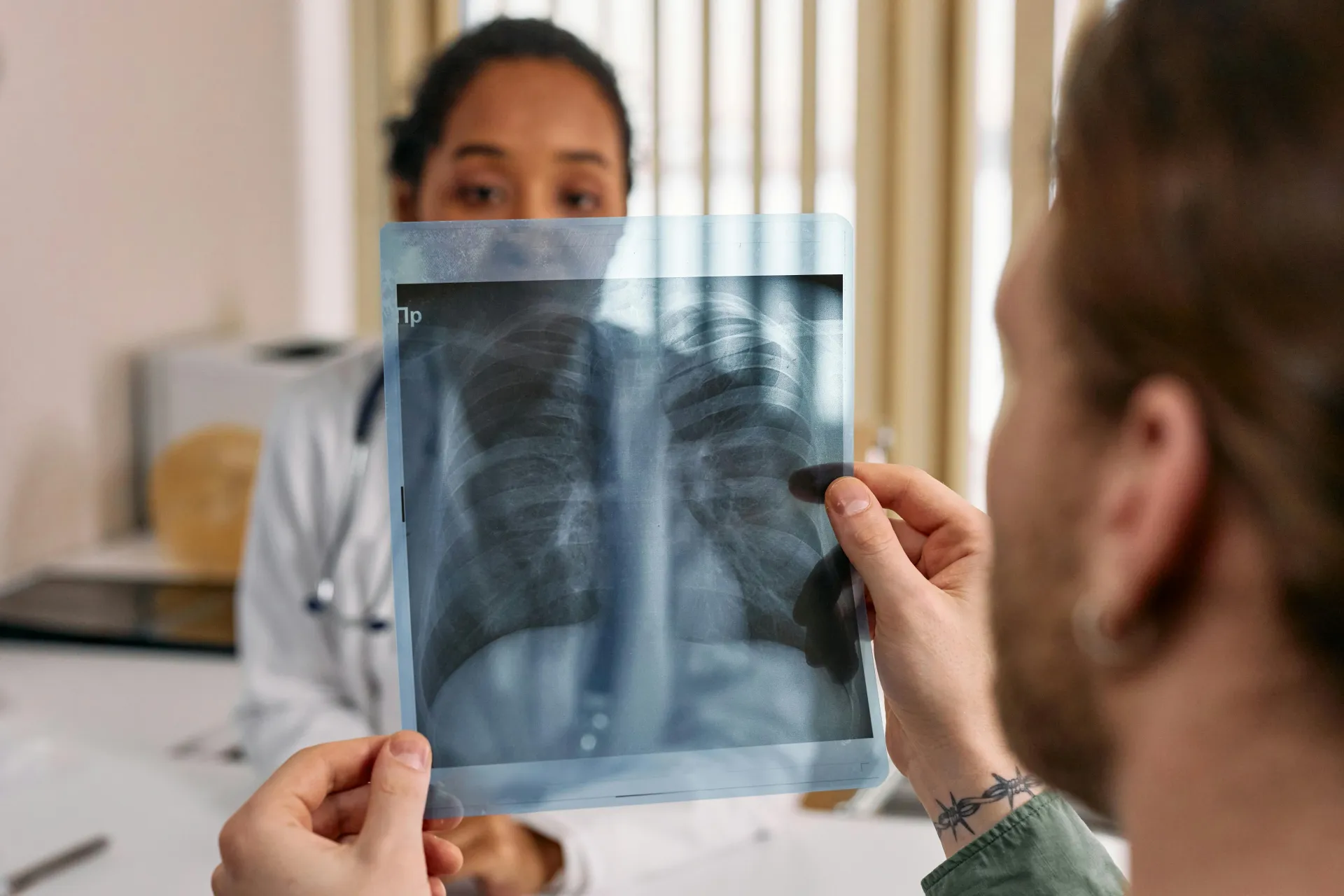
- Chest X-ray: often the first imaging step, useful to rule out other causes of breathlessness such as heart failure, pneumonia, or a mass, and can show signs of hyperinflation in more advanced disease
- High-resolution CT (HRCT) chest scan: provides much more detailed imaging of lung tissue than an X-ray and can identify emphysema, bronchiectasis, or other structural changes, particularly useful when symptoms are disproportionate to spirometry results or when planning specialised treatment
- Blood tests: a complete blood count (CBC) can identify anaemia or elevated red blood cells (a response to chronic low oxygen), while an arterial blood gas measures how well oxygen and carbon dioxide are being exchanged in more advanced or symptomatic cases
- Pulse oximetry: a quick, non-invasive check of blood oxygen saturation, useful for monitoring and for deciding whether supplemental oxygen is needed
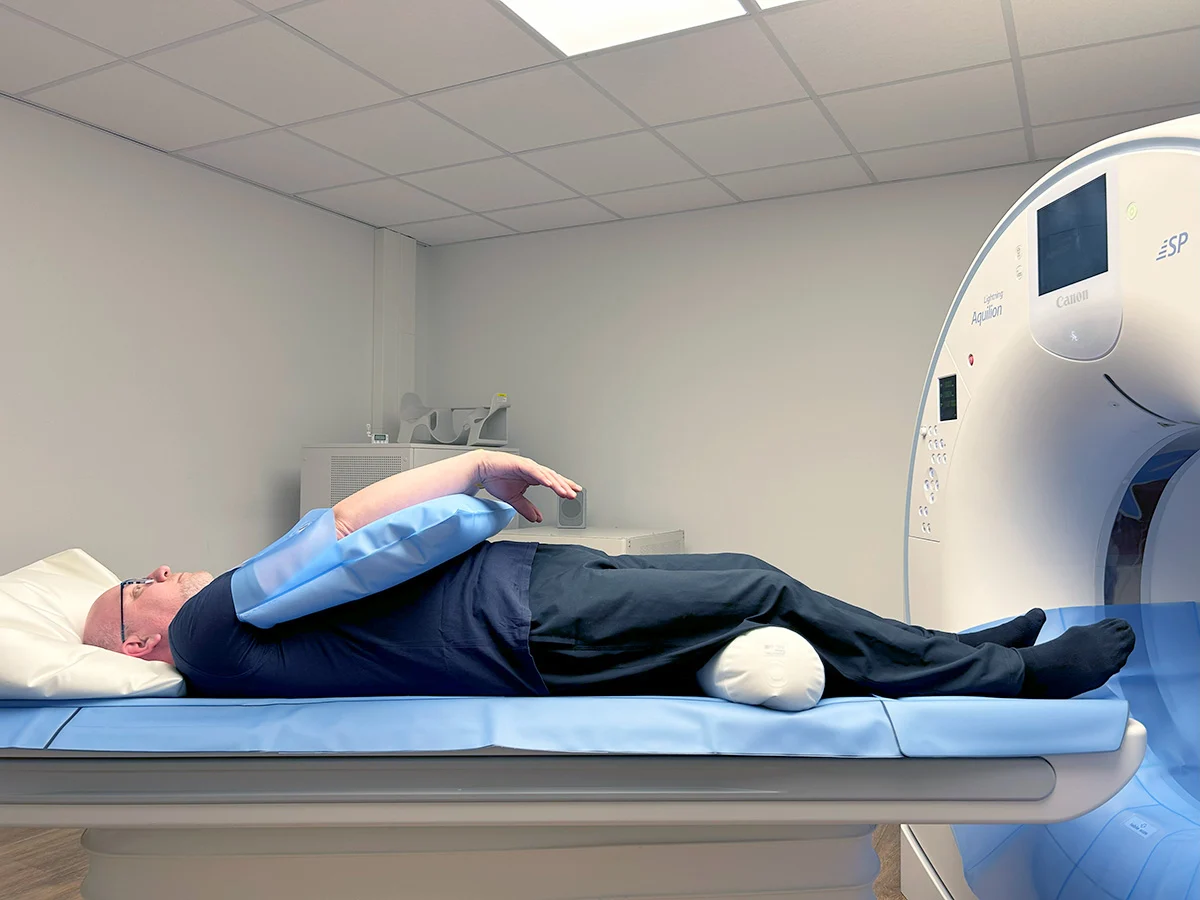
Because CT technology has advanced considerably, an HRCT scan can now pick up early emphysema changes well before they would be obvious on a standard chest X-ray. Our guide to the HRCT scan explains how this imaging works and what it can reveal about lung structure.
COPD vs Asthma: Key Differences
COPD and asthma are frequently confused because both cause wheeze, cough, and breathlessness, and some patients genuinely have overlapping features of both (sometimes referred to clinically as Asthma-COPD Overlap). Still, there are meaningful differences that shape how each is managed.
| Feature | Asthma | COPD |
|---|---|---|
| Typical age of onset | Often childhood or young adulthood | Usually after age 40 |
| Main cause | Allergic/genetic predisposition, environmental triggers | Long-term exposure to smoke, dust, or pollutants (most commonly cigarette or shisha smoke) |
| Symptom pattern | Comes and goes, often triggered by allergens, exercise, or cold air | Persistent and slowly progressive, though it can flare during exacerbations |
| Airflow limitation | Usually reversible with bronchodilators | Only partially reversible; does not fully return to normal |
| Smoking history | Not required, though smoking worsens asthma control | Present in the large majority of cases |
| Response to treatment | Often responds very well to inhaled corticosteroids | Responds to bronchodilators; steroid response is more variable and targeted |
General patterns only. Diagnosis in an individual patient always requires spirometry and clinical assessment, since overlap between the two conditions is common.
If your breathlessness comes and goes with clear triggers, especially if it started earlier in life, it is worth reading our guide on shortness of breath causes in Dubai, which covers the fuller range of conditions, including asthma, anaemia, and heart-related causes, that can produce similar symptoms.
What to Expect at DCDC for a COPD Evaluation
Doctors Clinic Diagnostic Center is located in Building 64, Block A, Al Razi Medical Complex in Dubai Healthcare City, and respiratory symptom evaluation, including possible COPD, is a routine part of our General Medicine practice. Here is what a typical visit for persistent cough or breathlessness looks like.
- A detailed consultation covering your smoking history (including shisha), occupational exposures, symptom pattern, and any family history of lung disease
- A focused physical examination, including listening to your chest and checking your oxygen saturation on the spot
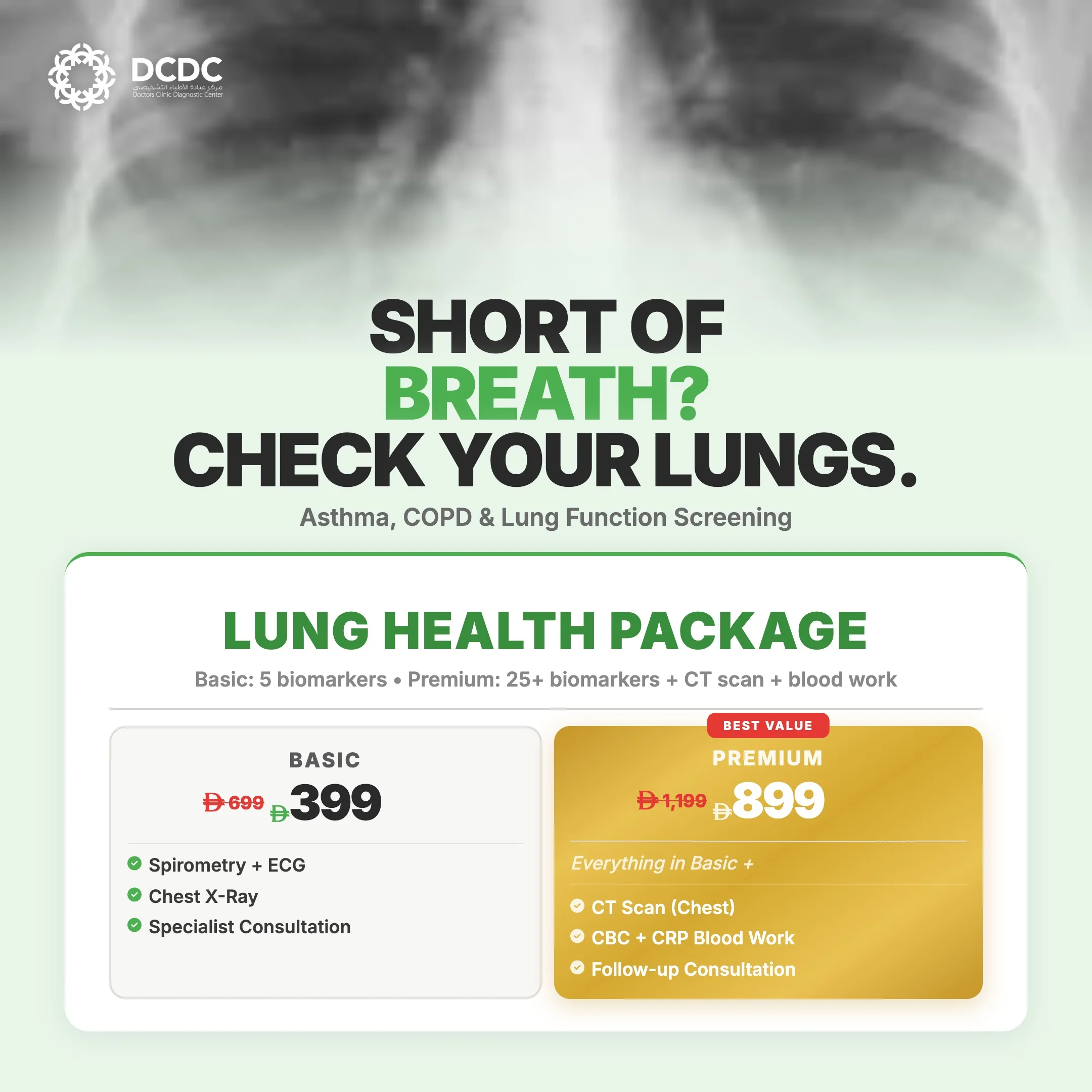
- On-site digital chest X-ray with same-day results, useful as an initial step to rule out infection or other causes of breathlessness
- Access to a multi-slice CT scanner for HRCT chest imaging when a more detailed look at lung tissue is needed, whether for early emphysema changes or to investigate symptoms that do not fit a straightforward picture
- On-site laboratory testing, including CBC, inflammatory markers, and arterial blood gas analysis when clinically indicated, with same-day results in most cases
- Referral pathway for formal spirometry and pulmonary function testing to confirm and stage a COPD diagnosis
- A clear, plain-language explanation of findings and a management plan, whether that means lifestyle changes and monitoring, inhaler therapy, or referral to a pulmonologist for more complex cases
"A lot of my patients with early COPD tell me the same thing: they assumed the breathlessness was just being unfit, or the cough was just Dubai's dust and AC. What I try to do is listen closely to how symptoms have changed over months and years, not just how they feel today, because that trend is often more telling than a single visit. If there is any suspicion of COPD, getting a chest X-ray, checking oxygen levels, and arranging spirometry early means we can start managing it properly instead of watching it quietly progress." — Dr. Hadeel Elnur, General Practitioner, DCDC
DCDC is MOHAP-licensed and offers extended hours, Saturday to Thursday from 8 AM to 10 PM and Friday from 9 AM to 9 PM, with same-day appointments, free parking, and an average wait time of around 15 minutes. Because consultation, imaging, and laboratory testing are all available on-site, most patients complete their entire initial respiratory work-up in a single visit rather than being sent between separate facilities. We coordinate direct billing with over 20 insurance providers, and our clinic holds a 4.8 out of 5 Google rating with 98% patient satisfaction.
Noticed Ongoing Breathlessness or a Cough That Will Not Clear?
Book a General Consultation at DCDC in Dubai Healthcare City for a same-day respiratory assessment, with on-site chest X-ray and lab testing if needed.
Call: +971 54 219 5008
Treatment Options for COPD
COPD cannot be cured or reversed, since the airway and tissue damage that has already occurred is permanent. The goal of treatment is instead to relieve symptoms, slow further decline in lung function, reduce the frequency and severity of exacerbations, and improve quality of life and exercise capacity. Treatment is typically layered, starting with lifestyle changes and building up based on symptom severity and exacerbation history.
- Smoking and shisha cessation: the single most effective intervention at any stage of COPD; quitting slows the rate of lung function decline more than any medication
- Bronchodilator inhalers: relax the muscles around the airways to make breathing easier, forming the backbone of COPD treatment at every stage
- Inhaled corticosteroids: added for patients with frequent exacerbations or higher blood eosinophil counts, usually in combination with a bronchodilator rather than alone
- Pulmonary rehabilitation: a structured programme of supervised exercise, breathing technique training, and education that consistently improves breathlessness, exercise tolerance, and quality of life
- Vaccinations: annual flu vaccine and pneumococcal vaccine, both of which reduce the risk of exacerbations triggered by respiratory infection
- Supplemental oxygen therapy: for patients with significantly low blood oxygen levels confirmed by testing, shown to improve survival in this specific group
- Surgical or procedural options: reserved for selected patients with severe emphysema, including lung volume reduction procedures or, rarely, lung transplantation
Treatment intensity is guided directly by the GOLD stage and group discussed earlier: someone in Group A with mild, infrequent symptoms may need only an as-needed bronchodilator, while someone in Group E with a history of exacerbations is likely to need combination inhaler therapy, close monitoring, and a stronger focus on preventing further flare-ups.
Medications for COPD Management
COPD medications work primarily through inhaled delivery, which targets the lungs directly and minimises side effects elsewhere in the body. Understanding the broad medication classes helps make sense of why treatment plans differ so much from patient to patient.
Bronchodilators
Short-acting bronchodilators (SABAs and SAMAs) provide quick relief for sudden breathlessness and are used as-needed. Long-acting bronchodilators (LABAs and LAMAs) are taken daily to keep airways open around the clock and form the foundation of maintenance treatment for most patients beyond the mildest stages. Many patients are prescribed a combination LABA/LAMA inhaler, which provides more effective symptom control than either class alone.
Inhaled Corticosteroids and Combination Therapy
Inhaled corticosteroids reduce airway inflammation and are added, usually as part of a triple-therapy inhaler alongside a LABA and LAMA, for patients with frequent exacerbations or elevated blood eosinophil counts. They are not typically used alone in COPD, unlike in asthma, because the evidence for benefit is strongest when combined with bronchodilator therapy.
Other Medication Options
- Roflumilast: an oral anti-inflammatory medication sometimes used for patients with severe COPD, chronic bronchitis symptoms, and a history of frequent exacerbations
- Long-term macrolide antibiotics (such as azithromycin): occasionally used at low, regular doses to reduce exacerbation frequency in select patients with recurrent flare-ups
- Mucolytics: may help thin mucus and ease its clearance for patients with a chronic productive cough
- Antibiotics and oral steroids: used short-term specifically to treat an acute exacerbation, not as ongoing maintenance therapy
Correct inhaler technique matters as much as the medication itself; a significant proportion of patients do not get the full benefit of their inhaler simply because of technique errors, so it is worth having this checked at every follow-up visit. Imaging also plays an ongoing role in more complex cases; where structural changes such as emphysema or bronchiectasis need to be monitored over time, an HRCT scan gives a far more detailed picture than a standard X-ray.
Pulmonary Rehabilitation and Lifestyle Changes
Medication alone rarely gives the full picture of good COPD management. Pulmonary rehabilitation and everyday lifestyle changes consistently rank among the most effective interventions for improving how patients actually feel day to day.
- Structured pulmonary rehabilitation: a supervised programme combining exercise training, breathing technique instruction, and education, shown to meaningfully improve breathlessness, exercise capacity, and quality of life
- Pursed-lip breathing: a simple technique of inhaling through the nose and exhaling slowly through pursed lips, which helps keep airways open longer and reduces the sensation of breathlessness
- Diaphragmatic breathing: strengthens the main breathing muscle and can reduce the work of breathing over time
- Regular, moderate physical activity: even light daily walking helps maintain muscle strength and lung capacity; deconditioning from avoiding activity tends to worsen breathlessness over time
- Nutrition: maintaining a healthy weight matters in both directions, since being underweight increases fatigue and being overweight increases the work of breathing
- Energy conservation techniques: pacing activities, sitting for tasks where possible, and organising daily routines to reduce unnecessary exertion
- Avoiding smoke, dust, and strong fumes: including shisha, cigarette smoke, incense, and heavy cleaning product fumes, all of which can irritate already sensitive airways
For many patients, the combination of quitting smoking, staying physically active, and correctly using prescribed inhalers has a bigger day-to-day impact on quality of life than any single medication change.
COPD and Dubai's Environment
A handful of environmental and cultural factors specific to life in Dubai are worth understanding if you have COPD or are at risk of developing it.
- Desert dust and sandstorms: shamal wind events can significantly reduce outdoor air quality for days at a time, and fine particulate matter is a recognised irritant for people with existing airway disease
- Construction dust: Dubai's ongoing construction activity means many residents and workers face regular exposure to airborne dust and particulates, whether working on-site or simply living near active development
- Shisha culture: shisha smoking is widely practised and socially normalised in the UAE, but a single shisha session can expose the lungs to a substantial volume of smoke and toxins, and regular use is a genuine, often under-recognised, COPD risk factor
- Occupational exposure among the expat workforce: a large proportion of Dubai's population works in construction, industrial, or outdoor labour roles that involve regular dust, fume, or chemical exposure, raising long-term COPD risk for this group in particular
- Heavy indoor air-conditioning use: because most people in Dubai spend the majority of their time indoors in air-conditioned spaces, indoor air quality, including AC filter maintenance and humidity control, plays a larger role here than in many other climates
- Sharp indoor-outdoor temperature swings: moving repeatedly between intense outdoor heat and cold, dry, air-conditioned interiors can irritate sensitive airways and is a commonly reported trigger for symptom flares in patients with existing lung disease
None of this means COPD is more common in Dubai than elsewhere purely because of climate, but it does mean patients here have a distinct set of everyday triggers worth actively managing: checking air quality indices before outdoor exercise on dusty days, keeping AC filters serviced, and being honest with your doctor about shisha use, which many patients under-report compared to cigarette smoking.
When to Seek Emergency Care for COPD
A COPD exacerbation is a sudden worsening of symptoms beyond normal day-to-day variation, often triggered by a respiratory infection, air pollution exposure, or, in Dubai, a dust event or abrupt temperature change. Recognising the warning signs early can prevent a flare-up from becoming a medical emergency.
- A sudden increase in breathlessness beyond your usual baseline
- A noticeable increase in cough frequency or severity
- A change in mucus, particularly if it becomes thicker, increases in volume, or changes colour to yellow, green, or brown
- New or worsening wheeze
- Fever, which may indicate a triggering infection
- Swelling in the ankles or legs that is new or worsening
- Confusion, drowsiness, or difficulty staying alert
- Bluish tint to the lips or fingertips, or a drop in oxygen saturation on a home pulse oximeter, both of which require emergency evaluation
If you or a family member with known COPD experiences severe breathlessness at rest, bluish lips, confusion, or an inability to speak in full sentences, this warrants emergency care immediately rather than waiting to see if symptoms settle. Milder exacerbations, such as increased cough and mucus without significant breathlessness or fever, are still worth a same-day medical review, since early treatment with a short course of antibiotics or oral steroids often prevents the flare-up from escalating.
COPD Screening and Consultation Cost in Dubai
Costs vary depending on how many tests are needed to reach a diagnosis or monitor an existing condition, but here is a general guide to what a COPD-focused evaluation costs at DCDC.
| Service | Estimated Cost |
|---|---|
| General consultation | From AED 250 |
| Chest X-ray | From AED 120 |
| HRCT chest scan | From AED 600 |
| CBC blood test | From AED 149 |
| Arterial blood gas | From AED 200 |
| Pulmonary function test (referral) | From AED 300 |
| Follow-up consultation | From AED 200 |
Prices are indicative starting points and vary based on your specific case and insurance coverage. Direct billing is available with 20+ insurance providers, and same-day appointments mean most patients complete their initial evaluation in a single visit.
Because DCDC offers consultation, on-site imaging, and on-site laboratory testing together, most patients complete their entire initial respiratory work-up, examination, chest X-ray, and relevant blood tests, in a single visit, with results typically available within 18 to 24 hours and same-day turnaround for urgent cases.
Ready to Get Your Breathing Assessed?
Book a General Consultation at DCDC in Dubai Healthcare City. Dr. Hadeel Elnur and the team can assess your symptoms, arrange imaging and blood work the same day, and coordinate specialist referral if needed.
Call: +971 54 219 5008
Related Services at DCDC
Expert care and advanced diagnostics at Dubai Healthcare City
Frequently Asked Questions
Managing COPD Starts With an Accurate Diagnosis
COPD is a serious, progressive condition, but it is also one of the most manageable chronic lung diseases when caught and treated early. The gap between someone whose COPD quietly worsens for years and someone who maintains a good quality of life for decades usually comes down to a few things: an accurate diagnosis, consistent inhaler use, quitting smoking or shisha, staying active, and getting exacerbations treated promptly rather than pushing through them.
If you have noticed a persistent cough, breathlessness that seems to be creeping up earlier each year, or a wheeze you have started to explain away, that pattern deserves a proper evaluation rather than assumption. Spirometry, imaging, and blood work together give a clear picture of what is happening in your lungs and how best to manage it.
At DCDC in Dubai Healthcare City, same-day consultation, on-site chest X-ray, access to HRCT imaging, and on-site laboratory testing mean you can walk in with ongoing respiratory symptoms and walk out with a clear next step, whether that is reassurance, a treatment plan, or a referral for further specialist input.
Sources & References
This article was reviewed by our medical team and references the following sources:
- World Health Organization - Chronic Obstructive Pulmonary Disease (COPD) Fact Sheet
- Global Initiative for Chronic Obstructive Lung Disease (GOLD) - 2026 Global Strategy Report
- National Health Service (UK) - Chronic Obstructive Pulmonary Disease (COPD)
- Mayo Clinic - COPD: Symptoms and Causes
- Cleveland Clinic - COPD: Causes, Symptoms, Diagnosis, Treatment & Prevention
- UAE Ministry of Health and Prevention (MOHAP)
Medical content on this site is reviewed by DHA-licensed physicians. See our editorial policy for more information.

Written by
Dr. Hadeel Elnur
General Practitioner
MD, General Practice
Dr. Hadeel Elnur is a General Practitioner at Doctors Clinic Diagnostic Center (DCDC) in Dubai Healthcare City.
Related Articles
Chronic Cough Causes: When to Worry
Shortness of Breath Dubai: Causes & Help
Asthma Symptoms & Management Dubai
HRCT Scan: High-Resolution CT for Lung Conditions

Pulmonologist Dubai Guide
More in Respiratory
© 2026 Doctors Clinic Diagnostic Center (DCDC), Dubai Healthcare City. Originally published at https://doctorsclinicdubai.ae/blog/copd-symptoms-management-dubai. All rights reserved. Unauthorized reproduction is prohibited.