Key Takeaways
- Varicose veins treatment in Dubai ranges from AED 3,000–10,000 depending on the procedure and severity
- Dubai's climate and standing-heavy jobs increase varicose vein risk — early treatment prevents complications
- Sclerotherapy and endovenous laser ablation are the most common minimally invasive options in Dubai clinics
- Compression stockings are the first-line treatment and can slow progression significantly
- Most minimally invasive procedures allow return to normal activities within 24–48 hours
- DCDC offers Doppler ultrasound diagnosis and internal medicine referral for vein assessment at Dubai Healthcare City
Varicose veins affect an estimated 23% of adults worldwide, and Dubai residents face additional risk factors including extreme heat, prolonged standing in service industries, and sedentary office lifestyles. If you are noticing bulging, twisted veins on your legs — or experiencing aching, heaviness, and swelling after long days — effective internal medicine treatment is available at DCDC in Dubai Healthcare City. This guide covers every treatment option, realistic costs, and what to expect during recovery in 2026.
Whether you are dealing with cosmetic spider veins or symptomatic varicose veins causing pain and skin changes, understanding your options helps you make an informed decision. Dubai offers world-class vascular treatment ranging from conservative compression therapy to advanced laser ablation — all available without lengthy waiting lists.
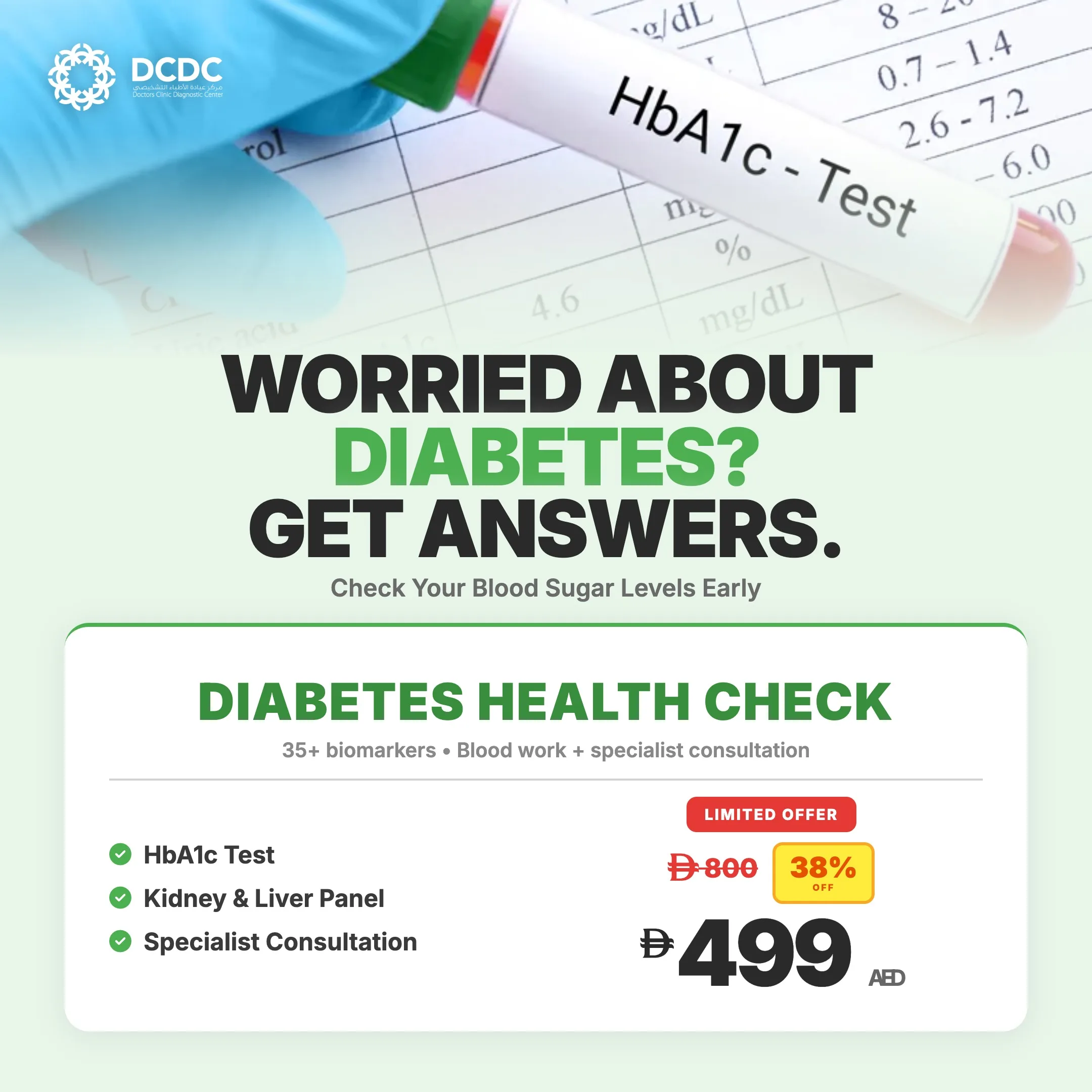
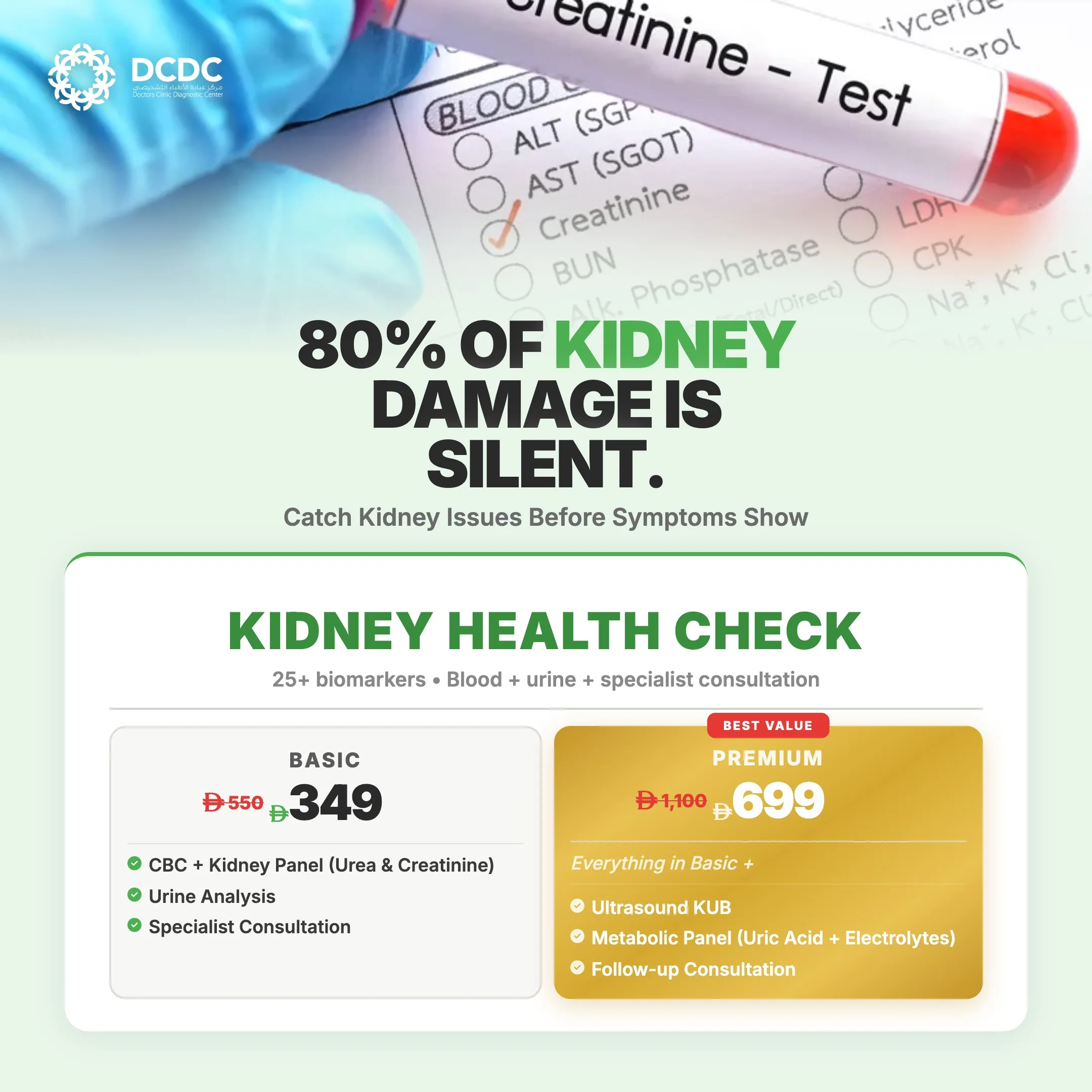
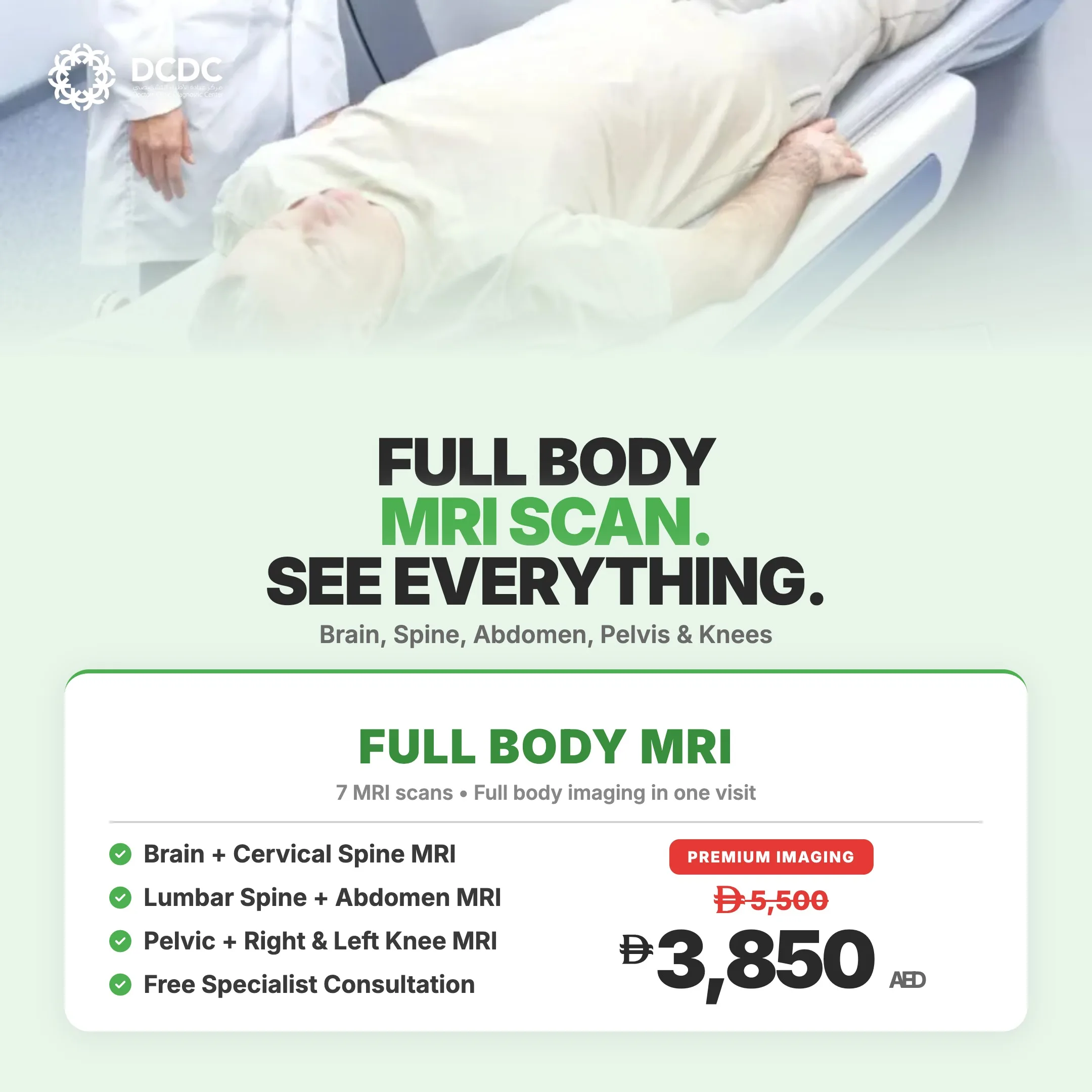
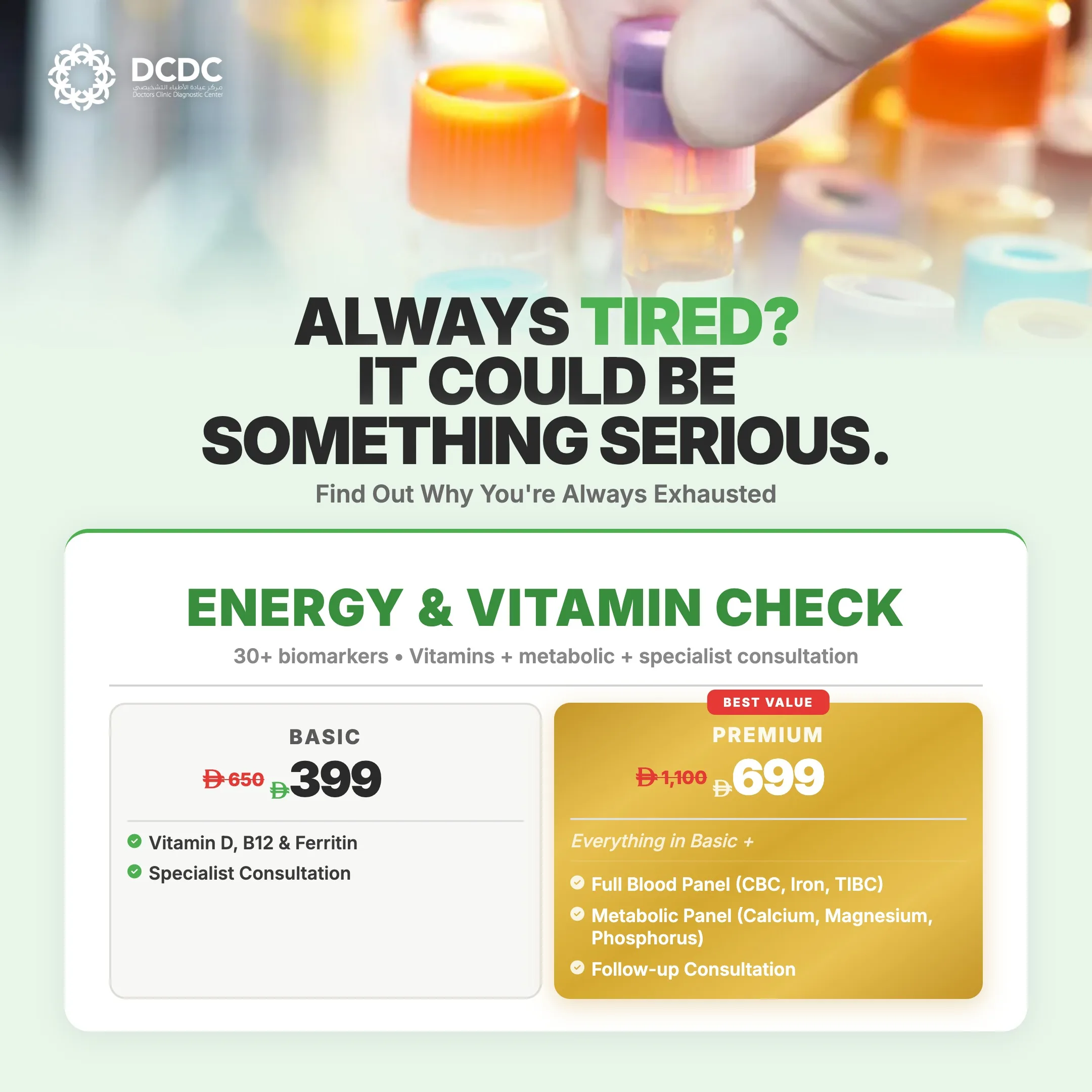
Health Screening Packages
Save with our bundled screening packages — specialist consultation included

What Are Varicose Veins and Why Do They Develop?
Varicose veins are enlarged, swollen veins that appear dark purple or blue and are often twisted or bulging beneath the skin surface. They develop when the one-way valves inside your veins weaken or fail, causing blood to pool rather than flowing efficiently back to the heart. This valve dysfunction is called venous insufficiency.
While varicose veins most commonly appear in the legs (due to the effects of gravity on upward blood flow), they can also develop in other areas. Spider veins — their smaller, web-like cousins — typically appear as red or purple clusters near the skin surface and are primarily a cosmetic concern.
How Varicose Veins Form: The Valve Failure Mechanism
Healthy leg veins contain a series of tiny valves that open to allow blood upward and close to prevent backflow. When these valves weaken, blood flows backward (reflux) and accumulates in the vein, causing it to stretch, dilate, and eventually become varicose. The saphenous veins — running from ankle to groin — are most commonly affected because they bear the greatest hydrostatic pressure.
- Great saphenous vein (GSV) — runs along the inner leg, most frequently affected
- Small saphenous vein (SSV) — runs along the back of the calf
- Perforator veins — connect superficial and deep venous systems
- Tributary veins — branch veins that become visible when main trunks fail
Varicose Veins Risk Factors in Dubai and the UAE
Dubai's unique environment creates a perfect storm for venous insufficiency. The combination of extreme heat, specific occupational demands, and lifestyle factors means that varicose veins are particularly common among UAE residents. According to vascular medicine research, heat causes veins to dilate, increasing the volume of blood that valves must manage.
Climate and Heat Exposure
Dubai temperatures regularly exceed 45°C during summer months (June through September). Heat causes peripheral vasodilation — your veins expand to help cool the body. This chronic dilation stretches vein walls and stresses valves over time. Residents who spend time outdoors, commute on foot, or work in partially air-conditioned environments face higher risk.
Occupational Risk Factors
Standing or sitting for extended periods is the single greatest modifiable risk factor for varicose veins. In Dubai, this disproportionately affects healthcare workers, retail staff, hospitality employees, teachers, security personnel, and construction supervisors who spend 8–12 hours on their feet daily.
- Prolonged standing (6+ hours/day) — increases venous pressure by 3–4x compared to lying down
- Sedentary desk work — reduces calf muscle pump activity needed to push blood upward
- Long-haul flights — frequent among Dubai's expat population returning home
- Obesity — adds abdominal pressure on pelvic veins, impeding venous return
- Pregnancy — hormonal changes and increased blood volume affect 40% of pregnant women
- Family history — genetic predisposition accounts for 50–80% of cases
Symptoms: When Varicose Veins Need Medical Attention
Many people initially dismiss varicose veins as purely cosmetic. However, untreated venous insufficiency can progress to serious complications including skin ulceration, bleeding, deep vein thrombosis (DVT), and chronic venous eczema. Recognising early warning signs is crucial for timely intervention.
- Visible bulging veins — dark blue or purple, twisted appearance on legs
- Aching and heaviness — worse after prolonged standing, improved by elevation
- Swollen ankles — particularly at the end of the day
- Throbbing or cramping — especially at night (nocturnal leg cramps)
- Itching around veins — sign of skin irritation from venous stasis
- Skin discolouration — brown patches near ankles (lipodermatosclerosis)
- Restless legs — urge to move legs, worse when sedentary
- Bleeding from varicose veins — requires immediate medical attention
According to Dr. Hadeel Elnur, early assessment is key: "Many patients come to us after years of discomfort, not realising that varicose veins are a progressive condition. A simple Doppler ultrasound can map the venous anatomy and identify which valves have failed, allowing us to recommend the most targeted treatment before complications develop."
Varicose Veins Diagnosis at DCDC
Accurate diagnosis requires more than visual inspection. At DCDC, we use Doppler ultrasound imaging to visualise blood flow direction, identify incompetent valves, rule out deep vein thrombosis, and map the venous anatomy. This non-invasive scan takes 20–30 minutes and provides the roadmap for treatment planning.
Duplex Doppler Ultrasound Assessment
Duplex ultrasound combines traditional ultrasound imaging with Doppler flow detection. The technologist applies gel to your leg and uses a handheld probe to visualise each vein segment. You may be asked to stand during parts of the examination and perform the Valsalva manoeuvre (bearing down) to provoke reflux in faulty valves. At DCDC, our imaging team uses advanced Doppler equipment capable of detecting even minor valve incompetence, with results interpreted by subspecialty radiologists.
Clinical Classification (CEAP)
Vascular specialists use the CEAP classification to grade severity and guide treatment decisions:
| CEAP Class | Description | Typical Treatment |
|---|---|---|
| C1 | Spider veins and reticular veins | Sclerotherapy or laser |
| C2 | Varicose veins (visible, palpable) | EVLA, RFA, or sclerotherapy |
| C3 | Oedema (swelling without skin changes) | Compression + ablation |
| C4 | Skin changes (pigmentation, eczema) | Ablation + wound care |
| C5 | Healed venous ulcer | Ablation + compression |
| C6 | Active venous ulcer | Urgent ablation + wound care |
CEAP classification of chronic venous disease and corresponding treatment approaches
Varicose Veins Treatment Options in Dubai
Treatment selection depends on vein size, location, symptom severity, and patient preference. Dubai clinics offer the full spectrum from conservative management to advanced surgical intervention. Below is a comprehensive overview of each approach available in 2026.
1. Compression Therapy (Conservative Management)
Medical-grade compression stockings (Class II, 23–32 mmHg) are the foundation of varicose vein management and the mandatory first step before insurance will approve interventional procedures. They work by applying graduated pressure — tightest at the ankle, decreasing upward — to assist the calf muscle pump and reduce venous pooling.
- Cost: AED 150–500 per pair (medical-grade)
- Duration: Daily wear for 3–6 months trial before interventional options
- Effectiveness: Slows progression and relieves symptoms in 60–70% of patients
- Limitation: Does not reverse existing varicose veins
2. Sclerotherapy (Injection Treatment)
Sclerotherapy involves injecting a sclerosant solution (polidocanol or sodium tetradecyl sulphate) directly into the affected vein, causing it to scar shut and gradually fade. It is the gold standard for spider veins and small reticular veins (1–4 mm diameter). Foam sclerotherapy uses a foamed version of the solution for larger veins.
- Cost in Dubai: AED 1,500–4,000 per session
- Sessions needed: 2–4 sessions spaced 4–6 weeks apart
- Recovery: Immediate return to activities; compression wear for 1–2 weeks
- Results timeline: Spider veins fade over 3–6 weeks; larger veins over 3–4 months
- Success rate: 75–90% of treated veins disappear permanently
3. Endovenous Laser Ablation (EVLA)
EVLA is currently the most popular minimally invasive treatment for varicose veins in Dubai. Under ultrasound guidance, a thin laser fibre is inserted into the affected vein through a tiny puncture. Laser energy heats and seals the vein from inside, redirecting blood flow to healthy veins. The procedure takes 45–60 minutes under local anaesthesia.
- Cost in Dubai: AED 5,000–10,000 per leg
- Recovery: Walk immediately; normal activities within 24–48 hours
- Success rate: 93–98% closure rate at 5 years (per Cochrane review)
- Advantage: No general anaesthesia, minimal scarring, outpatient procedure
4. Radiofrequency Ablation (RFA)
RFA uses radiofrequency energy instead of laser to heat and close varicose veins. The technique is similar to EVLA — a catheter is inserted under ultrasound guidance — but uses segmental heating rather than continuous energy delivery. Many vascular surgeons prefer RFA for its lower post-procedure pain scores compared to EVLA.
5. VenaSeal (Glue Closure)
The newest option available in premium Dubai clinics, VenaSeal uses a medical-grade cyanoacrylate adhesive to seal the vein shut. No tumescent anaesthesia is required, making it the least painful option. However, costs are higher (AED 8,000–15,000) and long-term data beyond 5 years is still accumulating.
6. Surgical Stripping (Traditional Surgery)
Open surgical stripping — making incisions and physically removing the vein — has largely been replaced by minimally invasive options. It remains appropriate for very large, tortuous veins or cases where endovenous techniques have failed. Recovery is longer (2–4 weeks off work) and scarring is more visible.
Varicose Veins Treatment Cost in Dubai (2026)
Treatment costs vary significantly based on the procedure type, number of veins treated, whether both legs are affected, and the clinic's location. Below is a comprehensive pricing comparison for varicose veins treatment in Dubai in 2026. For related diagnostic imaging, see our guide on peripheral vascular disease Doppler assessment.
| Treatment | Cost Range (AED) | Sessions | Recovery Time |
|---|---|---|---|
| Compression stockings (medical-grade) | 150–500 per pair | Ongoing | None |
| Sclerotherapy (spider veins) | 1,500–4,000/session | 2–4 | Same day |
| Foam sclerotherapy (larger veins) | 2,500–5,000/session | 1–3 | 1–2 days |
| Endovenous laser ablation (EVLA) | 5,000–10,000/leg | 1 | 24–48 hours |
| Radiofrequency ablation (RFA) | 5,000–10,000/leg | 1 | 24–48 hours |
| VenaSeal (glue closure) | 8,000–15,000/leg | 1 | Same day |
| Surgical stripping | 10,000–20,000 | 1 | 2–4 weeks |
| Initial consultation + Doppler | 500–1,000 | 1 | N/A |
Varicose veins treatment cost comparison in Dubai (2026 prices)
Most insurance plans in Dubai cover varicose veins treatment when medically indicated (CEAP class C2 or above with documented symptoms). DCDC works with 20+ insurance partners including Daman, AXA, and Bupa — handling pre-authorisation directly so you do not pay upfront and claim later.
What to Expect at DCDC for Varicose Veins Assessment
At Doctors Clinic Diagnostic Center in Dubai Healthcare City, varicose veins assessment follows a structured pathway designed for same-day answers. DCDC's 4.8/5 Google rating from over 1,000 reviews reflects this efficient, patient-centred approach.
- Step 1 — Arrival and check-in: Free dedicated parking at Building 64, Al Razi Medical Complex. Average wait time is 15 minutes.
- Step 2 — GP consultation: Dr. Hadeel Elnur assesses symptom history, examines your legs standing and lying, and checks for skin changes or ulceration.
- Step 3 — Doppler ultrasound: Same-day vascular Doppler imaging maps your venous anatomy, identifies refluxing valves, and rules out DVT. Results interpreted by subspecialty radiologists.
- Step 4 — Diagnosis and treatment plan: Your doctor explains the CEAP classification, discusses treatment options with estimated costs, and coordinates specialist referral if interventional treatment is indicated.
- Step 5 — Insurance pre-authorisation: If proceeding with treatment, our team handles all insurance paperwork. Direct billing with 20+ insurers means no out-of-pocket expense for covered procedures.
The entire assessment — from consultation through Doppler imaging to treatment plan — is typically completed in a single visit lasting 60–90 minutes. This one-stop diagnostic approach is possible because DCDC houses imaging, laboratory, and specialist services under one roof at our MOHAP-licensed DHCC facility.
Concerned About Varicose Veins?
Book a same-day consultation and Doppler ultrasound at DCDC Dubai Healthcare City. Our internal medicine team can assess your veins and discuss treatment options in one visit.
Call +971 56 403 3528 or WhatsApp to book
Recovery After Varicose Veins Treatment
Recovery varies dramatically by procedure type. Modern minimally invasive treatments allow most patients to return to normal activities within hours to days, compared to weeks for traditional surgery.
After Sclerotherapy
- Walk for 15–30 minutes immediately after treatment
- Wear compression stockings continuously for 48–72 hours, then during waking hours for 2 weeks
- Avoid hot baths, saunas, and direct sun exposure for 2–3 weeks
- Bruising and mild tenderness is normal and resolves in 1–2 weeks
- Avoid strenuous exercise for 1 week
After EVLA or RFA
- Walk immediately after the procedure (important to prevent DVT)
- Wear compression stockings for 1–2 weeks
- Return to desk work within 1–2 days; manual labour within 1 week
- Some bruising, tightness, and cord-like feeling along treated vein is normal
- Follow-up Doppler ultrasound at 1 week and 3 months to confirm closure
- Avoid long-haul flights for 4 weeks post-procedure
Prevention: How to Reduce Varicose Veins Risk in Dubai
While genetics play the largest role in varicose vein development, lifestyle modifications can significantly slow progression and reduce symptoms — particularly important in Dubai's challenging climate.
- Elevate legs — 15–20 minutes after work; sleep with legs slightly raised
- Stay active — walking, swimming, and cycling strengthen the calf muscle pump
- Avoid prolonged standing — shift weight, take seated breaks every 30 minutes
- Stay hydrated — dehydration thickens blood and worsens venous stasis (critical in Dubai summers)
- Maintain healthy weight — excess weight increases abdominal pressure on pelvic veins
- Wear compression during flights — Class I stockings for any flight over 4 hours
- Avoid tight clothing — waistbands and belts that restrict pelvic blood flow
- Exercise in cooled environments — indoor gyms preferred over outdoor exercise in summer
For more information on circulatory health, read our comprehensive guide on hypertension management in Dubai, as high blood pressure and venous disease often coexist.
Varicose Veins vs Spider Veins: Key Differences
Patients often confuse varicose veins and spider veins. While related, they differ in size, depth, symptoms, and treatment approach:
| Feature | Varicose Veins | Spider Veins |
|---|---|---|
| Size | 3 mm or larger | Less than 1 mm |
| Depth | Deeper subcutaneous veins | Very superficial (within skin) |
| Appearance | Bulging, rope-like, twisted | Flat, web-like, red/purple clusters |
| Symptoms | Pain, heaviness, swelling, cramping | Usually cosmetic only |
| Health risk | DVT, ulcers, bleeding if untreated | Minimal health risk |
| Primary treatment | EVLA, RFA, surgery | Sclerotherapy, surface laser |
| Insurance coverage | Usually covered when symptomatic | Rarely covered (cosmetic) |
Comparison of varicose veins and spider veins
When to See a Doctor About Varicose Veins
Not all varicose veins require treatment, but certain warning signs indicate you should seek medical evaluation promptly:
- Skin colour changes near veins (brown discolouration, redness)
- Hardening of skin around the ankle (lipodermatosclerosis)
- Open sores or ulcers that do not heal (venous ulcer — urgent)
- Sudden swelling of one leg (could indicate DVT — seek emergency care)
- Bleeding from a varicose vein (apply pressure and attend A&E)
- Severe constant pain not relieved by elevation
- Warm, tender, red vein (superficial thrombophlebitis)
If you experience sudden onset of leg swelling, especially in one leg only, this may indicate deep vein thrombosis — a potentially life-threatening condition requiring immediate medical attention. Do not wait for a scheduled appointment.
Insurance Coverage for Varicose Veins in Dubai
Insurance coverage for varicose veins treatment depends on clinical indication. Cosmetic treatment of asymptomatic spider veins is typically excluded. However, symptomatic varicose veins (CEAP C2+) with documented venous reflux on Doppler ultrasound are generally covered.
What Insurers Typically Require
- Documented symptoms for 3+ months
- Failed trial of compression therapy (usually 3–6 months)
- Duplex Doppler ultrasound confirming venous reflux > 0.5 seconds
- CEAP classification C2 or above
- Pre-authorisation approval before treatment
DCDC handles all pre-authorisation paperwork and works with 20+ insurance providers through direct billing. This means you pay nothing upfront for covered procedures — no pay-and-claim hassles.
Get Your Veins Assessed Today
DCDC offers same-day Doppler ultrasound and internal medicine consultation for varicose veins assessment. Direct insurance billing available with 20+ providers.
WhatsApp +971 56 403 3528 for same-day booking
Complications of Untreated Varicose Veins
Left untreated, varicose veins are a progressive condition. The NHS estimates that 3–6% of patients with varicose veins will develop venous ulcers over their lifetime. Complications include:
- Venous eczema — itchy, flaky skin around the ankles (affects 10–20% of patients)
- Lipodermatosclerosis — hardening and browning of skin above the ankle
- Venous ulcers — painful open wounds, typically near the inner ankle, that can take months to heal
- Superficial thrombophlebitis — blood clot in a surface vein causing pain and redness
- Deep vein thrombosis — clot extending into deep veins (risk increases 5-fold with varicose veins)
- Haemorrhage — bleeding from thin-walled varicose veins after minor trauma
Early intervention with minimally invasive treatments has a 93–98% success rate and prevents these complications entirely. The cost of treating a venous ulcer (AED 15,000–30,000+ over months of wound care) far exceeds the cost of preventive ablation.
Related Services at DCDC
Expert care and advanced diagnostics at Dubai Healthcare City
Internal Medicine
Expert internal medicine consultations for vascular and circulatory conditions.
Book AppointmentDoppler Ultrasound
Vascular Doppler imaging to assess blood flow and diagnose venous insufficiency.
Book AppointmentGeneral Consultation
Initial GP assessment and referral for varicose veins evaluation.
Book AppointmentFrequently Asked Questions
Final Thoughts
Varicose veins are more than a cosmetic concern — they are a progressive vascular condition that affects quality of life and can lead to serious complications when left untreated. Dubai's climate and lifestyle factors make early assessment particularly important for residents.
With modern minimally invasive treatments achieving 93–98% success rates and same-day recovery, there is no reason to live with the aching, heaviness, and visible veins that affect your confidence and comfort. If you are noticing symptoms, a simple Doppler ultrasound at DCDC can provide answers in a single visit. Contact our internal medicine team at +971 56 403 3528 to book your assessment at Dubai Healthcare City.
Sources & References
This article was reviewed by our medical team and references the following sources:
- NHS — Varicose Veins Overview
- Mayo Clinic — Varicose Veins Diagnosis and Treatment
- Cleveland Clinic — Varicose Veins Management
- Cochrane Review — Endovenous Laser Ablation vs Surgery for Varicose Veins
- Journal of Vascular Surgery — Five-Year Outcomes of EVLA
- WHO — Chronic Venous Disease Prevalence Data
Medical content on this site is reviewed by DHA-licensed physicians. See our editorial policy for more information.

Written by
Dr. Hadeel Elnur
General Practitioner
MD, General Practice
Dr. Hadeel Elnur is a General Practitioner at Doctors Clinic Diagnostic Center (DCDC) in Dubai Healthcare City.
Related Articles
Peripheral Vascular Disease: Doppler Assessment Guide
Doppler Ultrasound DVT Detection
Hypertension: The Silent Killer in Dubai

Heart Health Prevention in Dubai

Dehydration Symptoms & Treatment Dubai
More in Internal Medicine

Diabetic Foot Care Dubai: Warning Signs (2026)
Read More
Colonoscopy vs Endoscopy Dubai: Guide (2026)
Read MoreDiabetic Diet Plan Dubai: Foods & Tips (2026)
Read MoreCholesterol-Lowering Foods & Diet Dubai (2026)
Read More
Lactose Intolerance Dubai: Symptoms & Test (2026)
Read MoreDiarrhea Causes & Treatment in Dubai (2026)
Read More© 2026 Doctors Clinic Diagnostic Center (DCDC), Dubai Healthcare City. Originally published at https://doctorsclinicdubai.ae/blog/varicose-veins-treatment-dubai. All rights reserved. Unauthorized reproduction is prohibited.