
Key Takeaways
- Indigestion (dyspepsia) is not a disease itself but a group of symptoms — upper abdominal pain, bloating, nausea, and early fullness — that can have many underlying causes, from dietary triggers to H. pylori infection.
- Most indigestion is functional (no structural cause found on investigation) and responds well to dietary changes, lifestyle modifications, and short-term medication. However, certain red-flag symptoms require urgent medical evaluation.
- Red flags include unintentional weight loss, difficulty swallowing (dysphagia), persistent vomiting, blood in vomit or stool, severe worsening pain, and new-onset dyspepsia in adults over 55 — these warrant same-day medical assessment.
- H. pylori bacterial infection is a common treatable cause of chronic indigestion in the UAE region, detectable with a simple stool antigen test (AED 149 at DCDC) and curable with a 14-day course of antibiotics.
- Dubai lifestyle factors including irregular meal timing during Ramadan, spicy cuisine, excessive caffeine intake, heat-related dehydration, and high-stress work environments are frequent contributors to indigestion symptoms.
- At DCDC in Dubai Healthcare City, a digestive health assessment starts from AED 249 with same-day blood work and H. pylori testing available through our on-site laboratory.
A burning sensation after meals, uncomfortable bloating, or a feeling of fullness long before you have finished eating — indigestion is one of the most common reasons patients visit our gastroenterology consultation clinic at Doctors Clinic Diagnostic Center (DCDC) in Dubai Healthcare City. While indigestion is usually not serious, it can significantly affect quality of life, and in some cases, it signals an underlying condition that needs investigation.
This guide explains what indigestion actually is (and how it differs from acid reflux), the full range of causes from benign dietary triggers to conditions requiring treatment, the red-flag symptoms that mean you should see a doctor promptly, how indigestion is diagnosed, treatment options, and practical strategies for managing symptoms in Dubai's unique lifestyle context.
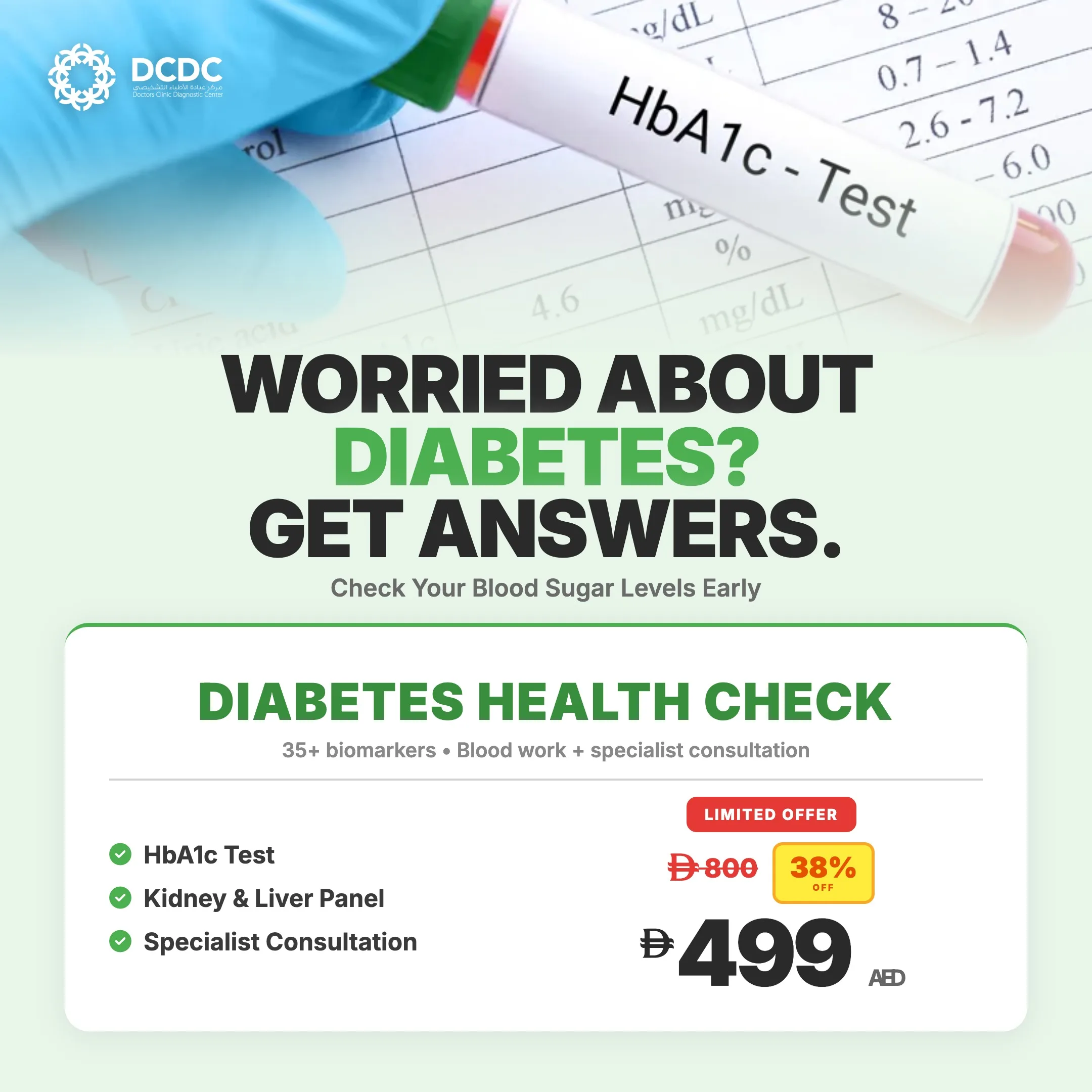
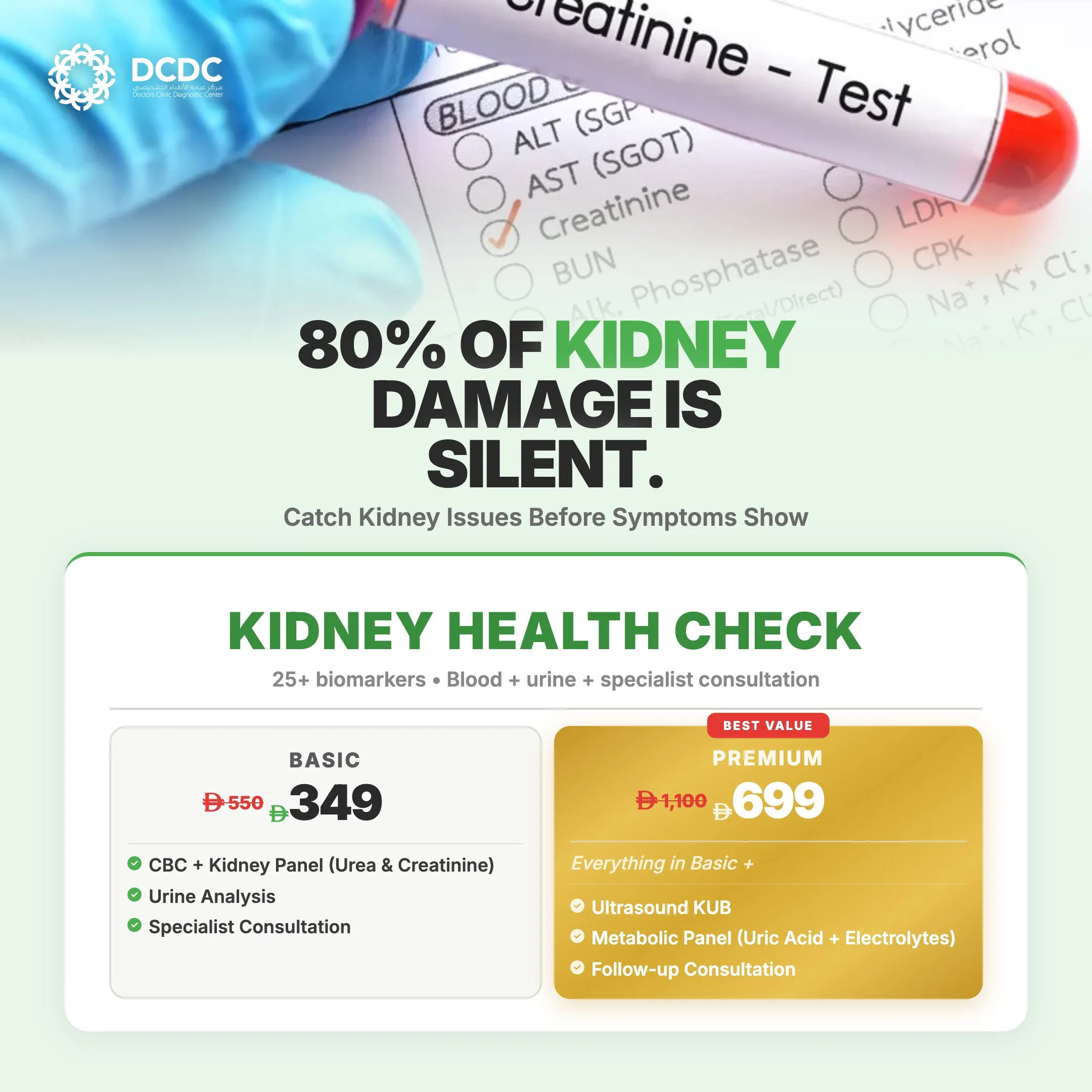
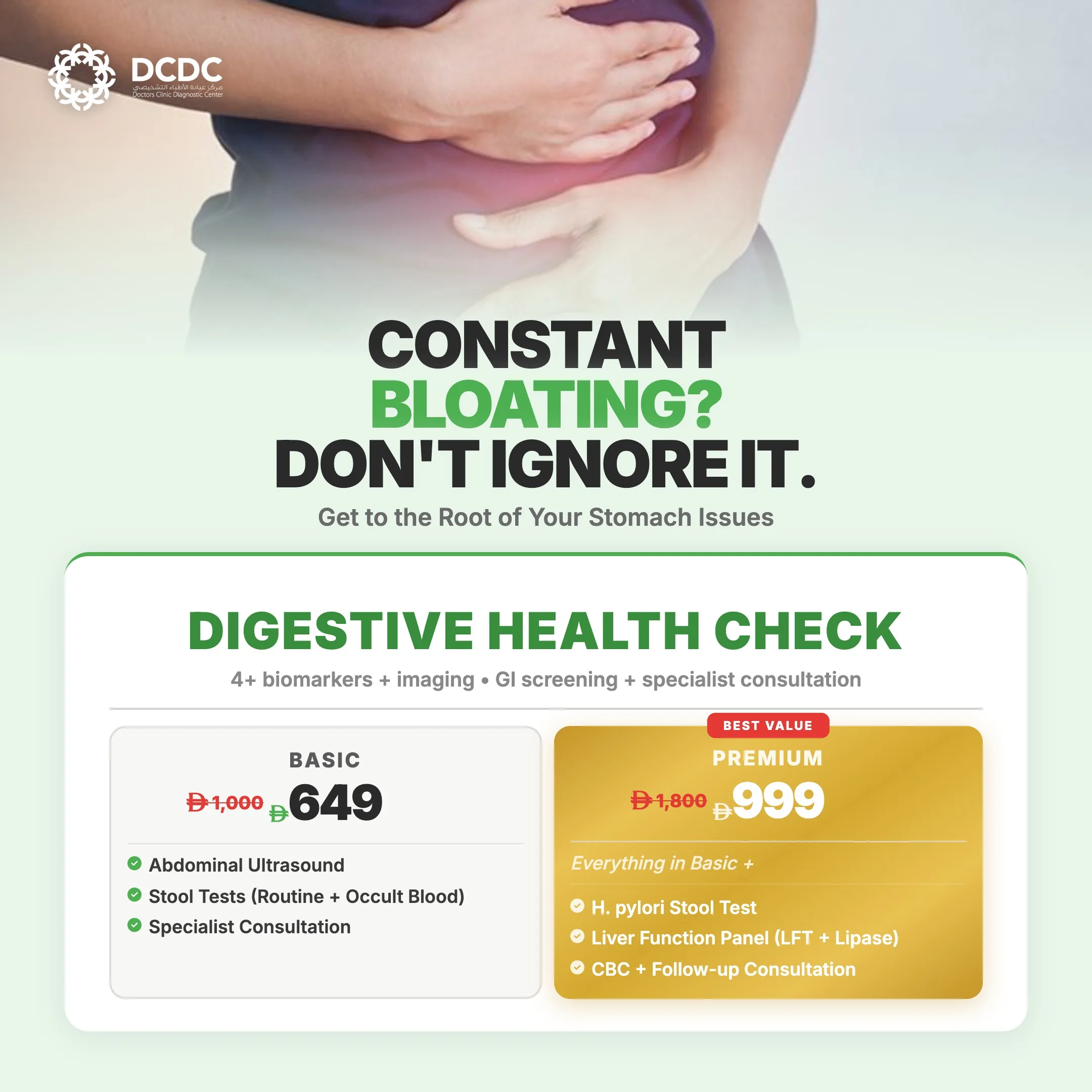
Health Screening Packages
Save with our bundled screening packages — specialist consultation included



What Is Indigestion (Dyspepsia)?
Indigestion — the medical term is dyspepsia — is not a disease but a collection of symptoms centred in the upper abdomen (the area between the navel and the lower chest). The core symptoms include one or more of: upper abdominal pain or burning, uncomfortable fullness during or after a meal (postprandial fullness), feeling full sooner than expected when eating (early satiety), bloating, nausea, and belching.
Dyspepsia is remarkably common. Population studies estimate that 20–40% of adults experience dyspepsia symptoms at some point each year, and it accounts for 2–5% of all GP consultations. In the UAE, with its diverse dietary cultures, frequent dining out, and lifestyle factors like heat and fasting periods, indigestion is one of the top five reasons patients seek a GP appointment.
Indigestion vs GERD: Understanding the Difference
Indigestion and gastroesophageal reflux disease (GERD) are frequently confused because they share some symptoms and can coexist. However, they are distinct conditions with different mechanisms and treatments.
| Feature | Indigestion (Dyspepsia) | GERD (Acid Reflux) |
|---|---|---|
| Primary symptom | Upper abdominal pain, fullness, bloating | Heartburn (burning behind the breastbone) |
| Location | Upper abdomen (epigastric area) | Behind the breastbone, rising toward throat |
| Timing | During or shortly after eating | Often worse lying down or bending over |
| Key mechanism | Stomach function or mucosal issue | Stomach acid flowing back into oesophagus |
| Regurgitation | Not typical | Acid or food coming back up is characteristic |
| Relationship to meals | Strongly meal-related | Can occur between meals, often at night |
Key differences between indigestion (dyspepsia) and GERD (acid reflux)
It is important to note that both conditions can coexist, and some patients have features of both. The distinction matters because treatment approaches differ — GERD management focuses on acid suppression and lifestyle changes to prevent reflux, while dyspepsia management addresses a broader range of potential causes.
Common Causes of Indigestion
Dietary and Lifestyle Triggers
The most common cause of occasional indigestion is simply what and how you eat. These triggers are straightforward to identify and modify.
- Overeating or eating too fast: The stomach can comfortably hold about 1 litre of food. Eating beyond this capacity, or eating so quickly that satiety signals do not have time to register, overloads gastric function and causes discomfort, bloating, and nausea.
- Fatty and fried foods: High-fat meals slow gastric emptying (the rate at which the stomach processes food and passes it to the small intestine), prolonging the feeling of fullness and increasing the likelihood of discomfort. Dubai's abundant fast-food and restaurant culture makes fatty meals a frequent trigger.
- Spicy foods: Capsaicin and other compounds in spicy foods can directly irritate the stomach lining and increase acid production. While tolerance varies between individuals, spicy food is one of the most commonly reported indigestion triggers in clinical surveys.
- Caffeine: Coffee, tea, energy drinks, and caffeinated soft drinks stimulate acid secretion and can relax the lower oesophageal sphincter. In Dubai, where karak tea and multiple daily coffees are cultural norms, caffeine is a frequently overlooked contributor.
- Carbonated beverages: Carbonation introduces gas into the stomach, causing distension, bloating, and belching. Combined with sugar or artificial sweeteners, carbonated drinks can significantly worsen dyspepsia symptoms.
- Alcohol: Alcohol irritates the stomach lining, increases acid production, and impairs gastric motility. Even moderate consumption can trigger indigestion in susceptible individuals.
- Eating late at night: Eating within 2–3 hours of lying down impairs digestion and can worsen both dyspepsia and reflux symptoms. Late dining is common in Dubai's social culture, where dinner at 9–10 PM is typical.
H. pylori Infection
Helicobacter pylori is a bacterial infection of the stomach lining that affects an estimated 40–70% of the Middle Eastern population. While many carriers are asymptomatic, H. pylori is a well-established cause of chronic dyspepsia, gastritis, peptic ulcers, and in rare cases, stomach cancer. In patients with persistent indigestion that does not respond to dietary changes, H. pylori testing is recommended.
At DCDC, H. pylori can be detected through a simple stool antigen test (AED 149), processed in our on-site laboratory with results typically available same day. If positive, H. pylori is treated with a 14-day course of triple therapy (a combination of two antibiotics and a proton pump inhibitor), which successfully eradicates the infection in 80–90% of cases.
Medication-Induced Dyspepsia
Several common medications can cause or worsen indigestion as a side effect.
- NSAIDs (ibuprofen, aspirin, diclofenac): Non-steroidal anti-inflammatory drugs inhibit prostaglandins that protect the stomach lining, leading to irritation, erosion, and in some cases ulceration. They are the second most common cause of peptic ulcers after H. pylori.
- Antibiotics: Many antibiotics, particularly erythromycin, metronidazole, and tetracyclines, can cause nausea, bloating, and abdominal discomfort.
- Iron supplements: Oral iron is a well-known cause of nausea, stomach pain, and constipation. Taking iron with food or using a slow-release formulation can reduce symptoms.
- Metformin: This common diabetes medication causes gastrointestinal side effects (nausea, bloating, diarrhoea) in up to 25% of users, particularly when first started.
- Bisphosphonates: Osteoporosis medications like alendronate can cause upper GI irritation and must be taken on an empty stomach with water, remaining upright for 30 minutes afterward.
Structural Causes
Less commonly, indigestion symptoms can be caused by identifiable structural problems that require specific treatment.
- Peptic ulcers: Ulcers in the stomach (gastric ulcers) or the first part of the small intestine (duodenal ulcers) cause burning epigastric pain that may improve or worsen with eating, depending on the location. Most are caused by H. pylori or NSAID use.
- Gallstones: Gallbladder disease can mimic indigestion, particularly with fatty meals. The classic pattern is right upper abdominal pain after eating fatty food, sometimes radiating to the right shoulder. An abdominal ultrasound can identify gallstones.
- Gastroparesis: Delayed gastric emptying causes prolonged fullness, nausea, bloating, and sometimes vomiting of undigested food. It is most commonly associated with diabetes but can also follow viral infections or surgery.
Functional Dyspepsia
In approximately 60–70% of patients investigated for chronic dyspepsia, no structural cause is found. This is called functional dyspepsia — the stomach and upper GI tract appear normal on investigation, but symptoms persist. Functional dyspepsia is thought to involve a combination of visceral hypersensitivity (the stomach's nerves are more sensitive than usual), impaired gastric accommodation (the stomach does not relax normally to receive food), delayed gastric emptying, and altered gut–brain interaction. Stress and anxiety are well-documented aggravating factors, though they do not cause the condition.
Red-Flag Symptoms: When Indigestion Needs Urgent Attention
Most indigestion is benign and self-limiting. However, certain symptoms — sometimes called alarm features or red flags — indicate that the indigestion may be caused by a more serious underlying condition and require prompt medical evaluation.
- Unintentional weight loss: Losing weight without trying, particularly more than 5% of body weight over 6–12 months, alongside dyspepsia symptoms warrants investigation for malignancy or malabsorption.
- Difficulty swallowing (dysphagia): Progressive difficulty swallowing solid foods, then liquids, is a red flag for oesophageal pathology and requires urgent investigation.
- Persistent vomiting: Recurrent vomiting, especially if severe, projectile, or containing blood (haematemesis), requires prompt evaluation.
- GI bleeding: Blood in vomit (red or "coffee ground" appearance) or black, tarry stools (melaena) indicate gastrointestinal bleeding and need same-day assessment. If bleeding is heavy, go to the emergency department.
- Severe or worsening pain: Sudden, severe abdominal pain or progressively worsening pain that does not respond to antacids may indicate an ulcer perforation, pancreatitis, or other surgical emergency.
- New-onset dyspepsia in adults over 55: New dyspepsia symptoms appearing for the first time after age 55 have a higher likelihood of a structural cause and should be investigated, even if symptoms seem mild.
- Anaemia: Iron deficiency anaemia with dyspepsia suggests possible chronic blood loss from the GI tract and warrants investigation.
If you experience any of these red-flag symptoms, do not wait for them to resolve on their own. Book a same-day appointment or, if symptoms are severe (heavy bleeding, sudden severe pain), go directly to the nearest emergency department.
How Indigestion Is Diagnosed
The diagnostic approach to indigestion depends on the patient's age, symptom pattern, and the presence or absence of red-flag features.
- Clinical history and examination: Your doctor takes a detailed history of your symptoms — when they started, what triggers them, what relieves them, and any associated symptoms. A physical examination of the abdomen checks for tenderness, masses, or organomegaly. In many cases of straightforward dyspepsia in younger patients without red flags, this is sufficient to begin treatment.
- H. pylori testing: A stool antigen test (AED 149 at DCDC) is a non-invasive, accurate method to detect active H. pylori infection. A "test and treat" approach — testing for H. pylori and treating if positive — is recommended as a first-line strategy for uninvestigated dyspepsia in patients under 55 without alarm features.
- Blood tests: A blood panel may include a full blood count (to check for anaemia), liver function tests, kidney function, and inflammatory markers. These help identify systemic causes and guide further investigation.
- Abdominal ultrasound: An ultrasound scan of the abdomen can identify gallstones, liver abnormalities, and pancreatic issues as potential causes of upper abdominal symptoms.
- Upper GI endoscopy (gastroscopy): For patients with red-flag symptoms, those over 55 with new-onset dyspepsia, or those who fail to improve with initial treatment, endoscopy allows direct visualisation of the oesophagus, stomach, and duodenum, with biopsy capability.
Treatment Options for Indigestion
Lifestyle and Dietary Changes
For most cases of indigestion, particularly when no structural cause is identified, lifestyle modifications are the foundation of treatment and may be all that is needed.
- Eat smaller, more frequent meals rather than large meals that overload the stomach.
- Eat slowly and chew thoroughly. Aim for 20–30 minutes per meal. Rushed meals are a common issue in Dubai's fast-paced work environment.
- Identify and reduce trigger foods — keep a food diary for 2 weeks to identify your personal triggers. Common culprits: fatty/fried foods, spicy dishes, caffeine, carbonated drinks, citrus, and chocolate.
- Avoid eating within 3 hours of bedtime. If you dine late, allow time before lying down.
- Stay hydrated but limit fluids with meals. Large volumes of liquid during meals can distend the stomach. Drink most of your fluids between meals.
- Manage stress. Stress does not cause functional dyspepsia but is a well-documented aggravator. Regular exercise, adequate sleep, and stress-reduction techniques can meaningfully reduce symptom frequency and severity.
Medication Options
- Proton pump inhibitors (PPIs): Omeprazole, esomeprazole, pantoprazole — these reduce stomach acid production and are the most effective medication for acid-related dyspepsia and peptic ulcers. Typically prescribed for 4–8 weeks. Long-term use should be reviewed by a doctor.
- H2 receptor blockers: Ranitidine alternatives (famotidine, nizatidine) reduce acid production less potently than PPIs but may be sufficient for milder symptoms. Available over the counter in the UAE.
- Antacids: Over-the-counter antacids (aluminium/magnesium hydroxide combinations, calcium carbonate) provide rapid but short-lived relief by neutralising existing stomach acid. Useful for occasional episodes but not effective for chronic dyspepsia.
- Prokinetics: Medications like domperidone or itopride improve gastric motility and emptying, which can help with postprandial fullness and bloating. These are particularly useful for functional dyspepsia with predominant fullness symptoms.
- H. pylori eradication therapy: If H. pylori is detected, a 14-day triple therapy course (PPI + two antibiotics, typically clarithromycin and amoxicillin or metronidazole) is standard. Successful eradication resolves dyspepsia in a significant proportion of infected patients.
OTC Remedies and When They Help
Many patients try over-the-counter remedies before seeking medical advice, which is reasonable for occasional mild indigestion.
- Antacids (Gaviscon, Maalox, Rennie): Provide quick relief for occasional acid-related discomfort. Safe for short-term use but do not treat underlying causes.
- Simethicone (Gas-X, Mylicon): Helps reduce bloating and gas by breaking up gas bubbles in the stomach and intestines. Safe and can be taken as needed.
- Ginger tea: Ginger has modest evidence as a prokinetic agent and may help with nausea and bloating. It is generally safe and widely available.
- Peppermint: Peppermint oil capsules (enteric-coated) have some evidence for functional dyspepsia. However, peppermint can worsen reflux symptoms by relaxing the lower oesophageal sphincter, so it should be avoided if heartburn is a predominant symptom.
Indigestion and Dubai Lifestyle Factors
Ramadan and Fasting Periods
During Ramadan, indigestion complaints increase significantly at clinics across Dubai. The pattern of fasting all day followed by a large Iftar meal places particular stress on the digestive system. Common Ramadan-related indigestion triggers include: breaking the fast with heavy, rich, or fried foods; eating too much too quickly at Iftar; consuming large quantities of sugary drinks and desserts; the shift to very late meal timing (Suhoor at 3–4 AM); and reduced water intake overall leading to dehydration, which impairs gastric function.
To reduce indigestion during Ramadan, break the fast gradually with dates and water or soup before the main meal, eat slowly, limit fried foods at Iftar, and spread food intake across Iftar and Suhoor rather than consuming everything in one sitting.
Heat and Dehydration
Dubai's summer temperatures routinely exceed 40°C, leading to chronic mild dehydration in many residents. Dehydration reduces gastric mucosal blood flow and slows digestion, contributing to dyspepsia symptoms. Ensuring adequate water intake (2–3 litres daily, more with outdoor activity) is a simple but often overlooked strategy for reducing indigestion.
Dining Culture
Dubai's restaurant-heavy lifestyle, frequent business dinners, brunches, and social dining can contribute to indigestion through larger portion sizes, richer food, later meal times, and more frequent alcohol consumption than home cooking would typically involve. This is not a reason to avoid dining out but rather to be mindful of portion sizes and personal trigger foods.
What to Expect at DCDC: Digestive Health Assessment
If indigestion is affecting your daily life, not improving with basic dietary changes, or if you have any red-flag symptoms, a consultation at DCDC in Dubai Healthcare City provides a systematic evaluation.
- Initial consultation (from AED 249): Your doctor takes a comprehensive history of your symptoms, dietary habits, medication use, stress levels, and relevant medical history. A focused abdominal examination is performed.
- Same-day testing: If indicated, your doctor can order H. pylori stool testing (AED 149), blood panels (from AED 99), and arrange abdominal ultrasound — all available on-site. Our laboratory processes routine blood tests with same-day results.
- Diagnosis and treatment plan: Based on your history, examination, and test results, your doctor explains the likely cause of your indigestion and recommends a tailored treatment plan, which may include dietary guidance, medication, H. pylori eradication if detected, or referral for endoscopy if red-flag features are present.
- Follow-up: For patients started on treatment, a follow-up appointment allows assessment of symptom response and adjustment of the plan if needed. For H. pylori treatment, a repeat stool test 4 weeks after completing antibiotics confirms successful eradication.
DCDC is located in Dubai Healthcare City with free parking available. Same-day appointments are available for digestive concerns.
Persistent Indigestion? Get Answers Today
Book a digestive health consultation at DCDC in Dubai Healthcare City. Same-day H. pylori testing and blood work with results available the same day from our on-site laboratory.
Call +971 54 219 5008 or WhatsApp +971 50 970 3884
Related Services at DCDC
Expert care and advanced diagnostics at Dubai Healthcare City
Frequently Asked Questions
Key Points on Managing Indigestion
Indigestion is extremely common and usually benign, but it should not be ignored when it is persistent, worsening, or accompanied by red-flag symptoms. Understanding the difference between occasional dietary discomfort and symptoms that warrant investigation empowers you to seek the right care at the right time. Simple changes — eating more slowly, identifying trigger foods, staying hydrated, and managing stress — resolve most cases.
If indigestion is affecting your quality of life or you have concerns about underlying causes, a consultation at DCDC in Dubai Healthcare City (from AED 249) provides same-day access to clinical assessment, H. pylori testing, blood work, and ultrasound imaging. Book by calling +971 54 219 5008 or messaging on WhatsApp at +971 50 970 3884.
Sources & References
This article references the following sources:
- Ford AC, et al. Functional dyspepsia. Lancet. 2020
- Moayyedi P, et al. ACG and CAG Clinical Guideline: Management of Dyspepsia. Am J Gastroenterol. 2017
- NICE Guideline NG12: Suspected cancer: recognition and referral — dyspepsia
- Malfertheiner P, et al. Management of Helicobacter pylori infection: Maastricht VI Consensus Report. Gut. 2022
- Hooi JKY, et al. Global Prevalence of Helicobacter pylori Infection: Systematic Review. Gastroenterology. 2017
This information is educational and does not replace individual medical advice. See our editorial policy for more information.

Written by
Dr. Hadeel Elnur
General Practitioner
MD, General Practice
Dr. Hadeel Elnur is a General Practitioner at Doctors Clinic Diagnostic Center (DCDC) in Dubai Healthcare City.
Related Articles

Gastritis Treatment Dubai: Symptoms & Relief (2026)

Blood in Stool: Causes and When to See a Doctor in Dubai
More in Internal Medicine
Blood in Stool Dubai: Causes & When to Worry (2026)
Read More
Signs of Lupus Dubai: Autoimmune Guide (2026)
Read More
Elevated Liver Enzymes: Causes & Next Steps (2026)
Read More
H. Pylori Test Cost Dubai: From AED 300 (2026)
Read More
Iron Infusion Cost Dubai: From AED 500 (2026)
Read More
Enlarged Prostate Dubai: BPH Symptoms (2026)
Read More© 2026 Doctors Clinic Diagnostic Center (DCDC), Dubai Healthcare City. Originally published at https://doctorsclinicdubai.ae/blog/indigestion-causes-treatment-dubai. All rights reserved. Unauthorized reproduction is prohibited.