Key Takeaways
- Elevated liver enzymes (ALT, AST, ALP, GGT) are among the most common incidental blood test findings and usually indicate liver stress rather than liver failure.
- The most frequent cause worldwide is metabolic-associated steatotic liver disease (MASLD, formerly NAFLD), linked to excess weight, insulin resistance and a sedentary lifestyle.
- Medications such as paracetamol (acetaminophen), statins, NSAIDs and certain antibiotics can temporarily raise liver enzymes without causing permanent damage.
- Mild elevations (less than 3 times the upper limit of normal) often resolve with lifestyle changes, while moderate-to-severe elevations require further investigation.
- Follow-up typically includes a repeat blood test, hepatitis B and C screening, an abdominal ultrasound and possibly referral to a gastroenterologist.
- DCDC offers liver function panels from AED 249 with same-day results and on-site abdominal ultrasound for comprehensive liver assessment.
A routine blood test that shows elevated liver enzymes is one of the most common incidental findings in clinical practice. According to the American College of Gastroenterology, abnormal liver biochemistry appears on roughly 1 in 3 blood panels, yet most patients have no symptoms at all. Understanding what ALT, AST, ALP and GGT actually measure, why they rise and which follow-up steps matter can help you move from worry to a clear action plan.
This guide walks through the individual enzymes, the reference ranges your laboratory report uses, every major cause of elevation and the practical next steps your doctor is likely to recommend. Where applicable, it includes the specific testing options and prices available at Doctors Clinic Diagnostic Center (DCDC) in Dubai Healthcare City.
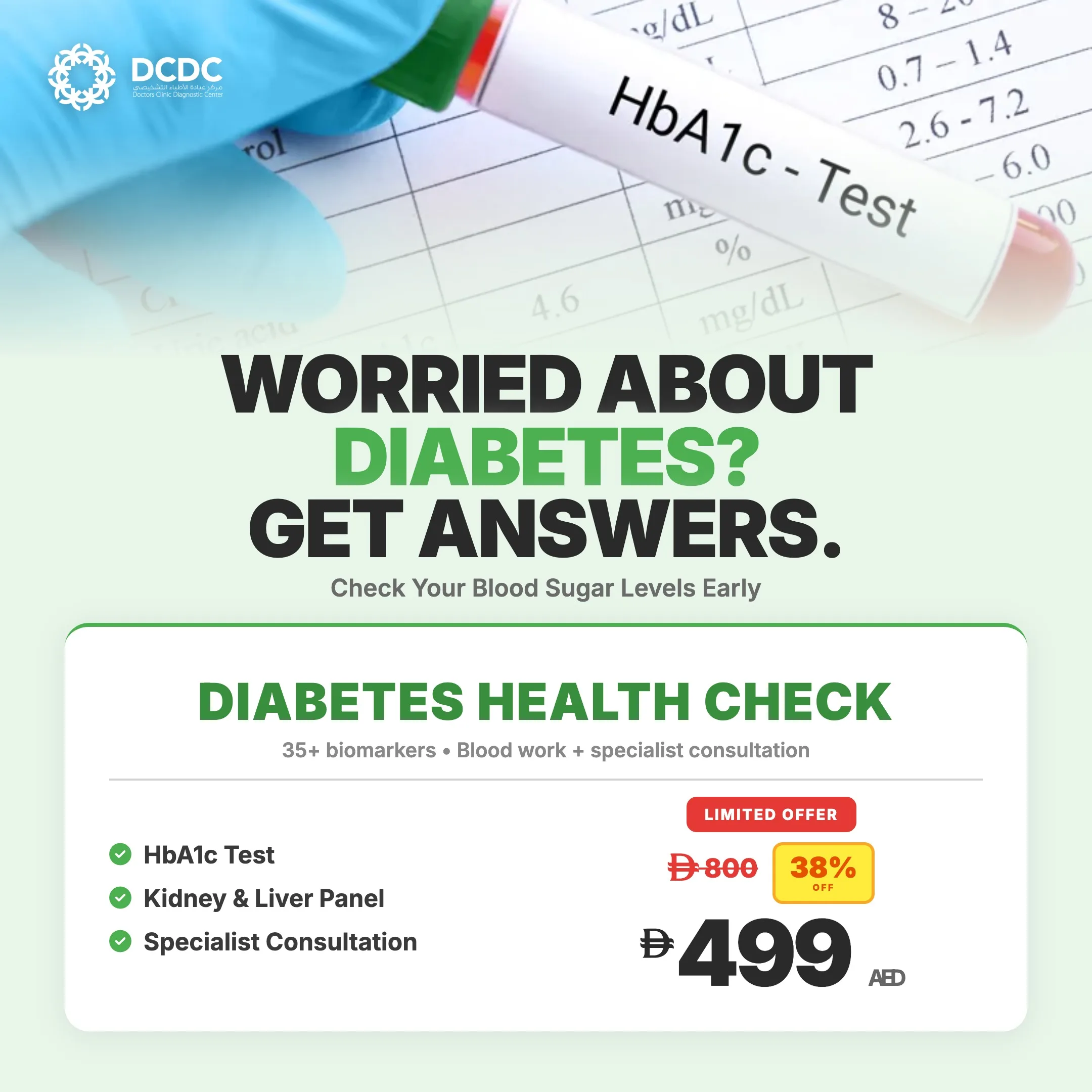
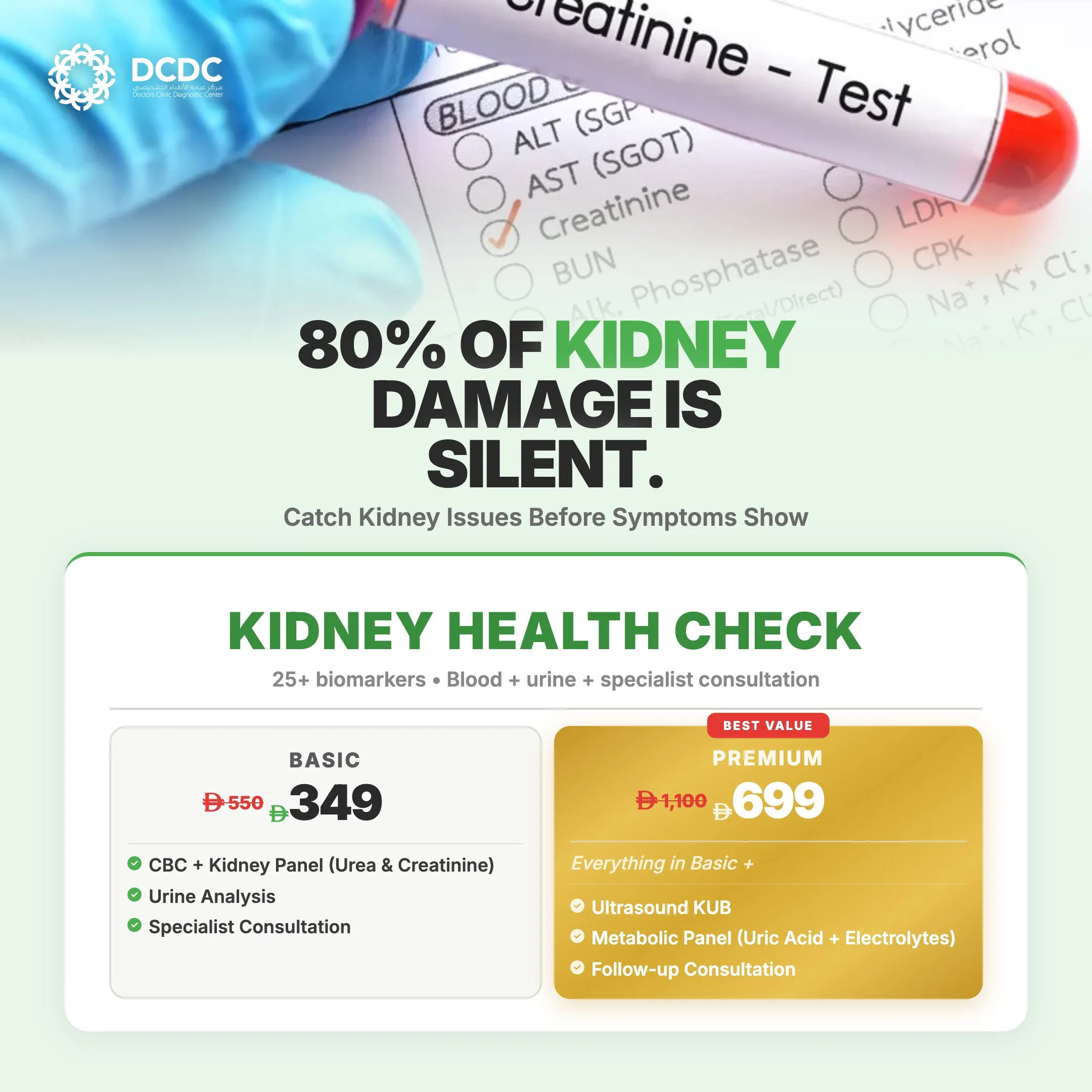
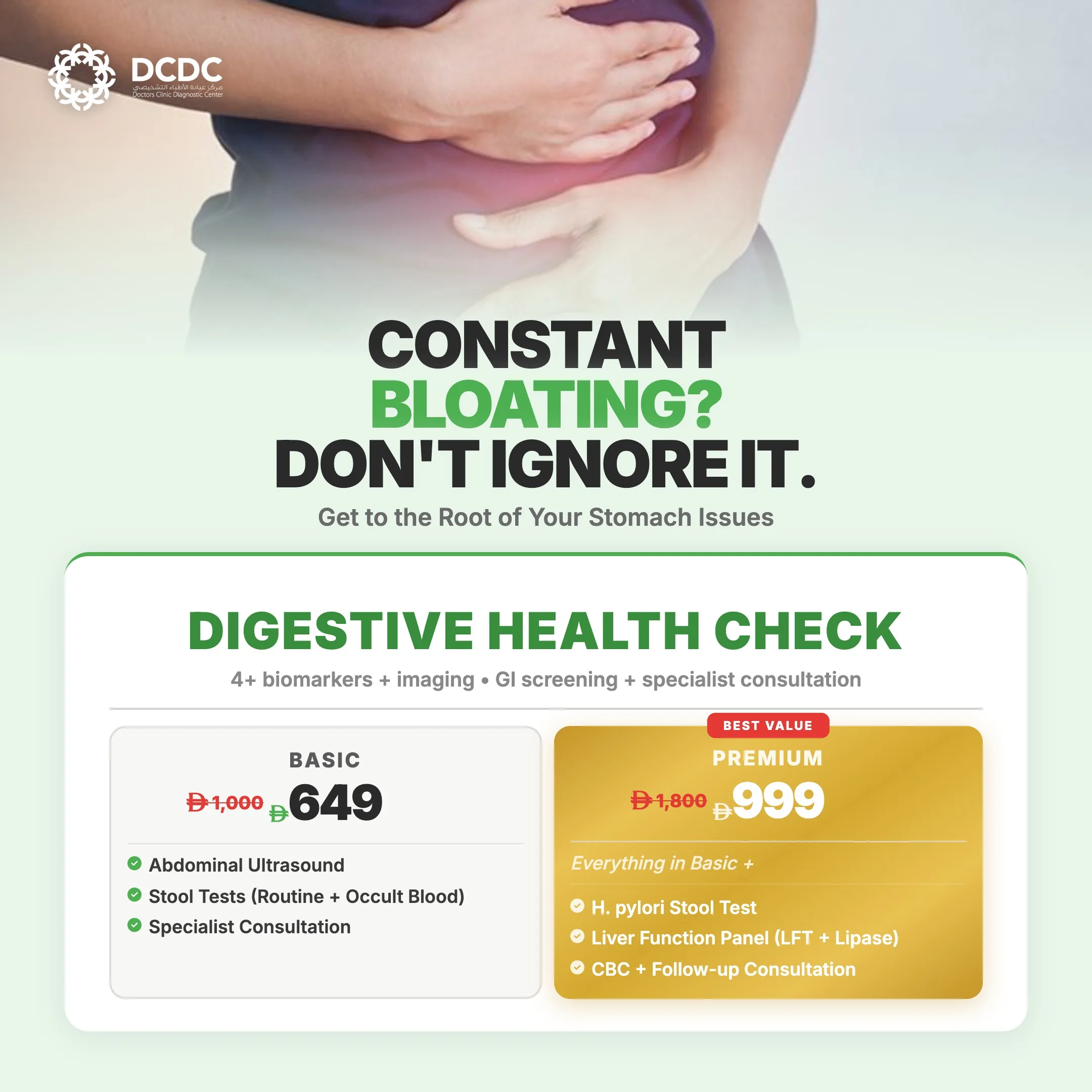
Health Screening Packages
Save with our bundled screening packages — specialist consultation included



What Are Liver Enzymes and Why Do They Matter?
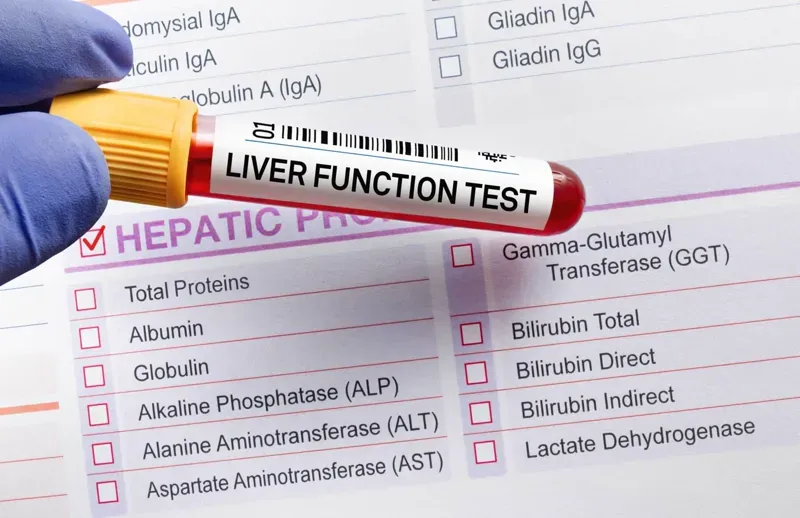
Liver enzymes are proteins that speed up chemical reactions inside liver cells. When liver cells are injured, inflamed or under metabolic stress, these enzymes leak into the bloodstream at higher-than-normal concentrations. A standard liver function test (LFT) measures several of these markers together, giving your doctor a snapshot of how well the liver is working.
It is important to note that "elevated liver enzymes" does not automatically mean liver disease. Many temporary, reversible conditions raise these levels. Conversely, a completely normal result does not rule out early fibrosis or cirrhosis in every case, because some chronic liver conditions progress without causing enzyme spikes.
The Key Markers on Your LFT Report
- ALT (Alanine Aminotransferase) — Found mainly in the liver. It is the most liver-specific enzyme, so a high ALT almost always points to a liver issue rather than another organ.
- AST (Aspartate Aminotransferase) — Present in the liver, heart, skeletal muscle and kidneys. Because it exists in multiple organs, a high AST alone can indicate muscle injury or a cardiac event as well as liver damage.
- ALP (Alkaline Phosphatase) — Found in the liver, bile ducts, bone and intestines. Elevated ALP often suggests a problem with bile flow (cholestasis) but can also rise during normal bone growth in children and adolescents.
- GGT (Gamma-Glutamyl Transferase) — Highly sensitive to bile-duct problems, alcohol use and certain medications. GGT is often tested alongside ALP to confirm whether an ALP elevation is liver-related.
- Bilirubin — A yellow pigment produced when red blood cells break down. High bilirubin can cause jaundice (yellowing of the skin and eyes) and may indicate liver cell damage, bile-duct obstruction or excessive red blood cell destruction.
- Albumin — A protein made by the liver. Low albumin may indicate chronic liver disease, malnutrition or kidney loss. It reflects the liver's synthetic (manufacturing) capacity.
Normal Liver Enzyme Ranges
Reference ranges vary slightly between laboratories, but the values below represent the ranges most commonly used by accredited labs in the UAE. Your report will list the laboratory-specific range next to your result.
| Marker | Normal Range (Adults) | Notes |
|---|---|---|
| ALT | 7–56 U/L | Some guidelines now use ≤30 U/L for men and ≤19 U/L for women as healthier cut-offs |
| AST | 10–40 U/L | Higher in neonates; also rises with intense exercise |
| ALP | 44–147 U/L | Normally higher in children and during pregnancy |
| GGT | 0–45 U/L (men) / 0–30 U/L (women) | Very sensitive to alcohol use and enzyme-inducing drugs |
| Bilirubin (total) | 0.1–1.2 mg/dL (1.7–20.5 µmol/L) | Gilbert syndrome causes benign mild elevation in about 5–10% of people |
| Albumin | 3.5–5.5 g/dL | Low values suggest chronic liver disease or protein loss |
Typical adult reference ranges for liver function markers
Common Causes of Elevated Liver Enzymes
Elevated liver enzymes have a wide differential diagnosis. The list below covers the causes most frequently seen in clinical practice in the UAE, arranged roughly by how often they occur.
1. Metabolic-Associated Steatotic Liver Disease (MASLD / NAFLD)
Fatty liver disease is the leading cause of mildly elevated ALT and AST worldwide. The condition involves excess fat accumulation in liver cells, driven by insulin resistance, obesity, type 2 diabetes and a sedentary lifestyle. In the UAE, prevalence estimates run as high as 25–30% of the adult population according to regional studies. Many patients with MASLD have ALT levels only 1–2 times the upper limit of normal and feel perfectly well.
A subset of patients develops metabolic-associated steatohepatitis (MASH, formerly NASH), where fat accumulation triggers active inflammation and progressive fibrosis. MASH can eventually lead to cirrhosis, which is why follow-up imaging and lifestyle intervention matter even when the initial enzyme rise seems modest.
2. Medications and Supplements
Drug-induced liver injury (DILI) is the second most common reason for elevated enzymes in outpatient practice. Commonly implicated medications include:
- Paracetamol (acetaminophen) — Safe at recommended doses but hepatotoxic at high doses. Even therapeutic use combined with alcohol can push ALT up.
- Statins — Mild, transient ALT elevation occurs in about 1–3% of patients starting statin therapy. Current guidelines do not recommend routine LFT monitoring for stable statin users, but a baseline check is standard.
- NSAIDs — Ibuprofen, diclofenac and naproxen can occasionally raise liver enzymes, especially with prolonged use.
- Antibiotics — Amoxicillin-clavulanate (Augmentin), isoniazid and certain macrolides are well-documented causes.
- Herbal and dietary supplements — Green tea extract, kava, comfrey and high-dose vitamin A are among the most reported hepatotoxic supplements globally.
3. Alcohol-Related Liver Disease
Chronic or heavy alcohol intake damages liver cells directly. A characteristic pattern is AST rising higher than ALT (an AST:ALT ratio above 2:1), often accompanied by an elevated GGT. GGT is particularly sensitive to recent alcohol use and can remain elevated for weeks after cessation.
4. Viral Hepatitis (B and C)
Hepatitis B and hepatitis C are important causes to rule out, especially in Dubai's multinational population, where many residents come from regions with higher prevalence. Hepatitis B screening (HBsAg) and hepatitis C antibody (anti-HCV) testing are inexpensive first-line investigations. Chronic viral hepatitis can cause fluctuating enzyme levels over months to years and may progress silently to cirrhosis if untreated.
5. Autoimmune Hepatitis
The immune system attacks liver cells, causing inflammation and potentially significant enzyme elevation. Autoimmune hepatitis is more common in women and may present with fatigue, joint pain and fluctuating ALT/AST that is sometimes very high (more than 10 times the upper limit of normal). Diagnosis involves ANA (anti-nuclear antibody), anti-smooth-muscle antibody and immunoglobulin levels.
6. Thyroid Disorders
Both hypothyroidism and hyperthyroidism can affect liver enzymes. Hypothyroidism raises CK (creatine kinase) and can mildly elevate AST, while hyperthyroidism can increase ALP. A simple TSH test helps rule this in or out.
7. Coeliac Disease
Up to 10% of patients with unexplained liver enzyme elevation have coeliac disease as the underlying cause. Tissue transglutaminase (tTG-IgA) antibody testing is a straightforward screening step, and enzyme levels often normalise completely on a gluten-free diet.
8. Intense Physical Exercise
Vigorous exercise, particularly weight training or endurance events, can temporarily raise both AST and CK because these enzymes are also present in skeletal muscle. If you exercised heavily in the 24–48 hours before a blood draw, your doctor may recommend repeating the test after a rest period.
9. Heart and Muscle Conditions
Because AST is found in cardiac muscle, conditions such as myocardial infarction, myocarditis or rhabdomyolysis can raise AST independently of liver damage. When AST is elevated but ALT is normal, the source is more likely muscle or heart rather than liver.
How High Is Too High? Grading Liver Enzyme Elevation
Clinicians categorise enzyme elevation by how many times it exceeds the upper limit of normal (ULN). The degree of elevation often guides how urgently follow-up is needed.
| Severity | Multiple of ULN | Typical Approach |
|---|---|---|
| Mild | Less than 3× ULN | Repeat in 4–6 weeks; review medications, alcohol and lifestyle |
| Moderate | 3–10× ULN | Investigate within 1–2 weeks: hepatitis serology, autoimmune markers, ultrasound |
| Severe | More than 10× ULN | Urgent evaluation; may indicate acute hepatitis, drug toxicity or biliary obstruction |
Clinical grading of liver enzyme elevation
A single mild elevation is rarely a cause for alarm. In many cases, it resolves on its own once the triggering factor — a medication, a supplement, recent alcohol intake or intense exercise — is removed. Persistent elevation on a repeat test, however, warrants further investigation.
Next Steps After Abnormal Liver Enzyme Results
If your liver function test comes back abnormal, here is the typical diagnostic pathway your doctor will follow:
Step 1: Repeat the Test
A single abnormal result can be a laboratory artefact or caused by a temporary factor. Most guidelines recommend repeating the LFT after 4–6 weeks (or sooner if levels are moderately to severely elevated). Avoid alcohol, intense exercise and hepatotoxic supplements for 48 hours before the retest.
Step 2: Targeted Blood Tests
Based on the pattern of elevation, your doctor may order additional tests to narrow down the cause:
| Test | What It Screens For | DCDC Price |
|---|---|---|
| Hepatitis B surface antigen (HBsAg) | Active or chronic hepatitis B | AED 149 |
| Hepatitis C antibody (anti-HCV) | Hepatitis C exposure | AED 149 |
| ANA (anti-nuclear antibody) | Autoimmune hepatitis and other autoimmune conditions | AED 149 |
| Ferritin + iron panel | Haemochromatosis (iron overload) | AED 149 (ferritin) / AED 299 (iron panel) |
| TSH | Thyroid dysfunction | AED 149 |
| HbA1c + fasting glucose | Diabetes and insulin resistance (associated with MASLD) | AED 149 (HbA1c) / AED 99 (glucose) |
| GGT (if not on original panel) | Alcohol-related injury and cholestasis | Included in liver panel with enzymes (AED 449) |
Common follow-up blood tests after elevated liver enzymes at DCDC
Step 3: Liver Imaging
An abdominal ultrasound is the first-line imaging study. It can detect fatty infiltration, gallstones, bile-duct dilatation and liver masses. At DCDC, ultrasound is performed on-site with results typically available the same day for urgent cases.
If the ultrasound is inconclusive or if fibrosis staging is needed, your doctor may recommend transient elastography (FibroScan) or an MRI of the abdomen. Transient elastography measures liver stiffness non-invasively and helps distinguish simple steatosis from steatohepatitis with fibrosis.
Step 4: Specialist Referral
When results suggest a specific liver condition — viral hepatitis, autoimmune disease, significant fibrosis or unexplained persistent elevation — referral to a gastroenterologist or hepatologist is the next step. A specialist can arrange liver biopsy if non-invasive methods have not provided a definitive answer.
What to Expect at DCDC for Liver Enzyme Investigation
Doctors Clinic Diagnostic Center in Dubai Healthcare City is equipped to handle the full liver enzyme workup under one roof:
- Arrival and registration — DCDC is located in Building 64, Block A, Al Razi Medical Complex, with free dedicated parking. Walk-in and same-day appointments are frequently available, and the clinic is open Saturday to Thursday 8 AM–10 PM and Friday 9 AM–9 PM.
- Blood collection — The on-site laboratory draws and processes samples in-house. Liver function panels are available from AED 249 (standard panel) or AED 449 (panel with enzymes including GGT). Individual markers such as HBsAg and HCV are AED 149 each.
- Results timeline — Routine LFT results are returned the same day. You can access results through the patient portal without needing to visit the clinic again.
- Imaging — If your GP recommends an abdominal ultrasound to examine the liver, it can be arranged on-site, often on the same visit, avoiding a separate appointment elsewhere.
- GP review — A general practitioner consultation (from AED 249) covers result interpretation, medication review and a referral plan if specialist input is needed. DCDC coordinates multi-specialty workups internally, so the GP can arrange gastroenterology or radiology follow-up without requiring an external referral.
- Insurance — DCDC works with 20+ insurance providers with direct billing, so there is no out-of-pocket payment followed by a claim for covered services.
If you prefer to test from home, the same liver panels are available through DCDC's home lab collection service at the same test prices plus a one-off AED 199 collection fee per visit.
Lifestyle Changes That Can Lower Liver Enzymes
For patients whose elevated enzymes stem from MASLD, medication effects or alcohol, evidence-based lifestyle modifications can produce measurable improvements within 8–12 weeks:
- Lose 5–10% of body weight — A 2023 meta-analysis in Hepatology showed that even 5% weight loss reduces hepatic fat content by approximately 30% and normalises ALT in most patients with MASLD.
- Reduce refined sugar and saturated fat — A Mediterranean-style diet rich in olive oil, vegetables, whole grains, legumes and fish has the strongest evidence for improving liver histology.
- Exercise 150+ minutes per week — Moderate-intensity aerobic exercise (brisk walking, cycling, swimming) reduces liver fat independently of weight loss.
- Limit or stop alcohol — Even moderate alcohol intake can worsen fatty liver. GGT typically normalises within 2–6 weeks of complete abstinence.
- Review supplements — Discontinue any non-essential herbal supplements and discuss high-dose vitamins with your doctor.
- Manage underlying conditions — Optimising blood sugar control in diabetes, treating hypothyroidism and managing dyslipidaemia all contribute to normalising liver enzymes.
Concerned About Your Liver Enzyme Results?
Book a liver function panel or a GP consultation at DCDC to review your results and plan next steps. On-site lab, same-day results and abdominal ultrasound all available under one roof in Dubai Healthcare City.
Call +971 54 219 5008 or WhatsApp +971 50 970 3884
Frequently Asked Questions
Related Services at DCDC
Expert care and advanced diagnostics at Dubai Healthcare City
Frequently Asked Questions
Final Thoughts
Elevated liver enzymes are a signal, not a diagnosis. In the majority of cases, the cause is identifiable with a structured workup — a repeat blood test, targeted serology, an ultrasound — and many common causes respond well to lifestyle changes or medication adjustments. The important thing is not to ignore the finding or to panic about it, but to follow up methodically.
If your recent blood test showed raised ALT, AST or GGT and you want a clear next step, DCDC in Dubai Healthcare City offers liver function panels, hepatitis screening, abdominal ultrasound and GP consultations under one roof with same-day results. Call +971 54 219 5008 or WhatsApp +971 50 970 3884 to book.
Sources & References
This article references the following sources:
- Kwo PY et al. — ACG Clinical Guideline: Evaluation of Abnormal Liver Chemistries (Am J Gastroenterol 2017)
- Chalasani NP et al. — The Diagnosis and Management of Nonalcoholic Fatty Liver Disease (Hepatology 2018)
- Newsome PN et al. — Guidelines on the Management of Abnormal Liver Blood Tests (Gut 2018, British Society of Gastroenterology)
- Prati D et al. — Updated Definitions of Healthy Ranges for Serum ALT (Ann Intern Med 2002)
- Vilar-Gomez E et al. — Weight Loss Through Lifestyle Modification Significantly Reduces Features of NAFLD (Gastroenterology 2015)
This information is educational and does not replace individual medical advice. See our editorial policy for more information.

Written by
Dr. Hadeel Elnur
General Practitioner
MD, General Practice
Dr. Hadeel Elnur is a General Practitioner at Doctors Clinic Diagnostic Center (DCDC) in Dubai Healthcare City.
Related Articles
Liver Function Test Dubai: LFT Guide
Fatty Liver Dubai: Causes & Treatment

Hepatitis B Test Dubai: Screening Guide

Abdominal Ultrasound: What It Shows & Preparation

Blood Test Dubai: Types, Cost & Fasting Guide
More in Internal Medicine
H. Pylori Test Cost Dubai: From AED 300 (2026)
Read More
Iron Infusion Cost Dubai: From AED 500 (2026)
Read More
Enlarged Prostate Dubai: BPH Symptoms (2026)
Read More
Hiatal Hernia Dubai: Symptoms & Treatment (2026)
Read MoreDiabetic Foot Care Dubai: Warning Signs (2026)
Read MoreColonoscopy vs Endoscopy Dubai: Guide (2026)
Read More© 2026 Doctors Clinic Diagnostic Center (DCDC), Dubai Healthcare City. Originally published at https://doctorsclinicdubai.ae/blog/elevated-liver-enzymes-causes-dubai. All rights reserved. Unauthorized reproduction is prohibited.