Key Takeaways
- LDL ('bad') cholesterol deposits fat in artery walls and should be kept low, ideally below 100 mg/dL (2.6 mmol/L) for most adults, and lower for high-risk patients.
- HDL ('good') cholesterol carries excess cholesterol back to the liver. Aim for at least 40 mg/dL in men and 50 mg/dL in women, ideally 60 mg/dL or above.
- A healthy total cholesterol to HDL ratio is below 5, and ideally below 3.5, but your LDL level and overall risk matter most.
- At DCDC a lipid profile costs AED 199 with same-day results, and a GP review starts from AED 249.
LDL and HDL are the two cholesterol numbers everyone hears about, yet many people are unsure which one is 'bad', which is 'good' and what their own results really mean. In short, LDL builds up in your arteries and raises the risk of heart attack and stroke, while HDL helps clear cholesterol away. Knowing the difference helps you act on your numbers before problems start. If you want personalised support, our cholesterol management service in Dubai Healthcare City combines testing, expert review and a plan you can follow.
This guide explains the LDL vs HDL cholesterol difference in plain language, including what each type does, healthy ranges in mg/dL and mmol/L, what affects your levels, and evidence-based ways to lower LDL and improve HDL. It also walks you through what to expect when you get tested at DCDC in Dubai Healthcare City, including prices and timings.
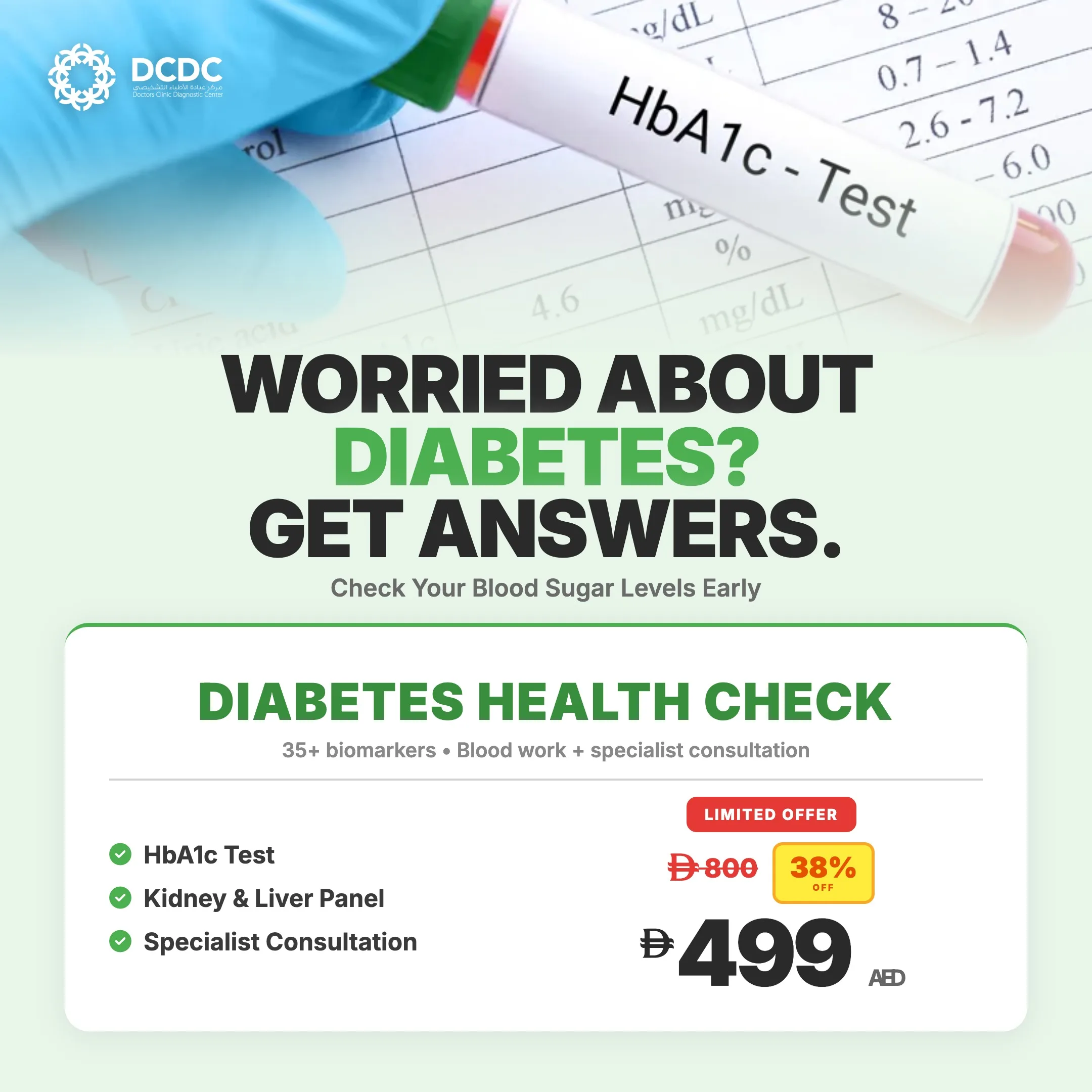
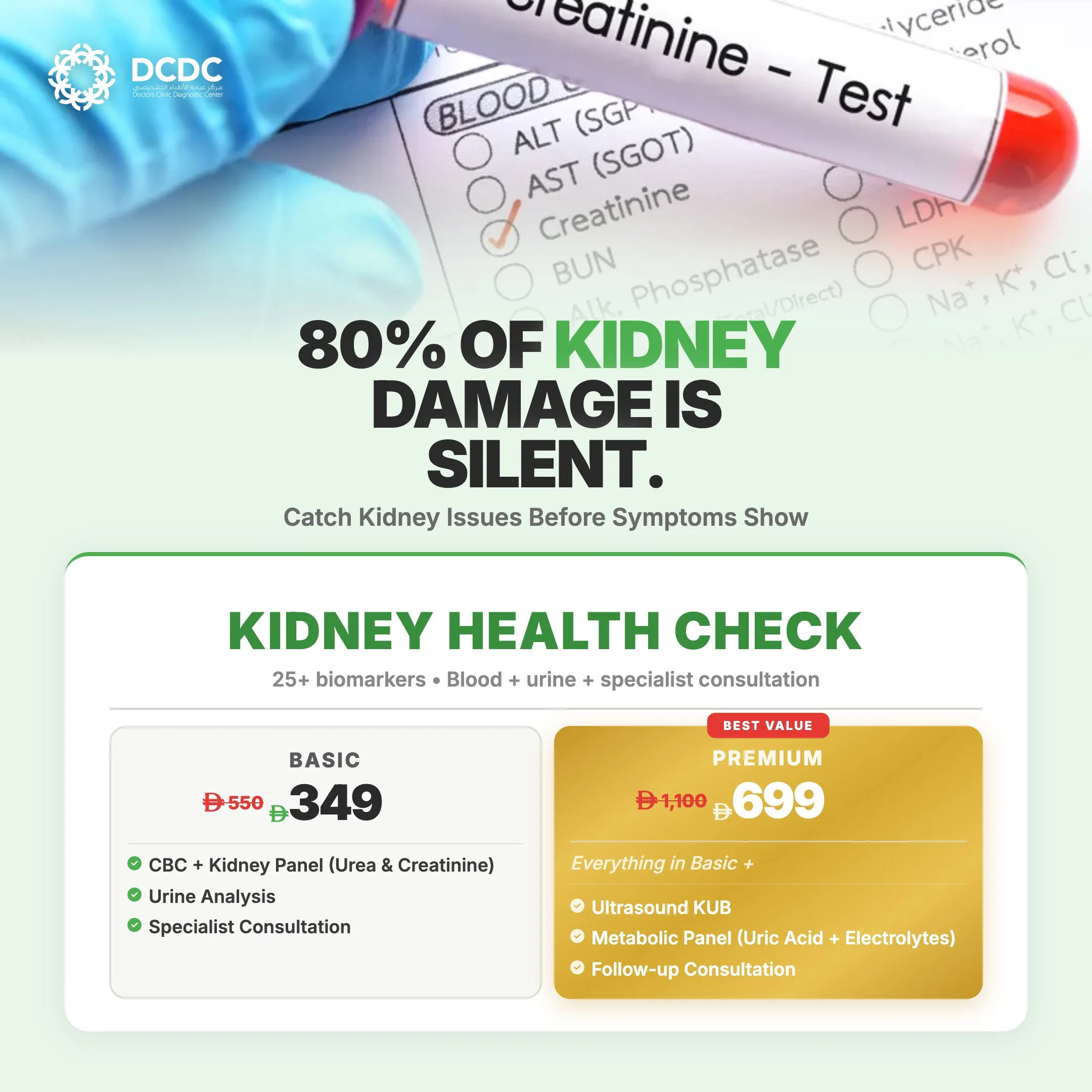
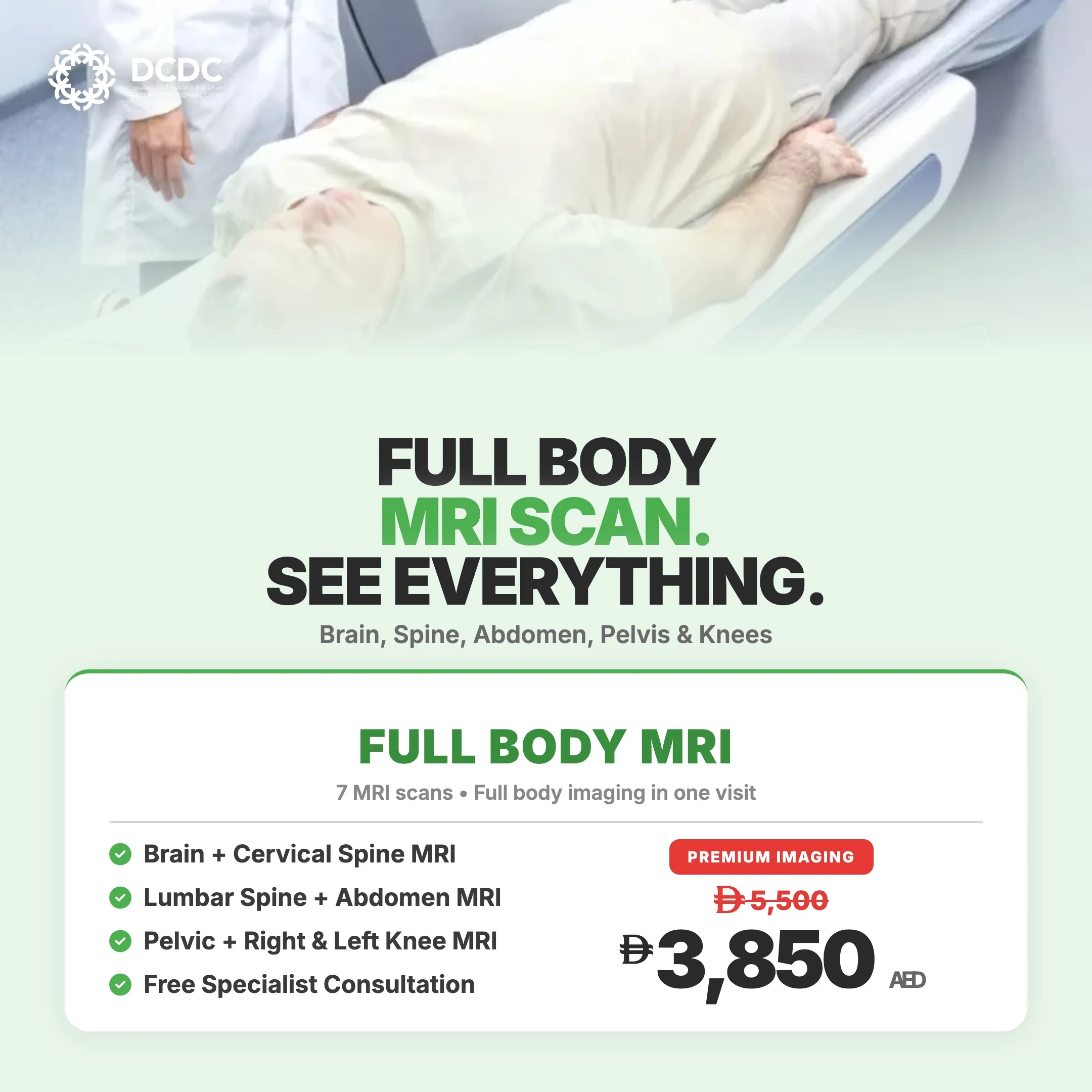
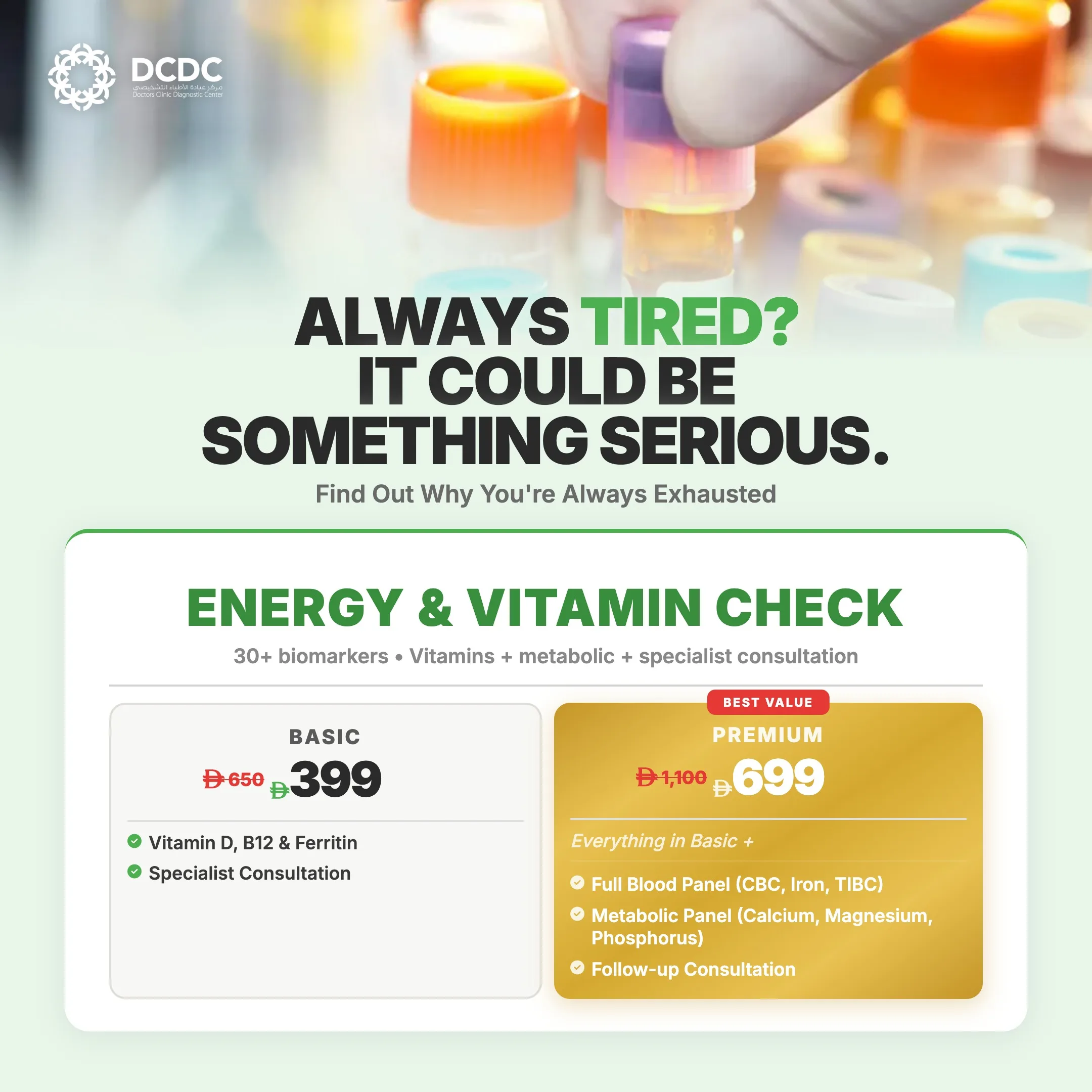
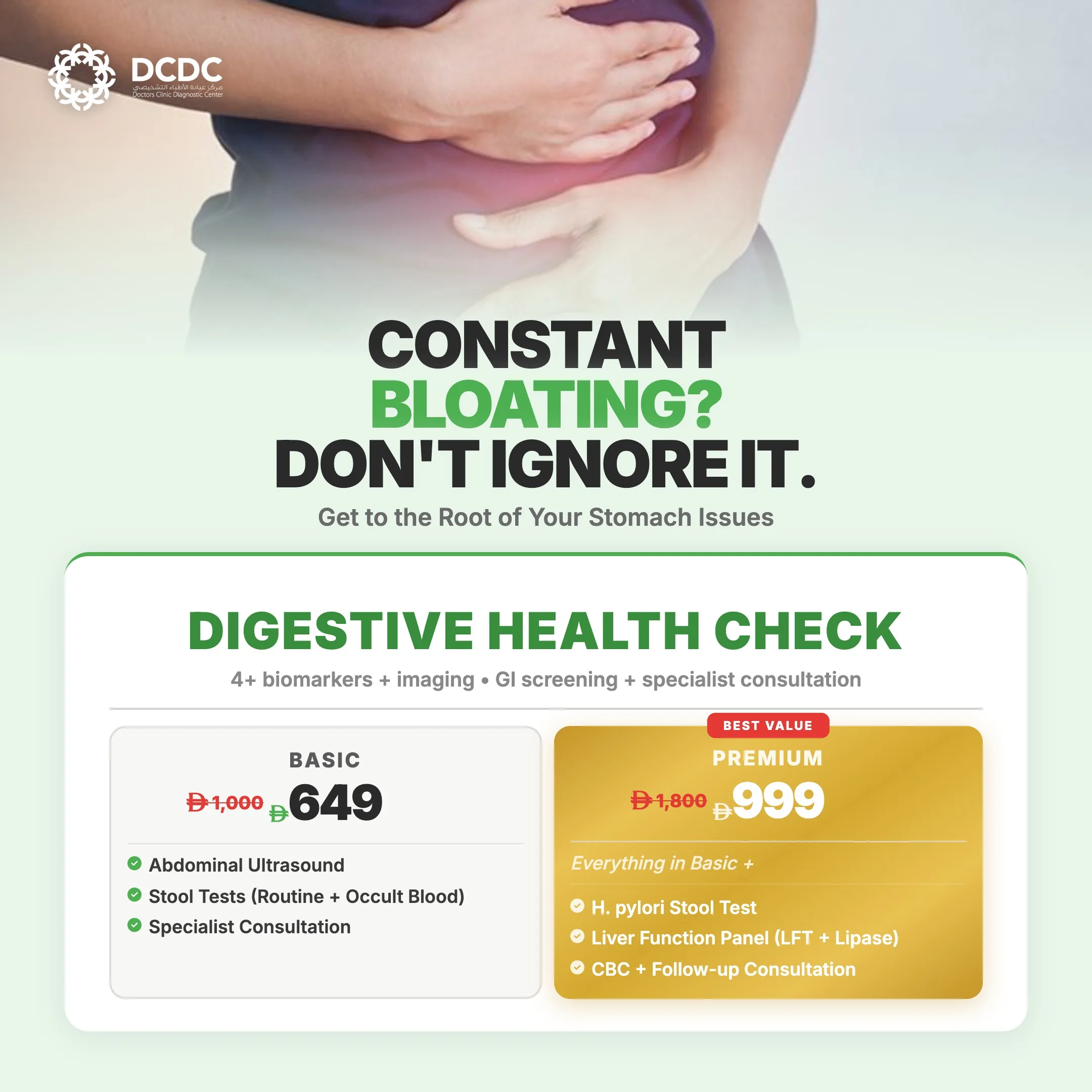
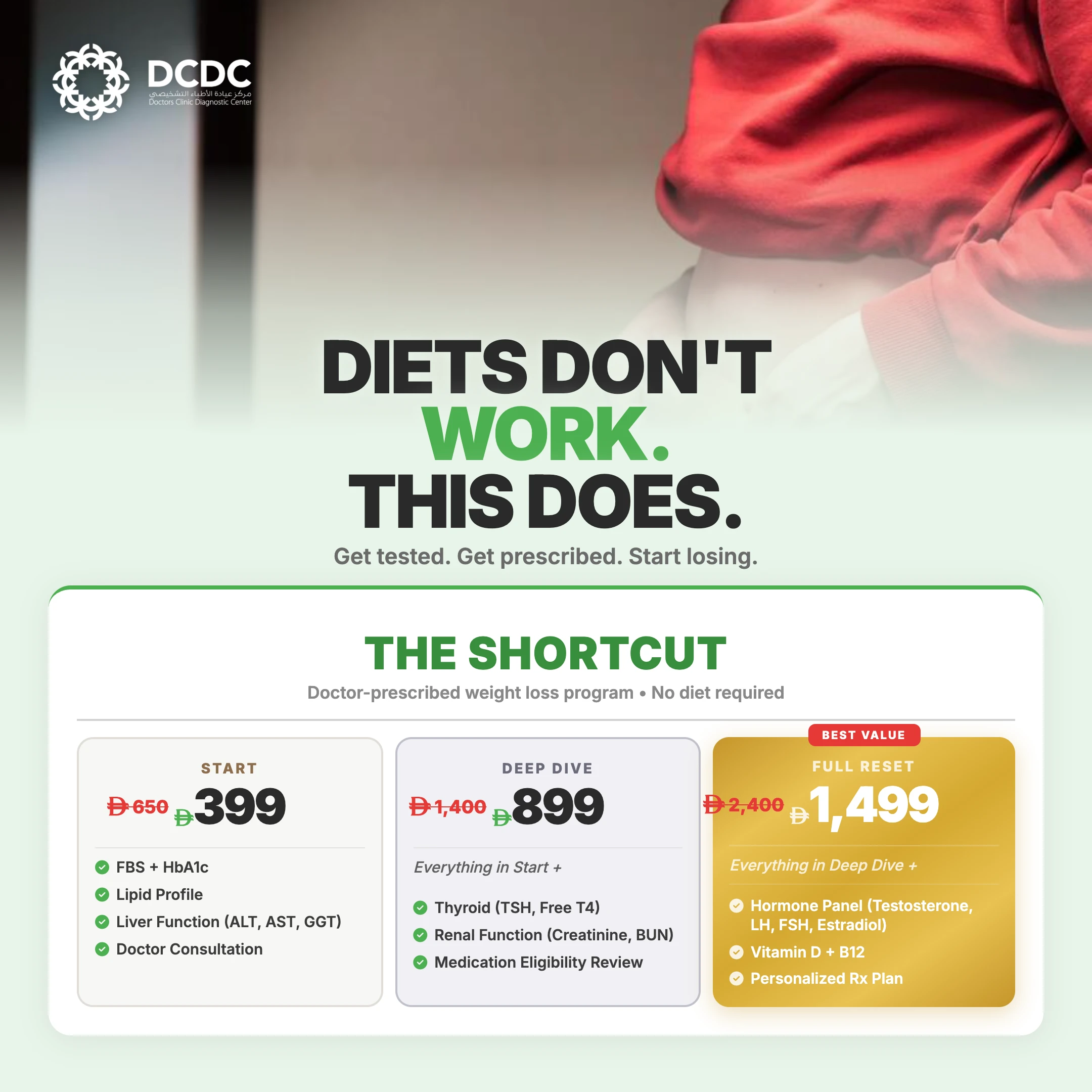
Health Screening Packages
Save with our bundled screening packages — specialist consultation included
What Is Cholesterol?
Cholesterol is a waxy, fat-like substance found in every cell of your body. Despite its bad reputation, you cannot live without it. Your body uses cholesterol to build cell membranes, to make hormones such as oestrogen, testosterone and cortisol, to produce vitamin D when your skin is exposed to sunlight, and to create bile acids that help you digest fat. Your liver makes most of the cholesterol you need, and the rest comes from animal foods such as meat, eggs and dairy.
The problem is not cholesterol itself but how much of it circulates in your blood and which particles carry it. Because cholesterol is a fat, it cannot dissolve in blood, which is mostly water. To travel around the body it is packaged inside particles called lipoproteins, which have a fatty core and a protein coat. The two lipoproteins most people hear about are low-density lipoprotein (LDL) and high-density lipoprotein (HDL). Understanding the LDL vs HDL cholesterol difference is the foundation for understanding your heart health.
You will also see two other numbers on a typical report. Total cholesterol is the sum of all cholesterol in your blood, and triglycerides are another type of blood fat that comes from the calories you eat but do not use immediately. Together with LDL and HDL, these make up your lipid picture.
Why Cholesterol Matters for Your Heart
When too much LDL circulates in the blood, some of it slips into the inner lining of your arteries and builds up as fatty deposits called plaque. Over years, plaque narrows and stiffens the arteries (atherosclerosis) and can rupture, triggering a heart attack or stroke. High cholesterol usually causes no symptoms at all, which is why many people only discover it on a routine blood test. The good news is that it is highly treatable once it is found.
LDL Cholesterol: The So-Called 'Bad' Cholesterol
What Is LDL Cholesterol?
If you have ever searched what is LDL cholesterol, here is the short answer. LDL is the main carrier of cholesterol from the liver to the tissues of your body. Cells take up the cholesterol they need, and the rest should be cleared back by the liver through LDL receptors. When there is more LDL than the liver can clear, the excess particles stay in the bloodstream for longer and have more opportunity to enter the artery wall.
Why High LDL Is Harmful
Large genetic, observational and clinical-trial studies have shown that LDL is a direct cause of atherosclerotic cardiovascular disease. The risk depends on both how high your LDL is and how long you have been exposed to it. Someone with an LDL of 160 mg/dL for 30 years accumulates far more plaque than someone with 90 mg/dL, even if both feel perfectly well today. Once LDL particles lodge in the artery wall, they can become oxidised, trigger inflammation and attract immune cells, which gradually form a plaque with a fatty core.
Over time, plaque can cause two kinds of problems. It can narrow the artery enough to limit blood flow, causing chest pain on exertion (angina). Or the surface can crack, a clot forms, and the artery suddenly blocks, causing a heart attack or ischaemic stroke. Reducing LDL slows or even partly reverses this process, which is why it is the primary treatment target in nearly every international guideline.
Normal and Target LDL Ranges
Laboratories in the UAE may report in mg/dL or mmol/L. As a rough guide, divide mg/dL by 38.7 to get mmol/L. For most healthy adults, an LDL below 100 mg/dL (2.6 mmol/L) is considered optimal, and 100 to 129 mg/dL is near optimal. Your personal target may be lower. People who already have heart disease, diabetes, chronic kidney disease or several strong risk factors are usually advised to aim below 70 mg/dL (1.8 mmol/L), and those at very high risk below 55 mg/dL (1.4 mmol/L), depending on the guideline your doctor follows.
- Optimal: below 100 mg/dL (2.6 mmol/L)
- Borderline high: 130 to 159 mg/dL (3.4 to 4.1 mmol/L)
- High: 160 to 189 mg/dL (4.1 to 4.9 mmol/L)
- Very high: 190 mg/dL (4.9 mmol/L) or above, which often suggests an inherited condition such as familial hypercholesterolaemia
HDL Cholesterol: The 'Good' Cholesterol
What Is HDL Cholesterol?
HDL works in the opposite direction to LDL. These small, dense particles collect excess cholesterol from the tissues and artery walls and carry it back to the liver, where it can be recycled or removed from the body through bile. This process is called reverse cholesterol transport, and it is the main reason HDL earned the label of the 'good' cholesterol. HDL particles also have antioxidant and anti-inflammatory properties that help protect the lining of blood vessels.
Why HDL Is Considered Protective
For decades, population studies have shown that people with higher HDL levels tend to have fewer heart attacks. However, the story is more nuanced than 'more is always better'. Genetic studies and drug trials that raised HDL artificially did not reduce heart attacks, which tells us that HDL level is a marker of a healthy metabolism rather than a direct lever you can pull. Very high HDL (above roughly 90 to 100 mg/dL) has not been shown to be extra protective and may even be linked with higher risk in some people. In practice, doctors treat a low HDL as a warning sign that something in your lifestyle or metabolism needs attention, and then focus on lowering LDL and improving overall risk.
Normal HDL Ranges
- Low (higher risk): below 40 mg/dL (1.0 mmol/L) in men and below 50 mg/dL (1.3 mmol/L) in women
- Acceptable: 40 to 59 mg/dL (1.0 to 1.5 mmol/L)
- High (generally protective): 60 mg/dL (1.6 mmol/L) or above
Unlike LDL, HDL is a number where higher is generally better, up to a point. This is why good vs bad cholesterol explained simply as 'low LDL, healthy HDL' is a useful starting rule of thumb, even if the full picture is more detailed.
LDL vs HDL: Key Differences at a Glance
The table below summarises the LDL vs HDL cholesterol difference in the way patients most often ask about it.
| Factor | LDL | HDL |
|---|---|---|
| Full name | Low-density lipoprotein | High-density lipoprotein |
| Nickname | 'Bad' cholesterol | 'Good' cholesterol |
| Main job | Delivers cholesterol from the liver to body tissues | Collects excess cholesterol and returns it to the liver |
| Effect on arteries | Deposits cholesterol in artery walls and builds plaque | Helps remove cholesterol and calms inflammation |
| Heart risk when high | Increases risk of heart attack and stroke | Generally lowers risk, though very high levels offer no extra benefit |
| Heart risk when low | Lower is better for most people | Low levels (under 40 mg/dL in men, 50 mg/dL in women) raise risk |
| Desirable level | Below 100 mg/dL (2.6 mmol/L) for most adults | 60 mg/dL (1.6 mmol/L) or above |
| Responds best to | Diet change, weight loss, statins and other medicines | Exercise, quitting smoking, weight loss, healthy fats |
| Symptoms when abnormal | Usually none until disease develops | Usually none |
Comparison of LDL and HDL cholesterol
A helpful way to picture it: LDL particles are delivery trucks that drop cholesterol off around the body, while HDL particles are the garbage trucks that collect surplus cholesterol and bring it back for disposal. Problems arise when there are too many delivery trucks and not enough collection trucks.
Understanding Your Cholesterol Numbers
Your results usually list four main values: total cholesterol, LDL, HDL and triglycerides. Knowing what each number means, and how they relate to each other, makes your report far less intimidating. This section covers cholesterol numbers meaning for adults, with approximate values in both mg/dL and mmol/L.
| Measure | Desirable | Borderline | High / Concerning |
|---|---|---|---|
| Total cholesterol | Below 200 mg/dL (5.2 mmol/L) | 200 to 239 mg/dL (5.2 to 6.2 mmol/L) | 240 mg/dL (6.2 mmol/L) and above |
| LDL cholesterol | Below 100 mg/dL (2.6 mmol/L) | 130 to 159 mg/dL (3.4 to 4.1 mmol/L) | 160 mg/dL (4.1 mmol/L) and above |
| HDL cholesterol | 60 mg/dL (1.6 mmol/L) and above | 40 to 59 mg/dL (men) or 50 to 59 mg/dL (women) | Below 40 mg/dL (men) or 50 mg/dL (women) is low |
| Triglycerides | Below 150 mg/dL (1.7 mmol/L) | 150 to 199 mg/dL (1.7 to 2.2 mmol/L) | 200 mg/dL (2.3 mmol/L) and above |
| Non-HDL cholesterol | Below 130 mg/dL (3.4 mmol/L) | 130 to 159 mg/dL | 160 mg/dL (4.1 mmol/L) and above |
General adult reference ranges. Your doctor sets personal targets based on your overall risk.
What Is a Healthy Cholesterol Ratio?
Some doctors also look at ratios. The healthy cholesterol ratio most often quoted is total cholesterol divided by HDL. A ratio below 5 is generally acceptable, and below 3.5 is considered ideal. For example, a total cholesterol of 180 mg/dL with an HDL of 60 mg/dL gives a ratio of 3.0, which is excellent. Ratios are a useful quick summary, but modern guidelines put more weight on your actual LDL level and your overall cardiovascular risk than on any single ratio.
Why Your Targets May Differ From Someone Else's
There is no single 'perfect' number for everyone. A healthy 28-year-old non-smoker with no family history can comfortably live with an LDL of 115 mg/dL, while a 55-year-old with diabetes, high blood pressure and a family history of early heart disease may be advised to get below 70 mg/dL. Your doctor combines your cholesterol results with your age, blood pressure, blood sugar, smoking status, weight and family history to estimate your 10-year risk and then sets a target that fits you. For age-specific guidance, see our guide to cholesterol levels by age.
Fasting or Non-Fasting?
Many modern labs can measure cholesterol accurately without fasting, since LDL and HDL change little after a normal meal. Triglycerides, however, rise after eating, so your doctor may ask you to fast for 9 to 12 hours if triglycerides need to be measured precisely or are very high. Water, and usually your regular medications, are fine during a fast. If you are unsure, our team will tell you how to prepare when you book.
What Affects Your LDL and HDL Levels?
Cholesterol levels are the result of a mix of inherited and lifestyle factors. Some you can change, and some you cannot, but even people with a strong genetic tendency benefit from healthy habits.
Factors You Can Influence
- Diet: saturated fat (found in fatty meat, butter, ghee, cream and many fried or processed foods) and industrial trans fats raise LDL. Refined carbohydrates and sugary drinks tend to raise triglycerides and lower HDL.
- Physical inactivity: a sedentary lifestyle is linked to lower HDL and higher triglycerides. In Dubai's hot summers it is easy to spend months mostly indoors, which can quietly affect your numbers.
- Excess weight: carrying extra weight, especially around the abdomen, raises LDL and triglycerides and lowers HDL.
- Smoking: tobacco, including shisha and vaping, lowers HDL and damages artery walls, making LDL more dangerous.
- Alcohol: heavy drinking raises triglycerides. Any apparent HDL benefit from light drinking is not a reason to start.
- Uncontrolled diabetes and insulin resistance: these typically produce the pattern of high triglycerides, low HDL and small, dense LDL particles.
Factors You Cannot Change
- Genetics: familial hypercholesterolaemia is an inherited condition that causes very high LDL from birth. It affects roughly 1 in 250 people worldwide and is often underdiagnosed.
- Age and sex: LDL tends to rise with age. In women, oestrogen has a favourable effect on cholesterol, so LDL often climbs after menopause.
- Family history: a parent or sibling with a heart attack before age 55 (men) or 65 (women) increases your own risk.
Medical Conditions and Medicines
An underactive thyroid, kidney disease, nephrotic syndrome, liver disease and polycystic ovary syndrome can all raise cholesterol. Some medicines, including certain steroids, some hormonal treatments, some blood pressure tablets and some HIV or immunosuppressant medicines, can also change your lipid levels. If your numbers are unexpectedly high, a good doctor will look for these secondary causes before assuming it is purely diet. For a deeper look at causes and treatment pathways, read our guide to high cholesterol causes and treatment in Dubai.
How to Lower LDL Cholesterol
Lowering LDL is the single most important goal for protecting your arteries. Most people use a combination of lifestyle changes and, when needed, medication.
Diet Changes That Work
- Cut back on saturated fat by choosing lean cuts, removing visible fat and skin, and replacing butter and ghee with olive or rapeseed oil.
- Eat more soluble fibre from oats, barley, lentils, chickpeas, beans, apples and citrus. Around 5 to 10 grams a day can lower LDL modestly.
- Add plant sterols and stanols, found in fortified spreads and yoghurt drinks, which block some cholesterol absorption.
- Choose healthy fats: a handful of nuts, oily fish twice a week, avocado and olive oil are heart-friendly staples in a Mediterranean-style diet, which is easy to follow with Dubai's abundant Levantine and Gulf food options.
- Avoid trans fats from some margarines, pastries and fried snacks. Check labels for 'partially hydrogenated oils'.
- Watch portions of traditional dishes such as ghee-rich rice dishes, fried sambousek and creamy desserts.
For practical meal ideas, see our guide to cholesterol-lowering foods and diet in Dubai.
Exercise and Weight
Aim for at least 150 minutes of moderate activity each week, such as brisk walking, cycling or swimming, plus two sessions of muscle-strengthening work. Exercise on its own lowers LDL only modestly, but it improves triglycerides, HDL, blood pressure and blood sugar at the same time. Losing 5 to 10 percent of body weight, if you are overweight, reliably lowers LDL and triglycerides. During summer, indoor gyms, malls, early-morning walks and evening swims keep you active safely.
Medication Overview
If lifestyle changes are not enough, or if your risk is high, your doctor may recommend medication. This decision is individual and should always be taken with a doctor, not based on a general article. The main options are:
- Statins are the first-line treatment. They reduce the liver's production of cholesterol and typically lower LDL by 30 to 50 percent or more, with strong evidence for preventing heart attacks and strokes.
- Ezetimibe reduces cholesterol absorption from the gut and is often added to a statin, or used in people who cannot tolerate statins.
- PCSK9 inhibitors are injectable medicines that can lower LDL by 50 to 60 percent and are reserved for very high-risk patients or inherited high cholesterol.
- Bempedoic acid and other newer agents offer further options when standard treatment is not enough or not tolerated.
Statins are safe for the great majority of people. Muscle aches occur in a minority, and serious side effects are rare. Never stop prescribed medication on your own; speak with your doctor about adjusting the dose or switching.
How to Raise HDL Cholesterol
If you are wondering how to improve HDL cholesterol, the evidence points to lifestyle habits rather than drugs. Keep in mind that HDL tends to rise as a by-product of healthier living, and that the main goal remains lowering your overall cardiovascular risk.
- Exercise regularly. Aerobic exercise is the most consistent lifestyle method for raising HDL, with trials showing modest increases of a few mg/dL over several months. Higher-intensity and longer sessions tend to help more.
- Stop smoking. Quitting can raise HDL within weeks to months and improves nearly every other cardiovascular marker.
- Lose excess weight. HDL typically rises by about 1 mg/dL for every 3 kg lost once your weight stabilises.
- Choose healthy fats. Replace saturated and trans fats with olive oil, nuts, seeds and oily fish such as salmon, sardines and mackerel.
- Limit refined carbohydrates and sugar. White bread, sweetened drinks and sweets push triglycerides up and HDL down.
- Moderate alcohol if you drink at all. Do not start drinking to raise HDL; the risks outweigh any benefit.
- Control blood sugar. Better diabetes control often improves HDL and triglycerides together.
Niacin and fibrates can raise HDL, but trials have not shown that doing so lowers heart attack risk when added to a statin, so they are not used simply to push the HDL number up. If your HDL is persistently low, your doctor will focus on the underlying cause and on reducing LDL and other risk factors.
What to Expect at DCDC
Getting your numbers checked at Doctors Clinic Diagnostic Center is designed to be simple, with everything in one place in Dubai Healthcare City. Here is how a typical visit works.
- 1. Walk in or book ahead. You can walk in or book an appointment by WhatsApp or phone. We are open Saturday to Thursday 8 AM to 10 PM and Friday 9 AM to 9 PM, which makes it easy to fit around work. Free dedicated parking is available.
- 2. Quick blood draw. A trained phlebotomist takes a small blood sample, which takes only a few minutes. Our team will advise you if you need to fast.
- 3. Lipid profile from AED 199. Your sample goes to our on-site laboratory, where a full lipid panel measures total cholesterol, LDL, HDL and triglycerides. If you only need one value, an individual total cholesterol test costs AED 149.
- 4. Same-day results. Routine results are typically ready the same day, so you do not have to wait days to find out where you stand.
- 5. GP review from AED 249. A general practitioner explains what your numbers mean, checks your blood pressure and weight, reviews your family history and builds a personalised plan covering diet, activity and, if needed, medication.
- 6. Cardiology referral if needed. If your risk is high, your LDL is very elevated or you have symptoms such as chest pain, you can see a cardiologist at DCDC from AED 250 for a deeper heart assessment.
DCDC is located in Building 64, Block A, Al Razi Medical Complex, Dubai Healthcare City, and holds a 4.8 out of 5 Google rating from more than 1,000 reviews. We work with more than 20 insurance partners with direct billing, so check your coverage when you book. To understand what each test on your report measures and how it is priced, read our lipid profile test guide for Dubai. If you want comprehensive lipid care and long-term follow-up, our cholesterol management service is the place to start.
When to Get Checked
- Every adult from around age 20 should have a baseline check, and then every 4 to 6 years if results are normal and risk is low.
- Test more often, usually every year, if you have diabetes, high blood pressure, are overweight, smoke, have kidney disease or have a family history of early heart disease.
- See a doctor promptly for chest pain, breathlessness on exertion or pain in the legs when walking. Read about warning signs in our guide to heart disease symptoms in Dubai.
- Children and teenagers with a strong family history of high cholesterol should be assessed too.
Know Your LDL and HDL Numbers Today
Visit DCDC in Dubai Healthcare City for a full lipid panel from AED 199, same-day results and a GP review from AED 249. Walk in or book by WhatsApp.
Open Sat-Thu 8AM-10PM, Fri 9AM-9PM - free parking - direct billing with 20+ insurers
Related Services at DCDC
Expert care and advanced diagnostics at Dubai Healthcare City
Frequently Asked Questions
Key Points to Remember
LDL is the cholesterol to keep low, because it builds plaque in your arteries. HDL is the one that helps clear cholesterol away, and healthy levels are protective.
Look at the full picture: LDL, HDL, triglycerides, non-HDL cholesterol and your personal risk factors, rather than total cholesterol alone.
Lifestyle changes such as a Mediterranean-style diet, regular exercise, quitting smoking and healthy weight can improve both numbers, and statins are effective when more is needed.
High cholesterol rarely causes symptoms, so regular checks are the only way to know. A lipid profile at DCDC costs AED 199 with same-day results.
Book a GP review from AED 249, or message us on WhatsApp at +971 50 970 3884 or call +971 54 219 5008 to arrange your visit. We are open Saturday to Thursday 8 AM to 10 PM and Friday 9 AM to 9 PM.
Sources & References
This article references the following sources:
- Grundy SM et al. 2018 AHA/ACC Guideline on the Management of Blood Cholesterol. Circulation
- Mach F et al. 2019 ESC/EAS Guidelines for the Management of Dyslipidaemias. Eur Heart J
- Ference BA et al. Low-density lipoproteins cause atherosclerotic cardiovascular disease. Eur Heart J
- Voight BF et al. Plasma HDL cholesterol and risk of myocardial infarction: a Mendelian randomisation study. Lancet
- Sacks FM et al. Dietary Fats and Cardiovascular Disease: AHA Presidential Advisory. Circulation
- Kodama S et al. Effect of aerobic exercise training on serum levels of HDL cholesterol. Arch Intern Med
This information is educational and does not replace individual medical advice. See our editorial policy for more information.

Written by
Dr. Hadeel Elnur
General Practitioner
MD, General Practice
Dr. Hadeel Elnur is a General Practitioner at Doctors Clinic Diagnostic Center (DCDC) in Dubai Healthcare City.
Related Articles
Cholesterol Levels by Age Dubai: Chart (2026)

Cholesterol-Lowering Foods & Diet Dubai (2026)

High Cholesterol Dubai: Causes & Treatment (2026)
Lipid Profile Test Dubai: Cost & Guide (2026)
Heart Disease Symptoms Dubai: 8 Signs to Watch (2026)
More in Internal Medicine

Blood Sugar Levels Chart Dubai: Guide (2026)
Read MoreNight Sweats Causes Dubai: When to Worry (2026)
Read More
Diabetes Complications Dubai: Warning Signs (2026)
Read MoreDiabetes and Heart Disease Dubai: Risk Guide (2026)
Read More
Indigestion Dubai: Causes & When to Worry (2026)
Read More
Blood in Stool Dubai: Causes & When to Worry (2026)
Read More© 2026 Doctors Clinic Diagnostic Center (DCDC), Dubai Healthcare City. Originally published at https://doctorsclinicdubai.ae/blog/ldl-vs-hdl-cholesterol-explained-dubai. All rights reserved. Unauthorized reproduction is prohibited.