
Key Takeaways
- High cholesterol has no symptoms. The only way to detect it is through a lipid profile blood test, which is why regular screening matters.
- Cardiovascular disease is the leading cause of death in the UAE, accounting for roughly 30% of all deaths, and high cholesterol is a major modifiable risk factor.
- Lifestyle changes including a Mediterranean-style diet, 150 minutes of weekly exercise, and weight management can reduce LDL cholesterol by 10-15% without medication.
- Statins remain the most effective cholesterol-lowering medication, reducing LDL by 30-50% when lifestyle changes alone are insufficient.
- At DCDC in Dubai Healthcare City, health checkup packages from AED 249 include a lipid profile with same-day results from our on-site laboratory.
- Adults over 20 should get a baseline lipid profile test, and those over 40 or with risk factors should test annually for early detection.
High cholesterol is one of the most common yet underdiagnosed conditions in the UAE. Because it produces no symptoms, many people only discover they have dangerously elevated cholesterol levels after a cardiovascular event such as a heart attack or stroke. The good news is that high cholesterol is highly treatable through a combination of lifestyle changes and, when necessary, medication. Our Internal Medicine department at Doctors Clinic Diagnostic Center (DCDC) in Dubai Healthcare City provides comprehensive cholesterol screening, diagnosis, and long-term management with same-day blood test results.
The World Health Organization estimates that raised cholesterol contributes to 2.6 million deaths annually worldwide. In the UAE, cardiovascular disease is the leading cause of death, accounting for approximately 30% of all deaths, and high cholesterol is one of the most significant modifiable risk factors. The combination of high-fat dietary habits, sedentary lifestyles driven by extreme summer heat, and genetic predisposition in Middle Eastern and South Asian populations makes Dubai residents particularly vulnerable. This guide covers everything you need to know about high cholesterol: what your numbers mean, what causes elevated levels, how it is diagnosed, and the full range of treatment options available in Dubai.
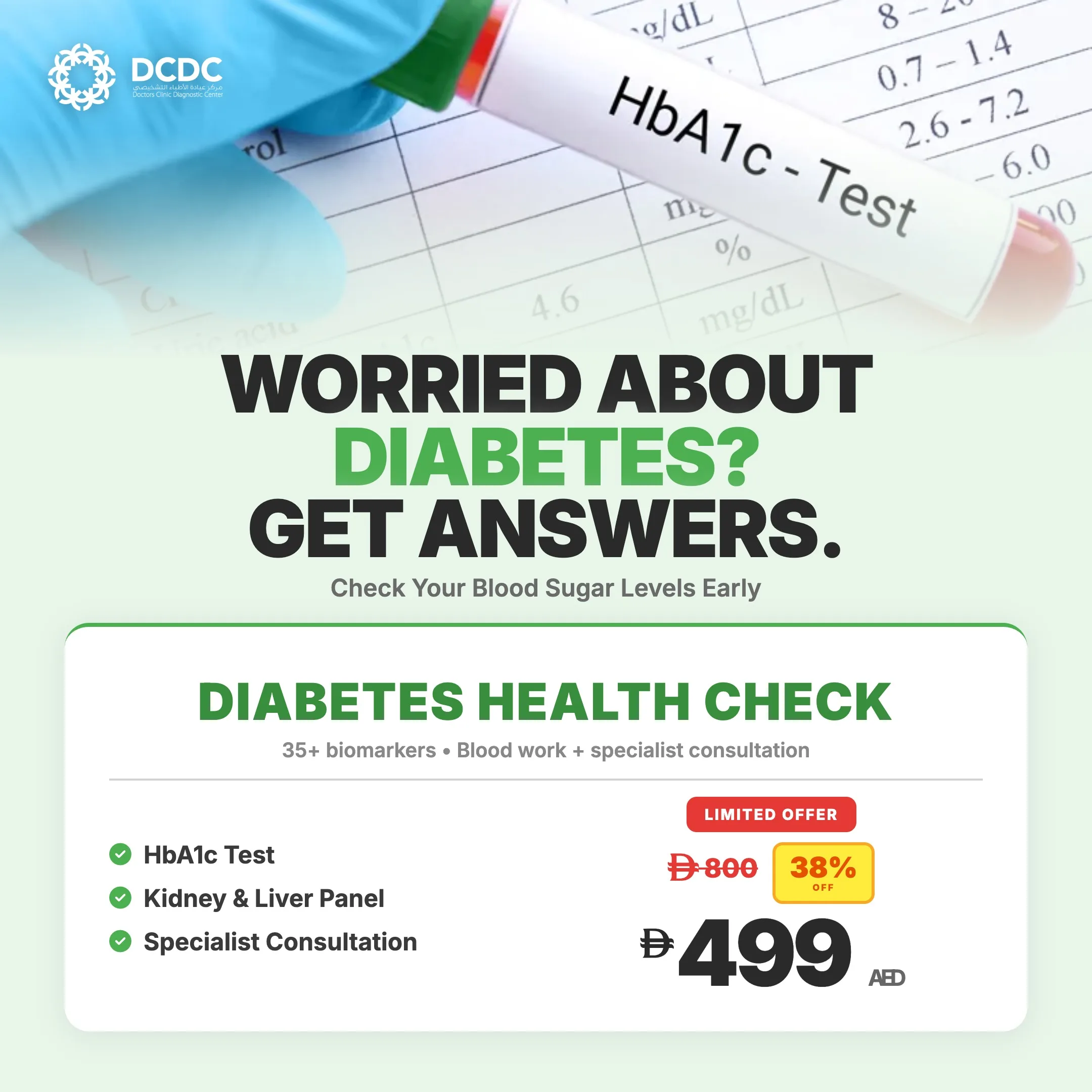
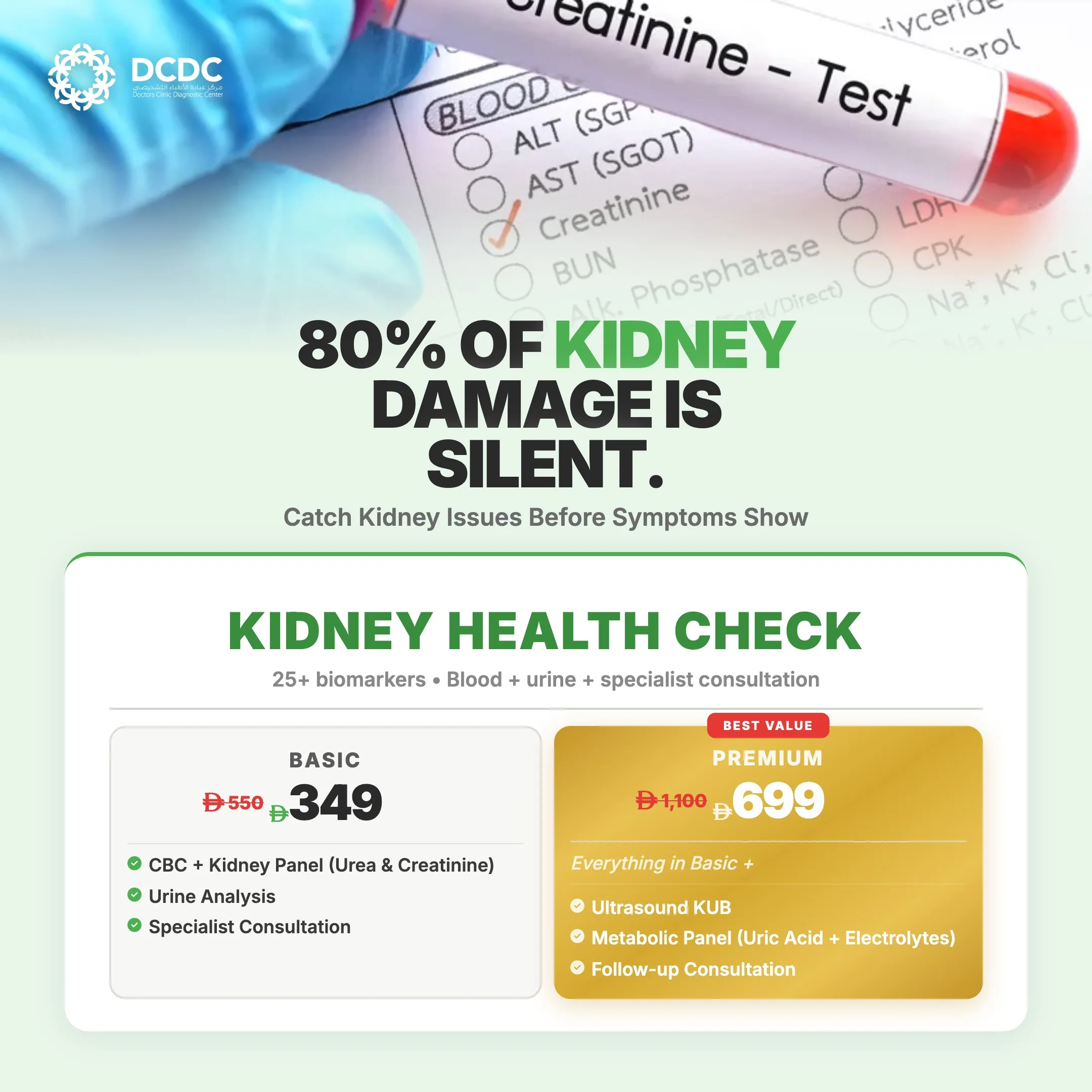
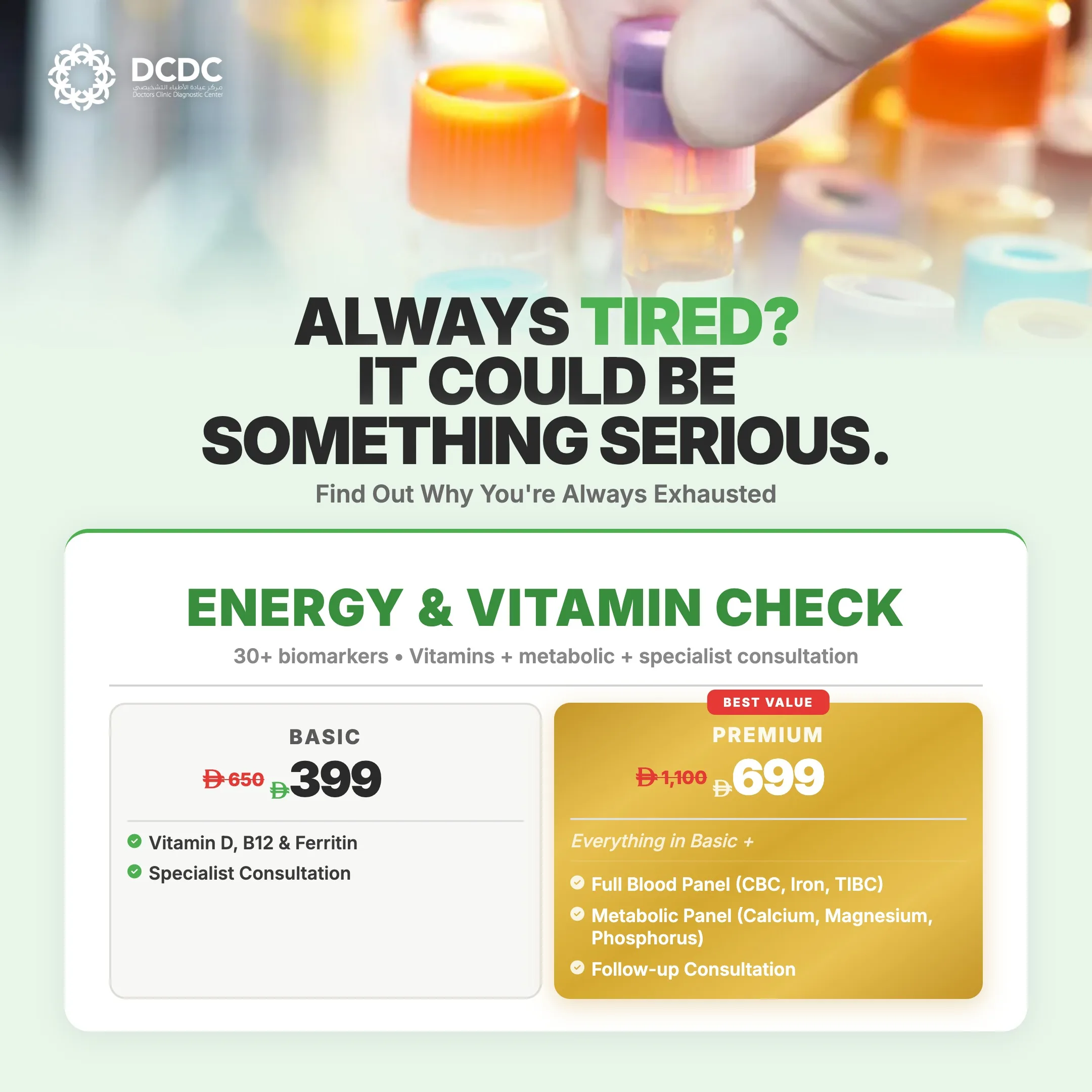
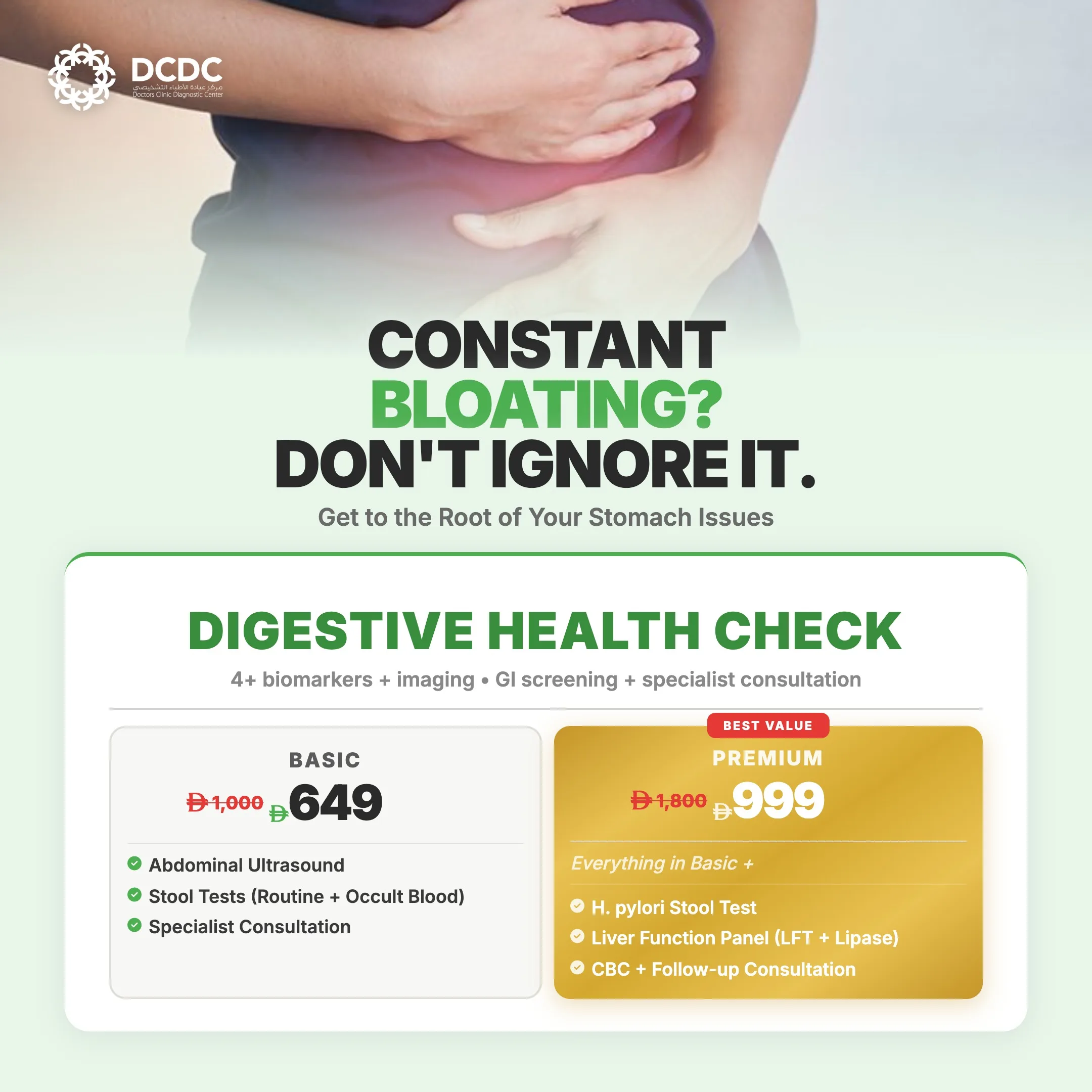
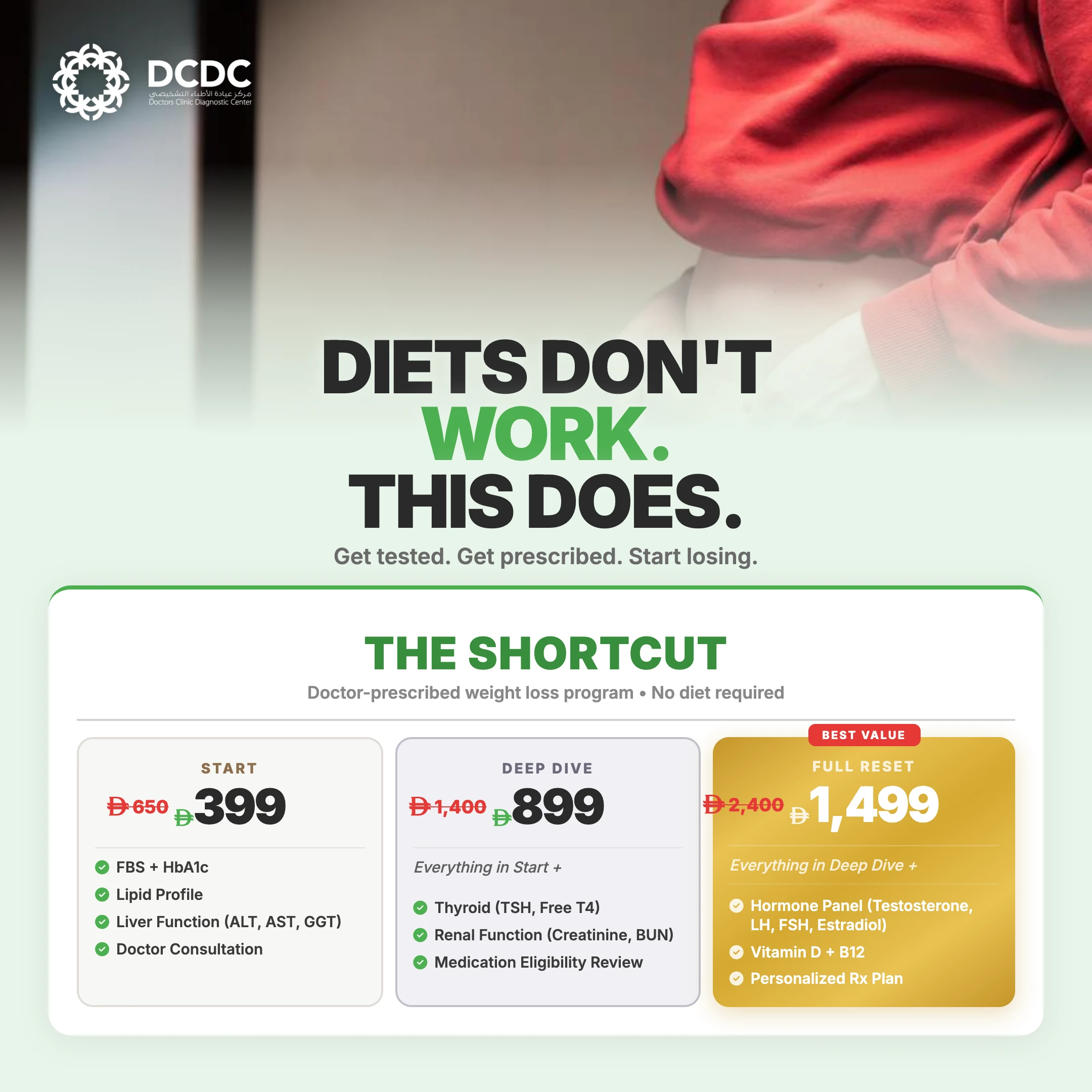
Health Screening Packages
Save with our bundled screening packages — specialist consultation included

What Is High Cholesterol and Why Does It Matter?
Cholesterol is a waxy, fat-like substance found in every cell of your body. Your body needs cholesterol to build cell membranes, produce hormones (including vitamin D, estrogen, and testosterone), and manufacture bile acids that help digest fat. Your liver produces all the cholesterol your body needs, but you also get cholesterol from animal-based foods like meat, cheese, and eggs.
The problem arises when you have too much cholesterol circulating in your blood, specifically too much low-density lipoprotein (LDL) cholesterol. Excess LDL deposits in the walls of your arteries, forming plaques that narrow and harden blood vessels over time, a process called atherosclerosis. This restricts blood flow to vital organs including the heart and brain. If a plaque ruptures, it can trigger a blood clot that blocks an artery completely, causing a heart attack or stroke.
What makes high cholesterol particularly dangerous is that it develops silently over years or decades without any symptoms. You cannot feel high cholesterol. There are no warning signs until significant damage has already occurred. This is why routine screening through a lipid profile blood test is essential for every adult.
Understanding Your Cholesterol Numbers
A lipid profile blood test measures four key values. Understanding these numbers is the first step toward managing your cardiovascular risk. The following table shows the standard reference ranges used by cardiologists and internists:
| Cholesterol Type | Optimal (mg/dL) | Borderline (mg/dL) | High Risk (mg/dL) | Role |
|---|---|---|---|---|
| Total Cholesterol | Below 200 | 200-239 | 240 and above | Overall cholesterol level in blood |
| LDL ("Bad") Cholesterol | Below 100 | 130-159 | 160 and above | Deposits in artery walls, forms plaques |
| HDL ("Good") Cholesterol | 60 and above | 40-59 | Below 40 (low = risky) | Removes cholesterol from arteries |
| Triglycerides | Below 150 | 150-199 | 200 and above | Fat storage; elevated with sugar/alcohol |
Cholesterol reference ranges based on AHA/ACC guidelines. Your individual targets may differ based on cardiovascular risk factors. Discuss your results with your doctor at DCDC.
It is important to understand that these numbers do not exist in isolation. A person with an LDL of 140 mg/dL who also has diabetes, smokes, and has high blood pressure faces a much higher cardiovascular risk than someone with the same LDL but no other risk factors. Your doctor will assess your overall risk profile, not just individual numbers.
Causes and Risk Factors for High Cholesterol
High cholesterol results from a combination of factors, some within your control and others that are not. Understanding your personal risk factors helps guide both prevention and treatment.
Diet and Lifestyle Factors
- Saturated and trans fats: Found in red meat, full-fat dairy, fried foods, and processed snacks. These raise LDL cholesterol more than dietary cholesterol itself.
- Excess sugar and refined carbohydrates: Increase triglyceride levels and lower HDL cholesterol.
- Physical inactivity: Sedentary behaviour lowers HDL (good) cholesterol and increases LDL and triglycerides.
- Obesity: Excess body weight, especially abdominal fat, is strongly associated with elevated LDL and triglycerides and reduced HDL.
- Smoking: Damages blood vessel walls, making them more susceptible to cholesterol deposits, and lowers HDL.
- Excessive alcohol: Raises triglyceride levels significantly.
Genetic and Medical Factors
- Familial hypercholesterolemia (FH): An inherited condition causing very high LDL from birth. Affects approximately 1 in 250 people worldwide and is particularly prevalent in certain Middle Eastern populations. People with FH can have LDL levels above 190 mg/dL even with a healthy diet.
- Family history: Even without FH, a strong family history of high cholesterol or early heart disease increases your risk.
- Age and sex: Cholesterol levels naturally rise with age. Before menopause, women tend to have lower LDL than men; after menopause, women's LDL often increases.
- Diabetes: Type 2 diabetes is associated with a pattern called diabetic dyslipidemia: high triglycerides, low HDL, and small, dense LDL particles that are particularly harmful.
- Hypothyroidism: An underactive thyroid slows the removal of LDL from the blood, causing levels to rise.
- Kidney and liver disease: Both can disrupt normal cholesterol metabolism.
For a detailed look at what a cholesterol blood test involves and how to prepare, see our guide on Lipid Profile Test Dubai: Cost & Guide (2026).
High Cholesterol in the UAE: A Growing Health Concern
The UAE faces a particularly significant challenge with high cholesterol and cardiovascular disease. Several factors converge to make Dubai residents especially vulnerable to lipid disorders.
Dietary Patterns
The traditional Emirati and broader Gulf diet has shifted considerably over recent decades. While traditional foods like dates, fish, and vegetables are heart-healthy, the modern Dubai diet increasingly features high-fat, high-sugar options: shawarma and other fried street foods, heavy rice dishes like machboos and biryani cooked with ghee, sugary Arabic coffee with dates consumed multiple times daily, and frequent dining out at restaurants serving oversized portions. The UAE's thriving food delivery culture means many residents eat calorie-dense restaurant meals regularly.
Sedentary Lifestyle
Dubai's extreme summer heat, with temperatures regularly exceeding 45 degrees Celsius from June through September, severely limits outdoor physical activity for roughly half the year. Many residents drive everywhere, work in air-conditioned offices, and spend leisure time indoors. This sedentary pattern directly contributes to weight gain, reduced HDL cholesterol, and elevated triglycerides.
Genetic Predisposition
Both Middle Eastern and South Asian populations, which together constitute the majority of Dubai's residents, have higher genetic susceptibility to metabolic syndrome, insulin resistance, and dyslipidemia. Familial hypercholesterolemia prevalence is notable in the region. Combined with lifestyle factors, this genetic background means that cholesterol problems often develop at younger ages than in Western populations.
Ramadan and Cholesterol
Research shows that Ramadan fasting can temporarily improve cholesterol profiles, with some studies noting reductions in total cholesterol and LDL during the fasting month. However, these improvements are often reversed after Eid celebrations, when large, rich meals are the norm. The net effect over the year is often neutral or even negative if post-Ramadan dietary habits are not managed carefully.
How High Cholesterol Is Diagnosed
High cholesterol is diagnosed exclusively through a blood test called a lipid profile (also known as a lipid panel or cholesterol panel). There is no physical examination that can detect high cholesterol, and as stated, it causes no symptoms in its early stages.
What a Lipid Profile Measures
- Total cholesterol: The sum of all cholesterol in your blood.
- LDL cholesterol: The primary target for treatment. Higher LDL means higher cardiovascular risk.
- HDL cholesterol: Protective cholesterol. Higher is better.
- Triglycerides: A type of fat linked to heart disease when elevated.
- Non-HDL cholesterol: Total cholesterol minus HDL. Some guidelines use this as the primary treatment target.
Preparation and Testing Frequency
A standard lipid profile requires 9-12 hours of fasting (water is permitted). At DCDC, our on-site laboratory processes lipid profiles with same-day results, so you can discuss your numbers with your doctor on the same visit. Current guidelines recommend the following screening schedule:
- All adults aged 20+: Baseline lipid profile test
- Adults aged 40+: Annual lipid profile screening
- Anyone with risk factors: Annual screening regardless of age (family history of high cholesterol or heart disease, diabetes, obesity, smoking, hypertension)
- Patients on cholesterol medication: Repeat lipid profile 6-12 weeks after starting or adjusting medication, then every 6-12 months
Lifestyle Changes to Lower Cholesterol Naturally
For many people, particularly those with borderline cholesterol levels, lifestyle modifications are the first line of treatment. Even when medication is required, lifestyle changes remain essential because they enhance the effectiveness of medication and address other cardiovascular risk factors simultaneously.
Dietary Changes
Diet is the single most impactful lifestyle factor for cholesterol management. A Mediterranean-style diet has been shown to reduce LDL cholesterol by 10-15% and significantly lower cardiovascular risk.
- Reduce saturated fats: Limit red meat to 1-2 servings per week. Choose lean poultry, fish, and plant-based proteins. Switch from full-fat to low-fat dairy products.
- Eliminate trans fats: Avoid partially hydrogenated oils found in margarine, commercial baked goods, and many fried foods.
- Increase soluble fibre: Oats, barley, beans, lentils, apples, and citrus fruits contain soluble fibre that binds cholesterol in the digestive system and removes it from the body. Aim for 10-25 grams of soluble fibre daily.
- Add omega-3 fatty acids: Fatty fish (salmon, mackerel, sardines) twice weekly. Walnuts, flaxseeds, and chia seeds are plant-based sources.
- Include plant sterols and stanols: Found in fortified foods, these naturally occurring substances block cholesterol absorption and can lower LDL by 6-15%.
- Use healthy cooking oils: Olive oil and avocado oil instead of butter, ghee, or coconut oil.
Exercise and Physical Activity
Regular physical activity directly improves your cholesterol profile. Studies show that 150 minutes per week of moderate aerobic exercise can raise HDL cholesterol by 5-10% while also reducing triglycerides and LDL.
- Aim for 150 minutes weekly: Brisk walking, swimming, cycling, or any moderate-intensity activity. Can be broken into 30-minute sessions, five days a week.
- Add resistance training: Weight training or bodyweight exercises 2-3 times per week improves overall metabolic health.
- Beat the Dubai heat: Use air-conditioned gyms, indoor pools, mall walking tracks, or exercise early morning before 7 AM and after sunset.
- Start where you are: If you are currently inactive, begin with 10-minute walks and gradually increase. Any movement is better than none.
Weight Management and Other Lifestyle Factors
- Lose excess weight: Losing even 5-10% of body weight can meaningfully reduce LDL and triglycerides while raising HDL.
- Quit smoking: Within one year of quitting, your HDL cholesterol improves and your cardiovascular risk drops significantly.
- Limit alcohol: If you drink, moderation is key. Excessive alcohol significantly raises triglyceride levels.
- Manage stress: Chronic stress can indirectly worsen cholesterol through stress eating, reduced activity, and hormonal changes.
For a comprehensive approach to protecting your heart beyond cholesterol, read our guide on Heart Screening Dubai: Checkup Packages & Prevention (2026).
Start with a Cholesterol Screening
Not sure where your cholesterol stands? Book a lipid profile test at DCDC with same-day results from our on-site laboratory. Health checkup packages from AED 249 include a full lipid profile. Walk-ins welcome Saturday to Thursday 8 AM-10:30 PM, Friday 9 AM-10 PM.
Cholesterol Medication Options
When lifestyle changes alone are not sufficient to bring cholesterol to target levels, or when cardiovascular risk is already high, medication becomes necessary. Your doctor will recommend medication based on your overall cardiovascular risk, not just your cholesterol numbers.
Statins: The First-Line Treatment
Statins are the most widely prescribed and most extensively studied cholesterol-lowering medications. They work by blocking an enzyme in the liver that produces cholesterol, reducing LDL by 30-50% depending on the dose and specific statin used. Common statins include atorvastatin (Lipitor), rosuvastatin (Crestor), and simvastatin (Zocor). Most side effects are mild, and the cardiovascular benefits overwhelmingly outweigh the risks for people who need them.
Ezetimibe
Ezetimibe works by blocking cholesterol absorption in the small intestine. It reduces LDL by an additional 15-20% and is often added to a statin when the statin alone does not achieve target levels. It can also be used as a standalone treatment for patients who cannot tolerate statins.
PCSK9 Inhibitors
PCSK9 inhibitors are newer injectable medications (given every 2-4 weeks) that can lower LDL by 50-60% on top of statin therapy. They are typically reserved for patients with familial hypercholesterolemia or those at very high cardiovascular risk who cannot reach target LDL levels with statins and ezetimibe. Examples include evolocumab (Repatha) and alirocumab (Praluent).
Fibrates and Other Agents
Fibrates (such as fenofibrate) primarily lower triglycerides and raise HDL. They are used when triglyceride levels are very high or as part of combination therapy. Bile acid sequestrants and bempedoic acid are additional options for specific situations. Your doctor will select the right medication or combination based on your lipid profile, risk factors, and tolerance.
High Cholesterol Treatment Cost in Dubai
Understanding the cost of cholesterol diagnosis and management helps you plan your healthcare. At DCDC, we offer transparent pricing with direct billing for 20+ insurance partners including Daman, AXA, Bupa, MetLife, and Cigna.
| Service | Cost Range (AED) | Includes | Insurance Coverage |
|---|---|---|---|
| Health Checkup Package (includes lipid profile) | From 249 | Lipid profile, blood glucose, basic metabolic panel | Most plans cover preventive screening |
| Lipid Profile Test (standalone) | 199 | Total cholesterol, LDL, HDL, triglycerides | Usually covered |
| GP / Internal Medicine Consultation | 300-500 | Assessment, risk evaluation, treatment plan | Usually covered with co-pay |
| Cardiology Consultation | 400-700 | Cardiovascular risk assessment, ECG if needed | Usually covered with referral |
| Comprehensive Cardiovascular Panel | 500-1,000 | Lipid profile, HbA1c, liver function, kidney function, CRP | Usually covered with pre-approval |
| Follow-Up Blood Test (lipid profile) | 150-300 | Repeat lipid profile to monitor treatment response | Usually covered |
Prices at DCDC Dubai Healthcare City. Most insurance plans cover cholesterol screening and treatment. We verify your coverage before testing. Free parking available.
What to Expect at DCDC for Cholesterol Management
At Doctors Clinic Diagnostic Center (DCDC) in Building 64, Block A, Al Razi Medical Complex, Dubai Healthcare City, cholesterol management follows a structured, patient-centred approach. As a MOHAP-licensed facility with a 4.8/5 Google rating from over 1,000 verified reviews and 98% patient satisfaction, we provide comprehensive care under one roof.
Step 1: Initial Consultation
Your first visit begins with Dr. Hadeel Elnur or one of our board-certified internists. The consultation includes a thorough review of your medical history, family history of cardiovascular disease, current medications, dietary habits, and lifestyle. Your doctor will assess your overall cardiovascular risk profile, not just your cholesterol numbers. Average wait time at DCDC is just 15 minutes, and we are open Saturday through Thursday from 8 AM to 10 PM, and Friday from 9 AM to 9 PM.
Step 2: Blood Test and Same-Day Results
If you arrive fasting (9-12 hours), we can draw blood for your lipid profile during the same visit. Our on-site laboratory processes lipid profiles, HbA1c, liver function, and kidney function tests with same-day results. This means you can often receive your results and discuss them with your doctor on the same day, rather than waiting for a follow-up appointment.
Step 3: Results Review and Treatment Plan
Based on your results and risk assessment, your doctor will create a personalised treatment plan. This may include dietary modifications tailored to your lifestyle and cultural food preferences, an exercise prescription that accounts for Dubai's climate, medication if your risk level warrants it, and referral to our cardiology department for further cardiovascular risk assessment if needed.
Step 4: Follow-Up and Ongoing Monitoring
If medication is started, a follow-up lipid profile is typically scheduled 6-12 weeks later to assess response. Once cholesterol is at target, routine monitoring continues every 6-12 months. DCDC coordinates multi-specialty care, so if your cholesterol is connected to diabetes, thyroid issues, or other conditions, your care team communicates seamlessly.
According to Dr. Hadeel Elnur, many patients in Dubai are surprised to discover they have high cholesterol because the condition rarely causes noticeable symptoms. "I recommend that every adult over 20 gets a baseline lipid profile test, and those over 40 or with risk factors should test annually. Early detection and lifestyle changes can often prevent the need for medication entirely."
High cholesterol often coexists with other metabolic conditions. If you also have concerns about blood sugar, see our guide on Diabetes Management Dubai: Complete Guide (2026).
The Link Between Cholesterol, Heart Disease, and Stroke
Understanding the connection between cholesterol and cardiovascular events is essential for appreciating why treatment matters. High LDL cholesterol is not just a number on a lab report; it represents an active, ongoing process of arterial damage.
How Cholesterol Causes Heart Disease
When LDL cholesterol is elevated, excess particles penetrate the inner lining of artery walls. The immune system responds by sending white blood cells to absorb the LDL, forming foam cells. Over years, these foam cells accumulate into plaques that narrow the arteries (atherosclerosis). The plaques can become unstable and rupture, triggering blood clots that block blood flow to the heart (heart attack) or brain (stroke). This process is accelerated when high cholesterol coexists with other risk factors like high blood pressure, diabetes, and smoking.
Cholesterol and Stroke Risk
The same atherosclerotic process that causes heart attacks also affects the carotid arteries supplying the brain. High LDL cholesterol increases the risk of ischaemic stroke, which accounts for approximately 85% of all strokes. Lowering LDL with statins has been shown to reduce stroke risk by 15-25% in clinical trials.
The Protective Role of HDL
HDL cholesterol works in the opposite direction. It picks up excess cholesterol from artery walls and transports it back to the liver for disposal, a process called reverse cholesterol transport. This is why HDL is called "good" cholesterol and why low HDL levels (below 40 mg/dL in men, below 50 mg/dL in women) are considered a cardiovascular risk factor independent of LDL.
Monitoring Your Cholesterol: Follow-Up Schedule
Cholesterol management is not a one-time event; it requires ongoing monitoring and adjustment. The frequency of testing depends on your treatment stage and risk level.
- After starting or changing medication: Repeat lipid profile in 6-12 weeks to assess response. If LDL is not at target, your doctor may increase the dose or add a second medication.
- Stable on treatment: Lipid profile every 6-12 months, along with liver function tests to monitor medication safety.
- Lifestyle-only management: Repeat lipid profile in 3-6 months to evaluate the impact of dietary and exercise changes.
- Low-risk adults: Every 4-6 years if initial results are normal and no risk factors are present.
- High-risk adults: Annual lipid profile as part of a comprehensive cardiovascular risk assessment.
Your doctor may also monitor additional markers over time, including C-reactive protein (CRP) for inflammation, lipoprotein(a) for genetic risk, and HbA1c if diabetes is a concern. Blood pressure should be checked at every visit, as hypertension and high cholesterol frequently coexist. For more on blood pressure management, see our guide on High Blood Pressure Dubai: Screening & Treatment (2026).
When to Reassess Your Treatment Plan
- You develop new risk factors (diagnosed with diabetes, significant weight gain, new smoker)
- You experience side effects from medication (muscle pain, fatigue, digestive issues)
- You achieve significant lifestyle improvements and want to discuss reducing medication
- You reach new age milestones (40, 50, 60) that change your risk calculation
- A family member is diagnosed with early heart disease (before age 55 in men, 65 in women)
Book Your Cholesterol Check at DCDC
At Doctors Clinic Diagnostic Center in Dubai Healthcare City, we provide cholesterol screening and management with same-day lipid profile results from our on-site laboratory. Health checkup packages from AED 249 include lipid profile testing. Direct billing with 20+ insurance partners including Daman, AXA, Bupa, MetLife, and Cigna. Free parking available.
MOHAP-licensed facility with 4.8/5 Google rating from 1,000+ verified reviews.
Preventing High Cholesterol: Practical Tips for Dubai Residents
Prevention is always preferable to treatment. Whether you currently have normal cholesterol and want to keep it that way, or you have borderline levels and want to avoid medication, these practical strategies are adapted specifically for life in Dubai.
- Cook at home more often: Restaurant and delivery food in Dubai is typically higher in saturated fat, salt, and calories than home-cooked meals. Aim for home cooking at least 4-5 days per week.
- Make smart swaps: Grilled over fried, brown rice over white, olive oil over ghee, fruit over pastries, water over sugary drinks.
- Use Dubai's indoor fitness options: Nearly every residential building has a gym and pool. Many malls have walking tracks. Swimming is excellent cardiovascular exercise in the heat.
- Get annual checkups: Health checkup packages at DCDC from AED 249 include a lipid profile. Early detection is the most effective prevention strategy.
- Know your family history: If a parent or sibling has high cholesterol or had a heart attack before age 55 (men) or 65 (women), start screening earlier and more frequently.
- Manage related conditions: Diabetes, high blood pressure, thyroid disorders, and fatty liver disease all affect cholesterol. Treating these conditions helps keep cholesterol in check. Read more about Fatty Liver Dubai: Causes & Treatment (2026).
Related Services at DCDC
Expert care and advanced diagnostics at Dubai Healthcare City
Frequently Asked Questions
Take Control of Your Cholesterol Today
High cholesterol is a silent but serious condition that affects a significant portion of Dubai's population. The good news is that it is one of the most treatable risk factors for heart disease and stroke. Whether through lifestyle changes, medication, or a combination of both, bringing your cholesterol to healthy levels can dramatically reduce your cardiovascular risk.
Do not wait for symptoms, because there will not be any until it is too late. Schedule a lipid profile test as part of your regular health screening. If you already know your cholesterol is elevated, work with your doctor to create a treatment plan that fits your lifestyle.
At Doctors Clinic Diagnostic Center in Dubai Healthcare City, our team of board-certified internists and cardiologists provides comprehensive cholesterol management with same-day blood test results, direct insurance billing, and a patient-centred approach that has earned us a 4.8/5 Google rating from over 1,000 reviews. Your heart health is worth the investment.
Sources & References
This article was reviewed by our medical team and references the following sources:
- WHO - Cardiovascular Diseases Fact Sheet
- American Heart Association - About Cholesterol
- NHS - High Cholesterol Overview
- Mayo Clinic - High Blood Cholesterol
- Cleveland Clinic - Cholesterol Numbers: What Do They Mean
- ACC/AHA - Cholesterol Clinical Practice Guidelines
Medical content on this site is reviewed by DHA-licensed physicians. See our editorial policy for more information.

Written by
Dr. Hadeel Elnur
General Practitioner
MD, General Practice
Dr. Hadeel Elnur is a General Practitioner at Doctors Clinic Diagnostic Center (DCDC) in Dubai Healthcare City. As a first point of contact for patients, she coordinates multi-specialty workups and manages chronic conditions including high cholesterol, diabetes, and hypertension. She believes in proactive screening and patient education to prevent cardiovascular disease.
Related Articles

Lipid Profile Test Dubai: Cost & Guide (2026)

Heart Screening Dubai: Checkup Packages & Prevention (2026)

High Blood Pressure Dubai: Screening & Treatment (2026)

Diabetes Management Dubai: Complete Guide (2026)
Fatty Liver Dubai: Causes & Treatment (2026)
More in Internal Medicine

Enlarged Prostate Dubai: BPH Symptoms (2026)
Read More
Hiatal Hernia Dubai: Symptoms & Treatment (2026)
Read MoreDiabetic Foot Care Dubai: Warning Signs (2026)
Read MoreColonoscopy vs Endoscopy Dubai: Guide (2026)
Read MoreDiabetic Diet Plan Dubai: Foods & Tips (2026)
Read MoreCholesterol-Lowering Foods & Diet Dubai (2026)
Read More© 2026 Doctors Clinic Diagnostic Center (DCDC), Dubai Healthcare City. Originally published at https://doctorsclinicdubai.ae/blog/high-cholesterol-treatment-dubai. All rights reserved. Unauthorized reproduction is prohibited.