Key Takeaways
- H. pylori infection affects an estimated 50-80% of people in parts of the Middle East and around 50% of the global population, making it one of the most common bacterial infections seen in Dubai's diverse expatriate community.
- H. pylori is responsible for approximately 80% of gastric ulcers and 90% of duodenal ulcers, and the World Health Organization classifies it as a Group 1 carcinogen because of its established link to gastric cancer.
- Standard h pylori infection treatment is 14-day triple therapy (a proton pump inhibitor plus two antibiotics), with bismuth quadruple therapy used for antibiotic-resistant strains or after a failed first attempt; first-line eradication rates are 80-90%.
- Confirmatory breath testing at least four weeks after finishing treatment is essential, since incomplete eradication is one of the most common causes of recurring stomach symptoms in patients who believe they were already cured.
- At DCDC in Dubai Healthcare City, the H. pylori breath test is available on-site from AED 300, with a GP consultation from AED 250 and same-day results for routine laboratory tests.
- Reinfection rates are relatively low (2-5% per year in developed countries) but are shaped by household transmission, food and water hygiene standards, and communal dining habits that are common across Dubai's diverse culinary scene.
- Left untreated, H. pylori infection can progress silently for years before causing peptic ulcers, gastrointestinal bleeding, or precancerous changes to the stomach lining, which makes early testing and treatment important even for mild or intermittent symptoms.
If you have been diagnosed with, or suspect you may have, Helicobacter pylori (H. pylori), you are far from alone. This spiral-shaped bacterium infects an estimated 50 to 80 percent of people in parts of the Middle East, and it is one of the most frequent findings behind persistent stomach pain, bloating, and indigestion among patients seen through our gastroenterology service at Doctors Clinic Diagnostic Center (DCDC) in Dubai Healthcare City. The encouraging news is that effective h pylori infection treatment is well established, widely available across Dubai, and successful in 80 to 90 percent of patients who complete the correct first-line therapy.
This guide walks through everything you need to understand about H. pylori infection and its treatment in Dubai: what the bacterium is and how it spreads, the symptoms and warning signs to watch for, what happens if the infection is left untreated, how the different diagnostic tests compare, the treatment protocols doctors use to eradicate it, dietary strategies that support recovery, what your testing and treatment journey looks like at DCDC, realistic pricing across Dubai, and how to reduce your risk of reinfection. We also share Dr. Hadeel Elnur's clinical perspective on why confirmed eradication, not just symptom relief, is the real measure of successful treatment.
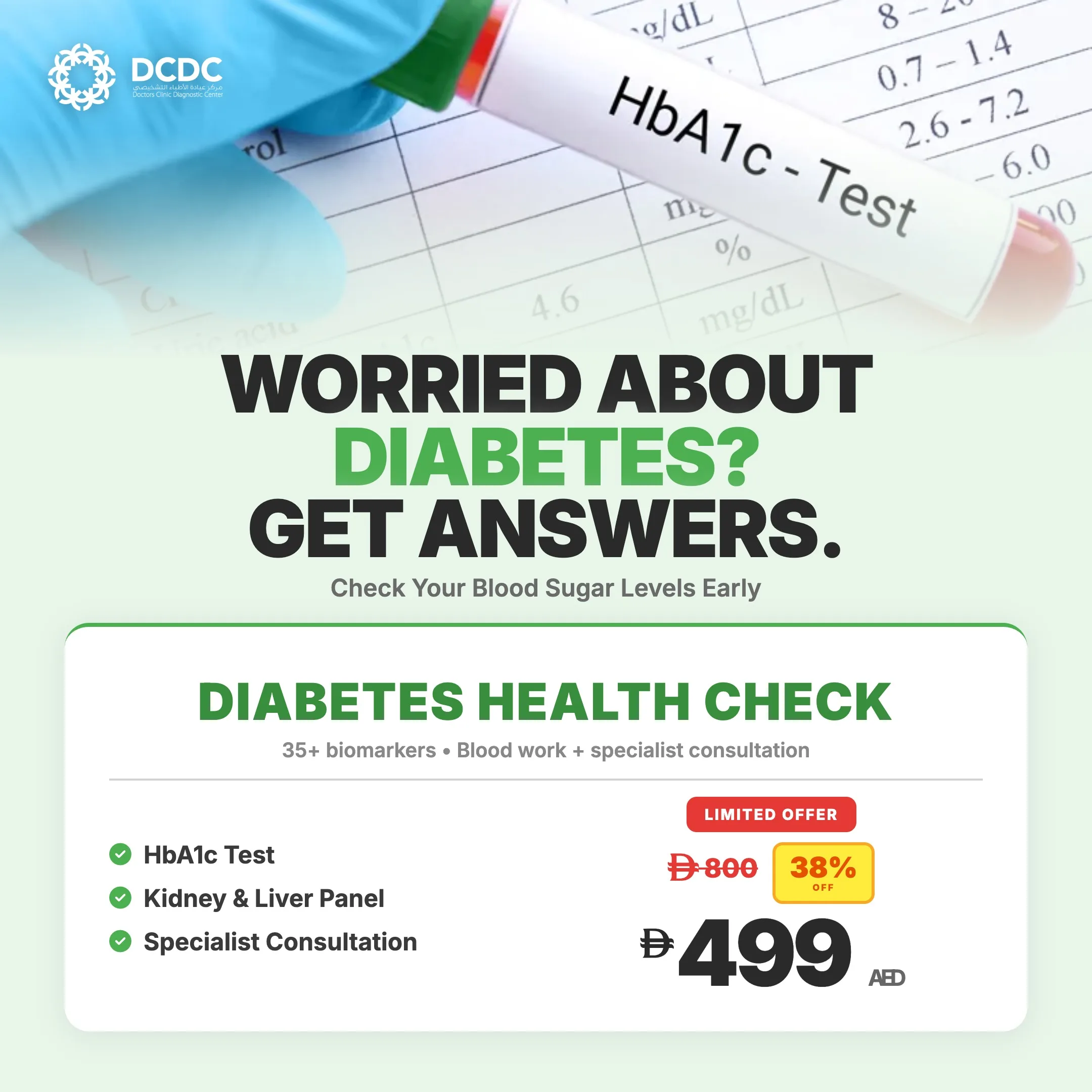
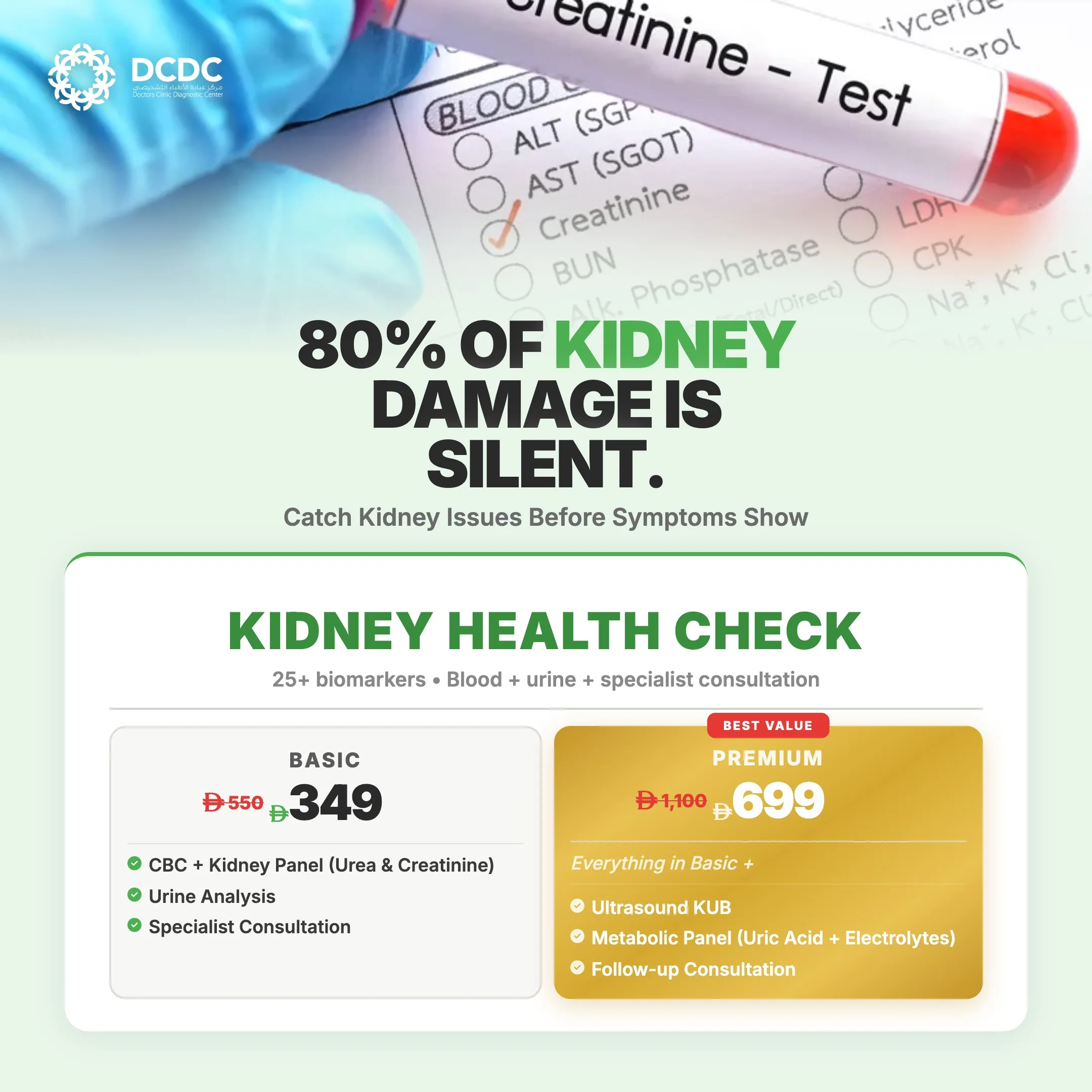
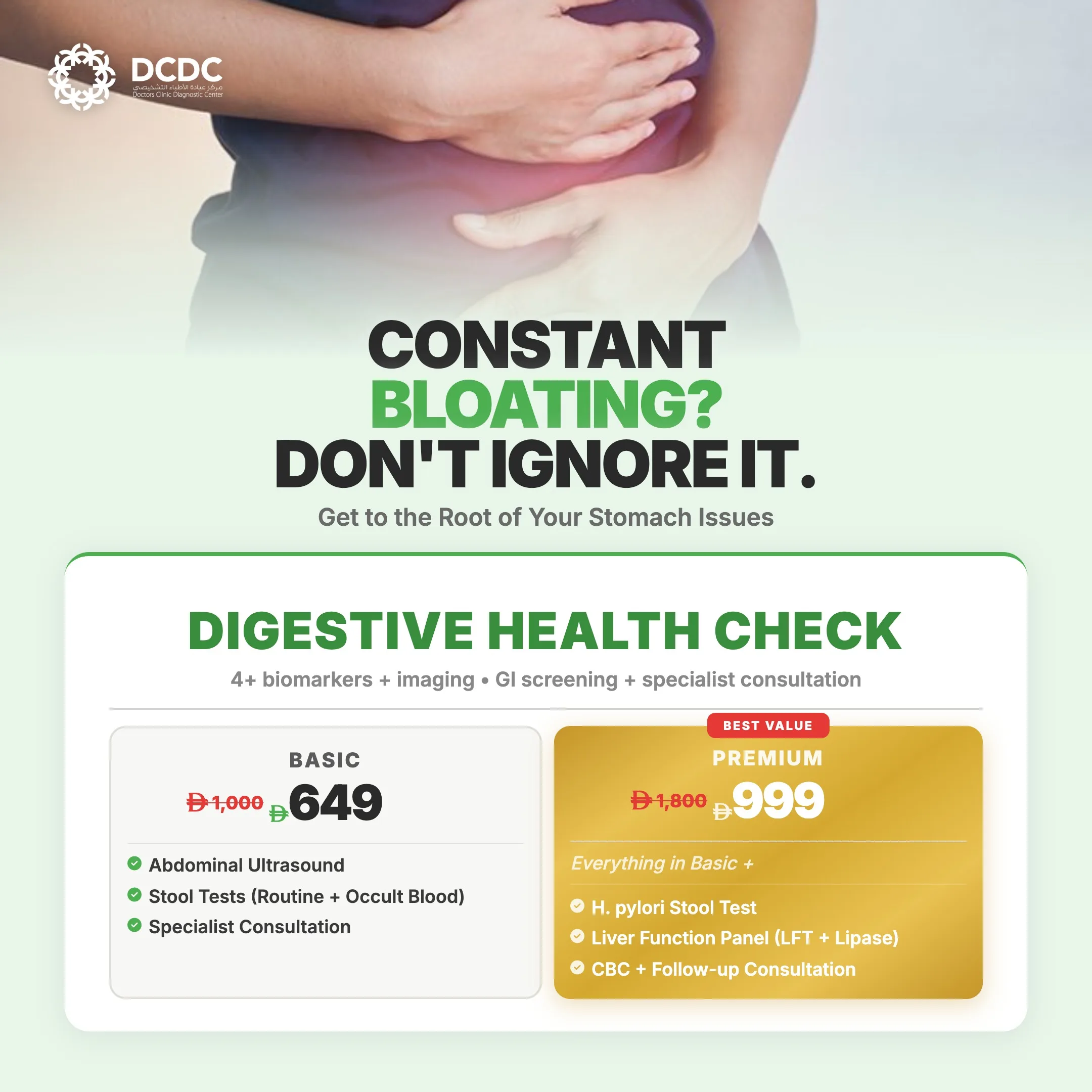
Health Screening Packages
Save with our bundled screening packages — specialist consultation included



What Is H. Pylori? Understanding the Infection
Helicobacter pylori, almost always shortened to H. pylori, is a spiral-shaped bacterium that burrows into the mucous layer lining the stomach and the upper part of the small intestine. Its corkscrew shape and flagella (tail-like structures) allow it to move through the thick, protective mucus that would normally shield the stomach wall from digestive acid. Once embedded, H. pylori produces an enzyme called urease, which converts urea into ammonia and carbon dioxide. The ammonia neutralises the acid immediately surrounding the bacterium, creating a small protected pocket in which it can survive despite the stomach's normally hostile, highly acidic environment.
H. pylori is one of the most common chronic bacterial infections in humans, affecting roughly half of the global population. Prevalence varies enormously by region and is closely linked to living conditions, sanitation infrastructure, and population density during childhood, when most infections are first acquired. In parts of the Middle East, including populations represented in Dubai's expatriate community, prevalence estimates range from 50 to 80 percent, considerably higher than the 30 to 40 percent typically reported in Western Europe and North America. Because Dubai's population is drawn from more than 200 nationalities, many of whom grew up in regions with high H. pylori prevalence, the infection is encountered frequently in everyday clinical practice here.
Once established, H. pylori infection tends to persist indefinitely unless actively treated with antibiotics. It does not resolve on its own the way a typical bacterial infection might. Most people who carry H. pylori have no symptoms at all and may never know they are infected. In others, the ongoing inflammation the bacterium triggers in the stomach lining (chronic gastritis) eventually produces recognisable digestive symptoms, and in a smaller subset of patients, it leads to peptic ulcers or, over many years, an increased risk of gastric cancer.
How H. Pylori Spreads: Transmission Routes
H. pylori is transmitted from person to person, most commonly during early childhood within households. Understanding how it spreads helps explain both why the infection is so widespread and why certain groups, including large families and communities with shared living or dining arrangements, tend to show higher rates.
- Oral-oral transmission: Direct contact with saliva, such as through kissing, pre-chewing food for infants (a practice still common in some cultures), or sharing utensils, cups, and drinking vessels, is a well-documented route. H. pylori DNA has been detected in dental plaque and saliva, supporting this pathway.
- Fecal-oral transmission: H. pylori can be shed in stool and transmitted through contaminated hands, food, or water, particularly in settings with limited access to clean water or inadequate sanitation. This route is thought to be a major driver of the higher prevalence rates seen in developing regions and in populations that grew up in such settings before relocating to cities like Dubai.
- Contaminated food and water: Consuming raw or undercooked food, or drinking water that has not been properly treated, can introduce the bacterium. This is more relevant in regions with less developed water treatment infrastructure than in Dubai itself, but travel history and childhood exposure remain important risk factors for residents.
- Household clustering: Because transmission usually happens in early childhood between close family members, infection often clusters within households. If one family member tests positive for H. pylori, other household members, particularly those who shared close contact during childhood, have a meaningfully higher chance of also being infected.
- Communal dining culture: Dubai's culinary landscape includes many cuisines built around shared plates, communal serving dishes, and family-style eating. While this is a wonderful part of the city's cultural fabric, it does create additional opportunities for oral-oral transmission within households and social groups, particularly when serving utensils are not used consistently.
It is worth noting that H. pylori is not transmitted through casual contact such as handshakes, shared workspaces, or being in the same room as an infected person. The infection requires more direct exposure to saliva, vomit, or stool, which is why household and early-childhood transmission dominates the epidemiological picture rather than transmission between unrelated adults.
Symptoms and Warning Signs of H. Pylori Infection
The majority of people infected with H. pylori, roughly 80 percent, experience no symptoms whatsoever and may carry the bacterium for decades without ever knowing. When symptoms do occur, they typically reflect the underlying gastritis (stomach lining inflammation) the infection causes, or, in more advanced cases, a peptic ulcer that has developed as a result of prolonged mucosal damage.
Common H. Pylori Infection Symptoms
- Burning or gnawing upper abdominal pain: Often described as a dull ache or burning sensation in the epigastric region (upper-middle abdomen), which may worsen on an empty stomach and temporarily ease after eating, or vice versa, depending on whether an ulcer has formed.
- Bloating and excessive belching: A feeling of fullness or gas trapped in the upper abdomen, frequently accompanied by frequent burping.
- Nausea, occasionally with vomiting: Mild to moderate nausea is common, particularly in the morning or after meals.
- Loss of appetite and unintentional weight loss: Chronic low-grade inflammation can reduce appetite over time, and some patients lose weight without actively trying to.
- Frequent indigestion (dyspepsia): Recurrent discomfort after eating that does not fully resolve with over-the-counter antacids.
- Unexplained fatigue: Chronic H. pylori infection can, over time, contribute to iron-deficiency anaemia by causing low-grade blood loss from the inflamed stomach lining, which presents as persistent tiredness.
Alarm Symptoms That Require Prompt Medical Attention
- Vomiting blood or material resembling coffee grounds
- Black, tarry stools (melena), which indicate bleeding higher in the digestive tract
- Severe or worsening abdominal pain that is not relieved by antacids
- Difficulty swallowing or a sensation of food getting stuck
- Unintentional weight loss with no clear cause
- Signs of anaemia, such as pale skin, dizziness, or shortness of breath on exertion
If you notice any of these alarm symptoms, seek medical evaluation promptly rather than waiting. For patients who want to understand what a diagnostic workup typically costs before booking, our dedicated guide on H. pylori testing costs in Dubai breaks down pricing for each available test method so you know what to expect financially.
Complications of Untreated H. Pylori Infection
Because most H. pylori infections cause no symptoms for years, many patients are only diagnosed after a complication has already developed. Understanding the potential downstream effects of chronic, untreated infection is one of the strongest arguments for testing, even in the absence of significant symptoms, particularly for people from regions with high H. pylori prevalence.
- Peptic ulcer disease: H. pylori is responsible for approximately 80% of gastric (stomach) ulcers and around 90% of duodenal ulcers. The bacterium's chronic inflammation and acid disruption gradually erode the protective mucosal lining, allowing digestive acid to create open sores in the stomach or the first part of the small intestine.
- Gastrointestinal bleeding: Ulcers caused by H. pylori can bleed slowly, leading to iron-deficiency anaemia over months, or bleed suddenly and significantly, which is a medical emergency requiring urgent endoscopic or surgical intervention.
- Chronic atrophic gastritis and intestinal metaplasia: Long-standing infection can thin the stomach lining and cause normal stomach cells to be replaced by intestinal-type cells, changes that are considered precancerous and warrant ongoing surveillance.
- Gastric cancer: The World Health Organization classifies H. pylori as a Group 1 carcinogen, its highest-risk category, based on strong epidemiological evidence linking chronic infection to gastric adenocarcinoma. The absolute risk for any individual remains low, but H. pylori is considered the single most important modifiable risk factor for this cancer type worldwide.
- Gastric MALT lymphoma: A rare form of lymphoma arising from lymphoid tissue in the stomach that develops in response to chronic H. pylori-driven inflammation. Remarkably, early-stage MALT lymphoma often regresses completely once the H. pylori infection is eradicated, underscoring how directly this cancer is tied to the infection.
- Iron-deficiency anaemia and vitamin B12 deficiency: Chronic gastritis can impair the absorption of iron and vitamin B12, contributing to fatigue and, in some cases, unexplained anaemia that resolves once the underlying infection is treated.
Diagnostic Tests for H. Pylori: Comparing Your Options
Several validated methods exist to test for H. pylori, each with different levels of accuracy, invasiveness, and practical considerations. Choosing the right test depends on your symptoms, whether you are currently on certain medications, and whether your doctor needs to directly examine the stomach lining.
| Test | How It Works | Accuracy | Practical Notes |
|---|---|---|---|
| Urea breath test | You drink a solution containing labelled urea; H. pylori's urease enzyme breaks it down and labelled carbon dioxide is measured in your exhaled breath | Sensitivity and specificity above 95% | Non-invasive, no sedation, fasting for 6 hours required beforehand; considered the gold-standard non-invasive test |
| Stool antigen test | A stool sample is analysed for H. pylori proteins (antigens) | Sensitivity and specificity around 94-97% | Non-invasive, convenient, also useful for confirming eradication after treatment |
| Blood antibody test | Blood sample checked for antibodies the immune system produced against H. pylori | Sensitivity around 85%, cannot distinguish active from past infection | Fast and simple, but a positive result does not confirm the infection is currently active, so it is not suitable for confirming eradication |
| Endoscopy with biopsy | A thin camera examines the stomach lining directly and tissue samples are taken for laboratory analysis | Considered highly accurate, allows direct visualisation of ulcers and tissue damage | Invasive, requires sedation, reserved for alarm symptoms, treatment failure, or when direct visualisation is needed |
For most patients without alarm symptoms, the urea breath test or stool antigen test is the recommended first step, since both are highly accurate and avoid the need for sedation or an invasive procedure. An important preparation note: PPI medications (such as omeprazole) should typically be stopped for at least 1-2 weeks, and antibiotics or bismuth-containing products for at least 4 weeks, before either the breath test or stool antigen test, as these can cause false-negative results. Your doctor will guide you through this preparation ahead of your appointment.
H. Pylori Treatment Protocols: Triple and Quadruple Therapy
Once H. pylori is confirmed, the goal of treatment is complete eradication of the bacterium, not just temporary symptom relief. Eradication requires a combination of acid-suppressing medication and antibiotics taken together for a defined period, because H. pylori is notoriously difficult to clear with a single antibiotic due to its protected niche within the stomach's mucus layer and rising rates of antibiotic resistance worldwide.
Standard Triple Therapy (First-Line Treatment)
The most commonly prescribed first-line regimen combines a proton pump inhibitor (PPI), such as omeprazole or esomeprazole, taken twice daily, with two antibiotics, typically clarithromycin and amoxicillin (or clarithromycin and metronidazole for patients with a penicillin allergy). This combination is taken consistently for 14 days. Extending the standard course from the older 7-10 day regimens to a full 14 days has been shown to meaningfully improve eradication success. With good adherence, first-line triple therapy achieves eradication rates of approximately 80 to 90 percent.
Bismuth Quadruple Therapy (For Resistant Strains)
When clarithromycin resistance is suspected, common in patients who have previously taken clarithromycin or macrolide antibiotics for other infections, or when first-line triple therapy has already failed, doctors switch to bismuth quadruple therapy. This regimen combines a PPI, bismuth subsalicylate, and two antibiotics, usually tetracycline and metronidazole, taken for 10 to 14 days. Quadruple therapy achieves eradication rates exceeding 85 to 90 percent even in cases of antibiotic resistance, making it an effective second-line, or sometimes first-line, option depending on local resistance patterns.
Why Confirmation Testing Matters
A confirmatory test, either a repeat urea breath test or stool antigen test, should be performed at least four weeks after completing antibiotic therapy and at least 1-2 weeks after stopping PPI medication, to reliably verify that H. pylori has actually been eradicated. This step is frequently skipped by patients who feel better and assume the treatment worked, but treatment failure occurs in an estimated 10 to 20 percent of first-line cases, meaning a meaningful minority of patients remain infected despite completing the full antibiotic course. Confirming clearance is the only way to know for certain, and patients whose gastritis symptoms overlap with H. pylori often benefit from reviewing our broader guide to gastritis treatment in Dubai for additional context on managing ongoing stomach inflammation alongside eradication therapy.
Think You May Have H. Pylori?
Do not let unexplained stomach pain, bloating, or indigestion linger. At DCDC in Dubai Healthcare City, our team offers on-site H. pylori breath testing, same-day consultations, and evidence-based eradication therapy with confirmatory retesting. Direct billing with 20+ insurance providers. Book your appointment today or message us on WhatsApp.
H. pylori breath test from AED 300 | Consultation from AED 250 | Same-day results for routine labs
Diet During and After H. Pylori Treatment
Diet alone cannot eradicate H. pylori, antibiotics are required for that, but the right dietary choices during and after treatment can meaningfully reduce stomach irritation, support healing of the inflamed mucosa, and help your digestive system recover from the antibiotic course.
Helpful Foods During Treatment
- Probiotic-rich foods: Plain yoghurt, kefir, and fermented vegetables help restore healthy gut bacteria that antibiotics disrupt, and some studies suggest probiotics may reduce antibiotic-related side effects such as diarrhoea and improve treatment tolerance.
- Foods rich in vitamin C and antioxidants: Berries, leafy greens, and non-citrus fruits support mucosal healing, though citrus fruits themselves should be limited during active symptoms due to their acidity.
- Broccoli sprouts and cruciferous vegetables: These contain sulforaphane, a compound that has shown some antibacterial activity against H. pylori in research studies, though it is a complement to, not a replacement for, prescribed antibiotics.
- Lean proteins and whole grains: Grilled chicken, fish, eggs, oats, and brown rice are gentle on the stomach and support overall recovery without adding irritation.
- Honey and garlic: Both have shown mild antibacterial properties in laboratory studies against H. pylori, and can be reasonably included as part of a balanced diet, again as a complement to medical treatment rather than a substitute.
Foods and Habits to Avoid
- Alcohol: Should be avoided entirely during treatment. Alcohol irritates the already inflamed stomach lining and can dangerously interact with metronidazole, one of the antibiotics commonly used in both triple and quadruple therapy, causing severe nausea, vomiting, and flushing.
- Spicy and heavily fried foods: These can worsen abdominal discomfort while the stomach lining is actively healing.
- Coffee and caffeinated drinks: Caffeine stimulates acid production, which can aggravate symptoms during treatment; consider reducing intake or switching to a low-acid alternative temporarily.
- Carbonated beverages: Can increase bloating and gastric pressure, worsening discomfort.
- NSAIDs such as ibuprofen or aspirin: These further damage the stomach lining and should be avoided unless specifically advised by your doctor; paracetamol is generally a safer alternative for pain relief during treatment.
What to Expect at DCDC: Your H. Pylori Testing and Treatment Journey
At Doctors Clinic Diagnostic Center in Dubai Healthcare City, we have structured a clear, efficient pathway for H. pylori testing and treatment, from your first phone call through confirmed eradication. Here is what the process looks like.
- Step 1 — Booking: Call our reception or message us on WhatsApp to arrange your appointment. Same-day appointments are frequently available, and our average wait time is just 15 minutes. We are open Saturday to Thursday from 8 AM to 10 PM, and Fridays from 9 AM to 9 PM.
- Step 2 — Preparation guidance: If a breath test is likely, our team will advise you in advance to fast for 6 hours before your appointment and to pause any PPI or antibiotic medications for the recommended window, since these can interfere with test accuracy.
- Step 3 — Arrival and registration: Free dedicated parking is available at Building 64, Block A, Al Razi Medical Complex in Dubai Healthcare City. Our multilingual front-desk team handles insurance verification quickly so you know your costs before any testing begins.
- Step 4 — Consultation: You will meet with Dr. Hadeel Elnur or another physician who takes a thorough history of your symptoms, reviews your medication use, and determines which H. pylori test best fits your situation, breath test, stool antigen, or blood antibody testing.
- Step 5 — On-site H. pylori breath test: The urea breath test is performed using dedicated on-site breath test equipment, a straightforward, non-invasive process where you provide breath samples before and after drinking a test solution. Our on-site laboratory also processes blood tests and stool antigen samples, with same-day results for most routine tests.
- Step 6 — Results and treatment plan: If H. pylori is confirmed, your doctor explains the diagnosis clearly and prescribes an evidence-based eradication protocol, standard triple therapy or bismuth quadruple therapy depending on your history and local resistance considerations, along with dietary guidance for the treatment period.
- Step 7 — Confirmatory testing: Once you complete your antibiotic course, we schedule a follow-up breath test at least four weeks later to confirm that the infection has been fully cleared, closing the loop on your treatment with objective evidence of eradication rather than relying on symptom improvement alone.
DCDC maintains a 4.8 out of 5 rating from more than 1,000 verified Google reviews and a 98% patient satisfaction rate, reflecting the consistency of care our patients experience throughout this journey. As a MOHAP-licensed facility (License No. NIMY7VY5-240925), we adhere to the clinical and regulatory standards set by the UAE Ministry of Health and Prevention, and we work with over 20 insurance partners, including Daman, AXA, Bupa, MetLife, and Cigna, offering direct billing so insured patients typically pay only their copayment.
H. Pylori Testing and Treatment Costs in Dubai
Cost is a common concern when planning H. pylori diagnosis and treatment. Prices in Dubai vary depending on the facility, the specific test method, and whether treatment for complications such as ulcers is also needed. At DCDC, the H. pylori breath test is available from AED 300, and a GP consultation to discuss symptoms and determine next steps starts from AED 250. The table below gives a realistic overview of pricing across Dubai.
| Service | Approximate Cost in Dubai (AED) |
|---|---|
| GP consultation (initial assessment) | from AED 250 |
| H. pylori breath test | from AED 300 |
| H. pylori stool antigen test | AED 149 |
| H. pylori blood antibody test | AED 150 - 370 |
| General blood panel (CBC, liver, kidney function) | from AED 200 |
| Upper endoscopy (gastroscopy) with biopsy | AED 1,500 - 6,000 |
| Gastroenterologist consultation | AED 400 - 800 |
| 14-day triple therapy antibiotic course | AED 150 - 350 |
| Bismuth quadruple therapy course | AED 250 - 500 |
| Confirmatory breath test (post-treatment) | from AED 300 |
Most major insurers operating in Dubai, including Daman, AXA, Bupa, Cigna, and MetLife, cover H. pylori testing and treatment when supported by a physician referral, typically with a copay of 10 to 20 percent depending on your plan. At DCDC, our team verifies your coverage before testing begins so there are no surprises. For patients whose symptoms have already progressed to ulcer-related pain or bleeding concerns, our companion guide on stomach ulcer symptoms and treatment outlines the additional diagnostic and treatment considerations involved.
Preventing H. Pylori Infection and Reinfection
While there is no vaccine currently available for H. pylori, practical hygiene measures meaningfully reduce the risk of both initial infection and reinfection after successful eradication. Reinfection rates in developed countries are relatively low, around 2 to 5 percent per year, but they rise in households where hygiene practices favour transmission or where a family member remains untreated.
- Practice thorough handwashing: Wash hands with soap and water after using the bathroom and before preparing or eating food, the single most effective barrier against fecal-oral transmission.
- Avoid sharing utensils and drinking vessels: Particularly within households where one member has an active or recently treated infection, using separate cups, glasses, and eating utensils reduces oral-oral transmission risk.
- Ensure food is properly washed and cooked: Thoroughly wash raw fruits and vegetables and ensure food is cooked to safe temperatures, especially when travelling to regions with less reliable water treatment.
- Drink only clean, treated water: Particularly relevant during travel; in Dubai, tap and bottled water meet high safety standards, but this remains an important consideration when visiting other countries.
- Consider testing close family members: Because H. pylori clusters within households, if you test positive, it is reasonable for close family members, especially those who share meals and living space, to also be tested, particularly if they have any digestive symptoms.
- Complete the full antibiotic course exactly as prescribed: Stopping antibiotics early, even if symptoms improve, is one of the leading causes of treatment failure and contributes to antibiotic resistance, making future eradication attempts more difficult.
- Attend your confirmatory breath test: Verifying eradication is itself a form of prevention, since an undetected, incompletely treated infection can continue to cause complications and remains transmissible to others in your household.
Get Tested and Treated with Confidence
At DCDC in Dubai Healthcare City, we provide a complete H. pylori pathway under one roof: breath testing, evidence-based eradication therapy, and confirmatory retesting to verify the infection is truly gone. Same-day appointments available. Direct billing with 20+ insurance partners. Book now or reach us on WhatsApp.
Building 64, Block A, Al Razi Medical Complex, DHCC | Sat-Thu 8 AM-10 PM, Fri 9 AM-9 PM
Dr. Hadeel Elnur's Perspective on H. Pylori Care
According to Dr. Hadeel Elnur, General Practitioner at DCDC, H. pylori infection is remarkably common in the Middle East, with prevalence rates estimated at 50–80% in some populations. "At DCDC, we use a structured approach: non-invasive breath testing for diagnosis, evidence-based triple or quadruple therapy for eradication, and a confirmatory breath test four weeks after treatment to verify clearance, because incomplete eradication is one of the most common causes of recurring stomach symptoms."
"What I see most often in Dubai is patients who were treated for H. pylori years ago, sometimes back in their home country, and never had a confirmatory test afterward. They assume the infection is gone, but without a follow-up breath test at least four weeks after finishing antibiotics, there is genuinely no way to be certain. When symptoms return, we frequently find the same infection is still active, sometimes because the antibiotic course was not completed, sometimes because of antibiotic resistance to the medications originally used."
"My advice is simple: if you test positive for H. pylori, complete the full course of therapy exactly as prescribed, avoid alcohol during treatment since it can reduce effectiveness and interact badly with metronidazole, and come back for the confirmatory breath test. That final step is what actually confirms the infection is cleared, and it is the step most commonly skipped, which is unfortunate, because it is the one that gives patients real peace of mind."
Related Services at DCDC
Expert care and advanced diagnostics at Dubai Healthcare City
Frequently Asked Questions
Final Thoughts
H. pylori infection is common, often silent, and highly treatable once properly diagnosed. Given how frequently it is encountered across Dubai's diverse population, with prevalence estimates reaching 50 to 80 percent in some communities, it is a condition worth taking seriously even when symptoms are mild or intermittent, particularly given its established links to peptic ulcers and, over the long term, gastric cancer.
The path from suspicion to confirmed cure is straightforward when approached systematically: accurate non-invasive testing, evidence-based eradication therapy tailored to resistance patterns, and, critically, a confirmatory breath test at least four weeks after treatment to verify the infection is truly gone. Skipping that final step is one of the most common reasons patients continue to experience symptoms they believe should have resolved.
At DCDC in Dubai Healthcare City, we provide this entire pathway under one roof, on-site breath testing, same-day consultations, evidence-based treatment protocols, and coordinated follow-up, with direct billing across more than 20 insurance providers. If you have unexplained stomach symptoms, a family history of ulcers or H. pylori, or simply want the reassurance of testing, booking a consultation is a straightforward first step toward lasting digestive health.
Sources & References
This article was reviewed by our medical team and references the following sources:
- Mayo Clinic — Helicobacter pylori (H. pylori) Infection: Symptoms & Causes
- Mayo Clinic — H. Pylori Infection: Diagnosis & Treatment
- NHS — Stomach Ulcer: Causes and Treatment
- World Health Organization (IARC) — Classification of Biological Agents Including H. pylori
- Cleveland Clinic — H. Pylori Infection: Symptoms, Causes & Treatment
- NIDDK (National Institutes of Health) — Helicobacter pylori (H. pylori) Infection
- American College of Gastroenterology — H. Pylori Treatment Guidelines
Medical content on this site is reviewed by DHA-licensed physicians. See our editorial policy for more information.

Written by
Dr. Hadeel Elnur
General Practitioner
MD, General Practice
Dr. Hadeel Elnur is a General Practitioner at Doctors Clinic Diagnostic Center (DCDC) in Dubai Healthcare City.
Related Articles

H. Pylori Test Cost Dubai: From AED 300

Gastritis Treatment Dubai: Symptoms & Relief

Stomach Ulcer Dubai: Symptoms & Treatment

Endoscopy Dubai: Types, Cost & Guide
Acid Reflux Dubai: GERD Symptoms & Care
More in Internal Medicine

Enlarged Prostate Dubai: BPH Symptoms (2026)
Read MoreHiatal Hernia Dubai: Symptoms & Treatment (2026)
Read MoreDiabetic Foot Care Dubai: Warning Signs (2026)
Read MoreColonoscopy vs Endoscopy Dubai: Guide (2026)
Read MoreDiabetic Diet Plan Dubai: Foods & Tips (2026)
Read MoreCholesterol-Lowering Foods & Diet Dubai (2026)
Read More© 2026 Doctors Clinic Diagnostic Center (DCDC), Dubai Healthcare City. Originally published at https://doctorsclinicdubai.ae/blog/h-pylori-infection-treatment-dubai. All rights reserved. Unauthorized reproduction is prohibited.