Key Takeaways
- Endoscopy procedures in Dubai typically cost from AED 1,500–5,000 depending on the type, with upper endoscopy (gastroscopy) starting from AED 1,500 and colonoscopy from AED 2,500
- An upper endoscopy (EGD/gastroscopy) examines the oesophagus, stomach, and duodenum, while a colonoscopy examines the large intestine — both are performed under sedation and take 15–45 minutes
- Endoscopy is the gold standard for diagnosing conditions like GERD, ulcers, H. pylori, coeliac disease, Crohn's disease, polyps, and early-stage cancers that imaging alone cannot detect
- Preparation typically requires 6–8 hours of fasting for upper endoscopy and a bowel preparation protocol for colonoscopy — your doctor provides specific instructions
- Most insurance plans in Dubai cover diagnostic endoscopy when ordered by a physician — DCDC partners with 20+ insurers for direct billing
- Screening colonoscopy is recommended for all adults starting at age 45 (or earlier with risk factors) to detect and remove precancerous polyps before they develop into colorectal cancer
Endoscopy is one of the most important diagnostic tools in modern gastroenterology, allowing doctors to directly visualise the lining of the digestive tract and diagnose conditions that blood tests and imaging scans cannot detect. Whether you are experiencing persistent stomach pain, acid reflux, difficulty swallowing, unexplained weight loss, or simply need a screening colonoscopy, understanding the types of endoscopy available in Dubai, what they cost, and how to prepare is essential. At DCDC's gastroenterology department in Dubai Healthcare City, our physicians perform and coordinate endoscopic evaluations with a focus on accurate diagnosis, patient comfort, and same-day results.
This guide covers everything you need to know about endoscopy in Dubai in 2026: the different types of procedures, what each one diagnoses, how much they cost, how to prepare, what happens during the procedure, recovery expectations, and when you should consider getting one. Reviewed by Dr. Hadeel Elnur, General Practitioner at DCDC Dubai Healthcare City.
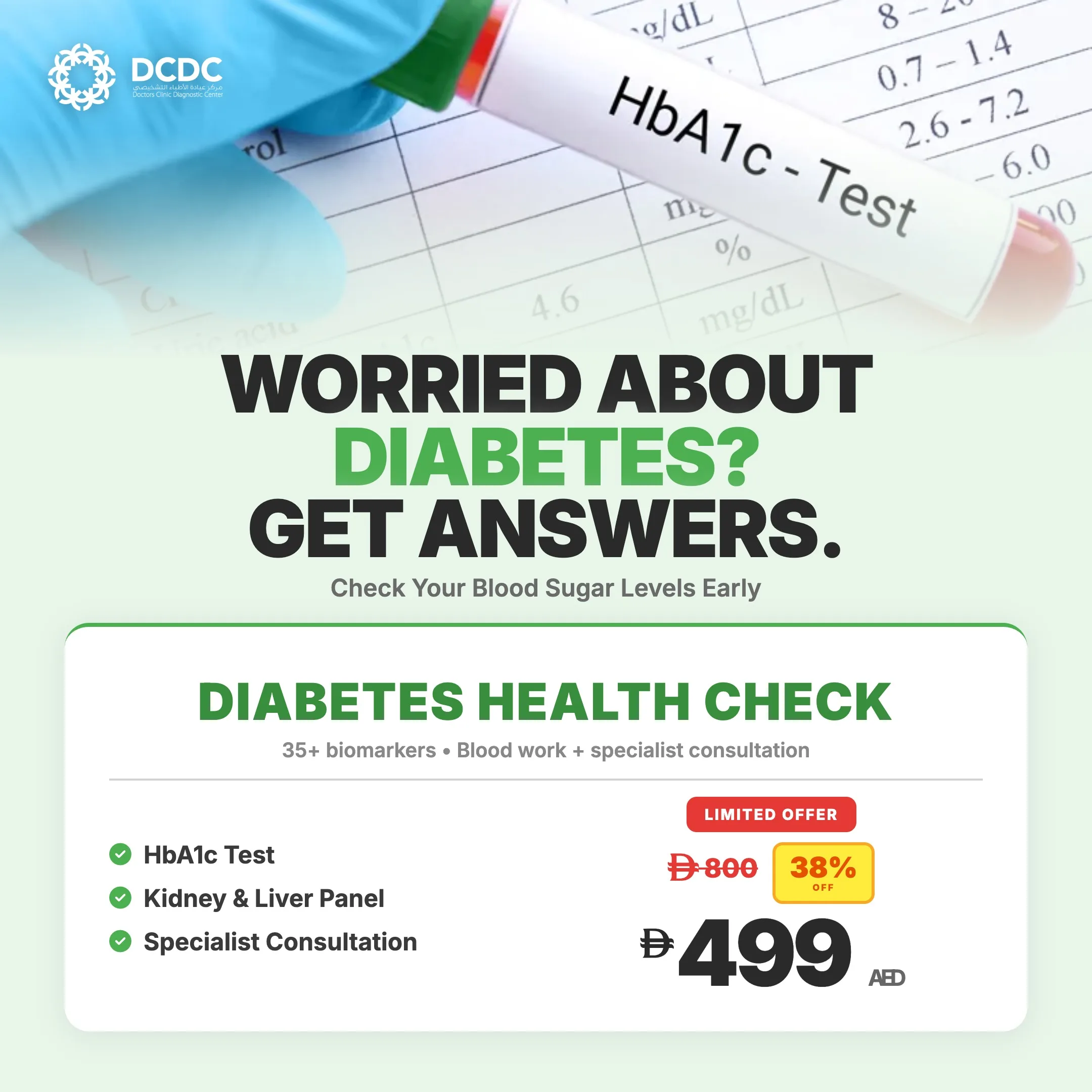
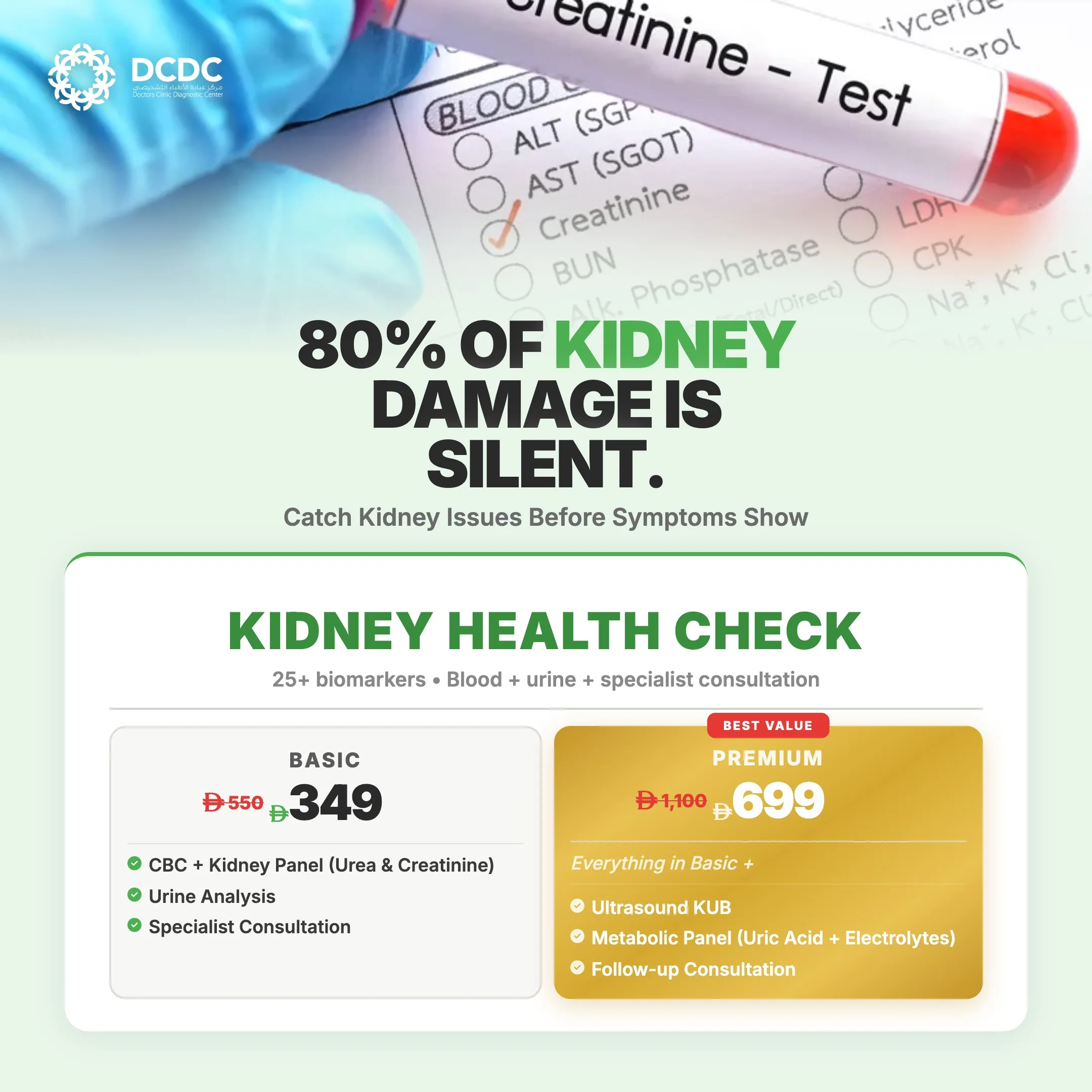
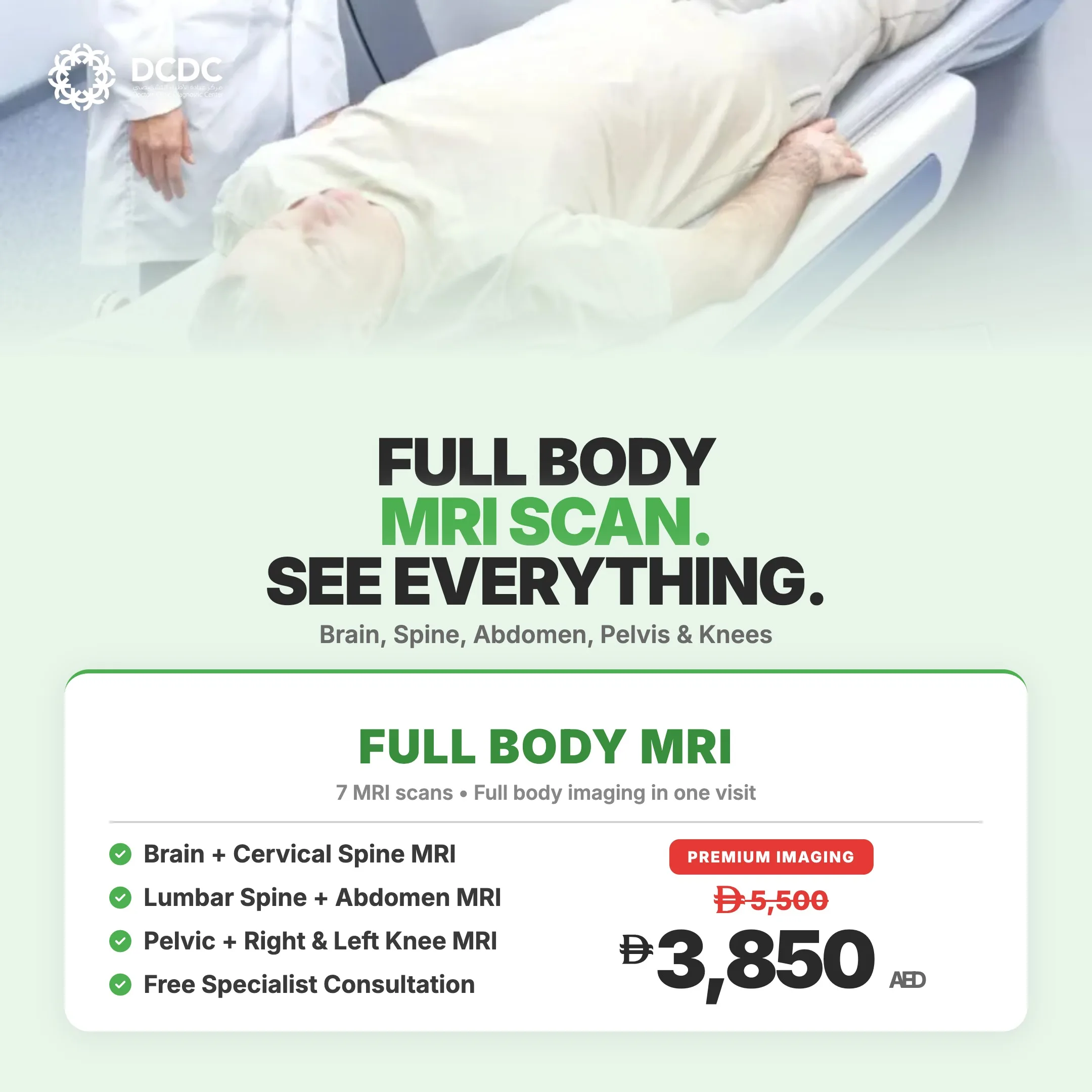
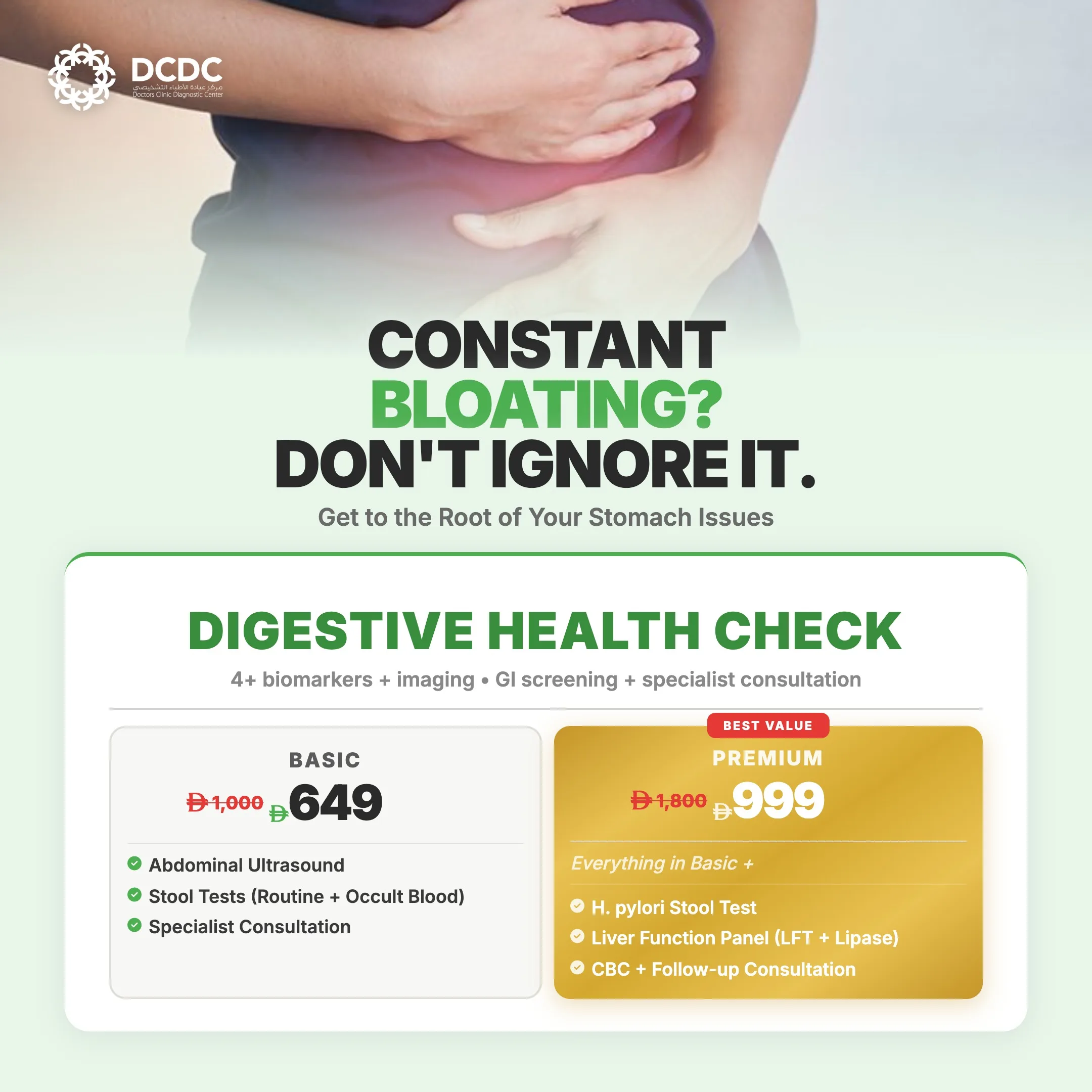
Health Screening Packages
Save with our bundled screening packages — specialist consultation included


What Is an Endoscopy and Why Is It Done?
An endoscopy is a medical procedure that uses a thin, flexible tube with a camera and light at its tip — called an endoscope — to examine the inside of the body. In gastroenterology, endoscopy refers specifically to procedures that visualise the digestive tract, from the mouth to the rectum. The endoscope transmits real-time high-definition video to a monitor, allowing the doctor to see the mucosal lining in detail, identify abnormalities, take tissue samples (biopsies) for laboratory analysis, and even perform therapeutic interventions such as polyp removal or bleeding control.
Endoscopy is performed when symptoms suggest a digestive disorder that cannot be adequately diagnosed by blood tests, stool tests, or imaging alone. Common reasons for endoscopy include persistent heartburn or acid reflux not responding to medication, difficulty swallowing (dysphagia), chronic or recurrent abdominal pain, unexplained nausea and vomiting, gastrointestinal bleeding (blood in vomit or stool), unexplained weight loss, iron-deficiency anaemia with no obvious cause, screening for colorectal cancer, and surveillance of known conditions like Barrett's oesophagus or inflammatory bowel disease.
According to Dr. Hadeel Elnur, General Practitioner at DCDC Dubai Healthcare City, "Endoscopy provides information that no other test can match. When I see a patient with persistent GI symptoms that haven't responded to initial treatment, endoscopy is often the next essential step. It allows us to see exactly what is happening and, in many cases, to treat the problem during the same procedure."
Types of Endoscopy Available in Dubai
Several types of endoscopy are available in Dubai, each designed to examine a specific part of the digestive tract. The type your doctor recommends depends on your symptoms, medical history, and the area of concern.
Upper GI Endoscopy (EGD / Gastroscopy)
An upper gastrointestinal endoscopy — also called an EGD (esophagogastroduodenoscopy) or gastroscopy — examines the oesophagus, stomach, and duodenum (the first part of the small intestine). The endoscope is passed through the mouth and guided down the throat while the patient is under sedation. The procedure typically takes 10–20 minutes. It is the primary diagnostic tool for GERD, peptic ulcers, H. pylori gastritis, oesophageal varices, Barrett's oesophagus, coeliac disease, and upper GI cancers.
Colonoscopy
A colonoscopy examines the entire large intestine (colon) and rectum. The endoscope is inserted through the rectum and advanced through the colon under sedation. The procedure takes 30–45 minutes and is the gold standard for colorectal cancer screening, polyp detection and removal, evaluation of chronic diarrhoea, assessment of inflammatory bowel disease (Crohn's and ulcerative colitis), and investigation of rectal bleeding. During a colonoscopy, the doctor can remove precancerous polyps on the spot — a procedure called polypectomy — effectively preventing colorectal cancer before it develops.
Capsule Endoscopy
Capsule endoscopy involves swallowing a pill-sized camera that travels through the entire digestive tract, capturing thousands of images as it passes through the small intestine — an area that traditional endoscopes cannot reach. The images are transmitted wirelessly to a recorder worn on a belt. The capsule passes naturally and is excreted within 24–48 hours. Capsule endoscopy is primarily used to evaluate small bowel bleeding, Crohn's disease affecting the small intestine, small bowel tumours, and unexplained iron-deficiency anaemia.
Sigmoidoscopy
A flexible sigmoidoscopy examines only the lower portion of the colon (sigmoid colon and rectum). It is shorter and less invasive than a full colonoscopy, typically taking 10–15 minutes. However, it cannot visualise the upper portions of the colon where polyps and cancers can also develop. For this reason, full colonoscopy is generally preferred for cancer screening, and sigmoidoscopy is used primarily for evaluating symptoms localised to the lower colon.
ERCP (Endoscopic Retrograde Cholangiopancreatography)
ERCP is a specialised endoscopic procedure that examines the bile ducts, pancreatic duct, and gallbladder. It combines endoscopy with fluoroscopic X-ray imaging. ERCP is both diagnostic and therapeutic — it can remove gallstones stuck in the bile duct, place stents to open blocked ducts, and obtain biopsies from the pancreatic or biliary system. ERCP is performed in a hospital setting and requires general anaesthesia.
Endoscopy Cost in Dubai: 2026 Price Guide
Endoscopy costs in Dubai vary based on the type of procedure, the facility, whether biopsies are taken, and the type of sedation used. The following table provides current market pricing for the most common endoscopic procedures available across Dubai clinics and hospitals in 2026.
| Procedure | Estimated Cost (AED) | Duration | Sedation |
|---|---|---|---|
| Upper GI Endoscopy (Gastroscopy) | 1,500–4,000 | 10–20 minutes | IV sedation |
| Colonoscopy (diagnostic) | 2,500–6,000 | 30–45 minutes | IV sedation |
| Colonoscopy with polypectomy | 3,500–8,000 | 45–60 minutes | IV sedation |
| Combined upper + colonoscopy | 4,000–9,000 | 45–75 minutes | IV sedation |
| Capsule endoscopy | 4,000–7,000 | 8 hours (recording) | None |
| Sigmoidoscopy | 1,200–2,500 | 10–15 minutes | IV sedation or none |
| ERCP | 8,000–15,000 | 30–90 minutes | General anaesthesia |
| Biopsy (per specimen, if taken) | 300–800 | Included in procedure | N/A |
| Pre-procedure consultation | 200–500 | 15–30 minutes | N/A |
Endoscopy prices in Dubai as of 2026. Costs may vary by facility. Insurance typically covers diagnostic endoscopy with a physician referral.
Insurance coverage for diagnostic endoscopy is generally comprehensive in Dubai. When ordered by a physician based on clinical indication, most insurance plans cover the full procedure cost minus your co-pay. DCDC's team can verify your coverage and handle pre-authorisation before your appointment, working with 20+ insurance partners including Daman, AXA, Bupa, MetLife, and Cigna.
When Should You Get an Endoscopy?
Knowing when endoscopy is appropriate helps you make informed decisions and avoid unnecessary delays in diagnosis. The following symptoms and situations warrant endoscopic evaluation.
- Persistent acid reflux (GERD): Heartburn that does not respond to 8 weeks of proton pump inhibitor therapy, or GERD with alarm symptoms such as difficulty swallowing or unintentional weight loss. For more on managing reflux, read our guide on GERD treatment in Dubai.
- Difficulty swallowing (dysphagia): Progressive difficulty swallowing food or liquids, sensation of food getting stuck in the chest, or painful swallowing — these may indicate oesophageal stricture, eosinophilic oesophagitis, or oesophageal cancer.
- Upper abdominal pain: Persistent epigastric pain, especially if associated with nausea, vomiting, early satiety, or weight loss — may indicate peptic ulcer, gastritis, or gastric malignancy.
- GI bleeding: Blood in vomit (haematemesis), black tarry stools (melena), or bright red blood in stools (haematochezia) — requires urgent endoscopic evaluation to identify and treat the bleeding source.
- Unexplained iron-deficiency anaemia: When standard blood tests show iron-deficiency anaemia without an obvious source of blood loss, endoscopy can identify occult GI bleeding from ulcers, polyps, or malignancies.
- Screening colonoscopy at age 45: International guidelines now recommend colorectal cancer screening for all average-risk adults starting at age 45. Read our detailed colon cancer screening guide for more.
- Positive H. pylori with persistent symptoms: If H. pylori treatment has been completed but symptoms persist, endoscopy confirms eradication and evaluates for complications. Our H. pylori test guide covers initial testing options.
- Surveillance of known conditions: Patients with Barrett's oesophagus, inflammatory bowel disease, or a history of colon polyps require periodic surveillance endoscopy at intervals determined by their gastroenterologist.
Need an Endoscopy Referral?
Book a gastroenterology consultation at DCDC Dubai Healthcare City. Our physicians assess your symptoms and coordinate endoscopic evaluation with specialist centres.
MOHAP-licensed facility. Direct billing with 20+ insurers. Call or WhatsApp to book.
How to Prepare for an Endoscopy in Dubai
Proper preparation is essential for a successful endoscopy. The specific instructions depend on the type of procedure, but the following guidelines apply to the most common scenarios.
Preparing for Upper Endoscopy (Gastroscopy)
- Fasting: Do not eat or drink for 6–8 hours before the procedure. An empty stomach is essential for clear visualisation and to reduce the risk of aspiration during sedation.
- Medications: Most medications can be taken with a small sip of water on the morning of the procedure. Blood thinners (warfarin, aspirin, clopidogrel) may need to be paused 5–7 days before — your doctor will advise based on your specific situation.
- Diabetes management: Diabetic patients should discuss insulin and oral medication adjustments with their doctor, as fasting affects blood sugar levels.
- Arrange transport: You will receive sedation and cannot drive for 24 hours afterward. Arrange for someone to drive you home.
Preparing for Colonoscopy
- Low-residue diet: Start a low-fibre diet 3 days before the procedure. Avoid nuts, seeds, whole grains, raw vegetables, and fruit skins.
- Clear liquids only: On the day before the procedure, switch to clear liquids only — water, clear broth, apple juice, tea without milk. Avoid red or purple liquids.
- Bowel preparation: Your doctor will prescribe a bowel preparation solution (such as polyethylene glycol) to be taken the evening before and/or morning of the procedure. This cleanses the colon for optimal visualisation. A clean colon is critical — inadequate preparation may require repeating the procedure.
- Fasting: No food or liquids for at least 4–6 hours before the procedure.
- Arrange transport: As with gastroscopy, you will need someone to drive you home after sedation.
What Happens During an Endoscopy?
Understanding the step-by-step process helps alleviate anxiety. Here is what a typical endoscopy experience looks like.
- Step 1 — Check-in and consent: You arrive at the endoscopy unit, change into a hospital gown, and sign a consent form. The nurse reviews your medical history, allergies, and current medications.
- Step 2 — IV line placement: A nurse places an intravenous (IV) line in your hand or arm. This is used to administer sedation medication and fluids during the procedure.
- Step 3 — Monitoring setup: Oxygen saturation, heart rate, and blood pressure monitors are attached. Supplemental oxygen may be given through a nasal cannula.
- Step 4 — Sedation: The anaesthetist or endoscopist administers IV sedation (typically propofol or midazolam with fentanyl). You will feel drowsy and relaxed within seconds. Most patients have no memory of the procedure afterward.
- Step 5 — The procedure: For gastroscopy, a mouth guard is placed and the endoscope is gently guided through the mouth, oesophagus, stomach, and duodenum. For colonoscopy, the endoscope is inserted through the rectum and advanced through the colon. Air or carbon dioxide is used to inflate the tract for better visualisation. The doctor examines the lining in real time, taking biopsies or removing polyps as needed.
- Step 6 — Recovery: After the procedure, you are moved to a recovery area where you rest for 30–60 minutes as the sedation wears off. A nurse monitors your vital signs. Once alert, the doctor discusses preliminary findings with you.
The entire visit — including preparation, the procedure, and recovery — typically takes 2–3 hours. The endoscopy itself takes only 10–45 minutes depending on the type. Most patients describe the experience as painless and report no discomfort. Some mild bloating, sore throat (after gastroscopy), or cramping (after colonoscopy) may occur for a few hours afterward.
Endoscopy Results and What They Mean
Your endoscopist will provide preliminary findings immediately after the procedure, including photos of the areas examined. However, if biopsies were taken, final pathology results typically take 5–7 working days. Here are common findings and what they mean.
- Normal findings: Healthy-looking mucosa throughout the examined tract. No further action needed — routine follow-up only.
- Gastritis / oesophagitis: Inflammation of the stomach or oesophageal lining. Often caused by H. pylori, NSAIDs, or acid reflux. Treated with medication (PPI, antibiotics if H. pylori positive).
- Peptic ulcer: An open sore in the stomach or duodenal lining. Biopsied to rule out malignancy and test for H. pylori. Treated with PPIs and antibiotics.
- Polyps: Growths on the colon lining. Most are benign (adenomatous or hyperplastic), but adenomatous polyps can become cancerous if not removed. Removed during colonoscopy and sent for pathology.
- Barrett's oesophagus: Precancerous change in the oesophageal lining caused by chronic acid reflux. Requires surveillance endoscopy every 1–3 years and aggressive GERD management.
- Coeliac disease: Villous atrophy in the duodenum confirmed by biopsy. Requires a lifelong gluten-free diet.
- Inflammatory bowel disease: Characteristic mucosal changes of Crohn's disease or ulcerative colitis. Requires specialist management with biologics or immunosuppressants.
Endoscopy vs Other Diagnostic Tests
Patients often wonder whether they really need an endoscopy or whether less invasive tests would suffice. The following comparison helps clarify when endoscopy is irreplaceable and when alternatives may be appropriate.
| Test | What It Shows | Limitations | When It's Sufficient |
|---|---|---|---|
| H. pylori breath/stool test | H. pylori infection (yes/no) | Cannot see ulcers, gastritis, or cancer | First-line for suspected H. pylori without alarm symptoms |
| Abdominal ultrasound | Gallbladder, liver, kidneys, pancreas | Cannot visualise inside the GI tract lining | Right upper quadrant pain; suspected gallstones |
| CT scan of abdomen | Structural abnormalities, masses, free fluid | Cannot see mucosal detail; cannot biopsy | Acute pain, suspected perforation, staging |
| Stool occult blood test (FIT) | Hidden blood in stool | Does not identify the bleeding source | Colorectal cancer screening (if positive, colonoscopy follows) |
| Endoscopy (EGD/colonoscopy) | Direct mucosal visualisation, biopsy, treatment | Requires sedation; minor procedural risk | Gold standard when other tests are inconclusive or alarm symptoms present |
Comparison of GI diagnostic methods. Endoscopy remains the only test that can directly visualise, biopsy, and treat mucosal abnormalities.
Risks and Complications of Endoscopy
Endoscopy is a very safe procedure with a low complication rate. The American Society for Gastrointestinal Endoscopy (ASGE) reports the following complication rates for diagnostic procedures: perforation occurs in fewer than 1 in 2,500 upper endoscopies and fewer than 1 in 1,000 colonoscopies. Bleeding significant enough to require treatment occurs in fewer than 1 in 1,000 diagnostic procedures (higher with polypectomy). Adverse reactions to sedation are rare and managed in real time by the anaesthesia team.
Common minor effects after endoscopy include a sore throat for 1–2 days after gastroscopy, mild bloating and gas for several hours after colonoscopy, minor cramping that resolves within 24 hours, and drowsiness from sedation lasting 2–4 hours. These are expected and do not represent complications. Contact your doctor immediately if you experience severe abdominal pain, persistent bleeding, fever above 38 degrees Celsius, or signs of infection within 24–48 hours after the procedure.
Colorectal Cancer Screening: When to Start
Colorectal cancer is the third most common cancer worldwide and the second leading cause of cancer death. The good news is that it is one of the most preventable cancers when caught early through screening colonoscopy. During a screening colonoscopy, precancerous polyps are identified and removed before they can develop into cancer — a process that typically takes 10–15 years, giving screening a wide window to intervene.
Current international guidelines recommend screening colonoscopy starting at age 45 for average-risk adults (updated from the previous recommendation of age 50). If your first colonoscopy is normal and no polyps are found, the next screening is recommended in 10 years. If polyps are found and removed, follow-up intervals are shortened to 3–5 years depending on the number, size, and pathology of the polyps.
Earlier screening (starting at age 40 or even younger) is recommended for individuals with a first-degree relative who had colorectal cancer or advanced polyps before age 60, a personal history of inflammatory bowel disease, hereditary cancer syndromes (Lynch syndrome, FAP), or a personal history of colorectal cancer or polyps.
What to Expect at DCDC: Your Endoscopy Pathway
DCDC Dubai Healthcare City serves as your starting point for endoscopic evaluation. Here is how the pathway works from initial consultation to diagnosis.
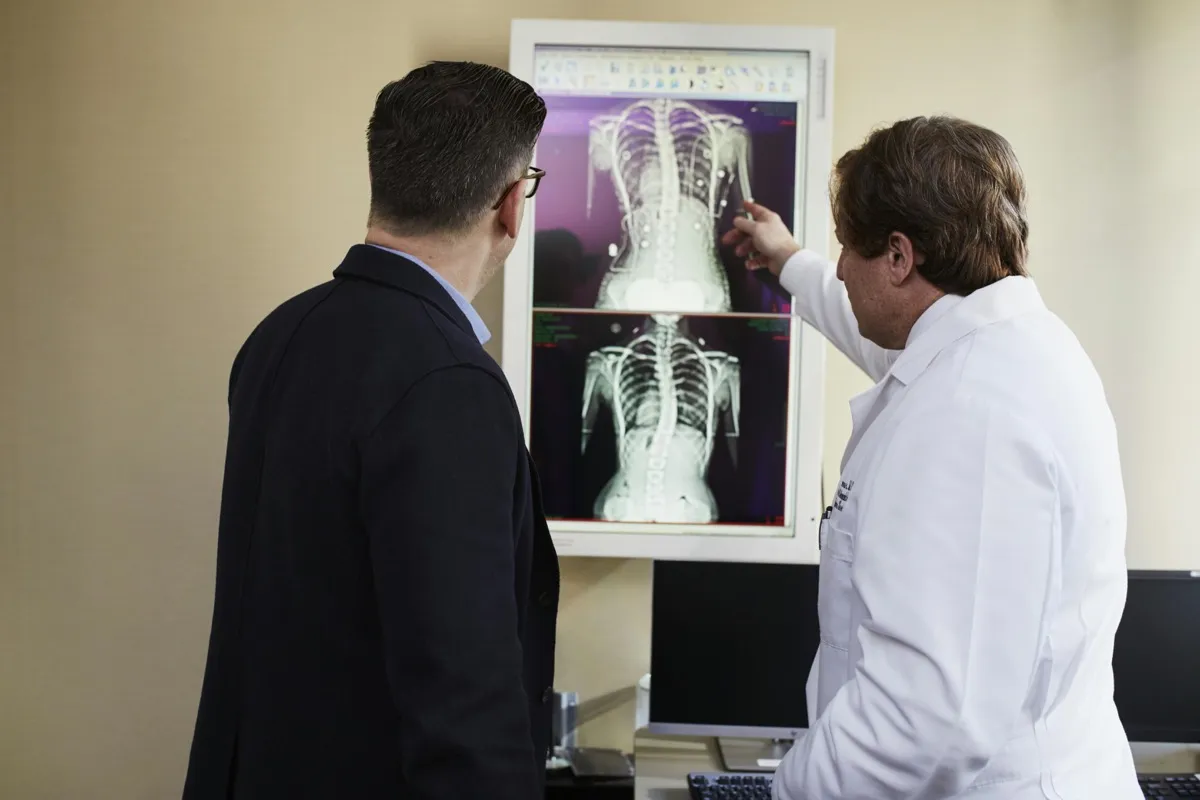
- Step 1 — GP or gastroenterology consultation: Visit DCDC for an initial assessment. Your doctor reviews your symptoms, medical history, and any previous test results. If endoscopy is indicated, the doctor provides a referral letter, explains the procedure, and coordinates scheduling.
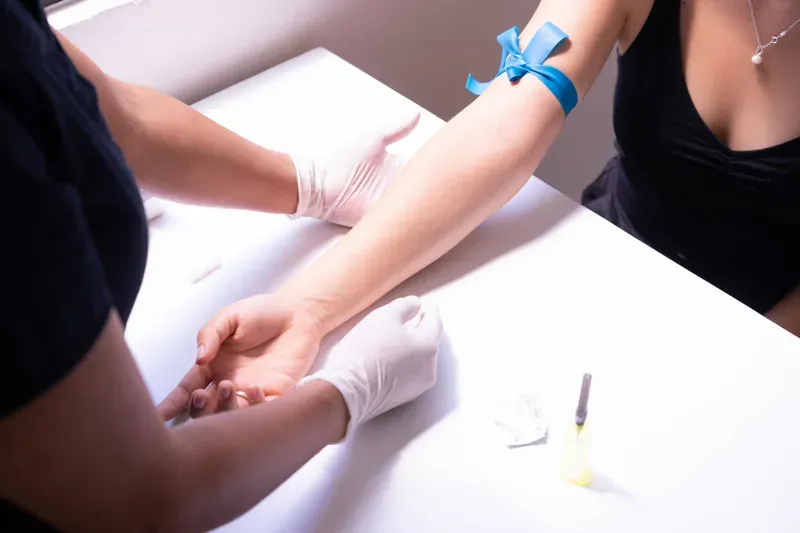
- Step 2 — Pre-procedure blood work: DCDC's on-site laboratory performs any required pre-procedure blood tests (CBC, coagulation profile, hepatitis screening) with same-day results.
- Step 3 — Insurance pre-authorisation: Our team handles insurance verification and pre-authorisation with your insurer before the procedure date, working with 20+ insurance partners.
- Step 4 — Preparation instructions: You receive detailed preparation instructions specific to your procedure type, including dietary changes, bowel preparation (for colonoscopy), and medication adjustments.
- Step 5 — Procedure day: The endoscopy is performed at a specialist endoscopy centre. Most patients return home the same day within 2–3 hours of the procedure.
- Step 6 — Follow-up at DCDC: Once biopsy results are available (5–7 days), your doctor at DCDC reviews the findings, explains the diagnosis, and creates a treatment or surveillance plan. If specialist follow-up is needed, DCDC coordinates referrals.
DCDC's role as a MOHAP-licensed diagnostic centre means your pre-procedure assessment, blood work, insurance coordination, and post-procedure follow-up all happen in one location — with a 4.8/5 Google rating from over 1,000 patient reviews and an average wait time of just 15 minutes.
Concerned About Digestive Symptoms?
Book a gastroenterology consultation at DCDC to discuss whether endoscopy is right for you. Same-day appointments available.
Building 64, DHCC. Direct billing with 20+ insurers. Call or WhatsApp.
Recovery After Endoscopy: What to Expect
Recovery after endoscopy is generally quick and straightforward. Most patients feel back to normal within 24 hours. Immediately after the procedure, you will rest in the recovery area for 30–60 minutes while the sedation wears off. You may feel groggy, slightly bloated, and mildly disoriented — this is entirely normal and temporary.
After upper endoscopy, you can typically resume eating soft foods within 1–2 hours. Your throat may feel sore for a day — warm liquids and throat lozenges help. After colonoscopy, start with clear liquids and light foods, gradually returning to your normal diet by the following day. Walking helps relieve bloating from the air used during the procedure. Avoid alcohol, driving, and making important decisions for 24 hours after sedation.
If a biopsy was taken or polyps were removed, your doctor may advise avoiding blood-thinning medications (aspirin, ibuprofen) for a few days and monitoring for any signs of bleeding. Most patients return to work and normal activities within 24 hours of a routine diagnostic endoscopy.
Frequently Asked Questions About Endoscopy in Dubai
Below are answers to the most commonly asked questions about endoscopy procedures, costs, and preparation in Dubai.
Related Services at DCDC
Expert care and advanced diagnostics at Dubai Healthcare City
Frequently Asked Questions
Final Thoughts
Endoscopy is a powerful diagnostic tool that provides information no other test can match — direct visualisation of the digestive tract lining, the ability to take biopsies for definitive diagnosis, and the option to treat problems like polyps and bleeding during the same session. Whether you are experiencing persistent GI symptoms, need a screening colonoscopy at age 45, or require surveillance for a known condition, endoscopy is the gold standard for digestive health evaluation.
At DCDC Dubai Healthcare City, our gastroenterology team provides comprehensive GI assessment, coordinates endoscopic procedures, and manages follow-up care — all within a MOHAP-licensed facility that offers same-day appointments, direct billing with 20+ insurers, and an average wait time of just 15 minutes. If you have questions about whether you need an endoscopy, book a consultation and let our team guide you through the process.
Sources & References
This article was reviewed by our medical team and references the following sources:
- American Society for Gastrointestinal Endoscopy — Understanding Upper Endoscopy
- American Cancer Society — Colorectal Cancer Screening Recommendations
- NHS — Gastroscopy (Upper GI Endoscopy)
- Mayo Clinic — Colonoscopy: Overview and Preparation
- Cleveland Clinic — Endoscopy: Types, Preparation, and Procedure
- World Gastroenterology Organisation — Colorectal Cancer Screening Guidelines
Medical content on this site is reviewed by DHA-licensed physicians. See our editorial policy for more information.

Written by
Dr. Hadeel Elnur
General Practitioner
MD, General Practice
Dr. Hadeel Elnur is a General Practitioner at Doctors Clinic Diagnostic Center (DCDC) in Dubai Healthcare City.
Related Articles
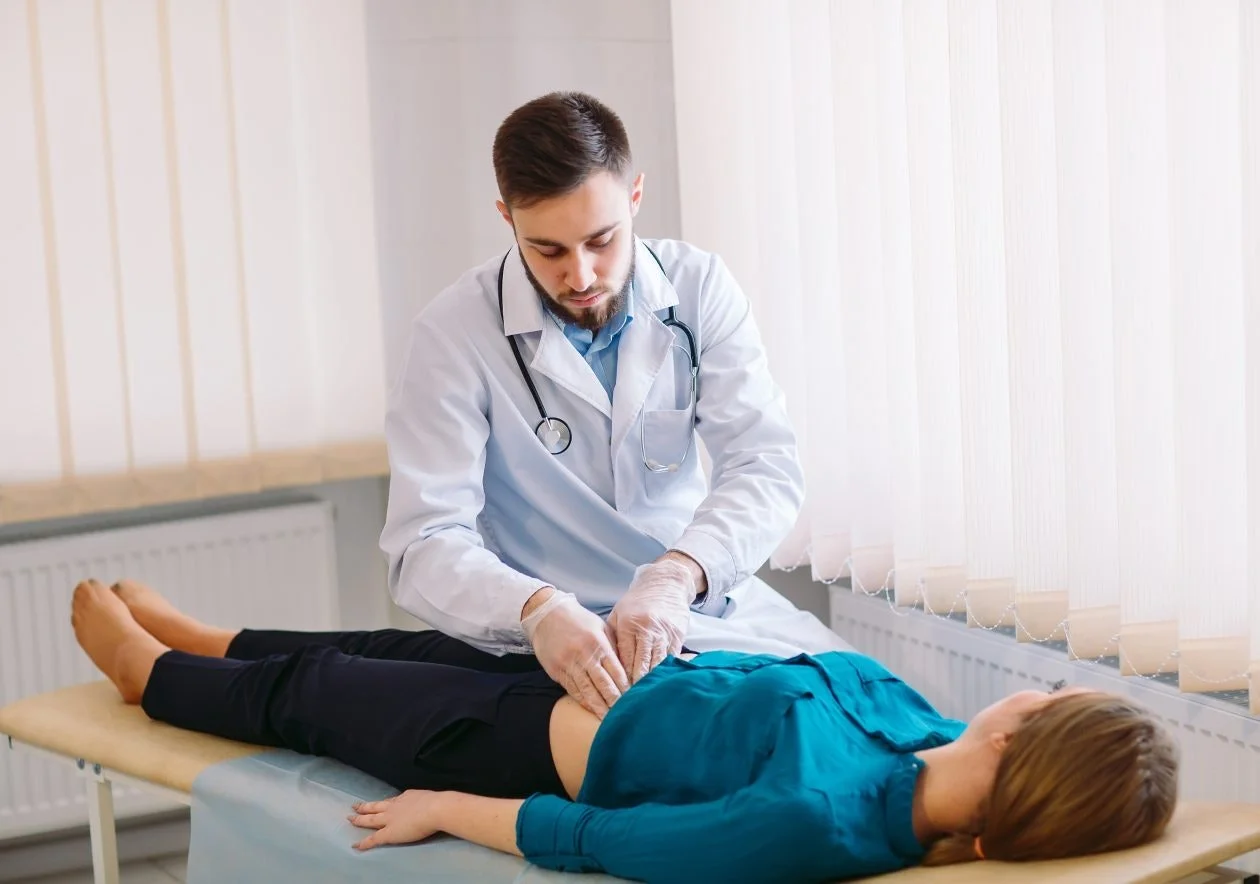
Gastroenterologist Dubai: Complete Guide (2026)
Acid Reflux & GERD Treatment Dubai (2026)
H. Pylori Test Cost Dubai: From AED 249 (2026)
Colon Cancer Screening: Complete Guide (2026)
Stomach Ulcer Symptoms & Treatment Dubai (2026)
More in Internal Medicine

Enlarged Prostate Dubai: BPH Symptoms (2026)
Read MoreHiatal Hernia Dubai: Symptoms & Treatment (2026)
Read MoreDiabetic Foot Care Dubai: Warning Signs (2026)
Read MoreColonoscopy vs Endoscopy Dubai: Guide (2026)
Read MoreDiabetic Diet Plan Dubai: Foods & Tips (2026)
Read MoreCholesterol-Lowering Foods & Diet Dubai (2026)
Read More© 2026 Doctors Clinic Diagnostic Center (DCDC), Dubai Healthcare City. Originally published at https://doctorsclinicdubai.ae/blog/endoscopy-dubai-guide. All rights reserved. Unauthorized reproduction is prohibited.