
Key Takeaways
- Gastroesophageal reflux disease (GERD) affects an estimated 10-33% of people in the Middle East, making it one of the most common digestive conditions in the UAE.
- Occasional heartburn is normal, but if you experience acid reflux more than twice a week, you may have GERD, a chronic condition that requires medical evaluation.
- Lifestyle factors common in Dubai, including high-stress work environments, late-night eating, spicy and fatty diets, and obesity, significantly increase the risk of developing chronic acid reflux.
- Left untreated, GERD can lead to serious complications including esophagitis, Barrett esophagus, esophageal strictures, and a small but real increased risk of esophageal cancer.
- Most patients achieve significant symptom relief through a combination of lifestyle modifications, dietary changes, and medication such as proton pump inhibitors (PPIs), without needing surgery.
- At DCDC in Dubai Healthcare City, acid reflux evaluation includes a consultation, blood tests to rule out related conditions, and referral for endoscopy if needed, with most insurance plans accepted through direct billing.
Acid reflux is one of the most common reasons patients visit our Internal Medicine clinic at Doctors Clinic Diagnostic Center (DCDC) in Dubai Healthcare City. That burning sensation behind the breastbone, the sour taste at the back of the throat, the discomfort after meals — these symptoms affect millions of people across the UAE, and they are far more than a minor inconvenience. When acid reflux becomes frequent and persistent, it may indicate gastroesophageal reflux disease (GERD), a chronic condition that needs proper diagnosis and management to prevent complications and restore quality of life.
Whether you are experiencing heartburn for the first time or have been managing acid reflux symptoms for years, this guide explains what causes GERD, how to recognise the warning signs, what treatment options are available in Dubai, and when you should see a doctor. We also cover what to expect during your visit to DCDC and how our team approaches acid reflux care from initial assessment through ongoing management.
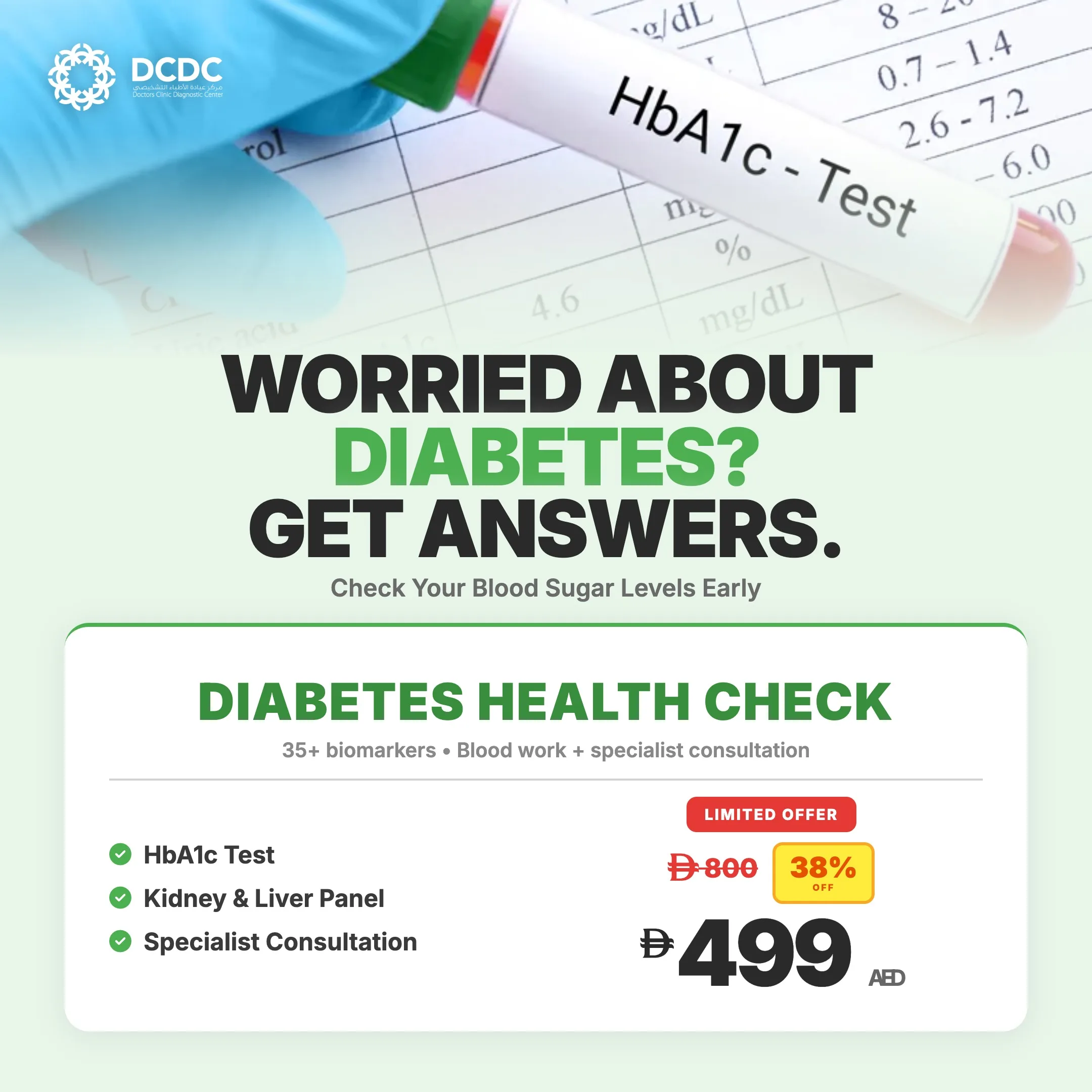
Health Screening Packages
Save with our bundled screening packages — specialist consultation included




What Is Acid Reflux? Understanding the Difference Between Reflux and GERD
Acid reflux occurs when stomach acid flows backward from the stomach into the esophagus, the tube that connects your throat to your stomach. This happens when the lower esophageal sphincter (LES), a ring of muscle at the junction of the esophagus and stomach, relaxes inappropriately or becomes weakened. The acidic stomach contents irritate the lining of the esophagus, which is not designed to withstand acid exposure, causing the characteristic burning sensation known as heartburn.
Almost everyone experiences acid reflux occasionally. Eating a large meal, lying down too soon after eating, or consuming certain trigger foods can cause a brief episode of reflux. This occasional reflux is normal and does not indicate disease. However, when reflux occurs frequently, typically more than twice per week, and begins to cause persistent symptoms or tissue damage, it is classified as gastroesophageal reflux disease (GERD).
Key Distinctions
- Occasional acid reflux: Happens to most people at some point, often after heavy meals, spicy food, or alcohol. Symptoms resolve on their own or with an over-the-counter antacid. No long-term damage.
- GERD (gastroesophageal reflux disease): A chronic condition where reflux occurs frequently and persistently. Symptoms interfere with daily life, sleep, and eating. Without treatment, GERD can cause inflammation, ulceration, and structural changes in the esophagus.
- Silent reflux (laryngopharyngeal reflux / LPR): Acid reaches the throat and voice box without causing typical heartburn. Symptoms include chronic cough, hoarseness, throat clearing, and a sensation of a lump in the throat. Many patients with LPR do not realise their symptoms are related to acid reflux.
How Common Is GERD in Dubai and the Middle East?
GERD is remarkably prevalent across the Middle East and the Gulf region. Epidemiological studies estimate that the prevalence of GERD in the Middle East ranges from 8.7% to 33.1%, depending on the population studied and the diagnostic criteria used. A systematic review published in the journal Gut estimated that approximately 10-20% of the Western population experiences weekly reflux symptoms, while Middle Eastern populations often report even higher rates.
Several factors make Dubai residents particularly susceptible to acid reflux. The city's fast-paced lifestyle, long working hours, and reliance on takeaway and restaurant meals contribute to dietary habits that promote reflux. Obesity, which affects approximately 30% of UAE adults, is one of the strongest risk factors for GERD because excess abdominal weight increases pressure on the stomach and weakens the lower esophageal sphincter. The high prevalence of diabetes and metabolic syndrome in the UAE further amplifies the risk, as these conditions are independently associated with impaired gastric motility and increased reflux.
Despite how common it is, many people in Dubai live with chronic heartburn without seeking medical attention, either assuming it is normal or self-treating with over-the-counter antacids for months or years. While antacids provide temporary relief, they do not address the underlying cause and may mask a condition that is causing progressive damage to the esophagus.
Causes and Risk Factors for Acid Reflux
Understanding what causes acid reflux is essential for both prevention and treatment. GERD is typically multifactorial, meaning that several factors work together to weaken the lower esophageal sphincter or increase the volume and acidity of stomach contents. Conditions that affect digestive and metabolic health often overlap — for instance, patients managing fatty liver disease frequently also experience GERD, since both conditions share common metabolic risk factors such as obesity and insulin resistance.
Anatomical and Physiological Causes
- Weak or dysfunctional lower esophageal sphincter (LES): The primary mechanical barrier against reflux. When the LES relaxes at inappropriate times (transient LES relaxations) or becomes chronically weak, acid flows freely into the esophagus.
- Hiatal hernia: A condition where part of the stomach pushes up through the diaphragm into the chest cavity. Hiatal hernias impair LES function and are found in a significant proportion of patients with chronic GERD.
- Delayed gastric emptying (gastroparesis): When the stomach empties more slowly than normal, food and acid remain in the stomach longer, increasing the likelihood of reflux. This is more common in patients with diabetes.
- Impaired esophageal clearance: The esophagus normally clears refluxed acid through peristaltic contractions and saliva. Conditions that impair these mechanisms, such as scleroderma or reduced saliva production, worsen reflux.
Lifestyle and Dietary Risk Factors
- Obesity and excess abdominal fat: Increases intra-abdominal pressure, which pushes stomach contents toward the LES. Even modest weight gain can trigger or worsen reflux symptoms.
- Late-night eating: Eating within 2-3 hours of lying down is one of the most common triggers. Dubai's culture of late dinners and evening socialising makes this particularly relevant.
- Large meal sizes: Overeating distends the stomach and increases the number of transient LES relaxations.
- Trigger foods: Fatty and fried foods, spicy dishes, citrus fruits, tomato-based sauces, chocolate, coffee, carbonated beverages, and peppermint can all relax the LES or increase acid production.
- Smoking: Nicotine relaxes the LES, reduces saliva production, and increases stomach acid secretion.
- Alcohol: Relaxes the LES and increases gastric acid production, particularly wine and spirits.
- Stress: While stress does not directly cause acid production, it heightens sensitivity to reflux symptoms and can lead to behaviours (overeating, poor dietary choices) that trigger reflux.
Medications That Can Worsen Reflux
- NSAIDs (ibuprofen, aspirin): Can irritate the esophageal and stomach lining
- Calcium channel blockers: Used for blood pressure, these relax the LES
- Benzodiazepines and sedatives: Can relax the LES
- Anticholinergics: Slow gastric emptying and reduce LES pressure
- Bisphosphonates: Used for osteoporosis, can cause esophageal irritation if not taken correctly
Symptoms of Acid Reflux and GERD: What to Watch For
GERD presents with a range of symptoms that extend well beyond simple heartburn. Recognising the full spectrum of symptoms is important because many patients are unaware that their chronic cough, throat problems, or chest discomfort may be caused by acid reflux.
Classic (Typical) Symptoms
- Heartburn: A burning sensation in the chest, usually behind the breastbone, that often worsens after eating, when lying down, or when bending over. This is the hallmark symptom of GERD.
- Regurgitation: The sensation of acid or food backing up into the throat or mouth. Patients often describe a sour or bitter taste.
- Dysphagia: Difficulty swallowing, or a feeling that food is stuck in the chest or throat. This can indicate esophageal inflammation or stricture.
- Chest pain: GERD-related chest pain can mimic cardiac chest pain. It is important to rule out heart-related causes, especially in patients with cardiovascular risk factors.
Atypical (Extra-Esophageal) Symptoms
- Chronic cough: A persistent, dry cough, particularly at night, that does not respond to typical cough treatments
- Hoarseness and voice changes: Morning hoarseness or voice fatigue caused by acid irritating the vocal cords
- Sore throat and throat clearing: A persistent sensation of irritation or a lump in the throat (globus sensation)
- Dental erosion: Acid reaching the mouth can erode tooth enamel, sometimes noticed first by a dentist
- Asthma-like symptoms: Acid in the airways can trigger bronchospasm, worsening asthma or mimicking it
- Ear pain: Referred pain from pharyngeal acid exposure
- Sleep disturbances: Nighttime reflux can cause frequent waking, choking, or coughing
Alarm Symptoms: When to Seek Urgent Evaluation
Certain symptoms associated with acid reflux require prompt medical attention because they may indicate complications or other serious conditions. Seek evaluation promptly if you experience any of the following.
- Difficulty swallowing that is worsening over time
- Pain when swallowing (odynophagia)
- Unintentional weight loss
- Persistent vomiting
- Vomiting blood or material that looks like coffee grounds
- Black, tarry stools (indicating gastrointestinal bleeding)
- Chest pain, especially if accompanied by shortness of breath, jaw pain, or arm pain (which may indicate a cardiac event)
Diagnosing GERD: How Acid Reflux Is Evaluated
Accurate diagnosis is the foundation of effective GERD management. According to the 2025 American Society for Gastrointestinal Endoscopy (ASGE) guidelines and the Mayo Clinic's updated clinical recommendations, diagnosis begins with a thorough clinical assessment and proceeds to investigations based on symptom severity, duration, and the presence of alarm features.
Clinical Assessment
For many patients with classic heartburn and regurgitation, a clinical diagnosis of GERD can be made based on symptoms alone. A trial of proton pump inhibitor (PPI) therapy for 4-8 weeks is both diagnostic and therapeutic: if symptoms improve significantly on a PPI, this supports a GERD diagnosis. However, symptom-based diagnosis alone has limitations, and further investigation is recommended when symptoms are atypical, when alarm features are present, or when initial treatment fails.
Upper Endoscopy (Esophagogastroduodenoscopy / EGD)
Upper endoscopy is the primary diagnostic procedure for evaluating GERD complications. A thin, flexible tube with a camera is passed through the mouth into the esophagus, stomach, and duodenum. Endoscopy allows direct visualisation of the esophageal lining to assess for esophagitis (inflammation), ulceration, strictures, Barrett esophagus, and hiatal hernia. Biopsies can be taken during the procedure. The ASGE recommends endoscopy for patients with alarm symptoms, those who do not respond to PPI therapy, patients with multiple risk factors for Barrett esophagus, and those with longstanding symptoms.
Ambulatory pH Monitoring
This test measures the amount of acid in the esophagus over a 24-48 hour period. A thin catheter or wireless capsule is placed in the esophagus to continuously monitor pH levels. It is considered the gold standard for quantifying acid exposure and is particularly useful when the diagnosis is unclear or when symptoms persist despite treatment.
Esophageal Manometry
This test measures the pressure and coordination of muscle contractions in the esophagus. It is used to evaluate esophageal motility disorders that may contribute to reflux or cause symptoms that mimic GERD. It is also performed before anti-reflux surgery to confirm adequate esophageal function.
Blood Tests and Related Investigations
While there is no blood test that diagnoses GERD, blood tests play an important supporting role. A complete blood count can detect anaemia from chronic bleeding. Liver function tests and a metabolic panel help assess related conditions. H. pylori testing may be relevant because this bacterial infection can affect stomach acid production. At DCDC, routine blood work is processed in our on-site laboratory with same-day results. For a comprehensive overview of what blood tests can reveal about digestive health, see our Blood Test Dubai Guide.
Treatment Options for Acid Reflux and GERD
GERD treatment follows a stepwise approach, beginning with lifestyle modifications and progressing through medication to surgical intervention when necessary. The goal is to relieve symptoms, heal esophageal damage, prevent complications, and maintain long-term remission. Most patients achieve excellent results with a combination of lifestyle changes and medication, without ever needing surgery.
Step 1: Lifestyle and Dietary Modifications
Lifestyle changes are the foundation of GERD management and should be maintained regardless of whether medication is prescribed. Evidence-based modifications include the following.
- Elevate the head of the bed: Raising the head of the bed by 15-20 cm (6-8 inches) using bed risers or a wedge pillow allows gravity to help keep acid in the stomach during sleep. This is one of the most effective non-pharmacological interventions for nighttime reflux.
- Avoid eating 2-3 hours before lying down: Allowing the stomach to empty before reclining significantly reduces nighttime reflux episodes.
- Lose weight if overweight: Even modest weight loss of 5-10% of body weight can meaningfully reduce GERD symptoms by decreasing intra-abdominal pressure.
- Eat smaller, more frequent meals: Large meals distend the stomach and trigger more transient LES relaxations.
- Identify and avoid trigger foods: Common triggers include fatty and fried foods, citrus, tomatoes, chocolate, coffee, carbonated drinks, onions, garlic, and spicy foods. Triggers vary between individuals.
- Stop smoking: Smoking directly weakens the LES and impairs esophageal clearance.
- Wear loose-fitting clothing: Tight belts and waistbands increase abdominal pressure.
- Avoid lying on the right side: Studies show that lying on the left side reduces reflux episodes compared to the right side.
Step 2: Medications
When lifestyle changes alone are insufficient, medications are the next line of treatment. Several classes of drugs are available, each working through a different mechanism.
- Antacids (Gaviscon, Maalox, Rennie): Neutralise stomach acid and provide rapid but short-lived relief. Suitable for occasional, mild symptoms. Alginate-based antacids like Gaviscon also create a raft that floats on stomach contents, providing a physical barrier against reflux.
- H2 receptor blockers (ranitidine alternatives, famotidine): Reduce acid production by blocking histamine receptors on acid-producing cells. Effective for mild to moderate symptoms. Onset of action is slower than antacids but duration is longer (6-12 hours).
- Proton pump inhibitors (omeprazole, esomeprazole, lansoprazole, pantoprazole): The most effective class of acid-suppressing medication. PPIs block the hydrogen-potassium ATPase enzyme in the stomach's parietal cells, reducing acid production by up to 90%. They are the standard treatment for moderate to severe GERD and for healing esophagitis. Typically taken 30-60 minutes before the first meal of the day.
- Prokinetics (domperidone, metoclopramide): Improve gastric emptying and LES tone. Used as adjunctive therapy in patients with delayed gastric emptying contributing to reflux.
- Baclofen: Reduces the frequency of transient LES relaxations. Sometimes used for patients who do not respond adequately to PPI therapy.
Long-term PPI use should be monitored by a physician. While PPIs are generally safe, prolonged use has been associated with potential effects on calcium absorption, magnesium levels, and vitamin B12 levels. Your doctor will prescribe the lowest effective dose and reassess the need for ongoing therapy periodically.
Step 3: Surgical and Endoscopic Interventions
Surgery is considered for patients with confirmed GERD who cannot tolerate long-term medication, have persistent symptoms despite maximal medical therapy, or have large hiatal hernias contributing to severe reflux. Surgical options available in Dubai include the following.
- Laparoscopic Nissen fundoplication: The gold standard anti-reflux surgery. The upper part of the stomach (fundus) is wrapped around the lower esophagus to reinforce the LES. Performed laparoscopically with small incisions. Success rates exceed 85-90% for symptom control.
- LINX device: A ring of small titanium beads with magnetic cores is placed around the LES. The magnetic attraction keeps the sphincter closed to prevent reflux but allows it to open when food passes through. This minimally invasive procedure has shown excellent results in clinical studies.
- Transoral incisionless fundoplication (TIF): Performed through the mouth using an endoscope, this procedure creates a partial wrap at the gastroesophageal junction without external incisions. It is suitable for selected patients with mild to moderate GERD.
- Stretta procedure: An endoscopic procedure that uses radiofrequency energy to strengthen the LES and reduce reflux. It has been studied in more than 33 clinical studies and 20,000 procedures with durable symptom relief lasting 4 to 10 years.
Acid Reflux Treatment Costs in Dubai
Understanding the cost of GERD evaluation and treatment helps you plan and make informed decisions about your care. Prices in Dubai vary between facilities, but the following table provides a general guide. At DCDC, we accept over 20 insurance providers with direct billing, meaning that for insured patients, out-of-pocket costs are often limited to the copayment. Managing acid reflux early is not only better for your health but also more cost-effective than treating complications. Patients concerned about the financial aspect of digestive health workups may also find our Health Checkup Cost in Dubai guide helpful for understanding comprehensive screening options.
| Service | Approximate Cost in Dubai (AED) |
|---|---|
| GP / Internal Medicine consultation | from AED 250 |
| Gastroenterologist consultation | AED 400 – 800 |
| Blood tests (CBC, liver function, H. pylori) | from AED 200 |
| Upper endoscopy (EGD) with biopsy | AED 2,500 – 5,000 |
| 24-hour ambulatory pH monitoring | AED 2,000 – 4,000 |
| Esophageal manometry | AED 1,500 – 3,000 |
| PPI medication (monthly supply) | from AED 30 |
| Anti-reflux surgery (Nissen fundoplication) | AED 29,000 – 45,000 |
Insurance coverage for GERD evaluation and treatment is generally good in Dubai, particularly when symptoms have been documented and a physician referral is in place. At DCDC, our team verifies your coverage before any tests are conducted so there are no surprises.
What to Expect at DCDC: Your Acid Reflux Consultation
At Doctors Clinic Diagnostic Center in Dubai Healthcare City, we make the process of evaluating and managing acid reflux as straightforward and comfortable as possible. Here is what your visit looks like from start to finish.
- Step 1 — Booking: Call our reception or message us on WhatsApp to schedule your appointment. Same-day appointments are available, and the average wait time is just 15 minutes. We are open Saturday to Thursday from 8 AM to 10 PM and Fridays from 9 AM to 9 PM.
- Step 2 — Arrival and registration: Our multilingual staff (Arabic, English, Farsi, Urdu, Hindi) will welcome you and verify your insurance. Free parking is available in the building. If you are a new patient, registration takes just a few minutes.
- Step 3 — Consultation with the doctor: Dr. Hadeel Elnur or one of our physicians will take a detailed history of your symptoms, including frequency, triggers, duration, and any associated symptoms. A physical examination will be performed. The doctor will discuss your medical history, current medications, and lifestyle factors.
- Step 4 — Initial investigations: If blood tests are needed, our on-site laboratory processes routine panels with same-day results. This may include a complete blood count, liver function panel, and H. pylori testing. If endoscopy or specialist referral is warranted, the doctor will coordinate this and explain the next steps.
- Step 5 — Treatment plan: Based on the clinical assessment and any test results, your doctor will outline a personalised treatment plan. This typically includes lifestyle and dietary recommendations, medication if appropriate, and a follow-up schedule. For uncomplicated GERD, many patients see significant improvement within 2-4 weeks of starting treatment.
- Step 6 — Follow-up: A follow-up appointment is typically scheduled 4-8 weeks after starting treatment to assess your response, adjust medications if needed, and determine whether further investigation is necessary.
DCDC holds MOHAP License NIMY7VY5-240925 and maintains a 4.8/5 rating from over 1,000 Google reviews, with a 98% patient satisfaction rate. Our approach to acid reflux care reflects the same standard we bring to all internal medicine conditions: thorough assessment, clear communication, and coordinated follow-through.
Experiencing Persistent Heartburn or Acid Reflux?
Do not wait for symptoms to worsen. Our Internal Medicine team at DCDC in Dubai Healthcare City provides same-day consultations for acid reflux and GERD. Over 20 insurance partners accepted with direct billing. Book your appointment today or reach us on WhatsApp.
Consultation from AED 250 | Blood tests from AED 99 | Most insurance accepted
Complications of Untreated GERD
Chronic, untreated GERD can lead to several serious complications. Understanding these risks underscores the importance of seeking evaluation rather than relying indefinitely on over-the-counter remedies.
- Erosive esophagitis: Persistent acid exposure inflames and erodes the esophageal lining. Graded from A (mild) to D (severe) using the Los Angeles classification. Esophagitis causes pain, bleeding, and, if severe, can lead to stricture formation.
- Esophageal stricture: Chronic inflammation leads to scar tissue formation that narrows the esophagus. Patients experience progressive difficulty swallowing (dysphagia), first with solid foods and then liquids. Strictures require endoscopic dilation to restore the esophageal lumen.
- Barrett esophagus: The normal squamous epithelium of the esophagus is replaced by columnar (intestinal-type) epithelium in response to chronic acid exposure. Barrett esophagus is a premalignant condition that increases the risk of esophageal adenocarcinoma. It requires endoscopic surveillance at regular intervals.
- Esophageal adenocarcinoma: While the absolute risk is small (approximately 0.5% per year in patients with Barrett esophagus), long-standing untreated GERD is the primary risk factor for this type of esophageal cancer.
- Respiratory complications: Chronic aspiration of acid can cause recurrent pneumonia, pulmonary fibrosis, and worsening of asthma or chronic obstructive pulmonary disease.
- Dental damage: Repeated acid exposure erodes tooth enamel, leading to cavities, sensitivity, and permanent dental damage.
Diet and Lifestyle Guide for Managing Acid Reflux in Dubai
Dietary management is central to GERD control, and it is especially relevant in Dubai's diverse culinary environment. Rather than following rigid elimination diets, the goal is to identify your personal triggers and develop sustainable eating habits that minimise reflux while allowing you to enjoy your meals.
Foods to Limit or Avoid
- Fatty and fried foods: Shawarma, deep-fried items, creamy curries, and rich desserts slow gastric emptying and relax the LES
- Spicy dishes: Hot sauces, chilli peppers, and heavily spiced food can irritate the esophageal lining
- Citrus fruits and juices: Oranges, lemons, grapefruits, and their juices increase stomach acidity
- Tomato-based products: Pasta sauces, ketchup, and salsa are highly acidic
- Carbonated beverages: Fizzy drinks increase stomach pressure and promote belching, which can push acid into the esophagus
- Coffee and caffeinated tea: Can stimulate acid production and relax the LES, though tolerance varies individually
- Chocolate and peppermint: Both relax the LES
- Onions and garlic: Common triggers that may worsen symptoms in susceptible individuals
Foods That May Help
- Lean proteins: Grilled chicken, fish, and legumes are less likely to trigger reflux than red meat or fried options
- Whole grains: Brown rice, oatmeal, and wholegrain bread absorb stomach acid and provide sustained energy
- Non-citrus fruits: Bananas, melons, apples, and pears are generally well tolerated
- Vegetables: Leafy greens, broccoli, cauliflower, cucumbers, and root vegetables are low in acid and high in fibre
- Ginger: Has natural anti-inflammatory properties and may help reduce nausea and reflux symptoms
- Low-fat dairy: Yoghurt and low-fat milk can be soothing, though full-fat dairy may worsen symptoms
Maintaining healthy metabolic markers is closely linked to digestive health. Patients with acid reflux often benefit from having their blood sugar levels assessed, as diabetes and insulin resistance can impair gastric motility and worsen reflux. Similarly, managing high cholesterol through dietary changes can simultaneously improve reflux symptoms, since a lower-fat diet benefits both conditions.
GERD and Related Conditions: The Bigger Picture
GERD does not exist in isolation. It frequently overlaps with other gastrointestinal and metabolic conditions, and understanding these connections helps guide more effective treatment.
- H. pylori infection: The relationship between H. pylori and GERD is complex. While H. pylori causes gastritis and peptic ulcers, its role in GERD is debated. In some patients, H. pylori may actually have a protective effect against reflux by reducing acid production. Your doctor will determine whether H. pylori testing and treatment is appropriate in the context of your specific symptoms.
- Irritable bowel syndrome (IBS): There is significant overlap between GERD and IBS. Studies suggest that 30-50% of patients with GERD also have IBS symptoms, including bloating, abdominal pain, and altered bowel habits. Both conditions may share common pathophysiological mechanisms including visceral hypersensitivity.
- Obesity and metabolic syndrome: Obesity is both a cause and complicating factor in GERD. The metabolic syndrome, characterised by central obesity, insulin resistance, high blood pressure, and dyslipidemia, is strongly associated with GERD severity.
- Anxiety and depression: There is a bidirectional relationship between psychological conditions and GERD. Anxiety increases symptom perception, while chronic GERD symptoms can contribute to anxiety and reduced quality of life.
- Sleep disorders: Nighttime reflux disrupts sleep quality, and sleep deprivation, in turn, may increase esophageal sensitivity to acid. Treating GERD often improves sleep, and addressing sleep issues can reduce reflux perception.
Dr. Hadeel Elnur's Perspective on Acid Reflux Care
"Acid reflux is one of the conditions I see most frequently at DCDC. Many patients come in having self-treated with antacids for months or even years, and they are surprised to learn that their symptoms, which might include a chronic cough, throat clearing, or disturbed sleep, are all connected to reflux. What I emphasise to every patient is that GERD is very manageable, but it needs to be properly assessed rather than masked with over-the-counter remedies indefinitely."
"In Dubai, lifestyle factors play a huge role. Late dinners, high-stress work environments, and diets rich in fried and spicy foods are very common triggers. I find that when patients make targeted changes to their eating habits and meal timing, combined with appropriate medication when needed, the improvement is often dramatic. The key is a personalised approach: what triggers one person's reflux may be perfectly fine for another. We work with each patient to identify their specific triggers and build a plan they can actually sustain."
"For patients who need further evaluation, such as an endoscopy or specialist gastroenterology input, I coordinate the referral and ensure continuity of care. At DCDC, the patient does not have to navigate the system alone. From the initial consultation through blood tests, specialist referral if needed, and ongoing follow-up, the process is managed as a cohesive pathway."
Living with GERD: Long-Term Management Strategies
GERD is typically a chronic condition that requires ongoing management rather than a one-time cure. The good news is that with the right approach, most patients can achieve long-term symptom control and prevent complications. Successful long-term management involves several key principles.
- Maintain lifestyle modifications: Dietary and behavioural changes should be sustained even after symptoms improve. These are not temporary measures but long-term habits.
- Step-down medication approach: Once symptoms are well controlled, your doctor may gradually reduce your medication to the lowest effective dose. Some patients can eventually manage with on-demand therapy, taking a PPI only when symptoms flare, rather than daily.
- Regular monitoring: Periodic follow-up allows your doctor to assess symptom control, watch for medication side effects, and screen for complications in patients with longstanding GERD.
- Address contributing conditions: Managing obesity, diabetes, and stress reduces the overall burden on the digestive system and improves GERD outcomes.
- Know when to seek re-evaluation: If symptoms change, worsen, or new symptoms develop (particularly alarm symptoms), return for assessment rather than simply increasing medication on your own.
Take Control of Your Acid Reflux
At DCDC in Dubai Healthcare City, our team provides comprehensive acid reflux and GERD evaluation, from initial consultation and blood tests to specialist referral when needed. Same-day appointments available. Over 20 insurance partners with direct billing. Book now or message us on WhatsApp.
Building 64, Block A, Al Razi Medical Complex | Sat–Thu 8 AM–10 PM, Fri 9 AM–9 PM
Related Services at DCDC
Expert care and advanced diagnostics at Dubai Healthcare City
Frequently Asked Questions
Final Thoughts
Acid reflux and GERD are among the most common digestive conditions affecting residents of Dubai, driven by the same lifestyle and dietary patterns that characterise modern urban living: high stress, late meals, rich food, and rising obesity rates. The good news is that GERD responds well to treatment. Most patients achieve significant symptom relief with a combination of targeted lifestyle changes and appropriate medication, and the serious complications of untreated GERD are largely preventable through early intervention.
If you have been living with frequent heartburn, relying on antacids more than a couple of times a week, or experiencing symptoms you may not have connected to acid reflux — such as a chronic cough, hoarseness, or disturbed sleep — it is worth getting a proper evaluation. The difference between managing symptoms and actually diagnosing and treating the underlying condition can be the difference between years of discomfort and genuine, lasting relief.
At DCDC in Dubai Healthcare City, we provide the initial assessment, blood tests, and coordinated referral pathway you need under one roof. From your first consultation with our Internal Medicine team through ongoing follow-up, the process is designed to be efficient, thorough, and patient-centred. Your digestive health is a core part of your overall well-being, and addressing acid reflux properly is an investment in your long-term comfort and health.
Sources & References
This article was reviewed by our medical team and references the following sources:
- Mayo Clinic — Gastroesophageal Reflux Disease (GERD): Diagnosis and Treatment
- American Society for Gastrointestinal Endoscopy (ASGE) — Guideline on the Diagnosis and Management of GERD
- NHS — Gastro-oesophageal Reflux Disease (GORD)
- Cleveland Clinic — GERD (Chronic Acid Reflux): Symptoms, Treatment, and Causes
- The Lancet Gastroenterology & Hepatology — Global Burden of Gastro-oesophageal Reflux Disease (1990-2017)
- American College of Gastroenterology (ACG) — GERD Clinical Guidelines
Medical content on this site is reviewed by DHA-licensed physicians. See our editorial policy for more information.

Written by
Dr. Hadeel Elnur
General Practitioner
MD, General Practice
Dr. Hadeel Elnur is a General Practitioner at Doctors Clinic Diagnostic Center (DCDC) in Dubai Healthcare City.
Related Articles
Fatty Liver Dubai: Causes & Treatment (2026)

Blood Test Dubai: Types, Cost & Fasting Guide (2026)

Diabetes Management Dubai: Complete Guide (2026)

Health Checkup Cost in Dubai (2026)

High Cholesterol Treatment Dubai (2026)
More in Internal Medicine

Enlarged Prostate Dubai: BPH Symptoms (2026)
Read More
Hiatal Hernia Dubai: Symptoms & Treatment (2026)
Read MoreDiabetic Foot Care Dubai: Warning Signs (2026)
Read MoreColonoscopy vs Endoscopy Dubai: Guide (2026)
Read MoreDiabetic Diet Plan Dubai: Foods & Tips (2026)
Read MoreCholesterol-Lowering Foods & Diet Dubai (2026)
Read More© 2026 Doctors Clinic Diagnostic Center (DCDC), Dubai Healthcare City. Originally published at https://doctorsclinicdubai.ae/blog/acid-reflux-gerd-treatment-dubai. All rights reserved. Unauthorized reproduction is prohibited.