Key Takeaways
- Pancreatitis is inflammation of the pancreas that can be acute (sudden onset) or chronic (long-term and progressive) — because the pancreas produces both digestive enzymes and insulin, inflammation can disrupt digestion and blood sugar control
- The hallmark pancreatitis symptom is severe upper abdominal pain that radiates to the back, often accompanied by nausea, vomiting, fever, and a rapid pulse — pain that worsens after eating, especially fatty meals, is a classic warning sign
- Gallstones are the leading cause of acute pancreatitis worldwide, followed by heavy alcohol use, high triglyceride levels, certain medications, autoimmune disease, and — in some cases — no identifiable cause (idiopathic pancreatitis)
- In Dubai, rising rates of obesity, high-fat diets, and elevated triglycerides are contributing risk factors — gallstone disease affects an estimated 10 to 20 percent of adults globally and is more common in women and people with excess weight
- Diagnosis relies on blood tests (amylase and lipase) combined with abdominal ultrasound or CT imaging — DCDC offers same-day blood testing and on-site ultrasound so results are often available within the same visit
- Mild acute pancreatitis often improves within a few days with IV fluids, pain control, and bowel rest, while chronic pancreatitis requires long-term dietary changes, enzyme supplements, and management of the underlying cause
- At DCDC in Dubai Healthcare City, an initial evaluation for pancreatitis symptoms starts from AED 300, with same-day amylase/lipase testing and abdominal ultrasound available on-site, plus direct billing with 20+ insurance partners
Pancreatitis symptoms can range from a dull ache after a heavy meal to sudden, severe upper abdominal pain that sends people straight to the emergency room — gallstones alone account for an estimated 35 to 40 percent of acute pancreatitis cases worldwide, making early recognition essential. The pancreas is a small but vital organ that produces digestive enzymes and the hormone insulin, so when it becomes inflamed, both digestion and blood sugar regulation can be affected. Whether you are experiencing your first episode of abdominal pain or managing a recurring digestive issue, understanding pancreatitis symptoms, causes, and treatment options is the first step toward getting the right care. This guide covers everything you need to know, and if you are in Dubai and concerned about your symptoms, our gastroenterology team at DCDC can help evaluate your digestive health from the same visit.
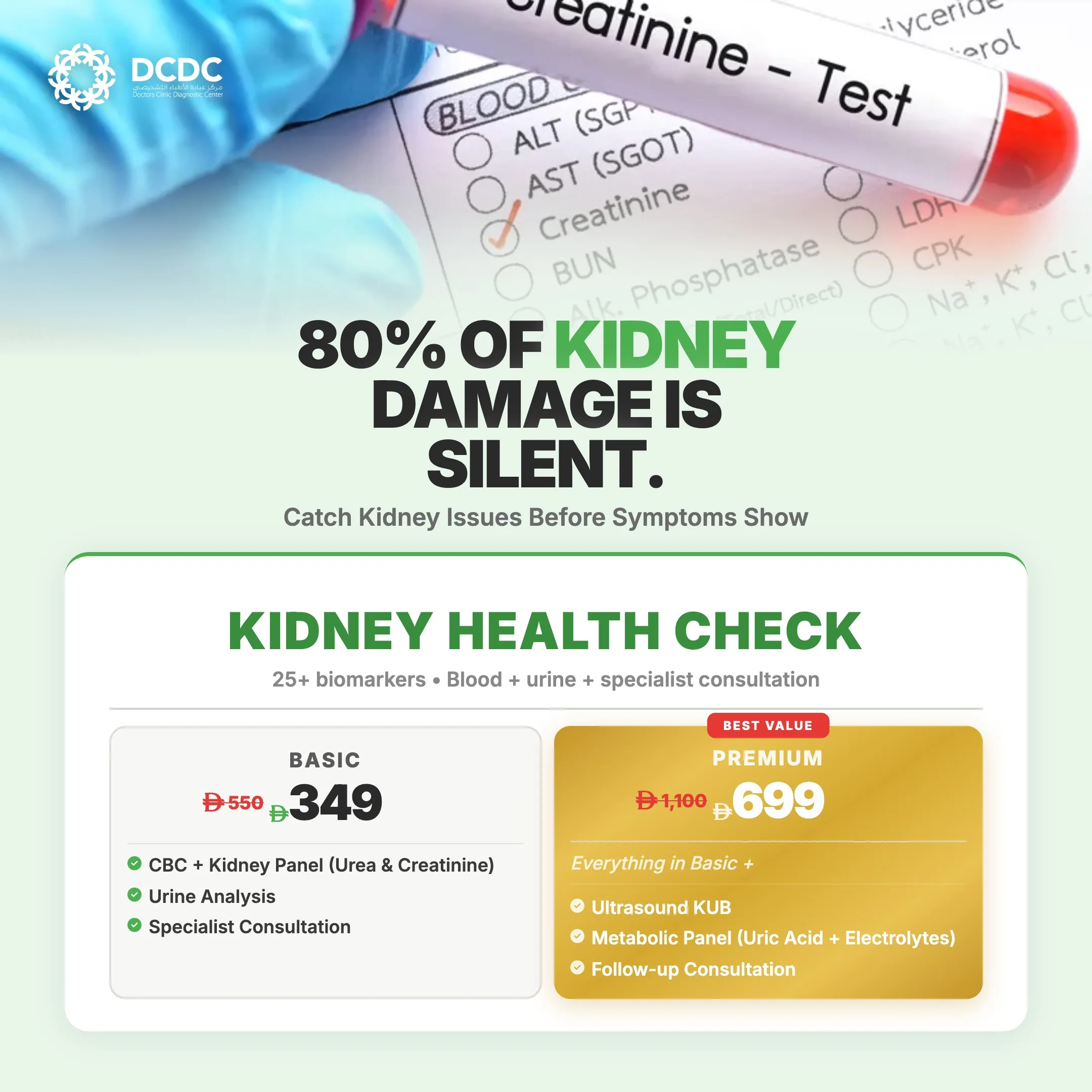
Health Screening Packages
Save with our bundled screening packages — specialist consultation included





What Is Pancreatitis?
The pancreas is a gland located behind the stomach, roughly the size and shape of a small banana. It has two essential jobs: producing digestive enzymes (amylase, lipase, and protease) that break down food in the small intestine, and producing hormones — most importantly insulin and glucagon — that regulate blood sugar. Pancreatitis occurs when these digestive enzymes become active while still inside the pancreas, instead of after reaching the small intestine, effectively causing the organ to begin digesting itself. This triggers inflammation, swelling, and in severe cases, tissue damage or bleeding.
Acute vs Chronic: Two Different Conditions
Pancreatitis is generally classified into two types. Acute pancreatitis develops suddenly, usually lasts for a few days, and typically resolves completely with prompt treatment — although severe cases can become life-threatening. Chronic pancreatitis is a long-term condition in which repeated episodes of inflammation gradually cause permanent scarring and damage to the pancreas, eventually impairing its ability to produce enzymes and insulin. Chronic pancreatitis often develops after years of recurrent acute episodes, most commonly linked to long-term heavy alcohol use, though it can also result from genetic conditions, autoimmune disease, or unresolved structural blockages.
Common Pancreatitis Symptoms
Pancreatitis symptoms differ somewhat between acute and chronic forms, but both share a core feature: upper abdominal pain. Recognizing the pattern of symptoms can help you understand how urgently you need medical attention.
Symptoms of Acute Pancreatitis
- Severe upper abdominal pain — typically felt in the center or left side of the upper abdomen, often described as sharp, constant, or boring
- Pain that radiates to the back — a distinguishing feature of pancreatitis pain compared to other causes of abdominal pain
- Pain that worsens after eating, particularly after fatty or heavy meals, and may be partially relieved by leaning forward
- Nausea and vomiting — often persistent and not relieved by vomiting
- Fever — a low-grade to moderate fever is common as the body responds to inflammation
- Rapid pulse (tachycardia) — the heart rate often increases in response to pain, dehydration, and systemic inflammation
- Abdominal tenderness and swelling — the abdomen may feel tender to touch and appear distended
- Yellowing of the skin or eyes (jaundice) — may occur if a gallstone is blocking the bile duct
Symptoms of Chronic Pancreatitis
- Persistent or recurring upper abdominal pain, which may become constant over time or occur in episodes that gradually increase in frequency
- Unintentional weight loss — caused by poor digestion and nutrient absorption (malabsorption) as enzyme production declines
- Oily, foul-smelling stools (steatorrhea) — a sign that fat is not being properly digested
- Indigestion and bloating, especially after meals
- Symptoms of diabetes — such as increased thirst and frequent urination — may develop as insulin-producing cells become damaged
According to Dr. Hadeel Elnur, upper abdominal pain that radiates to the back and worsens after eating should prompt evaluation for pancreatitis, especially in patients with a history of gallstones or high triglycerides. "Many patients initially assume the pain is simply indigestion or gastritis, particularly if it comes on after a heavy meal," she explains. "But the combination of pain radiating to the back, nausea, and a rapid pulse is a pattern I take very seriously, and it warrants urgent blood testing rather than waiting to see if it improves on its own."
What Causes Pancreatitis?
Pancreatitis has several well-established causes, though in a small percentage of cases no clear cause is ever identified (idiopathic pancreatitis).
- Gallstones (the most common cause): Gallstones can migrate from the gallbladder and become lodged at the point where the bile duct and pancreatic duct join, blocking the flow of digestive enzymes and causing them to activate inside the pancreas. Gallstones are responsible for roughly 35 to 40 percent of acute pancreatitis cases globally
- Alcohol use: Heavy or long-term alcohol consumption is the second leading cause of acute pancreatitis and the leading cause of chronic pancreatitis. Alcohol is thought to have a direct toxic effect on pancreatic cells
- High triglyceride levels (hypertriglyceridemia): When triglyceride levels rise above approximately 1,000 mg/dL, the risk of pancreatitis increases significantly. This is an increasingly recognized cause linked to diet, obesity, and poorly controlled diabetes
- Certain medications: A number of drugs, including some diuretics, immunosuppressants, and diabetes medications, have been associated with drug-induced pancreatitis
- Autoimmune pancreatitis: A rare condition in which the body's immune system mistakenly attacks the pancreas, often associated with other autoimmune conditions
- Abdominal trauma or surgery: Injury to the abdomen or complications following abdominal or endoscopic procedures (such as ERCP) can occasionally trigger pancreatitis
- Genetic and structural factors: Inherited conditions, cystic fibrosis, and structural abnormalities of the pancreatic duct can predispose some individuals to recurrent pancreatitis
- Smoking: Tobacco use compounds the risk associated with alcohol and is an independent risk factor for chronic pancreatitis
Because gallstones are the leading cause of pancreatitis, it is worth understanding this condition in more depth. Our detailed guide on gallstones symptoms and treatment explains how gallstones form, who is at risk, and when treatment such as gallbladder removal may be recommended.
Risk Factors for Pancreatitis in Dubai
While pancreatitis can affect anyone, certain lifestyle and health factors common in Dubai and the wider UAE population increase the likelihood of developing it.
- High-fat, rich diets: Dubai's varied culinary landscape, combined with a diet often high in fried foods, red meat, and refined carbohydrates, contributes to both gallstone formation and elevated triglycerides — two leading causes of pancreatitis
- Rising obesity rates: Obesity is a well-documented risk factor for gallstone disease, and research shows that obese patients with gallstones face a significantly higher risk of developing acute pancreatitis than patients at a healthy weight
- High gallstone prevalence: Gallstone disease affects an estimated 10 to 20 percent of adults globally, and prevalence is higher among women and people with excess body weight — both demographics well represented in Dubai's diverse population
- Sedentary lifestyle: Dubai's hot climate for much of the year can discourage outdoor physical activity, contributing to weight gain and metabolic risk factors linked to pancreatitis
- Undiagnosed diabetes and metabolic syndrome: Poorly controlled blood sugar and elevated triglycerides often go undetected until symptoms appear, increasing pancreatitis risk in the meantime
- Alcohol consumption among expatriate residents: Dubai's diverse expatriate population includes individuals with varying alcohol consumption patterns, and heavy or binge drinking remains a recognized contributor to acute and chronic pancreatitis cases seen in the region
How Is Pancreatitis Diagnosed?
Diagnosing pancreatitis involves a combination of clinical assessment, blood tests, and imaging. Because the classic symptom of upper abdominal pain overlaps with several other conditions — including gallstones, gastritis, and a perforated ulcer — accurate testing is essential.
Clinical Assessment
Your doctor will begin with a detailed history, asking about the location, character, and radiation of your pain, alcohol intake, medication use, and any personal or family history of gallstones. A physical examination will check for abdominal tenderness, guarding, distension, and signs such as jaundice or fever.
Blood Tests
- Amylase: A digestive enzyme produced by the pancreas — levels typically rise within a few hours of an acute pancreatitis episode and are a key diagnostic marker
- Lipase: Another pancreatic enzyme that is considered more specific and sensitive for pancreatitis than amylase, and tends to remain elevated for a longer period, making it especially useful if diagnosis is delayed
- Liver function tests (LFTs): Help identify whether a gallstone is obstructing the bile duct, which is common in gallstone-related pancreatitis
- Complete blood count (CBC): Checks for elevated white blood cells, which indicate inflammation or infection, and assesses hydration status
- C-reactive protein (CRP): An inflammatory marker that helps gauge the severity of the episode, particularly when measured 48 hours after symptom onset
- Triglyceride level: Checked to rule out hypertriglyceridemia as an underlying cause
- Blood glucose and calcium: Used both in diagnosis and to help assess severity
Imaging Studies
- Abdominal ultrasound: Usually the first imaging test performed, as it is quick, radiation-free, and highly effective at detecting gallstones — the most common underlying cause. It also allows assessment of the pancreas, gallbladder, and bile ducts
- CT scan of the abdomen: Provides a more detailed view of the pancreas and is used to confirm the diagnosis, assess severity, and check for complications such as fluid collections or tissue damage, particularly when the diagnosis is unclear or symptoms are severe
- MRI/MRCP (magnetic resonance cholangiopancreatography): A specialized MRI that provides detailed images of the pancreatic and bile ducts, useful when a blocked duct is suspected but not clearly seen on ultrasound
- Endoscopic ultrasound (EUS): Occasionally used in more complex or recurrent cases to look for small gallstones or structural abnormalities not visible on standard imaging
Pancreatitis Diagnosis Cost in Dubai
The cost of diagnosing pancreatitis in Dubai depends on which tests are required and the severity of your presentation. At DCDC, we work with 20+ insurance partners including Daman, AXA, Bupa, MetLife, and Cigna, offering direct billing so insured patients typically pay only their co-pay. Below is a general pricing guide for self-pay patients.
| Service | Approximate Cost (AED) | Notes |
|---|---|---|
| Internal Medicine / GP Consultation | AED 300 – 500 | Initial assessment and clinical examination |
| Amylase Test | AED 80 – 150 | Same-day results at DCDC's on-site lab |
| Lipase Test | AED 100 – 180 | More specific marker for pancreatitis |
| Liver Function Test (LFT) | From AED 150 | Checks for bile duct obstruction from gallstones |
| Complete Blood Count (CBC) | AED 50 – 100 | Assesses inflammation and infection |
| C-Reactive Protein (CRP) | AED 100 – 150 | Inflammatory marker used to assess severity |
| Abdominal Ultrasound | AED 400 – 700 | First-line imaging to detect gallstones |
| CT Scan Abdomen (if referred) | AED 1,500 – 3,000 | Used for complex or severe cases, typically via hospital referral |
| Typical Initial Workup (consultation + blood tests + ultrasound) | AED 900 – 2,000 | Excludes CT scan and hospital admission |
Prices are approximate for self-pay patients at DCDC. Most UAE insurance plans cover pancreatitis diagnostic testing when medically indicated. Contact us to verify your exact coverage and out-of-pocket cost.
Because abdominal ultrasound plays such a central role in confirming or ruling out gallstone-related pancreatitis, it is worth understanding what the scan involves and what it can reveal. Our abdominal ultrasound guide walks through the preparation, procedure, and what different findings mean.
Treatment Options for Pancreatitis
Pancreatitis treatment depends primarily on whether the episode is acute or chronic, and on its severity. The underlying goal in every case is to reduce pancreatic inflammation, manage pain, address the root cause, and prevent recurrence.
Acute Pancreatitis Management
- Hospitalization: Most cases of acute pancreatitis require admission for close monitoring, typically for a few days to a week depending on severity
- IV fluids: Aggressive intravenous fluid replacement is one of the most important early treatments, as it supports circulation and helps prevent complications
- Pain management: Medications are used to control the often severe pain associated with acute pancreatitis
- Bowel rest: Eating and drinking are typically paused initially to reduce pancreatic stimulation, with a gradual reintroduction of a low-fat diet as symptoms improve
- Treating the underlying cause: If gallstones are responsible, gallbladder removal (cholecystectomy) is often recommended, sometimes during the same hospital admission once the acute episode has settled
- Nutritional support: In more severe cases where oral intake is not possible for an extended period, tube feeding may be used to maintain nutrition while resting the pancreas
Chronic Pancreatitis Management
- Pancreatic enzyme replacement therapy (PERT): Enzyme supplements taken with meals help compensate for reduced natural enzyme production and improve digestion and nutrient absorption
- Pain management: May range from over-the-counter or prescription analgesics to, in select cases, referral for interventional pain procedures
- Blood sugar monitoring: Regular monitoring for diabetes, since chronic pancreatitis can impair insulin production over time
- Complete alcohol and smoking cessation: Essential to slow disease progression and reduce further pancreatic damage
- Nutritional counseling: A structured, low-fat diet plan and vitamin supplementation (particularly fat-soluble vitamins A, D, E, and K) to address malabsorption
- Long-term monitoring: Regular follow-up to track pancreatic function and screen for complications
Concerned About Upper Abdominal Pain?
At Doctors Clinic Diagnostic Center in Dubai Healthcare City, we offer same-day gastroenterology evaluation with on-site amylase/lipase testing and abdominal ultrasound. Average wait time is just 15 minutes.
Call 04 874 3578 or WhatsApp us to book
What to Expect at DCDC for Pancreatitis Care
At Doctors Clinic Diagnostic Center (DCDC), located in Building 64, Block A, Al Razi Medical Complex in Dubai Healthcare City, we provide a structured pathway for evaluating suspected pancreatitis. Our MOHAP-licensed clinic (License No. NIMY7VY5-240925) is designed to move quickly from symptom assessment to a clear plan of action.
- Step 1 — Arrival and Registration: Walk in or book a same-day appointment online, by phone, or via WhatsApp. Free dedicated parking is available on-site, and our average wait time is approximately 15 minutes
- Step 2 — Clinical Assessment: A doctor takes a detailed history of your abdominal pain, its location, radiation to the back, and any triggering factors such as recent meals or alcohol intake, followed by a physical examination
- Step 3 — Urgent Blood Tests: Amylase, lipase, liver function tests, CBC, and CRP are drawn on-site, with same-day results for routine blood tests so your doctor can begin forming a diagnosis quickly
- Step 4 — Abdominal Ultrasound: If pancreatitis or gallstones are suspected, an abdominal ultrasound is performed on-site the same day to check the pancreas, gallbladder, and bile ducts
- Step 5 — Treatment Plan or Referral: Mild cases may be managed with outpatient guidance, dietary modification, and close follow-up. If findings suggest acute pancreatitis requiring hospitalization and IV fluids, Dr. Hadeel Elnur coordinates a prompt referral to a partner hospital for admission and further care
- Step 6 — Multi-Specialty Coordination: For cases involving gallstones, elevated triglycerides, or suspected chronic pancreatitis, Dr. Hadeel Elnur coordinates referrals across specialties as needed, including surgical consultation for gallbladder removal or endocrinology input for blood sugar management
- Step 7 — Follow-Up Care: For patients recovering from an acute episode or managing chronic pancreatitis, we schedule follow-up visits to monitor symptoms, review repeat blood work, and adjust the dietary and treatment plan
Dr. Hadeel Elnur's Clinical Perspective: "Pancreatitis is one of those conditions where the story patients tell me is often as important as the test results. When someone describes pain that started after a large, fatty meal, sits in the upper abdomen, and wraps around to the back, I move quickly to order amylase and lipase testing alongside an ultrasound. Because we run these tests on-site at DCDC, I can usually confirm or rule out pancreatitis within the same visit, which matters a great deal when a patient is in significant pain. For patients with gallstones as the likely cause, getting them properly assessed and referred for gallbladder evaluation early can prevent a second, often more severe, episode down the line."
Pancreatitis Diet: Foods to Eat and Avoid
Diet plays a central role in both recovering from an acute episode and managing chronic pancreatitis long term. Because fat stimulates the pancreas to release digestive enzymes, reducing fat intake is one of the most effective ways to reduce pancreatic workload and prevent flare-ups.
Foods to Favor
- Lean proteins such as skinless chicken, fish, egg whites, and legumes
- Whole grains, including brown rice, oats, and whole-wheat bread, in moderate portions
- Fruits and vegetables, which provide fiber, vitamins, and antioxidants with minimal fat
- Low-fat or fat-free dairy products
- Small, frequent meals (5 to 6 per day) rather than large meals, to ease digestive demand on the pancreas
- Plenty of water, to support hydration and digestion
Foods and Habits to Avoid
- Fried and deep-fried foods, which are high in fat and heavily stimulate pancreatic enzyme release
- Fatty cuts of red meat, processed meats, and full-fat dairy products
- Alcohol — complete avoidance is strongly recommended, particularly for chronic pancreatitis and any alcohol-related episode
- Refined sugars and heavily processed snack foods
- Large, heavy meals that place a sudden, high demand on pancreatic enzyme production
- Smoking, which independently worsens pancreatic inflammation and accelerates progression of chronic pancreatitis
Dietary changes for pancreatitis often overlap with recommendations for other digestive conditions, since a low-fat approach also benefits liver health. If you have been told you have a fatty liver alongside pancreatitis risk factors, our guide to fatty liver disease treatment outlines a similar dietary approach and how the two conditions can be managed together.
Potential Complications of Untreated Pancreatitis
When pancreatitis is identified and treated promptly, most acute episodes resolve without lasting damage. However, delayed treatment or repeated episodes can lead to serious complications.
- Pseudocysts: Fluid-filled collections that can form around the pancreas and may require drainage if they become large or infected
- Infected pancreatic necrosis: Death of pancreatic tissue that becomes infected, a serious complication requiring intensive treatment
- Organ failure: Severe acute pancreatitis can trigger a systemic inflammatory response affecting the kidneys, lungs, or cardiovascular system
- Diabetes: Progressive damage to insulin-producing cells, particularly with chronic or recurrent pancreatitis, can lead to diabetes
- Malnutrition: Reduced enzyme production impairs the digestion and absorption of fats and nutrients, leading to weight loss and vitamin deficiencies
- Increased pancreatic cancer risk: Long-standing chronic pancreatitis is associated with a modestly increased long-term risk of pancreatic cancer, underscoring the importance of ongoing monitoring
Acute vs Chronic Pancreatitis: Key Differences
Understanding whether you are dealing with an acute episode or a chronic, progressive condition affects both the urgency and the long-term management approach.
| Factor | Acute Pancreatitis | Chronic Pancreatitis |
|---|---|---|
| Onset | Sudden, over hours | Gradual, over months to years |
| Duration | Days to about a week | Long-term, progressive |
| Most common cause | Gallstones | Long-term heavy alcohol use |
| Pain pattern | Sudden, severe, constant | Recurring or persistent, may worsen over time |
| Weight loss | Uncommon unless severe | Common, due to malabsorption |
| Pancreatic damage | Usually reversible if treated promptly | Often permanent scarring |
| Diabetes risk | Low, unless severe | Elevated, due to insulin cell damage |
| Treatment focus | Hospitalization, IV fluids, treat the cause | Enzyme replacement, diet, lifestyle change, monitoring |
Acute pancreatitis is a sudden inflammatory episode that often resolves with treatment, while chronic pancreatitis is a long-term condition causing progressive, usually permanent, pancreatic damage.
When to Seek Emergency Care
While mild pancreatitis symptoms can sometimes be evaluated on an outpatient basis, certain signs indicate a medical emergency that requires immediate hospital care.
- Severe, unrelenting upper abdominal pain that does not improve, especially if it radiates to the back
- Persistent vomiting with inability to keep fluids down
- High fever with chills
- Rapid heartbeat, rapid breathing, dizziness, or confusion — possible signs of a systemic inflammatory response
- Yellowing of the skin or eyes (jaundice)
- A swollen, rigid, or extremely tender abdomen
- Low blood pressure or signs of shock
If you experience any of these danger signs, go to the nearest emergency department immediately rather than waiting for a clinic appointment. For less severe but persistent symptoms — such as recurring upper abdominal discomfort after meals — a same-day evaluation at DCDC allows for prompt blood testing and imaging to determine whether urgent hospital referral is needed.
Same-Day Pancreatitis Evaluation in Dubai
Do not ignore persistent upper abdominal pain. At DCDC Dubai Healthcare City, we provide same-day pancreatitis evaluation with on-site amylase/lipase testing and abdominal ultrasound — all under one roof, with direct billing across 20+ insurance partners. Rated 4.8/5 from over 1,000 patient reviews, with a 98% patient satisfaction rate.
Call 04 874 3578 or WhatsApp to book your appointment
Related Services at DCDC
Expert care and advanced diagnostics at Dubai Healthcare City
Frequently Asked Questions
Final Thoughts
Pancreatitis is a condition that ranges from a single, treatable acute episode to a long-term, progressive disease requiring ongoing management. The key symptoms to watch for — severe upper abdominal pain radiating to the back, nausea, vomiting, and fever — should never be dismissed as simple indigestion, particularly if pain is severe or persistent. Because gallstones and high triglycerides are common, modifiable causes, prompt diagnosis often leads directly to an effective treatment plan.
Whether you are experiencing your first episode or managing recurring symptoms, timely evaluation makes a meaningful difference in outcomes. At Doctors Clinic Diagnostic Center (DCDC) in Dubai Healthcare City, our team provides same-day pancreatitis evaluation with on-site amylase and lipase testing, abdominal ultrasound, and coordinated referrals when hospital-level care is needed — all under one roof with direct insurance billing. Book your appointment today by calling 04 874 3578 or contacting us via WhatsApp.
Sources & References
This article was reviewed by our medical team and references the following sources:
- Mayo Clinic - Pancreatitis: Symptoms and Causes
- Mayo Clinic - Pancreatitis: Diagnosis and Treatment
- Cleveland Clinic - Pancreatitis: Symptoms, Causes & Treatment
- NIH NIDDK - Pancreatitis
- Clinical Gastroenterology and Hepatology - Global Epidemiology of Gallstones in the 21st Century: A Systematic Review and Meta-Analysis
- PMC - Prevalence and Associated Risk Factors of Acute Pancreatitis in Patients With Gallstones
Medical content on this site is reviewed by DHA-licensed physicians. See our editorial policy for more information.

Written by
Dr. Hadeel Elnur
General Practitioner
MD, General Practice
Dr. Hadeel Elnur is a General Practitioner at Doctors Clinic Diagnostic Center (DCDC) in Dubai Healthcare City.
Related Articles
Gallstones Dubai: Symptoms & Treatment

Abdominal Pain Dubai: Causes & Diagnosis
Abdominal Ultrasound: What It Shows
Fatty Liver Dubai: Causes & Treatment

Bloating Causes & Treatment in Dubai
More in Internal Medicine

Enlarged Prostate Dubai: BPH Symptoms (2026)
Read More
Hiatal Hernia Dubai: Symptoms & Treatment (2026)
Read MoreDiabetic Foot Care Dubai: Warning Signs (2026)
Read MoreColonoscopy vs Endoscopy Dubai: Guide (2026)
Read MoreDiabetic Diet Plan Dubai: Foods & Tips (2026)
Read MoreCholesterol-Lowering Foods & Diet Dubai (2026)
Read More© 2026 Doctors Clinic Diagnostic Center (DCDC), Dubai Healthcare City. Originally published at https://doctorsclinicdubai.ae/blog/pancreatitis-symptoms-treatment-dubai. All rights reserved. Unauthorized reproduction is prohibited.