Key Takeaways
- Hemorrhoids are extremely common -- an estimated 1 in 20 adults has active symptoms at any given time, and up to half of people will experience them by age 50.
- Hemorrhoids are graded 1 to 4 based on severity and degree of prolapse, which directly determines whether home care, in-office procedures, or surgery is the right treatment.
- Most Grade 1 and Grade 2 hemorrhoids resolve within 1-2 weeks with dietary fiber, hydration, topical treatments, and sitz baths -- surgery is rarely the first step.
- Rectal bleeding should never be assumed to be 'just hemorrhoids' without evaluation, especially in patients over 45 or with a family history of colorectal cancer.
- A thrombosed external hemorrhoid causes sudden, severe pain and a hard lump near the anus and needs prompt medical assessment, ideally within 48-72 hours of symptom onset.
- Dubai's climate and lifestyle factors -- dehydration from heat, long desk-bound work hours, and low-fiber dining-out culture -- are common contributors to hemorrhoid flare-ups.
- At DCDC, a GP consultation for hemorrhoid assessment starts from AED 249, with same-day CBC and iron studies available if bleeding needs to be investigated.
If you're dealing with itching, discomfort, or bleeding during bowel movements, you're far from alone. Hemorrhoids -- also called piles -- are swollen veins in the lowest part of the rectum and anus, and an estimated 1 in 20 adults has active symptoms at any given time, with up to half of people affected by age 50. The good news is that most cases respond well to conservative treatment within a few weeks once the underlying cause and severity are properly assessed. This guide explains how to recognize hemorrhoid symptoms, understand the grading system doctors use to classify severity, and choose the right treatment path -- from home remedies to minimally invasive procedures coordinated through gastroenterology services in Dubai. At DCDC in Dubai Healthcare City, a General Practitioner consultation for hemorrhoid assessment starts from AED 249, with same-day blood tests available whenever bleeding needs further investigation.
At Doctors Clinic Diagnostic Center (DCDC), our General Practitioners see hemorrhoid symptoms as a routine part of everyday practice -- there is nothing unusual or embarrassing about seeking care for them. Our approach starts with a careful history and examination to confirm the diagnosis and grade, rules out other causes of rectal bleeding when needed, and builds a treatment plan around the least invasive option that will work for your specific situation. This guide covers everything from self-assessment and severity grading to home remedies, procedural treatments, Dubai-specific prevention tips, and what an actual visit to our clinic in Dubai Healthcare City looks like.
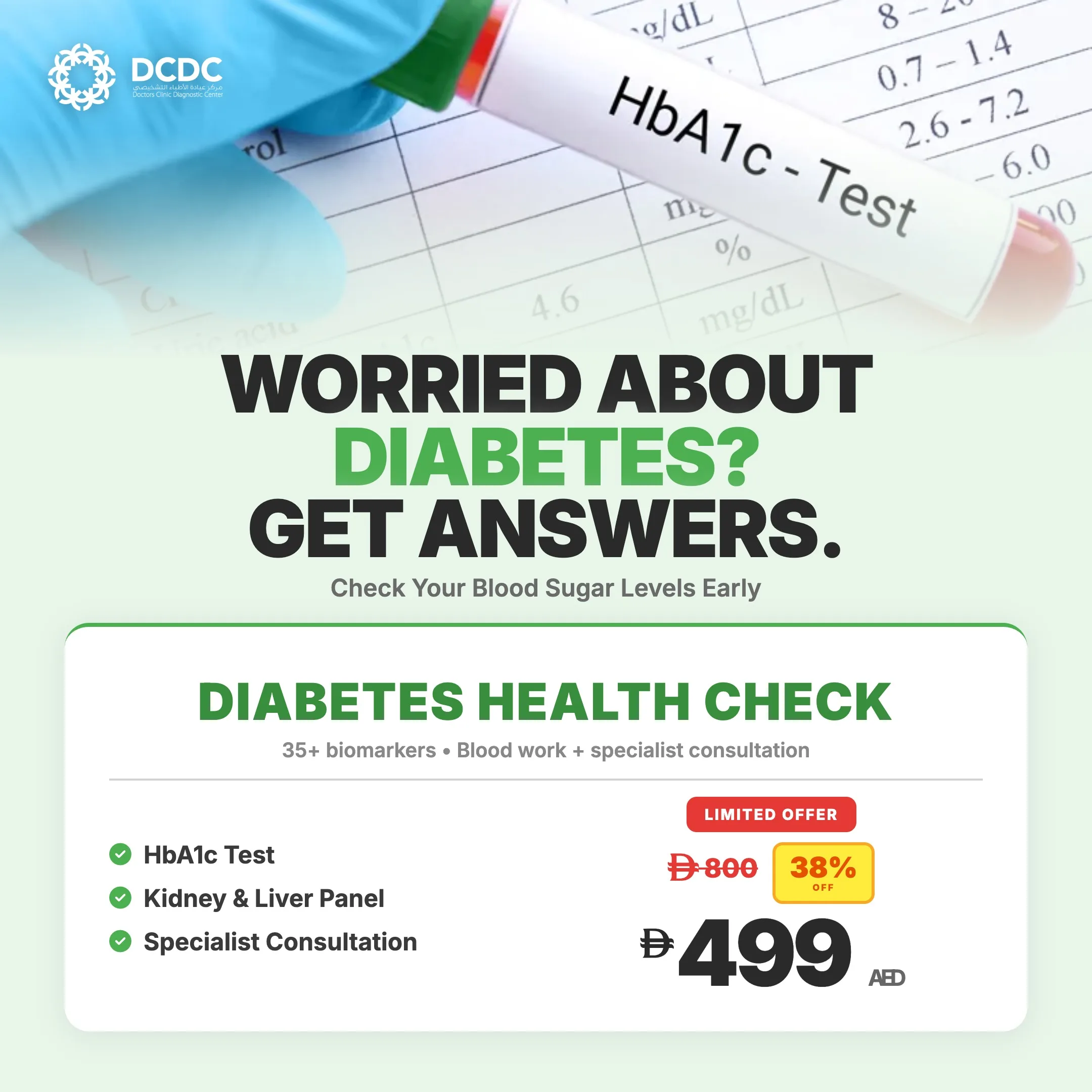
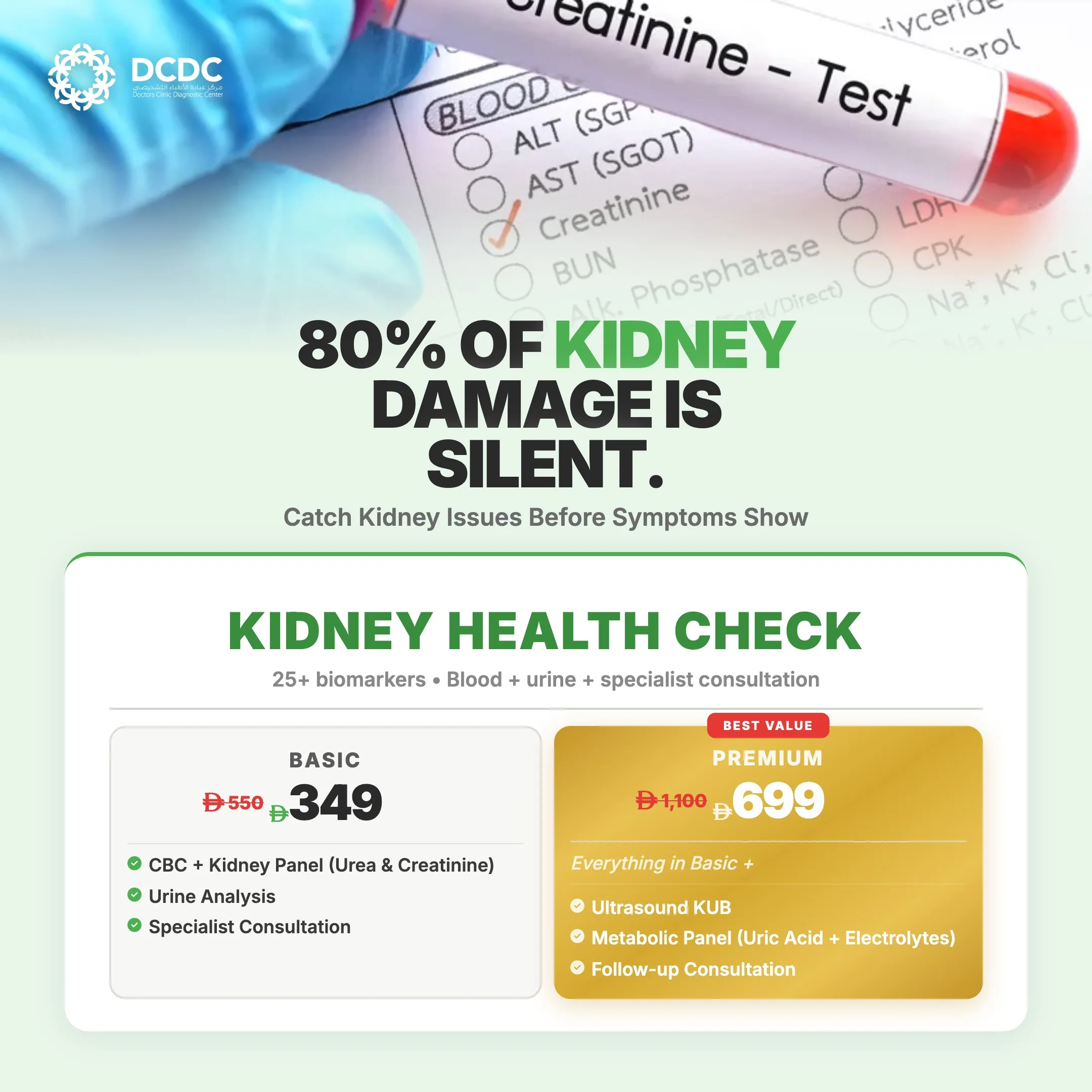
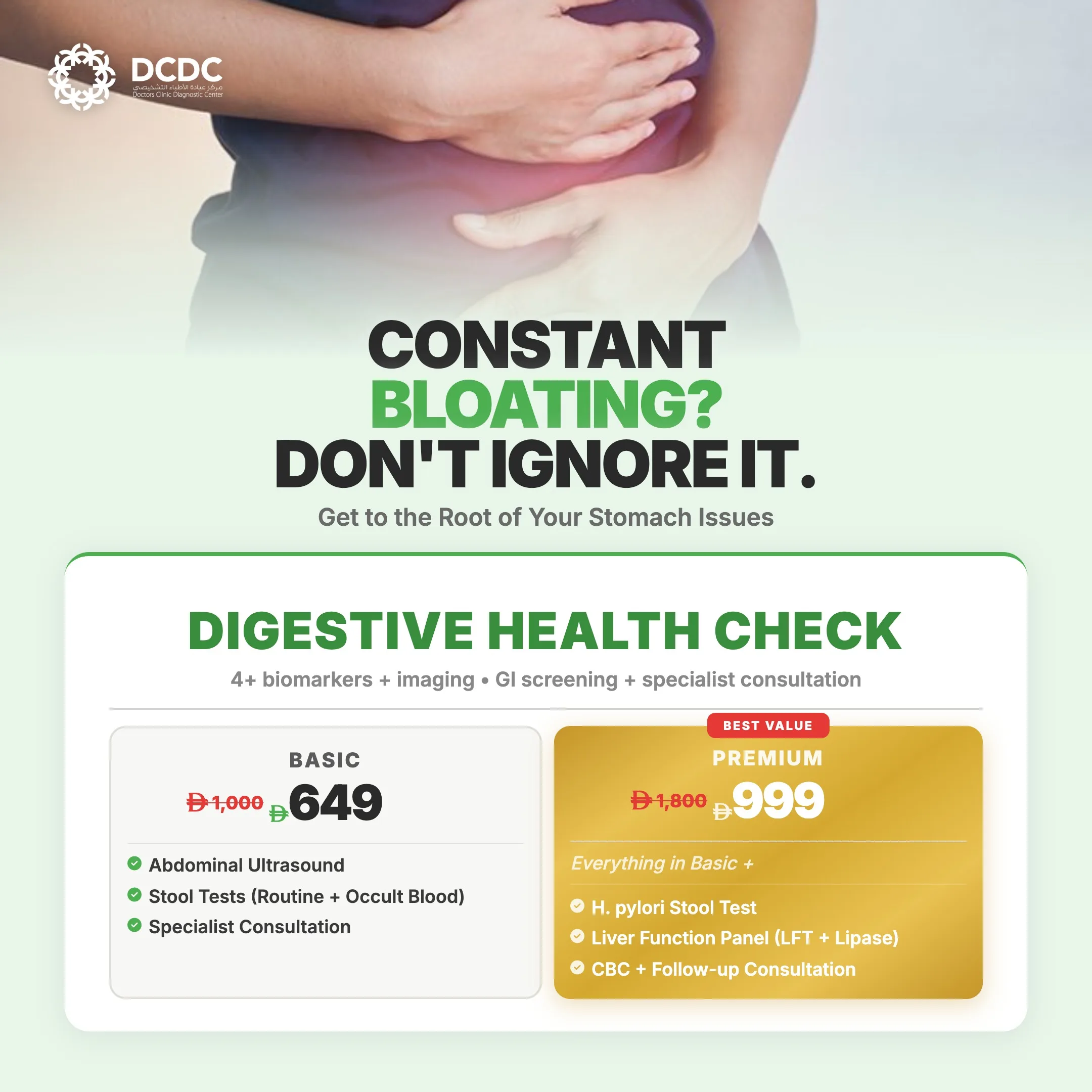
Health Screening Packages
Save with our bundled screening packages — specialist consultation included



Hemorrhoid Symptoms: How to Recognize Piles
Hemorrhoids develop when the veins in and around the anus and lower rectum become swollen and inflamed, often from repeated straining, prolonged pressure, or chronic constipation or diarrhea. They are classified as internal (inside the rectum, usually painless unless they prolapse) or external (under the skin around the anus, often more painful because that skin has more pain-sensing nerves). Many people have a combination of both.
Common Symptoms Checklist
- Bright red blood on toilet paper, in the toilet bowl, or streaking the stool surface -- typically painless with internal hemorrhoids.
- Itching or irritation around the anus, often worse after bowel movements.
- A lump or swelling near the anus that may be tender to touch, particularly with external hemorrhoids.
- Pain or discomfort, especially while sitting for long periods or during bowel movements.
- A feeling of fullness or incomplete evacuation after passing stool.
- Mucus discharge that can cause irritation or soiling of underwear.
- Prolapse -- internal hemorrhoids that bulge or protrude through the anus, sometimes needing to be pushed back manually.
- Swelling that does not go down, or a hard, bluish lump that appears suddenly and painfully (possible thrombosis -- see below).
Self-Assessment: Could It Be Hemorrhoids?
Ask yourself the following questions. If you answer "yes" to two or more, a clinical evaluation is worthwhile -- both to confirm the diagnosis and to rule out other causes with similar symptoms.
- Have you noticed bright red blood after a bowel movement more than once?
- Do you feel itching, irritation, or discomfort around the anus?
- Have you noticed a lump or swelling near your anus?
- Does sitting for long periods worsen your discomfort?
- Have your symptoms lasted more than a week despite basic self-care?
- Do you strain frequently during bowel movements, or do you have chronic constipation or diarrhea?
- Are you pregnant, or have you recently given birth?
Hemorrhoid Grades Explained: Severity Levels 1-4
Doctors classify internal hemorrhoids using a four-grade system based on the degree of prolapse -- how far the swollen tissue protrudes from the anal canal. This grading directly guides which treatment is appropriate, so understanding where your symptoms fall can help set expectations before your consultation.
| Grade | Description | Typical Symptoms | Usual Treatment |
|---|---|---|---|
| Grade 1 | Small, remain inside the rectum, no prolapse | Painless bleeding, mild itching, often no visible lump | Fiber, hydration, topical treatments, lifestyle changes |
| Grade 2 | Prolapse during straining or bowel movements but retract on their own | Bleeding, protrusion during bowel movements that resolves spontaneously, discomfort | Conservative care first; rubber band ligation or sclerotherapy if persistent |
| Grade 3 | Prolapse with straining or activity and require manual pushing back in | Visible protrusion, mucus discharge, discomfort, occasional bleeding | Rubber band ligation, sclerotherapy, or infrared coagulation; surgery if these fail |
| Grade 4 | Permanently prolapsed and cannot be pushed back inside | Constant protrusion, pain, mucus discharge, risk of thrombosis | Surgical hemorrhoidectomy or stapled hemorrhoidopexy, typically via specialist referral |
| External (not graded 1-4) | Located under the skin around the anus, can thrombose | Pain, swelling, itching; sudden severe pain if a clot forms (thrombosed hemorrhoid) | Conservative care for uncomplicated cases; excision if thrombosed and severe |
Hemorrhoid grading system used to guide treatment decisions. External hemorrhoids are assessed separately from the internal 1-4 grading scale.
What Causes Hemorrhoids? Risk Factors in Dubai
Hemorrhoids form when the cushions of tissue and blood vessels lining the anal canal become swollen, usually from repeated or sustained pressure. Several everyday factors -- some more common in Dubai than elsewhere -- raise the risk.
- Straining during bowel movements, often linked to constipation or trying to rush a bowel movement before work.
- Chronic constipation or diarrhea, both of which increase pressure and irritation in the anal canal over time.
- Low-fiber diets -- common in Dubai's dining-out culture, where meals often favor refined carbohydrates and protein over fruits, vegetables, and whole grains.
- Prolonged sitting, particularly relevant for Dubai's large desk-based workforce and long commutes, which increases pressure on pelvic veins.
- Dehydration, a significant factor in Dubai's heat, which hardens stool and increases straining.
- Pregnancy and childbirth, due to increased pelvic pressure and hormonal changes that relax vein walls.
- Obesity, which raises intra-abdominal pressure.
- Heavy lifting or intense weightlifting without proper breathing technique.
- Aging, as the tissues supporting the veins in the rectum and anus naturally weaken over time.
- Family history, which appears to increase susceptibility, though the exact genetic link is not fully understood.
Because constipation is one of the most common and preventable triggers, it is worth addressing directly -- our guide to constipation causes and treatment in Dubai covers dietary and lifestyle strategies that also reduce hemorrhoid risk.
Rectal Bleeding Causes: Hemorrhoids vs Other Conditions
Rectal bleeding is the symptom that brings most patients to a hemorrhoid consultation, and while hemorrhoids are the most common cause, they are far from the only one. Knowing the general pattern of hemorrhoid-related bleeding -- and when bleeding looks different -- helps you decide how urgently to seek care.
| Condition | Typical Bleeding Pattern | Associated Symptoms | Urgency |
|---|---|---|---|
| Hemorrhoids | Bright red, on toilet paper or coating the stool, usually painless (internal) | Itching, lump, prolapse, mild discomfort | Routine consultation unless bleeding is heavy or persistent |
| Anal fissure | Bright red, often with sharp pain during and after bowel movements | Visible tear, pain lasting minutes to hours after passing stool | Routine consultation; urgent if pain is severe |
| Diverticular disease | Sudden, painless, sometimes large volume of red or maroon blood | May have no other symptoms, or mild cramping | Same-day evaluation, especially if bleeding is significant |
| Inflammatory bowel disease (IBD) | Blood mixed with mucus, recurring over weeks | Diarrhea, abdominal pain, weight loss, fatigue | Prompt evaluation |
| Colorectal polyps or cancer | May be occult (invisible) or intermittent bright/dark red blood | Change in bowel habits, unexplained weight loss, iron-deficiency anemia | Prompt evaluation, especially age 45+ or with family history |
General patterns only -- an accurate diagnosis always requires clinical examination, and patterns can overlap between conditions.
Thrombosed Hemorrhoids: Symptoms & When It's an Emergency
A thrombosed external hemorrhoid occurs when a blood clot forms inside an external hemorrhoid, causing it to become suddenly hard, swollen, and intensely painful. Unlike typical hemorrhoid discomfort, thrombosis often develops within hours and can make sitting, walking, or passing stool extremely difficult.
- Sudden, severe pain around the anus, often described as the worst hemorrhoid symptom patients experience.
- A firm, bluish-purple lump that is tender to touch and visible at the anal opening.
- Swelling that develops rapidly, sometimes within a few hours.
- Bleeding if the overlying skin breaks down (ulcerates).
- Pain that peaks within the first 48-72 hours and then gradually eases even without treatment, though the lump may take weeks to fully resolve.
If seen within the first 48-72 hours, a thrombosed hemorrhoid can often be treated with a quick in-office excision under local anesthesia, providing rapid pain relief. Beyond this window, conservative management (pain relief, sitz baths, stool softeners) is usually preferred, as the clot has often started to reabsorb on its own. Either way, prompt assessment helps determine the most comfortable path forward.
When to See a Doctor for Hemorrhoids
Mild, occasional hemorrhoid symptoms often improve with home care alone. However, certain patterns and red-flag symptoms mean you should not wait -- book a consultation promptly.
Red-Flag Symptoms Requiring Urgent Evaluation
- Heavy or persistent bleeding, or bleeding that continues to worsen rather than improve.
- Dark, tarry, or maroon-colored stool, which may indicate bleeding higher up in the digestive tract rather than hemorrhoids.
- Sudden, severe anal pain with a hard lump -- possible thrombosed hemorrhoid.
- Unexplained weight loss alongside rectal bleeding or a change in bowel habits.
- Dizziness, fatigue, or signs of anemia, which can result from chronic, unnoticed blood loss.
- Bleeding that persists beyond one week of home treatment.
- Age 45 or older with new-onset rectal bleeding, even if mild.
- Family history of colorectal cancer or inflammatory bowel disease.
- Fever, pus, or signs of infection around the anus.
It is worth repeating: rectal bleeding should never simply be assumed to be "just hemorrhoids," particularly for patients over 45 or those with a family history of colorectal cancer, since bleeding is also an early warning sign of colorectal polyps and cancer. Our colon cancer screening guide for Dubai explains the recommended screening age and which tests are used to rule out more serious causes.
Not Sure If It's Hemorrhoids?
A same-day consultation at DCDC can confirm the diagnosis, grade your symptoms, and rule out other causes of rectal bleeding. View our gastroenterology services or call to book.
GP consultation from AED 249. Open Sat-Thu 8 AM-10 PM, Fri 9 AM-9 PM. Free dedicated parking.
How to Treat Hemorrhoids at Home: Remedies That Work
For Grade 1 and many Grade 2 hemorrhoids, evidence-based home care resolves symptoms in the majority of patients within 1-2 weeks. These remedies are also useful alongside medical treatment for more advanced grades.
- Increase dietary fiber gradually to 25-30 grams per day (fruits, vegetables, whole grains, legumes) to soften stool and reduce straining.
- Stay well hydrated -- aim for 2.5-3.5 litres of water daily, more in Dubai's heat, since dehydration hardens stool.
- Take warm sitz baths for 10-15 minutes, 2-3 times daily, to soothe irritation and reduce swelling.
- Apply over-the-counter topical treatments such as witch hazel pads or short courses of hydrocortisone cream to relieve itching and inflammation.
- Use ice packs wrapped in a cloth for 10-minute intervals to reduce acute swelling and pain.
- Avoid straining and prolonged sitting on the toilet -- go when you feel the urge, and do not linger or use your phone while sitting.
- Consider a stool softener or fiber supplement (such as psyllium husk) if dietary changes alone are not enough.
- Stay physically active -- regular walking or light exercise improves bowel motility and reduces pelvic congestion from prolonged sitting.
- Keep the area clean and dry, using plain water or unscented wipes rather than harsh soaps, and pat rather than rub after bowel movements.
If symptoms have not meaningfully improved after 1-2 weeks of consistent home care, or if they are worsening, it is time to move from self-treatment to a clinical evaluation.
Medical & Procedural Treatment Options by Severity
When home care is not enough, treatment escalates in a stepwise fashion, matched to hemorrhoid grade and how much the symptoms are affecting daily life. Most patients never need surgery.
Non-Surgical, In-Office Procedures (Grade 1-3)
- Rubber band ligation: A small elastic band is placed at the base of an internal hemorrhoid, cutting off its blood supply so it shrinks and falls away within days. One of the most effective and commonly used office procedures for Grade 2 and select Grade 3 hemorrhoids.
- Sclerotherapy: A chemical solution is injected into the hemorrhoid to shrink it by scarring the tissue. Often used for Grade 1-2 hemorrhoids or in patients who prefer to avoid banding.
- Infrared coagulation: Heat energy is used to cut off blood flow to small internal hemorrhoids, causing them to shrink. Suitable for smaller, early-grade hemorrhoids.
Surgical Options for Severe Cases (Grade 3-4)
- Surgical hemorrhoidectomy: Complete surgical removal of hemorrhoidal tissue, offering the lowest recurrence rate but requiring a longer recovery. Reserved for large, prolapsed, or persistently symptomatic hemorrhoids that have not responded to less invasive treatment.
- Stapled hemorrhoidopexy: A circular stapling device repositions prolapsed internal hemorrhoidal tissue and interrupts its blood supply. Generally associated with less post-operative pain than traditional hemorrhoidectomy.
- Thrombosed hemorrhoid excision: A minor procedure under local anesthesia to remove a painful blood clot, typically performed within 48-72 hours of symptom onset for maximum relief.
Dr. Hadeel Elnur's Clinical Perspective
"According to Dr. Hadeel Elnur, many patients delay seeking help for hemorrhoids due to embarrassment, but early evaluation almost always leads to simpler, more effective treatment. At DCDC, we see patients with hemorrhoid symptoms daily, and in the majority of cases, conservative management with dietary changes, topical treatments, and lifestyle adjustments resolves symptoms within weeks."
When a procedure or surgery is genuinely needed, DCDC coordinates the referral to a colorectal specialist or partner facility, having already completed the initial assessment, relevant blood work, and grading -- so the specialist visit is focused and efficient rather than starting from scratch.
Diet, Bowel Habits & Gut Health Connection
Hemorrhoids rarely occur in isolation from broader bowel habits. Both chronic constipation and chronic diarrhea increase strain and irritation in the anal canal, which is why addressing the underlying bowel pattern is just as important as treating the hemorrhoid itself.
- Fiber timing matters: Spread fiber intake across meals rather than one large serving, which can worsen bloating in sensitive individuals.
- Limit low-fiber, processed convenience foods that are common in Dubai's fast-paced dining culture.
- Identify trigger foods if you notice a pattern between certain meals and diarrhea or urgency.
- Establish a regular bowel routine, ideally responding promptly to the urge rather than delaying due to a busy schedule.
- Address underlying bowel disorders -- patients with alternating diarrhea and constipation, bloating, and abdominal discomfort may have an underlying disorder like IBS driving repeated straining and irritation.
If your hemorrhoid symptoms keep recurring alongside bloating, abdominal pain, or unpredictable bowel habits, the root cause may be a functional gut disorder rather than diet alone. Our guide to IBS treatment and symptoms in Dubai covers how this common condition is diagnosed and managed.
Hemorrhoid Treatment Cost in Dubai
Costs vary depending on the grade of your hemorrhoids and whether conservative management or a procedure is required. At DCDC, the consultation and initial diagnostics are performed on-site, while advanced in-office procedures or surgery are coordinated through specialist referral to partner facilities.
| Service | What's Included | Duration | Indicative Cost |
|---|---|---|---|
| GP Consultation (Hemorrhoid Assessment) | History, examination, grading, treatment plan at DCDC | 20-30 minutes | From AED 250 |
| CBC + Iron Studies (Anemia Screening) | Same-day blood draw and results if bleeding needs investigation | 15 minutes, same-day results | From AED 149 |
| Inflammatory Markers (CRP/ESR) | Used to help rule out inflammatory causes of bleeding | 15 minutes, same-day results | CRP AED 149; ESR AED 99 |
| Topical Prescription Treatment | Doctor-prescribed creams or suppositories, dispensed at pharmacy | N/A | Medication cost separate |
| Rubber Band Ligation (via specialist referral) | In-office banding procedure, Grade 2-3 | 15-20 minutes | Quoted by specialist, typically AED 1,000-2,000 |
| Sclerotherapy (via specialist referral) | In-office injection procedure, Grade 1-2 | 15-20 minutes | Quoted by specialist, typically AED 800-1,500 |
| Surgical Hemorrhoidectomy (via specialist referral) | Day surgery or short hospital stay, Grade 3-4 | Varies by facility | Quoted by hospital, typically AED 8,000-15,000 |
Indicative pricing at DCDC Dubai Healthcare City (2026). Procedural and surgical costs are quoted directly by the receiving specialist or hospital and vary by case complexity and insurance coverage.
DCDC offers direct billing with 20+ insurance providers, including Daman, AXA, Bupa, MetLife, and Cigna, so most insured patients pay little to nothing out of pocket for the initial consultation and diagnostics.
What to Expect at DCDC: Your Hemorrhoid Evaluation Journey
If you are visiting DCDC for the first time with hemorrhoid symptoms, here is what a typical visit looks like from arrival to treatment plan. Our average wait time is just 15 minutes, and most patients complete their initial evaluation in a single visit.
Step 1: Arrival and Registration
Park in our free dedicated on-site parking at Building 64, Block A, Al Razi Medical Complex, Dubai Healthcare City. At reception, our team verifies your insurance (direct billing with 20+ providers including Daman, AXA, Bupa, MetLife, and Cigna) and takes your initial vitals.
Step 2: Clinical Consultation
Your doctor takes a detailed history covering your symptoms, bowel habits, diet, and any red-flag features. Many patients feel understandably hesitant to discuss this topic -- rest assured, our doctors handle these consultations with discretion and professionalism, as they do many times each week.
Step 3: Focused Examination
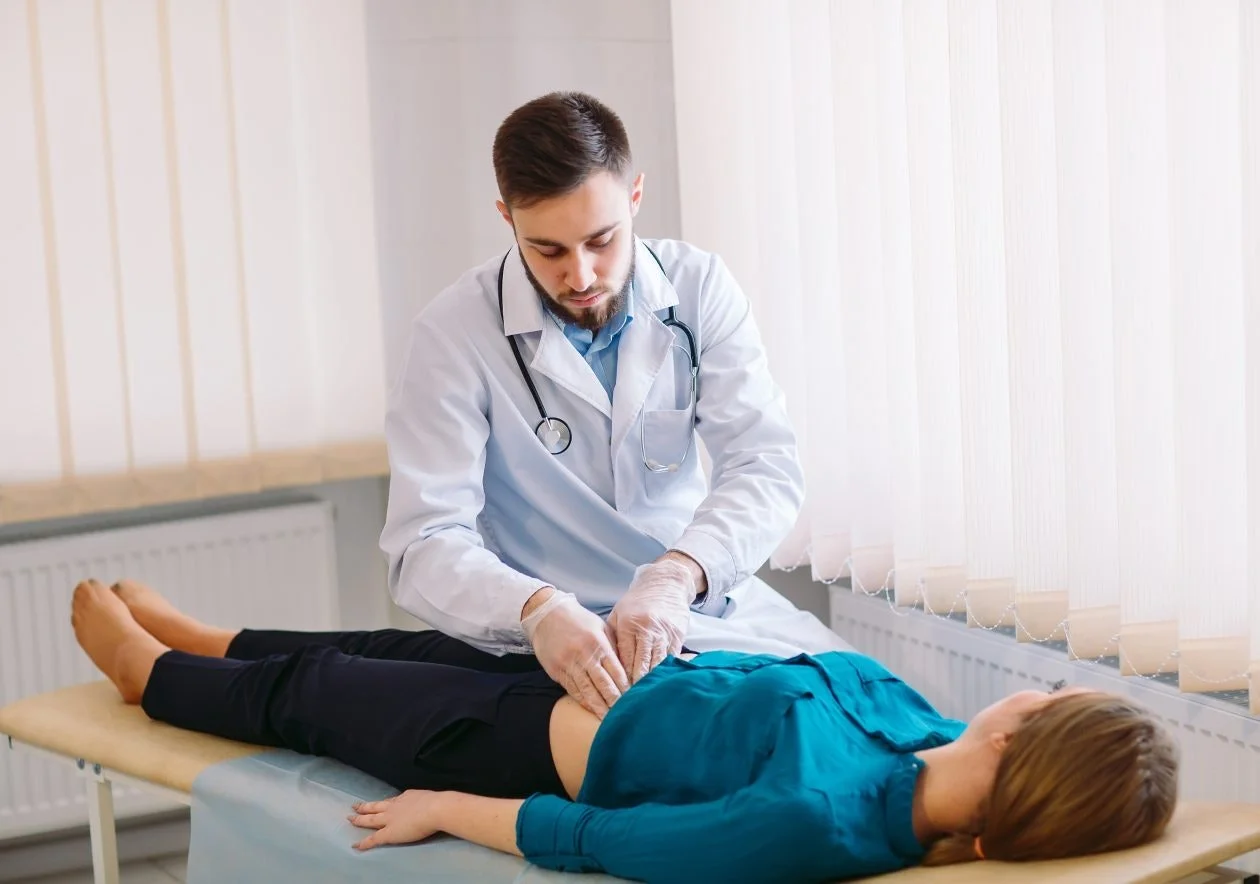
A brief external examination, and where clinically appropriate a digital rectal examination or anoscopy, allows your doctor to confirm the diagnosis and grade the hemorrhoids. This is quick and helps rule out other causes of your symptoms.
Step 4: Same-Day Diagnostics (If Needed)
If bleeding needs further investigation, you can proceed directly to our on-site laboratory for a CBC and iron studies, with same-day results in most cases. Because everything is under one roof, there is no need to schedule a separate appointment at an external lab.
Step 5: Treatment Plan and Follow-Up
Your doctor explains the grade and severity of your hemorrhoids and outlines a treatment plan -- typically starting with dietary and topical measures for milder cases. If an in-office procedure or surgical consultation is needed, DCDC coordinates the referral to a colorectal specialist, sharing your history and results so the next visit is efficient.
Preventing Hemorrhoids in Dubai's Climate & Lifestyle
Once symptoms have settled, the following habits -- several of them specific to living and working in Dubai -- help reduce the chance of recurrence.
- Hydrate proactively in the heat: Dubai's high temperatures and air-conditioned indoor environments both accelerate fluid loss. Carry a water bottle and sip consistently rather than waiting until you feel thirsty.
- Build fiber into every meal: Aim for 25-30 grams of fiber daily from fruits, vegetables, whole grains, and legumes, even when dining out.
- Break up long sitting periods: If you work a desk job or have a long commute, stand and move for a few minutes every hour to reduce pelvic pressure.
- Respond promptly to the urge to go rather than delaying due to meetings or a busy schedule -- delaying bowel movements allows stool to harden.
- Avoid straining or prolonged sitting on the toilet, including scrolling on your phone while seated.
- Exercise regularly -- even a daily 20-30 minute walk supports healthy bowel motility.
- Use correct lifting technique at the gym, exhaling during exertion rather than holding your breath and straining.
- Maintain a healthy weight to reduce intra-abdominal pressure.
- During pregnancy, discuss safe fiber and hydration targets with your doctor, since hemorrhoids are especially common in the third trimester and after delivery.
Get Lasting Relief From Hemorrhoid Symptoms
Do not wait through weeks of discomfort. A focused consultation at DCDC can confirm your diagnosis, grade your hemorrhoids, and start you on the right treatment path. Rated 4.8/5 from 1,000+ Google reviews. Book your consultation today.
Building 64, Block A, Al Razi Medical Complex, Dubai Healthcare City. MOHAP Licensed (NIMY7VY5-240925). Same-day appointments available.
Related Services at DCDC
Expert care and advanced diagnostics at Dubai Healthcare City
Frequently Asked Questions
Final Thoughts
Hemorrhoids are one of the most common -- and most treatable -- digestive complaints, yet embarrassment often keeps people from seeking care until symptoms have become more disruptive than they needed to be. Recognizing your symptoms, understanding the grading system, and knowing when bleeding warrants a closer look are the first steps toward effective treatment.
At DCDC in Dubai Healthcare City, our General Practitioners assess hemorrhoid symptoms daily with the same professionalism as any other consultation. With a consultation starting from AED 249, same-day blood tests when needed, direct billing with 20+ insurance providers, free dedicated parking, and a 4.8/5 Google rating from over 1,000 reviews, getting an accurate diagnosis and starting the right treatment has never been more straightforward.
If hemorrhoid symptoms are affecting your comfort or daily life, do not wait it out in silence. Book a same-day consultation and get a clear plan for relief.
Sources & References
This article was reviewed by our medical team and references the following sources:
- Mayo Clinic -- Hemorrhoids: Symptoms and Causes
- NHS -- Piles (Haemorrhoids)
- Cleveland Clinic -- Hemorrhoids: Symptoms, Causes & Treatment
- American Society of Colon and Rectal Surgeons (ASCRS) -- Hemorrhoids Expanded Information
- National Institute of Diabetes and Digestive and Kidney Diseases (NIDDK) -- Hemorrhoids
- StatPearls (NCBI Bookshelf) -- Hemorrhoids: Grading and Management
Medical content on this site is reviewed by DHA-licensed physicians. See our editorial policy for more information.

Written by
Dr. Hadeel Elnur
General Practitioner
MD, General Practice
Dr. Hadeel Elnur is a General Practitioner at Doctors Clinic Diagnostic Center (DCDC) in Dubai Healthcare City.
Related Articles
Constipation Dubai: Causes & Treatment
Colon Cancer Screening: When to Start & Tests
Gastroenterologist Dubai: When to See One
IBS Treatment Dubai: Symptoms & Relief
Bloating Causes & Treatment in Dubai
More in Internal Medicine
Blood in Stool Dubai: Causes & When to Worry (2026)
Read More
Signs of Lupus Dubai: Autoimmune Guide (2026)
Read More
Elevated Liver Enzymes: Causes & Next Steps (2026)
Read More
H. Pylori Test Cost Dubai: From AED 300 (2026)
Read More
Iron Infusion Cost Dubai: From AED 500 (2026)
Read More
Enlarged Prostate Dubai: BPH Symptoms (2026)
Read More© 2026 Doctors Clinic Diagnostic Center (DCDC), Dubai Healthcare City. Originally published at https://doctorsclinicdubai.ae/blog/hemorrhoids-piles-treatment-dubai. All rights reserved. Unauthorized reproduction is prohibited.