
Key Takeaways
- Irritable bowel syndrome (IBS) affects an estimated 10–20% of the global population, with prevalence in the Arab world reported as high as 27% in some studies, making it one of the most common reasons for digestive complaints in Dubai.
- IBS is diagnosed using the Rome IV criteria — a positive, symptom-based diagnosis that does not require invasive testing in most patients — meaning many patients can receive a working diagnosis and begin treatment at their first consultation.
- IBS has four recognised subtypes: IBS-C (constipation-predominant), IBS-D (diarrhoea-predominant), IBS-M (mixed), and IBS-U (unclassified), and treatment is tailored to the predominant bowel pattern.
- The low FODMAP diet is one of the most evidence-backed dietary interventions for IBS, with studies showing that up to 75% of patients experience significant symptom relief during the elimination phase.
- IBS is a functional disorder — the gut appears structurally normal — but the symptoms are real and can severely impact quality of life, work productivity, and mental health, particularly in Dubai's high-pressure work environment.
- At DCDC in Dubai Healthcare City, IBS evaluation includes a clinical consultation, on-site blood tests with same-day results, stool analysis if needed, and a personalised management plan covering diet, lifestyle, and medication.
Irritable bowel syndrome is one of the most frequently encountered conditions at our Internal Medicine clinic at Doctors Clinic Diagnostic Center (DCDC) in Dubai Healthcare City. Persistent abdominal pain, uncomfortable bloating after meals, alternating bouts of constipation and diarrhoea, and the anxiety of never knowing how your gut will behave — these symptoms affect millions of people across the UAE and can make everyday life genuinely difficult. IBS is not life-threatening, but it is far from trivial, and it deserves proper medical attention rather than years of self-management with trial-and-error diets and over-the-counter remedies.
This guide explains what IBS is, how it is diagnosed, what treatments are available in Dubai in 2026, and what you should realistically expect in terms of outcomes. We cover the full spectrum of IBS management, from the low FODMAP diet and gut-directed therapies to medications and the lifestyle changes most relevant to people living and working in Dubai. We also describe what your journey at DCDC looks like, from your first consultation through to follow-up care.
Health Screening Packages
Save with our bundled screening packages — specialist consultation included

What Is Irritable Bowel Syndrome (IBS)?
Irritable bowel syndrome is a chronic functional gastrointestinal disorder characterised by recurrent abdominal pain associated with changes in bowel habits, in the absence of any identifiable structural or biochemical abnormality that explains the symptoms. The word "functional" is important: unlike inflammatory bowel disease (IBD) — which includes Crohn's disease and ulcerative colitis — IBS does not cause visible inflammation or damage to the gut wall. On a colonoscopy or CT scan, the bowel of an IBS patient typically looks completely normal. Yet the symptoms are very real and can be debilitating.
The underlying mechanism involves a disruption in the gut-brain axis — the complex communication network linking the central nervous system and the enteric nervous system (the nervous system of the gut). Patients with IBS often have heightened visceral sensitivity, meaning the intestines are more sensitive to normal stimuli such as gas, movement, and stretching. Small amounts of gas or fluid that would cause no discomfort in someone without IBS can cause significant pain in someone with the condition. Altered gut motility, changes in the gut microbiome, low-grade immune activation, and psychological factors such as stress and anxiety all contribute to the IBS symptom picture.
The Four IBS Subtypes
- IBS-C (Constipation-Predominant): More than 25% of bowel movements are hard or lumpy, and fewer than 25% are loose or watery. Patients often experience infrequent, difficult-to-pass stools, abdominal discomfort, bloating, and a feeling of incomplete evacuation.
- IBS-D (Diarrhoea-Predominant): More than 25% of bowel movements are loose or watery, and fewer than 25% are hard. Patients experience frequent, urgent bowel movements, often with cramping. This subtype can be particularly disruptive to work and social activities.
- IBS-M (Mixed): Patients alternate between constipation and diarrhoea within the same day or week. This is the most variable subtype and can be the most frustrating to manage because treatment targets shift.
- IBS-U (Unclassified): Meets the criteria for IBS but does not fit into any of the three subtypes because bowel habit criteria are insufficient to classify it. This category applies to a smaller proportion of patients.
How Common Is IBS in Dubai and the UAE?
IBS is one of the most prevalent functional gastrointestinal conditions worldwide, affecting an estimated 10–20% of the global population. The picture in the Middle East is striking: a systematic review of IBS in the Arab world published in PMC in 2024 reported a prevalence range of 8.9–31.8%, with an average across studies of approximately 27%, substantially higher than many other regions. A specific study from the University of Sharjah found IBS prevalence of 17.3% among students, reflecting the condition's significant footprint across the UAE population.
Several features of life in Dubai contribute to this elevated prevalence. The high-pressure professional environment, long working hours, disrupted sleep patterns, reliance on restaurant and takeaway meals, inadequate dietary fibre intake, and the psychological stress associated with expatriate living all represent well-established IBS risk factors. Women are approximately twice as likely to be diagnosed with IBS as men, with studies reporting female prevalence of around 22.6% compared to 11.9% in males. Despite how common IBS is, many patients in Dubai go undiagnosed for years, attributing their symptoms to stress, bad diet, or food intolerance without receiving a formal evaluation.
Understanding whether your digestive symptoms reflect IBS, a food intolerance, or another condition entirely is crucial before starting treatment. Our Food Intolerance Test Dubai guide explains how intolerance testing can complement IBS evaluation and help identify specific dietary triggers that overlap with functional bowel symptoms.
IBS Symptoms: Recognising the Full Spectrum
The symptom profile of IBS extends beyond simple bowel changes. Understanding the full range of symptoms helps both patients and clinicians avoid missed or delayed diagnoses. According to the Rome IV criteria — the internationally accepted diagnostic standard — the core feature is recurrent abdominal pain occurring at least one day per week on average over the previous three months, with symptom onset at least six months before diagnosis.
Core Digestive Symptoms
- Abdominal pain or cramping: Typically lower abdominal, but can occur anywhere in the abdomen. Pain is often relieved by defecation and worsens after meals. It is associated with changes in stool frequency or consistency.
- Bloating and abdominal distension: A sensation of fullness, swelling, or visible distension of the abdomen. Bloating is one of the most troublesome and universally reported IBS symptoms, often peaking in the afternoon and evening.
- Altered bowel habits: This includes constipation, diarrhoea, or alternating between the two. Patients with IBS-D often experience urgency — a sudden, compelling need to defecate — which can be socially disruptive.
- Excess gas and flatulence: Increased gas production, particularly after meals, is common and contributes to bloating and discomfort.
- Mucus in stools: The passage of white or clear mucus with bowel movements is a recognised IBS feature and does not indicate bleeding or serious disease.
- Feeling of incomplete evacuation: A persistent sensation that the bowel has not fully emptied after a bowel movement, which can lead to repeated, unproductive trips to the toilet.
Associated Non-Digestive Symptoms
- Fatigue: Chronic fatigue is reported by a majority of IBS patients and may be related to disrupted sleep, poor nutrient absorption, or the psychological burden of living with a chronic condition.
- Anxiety and low mood: The gut-brain axis means that anxiety and IBS have a bidirectional relationship. Anxiety worsens gut symptoms, and chronic gut symptoms worsen anxiety.
- Nausea: Particularly after meals or during periods of high stress, nausea is a common complaint in IBS patients.
- Back pain: Referred pain from the colon can present as lower back discomfort, particularly during flares.
- Urinary symptoms: Some patients with IBS report urinary urgency or frequency, reflecting the close anatomical and neurological proximity of the gut and bladder.
- Sleep disturbance: Pain and discomfort, particularly at night, disrupts sleep quality and creates a cycle of fatigue and worsened gut sensitivity.
Red Flag Symptoms That Require Urgent Evaluation
IBS is a diagnosis of exclusion, meaning other conditions must be ruled out before an IBS diagnosis is confirmed. The following symptoms are not consistent with IBS and require prompt investigation to rule out inflammatory bowel disease, colorectal cancer, or other serious pathology.
- Blood in the stool (rectal bleeding or dark, tarry stools)
- Unexplained weight loss
- Fever associated with bowel symptoms
- Nocturnal symptoms that wake you from sleep
- Symptoms starting after age 50 in patients with no prior history
- Family history of colorectal cancer, IBD, or coeliac disease
- Anaemia or iron deficiency
How IBS Is Diagnosed: The Rome IV Criteria and Investigations
The diagnosis of IBS is a positive clinical diagnosis based on symptom patterns, not a diagnosis reached by excluding every other possible condition through exhaustive testing. The Rome IV criteria — published in 2016 and still the international gold standard — define IBS as recurrent abdominal pain, occurring at least one day per week on average over the last three months, associated with two or more of the following: pain related to defecation; pain associated with a change in stool frequency; pain associated with a change in stool form or appearance. Symptoms must have begun at least six months before diagnosis.
A recent study published in Clinical Gastroenterology and Hepatology confirmed that a Rome IV IBS diagnosis after limited investigation is safe and durable in secondary care, with very low rates of patients subsequently being diagnosed with an alternative serious condition. This means that in low-risk patients without red flag symptoms, extensive investigation is not routinely required, and the focus should be on confirming the diagnosis clinically and initiating treatment promptly.
Diagnostic Investigations at DCDC
While the Rome IV diagnosis can often be made clinically, investigations help exclude serious conditions and identify contributing factors. At DCDC, the following investigations are available on-site with same-day results for most panels. For a detailed overview of what blood testing can reveal about digestive health, see our Blood Test Dubai: Types, Cost & Fasting Guide.
- Full blood count (CBC): Detects anaemia (which would suggest bleeding or malabsorption) and raised white cell counts (which might indicate infection or inflammation).
- C-reactive protein (CRP) and ESR: Inflammatory markers that are typically normal in IBS but raised in inflammatory bowel disease, helping to differentiate the two conditions.
- Thyroid function tests: Both hypothyroidism and hyperthyroidism can cause constipation and diarrhoea respectively, mimicking IBS symptoms.
- Coeliac serology (anti-tTG IgA): Coeliac disease (gluten intolerance) is frequently misdiagnosed as IBS because the symptoms overlap closely. A simple blood test can screen for it.
- Stool tests: Faecal calprotectin is a stool biomarker that is elevated in IBD but normal in IBS, providing a non-invasive way to differentiate the two. Stool culture and microscopy rule out infectious causes.
- Vitamin and mineral levels: Deficiencies in iron, vitamin D, vitamin B12, and folate can contribute to fatigue and other non-digestive IBS symptoms and are worth screening for.
Experiencing IBS Symptoms in Dubai?
Don't let abdominal pain, bloating, or bowel changes disrupt your life. Our Internal Medicine team at DCDC in Dubai Healthcare City provides same-day consultations and on-site blood testing. Most insurance accepted with direct billing. Book your appointment today.
Consultation from AED 250 | On-site lab with same-day results | 20+ insurers direct billed
IBS Diet and Nutrition: What to Eat and What to Avoid
Diet is one of the most powerful levers for managing IBS, and it is typically the first line of management before any medication is introduced. The relationship between food and IBS is highly individual — a food that triggers severe symptoms in one person may be perfectly well tolerated by another — making systematic dietary assessment an important part of IBS management.
The Low FODMAP Diet
The low FODMAP diet is the most extensively researched dietary intervention for IBS and is now recommended by gastroenterology guidelines worldwide. FODMAP stands for Fermentable Oligosaccharides, Disaccharides, Monosaccharides, and Polyols — a group of short-chain carbohydrates that are poorly absorbed in the small intestine, rapidly fermented by gut bacteria, and osmotically active, drawing water into the bowel. In people with IBS, this fermentation process produces excess gas and triggers cramping, bloating, and altered bowel habits. Clinical trials show that up to 75% of IBS patients experience significant symptom improvement during the low FODMAP elimination phase.
The low FODMAP diet has three phases: a 4–6 week strict elimination phase in which all high-FODMAP foods are removed; a reintroduction phase in which food groups are systematically reintroduced one at a time to identify individual triggers; and a personalised long-term phase in which only the specific foods confirmed to trigger symptoms are avoided. This prevents unnecessary long-term dietary restriction and ensures nutritional adequacy. Because the diet is complex, it works best under the guidance of a dietitian with IBS experience.
High-FODMAP Foods to Avoid During Elimination
- Oligosaccharides (fructans and GOS): Wheat, rye, onions, garlic, leeks, asparagus, legumes (lentils, chickpeas, kidney beans)
- Disaccharides (lactose): Milk, soft cheeses, yoghurt, ice cream, custard
- Monosaccharides (excess fructose): Apples, pears, mangoes, honey, high-fructose corn syrup, agave
- Polyols (sugar alcohols): Stone fruits (apricots, cherries, peaches, plums), avocado, mushrooms, cauliflower, artificial sweeteners (sorbitol, mannitol, xylitol)
Low-FODMAP Foods That Are Generally Well Tolerated
- Grains: White rice, oats (small portions), gluten-free bread and pasta, quinoa, polenta
- Proteins: Chicken, turkey, beef, fish, eggs, firm tofu
- Vegetables: Carrots, cucumbers, bell peppers, leafy greens (spinach, kale), courgette, aubergine, tomatoes (small amounts), green beans
- Fruits: Strawberries, blueberries, kiwi, oranges, bananas (not over-ripe), grapes
- Dairy alternatives: Lactose-free milk, almond milk (without added inulin), hard cheeses (cheddar, parmesan), lactose-free yoghurt
Additional Dietary Principles for IBS in Dubai
- Eat regular meals: Irregular meal times — common in Dubai's busy work culture — disrupt gut motility. Aim for 3 structured meals per day at consistent times.
- Avoid large meals: Smaller, more frequent meals reduce the gastrocolic reflex (the urge to defecate triggered by eating), which is often exaggerated in IBS-D patients.
- Increase soluble fibre gradually: Soluble fibre (oats, psyllium, carrots, bananas) is beneficial for both IBS-C and IBS-D. Insoluble fibre (bran) can worsen bloating and cramps in some IBS patients.
- Limit alcohol and caffeine: Both accelerate gut motility and can trigger diarrhoea in IBS-D patients. The UAE's social coffee culture and occasional alcohol consumption are relevant dietary factors.
- Stay hydrated: Adequate water intake (1.5–2 litres daily) is particularly important in Dubai's hot climate and is essential for IBS-C management.
IBS Medications: What Works and When It Is Used
Medication for IBS is subtype-specific, targeting the predominant symptom pattern. No single medication works for all IBS patients, and treatment often involves a degree of trial and adjustment. Medications are typically introduced after dietary and lifestyle measures have been optimised, though they are sometimes used concurrently. Importantly, if you have related conditions such as acid reflux or GERD, these may need to be managed in parallel, since GERD and IBS co-occur in up to 30–50% of patients and share overlapping triggers.
Medications for IBS-C (Constipation-Predominant)
- Bulk-forming laxatives (ispaghula/psyllium husk): First-line for IBS-C. Soluble fibre supplements soften stools and improve bowel frequency without causing urgency. Must be taken with adequate water.
- Osmotic laxatives (macrogol/PEG-3350): Draw water into the bowel to soften stools. Effective and well tolerated. Used when fibre supplementation alone is insufficient.
- Linaclotide: A guanylate cyclase-C agonist that increases fluid secretion into the gut and accelerates transit. Specifically licensed for IBS-C and moderate-to-severe constipation with pain. More effective than standard laxatives for abdominal pain relief in IBS-C.
- Lubiprostone: A chloride channel activator that increases intestinal fluid secretion. Used for IBS-C in patients who do not respond to standard laxatives.
Medications for IBS-D (Diarrhoea-Predominant)
- Loperamide: First-line anti-diarrhoeal that slows gut motility and reduces stool frequency and urgency. Does not relieve abdominal pain.
- Rifaximin: A non-absorbable antibiotic used for IBS-D associated with bloating and excess gas, particularly in patients where small intestinal bacterial overgrowth (SIBO) may be a contributing factor.
- Eluxadoline: A mu-opioid receptor agonist that reduces bowel contractility. Effective for IBS-D with urgency and pain.
- Cholestyramine (bile acid sequestrant): Used when bile acid malabsorption is suspected as a contributing factor in IBS-D, particularly in patients with diarrhoea after eating fatty meals.
Medications for Abdominal Pain and Bloating (All Subtypes)
- Antispasmodics (hyoscine butylbromide, mebeverine, dicyclomine): Relax smooth muscle in the gut wall, reducing cramping and spasm. Effective for meal-related pain. Hyoscine is widely available in Dubai and can be taken as needed before meals that typically trigger symptoms.
- Peppermint oil capsules: Enteric-coated capsules release peppermint oil in the small intestine where it relaxes smooth muscle and reduces spasm. Comparable to antispasmodics in clinical trials with fewer side effects.
- Tricyclic antidepressants (amitriptyline, nortriptyline) — low dose: At doses much lower than those used for depression, TCAs reduce visceral sensitivity and slow gut transit. Used for IBS-D with pain when other measures have failed.
- SSRIs (fluoxetine, paroxetine) — low dose: May help IBS-C patients by accelerating gut transit. Also beneficial when anxiety or depression is a significant component of the IBS picture.
- Probiotics: Certain strains (Lactobacillus and Bifidobacterium species) show benefit for bloating and overall IBS symptom scores. Results vary by strain, and not all probiotics are equally effective.
IBS and Gut Health: The Microbiome, Stress, and Lifestyle
Modern IBS research has increasingly focused on the role of the gut microbiome — the trillions of bacteria, fungi, and other microorganisms that inhabit the intestinal tract. Studies consistently show that people with IBS have a different microbiome composition compared to healthy individuals, with lower diversity and altered ratios of key bacterial species. While the precise relationship between microbiome dysbiosis and IBS causation is still being established, interventions that support a healthy microbiome, including dietary fibre, fermented foods, and targeted probiotics, are now recognised as meaningful components of IBS management.
The psychological dimension of IBS cannot be overstated. Stress activates the hypothalamic-pituitary-adrenal (HPA) axis and the sympathetic nervous system, both of which directly affect gut motility and visceral sensitivity. In Dubai's demanding professional environment, many IBS patients find that symptoms flare during high-stress periods such as project deadlines, Ramadan fasting schedule adjustments, or major life events. Gut-directed psychological therapies, including cognitive-behavioural therapy (CBT) and gut-directed hypnotherapy, have a strong evidence base for IBS and are now recommended by international guidelines as second-line treatments when dietary and pharmacological measures are insufficient.
Metabolic health also intersects with gut health in important ways. Patients with fatty liver disease, diabetes, or metabolic syndrome often experience gut motility changes and dysbiosis that can precipitate or worsen IBS symptoms. Our Fatty Liver Dubai: Causes and Treatment guide discusses how metabolic interventions that improve liver health often have positive knock-on effects for gut function and bowel symptoms.
IBS Treatment Costs in Dubai (2026)
The cost of IBS evaluation and management in Dubai varies depending on the level of investigation required and the clinic you attend. At DCDC, we aim to provide efficient, focused workups that avoid unnecessary testing while ensuring serious conditions are excluded. Direct billing with over 20 insurance providers means that insured patients typically pay only their copayment. The table below gives a realistic guide to IBS-related costs in Dubai in 2026.
| Service | Approximate Cost in Dubai (AED) | Notes |
|---|---|---|
| GP / Internal Medicine consultation | from AED 250 | First point of contact; initial IBS assessment and diagnosis |
| Gastroenterologist consultation | AED 400 – 800 | Referral for complex or treatment-resistant cases |
| Full blood count (CBC) | from AED 149 | Screens for anaemia, infection, inflammation |
| Comprehensive blood panel (CBC, CRP, thyroid, coeliac, vitamins) | from AED 350 | Available same-day at DCDC on-site laboratory |
| Faecal calprotectin (stool test) | AED 200 – 400 | Differentiates IBS from inflammatory bowel disease |
| Stool microscopy and culture | from AED 100 | Rules out infectious causes of bowel symptoms |
| Food intolerance panel | AED 500 – 1,200 | Identifies IgG-mediated food sensitivities that may overlap with IBS |
| Colonoscopy (if red flags present) | AED 4,000 – 8,000 | Specialist referral; rules out IBD and colorectal cancer |
| IBS medication (monthly supply) | from AED 25 | Antispasmodics, peppermint oil, laxatives; varies by drug |
| Dietitian consultation (low FODMAP guidance) | AED 300 – 600 | Highly recommended for implementing low FODMAP diet correctly |
Insurance coverage for IBS consultations and investigations is generally strong in Dubai. Daman, AXA, Bupa, MetLife, and Cigna — all accepted at DCDC with direct billing — typically cover GP and internal medicine consultations, routine blood tests, and stool investigations when they are medically indicated. Specialist referrals and procedures such as colonoscopy usually require prior authorisation. Our team verifies your coverage before tests are ordered.
What to Expect at DCDC: Your IBS Evaluation Journey
At Doctors Clinic Diagnostic Center in Dubai Healthcare City, the IBS evaluation process is designed to be efficient, thorough, and patient-centred. As a one-stop diagnostic centre with imaging, laboratory, and specialist services under one roof, DCDC can complete most of the initial workup during or immediately after your first visit. Here is what your journey looks like from first contact to ongoing management.
- Step 1 — Booking your appointment: Call our reception or message via WhatsApp to schedule. Same-day appointments are frequently available. Average wait time at DCDC is just 15 minutes. We are open Saturday to Thursday 8 AM–10 PM and Friday 9 AM–9 PM, accommodating even the busiest Dubai schedules.
- Step 2 — Arrival and registration: Free parking is available at Building 64, Block A, Al Razi Medical Complex, DHCC. Our multilingual team will verify your insurance — we direct-bill 20+ insurance providers including Daman, AXA, Bupa, MetLife, and Cigna — and complete registration within minutes.
- Step 3 — Consultation with Dr. Hadeel Elnur or our Internal Medicine team: Your doctor will take a detailed clinical history covering symptom onset, pattern, triggers, diet, medication use, stress levels, and family history. A physical examination is performed. Based on the Rome IV criteria and your individual risk profile, a working diagnosis is established and a personalised investigation and treatment plan is discussed.
- Step 4 — On-site blood tests and stool analysis: If investigations are needed, our on-site laboratory processes most routine panels with same-day results. This may include a CBC, CRP, thyroid function, coeliac serology, vitamin levels, and stool tests. Results are accessible via our patient portal, and the doctor will review them with you either at the same visit or at a brief follow-up call.
- Step 5 — Dietary guidance and management plan: Once investigations confirm the IBS diagnosis and exclude red flag conditions, your doctor will outline a personalised management plan. This includes specific dietary guidance (including low FODMAP principles), lifestyle recommendations, and medication if appropriate. Dietitian referral is arranged if needed.
- Step 6 — Follow-up and ongoing care: IBS is a chronic condition that benefits from regular review. A follow-up appointment is typically scheduled 4–8 weeks after starting treatment to assess response, adjust medications, and reinforce dietary changes. For patients with complex or treatment-resistant IBS, gastroenterology referral is coordinated through our network.
DCDC is MOHAP-licensed and holds a 4.8/5 Google rating from over 1,000 verified patient reviews, with a 98% patient satisfaction rate. Our Internal Medicine team is experienced in managing the full spectrum of digestive conditions, from straightforward IBS to complex multi-system presentations requiring coordinated specialist input.
Dr. Hadeel Elnur's Approach to IBS Management
"IBS is a condition that is often misunderstood, both by patients and sometimes by clinicians. People come to me having spent months or years convinced they have a food allergy, or that something must be visibly wrong with their gut. One of the most important things I do at DCDC is explain what IBS actually is: a real condition with a real physiological basis, not a diagnosis given when 'nothing is found.' The gut-brain connection is powerful, and validating a patient's experience is as important as prescribing the right treatment."
"In Dubai specifically, I see a lot of IBS patients whose symptoms are tightly linked to stress and dietary patterns. The combination of long work hours, irregular meals, high-fat restaurant food, and chronic psychological pressure creates the perfect environment for IBS to develop and persist. My approach is always to address the full picture: symptoms, diet, stress, sleep, and any coexisting conditions. A patient who is also managing blood sugar issues or a thyroid problem will not see full IBS relief until those factors are also under control."
"I also emphasise that IBS management is a process, not a single consultation. The low FODMAP diet takes weeks to implement properly. Medication adjustments take time. But with the right guidance and regular follow-up, the majority of my IBS patients see meaningful, sustained improvement. The goal is not just reducing symptoms — it is restoring quality of life."
IBS vs. Other Digestive Conditions: Key Differences
Because IBS symptoms overlap with many other gastrointestinal conditions, accurate diagnosis matters. The table below compares IBS with the conditions most commonly confused with it in clinical practice in Dubai.
| Condition | Key Differentiating Features | Investigation That Helps |
|---|---|---|
| IBS | Normal blood tests and imaging; symptoms linked to diet, stress, and defecation; no nocturnal symptoms; no bleeding | Rome IV clinical assessment; faecal calprotectin (normal) |
| Inflammatory Bowel Disease (IBD) | Visible inflammation on colonoscopy; elevated CRP and calprotectin; blood in stool; nocturnal symptoms; weight loss | Faecal calprotectin (elevated); colonoscopy with biopsy |
| Coeliac Disease | Triggered specifically by gluten; associated with anaemia, fatigue, and skin symptoms; flattened villi on duodenal biopsy | Anti-tTG IgA blood test; duodenal biopsy |
| Food Intolerance | Symptoms linked to specific foods; does not require bowel habit changes to diagnose; can coexist with IBS | Elimination diet; IgG food sensitivity panel |
| Thyroid Dysfunction | Hypothyroidism causes constipation; hyperthyroidism causes diarrhoea; associated with fatigue, weight change, temperature intolerance | TSH and free T4 blood test |
| SIBO (Small Intestinal Bacterial Overgrowth) | Extreme bloating and gas; diarrhoea; often overlaps with IBS; responds to rifaximin | Hydrogen breath test |
It is also worth noting the relationship between IBS and food poisoning. Post-infectious IBS (PI-IBS) is a well-recognised phenomenon in which IBS symptoms develop after an acute gastrointestinal infection such as salmonella, campylobacter, or traveller's diarrhoea. PI-IBS accounts for up to 10% of all IBS cases, and it is particularly relevant in Dubai where international travel and food from diverse culinary traditions are part of daily life.
Ready to Get a Proper IBS Diagnosis in Dubai?
Stop guessing and start managing your gut health with confidence. At DCDC in Dubai Healthcare City, our Internal Medicine team provides comprehensive IBS evaluations with on-site testing, personalised treatment plans, and direct insurance billing. Same-day appointments often available.
Building 64, Block A, Al Razi Medical Complex, DHCC | Sat–Thu 8 AM–10 PM, Fri 9 AM–9 PM
Living with IBS in Dubai: Practical Long-Term Management Tips
IBS is a chronic, relapsing condition that most people manage rather than cure. That said, with the right approach, many patients achieve long periods of remission and a significantly improved quality of life. Successful long-term IBS management in Dubai involves several practical strategies beyond diet and medication.
- Keep a symptom and food diary: Tracking what you eat, your stress levels, sleep, and bowel symptoms for 2–4 weeks provides invaluable data for identifying personal triggers. Apps specifically designed for IBS tracking (such as the Monash FODMAP app) make this easier.
- Manage stress proactively: In Dubai's demanding work culture, stress management often requires deliberate effort. Regular exercise (even 30 minutes of walking daily), adequate sleep, and mindfulness practices have all shown benefit for IBS. Consider gut-directed CBT or hypnotherapy if stress is a major driver.
- Plan for social eating: Dubai's social and business life revolves heavily around food. Learning which restaurant foods are lower-FODMAP, identifying safe choices at different cuisines (Arabic, Indian, South-East Asian, Western), and communicating dietary needs without embarrassment are practical skills that significantly improve day-to-day IBS management.
- Exercise regularly: Physical activity improves gut motility (particularly beneficial for IBS-C), reduces stress hormones, and improves overall psychological well-being. It does not need to be intense — consistent moderate exercise is more beneficial than sporadic intense sessions for IBS.
- Do not avoid medical review: Many IBS patients manage for years without seeking re-evaluation. If your symptoms change character, worsen significantly, or new symptoms appear — particularly any of the red flag features listed earlier — return for assessment. New symptoms in someone with established IBS deserve proper evaluation, not automatic attribution to IBS.
- Access digital results and records: At DCDC, all blood test and investigation results are available through our patient portal, allowing you to monitor trends over time and share results with other providers or specialists.
Related Services at DCDC
Expert care and advanced diagnostics at Dubai Healthcare City
Frequently Asked Questions
Final Thoughts
Irritable bowel syndrome is far more than an inconvenience. For the millions of people across Dubai and the UAE who live with chronic abdominal pain, unpredictable bowel habits, and the social anxiety that comes with them, IBS represents a genuine and significant burden on daily life. The good news is that IBS is very manageable when properly diagnosed and treated — and the key word is properly. Years of self-management without a formal diagnosis, or treating symptoms in isolation without addressing the underlying dietary, lifestyle, and psychological drivers, rarely leads to lasting improvement.
The evidence base for IBS management has expanded considerably in recent years. The low FODMAP diet is now one of the most robustly supported dietary interventions in gastroenterology. Newer medications targeting specific gut mechanisms offer relief where older treatments fell short. And the recognition of the gut-brain axis as a central factor in IBS has opened up evidence-based psychological treatments that benefit a significant proportion of patients. In 2026, there is no shortage of effective tools — the challenge is applying them in a personalised, structured, and well-supported way.
At DCDC in Dubai Healthcare City, we provide exactly that structure. From a thorough clinical assessment using the Rome IV criteria, through on-site blood testing and stool analysis with same-day results, to personalised dietary guidance and medication management, our Internal Medicine team coordinates IBS care from first consultation through ongoing follow-up. With a 4.8/5 Google rating from over 1,000 verified reviews, MOHAP licensing, and direct billing with 20+ insurance providers, DCDC is designed to make expert digestive health care accessible, efficient, and patient-centred for everyone in Dubai.
Sources & References
This article was reviewed by our medical team and references the following sources:
- Rome IV Diagnostic Criteria for IBS — MDCalc Clinical Decision Tool
- Prevalence of Irritable Bowel Syndrome in the Arab World: A Systematic Review — PMC (2024)
- Prevalence and Predictors of IBS Among Medical Students at the University of Sharjah, UAE — PMC
- A Diagnosis of IBS Using Rome IV Criteria and Limited Investigations is Durable in Secondary Care — Clinical Gastroenterology and Hepatology
- An Evidence-Based Update on the Diagnosis and Management of IBS — Tandfonline (2025)
- Rome Criteria and a Diagnostic Approach to IBS — PMC
- IBS Treatment Options — myIBSteam
Medical content on this site is reviewed by DHA-licensed physicians. See our editorial policy for more information.

Written by
Dr. Hadeel Elnur
General Practitioner
MD, General Practice
Dr. Hadeel Elnur is a General Practitioner at Doctors Clinic Diagnostic Center (DCDC) in Dubai Healthcare City.
Related Articles
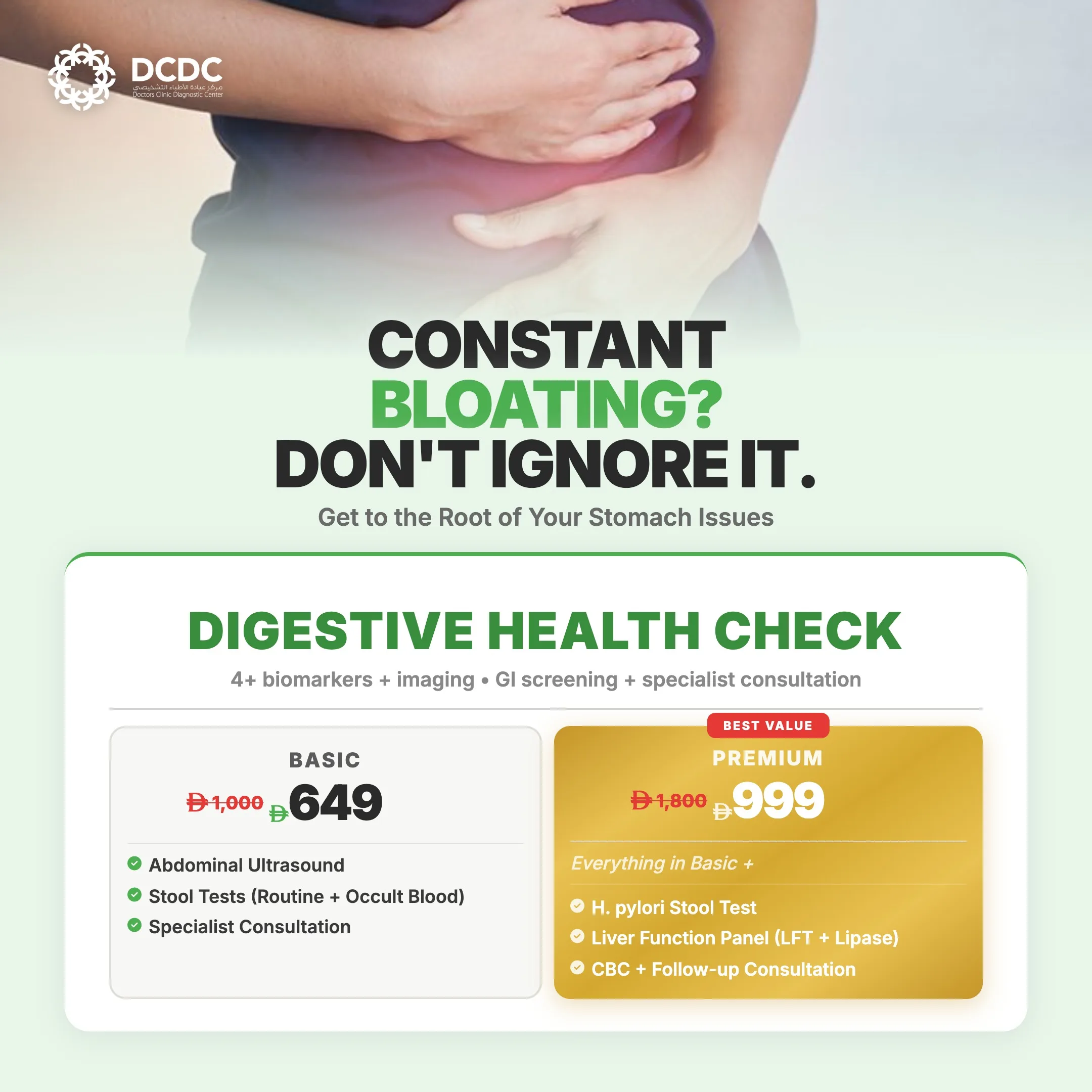
Acid Reflux Dubai: GERD Symptoms & Care (2026)

Food Intolerance Test Dubai (2026)
Blood Test Dubai: Types, Cost & Fasting Guide (2026)
Fatty Liver Dubai: Causes & Treatment (2026)

Food Poisoning Dubai: Symptoms & Treatment (2026)
More in Internal Medicine
Enlarged Prostate Dubai: BPH Symptoms (2026)
Read More
Hiatal Hernia Dubai: Symptoms & Treatment (2026)
Read MoreDiabetic Foot Care Dubai: Warning Signs (2026)
Read MoreColonoscopy vs Endoscopy Dubai: Guide (2026)
Read MoreDiabetic Diet Plan Dubai: Foods & Tips (2026)
Read MoreCholesterol-Lowering Foods & Diet Dubai (2026)
Read More© 2026 Doctors Clinic Diagnostic Center (DCDC), Dubai Healthcare City. Originally published at https://doctorsclinicdubai.ae/blog/ibs-treatment-symptoms-dubai. All rights reserved. Unauthorized reproduction is prohibited.