Key Takeaways
- Constipation is defined clinically as fewer than three bowel movements per week, often accompanied by straining, hard stools, or a sense of incomplete emptying.
- Dubai's climate and lifestyle, including extreme summer heat, heavy air-conditioning exposure, a sedentary indoor routine for much of the year, and low-fibre expat diets, create risk factors that make chronic constipation more common here than many residents realise.
- Most cases of constipation respond well to dietary changes, increased fluid intake, and modest lifestyle adjustments, without needing prescription medication.
- Red-flag symptoms such as rectal bleeding, unintentional weight loss, or a sudden change in bowel habits after age 50 warrant prompt medical evaluation to rule out more serious underlying conditions.
- Diagnostic tests for chronic constipation may include blood tests (thyroid function, calcium, glucose), stool analysis, and abdominal ultrasound, all available on-site at DCDC with same-day results for routine panels.
- At DCDC in Dubai Healthcare City, a General Practitioner consultation is the first step in evaluating constipation, with direct billing available for over 20 insurance providers and same-day appointments.
If you have been dealing with infrequent, hard, or difficult-to-pass stools, you are far from alone. Constipation is one of the most common digestive complaints we see during a gastroenterology consultation at Doctors Clinic Diagnostic Center (DCDC) in Dubai Healthcare City. While occasional constipation is rarely serious, chronic constipation can significantly affect quality of life, and in Dubai specifically, environmental and lifestyle factors, from relentless summer heat to a sedentary indoor routine, often play a larger role than people expect. This guide explains what causes constipation, how to recognise when it needs medical attention, and what treatment options are available close to home.
Whether you are dealing with occasional constipation for the first time or have been struggling with the condition for months, this guide walks through the clinical definition of constipation, its common and Dubai-specific causes, the tests your doctor may use to investigate it, and the full range of treatment options, from simple dietary changes to prescription medication. We also explain exactly what to expect during a constipation consultation at DCDC, from booking through follow-up.
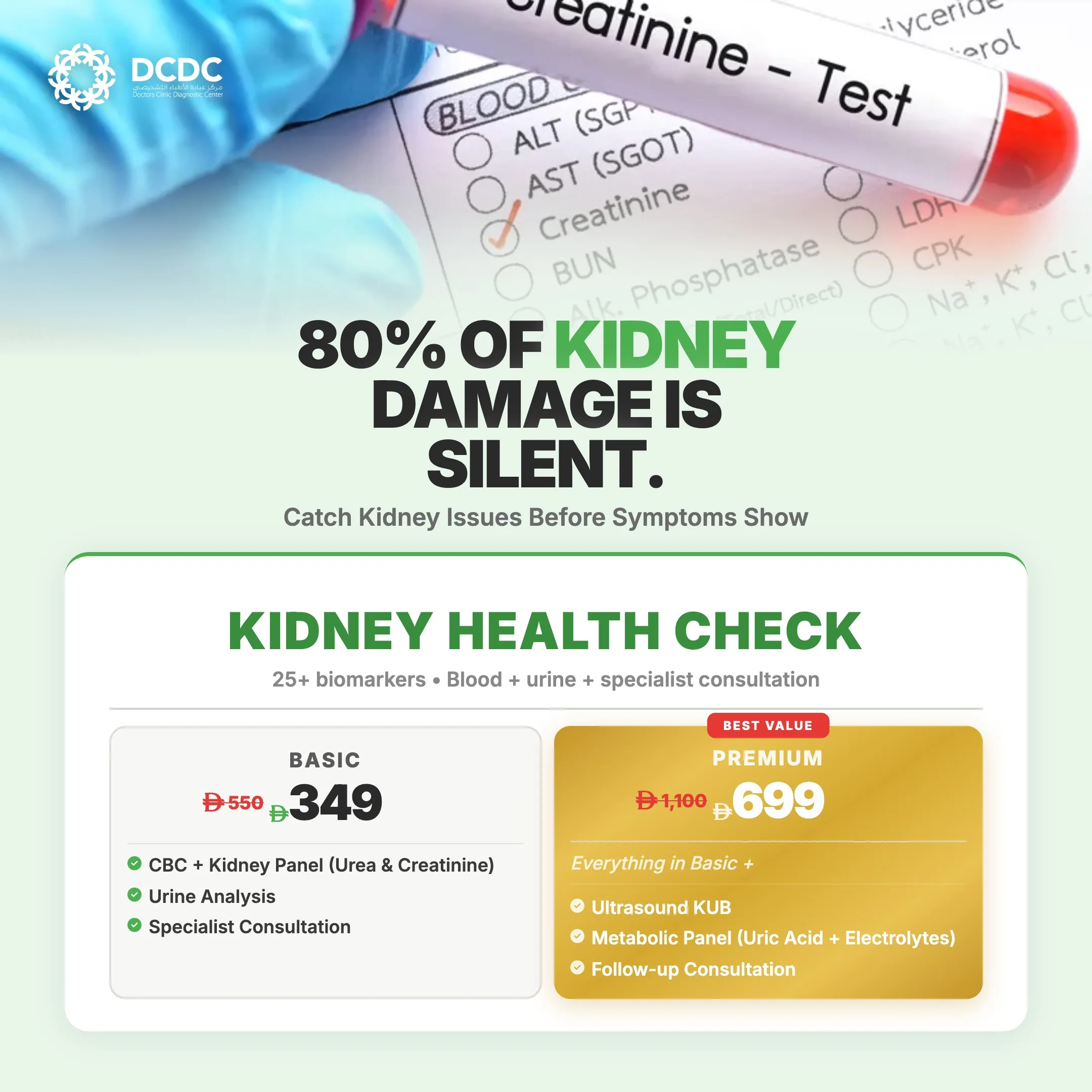
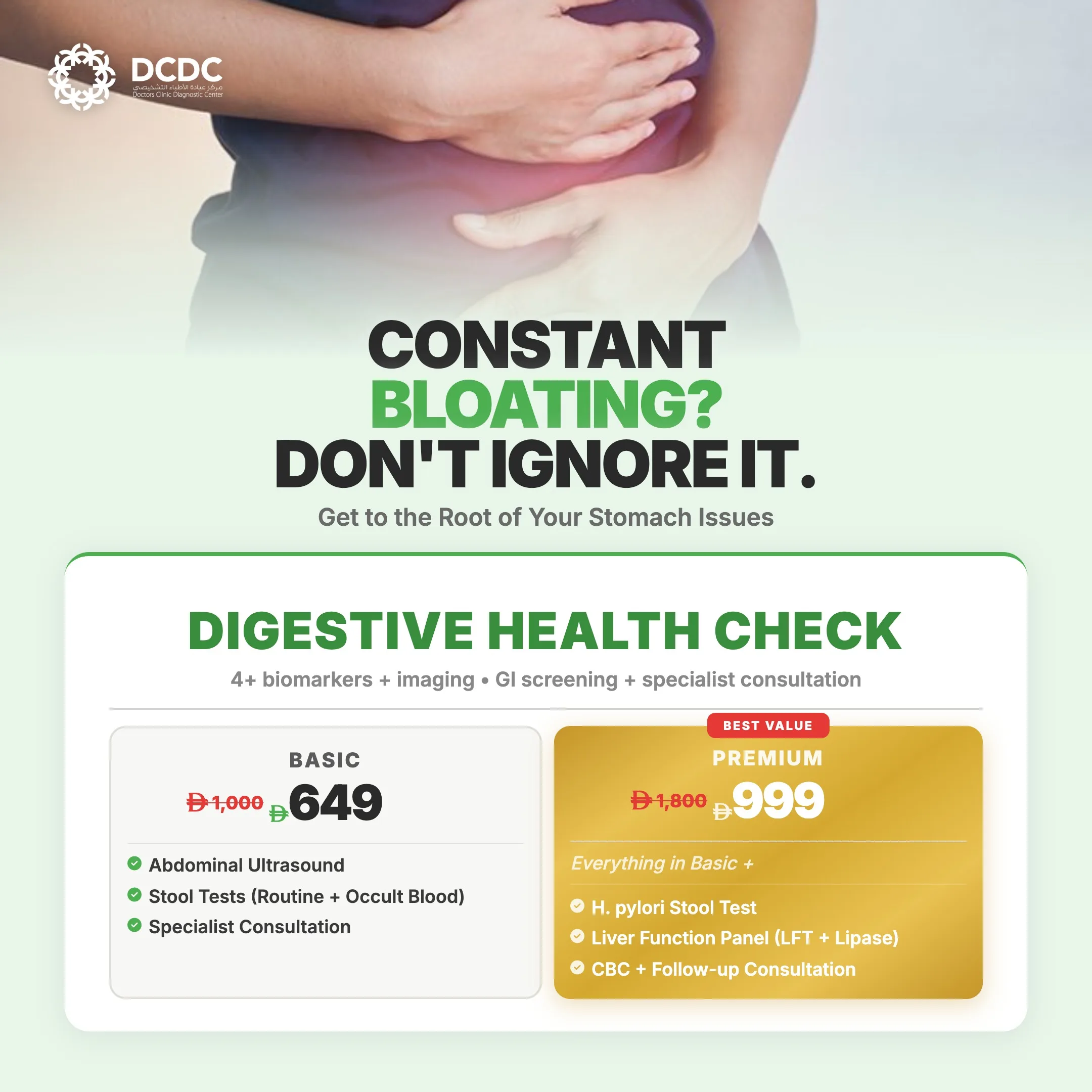
Health Screening Packages
Save with our bundled screening packages — specialist consultation included




What Is Constipation? A Clinical Definition
Constipation is one of the most common digestive complaints seen in general practice, yet the word means different things to different people. Clinically, constipation is defined using the Rome IV criteria, the internationally recognised standard for diagnosing functional gastrointestinal disorders. To meet the clinical definition of chronic functional constipation, a patient must experience at least two of the following for the past three months, with symptom onset at least six months earlier: fewer than three spontaneous bowel movements per week, straining during more than a quarter of bowel movements, lumpy or hard stools more than a quarter of the time, a sensation of incomplete evacuation, a sensation of anorectal blockage, or the need to use manual manoeuvres (such as pressing on the abdomen) to complete a bowel movement.
In practical terms, if you are going less often than usual, straining significantly, passing hard or lumpy stools, or feeling like you have not fully emptied your bowels, you likely fit the clinical picture of constipation, even if you technically still have a bowel movement every day. Frequency alone does not define constipation; stool consistency and the effort required to pass it matter just as much.
The Bristol Stool Chart: Understanding Your Stool Type
One of the simplest tools doctors use to assess bowel health is the Bristol Stool Chart, a visual scale that classifies stool into seven types based on shape and consistency. Types 1 and 2 indicate constipation, types 3 and 4 are considered normal and healthy, type 5 suggests a lack of dietary fibre, and types 6 and 7 indicate diarrhoea. Being able to describe your stool type to your doctor using this scale makes the consultation faster and more accurate, and it is a tool we regularly use during assessments at DCDC.
| Type | Description | What It Indicates |
|---|---|---|
| Type 1 | Separate hard lumps, like nuts (difficult to pass) | Severe constipation |
| Type 2 | Sausage-shaped but lumpy | Mild to moderate constipation |
| Type 3 | Sausage-shaped with cracks on the surface | Normal, healthy stool |
| Type 4 | Smooth, soft sausage or snake-like | Normal, ideal stool |
| Type 5 | Soft blobs with clear-cut edges | Lacking dietary fibre, borderline |
| Type 6 | Fluffy pieces with ragged edges, mushy | Mild diarrhoea |
| Type 7 | Watery, no solid pieces, entirely liquid | Severe diarrhoea |
Bristol Stool Chart — Types 1 to 7
Common Causes of Constipation
Constipation is rarely caused by a single factor. In most people, it develops from a combination of dietary habits, lifestyle patterns, and, less commonly, an underlying medical condition. Identifying the specific contributing factors is the key to effective treatment, which is why a thorough history is the starting point of every constipation consultation.
Dietary Causes
- Low fibre intake: Fibre adds bulk to stool and helps it move through the intestines. Diets heavy in refined carbohydrates, processed foods, and animal products with little fruit, vegetables, or whole grains are strongly linked to constipation.
- Inadequate fluid intake: Water is absorbed from stool as it moves through the colon. Without sufficient fluid intake, stool becomes hard and difficult to pass.
- Excess dairy consumption: In some individuals, particularly children, high dairy intake is associated with constipation.
- Sudden dietary changes: A rapid switch to a high-protein, low-carbohydrate diet, common among residents starting new fitness regimens, can slow bowel transit if fibre intake drops at the same time.
Lifestyle Causes
- Physical inactivity: Movement stimulates intestinal contractions (peristalsis). A sedentary routine slows gut motility considerably.
- Ignoring the urge to go: Repeatedly suppressing the natural urge to have a bowel movement, often due to a busy work schedule or discomfort using public restrooms, trains the bowel to signal less frequently over time.
- Travel and routine changes: Changes in schedule, time zone, diet, and toilet access commonly disrupt bowel regularity, a familiar experience for Dubai's large expatriate and frequently travelling population.
- Inadequate sleep: Poor sleep quality has been associated with slower gastrointestinal transit time.
Medical Causes
- Hypothyroidism (underactive thyroid): Low thyroid hormone slows metabolism throughout the body, including the digestive tract, making constipation one of the classic symptoms.
- Diabetes: Long-standing diabetes can damage the nerves controlling gut motility, a condition called diabetic gastroparesis, which affects both the stomach and colon.
- Irritable bowel syndrome with constipation (IBS-C): A functional gut disorder where constipation alternates with cramping and bloating, driven by abnormal gut sensitivity and motility.
- Neurological conditions: Parkinson's disease, multiple sclerosis, and spinal cord injuries can all interfere with the nerve signals that coordinate bowel movements.
- Pregnancy: Hormonal changes (particularly rising progesterone) relax intestinal muscle and slow transit, while the growing uterus places physical pressure on the bowel.
- Colorectal conditions: Anal fissures and haemorrhoids can cause pain that leads to voluntary stool-holding, while, less commonly, structural issues such as strictures or tumours can physically obstruct the colon.
Medication-Induced Constipation
Many commonly prescribed and over-the-counter medications list constipation as a side effect. If you started a new medication around the same time your symptoms began, this is worth mentioning to your doctor.
- Opioid painkillers: Among the most constipating medications available, opioids slow gut motility significantly and often require a preventive bowel regimen.
- Iron supplements: Frequently prescribed for the iron-deficiency anaemia commonly diagnosed on routine blood panels, iron is well known for causing hard stools.
- Calcium and aluminium-based antacids: Can slow bowel movements with regular use.
- Certain antidepressants: Particularly tricyclic antidepressants, which have anticholinergic effects that slow the gut.
- Calcium channel blockers: A class of blood pressure medication that relaxes smooth muscle, including in the bowel wall.
- Anticholinergic medications: Used for conditions such as overactive bladder, these directly reduce intestinal motility.
Dubai-Specific Risk Factors for Constipation
While the causes above apply anywhere in the world, several factors specific to life in Dubai make constipation a particularly common complaint among residents, and they are frequently overlooked in generic health advice written for other climates.
- Chronic low-grade dehydration from extreme heat: Summer temperatures in Dubai routinely exceed 40-45°C, and fluid losses through sweat are substantial, even during short outdoor exposure. Many residents do not adequately increase their water intake to match this loss, leading to a state of chronic mild dehydration that directly hardens stool.
- Air-conditioning masking fluid loss: Because most of daily life in Dubai (homes, offices, malls, cars) is spent in air-conditioned environments, the physical cues of thirst and sweating are blunted, so people often fail to notice they are dehydrated until symptoms like constipation or headaches appear.
- Sedentary indoor lifestyle during peak summer months: From roughly May to September, outdoor walking, jogging, and other incidental physical activity drop sharply as residents avoid the heat, reducing the natural stimulation that movement provides to the bowel.
- Low-fibre expat dietary patterns: Many residents, particularly newer expats, shift toward high-protein, low-fibre diets built around convenience foods, restaurant meals, and meal-replacement products, all of which lack the fibre content of a traditional home-cooked, plant-rich diet.
- Frequent dining out and irregular meal timing: Dubai's dining culture, along with demanding work schedules, often leads to skipped meals, late dinners, and inconsistent meal timing, all of which disrupt the body's natural bowel rhythm.
- Ramadan fasting patterns: The shift to pre-dawn and post-sunset eating during Ramadan changes meal timing, fluid intake distribution, and often fibre intake, and many patients report new or worsened constipation during and immediately after the fasting month.
- High-stress, fast-paced lifestyle: Long working hours and a demanding pace of life are common in Dubai, and chronic stress is known to alter gut motility and worsen functional bowel symptoms, including constipation.
Because these environmental and lifestyle triggers overlap significantly with other common digestive complaints in Dubai, patients with constipation frequently also experience related symptoms such as excess gas and abdominal distension. If bloating is also a concern for you, our bloating causes and treatment guide covers this closely related topic in more detail.
Symptoms That Often Accompany Constipation
Constipation rarely occurs in isolation. Most patients describe a cluster of related symptoms that develop alongside infrequent or difficult bowel movements.
- Abdominal bloating and distension: Retained stool and gas create a feeling of fullness and visible abdominal swelling.
- Abdominal cramping or discomfort: Often located in the lower abdomen and temporarily relieved by passing gas or stool.
- Reduced appetite: A full colon can suppress hunger, particularly in children and older adults.
- Straining and prolonged time on the toilet: A hallmark symptom that, over time, can contribute to haemorrhoids and anal fissures.
- Haemorrhoids: Swollen veins around the anus caused by repeated straining, which can cause pain, itching, and rectal bleeding.
- Anal fissures: Small tears in the lining of the anus caused by passing hard stool, often causing sharp pain and small amounts of bright red bleeding.
- Nausea: Some patients with significant stool retention experience mild nausea, particularly after eating.
- Fatigue and low mood: Chronic constipation is frequently associated with reduced energy and irritability, likely related to discomfort and disrupted sleep.
When to See a Doctor for Constipation
Occasional constipation that resolves within a few days with simple measures such as increased fluids, fibre, and activity rarely requires medical attention. However, certain symptoms and patterns should prompt a consultation, and a smaller subset of "red flag" symptoms warrant urgent evaluation because they can, in rare cases, indicate a more serious underlying condition such as colorectal cancer, bowel obstruction, or inflammatory bowel disease.
| Symptom or Situation | Urgency Level |
|---|---|
| Constipation lasting more than 3 weeks despite home measures | See a doctor soon |
| Alternating constipation and diarrhoea | See a doctor soon |
| Severe abdominal pain or bloating | See a doctor soon |
| New constipation after age 50 with no prior history | See a doctor soon |
| Rectal bleeding or blood in the stool | Seek prompt medical evaluation |
| Unintentional weight loss | Seek prompt medical evaluation |
| Persistent vomiting or inability to pass gas | Seek urgent / same-day care |
| Family history of colorectal cancer with new bowel changes | Seek prompt medical evaluation |
| Severe, worsening abdominal pain with a hard, distended abdomen | Seek urgent / emergency care |
When to See a Doctor for Constipation
If you notice any of the more urgent symptoms above, particularly rectal bleeding, unexplained weight loss, or a sudden, persistent change in bowel habits after the age of 50, it is important not to simply increase laxative use on your own. These symptoms require a proper clinical assessment, and in some cases, referral for further investigation such as a colonoscopy.
Diagnostic Tests for Chronic Constipation
When constipation is persistent, severe, or accompanied by any concerning symptoms, your doctor will typically recommend a set of investigations to identify or rule out an underlying cause. At DCDC, most of these tests can be arranged during a single visit, with routine blood results typically available the same day.
Blood Tests
- Thyroid function test (TSH): Screens for hypothyroidism, one of the most common medical causes of constipation, particularly in women.
- Serum calcium: Elevated calcium levels (hypercalcaemia) can slow bowel motility and cause constipation, along with other symptoms such as fatigue and excessive thirst.
- Fasting glucose or HbA1c: Screens for diabetes, which can affect gut nerve function over time.
- Complete blood count (CBC): Checks for anaemia, which can be a subtle sign of chronic gastrointestinal blood loss.
- Electrolyte panel: Identifies imbalances, such as low potassium, that can slow bowel motility.
Stool Analysis
Stool tests can check for occult (hidden) blood, infection, or inflammatory markers such as faecal calprotectin, which helps distinguish a functional bowel disorder from an inflammatory condition.
Abdominal Imaging
An abdominal ultrasound can help assess the abdominal organs and, in some cases, detect significant stool retention or other structural findings. In select cases, your doctor may recommend further imaging such as an abdominal X-ray or CT scan, particularly if obstruction is a concern.
Specialist Referral
If red-flag symptoms are present, if initial treatment does not improve symptoms after a reasonable trial, or if the clinical picture suggests a structural or inflammatory cause, your doctor will coordinate a referral for colonoscopy or specialist gastroenterology assessment. Because constipation frequently overlaps with irritable bowel syndrome, particularly IBS with a constipation-predominant pattern (IBS-C), your doctor may also evaluate for this condition; our IBS treatment and symptoms guide explains how these two conditions differ and overlap.
Treatment Options for Constipation
Treatment for constipation follows a stepwise approach, starting with the least invasive, most sustainable options and progressing only if needed. The large majority of patients improve significantly with lifestyle and dietary changes alone, without ever needing prescription medication.
Step 1: Lifestyle and Behavioural Measures
- Respond promptly to the urge to go: Delaying bowel movements repeatedly trains the bowel to become less responsive over time.
- Establish a regular toilet routine: Many people find success setting aside time after breakfast, when the gastrocolic reflex (the urge to have a bowel movement after eating) is naturally strongest.
- Use a footstool: Elevating the knees above hip level while on the toilet straightens the anorectal angle and makes elimination easier and less strained.
- Increase physical activity: Even a daily 20-30 minute walk, ideally in the cooler early morning or evening hours in Dubai, meaningfully improves bowel motility.
Step 2: Over-the-Counter Remedies
- Bulk-forming fibre supplements (psyllium husk, methylcellulose): Add volume and soft bulk to stool. Usually the first choice, but must be taken with plenty of water to avoid worsening symptoms.
- Osmotic laxatives (polyethylene glycol, lactulose): Draw water into the bowel to soften stool. Generally well tolerated for regular use and considered a first-line medical treatment when fibre and fluids alone are insufficient.
- Stool softeners (docusate sodium): Help water penetrate stool, useful for short-term prevention of straining, such as after childbirth or surgery.
- Stimulant laxatives (senna, bisacodyl): Trigger intestinal muscle contractions. Effective for occasional use but not generally recommended for daily, long-term use without medical guidance.
Step 3: Prescription Treatment
For patients with chronic constipation that does not respond adequately to lifestyle changes and over-the-counter options, several prescription medications are available, including secretagogues such as linaclotide and lubiprostone, which increase fluid secretion into the intestine, and prokinetic agents such as prucalopride, which stimulate colonic motility directly. These are prescribed and monitored by a physician after a full clinical assessment.
Step 4: Specialist and Procedural Treatment
A small proportion of patients have constipation caused by pelvic floor dysfunction, where the muscles used during defecation do not coordinate properly. These patients often benefit from biofeedback therapy with a specialist physiotherapist. In rare cases involving structural abnormalities or severe, treatment-resistant slow colonic transit, surgical options may be considered, though this is uncommon and reserved for carefully selected cases after thorough investigation.
Struggling with Ongoing Constipation?
You do not need to manage chronic digestive discomfort alone. Our Internal Medicine team at DCDC in Dubai Healthcare City offers same-day consultations for constipation and related digestive concerns, with on-site blood tests and abdominal ultrasound available. Over 20 insurance providers accepted with direct billing.
Consultation from AED 250 | Same-day appointments | Extended hours until 10 PM
Dietary Changes That Help
Diet is the single most effective, sustainable lever for preventing and relieving constipation for most people. The two pillars are adequate fibre intake and sufficient fluid intake, working together, since fibre without enough water can actually worsen constipation.
Fibre-Rich Foods to Add to Your Diet
Adults generally need 25-30 grams of fibre per day, though most residents in Dubai consume considerably less. Increase fibre intake gradually over 1-2 weeks to avoid excess gas and bloating, and always pair increased fibre with increased water intake.
| Food | Fibre per Serving | Serving Size |
|---|---|---|
| Chia seeds | 9.8 g | 1 ounce (28 g) |
| Split lentils, cooked | 7.8 g | 1 cup (198 g) |
| Dates | 6.7 g | 100 g (about 6 dates) |
| Black beans, cooked | 6.1 g | 1/2 cup |
| Raspberries | 6.5 g | 1 cup |
| Whole wheat pasta, cooked | 6.3 g | 1 cup |
| Pear (with skin) | 5.5 g | 1 medium |
| Oats, dry | 4 g | 1/2 cup |
| Broccoli, cooked | 3.6 g | 1 cup |
| Prunes (dried plums) | 3.1 g | 5 prunes |
| Almonds | 3.5 g | 1 ounce (23 almonds) |
| Apple (with skin) | 2.4 g | 1 small |
Fibre Content of Common Foods
Hydration: Especially Important in Dubai's Climate
Given Dubai's extreme heat and near-constant exposure to air conditioning, most residents need considerably more fluid than the generic "eight glasses a day" guidance suggests, particularly if they spend any time outdoors or exercise. Aim for pale yellow urine as a practical marker of adequate hydration, and increase intake further on hot days, during exercise, or when fibre intake is being increased, since fibre needs water to work effectively. Warm water or warm lemon water first thing in the morning is a simple habit many patients find helpful for stimulating a morning bowel movement.
Other Gut-Friendly Habits
- Prunes and prune juice: Contain sorbitol, a natural sugar alcohol with a mild laxative effect, along with fibre.
- Fermented foods: Yoghurt, kefir, and other probiotic-rich foods may support a healthy gut microbiome, which plays a role in regular bowel function.
- Limit ultra-processed foods: Packaged snacks, fast food, and refined white bread and rice are low in fibre and displace more beneficial whole foods.
- Moderate caffeine and alcohol: Both can contribute to dehydration if not balanced with additional water intake.
- Consistent meal timing: Eating meals at roughly the same times each day helps regulate the body's natural bowel rhythm, which is particularly relevant for shift workers and frequent travellers in Dubai.
What to Expect at DCDC: Your Constipation Consultation
At Doctors Clinic Diagnostic Center in Dubai Healthcare City, evaluating constipation is a straightforward, structured process designed to identify the cause and get you started on effective treatment quickly.
- Step 1 — Booking: Call our reception or message us on WhatsApp to arrange your appointment. Same-day appointments are typically available, and we are open Saturday to Thursday from 8 AM to 10 PM and Fridays from 9 AM to 9 PM.
- Step 2 — Arrival and registration: Our multilingual team (Arabic, English, Farsi, Urdu, Hindi) will greet you and verify your insurance details. Free parking is available on-site.
- Step 3 — Consultation with the doctor: Dr. Hadeel Elnur or one of our General Practitioners will take a detailed history covering bowel frequency, stool consistency, diet, fluid intake, medications, and any red-flag symptoms, followed by a focused abdominal examination.
- Step 4 — Targeted investigations: If indicated, blood tests (thyroid function, calcium, glucose, complete blood count) are processed in our on-site laboratory, typically with same-day results. Abdominal ultrasound and stool analysis can also be arranged during the same visit if clinically appropriate.
- Step 5 — Dietary counselling tailored to your lifestyle: Rather than generic advice, our team provides practical, personalised dietary guidance that accounts for the realities of life in Dubai — heat, dining-out culture, work schedules, and, where relevant, Ramadan fasting patterns.
- Step 6 — Treatment plan and follow-up: Your doctor will outline a stepwise treatment plan, starting with lifestyle and dietary measures and escalating only if needed. A follow-up is typically scheduled within 2-4 weeks to assess your response and adjust the plan.
Because hydration is such a central factor in bowel regularity in Dubai's climate, our team frequently reviews signs of dehydration alongside constipation during these consultations. If you are unsure whether dehydration might be contributing to your symptoms, our dehydration symptoms and treatment guide covers the warning signs in detail.
DCDC holds MOHAP licensing and maintains a 4.8/5 rating from over 1,000 Google reviews, with a 98% patient satisfaction rate. Our approach to constipation reflects the same standard of thorough, coordinated care we apply across all internal medicine concerns.
Dr. Hadeel Elnur's Perspective on Constipation Care in Dubai
"Constipation is one of those conditions patients often feel embarrassed to discuss, so they tend to delay coming in, sometimes for months. What I want people to know is that it is an extremely common, very treatable condition, and there is no need to just live with the discomfort. What I see most often in Dubai is that patients have quietly slipped into chronic mild dehydration because of the heat and air conditioning, combined with a diet that has drifted away from fibre-rich foods, without realising these two factors together are largely responsible for their symptoms."
"As a General Practitioner, my role is often the first point of contact — I take a thorough history, examine the patient, and decide what workup is genuinely needed. In most cases, that means a focused set of blood tests to rule out thyroid or metabolic causes, combined with clear, practical dietary and hydration guidance suited to life here. When symptoms are more concerning, or when a patient does not improve with an appropriate trial of treatment, I coordinate onward referral rather than asking patients to keep guessing. The goal is always to match the level of investigation to the actual clinical picture, not to over-test or under-test."
Constipation in Special Populations
Pregnancy
Constipation affects a significant proportion of pregnant women, driven by rising progesterone levels that relax intestinal muscle, iron supplementation, and the physical pressure of the growing uterus on the bowel. Increasing fibre and fluid intake, gentle regular movement such as walking, and, where appropriate, a pregnancy-safe stool softener recommended by your obstetrician are generally the first steps. Stimulant laxatives should only be used in pregnancy under medical guidance.
Children
Constipation is common in children and is frequently linked to toilet training, withholding behaviour due to a fear of pain or unfamiliar toilets (relevant for children starting nursery or school in Dubai), and diets low in fibre and high in dairy. Persistent constipation in children should be assessed by a doctor, as untreated childhood constipation can lead to a cycle of stool withholding and worsening symptoms.
Elderly Patients
Older adults are at higher risk of constipation due to reduced mobility, a higher likelihood of taking multiple constipating medications, weaker pelvic floor and abdominal muscles, and age-related slowing of colonic transit. In this age group, new-onset constipation should always be evaluated to rule out underlying causes, given the somewhat higher likelihood of an organic cause compared with younger adults.
Medication-Induced Constipation
Patients on long-term medications known to cause constipation, particularly opioid painkillers, certain antidepressants, and iron supplements, often benefit from starting a preventive bowel regimen (such as a daily osmotic laxative) at the same time the medication is started, rather than waiting for symptoms to develop. If you have started a new medication and noticed a change in your bowel habits, mention this to your doctor rather than adjusting the dose yourself.
Prevention Tips for Dubai Residents
Given the specific environmental and lifestyle pressures that make constipation more common in Dubai, a few consistent habits go a long way toward long-term prevention.
- Set a daily water target and track it: Aim for at least 2.5-3 litres a day as a baseline in Dubai's climate, and more on days with outdoor activity or exercise.
- Keep a reusable water bottle within reach at all times: Because air conditioning masks the sensation of thirst, relying on thirst alone in Dubai is unreliable; a visible bottle serves as a helpful prompt.
- Build a 20-30 minute walk into your day: Early morning or after sunset, when temperatures are more manageable, are the best windows for outdoor movement most of the year.
- Plan for fibre at every meal: Add a portion of vegetables, a whole grain, or a handful of nuts, seeds, or dried fruit such as dates or prunes to each meal rather than trying to "catch up" with a single large fibre-rich meal.
- Do not skip meals, especially breakfast: The gastrocolic reflex after eating is one of the body's strongest natural triggers for a bowel movement.
- Adjust your routine mindfully during Ramadan: Prioritise fibre-rich foods and adequate fluids during Iftar and Suhoor, and avoid an overly heavy, low-fibre meal to break the fast.
- Do not ignore the urge to go: Make time to respond to your body's signal rather than delaying it until a more convenient moment.
- Review your medications periodically with your doctor: If you take regular medications known to cause constipation, ask whether a preventive measure is appropriate.
Get a Personalised Digestive Health Assessment
Chronic constipation deserves a proper evaluation, not just another laxative. At DCDC in Dubai Healthcare City, our Internal Medicine team provides thorough assessment, on-site blood tests, abdominal ultrasound, and dietary counselling tailored to your lifestyle in Dubai. Book online or reach us on WhatsApp today.
Building 64, Block A, Al Razi Medical Complex | Sat-Thu 8 AM-10 PM, Fri 9 AM-9 PM
Related Services at DCDC
Expert care and advanced diagnostics at Dubai Healthcare City
Frequently Asked Questions
Final Thoughts
Constipation is an extremely common condition, and in Dubai specifically, it is often driven by a combination of factors that residents rarely connect to their symptoms: chronic low-grade dehydration from the heat, a sedentary indoor lifestyle for much of the year, and dietary patterns that have drifted away from fibre-rich, home-cooked meals. The encouraging news is that most cases respond very well to targeted, sustainable changes in hydration, fibre intake, and daily movement, without ever needing prescription medication.
That said, constipation should never simply be endured indefinitely, and it should not always be self-treated with laxatives alone. If your symptoms persist beyond a few weeks, if you notice any red-flag symptoms such as rectal bleeding or unexplained weight loss, or if you are relying on laxatives regularly without understanding why, it is time for a proper clinical evaluation. A thorough history, focused examination, and, where appropriate, targeted blood tests can identify the specific cause and guide treatment far more effectively than continued guesswork.
At DCDC in Dubai Healthcare City, our Internal Medicine team provides exactly this kind of structured, personalised approach, from your first consultation through same-day laboratory testing and, where needed, coordinated specialist referral. Getting your digestive health properly assessed is a small investment of time that can meaningfully improve your day-to-day comfort and wellbeing.
Sources & References
This article was reviewed by our medical team and references the following sources:
- Mayo Clinic — Constipation: Symptoms and Causes
- NHS — Constipation
- Cleveland Clinic — Constipation
- National Institute of Diabetes and Digestive and Kidney Diseases (NIDDK) — Symptoms & Causes of Constipation
- American Gastroenterological Association (AGA) — Clinical Guidance on Chronic Constipation
- NICE Clinical Knowledge Summaries — Constipation
Medical content on this site is reviewed by DHA-licensed physicians. See our editorial policy for more information.

Written by
Dr. Hadeel Elnur
General Practitioner
MD, General Practice
Dr. Hadeel Elnur is a General Practitioner at Doctors Clinic Diagnostic Center (DCDC) in Dubai Healthcare City.
Related Articles

Bloating Causes & Treatment in Dubai

IBS Treatment Dubai: Symptoms & Relief

Abdominal Pain Dubai: Causes & Diagnosis
Gastroenterologist Dubai: When to See One
Dehydration Dubai: Symptoms & Treatment
More in Internal Medicine

Enlarged Prostate Dubai: BPH Symptoms (2026)
Read More
Hiatal Hernia Dubai: Symptoms & Treatment (2026)
Read MoreDiabetic Foot Care Dubai: Warning Signs (2026)
Read MoreColonoscopy vs Endoscopy Dubai: Guide (2026)
Read MoreDiabetic Diet Plan Dubai: Foods & Tips (2026)
Read MoreCholesterol-Lowering Foods & Diet Dubai (2026)
Read More© 2026 Doctors Clinic Diagnostic Center (DCDC), Dubai Healthcare City. Originally published at https://doctorsclinicdubai.ae/blog/constipation-causes-treatment-dubai. All rights reserved. Unauthorized reproduction is prohibited.