
Key Takeaways
- A lipid profile test measures total cholesterol, LDL ("bad" cholesterol), HDL ("good" cholesterol), triglycerides, and VLDL — all values are needed to assess your cardiovascular risk accurately
- Lipid profile testing in Dubai costs from AED 249 for a standalone panel, with market prices ranging AED 80-300 depending on the facility — DCDC offers DHA-regulated pricing at Dubai Healthcare City
- You must fast for 9-12 hours before a lipid profile test — water is allowed, but avoid food, coffee, tea, and juice to ensure accurate triglyceride and LDL readings
- Approximately 50% of adults in the UAE have at least one lipid abnormality, yet many remain undiagnosed because high cholesterol produces no symptoms until a cardiovascular event occurs
- The WHO recommends cholesterol screening starting at age 20, repeated every 4-6 years for normal-risk adults — those with risk factors (diabetes, family history, obesity) need annual testing
- Non-HDL cholesterol (total cholesterol minus HDL) is increasingly recognised as a better predictor of cardiovascular risk than LDL alone, and does not require fasting to calculate
- Cardiovascular risk scoring tools like the Framingham Risk Score and ASCVD calculator combine cholesterol levels with age, blood pressure, and diabetes status to estimate your 10-year heart attack risk
High cholesterol is one of the most dangerous conditions precisely because it is silent — there are no symptoms, no pain, and no warning until a heart attack or stroke occurs. In the UAE, cardiovascular disease accounts for roughly 30% of all deaths, and approximately half of all adults have at least one lipid abnormality. A lipid profile test is a simple blood draw that measures your cholesterol and triglyceride levels, giving you and your doctor the information needed to prevent heart disease years before it develops. Our Blood Tests service at DCDC offers lipid profile testing from AED 249 with same-day results at Dubai Healthcare City.
This guide covers everything you need to know about lipid profile testing in Dubai: what each component means, how to prepare, what normal ranges look like, how much it costs, how to interpret your results, cardiovascular risk scoring, statin therapy considerations, cholesterol ratio calculations, and what to do if your cholesterol is high. Whether you are getting your first cholesterol test or monitoring an existing condition, this is a complete, medically reviewed resource. Reviewed by Dr. Hadeel Elnur, General Practitioner at DCDC Dubai Healthcare City.
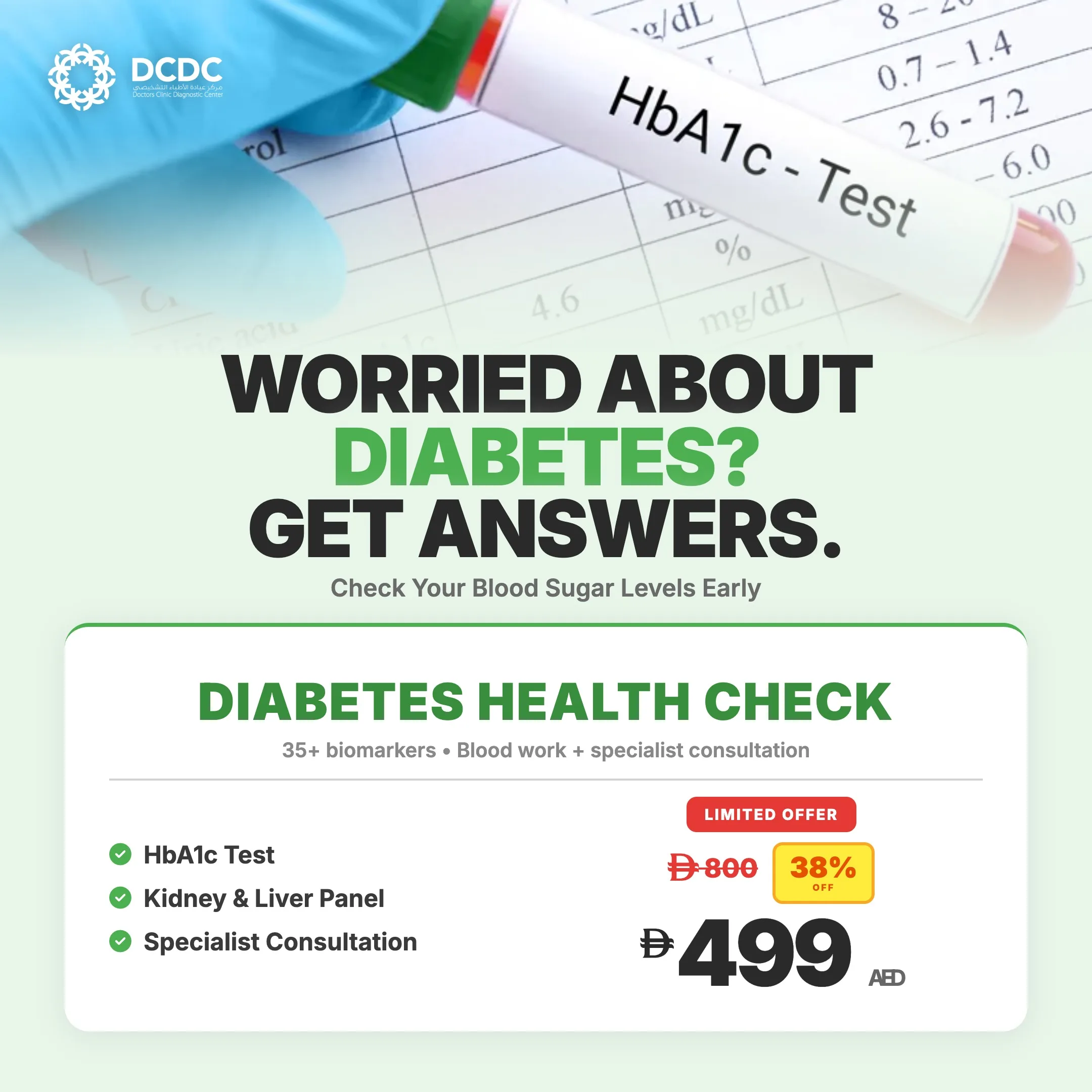
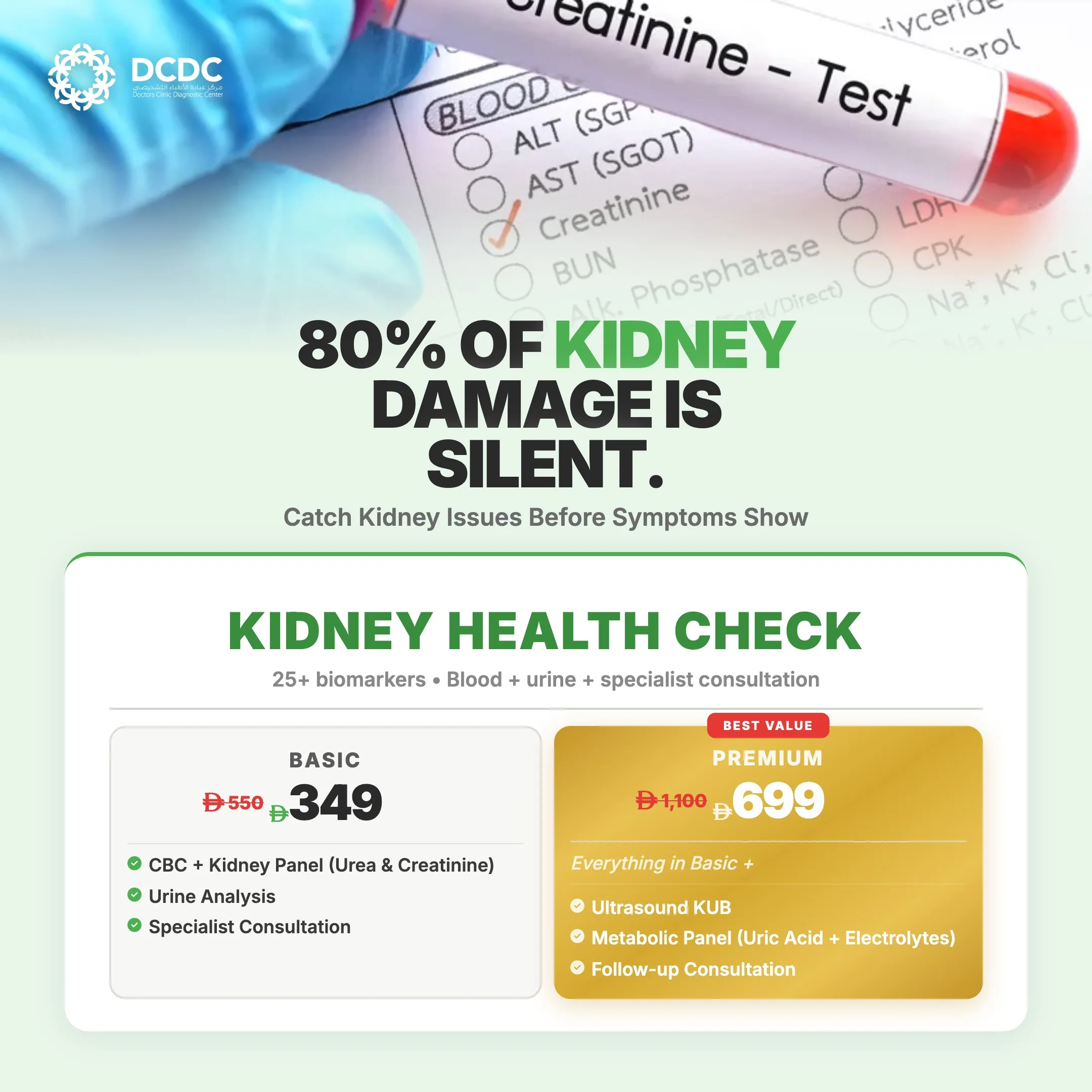
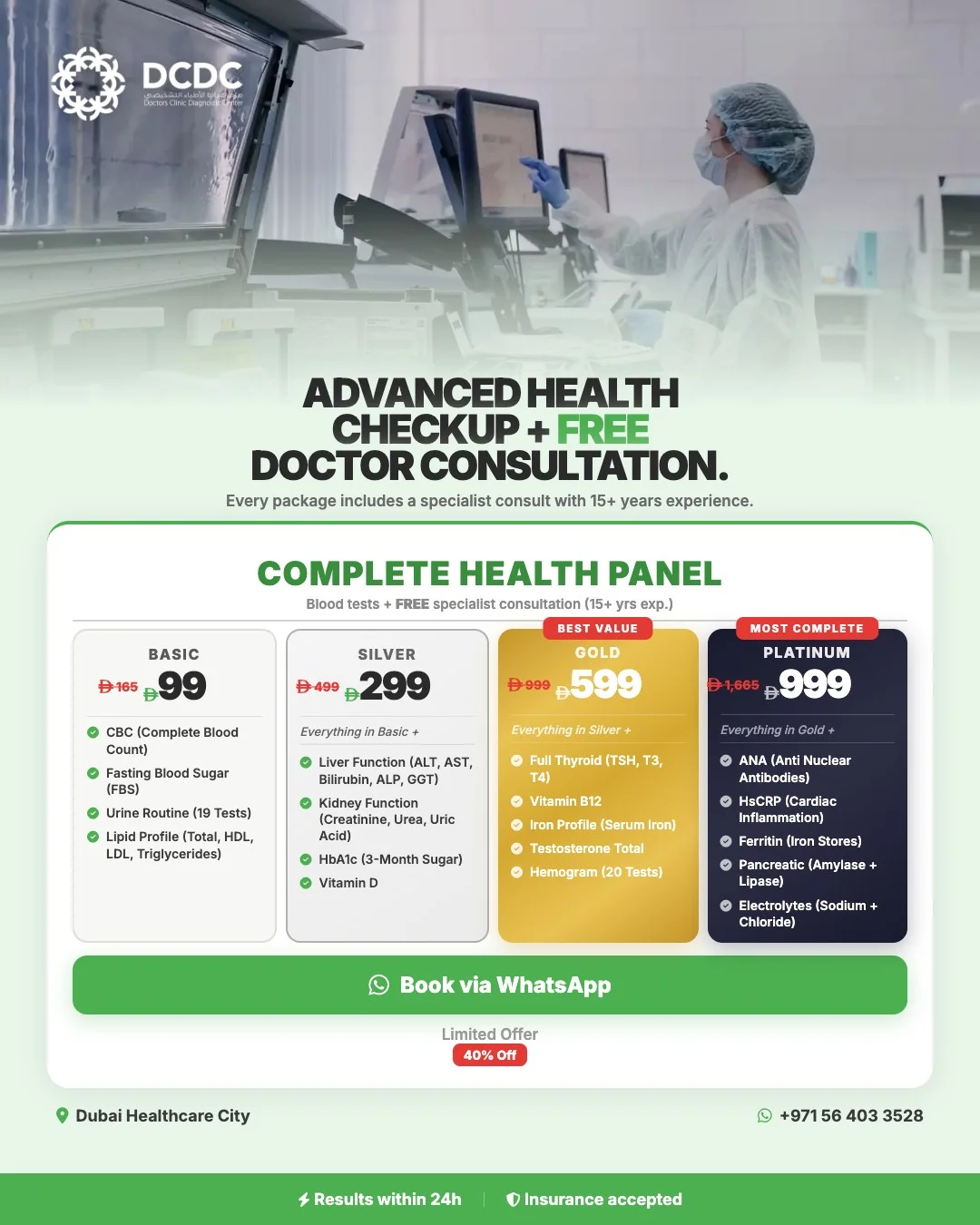
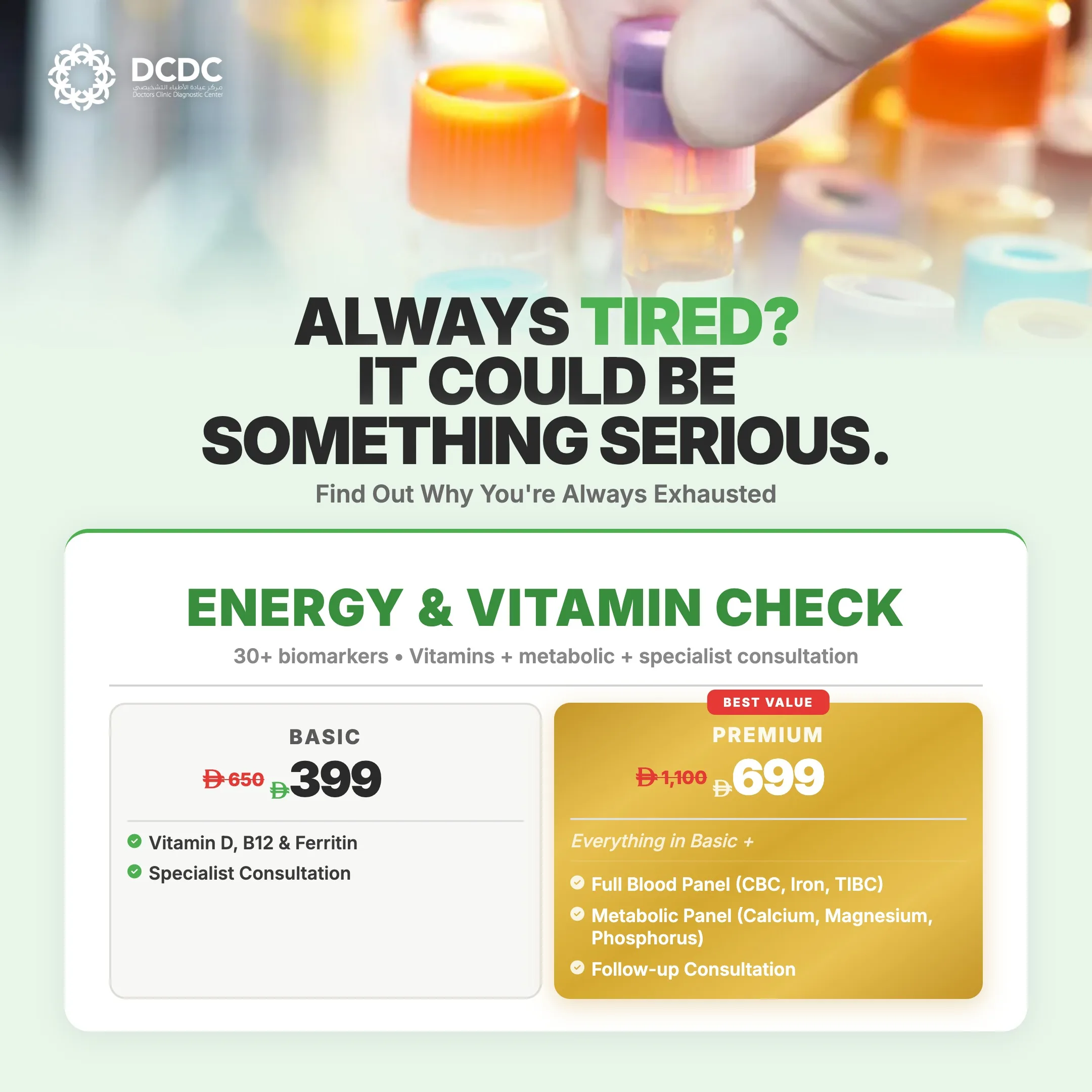
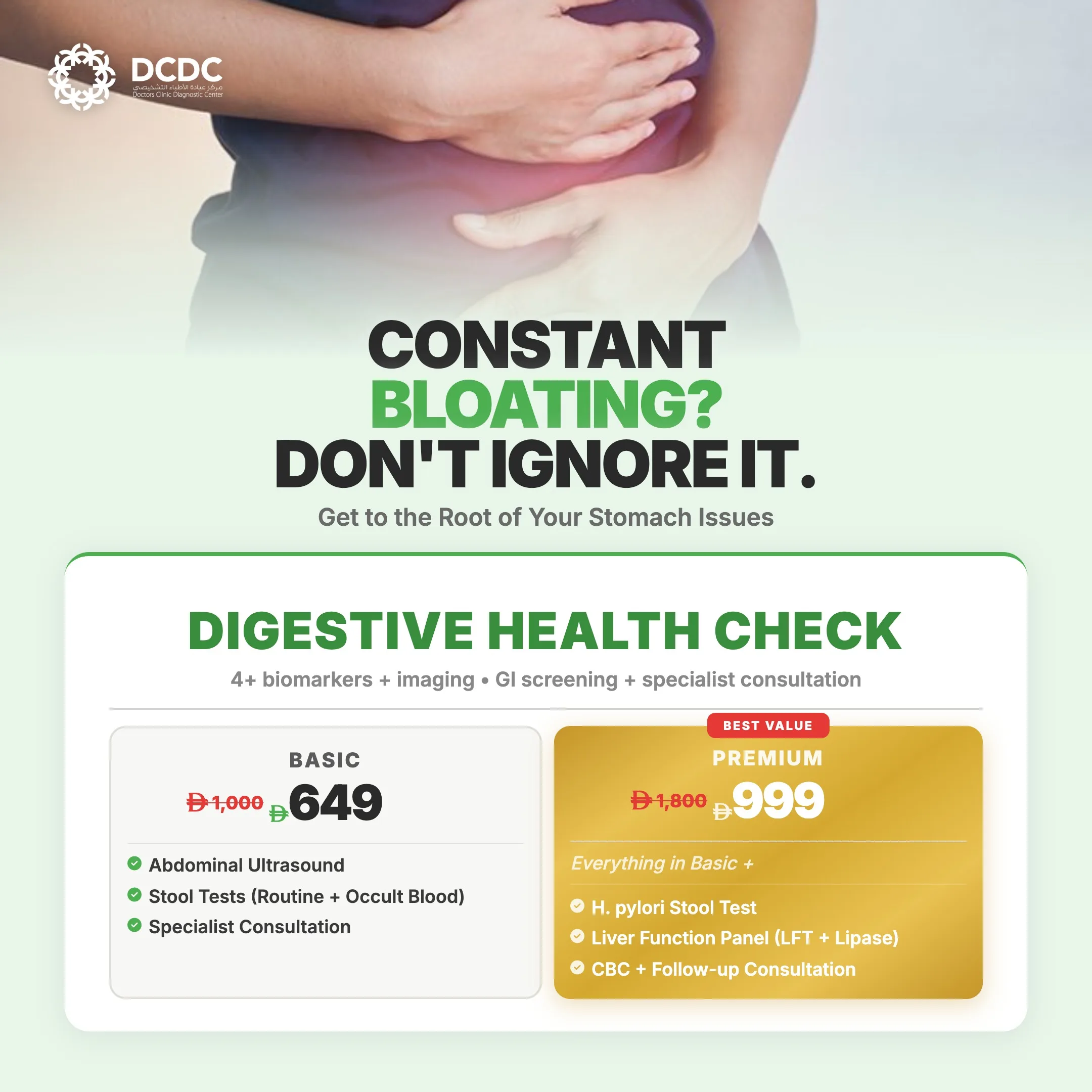
Health Screening Packages
Save with our bundled screening packages — specialist consultation included

What Is a Lipid Profile Test?
A lipid profile test — also called a lipid panel, cholesterol panel, or lipid blood test — is a group of blood tests that measure the fats (lipids) circulating in your bloodstream. Unlike a single cholesterol number, a full lipid profile breaks down your cholesterol into its component parts, each of which plays a different role in cardiovascular health. The test requires a small blood sample drawn from a vein in your arm, typically after a 9-12 hour fast.
The lipid profile is one of the most commonly ordered blood tests worldwide and is a cornerstone of preventive medicine. It is included in virtually every comprehensive health checkup and is the primary tool doctors use to assess your risk of heart disease, stroke, and peripheral arterial disease. The test is quick, widely available, and relatively inexpensive — making it one of the most cost-effective screening tools in modern medicine.
Your doctor may order a lipid profile as part of routine screening, to monitor a known condition, to evaluate the effectiveness of cholesterol-lowering medication, or because you have risk factors such as diabetes, hypertension, obesity, or a family history of heart disease. In the UAE, where cardiovascular disease is the leading cause of death, regular lipid testing is particularly important.
Why Lipid Profile Testing Matters in Dubai
The UAE faces a significant cardiovascular health challenge. According to the World Health Organization, cardiovascular disease is responsible for approximately 30% of all deaths in the country. Several factors contribute to this elevated risk: a rapidly urbanised lifestyle with sedentary office work, high temperatures that limit outdoor physical activity for much of the year, dietary patterns heavy in processed foods and saturated fats, and high rates of diabetes and obesity.
Studies indicate that roughly 50% of adults in the UAE have at least one lipid abnormality — whether elevated LDL, low HDL, high triglycerides, or a combination. What makes this statistic alarming is that dyslipidemia (abnormal cholesterol) produces no symptoms. You cannot feel high cholesterol. The damage accumulates silently over years as cholesterol deposits build up inside artery walls, narrowing blood vessels and restricting blood flow. By the time symptoms appear — chest pain, shortness of breath, or a heart attack — significant damage has already occurred.
This is why proactive screening matters. A lipid profile test can identify abnormal cholesterol levels decades before a cardiovascular event, giving you time to make lifestyle changes or start treatment that can dramatically reduce your risk. The Dubai Health Authority recognises this importance and includes lipid testing in its recommended preventive screening guidelines for all adults.
Lipid Profile Test Components Explained
A standard lipid profile measures five key markers. Understanding what each one represents is essential for interpreting your results:
Total Cholesterol
This is the sum of all cholesterol in your blood — LDL, HDL, and a portion of triglycerides. While it provides a useful overview, total cholesterol alone does not tell the full story. A person with high total cholesterol might have very high HDL (protective), making their actual risk lower than the total number suggests. Conversely, someone with "normal" total cholesterol could have dangerously high LDL and low HDL. That is why the full panel is necessary.
LDL Cholesterol ("Bad" Cholesterol)
Low-density lipoprotein carries cholesterol from the liver to arteries throughout your body. When LDL levels are too high, cholesterol deposits accumulate inside artery walls, forming plaques that narrow and harden blood vessels — a process called atherosclerosis. This is the primary driver of heart attacks and strokes. LDL is the most important single number on your lipid panel for determining cardiovascular risk and treatment decisions. According to AHA/ACC guidelines, optimal LDL is below 100 mg/dL (2.6 mmol/L), and for high-risk patients, below 70 mg/dL (1.8 mmol/L).
HDL Cholesterol ("Good" Cholesterol)
High-density lipoprotein performs the opposite function — it carries cholesterol away from your arteries back to the liver for removal. Higher HDL levels are protective. HDL above 60 mg/dL (1.6 mmol/L) is considered cardioprotective, while HDL below 40 mg/dL (1.0 mmol/L) in men or below 50 mg/dL (1.3 mmol/L) in women is an independent risk factor for heart disease, even if LDL is normal.
Triglycerides
Triglycerides are a type of fat your body uses for energy. Your liver produces them, and they also come directly from food — especially sugar, refined carbohydrates, and alcohol. Elevated triglycerides are strongly associated with metabolic syndrome, type 2 diabetes, and an increased risk of pancreatitis (when extremely high). Normal triglycerides are below 150 mg/dL (1.7 mmol/L); levels of 200 mg/dL (2.3 mmol/L) or higher are classified as high. Triglycerides are the component most affected by fasting status — eating before the test can raise triglyceride readings by 20-30%.
VLDL Cholesterol (Very Low-Density Lipoprotein)
VLDL is a lipoprotein produced by the liver that carries triglycerides through the bloodstream. It is considered a type of "bad" cholesterol because elevated VLDL contributes to plaque buildup in arteries, similar to LDL. VLDL is typically estimated as triglycerides divided by 5 (in mg/dL). A normal VLDL level is between 2 and 30 mg/dL. Elevated VLDL is strongly linked to metabolic syndrome and insulin resistance, making it an important marker for patients with diabetes or prediabetes. While VLDL is not always listed separately on lab reports, it is calculated as part of a comprehensive lipid assessment.
Non-HDL Cholesterol
Increasingly, doctors also look at non-HDL cholesterol, calculated simply as total cholesterol minus HDL. This number captures all atherogenic (artery-clogging) cholesterol particles, including LDL, VLDL, and intermediate-density lipoproteins. Research shows non-HDL cholesterol may be a better predictor of cardiovascular events than LDL alone, and it has the advantage of not requiring a fasting sample to calculate.
At DCDC Dubai Healthcare City, our blood test laboratory provides lipid profile results on the same day, with a doctor available to review your numbers and discuss next steps immediately. For a broader view of how lipid testing fits into a full blood workup, see our complete blood test guide for Dubai, which covers all commonly ordered laboratory tests, costs, and fasting requirements.
Complete Lipid Panel Reference Ranges
The following table shows the standard reference ranges used by the American Heart Association and most Dubai laboratories. Values are shown in both mg/dL and mmol/L with optimal, borderline, and high-risk categories for each marker:
| Marker | Optimal / Desirable | Near Optimal / Borderline | Borderline High | High Risk | Very High Risk |
|---|---|---|---|---|---|
| Total Cholesterol | < 200 mg/dL (5.2 mmol/L) | — | 200-239 mg/dL (5.2-6.2 mmol/L) | ≥ 240 mg/dL (6.2 mmol/L) | ≥ 300 mg/dL (suspect FH) |
| LDL ("Bad") | < 100 mg/dL (2.6 mmol/L) | 100-129 mg/dL (2.6-3.3 mmol/L) | 130-159 mg/dL (3.4-4.1 mmol/L) | 160-189 mg/dL (4.1-4.9 mmol/L) | ≥ 190 mg/dL (4.9 mmol/L) |
| HDL ("Good") — Men | > 60 mg/dL (1.6 mmol/L) | 40-60 mg/dL (1.0-1.6 mmol/L) | — | < 40 mg/dL (1.0 mmol/L) | — |
| HDL ("Good") — Women | > 60 mg/dL (1.6 mmol/L) | 50-60 mg/dL (1.3-1.6 mmol/L) | — | < 50 mg/dL (1.3 mmol/L) | — |
| Triglycerides | < 150 mg/dL (1.7 mmol/L) | — | 150-199 mg/dL (1.7-2.3 mmol/L) | 200-499 mg/dL (2.3-5.6 mmol/L) | ≥ 500 mg/dL (pancreatitis risk) |
| VLDL | 2-30 mg/dL | — | 31-40 mg/dL | > 40 mg/dL | — |
| Non-HDL Cholesterol | < 130 mg/dL (3.4 mmol/L) | 130-159 mg/dL (3.4-4.1 mmol/L) | 160-189 mg/dL (4.1-4.9 mmol/L) | ≥ 190 mg/dL (4.9 mmol/L) | — |
| Total/HDL Ratio | < 3.5 | 3.5-4.5 | 4.5-5.0 | > 5.0 | — |
| LDL/HDL Ratio | < 2.0 | 2.0-2.5 | 2.5-3.5 | > 3.5 | — |
Based on AHA/ACC and NCEP ATP III guidelines. Individual targets may differ based on age, existing conditions, and overall cardiovascular risk. Always discuss results with your doctor.
Important note: These are general population guidelines. If you have existing heart disease, diabetes, or multiple risk factors, your doctor may set stricter targets — for example, LDL below 70 mg/dL for patients with established cardiovascular disease or diabetes with organ damage, and LDL below 55 mg/dL for very high-risk patients per European Society of Cardiology guidelines.
Cholesterol Ratio Calculations and What They Mean
Beyond raw numbers, cholesterol ratios provide additional insight into cardiovascular risk. Many cardiologists consider ratios more informative than individual values because they capture the balance between protective and harmful cholesterol. Understanding these ratios helps you evaluate your results more accurately.
Total Cholesterol / HDL Ratio
This is calculated by dividing your total cholesterol by your HDL. For example, if your total cholesterol is 220 mg/dL and your HDL is 55 mg/dL, your ratio is 4.0. A ratio below 3.5 is ideal, 3.5-5.0 is average, and above 5.0 indicates significantly elevated risk. The AHA considers this ratio a strong predictor of heart attack risk — a ratio of 5.0 doubles the average risk compared to a ratio of 3.5.
LDL / HDL Ratio
This ratio compares your "bad" cholesterol directly to your "good" cholesterol. An LDL/HDL ratio below 2.0 is optimal, 2.0-2.5 is acceptable, and above 3.5 is high risk. This ratio is particularly useful because a person with moderately elevated LDL but very high HDL may have lower actual risk than someone with "normal" LDL but very low HDL.
Triglyceride / HDL Ratio
The triglyceride/HDL ratio is emerging as a proxy marker for insulin resistance and metabolic syndrome. A ratio below 2.0 (in mg/dL) is considered ideal, while a ratio above 3.5 suggests insulin resistance even if fasting glucose is normal. This is particularly relevant for the UAE population, where the prevalence of metabolic syndrome is estimated at 30-40%. If your ratio is elevated, your doctor may recommend additional testing for diabetes risk.
Fasting Requirements for Lipid Profile Testing
Proper preparation is essential for accurate lipid profile results. The most important requirement is fasting, but there are several other factors that can affect your readings.
The 12-Hour Fasting Protocol
Most laboratories recommend a 9-12 hour fast before a lipid profile test, though 12 hours is considered the gold standard for the most accurate triglyceride and LDL measurements. During this fasting window, the following rules apply:
- No food of any kind — including small snacks, chewing gum, mints, and cough drops
- No beverages except plain water — coffee, tea, juice, milk, sports drinks, and energy drinks are all prohibited. Even black coffee can raise triglycerides
- Water is always allowed — in fact, staying hydrated is encouraged as it makes veins easier to find and the blood draw quicker
- Continue regular medications unless your doctor specifically advises otherwise — including cholesterol-lowering medications if you are on them
- Avoid alcohol for 24-48 hours before the test — alcohol significantly raises triglyceride levels and can distort your results
- Avoid intense exercise for 24 hours before testing — strenuous activity can temporarily alter lipid levels
- Avoid high-fat meals the evening before — eating a particularly fatty dinner can elevate triglycerides the next morning even after 12 hours
What Happens If You Do Not Fast?
If you eat before your lipid profile test, triglycerides are the most affected marker — they can be 20-30% higher than your true fasting level. LDL may also be slightly elevated because standard LDL is calculated using the Friedewald equation (Total Cholesterol minus HDL minus Triglycerides/5), so elevated triglycerides distort the calculation. HDL and total cholesterol are less affected by food intake. If you accidentally eat, inform the phlebotomist — your doctor can interpret non-fasting results with adjustments, or may ask you to repeat the test. Non-fasting lipid panels are increasingly accepted for initial screening, but fasting values remain the standard for diagnosis and treatment decisions.
Best Time for the Test
Schedule your lipid profile test for early morning (7-10 AM). This allows you to fast overnight naturally while sleeping, minimising discomfort. Cholesterol levels also follow a circadian rhythm, with morning values providing the most consistent baseline. At DCDC, walk-in blood testing is available during clinic hours — morning appointments are recommended for fasting tests.
Lipid Profile Test Cost in Dubai (2026)
The cost of a lipid profile test varies across Dubai depending on the type of facility, whether it is a standalone test or part of a package, and whether you are using insurance or paying out of pocket. Here is a comprehensive comparison:
| Test / Package | What's Included | Price Range (AED) |
|---|---|---|
| Standalone Lipid Profile | Total cholesterol, LDL, HDL, triglycerides, VLDL | 80 – 300 |
| Lipid Profile + Fasting Glucose | Full lipid panel plus fasting blood sugar | 120 – 350 |
| Cardiac Risk Panel | Lipid profile + HbA1c + CRP + homocysteine | 300 – 700 |
| Basic Health Package | Lipid profile + CBC + liver + kidney + glucose | 300 – 800 |
| Comprehensive Health Checkup | Full lipid panel + thyroid + vitamins + metabolic panel + doctor consultation | 800 – 2,000 |
| Executive Health Package | Complete lipid panel + cardiac markers + ECG + full body screening | 2,000 – 3,500 |
Prices are indicative market ranges for Dubai (2026). DCDC offers lipid profile testing from AED 249 at DHA-regulated rates. Prices may vary by insurance coverage and package selection.
At DCDC, a standalone lipid profile test starts from AED 249. This includes all standard markers (total cholesterol, LDL, HDL, triglycerides, VLDL) with results typically available the same day. For patients who want a broader cardiovascular risk assessment, the lipid profile is included in all health checkup packages. Learn more about checkup package pricing in our health checkup cost guide.
Insurance coverage: Most Dubai health insurance plans cover lipid profile testing when ordered by a doctor. DHA basic plans include medically necessary lipid testing. For self-pay patients, DCDC offers competitive DHA-regulated pricing with no hidden fees. If your doctor recommends regular monitoring, bundling the lipid profile with other routine tests through a package provides the best value.
Lipid Profile Test from AED 249 at DCDC
Walk-in lipid profile testing with same-day results. DHA-certified in-house laboratory at Dubai Healthcare City. View our laboratory services or WhatsApp us to book.
Cardiovascular Risk Scoring: Beyond Cholesterol Numbers
Modern cardiovascular prevention does not rely on cholesterol numbers alone. Your doctor uses risk scoring tools that combine your lipid profile with other risk factors to estimate your probability of having a heart attack or stroke within the next 10 years. This 10-year risk score determines how aggressively your cholesterol should be treated.
Framingham Risk Score
The Framingham Risk Score is one of the most widely used cardiovascular risk calculators worldwide. It factors in your age, sex, total cholesterol, HDL cholesterol, systolic blood pressure, smoking status, and whether you take blood pressure medication. Based on these inputs, it estimates your 10-year risk of a major cardiovascular event. A score below 10% is considered low risk, 10-20% is intermediate risk, and above 20% is high risk. Treatment decisions — particularly whether to start statin therapy — are significantly influenced by this score.
ASCVD (Pooled Cohort Equations) Calculator
The ACC/AHA recommends the ASCVD (Atherosclerotic Cardiovascular Disease) Pooled Cohort Equations calculator, which is considered more accurate for diverse populations. It includes race as a factor and estimates both 10-year and lifetime risk. An ASCVD 10-year risk of 7.5% or higher is the threshold at which statin therapy is recommended for adults aged 40-75 with LDL between 70-189 mg/dL. At DCDC, our physicians use these risk calculators during cholesterol consultations to provide personalised treatment recommendations rather than relying on cholesterol numbers in isolation.
SCORE2 (European Model)
The European Society of Cardiology developed SCORE2 for European and Middle Eastern populations. It estimates 10-year risk of fatal and non-fatal cardiovascular events. SCORE2 is particularly relevant for Dubai's multinational population, as it includes adjustments for different European and non-European risk regions. Risk thresholds are age-dependent: for adults under 50, a risk above 2.5% is considered elevated; for ages 50-69, above 5%; and for adults 70+, above 7.5%.
Statin Therapy: When Lifestyle Changes Are Not Enough
Statins are the most prescribed class of cholesterol-lowering medication worldwide, and for good reason — decades of research involving hundreds of thousands of patients have consistently shown that statins reduce heart attacks, strokes, and cardiovascular deaths. Understanding when statins are recommended, how they work, and what to expect is essential for patients with abnormal lipid profiles.
Who Should Consider Statin Therapy?
Current AHA/ACC guidelines recommend statin therapy for four main groups of adults:
- Patients with clinical atherosclerotic cardiovascular disease (ASCVD): Anyone who has had a heart attack, stroke, transient ischaemic attack, peripheral arterial disease, or has undergone coronary revascularisation (stent or bypass). High-intensity statin therapy is recommended
- LDL cholesterol 190 mg/dL or higher: This level strongly suggests familial hypercholesterolaemia. High-intensity statin therapy is recommended regardless of other risk factors or age
- Patients with diabetes aged 40-75: Moderate-intensity statin therapy is recommended for all diabetic patients in this age range, even if LDL is not severely elevated. Diabetes itself is a significant cardiovascular risk factor
- Adults 40-75 with ASCVD risk ≥ 7.5%: For patients without diabetes or known heart disease but whose 10-year ASCVD risk is 7.5% or higher, moderate to high-intensity statin therapy is recommended after a risk-benefit discussion
Statin Intensity and LDL Reduction
| Statin Intensity | Expected LDL Reduction | Examples | Typical Use |
|---|---|---|---|
| High-intensity | ≥ 50% reduction | Atorvastatin 40-80 mg, Rosuvastatin 20-40 mg | Known heart disease, diabetes with high risk, LDL ≥ 190 |
| Moderate-intensity | 30-49% reduction | Atorvastatin 10-20 mg, Rosuvastatin 5-10 mg, Simvastatin 20-40 mg | Diabetes without high risk, ASCVD risk 7.5-20% |
| Low-intensity | < 30% reduction | Simvastatin 10 mg, Pravastatin 10-20 mg | Patients who cannot tolerate higher doses |
Statin therapy intensity classification per AHA/ACC 2018 guidelines. Your doctor will select the appropriate intensity based on your risk profile.
Common Concerns About Statins
Many patients worry about statin side effects. The reality is that statins are well-tolerated by the vast majority of patients. Muscle pain (myalgia) — the most common complaint — occurs in about 5-10% of patients and is usually mild. Liver enzyme elevation is uncommon and reversible. The serious side effect of rhabdomyolysis (severe muscle breakdown) is extremely rare, occurring in approximately 1 in 10,000 patients. According to Dr. Hadeel Elnur, "In my clinical practice, I find that many patients are unnecessarily fearful of statins due to misinformation online. The cardiovascular benefits of statins far outweigh the risks for patients who meet the criteria. A simple blood test every 6-12 months allows us to monitor for any rare side effects."
Understanding Your Lipid Panel Results
Receiving your lipid profile results can be confusing if you do not know what the numbers mean. Here is a practical guide to interpreting each component:
Reading Your Report
Your lipid profile report will list each marker with your result, the reference range, and a flag (H for high, L for low) if any value falls outside the normal range. Dubai laboratories typically report values in mg/dL, though some also include mmol/L. The key is not to look at each number in isolation but to evaluate the overall pattern — the relationship between LDL, HDL, triglycerides, and VLDL tells a more complete story than any single value.
When to Be Concerned
- LDL above 160 mg/dL — classified as high and typically requires intervention (lifestyle changes and/or medication)
- HDL below 40 mg/dL (men) or 50 mg/dL (women) — an independent risk factor for heart disease regardless of other values
- Triglycerides above 500 mg/dL — medical emergency risk due to pancreatitis; requires immediate medical attention
- Total cholesterol above 300 mg/dL — suggests possible familial hypercholesterolaemia, a genetic condition requiring specialist evaluation
- Non-HDL above 190 mg/dL — high risk category requiring comprehensive cardiovascular risk assessment
- VLDL above 40 mg/dL — suggests elevated triglyceride metabolism and possible insulin resistance
A single abnormal reading does not necessarily mean you have a problem — results should be confirmed with a repeat test, and your doctor will interpret them in the context of your overall health, family history, and other risk factors. Trends over time are more meaningful than a single snapshot. For a broader understanding of how lipid testing fits into annual preventive care, read our annual health checkup guide for Dubai.
High Cholesterol Risk Factors in the UAE
Several factors make UAE residents particularly susceptible to dyslipidemia. Understanding your personal risk factors helps determine how frequently you should test and how aggressively abnormal results should be treated:
Modifiable Risk Factors
- Sedentary lifestyle: Office-based work combined with extreme summer heat (40-50 degrees Celsius) limits outdoor physical activity for much of the year. Regular exercise raises HDL and lowers triglycerides
- Diet high in saturated fats: The UAE diet has shifted toward processed foods, fast food, and high-fat dishes. Trans fats and excessive saturated fat directly raise LDL cholesterol
- Obesity: The UAE has one of the highest obesity rates in the Middle East. Excess body weight raises LDL and triglycerides while lowering protective HDL
- Smoking: Tobacco use lowers HDL cholesterol and damages blood vessel walls, making them more susceptible to cholesterol plaque deposits
- Uncontrolled diabetes: Type 2 diabetes is strongly associated with a specific lipid pattern — high triglycerides, low HDL, and small dense LDL particles that are particularly atherogenic
Non-Modifiable Risk Factors
- Family history: If a first-degree relative had a heart attack before age 55 (men) or 65 (women), your risk is significantly higher regardless of your own cholesterol levels
- Age: Cholesterol levels naturally rise with age. Men's risk increases after 45; women's risk rises after menopause (typically around 50-55)
- Genetics: Familial hypercholesterolaemia (FH) is a genetic condition affecting about 1 in 250 people, causing very high LDL from birth. It is underdiagnosed in the UAE
- Ethnicity: South Asian populations — a significant demographic in the UAE — have a higher genetic predisposition to cardiovascular disease, often with adverse lipid profiles at lower body weight thresholds
For patients with diabetes, managing cholesterol is particularly critical. Learn more about the connection between blood sugar and cardiovascular risk in our diabetes management guide.
How Often Should You Get a Cholesterol Test?
The frequency of lipid profile testing depends on your age, risk factors, and whether you are already being treated for abnormal cholesterol. Here are evidence-based guidelines:
| Patient Group | Recommended Frequency | Notes |
|---|---|---|
| Adults 20-39, no risk factors | Every 4-6 years | WHO recommendation for baseline screening starting at age 20 |
| Adults 40+, no risk factors | Every 1-2 years | Risk increases with age; more frequent monitoring recommended |
| Known high cholesterol | Every 3-6 months initially | Until target levels are achieved, then every 6-12 months |
| On statin therapy | 4-12 weeks after starting, then every 6-12 months | Initial recheck at 4-12 weeks to assess response and adjust dosage |
| Diabetes patients | Every 6-12 months | Dyslipidemia is common in diabetes; tight monitoring required |
| Family history of heart disease | Annually from age 20 | Higher genetic risk warrants earlier and more frequent screening |
| Post-heart attack or stent | Every 3-6 months | Aggressive LDL targets (< 70 mg/dL) require close monitoring |
| Children (if family history of FH) | First test at age 9-11 | Familial hypercholesterolaemia screening per AAP guidelines |
Based on WHO, AHA/ACC, and European Society of Cardiology guidelines. Your doctor may adjust frequency based on individual circumstances.
In practice, most health-conscious adults in Dubai include a lipid profile in their annual health checkup. Given the high prevalence of dyslipidemia in the UAE population, annual testing provides the best balance of early detection and cost-effectiveness. The test is affordable, non-invasive, and can be combined with other routine blood work during a single visit.
Lifestyle vs Medication: Managing High Cholesterol
If your lipid profile comes back abnormal, the approach to management depends on how high your levels are, how many risk factors you have, and your overall cardiovascular risk score. Treatment typically follows a stepwise approach:
Lifestyle Modifications (First Line)
For borderline-high cholesterol without additional risk factors, lifestyle changes alone can reduce LDL by 10-20% and significantly improve your lipid profile. The key interventions are:
- Dietary changes: Reduce saturated fat to less than 7% of total calories, eliminate trans fats, increase soluble fibre (oats, legumes, fruits), add plant sterols/stanols (2 g/day can reduce LDL by 5-15%), and increase omega-3 fatty acids (fatty fish, walnuts, flaxseed)
- Regular exercise: 150 minutes per week of moderate aerobic activity (brisk walking, swimming, cycling) can raise HDL by 5-10% and lower triglycerides by 15-20%
- Weight management: Losing 5-10% of body weight can reduce LDL by 5-8% and triglycerides by 10-20%, while increasing HDL
- Quit smoking: Stopping smoking raises HDL by an average of 5-10% within weeks and reduces overall cardiovascular risk significantly
- Limit alcohol: Excessive alcohol consumption raises triglycerides significantly. If you drink, limit to 1 drink per day (women) or 2 (men)
- Stress management: Chronic stress raises cortisol, which can increase LDL and triglycerides. Practices like regular sleep, meditation, and work-life balance contribute to better lipid profiles
Beyond Statins: Additional Medications
When lifestyle modifications alone are insufficient, or when cardiovascular risk is already high, cholesterol-lowering medications are prescribed. While statins remain the first-line treatment, several additional medications are available for patients who need further LDL reduction or cannot tolerate statins:
- Ezetimibe: Blocks cholesterol absorption in the gut. Reduces LDL by an additional 15-20%. Often combined with a statin for patients not reaching target LDL on statin alone
- PCSK9 inhibitors: Injectable medications (e.g., evolocumab, alirocumab) that reduce LDL by 50-60%. Reserved for patients with familial hypercholesterolaemia or those who cannot tolerate statins
- Bempedoic acid: A newer oral medication that reduces LDL by 15-25%. Works upstream of the statin pathway so does not cause the muscle-related side effects associated with statins
- Fibrates: Primarily lower triglycerides by 30-50%. Used when triglycerides are very high (above 500 mg/dL) to prevent pancreatitis
- Omega-3 fatty acid prescriptions: High-dose prescription omega-3 (not over-the-counter supplements) can lower triglycerides by 20-30%
- Inclisiran: A newer siRNA-based injectable given just twice yearly that reduces LDL by approximately 50%. Recently approved and represents the latest advancement in cholesterol management
Additional Cardiovascular Markers Beyond Lipids
Modern cardiovascular prevention goes beyond simply checking cholesterol. Your doctor may also consider additional markers for a comprehensive risk assessment:
- CRP (CRP): Measures inflammation in the body. Your doctor interprets CRP alongside cholesterol and other findings.
- Lipoprotein(a) [Lp(a)]: A genetically determined particle that independently increases heart disease risk. Should be measured at least once in a lifetime. Levels above 50 mg/dL significantly increase risk and do not respond to lifestyle changes
- Apolipoprotein B (ApoB): Measures the total number of atherogenic particles. Some experts consider ApoB a better risk predictor than LDL alone. Target is below 130 mg/dL for low-risk patients and below 80 mg/dL for high-risk patients
- Coronary Calcium Score (CAC): A CT scan that directly visualises calcium deposits in coronary arteries. Used to reclassify risk in borderline cases. A score of 0 indicates very low risk for the next 10 years
- HbA1c: Even in non-diabetics, elevated HbA1c indicates insulin resistance that worsens lipid profiles
For patients with abnormal lipid results or multiple risk factors, a cardiology consultation provides the most thorough cardiovascular risk assessment. Learn about the available cardiac evaluations in our heart health prevention guide and our cardiology and heart tests overview.
What to Expect at DCDC for Your Lipid Profile Test
At DCDC (Doctors Clinic Diagnostic Center) in Dubai Healthcare City, the lipid profile testing process is designed to be convenient and efficient. Here is what happens during your visit:
- Walk in or book online: No appointment is necessary for blood tests. Walk in during clinic hours. Free parking is available in the DHCC parking structure
- Registration and sample collection: Check in at reception and proceed to the laboratory. Our experienced phlebotomists collect a small blood sample from a vein in your arm — the entire process takes about 5 minutes. DCDC maintains a 4.8/5 Google rating from over 1,000 verified patient reviews, reflecting the quality of our patient care
- In-house processing: Your sample is processed in our DHA-certified, MOHAP-licensed laboratory on-site. This eliminates delays from external transport and ensures sample integrity. Results are typically available the same day
- Digital results delivery: Results are sent via email or accessible through the patient portal — easy to share with any doctor worldwide
- Doctor consultation if needed: If your results are abnormal, our general practitioners and cardiologists are available for same-day consultation — no need to visit a separate facility. Direct billing with 20+ insurance providers including Daman, AXA, and Bupa simplifies the process
For patients considering a comprehensive health screening that includes lipid testing along with other important markers, explore our executive health checkup guide for details on what is included and how to get the most from your screening.
Book Your Lipid Profile Test Today
Walk-in cholesterol testing from AED 249. Same-day results at our DHA-certified laboratory. If your results need attention, our doctors are available for immediate consultation. DCDC Dubai Healthcare City — your partner in heart disease prevention.
Related Services at DCDC
Expert care and advanced diagnostics at Dubai Healthcare City
Blood Tests
Comprehensive blood panels including lipid profile, CBC, and metabolic testing
Book AppointmentHealth Checkup
Preventive health screening packages with lipid panel included
Book AppointmentCardiology Consultation
Expert heart evaluation for patients with abnormal cholesterol results
Book AppointmentFrequently Asked Questions
Take Control of Your Cholesterol — Before It Takes Control of You
High cholesterol is a silent condition that affects an estimated half of all adults in the UAE, yet it is one of the most treatable risk factors for heart disease. A lipid profile test takes minutes, costs from AED 249, and provides information that can literally save your life by identifying cardiovascular risk years before symptoms appear. With cardiovascular disease accounting for 30% of deaths in the UAE, there is no reason to leave your cholesterol unchecked. Modern risk scoring tools, combined with a complete lipid panel including VLDL and cholesterol ratios, give your doctor the precise data needed to determine whether lifestyle changes alone are sufficient or whether statin therapy should be considered.
At DCDC Dubai Healthcare City, we make lipid testing simple — walk in without an appointment, get your blood drawn by experienced phlebotomists in our DHA-certified laboratory, and receive your results the same day. If your results require attention, our general practitioners and cardiologists are available for immediate consultation and management planning, including cardiovascular risk scoring and personalised treatment recommendations. Whether it is your first cholesterol test or your annual follow-up, taking this step today is an investment in decades of better heart health.
Sources & References
This article was reviewed by our medical team and references the following sources:
- World Health Organization — Cardiovascular Diseases (CVDs) Fact Sheet
- American Heart Association — Understanding Cholesterol Levels and Numbers
- Mayo Clinic — Cholesterol Test: Purpose, Procedure, and Results
- Cleveland Clinic — Lipid Panel: What It Is, Purpose, Preparation & Results
- NHS — High Cholesterol: Causes, Symptoms, and Treatment
- Grundy SM, et al. 2018 AHA/ACC/AACVPR Guideline on the Management of Blood Cholesterol. Circulation. 2019;139(25):e1082-e1143.
- European Society of Cardiology — 2021 ESC/EAS Guidelines for the Management of Dyslipidaemias
Medical content on this site is reviewed by DHA-licensed physicians. See our editorial policy for more information.

Written by
Dr. Hadeel Elnur
General Practitioner
MD, General Practice
Dr. Hadeel Elnur is a General Practitioner at Doctors Clinic Diagnostic Center (DCDC) in Dubai Healthcare City.
Related Articles

Blood Test Dubai: Types, Cost & Fasting Guide

Heart Health Prevention in Dubai: Complete Guide

Annual Health Checkup Dubai: What to Expect

Diabetes Management in Dubai: Complete Guide
Health Checkup Cost in Dubai: Complete Breakdown
More in General Health
CBC Test Price Dubai: AED 149, Normal Ranges & Results
Read More
Dubai Clinic Without Insurance: Cost Guide (2026)
Read More
Doctor at Home Dubai: Home Visit Cost From AED 349 (2026)
Read More
Doctor on Call Dubai 24/7: Home, Hotel & Office Visits
Read More
Ear Wax Removal & Ear Cleaning Dubai: From AED 300 (2026)
Read More
Emsella for Men: Post-Prostate Care Dubai (2026)
Read More© 2026 Doctors Clinic Diagnostic Center (DCDC), Dubai Healthcare City. Originally published at https://doctorsclinicdubai.ae/blog/lipid-profile-cholesterol-test-dubai. All rights reserved. Unauthorized reproduction is prohibited.