Key Takeaways
- Getting more than 2-3 colds a year, slow-clearing infections and slow wound healing are common weak immune system signs
- Several signs together, over months, matter more than a single symptom
- Blood tests such as CBC (AED 149), CRP (AED 149), vitamin D (AED 99) and ferritin (AED 149) help your doctor look for causes
- Dubai factors include low vitamin D from air-conditioned living, summer dehydration, frequent travel and dust
- October is a good time to review your health as flu season starts
Catching every cold, taking weeks to recover or needing repeated antibiotics? These weak immune system signs may indicate that something is putting your body's defences under strain, and in many cases the cause can be identified and addressed.
This guide covers how to know if your immune system is weak, the ten most common warning signs, likely causes, the immune system blood tests available at DCDC, and when to see a doctor. It is for information only and does not replace a medical assessment.
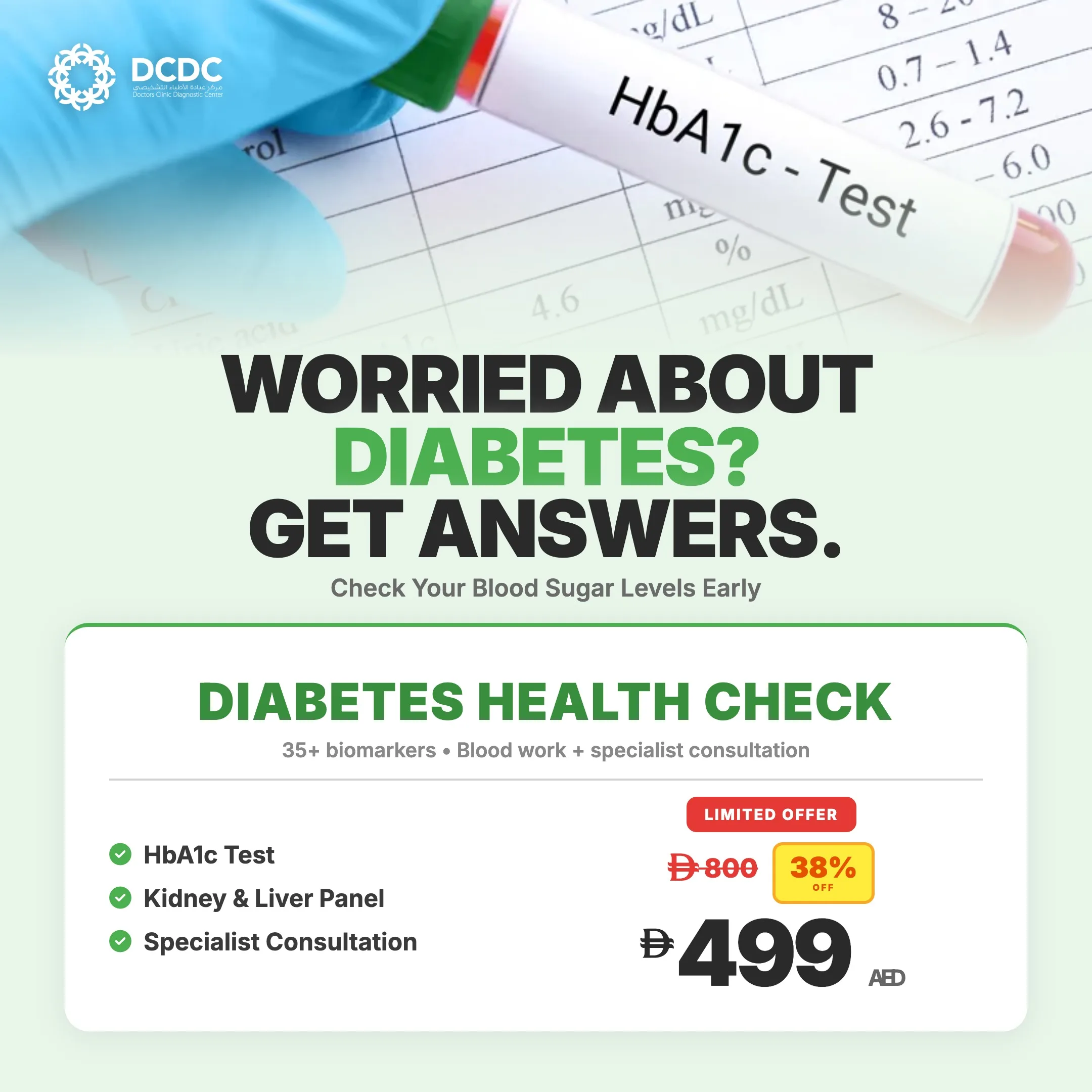
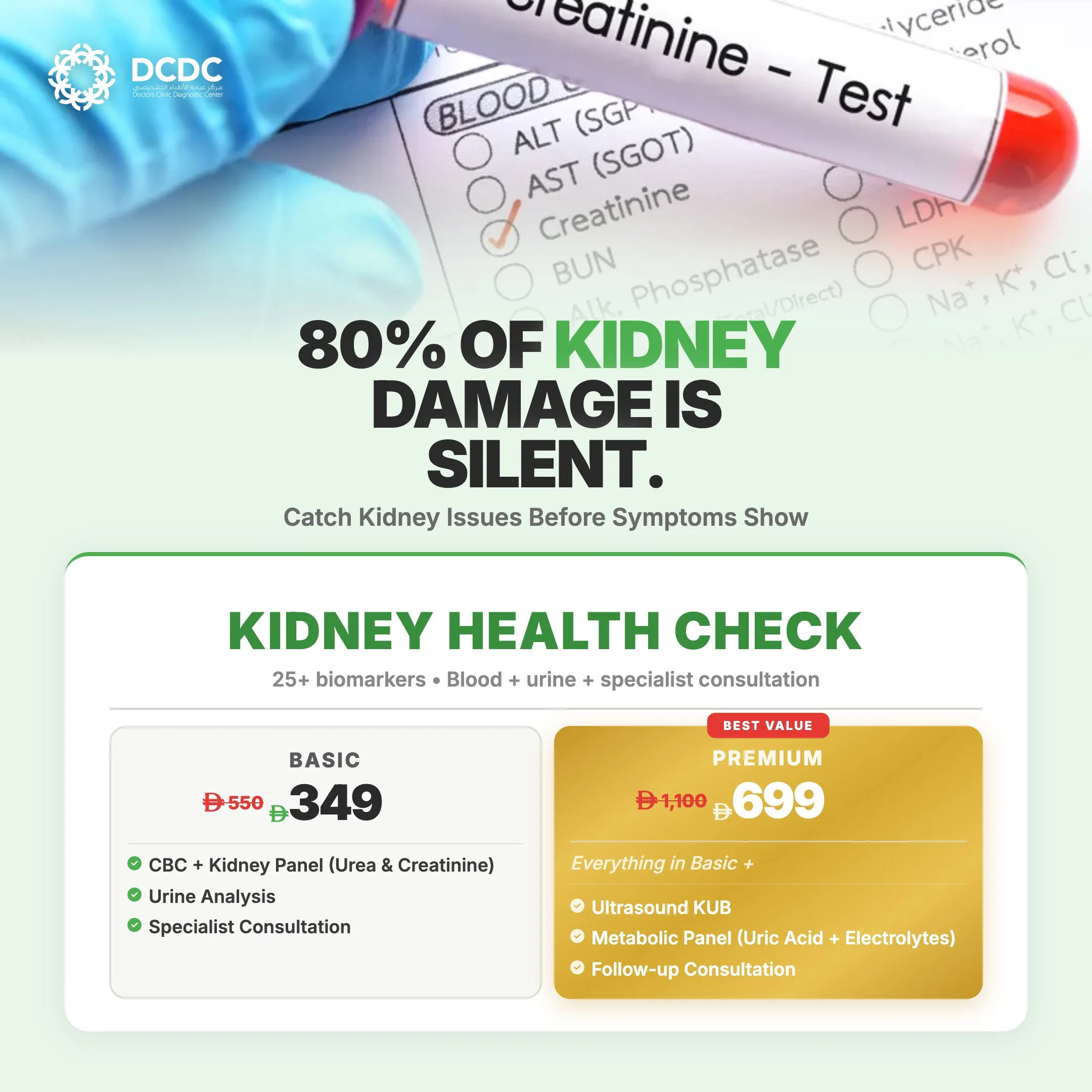
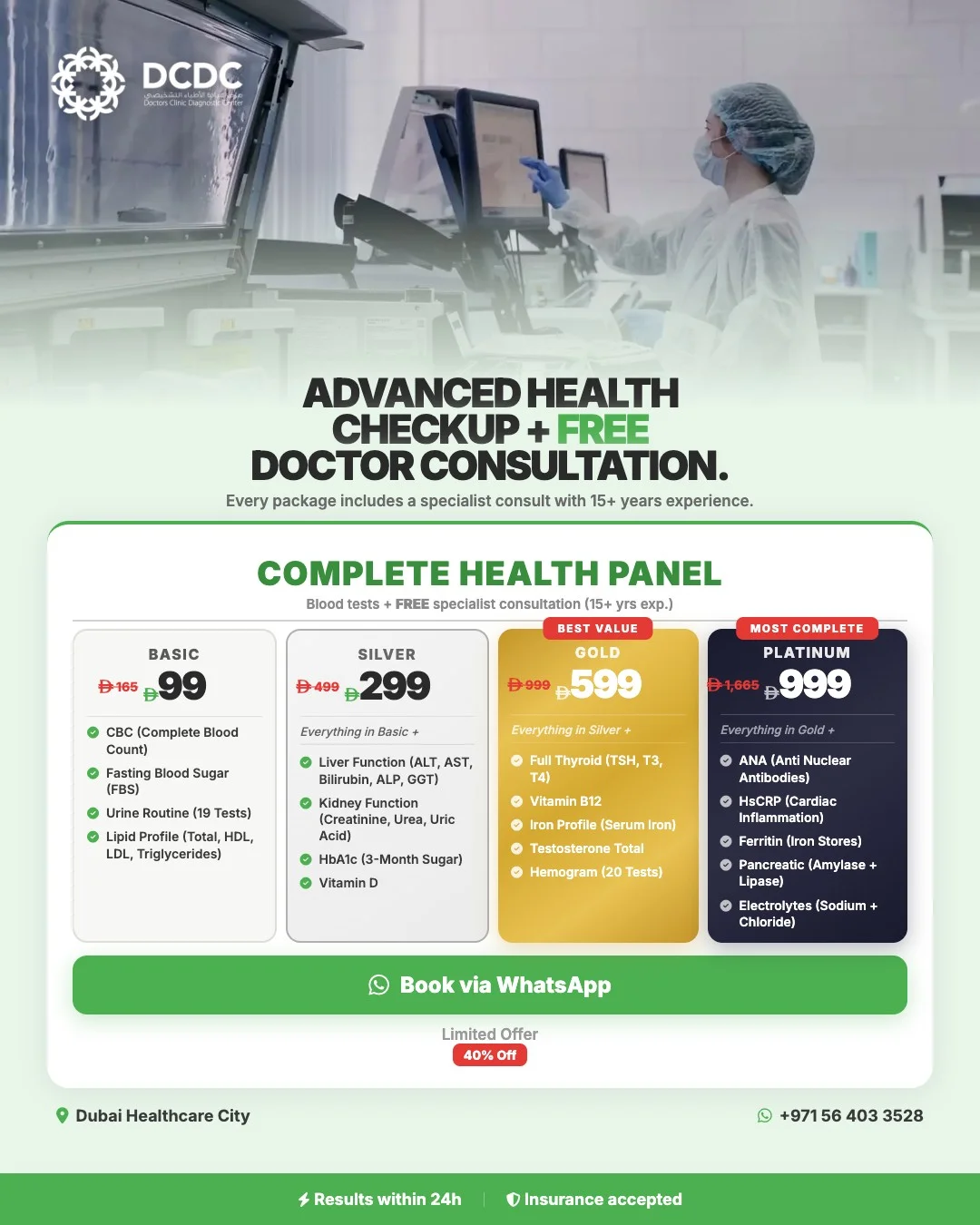
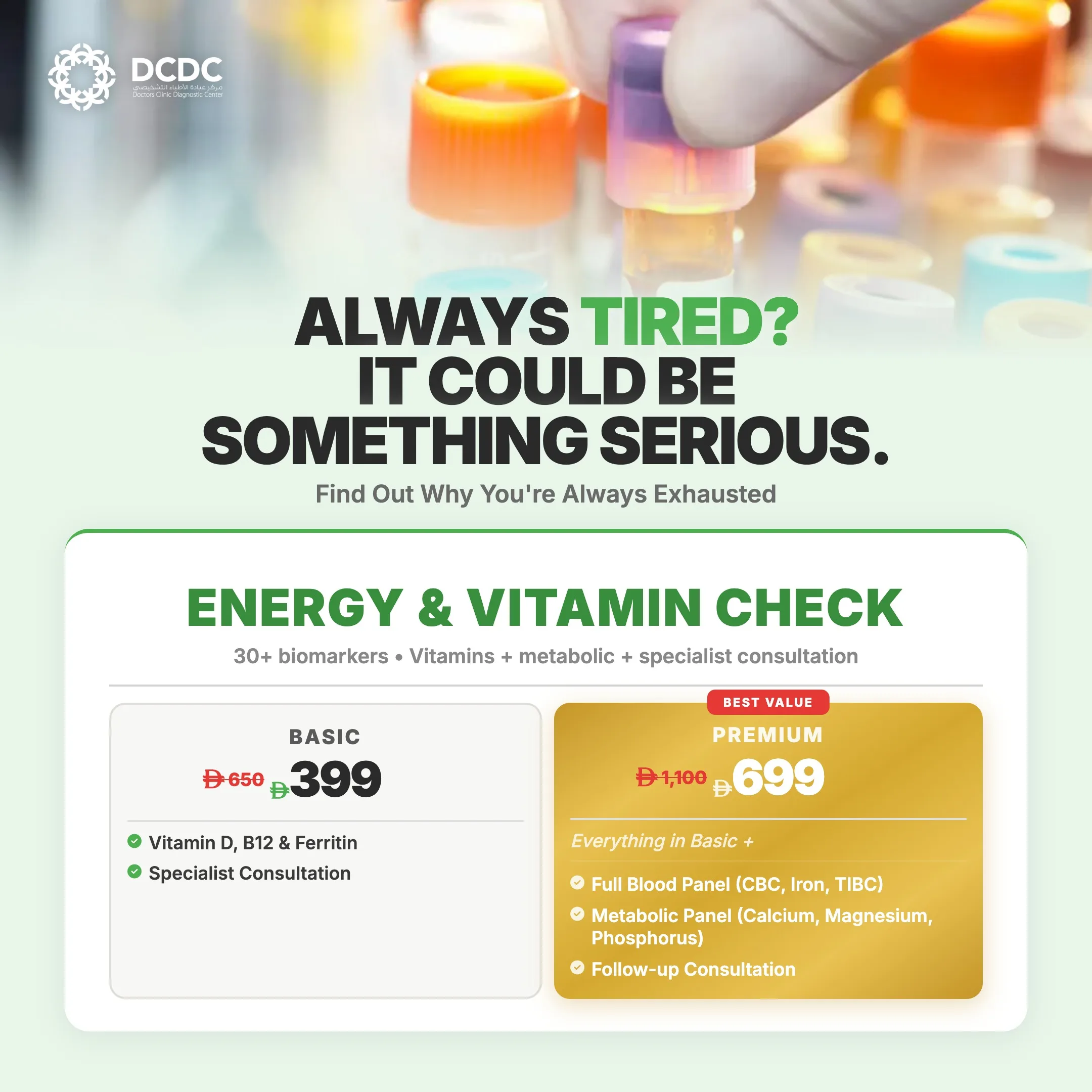
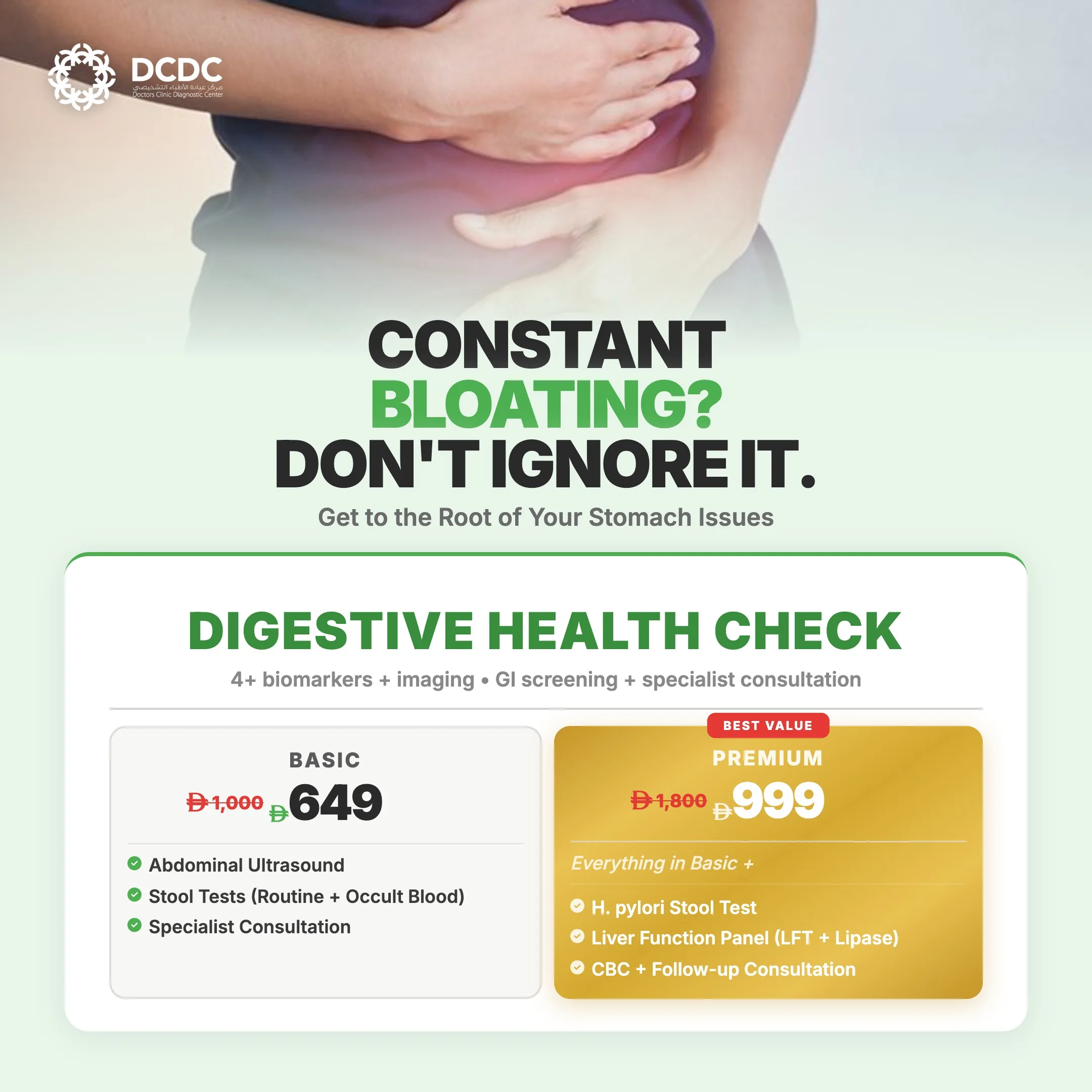
Health Screening Packages
Save with our bundled screening packages — specialist consultation included

What Does Your Immune System Do?
Your immune system is a network of white blood cells, antibodies, organs and barriers (such as skin and the lining of your airways) that identifies and removes bacteria, viruses and other threats. It also helps repair damaged tissue. When it works well, you rarely notice it. When it is under strain, you may notice patterns: infections that come too often, last too long or return soon after treatment.
A weakened immune response is not a single disease. It can be linked to nutrition, stress, sleep, chronic illness, medication or age, and sometimes to an underlying immune disorder. The signs below are clues, not a diagnosis, and a doctor can help work out what is behind them.
10 Signs of a Weak Immune System
If several of these signs apply to you over months rather than days, it may be worth a medical review. This is especially true as October brings the start of flu season in Dubai and people move from months of indoor air-conditioned living back to outdoor routines.
1. Frequent colds or infections
Most healthy adults catch two to three colds a year. Getting more than that, or catching every bug that circulates in your office, school or gym, may suggest your defences are under pressure. Frequent infections can be linked to low vitamin D, iron deficiency, poor sleep or chronic stress.
2. Infections that take longer to resolve
A cold that usually clears in 7 to 10 days but drags on for three weeks, or a chest infection that keeps returning after treatment, could suggest your body is slow to clear the infection. Lingering symptoms deserve a check, as they can also point to a bacterial complication.
3. Recurring urinary tract infections
Several urinary tract infections within a year may be related to hydration, anatomy or hormonal factors, but they can also be associated with high blood sugar or reduced immune defence. A urine test and blood work can help your doctor look for a cause.
4. Slow wound healing
Cuts, scrapes or surgical wounds that take much longer than expected to close may suggest poor circulation, nutritional gaps (including protein, vitamin C and zinc) or elevated blood sugar. Wounds that become red, warm, swollen or painful need prompt review.
5. Persistent fatigue despite adequate sleep
Feeling exhausted after seven to nine hours of sleep, for more than two weeks, is one of the most common reasons people seek testing. Fatigue may be linked to low iron or anemia, low vitamin B12, low vitamin D, thyroid problems or ongoing inflammation, and the immune system uses a lot of energy when it is constantly active.
6. Frequent digestive problems
A large share of immune tissue sits in the gut. Ongoing bloating, diarrhea or constipation may reflect an imbalance in gut bacteria, food intolerance, infection or inflammation. Digestive symptoms alone do not mean a weak immune system, but together with frequent infections they are worth discussing.
7. Frequent skin infections or rashes
Recurring boils, fungal infections, cold sores, or rashes that are slow to settle may suggest that your skin barrier and immune response are struggling. Conditions such as diabetes and some nutrient deficiencies can contribute.
8. Unexplained weight changes
Losing or gaining weight without changing your diet or activity may be a sign of an underlying condition affecting metabolism or inflammation, such as thyroid disease, diabetes or a chronic infection. Unintentional weight loss of more than 5% of body weight over six months should always be assessed.
9. Cold hands or tingling
Cold fingers and toes, numbness or tingling can be linked to poor circulation, low vitamin B12, iron deficiency or nerve problems. These nutrient gaps also affect how well immune cells are produced and function, which is why doctors often check them together.
10. Frequent need for antibiotics
Needing antibiotics three or more times in a year is a pattern worth investigating. Repeated courses can themselves disturb gut bacteria, and recurrent infections may point to a cause that can be identified and treated. Never start antibiotics without a doctor's advice.
How to know if your immune system is weak: there is no single symptom that confirms it. Doctors look at the pattern (how often, how severe, how long) together with your history and blood test results.
Common Causes of Weakened Immunity
Several factors can lower immune function, and in Dubai a number of them are tied to lifestyle and climate. Your doctor can help determine which apply to you.
- Nutritional deficiencies: low vitamin D, vitamin B12, iron, zinc or protein can reduce immune cell production and function
- Chronic stress: long-term stress raises cortisol, which may suppress immune activity
- Sleep deprivation: regularly sleeping under six hours is associated with more frequent infections and weaker vaccine responses
- Chronic conditions: diabetes, kidney disease, thyroid disorders and autoimmune conditions can affect immune defence
- Medications: corticosteroids, chemotherapy and some immunosuppressants lower immune activity by design
- Ageing: immune response gradually declines with age, especially after 65
- Sedentary lifestyle: long hours at a desk in air-conditioned offices and little movement are linked to poorer immune regulation
- Dehydration: summer heat and sweating can reduce mucosal defences in the nose and throat
Low vitamin D is particularly relevant here. Many residents spend most of the day in air-conditioned spaces and avoid the midday sun, so even in a sunny country levels can be low. Read more in our guide to vitamin D deficiency.
Blood Tests That Check Immune Function
An immune system blood test usually means a group of tests that look at your white blood cells, inflammation, and the nutrients your immune system relies on. No single test measures how strong your immunity is, so your doctor will choose tests based on your symptoms. Prices below are DCDC prices.
| Test | What It Measures | DCDC Price |
|---|---|---|
| CBC (complete blood count) | White blood cell count and types, red cells, hemoglobin and platelets; can show infection, low white cells or anemia | AED 149 |
| CRP | C-reactive protein, a marker of current inflammation or infection | AED 149 |
| ESR | Erythrocyte sedimentation rate, a general marker of inflammation over time | AED 99 |
| Vitamin D 25-OH | Vitamin D stores, which support immune cell function | AED 99 |
| Vitamin B12 | B12 level, needed for blood and nerve health | AED 149 |
| Ferritin | Iron stores in the body | AED 149 |
| Iron (total) | Iron circulating in the blood | AED 149 |
| Immunoglobulin panel (IgA, IgG, IgM) | Levels of the main antibody classes; may be ordered if infections are frequent or unusual | Ask our team for current pricing |
Individual lab markers start from AED 99, and health checkup packages start from AED 249. You can read more about the CBC test and the CRP test in our dedicated guides. Immunoglobulin testing is usually considered after first-line tests, when your doctor suspects a specific antibody problem.
When to See a Doctor About Your Immune System
Occasional illness is normal. Book a medical review if you notice any of the following:
- More than three to four infections requiring treatment in a year
- Two or more pneumonias, sinus infections or ear infections in a year
- Infections that do not improve after the expected course of treatment
- Fatigue lasting longer than two weeks without a clear cause
- Unexplained weight loss, night sweats or persistent fevers
- Wounds that do not heal within several weeks
- Frequent thrush, mouth ulcers or skin infections
- A family history of immune disorders
Seek urgent care for a fever above 39 C that does not settle, difficulty breathing, chest pain, confusion, a spreading red rash or signs of dehydration that do not improve with fluids. If you take immunosuppressant medication or have a condition that lowers immunity, contact your doctor early when you develop a fever.
How to Strengthen Your Immune System
There is no supplement that instantly boosts immunity, but evidence supports a number of everyday habits that help your body work at its best.
- Sleep 7 to 9 hours on a regular schedule
- Eat a varied diet with vegetables, fruit, legumes, whole grains, lean protein and healthy fats
- Correct confirmed deficiencies (for example vitamin D or iron) under medical guidance rather than guessing
- Move regularly: about 150 minutes of moderate activity per week
- Manage stress through exercise, breathing practice, time outdoors or counselling
- Stay hydrated, especially in summer heat
- Stay up to date with vaccines, including the annual flu vaccine
- Avoid smoking and limit alcohol, both of which impair immune defence
- Wash hands regularly and avoid close contact when you are unwell
Before flu season peaks, see our guide to flu season preparation for practical steps.
What to Expect at DCDC
If you are worried about your immunity, the assessment at Doctors Clinic Diagnostic Center (DCDC) in Dubai Healthcare City is designed to be done in one visit.
- Arrival: free parking is available at Building 64, DHCC
- GP consultation (from AED 249): your doctor discusses your symptoms, how often you get sick, your medical history and medications
- Same-day blood draw on site: tests such as CBC, CRP and vitamin levels are collected at the clinic, with no separate lab visit
- Same-day results for routine blood tests, shared on the patient portal
- Treatment plan: may include vitamin supplementation, lifestyle guidance, or referral to a specialist if needed
- Insurance: direct billing with 20+ insurance partners
- Hours: Saturday to Thursday 8 AM to 10 PM, Friday 9 AM to 9 PM
- Home blood collection is also available at the same test prices plus an AED 199 collection fee per visit
Your doctor will explain which tests are worthwhile for your situation, so you only pay for what is useful.
Dubai-Specific Immune Health Considerations
Vitamin D and air-conditioned living
Despite year-round sunshine, many Dubai residents move between air-conditioned homes, cars and offices. Limited sun exposure, clothing habits and sunscreen use can all contribute to low vitamin D, which plays a role in immune regulation. A simple vitamin D test is AED 99.
Summer heat and dehydration
From June to September, heat and sweating can lead to mild dehydration, which dries the lining of the nose and throat and may make infections easier to catch. Aim for regular fluids, and do not rely only on thirst.
Frequent travel exposure
Dubai is a global hub, and frequent flights and crowded airports expose you to a wide range of viruses. Good hand hygiene, rest after long travel and being up to date with vaccines help.
Air quality and dust
Dust and sand events, construction dust and seasonal humidity can irritate the airways and trigger or worsen respiratory symptoms, particularly in people with asthma or allergies. Irritated airways may be more vulnerable to infection.
October: the seasonal turning point
October is when flu season begins and many people return from summer travel to full work and school schedules after months of mostly indoor, air-conditioned life. It is a sensible time to review your vitamin levels, get vaccinated and address recurring symptoms before winter.
Concerned About Your Immune Health?
Speak with a GP at DCDC in Dubai Healthcare City. Consultations from AED 249, with same-day on-site blood tests.
WhatsApp +971 50 970 3884 or call +971 54 219 5008
Related Services at DCDC
Expert care and advanced diagnostics at Dubai Healthcare City
Frequently Asked Questions
Final Thoughts on Weak Immune System Signs
Frequent infections, slow healing and persistent fatigue are signals worth taking seriously, though they do not automatically mean a serious immune disorder. Often they trace back to modifiable factors such as low vitamin D, iron or B12, poor sleep or stress.
If these signs sound familiar, a GP consultation from AED 249 and a targeted set of blood tests can help your doctor determine the cause. With flu season beginning, October is a sensible time to get checked.
Sources & References
This article references the following sources:
- Mayo Clinic - Immune System: Does It Weaken With Age?
- NHS - Vitamin D
- World Health Organization - Micronutrient Deficiencies
- PubMed - Nutrition, Immunity and Infection (Calder et al.)
- Cleveland Clinic - Immune System
This information is educational and does not replace individual medical advice. See our editorial policy for more information.

Written by
Dr. Hadeel Elnur
General Practitioner
MD, General Practice
Dr. Hadeel Elnur is a General Practitioner at Doctors Clinic Diagnostic Center (DCDC) in Dubai Healthcare City.
Related Articles

Vitamin D Deficiency Dubai: Signs & Treatment
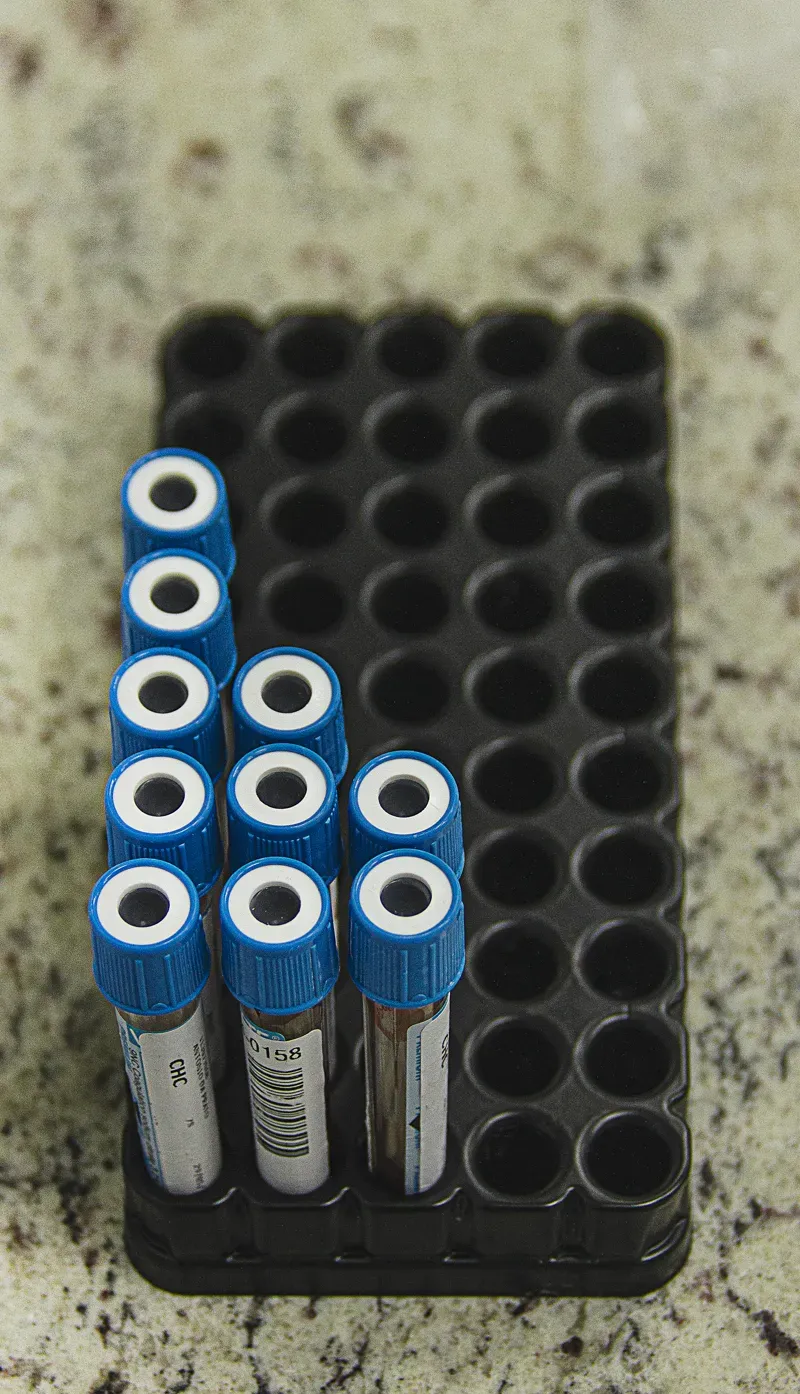
CBC Test Price Dubai: AED 149, Normal Ranges & Results
CRP Test Dubai: Normal Range, High CRP Meaning & Price

Anemia Treatment Dubai: Types & Causes
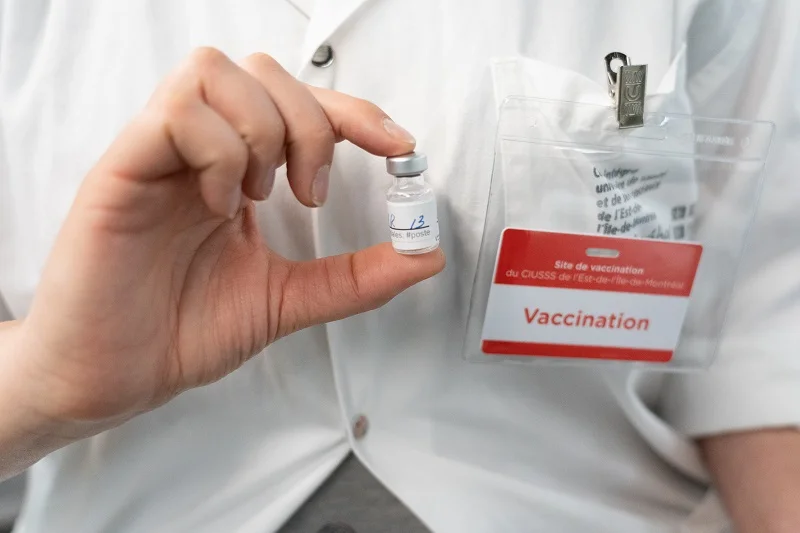
Flu Season Preparation Dubai: Stay Protected
More in General Health

Strep Throat Treatment Dubai: Signs (2026)
Read More
Flu vs COVID Symptoms Dubai: Key Signs (2026)
Read MoreCBC Test Price Dubai: AED 149, Normal Ranges & Results
Read More
Dubai Clinic Without Insurance: Cost Guide (2026)
Read More
Doctor at Home Dubai: Home Visit Cost From AED 349 (2026)
Read More
Doctor on Call Dubai 24/7: Home, Hotel & Office Visits
Read More© 2026 Doctors Clinic Diagnostic Center (DCDC), Dubai Healthcare City. Originally published at https://doctorsclinicdubai.ae/blog/weak-immune-system-signs-dubai. All rights reserved. Unauthorized reproduction is prohibited.