Key Takeaways
- Dietary changes alone can reduce LDL cholesterol by 10-30%, with the greatest improvements seen when multiple cholesterol-lowering foods are combined in a consistent eating pattern.
- Soluble fibre from oats, legumes, and fruits is one of the most effective dietary tools for lowering cholesterol. Consuming 5-10 grams of soluble fibre daily can reduce LDL by up to 5-10%.
- Replacing saturated fats with unsaturated fats (olive oil, nuts, fatty fish) lowers LDL cholesterol without reducing protective HDL cholesterol.
- Dubai residents can follow a heart-healthy diet using locally available foods including chickpeas, lentils, hummus, olive oil, dates, fatty fish, and seasonal fruits and vegetables.
- Regular lipid profile testing is essential to measure the impact of dietary changes. At DCDC in Dubai Healthcare City, same-day lipid profile results are available from AED 199.
- Not everyone can control cholesterol through diet alone. Genetic factors, familial hypercholesterolemia, and very high baseline levels may require medication alongside dietary changes.
- A 7-day cholesterol-lowering meal plan adapted to Dubai food culture can make the transition to heart-healthy eating practical and sustainable.
- Exercise combined with a cholesterol-lowering diet produces better results than either approach alone, with 150 minutes of moderate-intensity activity per week recommended by the AHA.
Nearly 40% of adults in the UAE have elevated cholesterol levels, yet this is one of the most modifiable cardiovascular risk factors. What you eat every day directly influences your LDL ("bad") cholesterol, HDL ("good") cholesterol, and triglycerides. For many people, strategic dietary changes can reduce cholesterol enough to avoid or delay medication. This comprehensive guide covers the best foods that lower cholesterol naturally, a practical 7-day meal plan adapted for Dubai, foods to avoid, and how to track your progress through regular lipid testing. If you are looking for professional support, cholesterol management at DCDC Dubai combines dietary counselling with on-site lipid profile testing and personalised treatment plans.
Cardiovascular disease is the leading cause of death in the UAE and globally, and elevated cholesterol is one of its primary drivers. The good news is that decades of research have identified specific foods and dietary patterns that reliably lower LDL cholesterol and improve overall lipid profiles. The American Heart Association, the NHS, and the Mayo Clinic all agree that diet is a first-line intervention for managing mild to moderate cholesterol elevations. This guide draws on those evidence-based recommendations and adapts them for people living in Dubai, where the food culture, climate, and lifestyle present both unique challenges and advantages for heart-healthy eating. Whether you have just received a concerning lipid profile result or you want to optimise your numbers proactively, the information here will give you a clear, actionable plan.
Health Screening Packages
Save with our bundled screening packages — specialist consultation included
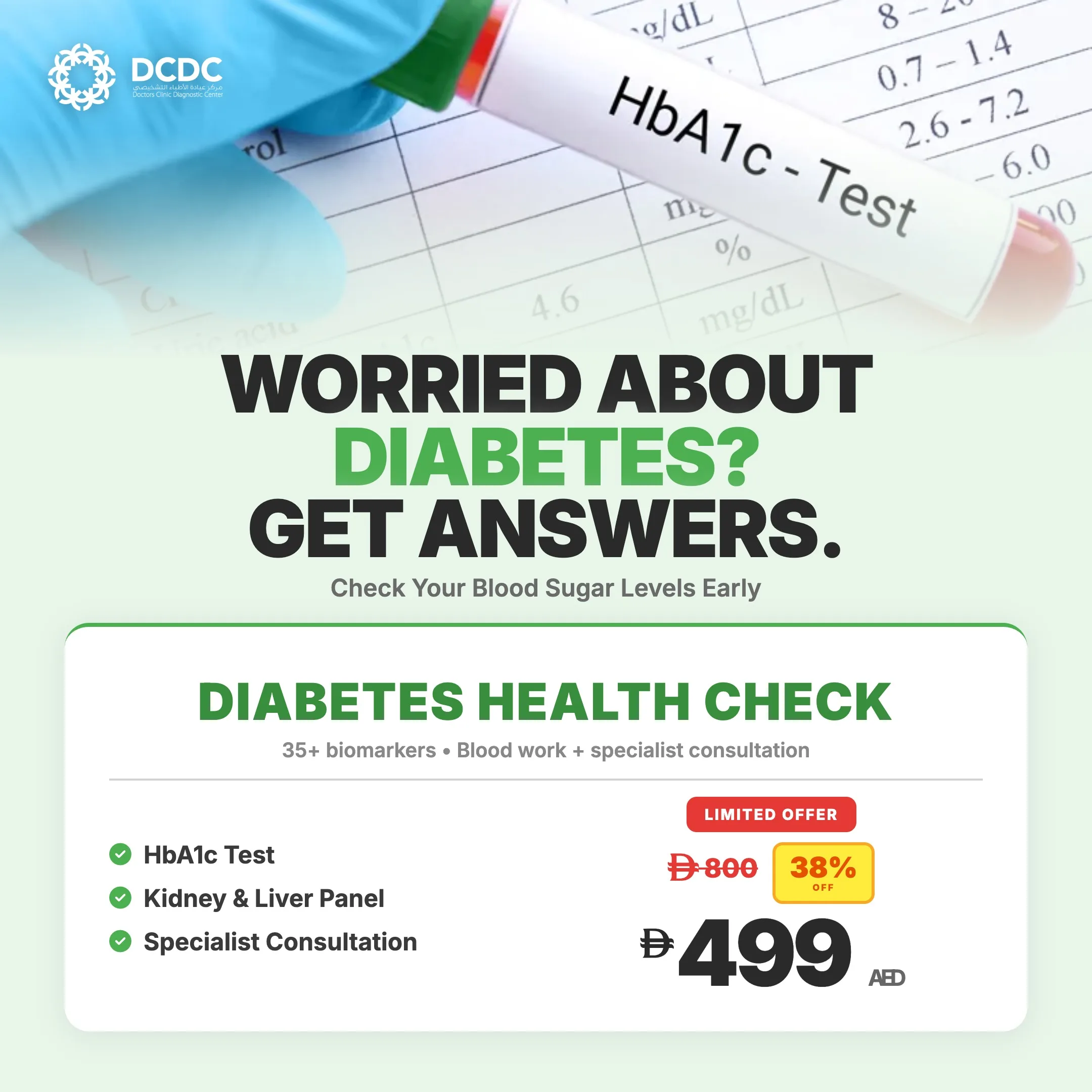
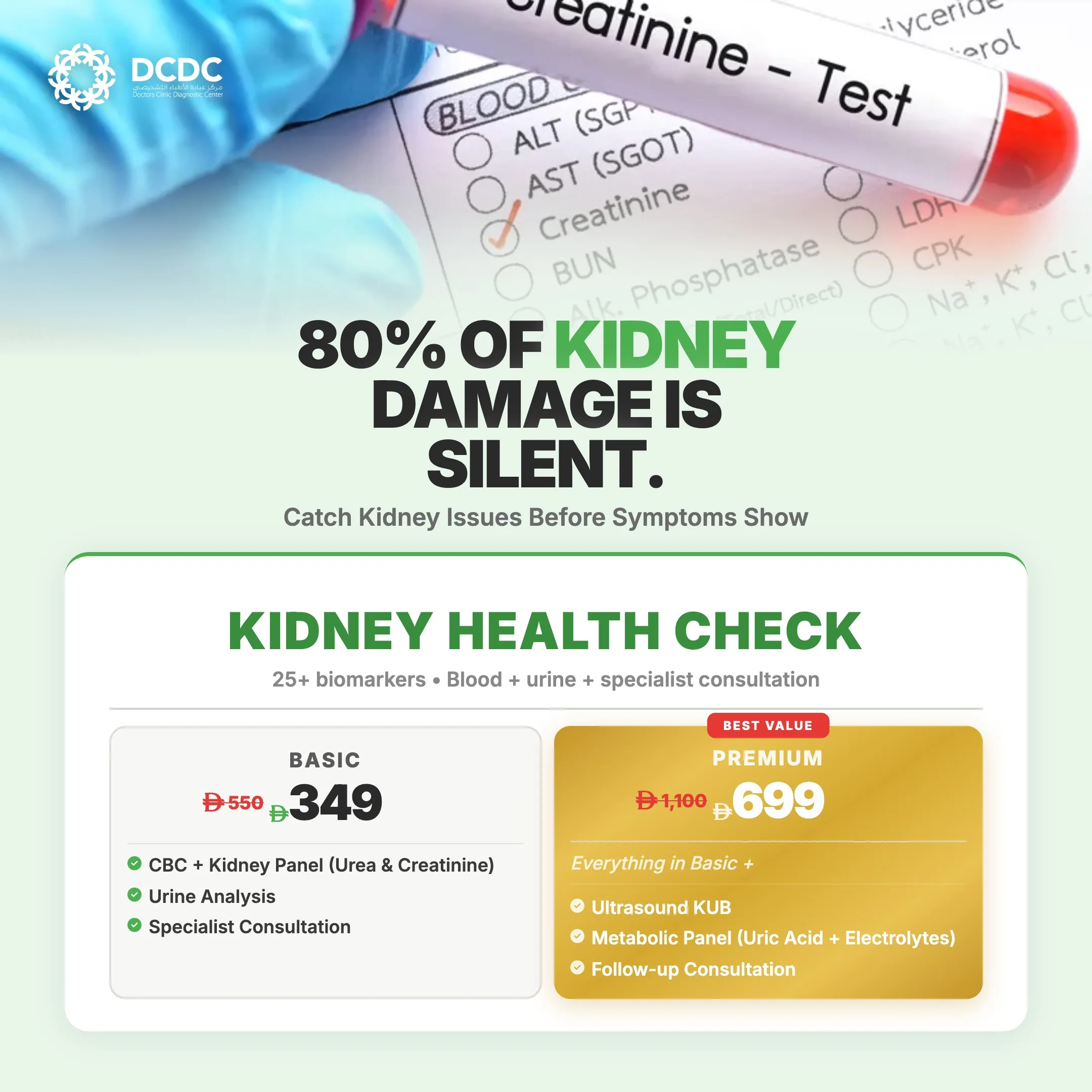

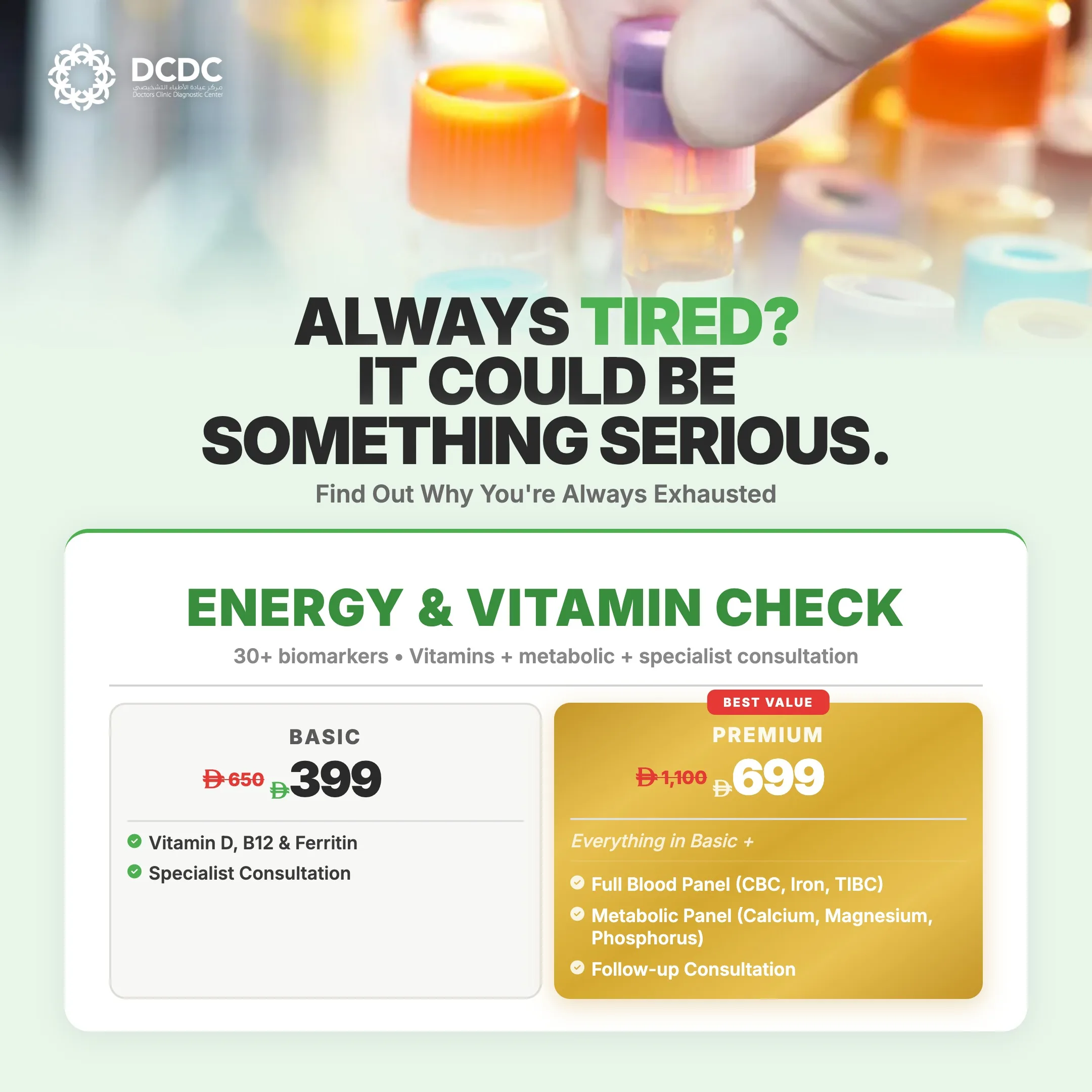
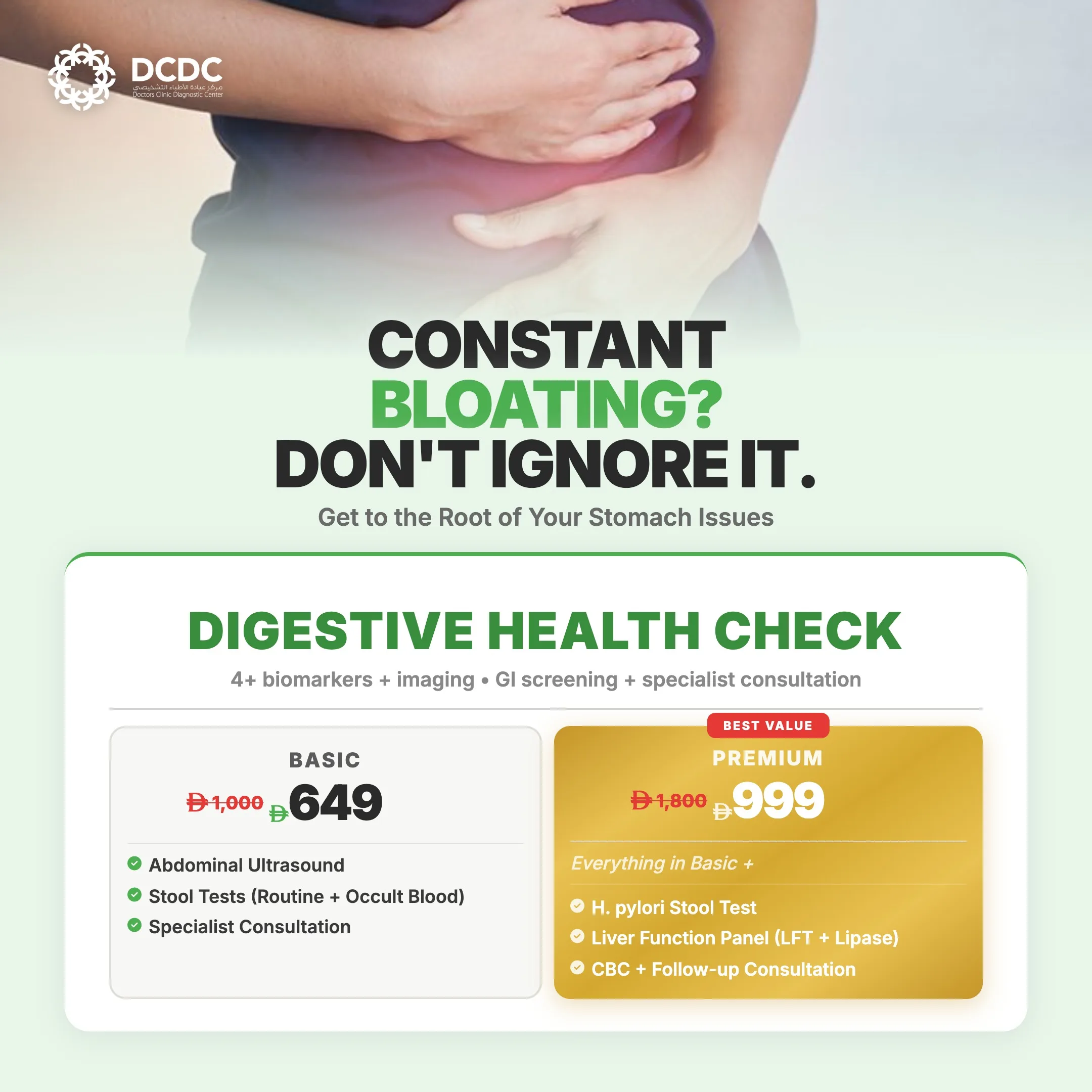
How Does Diet Affect Cholesterol?
Your body produces all the cholesterol it needs in the liver. The cholesterol you eat in food adds to that baseline, and certain dietary fats influence how much cholesterol your liver produces and how efficiently your body clears it from the bloodstream. Understanding this mechanism helps explain why some foods raise cholesterol while others lower it.
Saturated fats (found in red meat, full-fat dairy, butter, and many processed foods) increase LDL cholesterol by reducing the number of LDL receptors on liver cells, which means less LDL is cleared from your blood. Trans fats (found in partially hydrogenated oils, some margarines, and commercially fried foods) are even worse because they simultaneously raise LDL and lower HDL. On the other hand, unsaturated fats (found in olive oil, nuts, avocados, and fatty fish) help lower LDL without reducing HDL.
Soluble fibre from oats, legumes, fruits, and vegetables binds to cholesterol in the digestive tract and carries it out of the body before it can be absorbed into the bloodstream. Plant sterols and stanols, found naturally in small amounts in grains, vegetables, and fruits (and added to some fortified foods), block cholesterol absorption in the intestines. The combined effect of increasing these beneficial components while reducing saturated and trans fats can lower LDL cholesterol by 10-30%, according to research published in the Journal of the American Heart Association.
Top Foods That Lower Cholesterol Naturally
The following foods have the strongest evidence for lowering LDL cholesterol when consumed regularly as part of an overall healthy diet. For best results, combine several of these foods rather than relying on any single one.
Oats and Whole Grains
Oats are one of the most effective cholesterol-lowering foods because they are rich in beta-glucan, a type of soluble fibre. Eating just 3 grams of beta-glucan per day (about 1.5 cups of cooked oatmeal) can reduce LDL cholesterol by 5-10%. Other whole grains including barley, quinoa, and brown rice also contain soluble fibre, though in lower concentrations than oats. Choose steel-cut or rolled oats rather than instant varieties, which often contain added sugar. Whole grain bread, pasta, and cereals are widely available in Dubai supermarkets including Carrefour, Spinneys, and Waitrose.
Nuts: Almonds, Walnuts, and Pistachios
Eating 40-60 grams (a small handful) of nuts daily can reduce LDL cholesterol by approximately 5-7%. Walnuts are particularly effective because they contain alpha-linolenic acid (ALA), a plant-based omega-3 fatty acid. Almonds are high in monounsaturated fats and vitamin E, both of which contribute to cardiovascular protection. A meta-analysis published in the American Journal of Clinical Nutrition confirmed that nut consumption significantly lowers total and LDL cholesterol. Choose raw or dry-roasted nuts without added salt or sugar, and be mindful of portion sizes since nuts are calorie-dense.
Fatty Fish: Salmon, Mackerel, and Sardines
Fatty fish are the best dietary source of omega-3 fatty acids (EPA and DHA), which lower triglycerides by 15-30% and have anti-inflammatory effects on blood vessels. The American Heart Association recommends eating fatty fish at least twice per week. Good options include salmon, mackerel, sardines, herring, and trout. Fresh fish is readily available at Dubai fish markets and supermarkets. Grilling, baking, or steaming are the healthiest preparation methods. Avoid deep-fried fish, which negates the cardiovascular benefits.
Legumes: Lentils, Chickpeas, and Beans
Legumes are excellent sources of soluble fibre, plant protein, and minerals. A meta-analysis in the Canadian Medical Association Journal found that eating one serving (about 130 grams cooked) of legumes daily reduced LDL cholesterol by an average of 5%. This is particularly relevant for Dubai residents because chickpeas, lentils, and beans are staples of Middle Eastern, South Asian, and Mediterranean cuisines. Hummus, daal, foul medames, and bean soups are familiar, affordable, and widely available dishes that support cholesterol management. Replace one or two meat-based meals per week with legume-based alternatives for a meaningful impact.
Olive Oil
Extra virgin olive oil is rich in monounsaturated fats and polyphenols, both of which contribute to cardiovascular health. The landmark PREDIMED trial demonstrated that a Mediterranean diet supplemented with extra virgin olive oil reduced cardiovascular events by 30% compared to a low-fat diet. Use olive oil as your primary cooking fat and for salad dressings, replacing butter and other saturated fats. Two to three tablespoons per day is a reasonable target. High-quality olive oil is widely stocked across Dubai, with options from Mediterranean, Lebanese, and local producers.
Fruits: Apples, Berries, and Citrus
Fruits contain soluble fibre (especially pectin in apples and citrus), antioxidants, and vitamins that collectively support cardiovascular health. Apples, strawberries, blueberries, grapes, oranges, and grapefruit all have evidence for modest cholesterol-lowering effects. Aim for 2-3 servings of whole fruit daily. Whole fruits are preferred over juices because the fibre is essential for the cholesterol-lowering effect, and juices add concentrated sugar without the fibre. Seasonal fruits available in Dubai markets provide variety year-round.
Vegetables: Eggplant, Okra, and Leafy Greens
Eggplant (aubergine) and okra are particularly high in soluble fibre, making them effective cholesterol-lowering vegetables. Leafy greens including spinach and kale contain compounds that bind bile acids, forcing the liver to use more cholesterol to produce new bile and thereby reducing blood cholesterol levels. Aim for at least 3-5 servings of vegetables daily. These vegetables are integral to many cuisines common in Dubai, from Arabic and Indian to Filipino and African, making them easy to incorporate into your regular meals.
Soy Products
Replacing animal protein with soy protein can reduce LDL cholesterol by approximately 3-5%. Tofu, edamame, soy milk, and tempeh are all effective options. While the cholesterol-lowering effect of soy is more modest than previously believed, the benefit comes partly from displacing higher-fat animal proteins in the diet. Soy products are available at most Dubai supermarkets, particularly in the health food and Asian food sections.
Plant Sterols and Stanols
Plant sterols and stanols are naturally occurring substances that block cholesterol absorption in the intestines. Consuming 2 grams of plant sterols daily can lower LDL cholesterol by 5-15%. While they occur naturally in small amounts in nuts, seeds, and vegetable oils, the most practical way to reach therapeutic doses is through fortified foods such as sterol-enriched margarines, yoghurt drinks (like Benecol), and orange juice. These products are available at larger Dubai supermarkets including Spinneys, Waitrose, and Carrefour.
Foods to Avoid with High Cholesterol
Knowing which foods to limit is as important as knowing which foods to eat more of. The following table summarises the main dietary culprits that raise LDL cholesterol, along with cholesterol levels by age chart appropriate alternatives you can use as substitutions.
| Foods to Limit or Avoid | Why It Raises Cholesterol | Healthier Alternative |
|---|---|---|
| Butter, ghee, lard | High in saturated fat (50-80%) | Extra virgin olive oil, avocado oil |
| Red meat (beef, lamb, goat) | Saturated fat and dietary cholesterol | Fatty fish, chicken breast (skinless), legumes |
| Full-fat cheese and cream | High saturated fat content | Low-fat cheese, Greek yoghurt, nut-based alternatives |
| Fried foods (samosas, falafel, chips) | Cooking oil adds trans and saturated fats | Baked or air-fried versions, grilled options |
| Processed meats (sausages, bacon, salami) | High in saturated fat and sodium | Grilled chicken, turkey slices, hummus |
| Pastries, cakes, biscuits | Contain butter, sugar, and often trans fats | Oat-based snacks, fresh fruit, dark chocolate (70%+) |
| Coconut oil and palm oil | Very high in saturated fat (82-92%) | Olive oil, sunflower oil, canola oil |
| Sugary drinks and fruit juices | Raise triglycerides and contribute to weight gain | Water, herbal tea, whole fruit |
Common foods that raise LDL cholesterol and heart-healthy alternatives. Reducing saturated fat intake to less than 7% of daily calories is recommended by the AHA for people with high cholesterol.
7-Day Cholesterol-Lowering Meal Plan for Dubai
This practical meal plan uses foods readily available in Dubai supermarkets and restaurants. All meals emphasise soluble fibre, unsaturated fats, and plant-based proteins while minimising saturated fat. Portion sizes are approximate and should be adjusted based on your individual calorie needs.
Day 1 (Saturday)
Breakfast: Steel-cut oatmeal with walnuts, blueberries, and a drizzle of honey. Lunch: Grilled chicken salad with mixed greens, chickpeas, cherry tomatoes, cucumber, and olive oil-lemon dressing. Dinner: Baked salmon fillet with roasted vegetables (eggplant, courgette, bell peppers) and brown rice. Snack: Apple slices with a small handful of almonds.
Day 2 (Sunday)
Breakfast: Whole grain toast with avocado and a boiled egg. Lunch: Lentil soup (daal) with a side of mixed green salad and whole wheat flatbread. Dinner: Grilled mackerel with quinoa and steamed broccoli. Snack: Hummus with carrot and celery sticks.
Day 3 (Monday)
Breakfast: Overnight oats with chia seeds, strawberries, and soy milk. Lunch: Foul medames with olive oil, lemon juice, and whole wheat pita. Dinner: Stir-fried tofu with mixed vegetables and brown rice noodles. Snack: A small handful of pistachios and an orange.
Day 4 (Tuesday)
Breakfast: Greek yoghurt (low-fat) with mixed berries, oat granola, and ground flaxseed. Lunch: Bean and vegetable soup with a side of tabbouleh. Dinner: Grilled chicken breast with okra stew and bulgur wheat. Snack: Edamame pods with a squeeze of lemon.
Day 5 (Wednesday)
Breakfast: Oat bran muffin with walnuts and a banana. Lunch: Grilled fish sandwich on whole grain bread with lettuce, tomato, and tahini sauce. Dinner: Chickpea and spinach curry with brown basmati rice. Snack: Fresh berries with a small handful of almonds.
Day 6 (Thursday)
Breakfast: Smoothie with soy milk, oats, banana, and a tablespoon of almond butter. Lunch: Mediterranean salad with mixed beans, olives, feta (low-fat), tomatoes, and extra virgin olive oil. Dinner: Baked sardines with roasted sweet potato and steamed green beans. Snack: Sliced pear with a few walnuts.
Day 7 (Friday)
Breakfast: Whole grain pancakes with fresh fruit and a drizzle of honey. Lunch: Mujaddara (lentils and rice) with a cucumber-yoghurt side salad. Dinner: Grilled salmon with asparagus and roasted new potatoes in olive oil. Snack: Dark chocolate (70%+ cocoa, 2 squares) with mixed nuts.
Dubai-Specific Diet Tips for Lowering Cholesterol
Living in Dubai presents both challenges and advantages for following a cholesterol-lowering diet. Here are practical tips tailored to the Dubai lifestyle.
- Restaurant dining: Dubai's diverse restaurant scene offers many heart-healthy options. Choose grilled over fried dishes, request olive oil instead of butter, opt for Lebanese and Mediterranean restaurants that feature legume-based mezze, and ask for sauces and dressings on the side. Many restaurants in Dubai now label heart-healthy or low-fat options on their menus.
- Ramadan and fasting: Studies suggest that Ramadan fasting can actually improve lipid profiles when iftar meals are balanced. Avoid breaking your fast with excessive fried foods (samosas, pakoras) and sugary drinks. Instead, start with dates, water, and a light soup, then eat a balanced meal with protein, vegetables, and whole grains. Suhoor should include slow-release carbohydrates like oats and high-fibre foods to sustain you through the day.
- Summer hydration: During Dubai's hot summer months, staying hydrated is essential. Dehydration can temporarily concentrate blood lipids and affect test accuracy. Drink at least 2-3 litres of water daily. Avoid sugary beverages, energy drinks, and sweetened iced teas that raise triglycerides. Infused water with lemon, cucumber, or mint is a refreshing alternative.
- Supermarket shopping: Major Dubai supermarkets (Carrefour, Spinneys, Waitrose, Lulu) stock a wide range of cholesterol-friendly products including oat bran, plant sterol-enriched spreads, fortified soy milk, whole grain products, and fresh fish. Read nutrition labels and look for products with less than 1.5 grams of saturated fat per 100 grams.
- Traditional foods to keep: Many traditional Middle Eastern and South Asian foods are naturally heart-healthy. Hummus, baba ganoush, lentil soups, grilled fish, tabbouleh, fattoush (without fried bread), and dishes seasoned with turmeric, garlic, and cumin all support healthy cholesterol levels.
Can You Lower Cholesterol Without Medication?
For many people with mildly to moderately elevated cholesterol and no other major cardiovascular risk factors, lifestyle changes alone can bring numbers into a healthy range. The combination of dietary modifications, regular exercise, weight management, and smoking cessation can reduce LDL cholesterol by 10-30%. The greatest dietary impact comes from a "portfolio" approach that combines multiple cholesterol-lowering foods rather than making a single change.
However, diet and lifestyle changes are not always sufficient. You may need high cholesterol treatment options including medication if you have familial hypercholesterolemia (a genetic condition that causes very high LDL), existing cardiovascular disease, diabetes with elevated cholesterol, LDL levels above 190 mg/dL despite lifestyle changes, or a 10-year ASCVD risk score above 7.5%. Statins and other lipid-lowering medications are highly effective and safe for long-term use. The decision to start medication should be made in consultation with your doctor based on your complete risk profile, not cholesterol numbers alone.
According to Dr. Hadeel Elnur, General Practitioner at DCDC Dubai Healthcare City: "I encourage every patient with elevated cholesterol to start with dietary changes because the benefits extend far beyond lipid levels. A heart-healthy diet also reduces blood pressure, improves blood sugar control, and supports a healthy weight. We track progress with repeat lipid profiles at 8-12 week intervals, and this data helps both the patient and me determine whether lifestyle changes alone are achieving sufficient improvement or whether adding medication would be beneficial."
Get Your Cholesterol Checked at DCDC Dubai Healthcare City
Start with a comprehensive lipid profile test to know your baseline numbers. Our on-site laboratory delivers same-day results, and your doctor will review your levels and create a personalised dietary and treatment plan. Lipid profiles from AED 199. Direct billing with 20+ insurance partners.
Walk-in testing available. Open Saturday to Thursday 8 AM to 10 PM, Friday 9 AM to 9 PM. Building 64, Block A, DHCC.
Exercise and Cholesterol: How Physical Activity Helps
Regular physical activity raises HDL cholesterol by 3-6%, lowers triglycerides by 10-20%, and contributes to weight loss that further improves your lipid profile. Exercise also reduces inflammation and improves blood vessel function independently of its effect on cholesterol numbers. The American Heart Association recommends at least 150 minutes of moderate-intensity aerobic activity (brisk walking, cycling, swimming) or 75 minutes of vigorous activity per week.
In Dubai, the summer heat makes outdoor exercise challenging from June through September. Practical alternatives include indoor walking or jogging at air-conditioned malls, gym workouts, swimming in indoor pools, early morning walks before 7 AM, and evening exercise after 8 PM when temperatures drop. Many Dubai residential communities have air-conditioned gyms and pools included in building amenities. Even moderate activity such as 30 minutes of brisk walking five days a week makes a measurable difference in cholesterol levels.
How to Read Your Cholesterol Numbers
Understanding your lipid profile results helps you track the impact of dietary changes and set meaningful targets. The following table shows the recommended ranges for each component of a standard lipid panel, based on AHA/ACC guidelines.
| Cholesterol Type | Optimal (mg/dL) | Borderline High (mg/dL) | High Risk (mg/dL) |
|---|---|---|---|
| Total Cholesterol | Below 200 | 200-239 | 240 and above |
| LDL ("Bad") Cholesterol | Below 100 | 130-159 | 160 and above |
| HDL ("Good") Cholesterol | 60 and above (protective) | 40-59 (acceptable) | Below 40 (major risk factor) |
| Triglycerides | Below 150 | 150-199 | 200 and above |
| Non-HDL Cholesterol | Below 130 | 130-159 | 190 and above |
Standard cholesterol reference ranges for adults based on AHA/ACC guidelines. Individual targets may differ based on age, gender, and cardiovascular risk factors.
When tracking dietary progress, the most important numbers to watch are LDL cholesterol and triglycerides, as these are the most responsive to dietary changes. HDL typically responds more to exercise and weight loss than to specific foods. Request a follow-up lipid profile test guide and retest 8-12 weeks after starting dietary changes to measure your response.
When to Get Your Cholesterol Tested
The American Heart Association recommends that all adults aged 20 and older have a lipid profile test at least every 4-6 years. However, more frequent testing is warranted in certain situations. You should consider annual or more frequent cholesterol testing if you are over 40, have a family history of early heart disease or high cholesterol, are overweight or obese, have diabetes or prediabetes, smoke, have high blood pressure, lead a sedentary lifestyle, or have previously had elevated cholesterol readings.
Children and adolescents should have an initial cholesterol screening between ages 9 and 11, and again between ages 17 and 21. Earlier screening (from age 2) is recommended for children with a family history of familial hypercholesterolemia or premature cardiovascular disease. In Dubai, where sedentary indoor lifestyles and high-calorie diets are common, proactive screening is particularly important regardless of age.
What to Expect at DCDC
Getting your cholesterol tested at Doctors Clinic Diagnostic Center (DCDC) in Dubai Healthcare City is straightforward and convenient. Here is what the process looks like from start to finish.
- Book or walk in: You can schedule an appointment online, via WhatsApp, or by phone. Walk-in blood tests are also accepted. For the most accurate results, fast for 9-12 hours before your test (water is fine).
- Blood draw: A trained phlebotomist will draw a small blood sample from your arm. The process takes less than 5 minutes and involves minimal discomfort.
- Same-day results: DCDC's on-site laboratory processes lipid profiles with same-day turnaround for routine tests. Your results are available electronically and can be reviewed with your doctor the same day.
- Doctor consultation: Your GP or internist will review your lipid profile, explain what each number means, assess your overall cardiovascular risk, and create a personalised plan. This may include dietary recommendations, lifestyle modifications, and, if indicated, medication.
- Follow-up testing: If you are making dietary changes to lower cholesterol, your doctor will typically recommend a repeat lipid profile in 8-12 weeks to measure the impact of your changes and adjust the plan accordingly.
DCDC is MOHAP-licensed and located in Building 64, Block A, Al Razi Medical Complex, Dubai Healthcare City. The clinic offers free parking, a 15-minute average wait time, and direct billing with over 20 insurance providers.
Cholesterol Testing Cost in Dubai
The table below outlines the cost of cholesterol-related tests and consultations at DCDC Dubai Healthcare City. Most health insurance plans in Dubai cover lipid profile testing, especially when ordered by a physician. DCDC offers direct billing with 20+ insurers.
| Test or Service | Price at DCDC | What It Includes |
|---|---|---|
| Basic Lipid Profile | From AED 199 | Total cholesterol, LDL, HDL, triglycerides |
| Advanced Lipid Panel | From AED 199 | Basic panel + Lp(a), ApoB, CRP |
| Health Checkup Package | From AED 249 | Full lipid profile + CBC, blood glucose, liver and kidney function, thyroid |
| GP Consultation | From AED 299 | Results review, dietary counselling, risk assessment |
| Internal Medicine Consultation | AED 399-599 | Comprehensive cardiovascular risk evaluation, treatment planning |
Cholesterol testing and consultation costs at DCDC Dubai Healthcare City. Prices are indicative and may vary. Insurance may cover part or all of the cost with direct billing.
Start Your Cholesterol-Lowering Journey Today
Book a lipid profile test and consultation at DCDC to establish your baseline, get personalised dietary guidance, and create a plan to bring your cholesterol into a healthy range. Our team provides comprehensive cholesterol management including ongoing monitoring and specialist referral when needed.
4.8/5 Google rating from 1,000+ reviews. 98% patient satisfaction. Direct billing with 20+ insurers. Open Saturday to Thursday 8 AM to 10 PM, Friday 9 AM to 9 PM.
Related Services at DCDC
Expert care and advanced diagnostics at Dubai Healthcare City
Frequently Asked Questions
Final Thoughts
Managing cholesterol through diet is not about deprivation or following a rigid plan. It is about making consistent, sustainable food choices that gradually shift your lipid profile in the right direction. The foods highlighted in this guide, including oats, nuts, fatty fish, legumes, olive oil, and a variety of fruits and vegetables, are widely available in Dubai and form the foundation of many cuisines that residents already enjoy. Small changes, like replacing butter with olive oil, choosing hummus over cream cheese, or adding a handful of walnuts to your morning oatmeal, accumulate into meaningful cholesterol reductions over time.
The most important step is knowing your numbers. Without a baseline lipid profile, you cannot measure progress or know whether dietary changes are sufficient for your situation. Some people achieve excellent results with diet alone, while others need additional support from medication. Both approaches are valid, and the right choice depends on your individual risk profile.
At Doctors Clinic Diagnostic Center (DCDC) in Dubai Healthcare City, we make cholesterol management straightforward. Walk in for a lipid profile test with same-day results, discuss your numbers with an experienced GP or internist, and leave with a personalised plan that fits your lifestyle. Your heart health is worth the investment, and the dietary changes you make today can protect your cardiovascular system for decades to come.
Sources & References
This article was reviewed by our medical team and references the following sources:
- American Heart Association - Prevention and Treatment of High Cholesterol
- NHS - How to Eat Less Saturated Fat
- Mayo Clinic - Cholesterol: Top Foods to Improve Your Numbers
- Cleveland Clinic - Heart-Healthy Foods to Help Lower Cholesterol
- World Health Organization - Cardiovascular Diseases
- Harvard Health Publishing - 11 Foods That Lower Cholesterol
Medical content on this site is reviewed by DHA-licensed physicians. See our editorial policy for more information.

Written by
Dr. Hadeel Elnur
General Practitioner
MD, General Practice
Dr. Hadeel Elnur is a General Practitioner at Doctors Clinic Diagnostic Center (DCDC) in Dubai Healthcare City.
Related Articles

Cholesterol Levels by Age Dubai: Chart

High Cholesterol Dubai: Causes & Treatment
Lipid Profile Test Dubai: Cost & Guide
Heart Disease Symptoms Dubai: 8 Signs to Watch

Blood Pressure by Age Dubai: Normal Ranges
More in Internal Medicine

Enlarged Prostate Dubai: BPH Symptoms (2026)
Read More
Hiatal Hernia Dubai: Symptoms & Treatment (2026)
Read MoreDiabetic Foot Care Dubai: Warning Signs (2026)
Read MoreColonoscopy vs Endoscopy Dubai: Guide (2026)
Read MoreDiabetic Diet Plan Dubai: Foods & Tips (2026)
Read More
Lactose Intolerance Dubai: Symptoms & Test (2026)
Read More© 2026 Doctors Clinic Diagnostic Center (DCDC), Dubai Healthcare City. Originally published at https://doctorsclinicdubai.ae/blog/cholesterol-lowering-foods-diet-dubai. All rights reserved. Unauthorized reproduction is prohibited.