Key Takeaways
- Bright red blood usually comes from the lower bowel -- hemorrhoids and anal fissures are the most common causes, but polyps, colitis and colorectal cancer can look identical.
- Black, tarry stool (melena) usually signals upper GI bleeding such as a stomach ulcer, and needs prompt medical assessment.
- Go to emergency care for heavy bleeding, clots, dizziness, fainting, a racing heart, severe abdominal pain or vomiting blood.
- Age over 45, weight loss, family history or a change in bowel habits make investigation essential, even if hemorrhoids seem likely.
- Diagnosis is step-wise: examination, CBC, ferritin and stool tests first, then colonoscopy or endoscopy where indicated.
- Screening for colorectal cancer starts at 45 for average-risk adults; blood in the stool needs diagnostic evaluation, not screening.
Noticing blood in your stool is alarming, and the first question most people ask is whether it is serious. The honest answer is that it depends on the color, the amount and your other symptoms. At DCDC in Dubai Healthcare City, our General Practitioners assess rectal bleeding every week and can begin the work-up on the same day, with a consultation from AED 249 and on-site blood and stool testing.
This guide explains what bright red, dark and hidden blood in stool each mean, walks through the most common causes from hemorrhoids to colorectal cancer, lists the red flags that need urgent care, and describes the tests used to find the source. It also ties into colorectal cancer awareness this October, outlines what to expect at DCDC, and summarises how treatment differs by cause. It is general information and does not replace a medical examination.
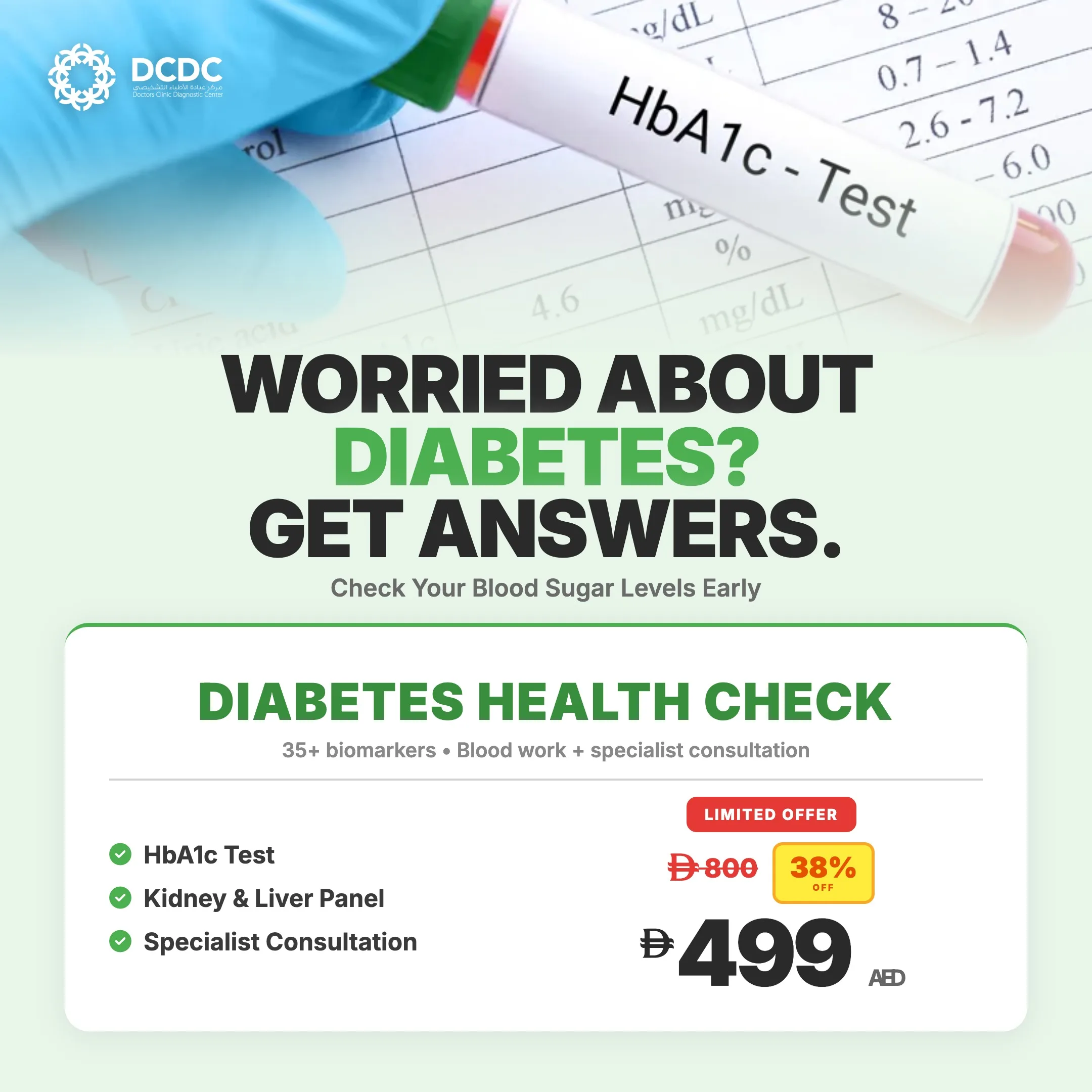
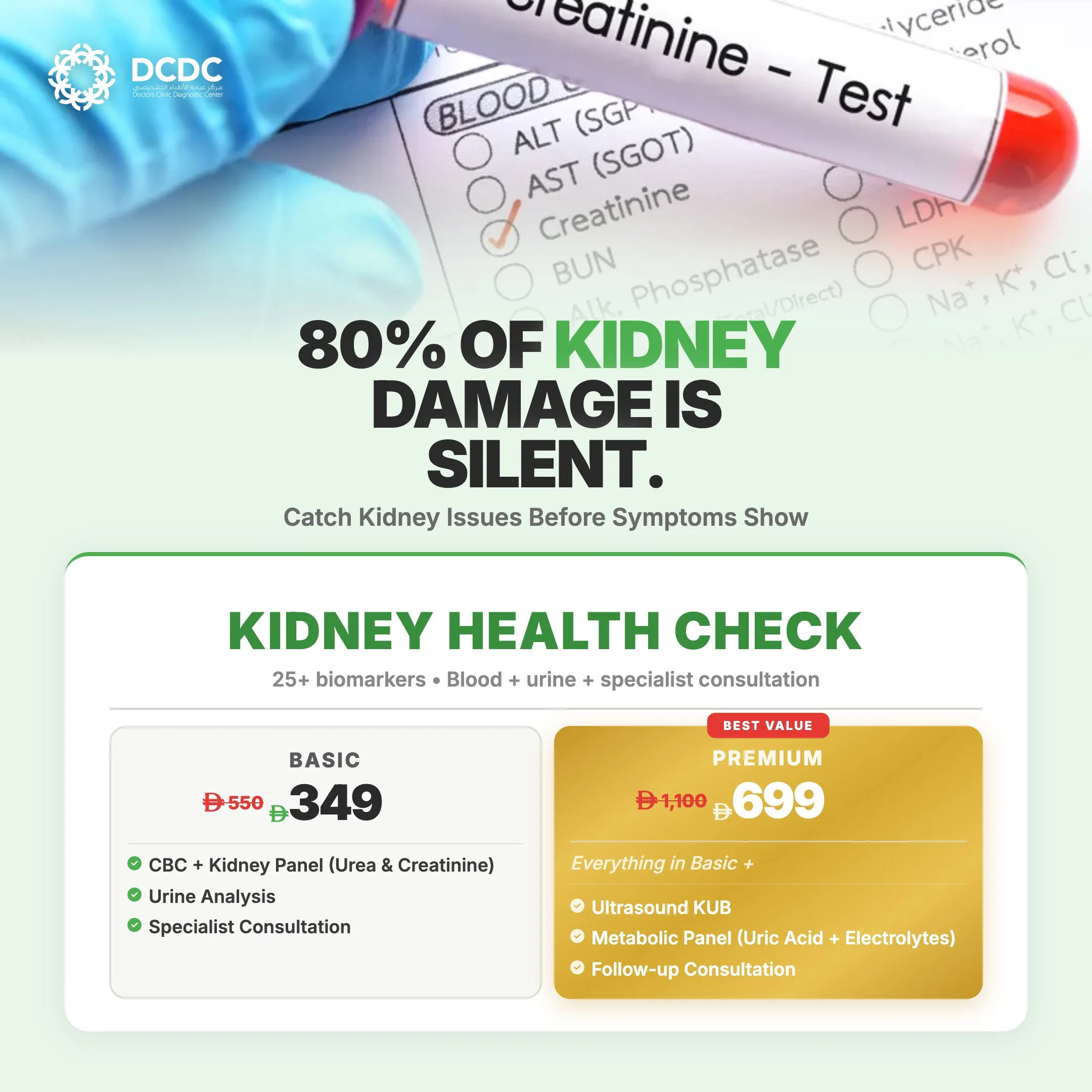
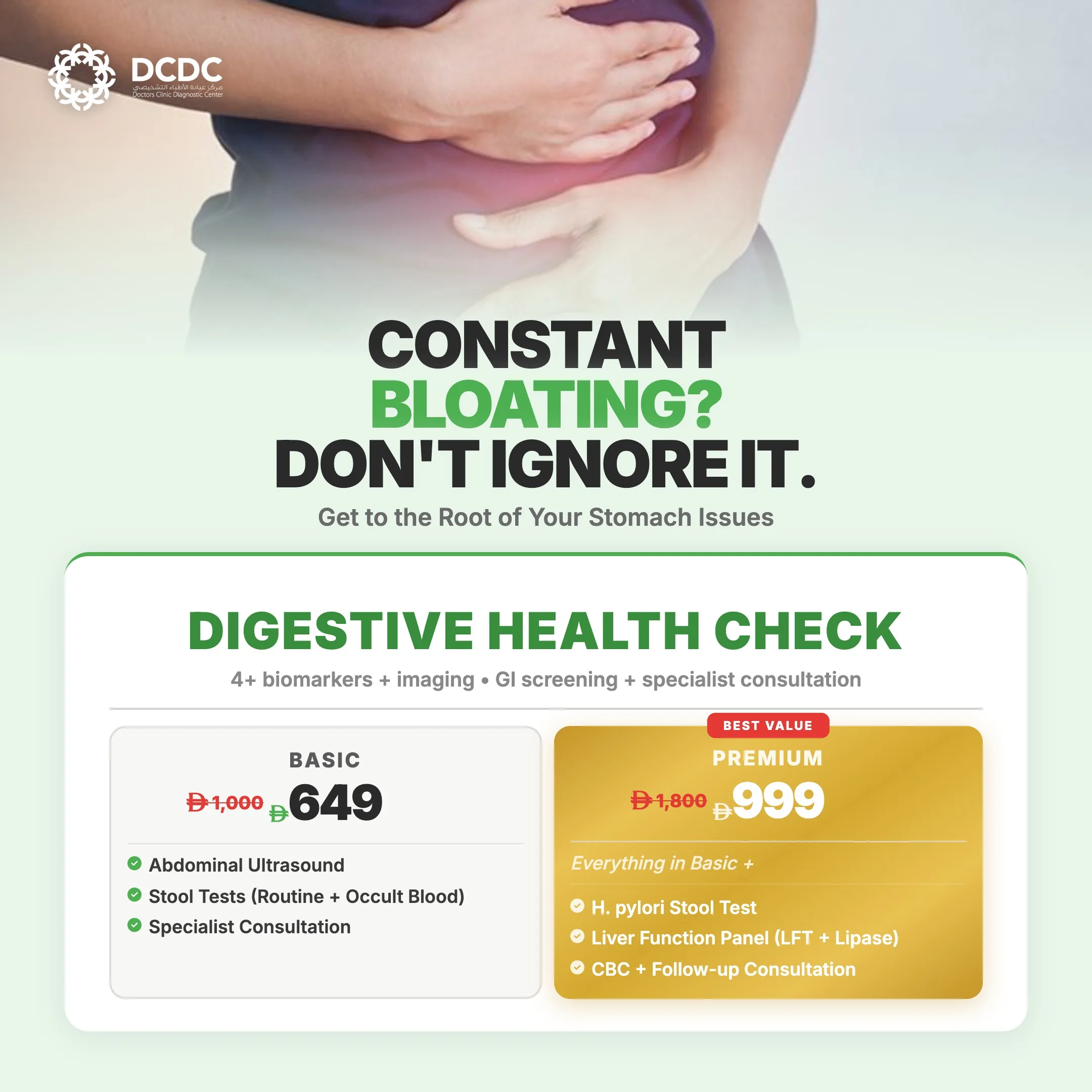
Health Screening Packages
Save with our bundled screening packages — specialist consultation included



Types of Blood in Stool: What the Color Tells You
Doctors do not treat all blood in stool the same way, because the appearance of the blood gives an early clue about where in the digestive tract it started. The further the blood travels, the more it is changed by digestive enzymes and gut bacteria. Understanding the three main patterns helps you describe your symptoms accurately and helps your doctor decide how quickly you need to be seen.
Bright Red Blood (Hematochezia)
Hematochezia is the passage of fresh red or maroon blood from the rectum. It usually points to bleeding in the lower digestive tract, meaning the colon, rectum or anus. You may see it on toilet paper, dripping into the bowl, coating the outside of the stool, or mixed through it. The most common sources are hemorrhoids and anal fissures, but diverticular disease, colitis, polyps and colorectal cancer can all produce the same appearance. Occasionally, very heavy bleeding from higher up (the stomach or duodenum) moves through the gut so quickly that it also appears red, which is one reason heavy bleeding is always treated as urgent.
Dark, Black or Tarry Stool (Melena)
Melena describes black, sticky, tar-like stool with a distinctive foul smell. The color comes from blood that has been digested on its way through the intestines, so melena generally signals bleeding in the upper digestive tract: the esophagus, stomach or first part of the small intestine. Peptic ulcers, gastritis, erosive esophagitis and swollen esophageal veins (varices) are typical causes. Melena is considered more alarming than a few streaks of red blood because it can reflect a larger volume of blood loss over hours or days.
Not all dark stool is bleeding. Iron tablets, bismuth subsalicylate (found in some stomach remedies), activated charcoal, and foods such as black licorice and blueberries can darken stool. The difference is texture and smell: stool darkened by supplements is usually dark green-black and formed, while melena is shiny, sticky and very foul-smelling. If you are unsure, treat it as possible bleeding and get checked.
Occult (Hidden) Blood
Occult blood is blood that cannot be seen with the naked eye. The stool looks completely normal, but a laboratory test detects tiny amounts of blood. Occult bleeding is often found during colorectal cancer screening or while investigating unexplained tiredness and iron deficiency anemia. Because slow, hidden bleeding can continue for months, it is just as important to investigate as visible bleeding, particularly in adults over 45 and in anyone with a persistent low hemoglobin.
Common Causes of Blood in Stool
Dozens of conditions can cause blood in the stool. Many are benign and easy to treat, but a small proportion are serious, which is why the symptom should never be assumed harmless without an assessment. The causes below are the ones doctors see most often.
Hemorrhoids
Hemorrhoids are swollen blood vessels in the anal canal and lower rectum, and they are the single most common reason for bright red blood in adults. Straining, chronic constipation, long periods sitting on the toilet, pregnancy and a low-fiber diet all increase pressure on these veins. Bleeding is typically painless, appears on the paper or in the bowl, and may come with itching or a small lump. Our guide to hemorrhoids and piles treatment in Dubai covers grading and treatment options in detail. Even when hemorrhoids are the likely cause, a doctor should confirm the diagnosis, because hemorrhoids and colorectal cancer can occur together.
Anal Fissures
An anal fissure is a small tear in the lining of the anal canal, usually caused by passing a hard or large stool. The hallmark is sharp, burning pain during and after a bowel movement, often with a small amount of bright red blood on the paper. Fissures commonly heal with fiber, fluids, warm baths and prescribed topical treatments, but chronic fissures that last more than six to eight weeks may need further treatment.
Diverticulosis and Diverticular Bleeding
Diverticula are small pouches that form in weak spots of the colon wall, and they become more common with age. Most people with diverticulosis never have symptoms, but a pouch can occasionally bleed. Diverticular bleeding is typically sudden, painless and may produce a large amount of red or maroon blood. It often stops by itself, yet it can be heavy enough to need hospital care, so sudden significant bleeding warrants same-day assessment.
Inflammatory Bowel Disease (IBD)
Crohn disease and ulcerative colitis cause chronic inflammation of the intestinal lining. Blood is often mixed with mucus or loose stool, and it comes with other features: persistent diarrhea, cramping, urgency, weight loss, fatigue and sometimes fever. Symptoms tend to last weeks and recur. If your symptoms are on and off, our comparison of IBS vs IBD explains why bleeding is a feature that points away from simple irritable bowel syndrome and toward inflammatory disease needing specialist care.
Colorectal Polyps
Polyps are small growths on the inner lining of the colon or rectum. Most cause no symptoms, but some bleed intermittently, producing red streaks or occult blood. The reason polyps matter is that certain types (adenomas) can slowly turn into cancer over years. Finding and removing them during colonoscopy is one of the most effective ways to prevent colorectal cancer. If you need one, our colonoscopy preparation guide explains the diet and bowel prep step by step.
Gastric and Duodenal Ulcers
Peptic ulcers are open sores in the lining of the stomach or duodenum. They are the leading cause of melena. Ulcers may cause burning upper abdominal pain, bloating, nausea, or pain that eases or worsens with meals, although some people have no pain at all until they bleed. The two main causes are Helicobacter pylori infection and long-term use of anti-inflammatory painkillers such as ibuprofen, diclofenac and aspirin. Read more in our guide to stomach ulcer symptoms and treatment.
Infections Including H. pylori
Bloody diarrhea can result from bacterial gut infections such as Salmonella, Shigella, Campylobacter and certain E. coli strains, as well as parasites like amoebae. These typically cause sudden diarrhea, cramps and sometimes fever, often after travel or contaminated food. H. pylori is a stomach infection rather than a cause of red blood in the stool, but by inflaming and ulcerating the stomach lining it can lead to black stool. A simple stool antigen test can detect it, and eradication therapy heals ulcers and prevents recurrence; see our article on H. pylori infection treatment in Dubai.
Colorectal Cancer
Colorectal cancer is the cause everyone worries about, and it is the reason blood in the stool must be investigated rather than ignored. Tumors in the colon or rectum can bleed slowly or visibly, produce a persistent change in bowel habits, cause narrow stools, abdominal pain, unexplained weight loss and iron deficiency anemia. Rates in adults under 50 have been rising worldwide, which is why screening now begins earlier. The encouraging news is that when found early, colorectal cancer is highly treatable. Other causes of bleeding include angiodysplasia (fragile blood vessels), radiation proctitis, and bleeding related to blood-thinning medication.
| Cause | Blood Appearance | Other Symptoms | Urgency Level | Key Test |
|---|---|---|---|---|
| Hemorrhoids | Bright red on paper or bowl, usually painless | Itching, lump, prolapse, mild discomfort | Routine; sooner if heavy or persistent | Clinical and rectal examination |
| Anal fissure | Bright red streaks on paper or stool | Sharp pain during and after bowel movements | Routine | Clinical examination |
| Diverticular bleeding | Sudden red or maroon blood, may be large volume | Often painless; mild cramping possible | Same-day assessment; emergency if heavy | CBC, colonoscopy or CT |
| Inflammatory bowel disease | Blood mixed with mucus or loose stool | Diarrhea, cramps, weight loss, fatigue | Prompt review within days | CRP, stool tests, colonoscopy |
| Colorectal polyps | Occasional red streaks or hidden blood | Usually none | Prompt non-urgent evaluation | Colonoscopy |
| Gastric or duodenal ulcer | Black, tarry stool (melena) | Upper abdominal pain, nausea, bloating | Urgent, especially with dizziness | CBC, H. pylori test, endoscopy |
| Gastrointestinal infection | Bloody diarrhea | Fever, cramps, vomiting | Same-day if severe or dehydrated | Stool analysis and culture |
| Colorectal cancer | Red blood, dark blood or hidden blood | Bowel habit change, weight loss, anemia | Urgent referral for investigation | Colonoscopy with biopsy |
When to See a Doctor Immediately: Red Flags
Any blood in the stool deserves a medical opinion, but some features turn a routine appointment into an urgent one. Use the list below as a guide. If you have heavy bleeding or signs of significant blood loss, do not wait for an appointment: go to the nearest emergency department or call 998 in Dubai.
Seek Emergency Care Now If You Have
- Large amounts of blood -- passing clots, filling the toilet bowl, or bleeding that continues across several bowel movements.
- Dizziness, fainting or a racing heart -- these suggest your body is struggling to compensate for blood loss.
- Black, tarry stool together with weakness, pallor, vomiting blood or vomit that looks like coffee grounds.
- Severe abdominal pain, a rigid abdomen, or fever together with bloody diarrhea.
- Shortness of breath, chest pain or confusion with any bleeding.
Book a Prompt Appointment (Within a Few Days) If You Have
- Unexplained weight loss -- losing weight without trying, alongside any blood in the stool.
- A persistent change in bowel habits -- new constipation, diarrhea, narrower stools or a feeling of incomplete emptying lasting more than two to three weeks.
- A family history of colorectal cancer or polyps, especially in a parent, brother or sister, or a known inherited condition such as Lynch syndrome.
- Age over 45 -- new bleeding in this age group should be investigated even if hemorrhoids seem likely.
- Persistent tiredness, pallor or breathlessness on exertion, which can signal iron deficiency anemia from slow blood loss.
- Use of blood thinners or daily anti-inflammatory painkillers, which raise the risk of bleeding from the gut.
Even a small amount of recurring bleeding should be checked. The tendency to blame hemorrhoids and wait is one of the main reasons colorectal problems are diagnosed late.
Diagnostic Tests for Rectal Bleeding
The aim of the assessment is to identify where the blood is coming from, whether you have lost enough to cause anemia, and whether a serious cause such as a polyp or cancer must be excluded. A step-wise approach is used.
History and Physical Examination
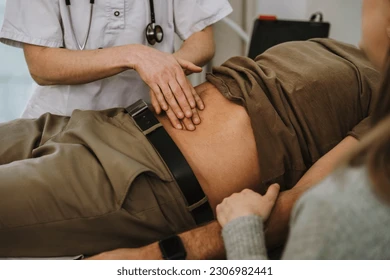
Your doctor will ask about the color and amount of blood, how often it happens, whether it is mixed with stool, any pain, bowel habit changes, weight loss, medications (especially blood thinners, aspirin and anti-inflammatories), diet, travel and family history. The examination includes checking for pallor, feeling the abdomen, and inspecting the anal area. A digital rectal examination can identify hemorrhoids, fissures and some rectal masses. It takes less than a minute and is far less uncomfortable than most people expect.
Blood Tests: CBC, Iron Studies and Ferritin
A complete blood count (CBC) shows whether your hemoglobin is low, which indicates significant or long-standing blood loss. Ferritin and total iron measure your iron stores and show whether bleeding has depleted them, even before hemoglobin falls. CRP and ESR are markers of inflammation that can raise suspicion of inflammatory bowel disease or infection. These tests are simple, quick and give your doctor an objective measure of how much the bleeding is affecting your body.
Stool Tests
A stool routine examination looks for blood, white cells, parasites and signs of infection. Stool culture identifies bacteria causing bloody diarrhea, and a stool H. pylori antigen test detects the bacterium behind many stomach ulcers. Fecal immunochemical testing (FIT) and fecal occult blood tests detect hidden blood and are used for screening in people without symptoms. They are not a substitute for colonoscopy when you already have visible bleeding.
Colonoscopy
Colonoscopy is the most complete test for the large bowel. A flexible camera allows the specialist to inspect the entire colon and rectum, take biopsies, and remove polyps during the same procedure. It is the preferred investigation for persistent rectal bleeding in adults over 45, for unexplained iron deficiency anemia, and when other tests suggest inflammatory disease or cancer. Preparation involves a clear-liquid diet and a bowel-cleansing solution, as explained in our colonoscopy preparation guide.
Upper Endoscopy (Gastroscopy)
When black stool or upper abdominal symptoms suggest bleeding from the stomach or duodenum, an upper endoscopy examines the esophagus, stomach and duodenum. Ulcers can be identified, biopsies taken to look for H. pylori, and bleeding vessels treated directly. In people with iron deficiency anemia and no obvious source, doctors often perform both upper endoscopy and colonoscopy. Where needed, imaging such as CT may be used, particularly for heavy bleeding.
Blood in Stool and Colorectal Cancer Screening
October is a month of cancer awareness, and colorectal cancer deserves a place in that conversation. It is among the most common cancers worldwide, yet it is also one of the most preventable, because most cases start as polyps that grow slowly over many years. Screening finds those polyps and early cancers before they cause symptoms, when treatment is most successful.
Who Should Be Screened and When
- Average-risk adults: major guidelines, including the US Preventive Services Task Force and the American Cancer Society, recommend starting regular screening at age 45 and continuing through age 75. Screening between 76 and 85 is an individual decision.
- Family history: if a first-degree relative had colorectal cancer or advanced polyps, screening often starts at 40, or ten years before the age at which the relative was diagnosed, whichever is earlier, and is repeated more often.
- High-risk conditions: long-standing inflammatory bowel disease, known hereditary syndromes (Lynch syndrome, familial adenomatous polyposis) and a personal history of polyps need individualized surveillance schedules from a specialist.
Screening Options
Stool-based tests (annual FIT, or multi-target stool DNA tests at longer intervals) are convenient and non-invasive. Colonoscopy, usually every ten years when normal, allows direct visualization and polyp removal in a single procedure. Your doctor will help you choose based on your risk and preference. For a complete overview of ages, intervals and test comparisons, read our colon cancer screening guide.
An important distinction: screening is for people without symptoms. If you already have blood in your stool, you need a diagnostic evaluation, not a screening test. A negative home stool test should never reassure someone with ongoing visible bleeding.
What to Expect at DCDC
If you are worried about blood in your stool, the process at Doctors Clinic Diagnostic Center (DCDC) is designed to give you answers quickly and in one place. Here is what the patient journey looks like.
- Arrival and parking: DCDC is located at Building 64, Block A, Al Razi Medical Complex, Dubai Healthcare City. Parking is free and our multilingual team will welcome you at reception.
- Same-day GP consultation from AED 249: a General Practitioner takes a detailed history, performs an examination, and decides which tests are needed and how urgent they are. We are open Saturday to Thursday 8 AM to 10 PM and Friday 9 AM to 9 PM.
- On-site laboratory: blood tests are drawn in the clinic. Typical tests for bleeding include CBC (from AED 149), ferritin (from AED 149), total iron (from AED 149), CRP (from AED 149) and ESR (from AED 99). Stool routine is from AED 149 and the stool H. pylori test is from AED 149.
- Same-day results: routine blood and stool tests are normally available the same day, so your doctor can review the results and explain them to you without a long wait.
- Specialist referral: if your findings call for it, you will be referred to a gastroenterology specialist for further assessment.
- Colonoscopy or endoscopy referral: when a camera examination is needed, we coordinate the referral and tell you how to prepare.
- Insurance and convenience: we work with 20+ insurance partners with direct billing. If you prefer, a home blood test is available at the same test prices plus a collection fee from AED 199.
DCDC holds a 4.8/5 Google rating from more than 1,000 reviews. Many patients delay seeing a doctor about rectal bleeding because of embarrassment; our clinicians see these concerns every day and will treat you with discretion and respect.
Worried About Blood in Your Stool?
Do not wait and wonder. A same-day consultation at DCDC can assess your symptoms, check for anemia with on-site blood tests, and arrange the right next step. View our gastroenterology services or book now.
GP consultation from AED 249. Open Sat-Thu 8 AM-10 PM, Fri 9 AM-9 PM. Free parking at Al Razi Medical Complex, DHCC.
Treatment Depends on the Cause
There is no single treatment for blood in the stool, because the right approach depends entirely on what is causing it. This is why a diagnosis comes first. Treatment generally falls into the following groups.
Hemorrhoids and Fissures
Most cases improve with more fiber (25 to 30 grams a day), plenty of fluids, avoiding straining and long toilet sits, and topical creams or suppositories. Warm sitz baths relieve discomfort. Persistent hemorrhoids can be treated with office procedures such as rubber band ligation or sclerotherapy, and surgery is reserved for large or prolapsed hemorrhoids that fail other treatments. Fissures are treated with stool softeners and prescription ointments; a minor surgical procedure is considered if they become chronic.
Ulcers and Upper GI Bleeding
Ulcers are treated with acid-suppressing medication (proton pump inhibitors) for several weeks. If H. pylori is found, a course of combination antibiotics with acid suppression eradicates it, and testing afterwards confirms success. Anti-inflammatory painkillers are stopped or replaced where possible. A bleeding ulcer may require endoscopic treatment (clips, cautery or injection) and hospital admission, sometimes with blood transfusion.
Inflammatory Bowel Disease
IBD is managed long term by a gastroenterologist. Treatment aims to settle inflammation and prevent flares using anti-inflammatory drugs, immune-modulating medication or biologic therapy, along with nutritional support. Regular follow-up and periodic colonoscopy are part of care.
Polyps, Diverticular Bleeding and Cancer
Polyps are removed during colonoscopy, and a surveillance schedule is set based on their number, size and type. Most diverticular bleeds stop on their own with observation and hydration; heavy bleeding may need colonoscopic treatment, interventional radiology or, rarely, surgery. If colorectal cancer is found, treatment depends on stage and may include surgery, chemotherapy, radiotherapy and targeted therapies, managed by a multidisciplinary oncology team. Surgery may also be needed for complications such as persistent bleeding, obstruction or perforation, but it is the exception rather than the rule.
Prevention and Lifestyle
- Eat 25 to 30 grams of fiber daily from vegetables, fruit, legumes and whole grains.
- Drink enough water, particularly in Dubai's heat.
- Avoid straining and do not sit on the toilet for long periods.
- Limit red and processed meat, alcohol and tobacco, which raise colorectal cancer risk.
- Stay physically active and keep a healthy weight.
- Use anti-inflammatory painkillers sparingly and only as advised.
- Attend your screening tests from age 45.
Get Clear Answers About Your Symptoms
Early assessment makes the difference between worry and a plan. See a DCDC General Practitioner for same-day evaluation, on-site lab tests and specialist referral if needed. Rated 4.8/5 from 1,000+ Google reviews. Message us on WhatsApp or call +971 54 219 5008.
Building 64, Block A, Al Razi Medical Complex, Dubai Healthcare City. 20+ insurance partners with direct billing. Free parking.
Related Services at DCDC
Expert care and advanced diagnostics at Dubai Healthcare City
Frequently Asked Questions
Final Thoughts
Blood in the stool is a symptom that is frightening, yet in most people it has a treatable cause. The color of the blood, the amount, and the symptoms that come with it help point toward the source: bright red blood typically comes from the lower bowel, while black tarry stool suggests bleeding higher up. What matters is not guessing at the cause but finding out, particularly if you are over 45, have a family history of colorectal cancer, are losing weight, or notice a change in bowel habits.
This October, make colorectal cancer awareness personal: if you are 45 or older and have never been screened, now is the time to talk to your doctor. And if you have noticed blood in your stool, do not wait for it to go away on its own. At DCDC in Dubai Healthcare City, a GP consultation from AED 249, on-site blood and stool tests with same-day results, direct billing with 20+ insurers, free parking, and a 4.8/5 Google rating from 1,000+ reviews mean clear answers are close by.
Book your consultation by WhatsApp or call +971 54 219 5008. If you have heavy bleeding, dizziness or fainting, go to the nearest emergency department immediately.
Sources & References
This article references the following sources:
- US Preventive Services Task Force -- Screening for Colorectal Cancer: US Preventive Services Task Force Recommendation Statement (JAMA, 2021)
- Laine L, et al. -- ACG Clinical Guideline: Upper Gastrointestinal and Ulcer Bleeding (Am J Gastroenterol, 2021)
- Merck Manual Professional Edition -- Overview of Gastrointestinal Bleeding
- U.S. Preventive Services Task Force -- Colorectal Cancer: Screening
This information is educational and does not replace individual medical advice. See our editorial policy for more information.

Written by
Dr. Hadeel Elnur
General Practitioner
MD, General Practice
Dr. Hadeel Elnur is a General Practitioner at Doctors Clinic Diagnostic Center (DCDC) in Dubai Healthcare City.
Related Articles
Colon Cancer Screening: When to Start & Tests (2026)
Colonoscopy Prep Dubai: Diet & Bowel Guide (2026)
H. Pylori Infection Treatment Dubai (2026)

Hemorrhoids & Piles Treatment Dubai (2026)
Stomach Ulcer Dubai: Symptoms & Treatment (2026)
More in Internal Medicine

Signs of Lupus Dubai: Autoimmune Guide (2026)
Read More
Elevated Liver Enzymes: Causes & Next Steps (2026)
Read More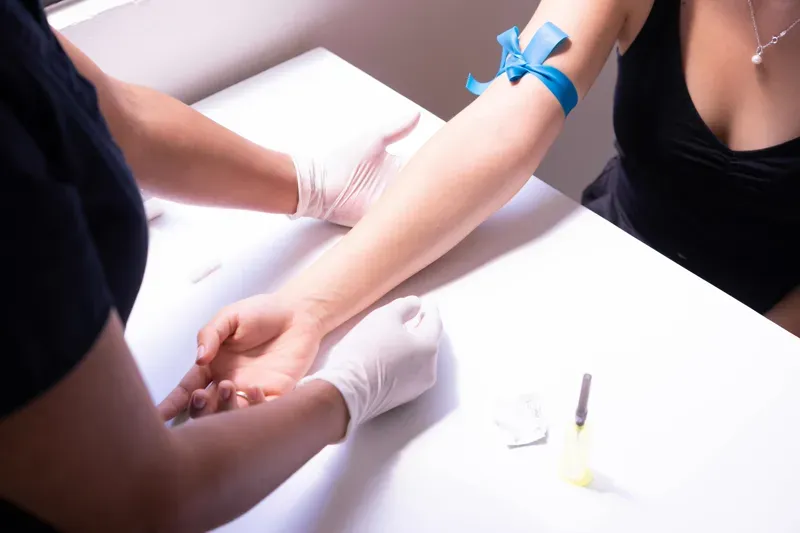
H. Pylori Test Cost Dubai: From AED 300 (2026)
Read More
Iron Infusion Cost Dubai: From AED 500 (2026)
Read More
Enlarged Prostate Dubai: BPH Symptoms (2026)
Read MoreHiatal Hernia Dubai: Symptoms & Treatment (2026)
Read More© 2026 Doctors Clinic Diagnostic Center (DCDC), Dubai Healthcare City. Originally published at https://doctorsclinicdubai.ae/blog/blood-in-stool-causes-when-to-see-doctor-dubai. All rights reserved. Unauthorized reproduction is prohibited.