
Key Takeaways
- Arrhythmias are classified by speed and origin: tachycardia (fast), bradycardia (slow), and premature beats — each with different risk levels
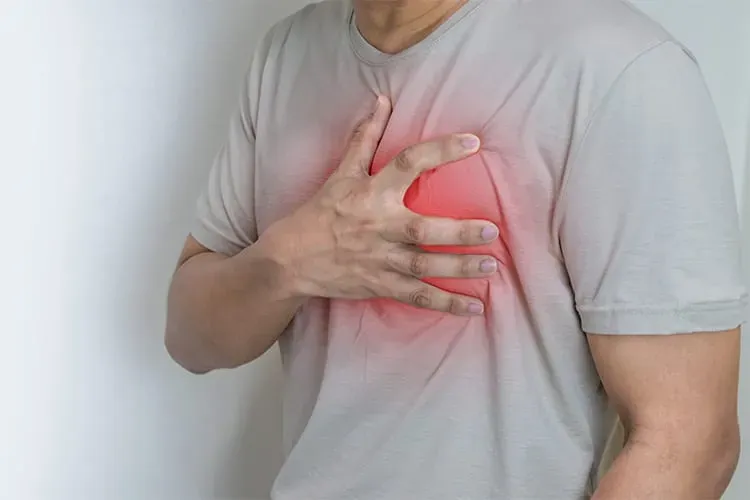
- Common symptoms include palpitations, dizziness, chest discomfort, breathlessness, and fainting, though some arrhythmias cause no symptoms at all
- Atrial fibrillation is the most common sustained arrhythmia and raises stroke risk fivefold without treatment
- An ECG is the first-line test, with 24-hour Holter monitoring used to catch intermittent rhythm problems
- Risk factors include high blood pressure, diabetes, obesity, excessive caffeine or alcohol, and sleep apnoea — all common in Dubai's population
- Seek emergency care for sudden chest pain, fainting, or severe breathlessness with a rapid or irregular pulse
An arrhythmia is any abnormality in your heart's electrical rhythm — whether it beats too fast, too slow, or irregularly. The condition affects millions of people worldwide, and many are unaware they have it until a routine check picks it up. At DCDC's Cardiology Department in Dubai Healthcare City, on-site ECG, echocardiogram, stress testing, and 24-hour Holter monitoring allow cardiologists to diagnose the type and severity of a heart rhythm disorder in a single visit.
This guide explains the main arrhythmia types, warning symptoms that should not be ignored, risk factors relevant to residents of the UAE, how diagnosis works, and what to expect when you visit a cardiologist for a heart rhythm evaluation.
What Is an Arrhythmia?
Your heart normally beats 60–100 times per minute at rest, following a precise electrical sequence: the sinoatrial (SA) node fires, the atria contract, the signal passes through the atrioventricular (AV) node, and the ventricles pump blood. An arrhythmia occurs when this electrical pathway is disrupted — by disease, structural changes, electrolyte imbalance, medication, or genetic factors.
Not every arrhythmia is dangerous. Occasional premature heartbeats are common and usually harmless. However, sustained rhythm disorders such as atrial fibrillation or ventricular tachycardia can impair blood flow, raise stroke risk, or become life-threatening if left untreated.
Main Arrhythmia Types Explained
Arrhythmias are classified by where they originate (atria or ventricles) and by the heart rate they produce. The table below summarises the most common types.
| Arrhythmia Type | Heart Rate | Origin | Risk Level |
|---|---|---|---|
| Atrial fibrillation (AFib) | Irregular, often >100 bpm | Atria | Moderate–high (stroke risk) |
| Atrial flutter | Regular, 250–350 atrial bpm | Atria | Moderate (similar stroke risk to AFib) |
| Supraventricular tachycardia (SVT) | 150–250 bpm episodes | Above the ventricles | Usually low; can cause fainting |
| Ventricular tachycardia (VT) | >100 bpm, wide QRS | Ventricles | High (can degenerate to VFib) |
| Ventricular fibrillation (VFib) | Chaotic, no effective output | Ventricles | Emergency — cardiac arrest risk |
| Bradycardia / sick sinus syndrome | <60 bpm with symptoms | SA or AV node | Variable; may need pacemaker |
| Premature atrial contractions (PACs) | Extra early beat | Atria | Usually benign |
| Premature ventricular contractions (PVCs) | Extra early beat | Ventricles | Usually benign if infrequent |
Common arrhythmia types classified by origin, rate, and risk level
Atrial Fibrillation — the Most Common Sustained Arrhythmia
AFib is characterised by rapid, disorganised electrical signals in the atria. Blood pools instead of being pumped efficiently, raising the risk of clot formation and stroke by roughly fivefold (according to the American Heart Association). Episodes may be paroxysmal (coming and going), persistent, or permanent. Read our detailed guide on atrial fibrillation diagnosis and care in Dubai.
Supraventricular Tachycardia (SVT)
SVT refers to fast heart rhythms originating above the ventricles. Episodes often start and stop suddenly, lasting minutes to hours. While SVT is rarely life-threatening, recurrent episodes with palpitations, chest tightness, or near-fainting warrant cardiology evaluation and may be treated with catheter ablation.
Ventricular Tachycardia and Fibrillation
Ventricular arrhythmias are more serious because they affect the heart's main pumping chambers. Sustained ventricular tachycardia can cause haemodynamic collapse. Ventricular fibrillation is a medical emergency that leads to cardiac arrest within minutes without defibrillation. Both types often occur in the context of underlying heart disease such as coronary artery disease or cardiomyopathy.
Bradycardia and Conduction Blocks
A resting heart rate below 60 bpm is not always abnormal — fit athletes commonly have lower rates. Symptomatic bradycardia (fatigue, dizziness, fainting) usually results from SA node dysfunction or AV conduction block. Treatment may include adjusting medications that slow the heart or, in severe cases, implanting a pacemaker.
Arrhythmia Symptoms: What to Watch For
Arrhythmia symptoms range from barely noticeable to life-threatening. Some people discover an irregular rhythm only during a routine check-up, while others experience disabling episodes. The NHS advises seeing a doctor if you have recurrent palpitations, unexplained dizziness, or episodes of feeling faint.
- Palpitations — a fluttering, pounding, or racing sensation in your chest; the hallmark symptom of most arrhythmias
- Dizziness or light-headedness — caused by reduced blood flow to the brain during an episode
- Breathlessness — especially with minimal exertion or when lying flat
- Chest discomfort or pressure — may mimic angina and needs urgent assessment
- Fainting (syncope) or near-fainting — a warning sign of significant rhythm disturbance
- Fatigue or exercise intolerance — common with persistent AFib or bradycardia
- No symptoms at all — some arrhythmias, particularly AFib, can be entirely silent
If you recognise these symptoms, particularly recurrent palpitations combined with dizziness or breathlessness, a cardiology consultation can determine whether an arrhythmia is the cause.
When to Seek Emergency Care
According to the Mayo Clinic and Cleveland Clinic guidelines, you should call emergency services or go to the nearest emergency department if you experience:
- Sudden severe chest pain or tightness lasting more than a few minutes
- Fainting or loss of consciousness
- Severe shortness of breath, especially at rest
- A very rapid pulse (over 150 bpm) that does not slow with rest
- Symptoms of stroke: sudden numbness, confusion, speech difficulty, or vision loss
These may indicate ventricular tachycardia, ventricular fibrillation, or a stroke related to AFib — all of which require immediate treatment.
Risk Factors for Arrhythmia in Dubai
Several risk factors are particularly relevant to residents of the UAE, where lifestyle patterns and climate contribute to cardiovascular disease burden.
- Hypertension — high blood pressure is the leading modifiable risk factor for AFib and is prevalent in the UAE population
- Diabetes — the UAE has one of the world's highest diabetes rates; diabetes and heart disease share overlapping risk pathways
- Obesity — excess weight increases atrial fibrillation risk by 49% per 5-unit increase in BMI (European Heart Journal, 2017)
- Obstructive sleep apnoea — common and underdiagnosed; repeated oxygen drops during sleep trigger atrial arrhythmias
- Excessive caffeine intake — moderate coffee consumption is generally safe, but very high intake can trigger premature beats or SVT
- Alcohol consumption — even moderate alcohol use raises AFib risk in some individuals
- Dehydration and electrolyte imbalance — Dubai's extreme summer heat accelerates fluid and mineral loss, which can provoke rhythm disturbances
- Thyroid disorders — both overactive and underactive thyroid affect heart rhythm; a simple TSH test can screen for this
- Family history or genetic predisposition — some inherited conditions (Brugada syndrome, long QT syndrome) carry significant arrhythmia risk
How Arrhythmias Are Diagnosed
Diagnosis begins with a thorough history, physical examination, and one or more of the following tests. At DCDC, all cardiac investigations below are available on site, so a full initial workup can often be completed in one visit.
Electrocardiogram (ECG)
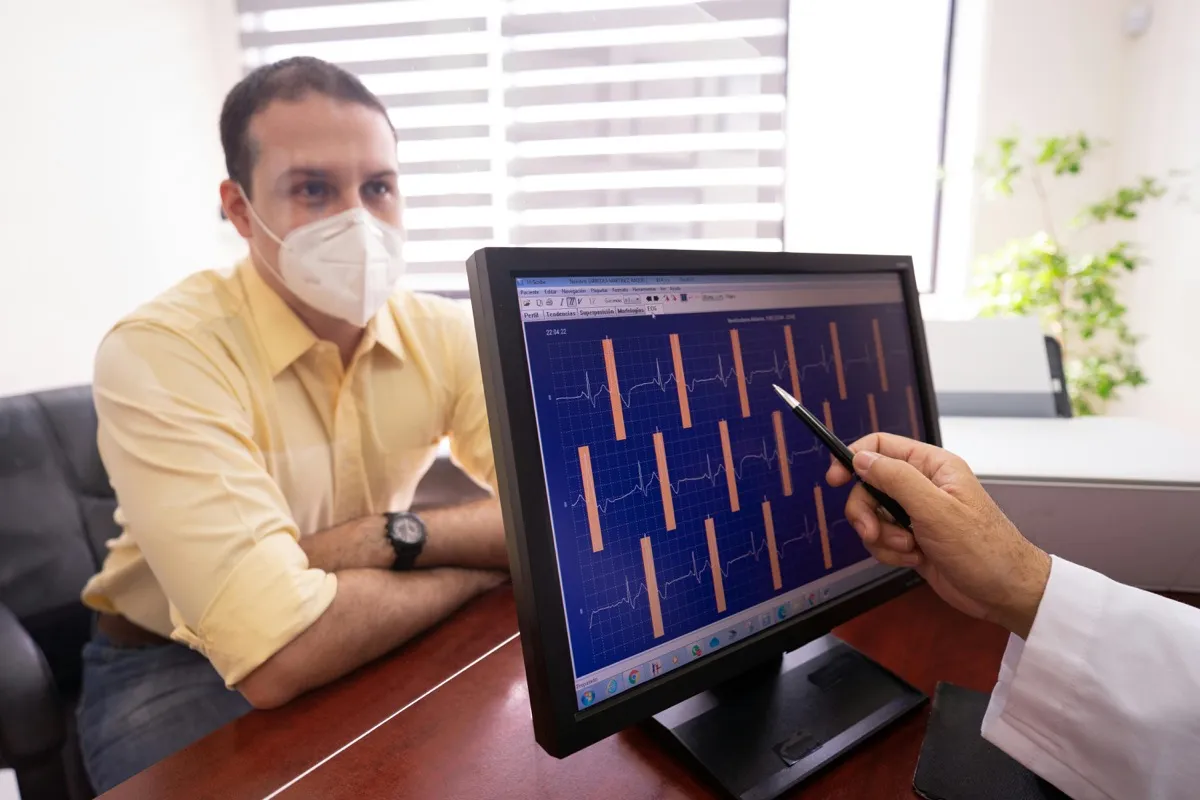
An ECG is the first-line test. It records the heart's electrical activity over about 10 seconds and can identify atrial fibrillation, heart block, bundle branch block, and signs of prior heart attack. At DCDC, an ECG is performed on site with results interpreted by the cardiologist during the same consultation.
24-Hour Holter Monitor
If the resting ECG is normal but symptoms persist, a 24-hour Holter monitor records every heartbeat over a full day and night. It captures intermittent arrhythmias that a snapshot ECG may miss — particularly useful for paroxysmal AFib or nocturnal bradycardia.
Echocardiogram
An echocardiogram (echo) uses ultrasound to visualise heart structure and function. It identifies valve disease, enlarged chambers, or reduced pumping strength that may be causing or worsening an arrhythmia.
Stress Test
A treadmill stress test monitors the heart under physical exertion. Exercise-induced arrhythmias or ischaemia may only appear when the heart is working harder, making this test valuable for patients who experience symptoms during activity.
Blood Tests
Blood work screens for reversible triggers: thyroid function (TSH, FT3, FT4), electrolytes (potassium, magnesium, calcium), kidney function, and markers of inflammation. DCDC's on-site laboratory returns routine results the same day.
What to Expect at DCDC for Arrhythmia Assessment
DCDC in Dubai Healthcare City offers a streamlined cardiac evaluation path designed to diagnose arrhythmias efficiently:
- Arrival and check-in — the clinic is in Building 64, Block A, Al Razi Medical Complex, with free dedicated parking. Walk-in and same-day appointments are frequently available
- Initial consultation — the cardiologist takes a detailed history of your symptoms, their triggers, duration, and frequency, plus your medication and family history
- On-site ECG — performed immediately in the consultation room; results are available within minutes
- Echocardiogram — if structural assessment is needed, an echo is done the same visit
- Holter monitor fitting — if intermittent arrhythmia is suspected, a portable Holter device is fitted the same day; you return 24 hours later to have it removed and analysed
- Blood panel — thyroid, electrolytes, and cardiac markers drawn at the on-site laboratory with same-day results for routine tests
- Diagnosis and plan — the cardiologist reviews all results, explains the arrhythmia type and severity, and outlines a management plan which may include medication, lifestyle changes, or referral for intervention
The one-visit diagnostic capability means you leave with answers rather than waiting weeks between appointments — particularly important when symptoms are causing anxiety or affecting daily life.
Arrhythmia Treatment Options
Treatment depends on the type, severity, and underlying cause. The goal is to restore a normal rhythm or control the heart rate, prevent complications (especially stroke), and address reversible triggers.
Lifestyle Modifications
- Reduce caffeine and alcohol if they trigger episodes
- Maintain a healthy weight — even modest weight loss reduces AFib burden
- Stay hydrated, especially during Dubai's summer months
- Manage stress and ensure adequate sleep — sleep apnoea screening is recommended for patients with AFib
- Exercise regularly at a moderate intensity; avoid extreme endurance training if you have an arrhythmia history
Medications
Common drug classes include:
- Rate-control drugs (beta-blockers, calcium channel blockers, digoxin) — slow the ventricular rate in AFib or flutter
- Rhythm-control drugs (flecainide, amiodarone, sotalol) — attempt to restore and maintain normal sinus rhythm
- Anticoagulants (warfarin, NOACs such as rivaroxaban and apixaban) — reduce stroke risk in AFib by preventing blood clots
- Antiarrhythmic drugs — specific agents chosen based on the arrhythmia type and underlying heart condition
Procedures and Devices
- Catheter ablation — a minimally invasive procedure that destroys small areas of heart tissue causing abnormal electrical signals; highly effective for SVT, atrial flutter, and certain cases of AFib
- Cardioversion — a controlled electrical shock delivered under sedation to reset the heart rhythm
- Pacemaker implantation — for symptomatic bradycardia or heart block
- Implantable cardioverter-defibrillator (ICD) — for patients at risk of life-threatening ventricular arrhythmias
Your cardiologist will explain which options apply to your specific arrhythmia type and overall health profile.
Living with an Arrhythmia: Practical Tips
- Know your pulse — learn to check your resting heart rate and rhythm; use two fingers on the wrist (radial pulse) for 30 seconds and multiply by two
- Keep a symptom diary — note when episodes occur, what you were doing, how long they lasted, and any triggers; this information is invaluable for your cardiologist
- Understand your medication — take prescribed drugs consistently; do not stop anticoagulants without medical advice, even if you feel fine
- Attend regular follow-ups — arrhythmias can evolve over time; periodic ECGs and reviews catch changes early
- Smartwatch alerts — wearable ECG features can detect irregular rhythms but should be confirmed with a medical-grade ECG; they are a prompt to seek evaluation, not a diagnosis
- Travel precautions — carry a list of your medications and your cardiologist's contact details; if you have a pacemaker or ICD, carry the device identification card
Concerned About Your Heart Rhythm?
Book a cardiology consultation at DCDC in Dubai Healthcare City. On-site ECG, Holter monitoring, and echocardiogram are available the same day — from AED 250 for a cardiology consultation.
Call +971 54 219 5008 or WhatsApp +971 50 970 3884
Arrhythmia in Special Populations
Arrhythmia During Pregnancy
Pregnancy increases blood volume by up to 50%, which can trigger palpitations and SVT in women with no prior heart history. Most pregnancy-related arrhythmias are benign, but persistent symptoms should be assessed because treatment options change during pregnancy. A cardiologist and obstetrician should coordinate care.
Arrhythmia in Athletes
Endurance athletes have a higher incidence of atrial fibrillation, possibly due to atrial remodelling from prolonged high-intensity training. A resting bradycardia (40–50 bpm) is normal in well-trained individuals and is usually not a concern unless accompanied by dizziness or syncope. Pre-participation cardiac screening — including an ECG — is recommended by the European Society of Cardiology for competitive athletes.
Arrhythmia in Older Adults
The prevalence of AFib rises steeply after age 65. Older adults are more susceptible to both the arrhythmia itself and its complications, particularly stroke. Regular heart rhythm checks during annual health screenings, combined with appropriate anticoagulation when indicated, significantly reduce the risk of a first stroke.
Preventing Arrhythmia: What You Can Do
While some arrhythmias result from genetic or structural factors beyond your control, many modifiable risk factors can be addressed:
- Control blood pressure — monitor your levels and follow prescribed treatment
- Manage blood sugar — uncontrolled diabetes damages the heart's electrical system over time
- Maintain electrolyte balance — eat potassium- and magnesium-rich foods; stay hydrated in Dubai's heat
- Treat sleep apnoea — CPAP therapy reduces AFib recurrence in obstructive sleep apnoea patients
- Limit stimulants — reduce excessive caffeine, energy drinks, and tobacco use
- Schedule a cardiac health checkup — early detection through routine screening catches silent arrhythmias before complications develop
DCDC Heart Rhythm Diagnostic Capabilities
DCDC's cardiology department provides a comprehensive arrhythmia evaluation suite under one roof in Dubai Healthcare City:
| Investigation | What It Detects | Availability |
|---|---|---|
| 12-lead ECG | AFib, flutter, heart block, ST changes | Same-day, in-clinic |
| 24-hour Holter monitor | Intermittent arrhythmias, nocturnal bradycardia | Fitted same visit, results next day |
| 2D echocardiogram | Structural causes — valve disease, chamber enlargement | Same-day, in-clinic |
| Treadmill stress test | Exercise-induced arrhythmias, ischaemia | Same-day, in-clinic |
| Blood panel (thyroid, electrolytes, cardiac markers) | Reversible triggers — thyroid, potassium, troponin | Same-day results for routine tests |
DCDC cardiac diagnostic tests available during a single visit
This one-stop approach reduces the time between first symptoms and a definitive diagnosis — often from weeks to a single day. Extended hours (Saturday–Thursday until 10 PM, Friday until 9 PM) and direct insurance billing with 20+ partners make it straightforward to schedule around work and family commitments.
Related Services at DCDC
Expert care and advanced diagnostics at Dubai Healthcare City
Frequently Asked Questions
Final Thoughts
Arrhythmias range from harmless extra beats to life-threatening emergencies — and the key difference often lies in the type, the underlying heart condition, and how quickly the problem is identified. Many rhythm disorders are highly treatable once diagnosed, and simple lifestyle changes can reduce the risk of developing one.
If you experience palpitations, unexplained dizziness, or episodes of breathlessness, a cardiac evaluation can provide clarity and peace of mind. At DCDC in Dubai Healthcare City, same-day ECG, Holter monitoring, echocardiogram, and blood work mean you can go from first concern to a diagnosis plan in a single appointment. Book a cardiology consultation or call +971 54 219 5008 to get started.
Sources & References
This article references the following sources:
- Mayo Clinic — Heart Arrhythmia: Symptoms and Causes
- Cleveland Clinic — Arrhythmia: Types, Symptoms, Causes and Treatment
- NHS — Arrhythmia (Abnormal Heart Rhythm)
- American Heart Association — About Arrhythmia
- European Heart Journal — Obesity and Atrial Fibrillation Risk (2017)
- European Society of Cardiology — Pre-Participation Cardiovascular Evaluation of Athletes
This information is educational and does not replace individual medical advice. See our editorial policy for more information.

Written by
Dr. Shahoo Mazhari
Cardiology
MD, Cardiology
Dr. Shahoo Mazhari is a Cardiologist at Doctors Clinic Diagnostic Center (DCDC) in Dubai Healthcare City.
Related Articles

Atrial Fibrillation Dubai: Diagnosis & Care (2026)
Heart Palpitations Dubai: Causes & Help (2026)
ECG Test Dubai: Cost, Types & Results (2026)
Holter Monitor Test Dubai: Cost & Guide (2026)
When to See a Cardiologist Dubai (2026)
More in Cardiology
Coronary Artery Disease Dubai: Risks & Care (2026)
Read More
DVT Symptoms Dubai: Blood Clot Warning Signs (2026)
Read More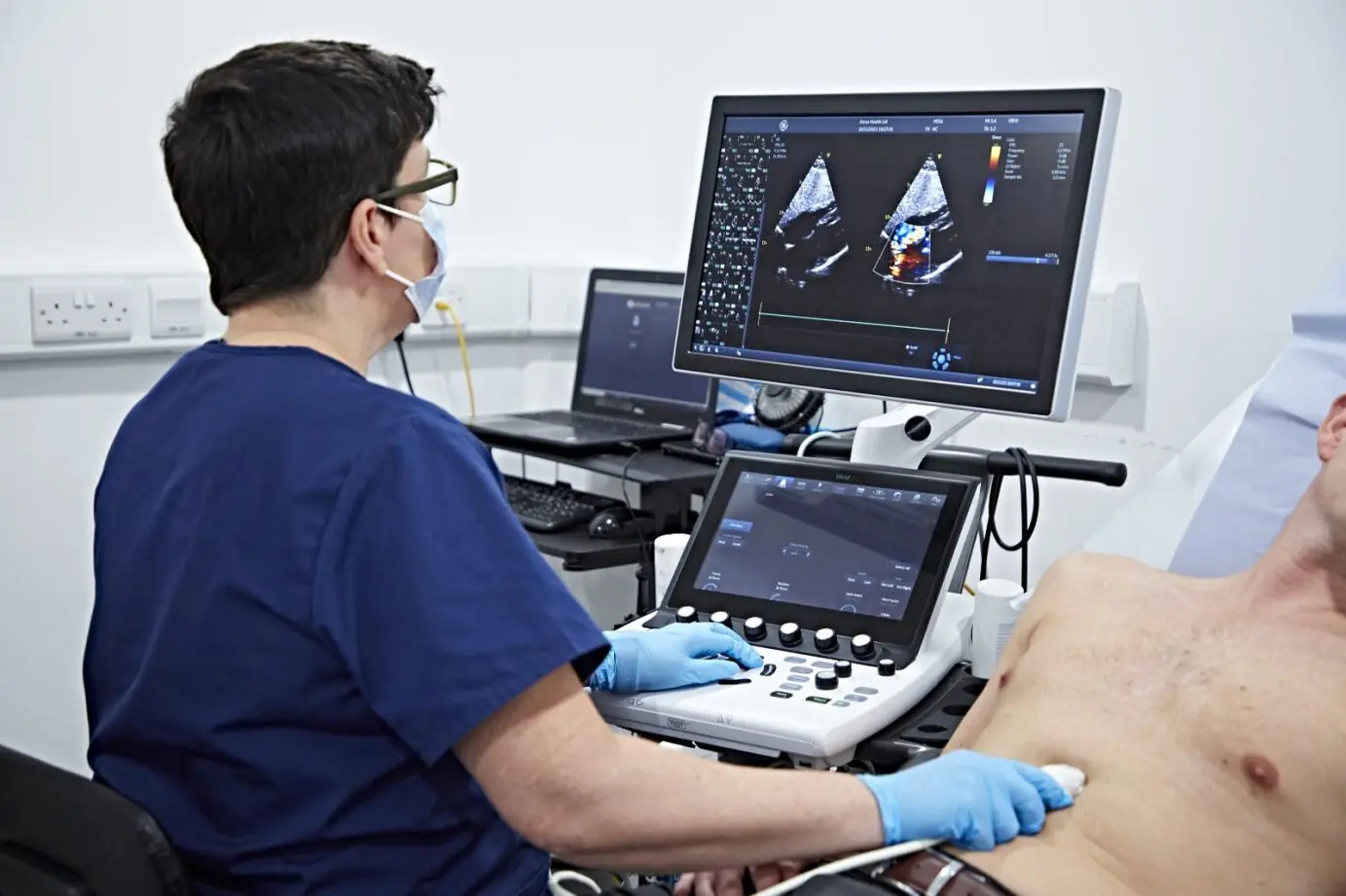
Heart Valve Disease Dubai: Signs & Guide (2026)
Read More
Heart-Healthy Foods: Diet Tips Dubai (2026)
Read MorePeripheral Artery Disease Dubai: Symptoms (2026)
Read MoreSmartwatch ECG vs Medical ECG Dubai (2026)
Read More© 2026 Doctors Clinic Diagnostic Center (DCDC), Dubai Healthcare City. Originally published at https://doctorsclinicdubai.ae/blog/arrhythmia-types-symptoms-dubai. All rights reserved. Unauthorized reproduction is prohibited.