Key Takeaways
- A TSH test in Dubai costs from AED 249 individually, a thyroid panel (TSH + Free T3 + Free T4) from AED 399, and a comprehensive thyroid panel with antibodies from AED 300-500 — results are typically available same day or within 24 hours
- TSH is the single most important screening test for thyroid disorders — an elevated TSH indicates hypothyroidism (underactive thyroid), while a suppressed TSH indicates hyperthyroidism (overactive thyroid)
- Women over 35, pregnant women, individuals with a family history of thyroid disease, and anyone with symptoms of thyroid dysfunction should be tested regularly
- Thyroid disorders are common in the UAE, with studies showing that up to 15% of the population may have some form of thyroid dysfunction, often undiagnosed
- Vitamin D deficiency — highly prevalent in Dubai — has been linked to increased risk of autoimmune thyroid disease including Hashimoto's thyroiditis
- Thyroid testing during pregnancy is especially important because untreated thyroid disorders can cause miscarriage, preeclampsia, developmental delays, and preterm birth
- Patients on thyroid medication require monitoring every 6-8 weeks after any dose change until stable, then every 6-12 months for long-term management
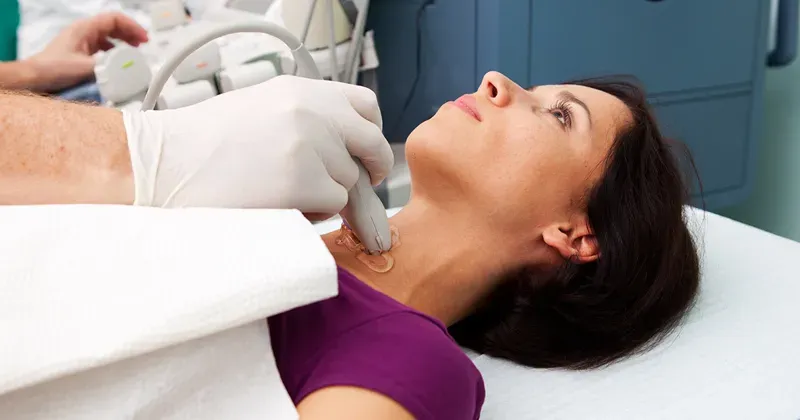
The thyroid gland is a small butterfly-shaped organ at the base of your neck that produces hormones controlling your metabolism, energy levels, body temperature, heart rate, and weight. When the thyroid produces too much or too little hormone, virtually every organ in the body is affected. A thyroid function test is a simple blood test that measures thyroid hormone levels and is essential for diagnosing conditions ranging from fatigue and weight gain to heart palpitations and anxiety.
This guide covers everything you need to know about thyroid testing in Dubai: TSH, Free T3, Free T4, and thyroid antibody reference ranges by age, gender, and pregnancy trimester; a detailed comparison of hypothyroidism vs hyperthyroidism symptoms; Hashimoto's vs Graves' disease comparison; when to test; pricing for individual and panel tests; and medication monitoring schedules. Whether you are experiencing symptoms or want proactive screening, this is a comprehensive, medically reviewed resource.
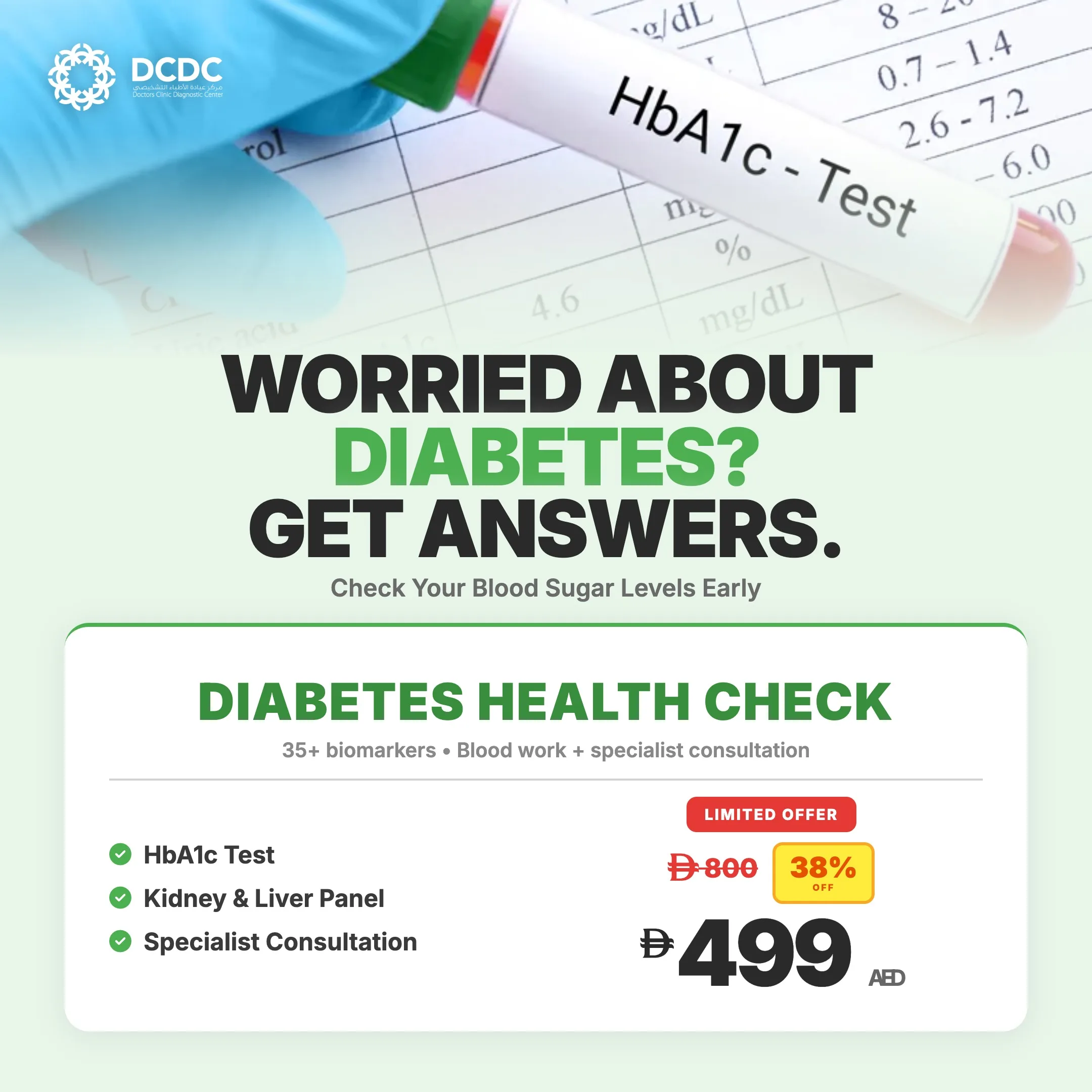
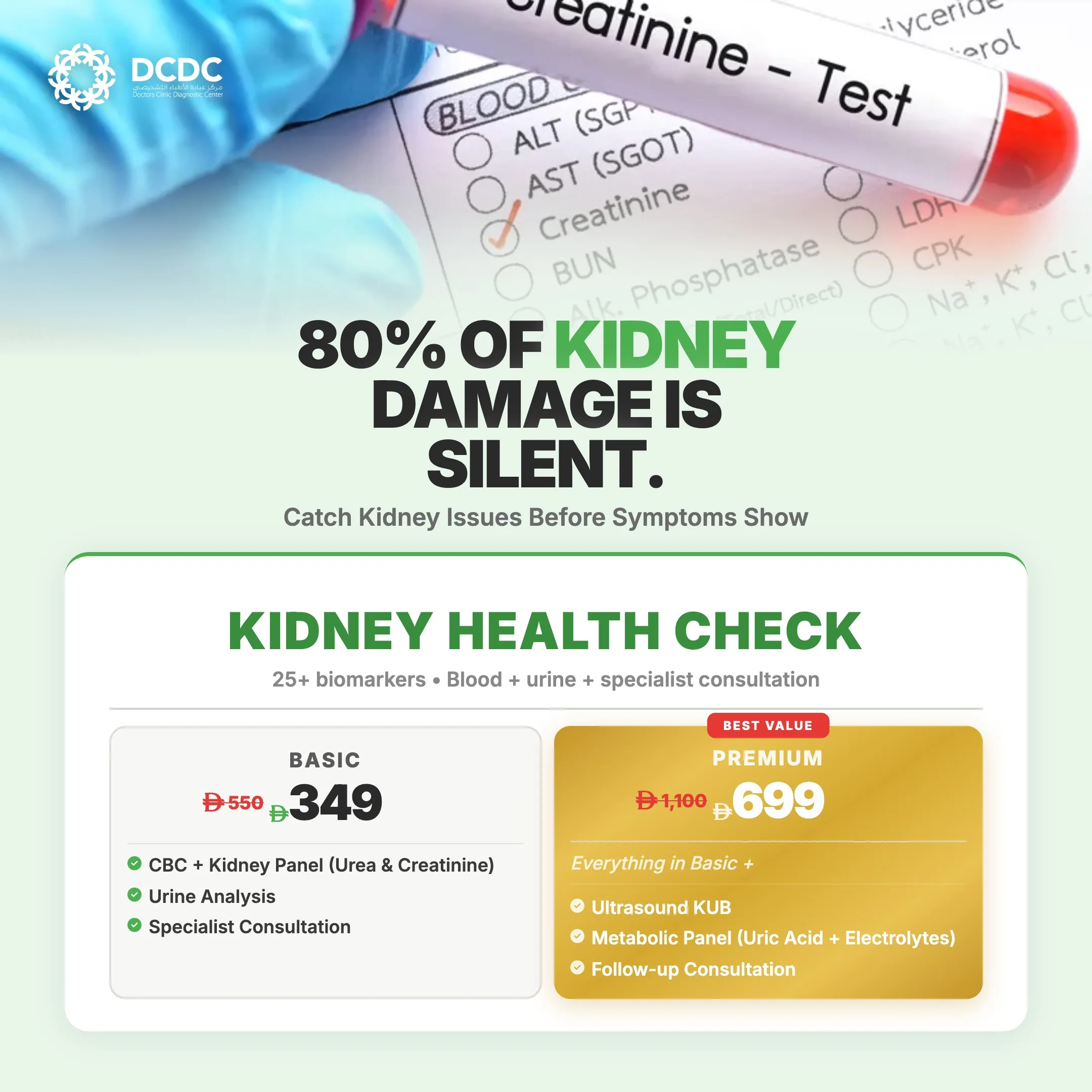
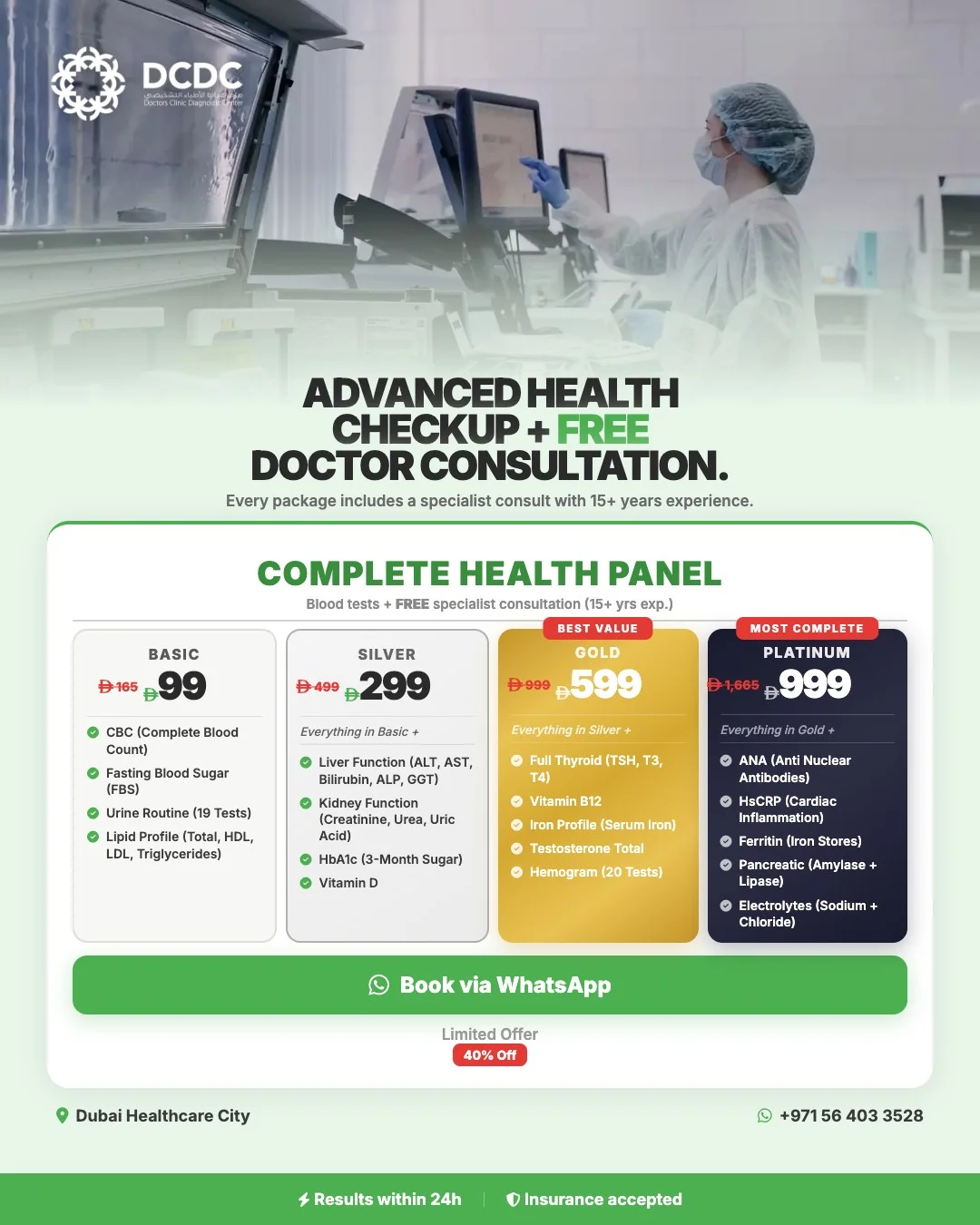
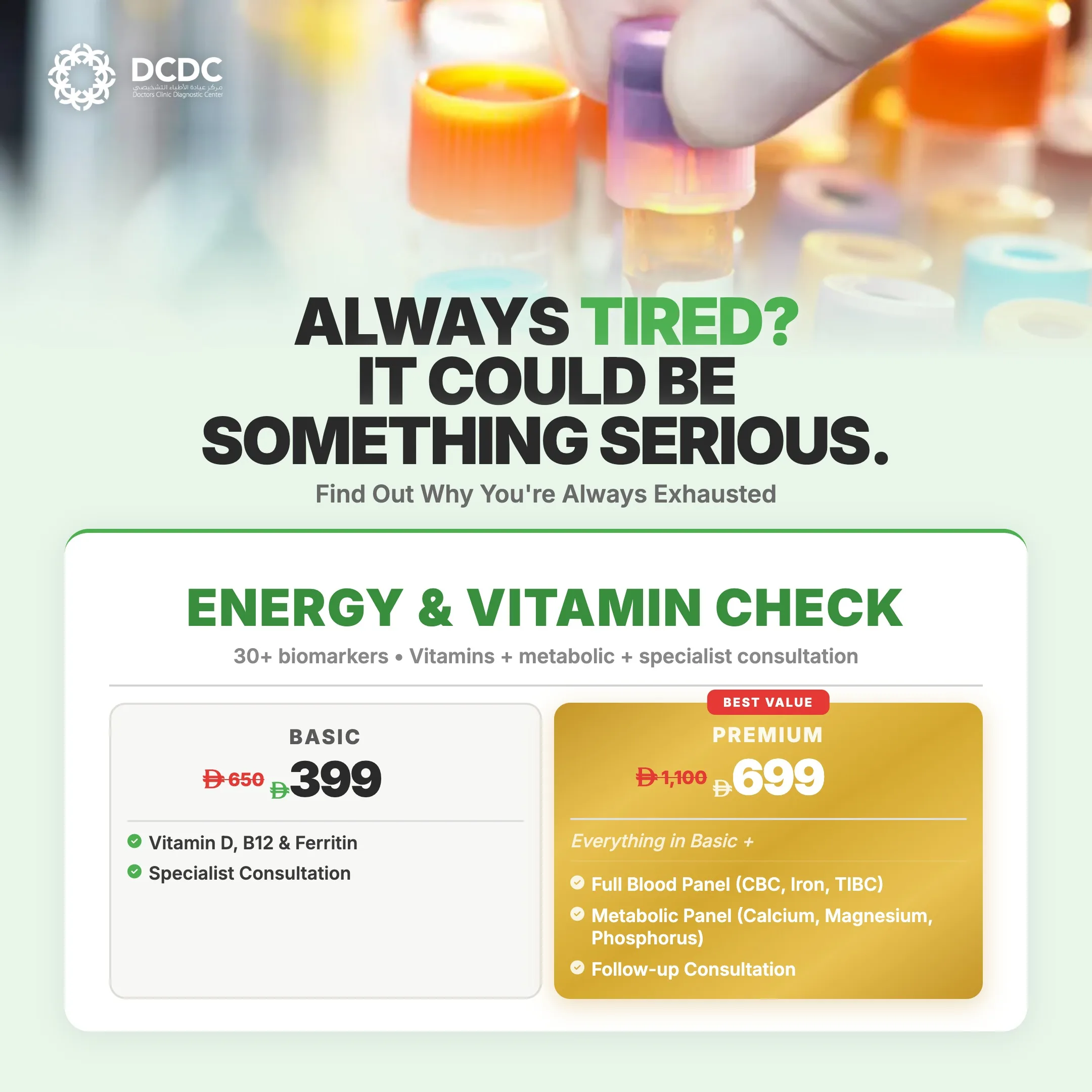
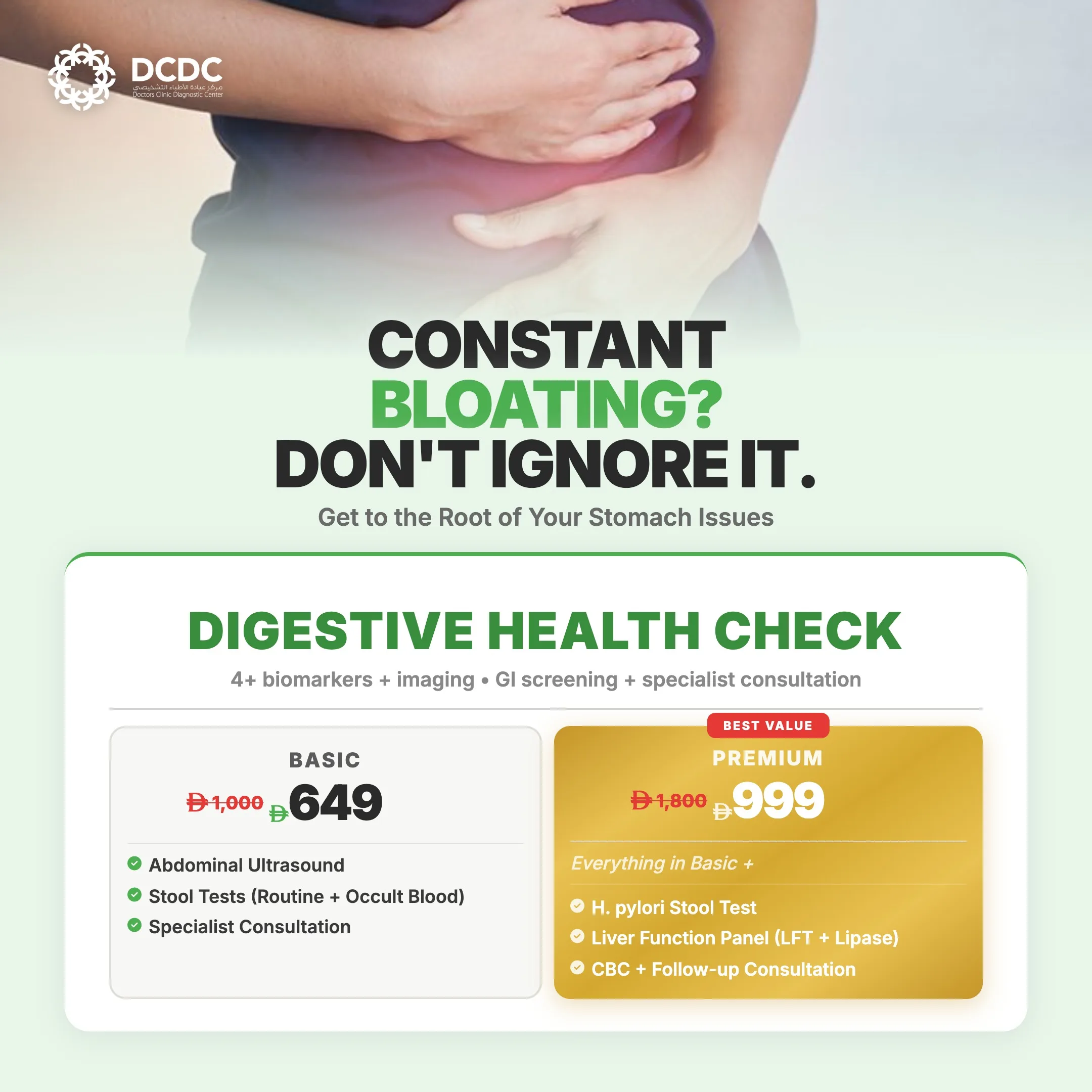
Health Screening Packages
Save with our bundled screening packages — specialist consultation included

What Is a Thyroid Function Test?
A thyroid function test (TFT) is a group of blood tests that measure how well your thyroid gland is working. The test involves a simple blood draw from a vein in your arm, with results typically available within the same day or 24 hours. The thyroid gland may be small, but its impact on the body is enormous — it regulates your metabolic rate, influences how quickly you burn calories, controls how fast your heart beats, and affects bone turnover, cholesterol levels, and even mood. Understanding the specific markers tested is essential for interpreting your results.
TSH (Thyroid-Stimulating Hormone)
TSH is produced by the pituitary gland in the brain and acts as a messenger telling the thyroid how much hormone to produce. It is the single most important and sensitive screening test for thyroid disorders. When the thyroid is underactive, the pituitary releases more TSH to try to stimulate it (elevated TSH). When the thyroid is overactive, the pituitary reduces TSH production (suppressed TSH). Normal range: 0.4 to 4.0 mIU/L, though optimal levels are generally considered to be 0.5 to 2.5 mIU/L.
Free T4 (Free Thyroxine)
T4 is the main hormone produced by the thyroid gland. The "free" measurement refers to the biologically active, unbound form circulating in the blood. Low Free T4 with elevated TSH confirms hypothyroidism, while high Free T4 with suppressed TSH confirms hyperthyroidism. Normal range: 0.8 to 1.8 ng/dL (10 to 23 pmol/L).
Free T3 (Free Triiodothyronine)
T3 is the more active thyroid hormone — most T4 is converted to T3 in the body's tissues. Free T3 is particularly important in diagnosing hyperthyroidism, as some patients have elevated T3 with normal T4 (T3 thyrotoxicosis). It is also useful for monitoring patients on thyroid medication. Normal range: 2.3 to 4.2 pg/mL (3.5 to 6.5 pmol/L).
Thyroid Antibodies (TPO and TG)
Thyroid antibody tests detect autoimmune thyroid disease — the most common cause of thyroid dysfunction worldwide. The main antibodies tested are:
- Anti-TPO (thyroid peroxidase antibodies): Elevated in Hashimoto's thyroiditis (the leading cause of hypothyroidism) and sometimes in Graves' disease. Present in up to 95% of Hashimoto's patients. Normal: < 35 IU/mL
- Anti-TG (thyroglobulin antibodies): Also associated with Hashimoto's thyroiditis and used in thyroid cancer monitoring after treatment. Normal: < 40 IU/mL
- TSH receptor antibodies (TRAb): Elevated in Graves' disease (the leading cause of hyperthyroidism). Helps distinguish Graves' disease from other causes of overactive thyroid. Normal: < 1.75 IU/L
Thyroid Test Reference Ranges by Age, Gender, and Pregnancy
Thyroid hormone reference ranges are not one-size-fits-all. They vary by age, gender, and pregnancy status. Using the wrong reference range can lead to missed diagnoses or unnecessary treatment. The following table provides comprehensive ranges:
| Group | TSH (mIU/L) | Free T4 (ng/dL) | Free T3 (pg/mL) | Notes |
|---|---|---|---|---|
| Adults (non-pregnant) | 0.4 – 4.0 | 0.8 – 1.8 | 2.3 – 4.2 | Optimal TSH: 0.5 – 2.5 for most adults |
| Women 35+ | 0.4 – 4.0 | 0.8 – 1.8 | 2.3 – 4.2 | Screen every 5 years; higher autoimmune thyroid risk |
| Elderly (over 70) | 0.4 – 5.0 | 0.7 – 1.7 | 2.0 – 3.8 | Upper TSH limit naturally rises with age |
| Children (1-5 years) | 0.7 – 6.0 | 0.9 – 1.8 | 3.0 – 5.5 | Higher TSH and T3 ranges in young children |
| Children (6-12 years) | 0.6 – 5.0 | 0.8 – 1.7 | 2.8 – 5.0 | Gradual shift toward adult ranges |
| Adolescents (13-18) | 0.5 – 4.5 | 0.8 – 1.8 | 2.5 – 4.5 | Near-adult reference ranges |
| Pregnancy: 1st trimester | 0.1 – 2.5 | 0.8 – 1.8 | 2.3 – 4.2 | Lower TSH due to hCG stimulation; critical period for fetal brain development |
| Pregnancy: 2nd trimester | 0.2 – 3.0 | 0.7 – 1.6 | 2.1 – 3.8 | TSH gradually normalises; Free T4 may decrease slightly |
| Pregnancy: 3rd trimester | 0.3 – 3.5 | 0.6 – 1.5 | 2.0 – 3.5 | Free T4 and T3 may be lower due to increased binding proteins |
Reference ranges may vary slightly between laboratories. Always use the specific reference ranges provided by the testing laboratory. Pregnancy ranges based on ATA/ETA 2024 guidelines.
Thyroid Test Cost in Dubai
Thyroid testing in Dubai is affordable and widely accessible. At Doctors Clinic Diagnostic Center, we offer thyroid tests at our in-house laboratory with same-day results for most panels. The cost depends on whether you need a single TSH screening or a comprehensive panel with antibodies.
| Thyroid Test | What's Included | DCDC Price (AED) | Market Range (AED) |
|---|---|---|---|
| TSH only | TSH screening test | 149 | 80 – 150 |
| Thyroid panel (basic) | TSH + Free T3 + Free T4 | 399 | 150 – 300 |
| Comprehensive thyroid panel | TSH + Free T3 + Free T4 + Anti-TPO + Anti-TG | 399 | 300 – 500 |
| TSH receptor antibodies (TRAb) | Graves' disease evaluation | From 200 | 200 – 350 |
| Thyroid ultrasound | Imaging of thyroid gland structure | From 300 | 300 – 600 |
| Thyroid + vitamin D combo | TSH + Free T4 + Vitamin D | From 200 | 200 – 400 |
Prices as of 2026. DCDC offers DHA-regulated pricing. Contact us for exact pricing and insurance coverage verification.
Thyroid testing is covered by virtually all health insurance plans in the UAE when ordered by a physician with clinical justification. Common accepted indications include symptoms of thyroid dysfunction, family history, pregnancy screening, and monitoring of known thyroid conditions. At DCDC, we provide direct billing with over 20 insurance providers including Daman, AXA, and Bupa.
Hypothyroidism vs Hyperthyroidism: Symptoms Comparison
The thyroid can malfunction in two opposite directions — producing too little hormone (hypothyroidism) or too much (hyperthyroidism). Both conditions are common, and their symptoms often overlap with other conditions, which is why blood testing is essential for accurate diagnosis. The following table compares symptoms side-by-side across every major body system:
| Symptom Category | Hypothyroidism (Underactive) | Hyperthyroidism (Overactive) |
|---|---|---|
| Energy | Fatigue, sluggishness, excessive sleepiness | Anxiety, nervousness, difficulty sleeping |
| Weight | Unexplained weight gain despite normal diet | Unexplained weight loss despite increased appetite |
| Temperature | Cold intolerance, always feeling cold | Heat intolerance, excessive sweating |
| Heart | Slow heart rate (bradycardia) | Rapid or irregular heartbeat (palpitations) |
| Mood | Depression, memory problems, brain fog | Irritability, mood swings, tremor |
| Skin & hair | Dry skin, hair loss, brittle nails | Warm moist skin, fine hair, hair thinning |
| Digestion | Constipation | Frequent bowel movements, diarrhoea |
| Menstrual | Heavy or irregular periods | Light or absent periods |
| Muscles & joints | Muscle cramps, joint stiffness, carpal tunnel | Muscle weakness, difficulty climbing stairs |
| Blood tests | Elevated cholesterol, elevated CK | Low cholesterol, elevated liver enzymes |
| Other | Puffy face, hoarse voice, elevated cholesterol | Bulging eyes (Graves'), enlarged thyroid (goitre) |
Many thyroid symptoms are non-specific — a blood test is the only definitive way to confirm thyroid dysfunction.
Hashimoto's vs Graves' Disease: Autoimmune Thyroid Comparison
Hashimoto's thyroiditis and Graves' disease are the two most common autoimmune thyroid conditions. Both involve the immune system attacking the thyroid gland, but they do so in opposite ways — Hashimoto's destroys thyroid tissue leading to underactivity, while Graves' stimulates the thyroid leading to overactivity. Understanding the differences is critical for proper diagnosis and treatment.
| Feature | Hashimoto's Thyroiditis | Graves' Disease |
|---|---|---|
| Thyroid function | Hypothyroidism (underactive) | Hyperthyroidism (overactive) |
| Mechanism | Immune system destroys thyroid cells | Immune system stimulates thyroid via TRAb |
| Key antibodies | Anti-TPO (95%), Anti-TG (60-80%) | TRAb (TSH receptor antibodies, 95%) |
| Prevalence | Most common cause of hypothyroidism worldwide | Most common cause of hyperthyroidism worldwide |
| Gender ratio | Women 7-10x more than men | Women 5-8x more than men |
| Peak age | 30-50 years | 20-40 years |
| Thyroid size | Normal or enlarged (painless goitre) | Diffusely enlarged (smooth goitre) |
| Eye involvement | No | Yes — Graves' ophthalmopathy (bulging eyes, 25-50%) |
| Treatment | Levothyroxine replacement (lifelong) | Anti-thyroid drugs, radioactive iodine, or surgery |
| Monitoring frequency | TSH every 6-12 months when stable | TSH + Free T4 every 4-8 weeks during treatment |
Both conditions require lifelong monitoring. Hashimoto's patients may initially have normal thyroid function with only positive antibodies (euthyroid Hashimoto's) before progressing to hypothyroidism.
Who Should Get a Thyroid Test?
While anyone can develop a thyroid disorder, certain groups are at higher risk and should undergo periodic screening. According to Dr. Hadeel Elnur, "In my practice at DCDC, I recommend thyroid screening for all women over 35, all pregnant women at their first prenatal visit, and any patient presenting with unexplained fatigue, weight changes, or mood disturbances. Thyroid disorders are remarkably common in the UAE, yet many patients go years without a diagnosis because symptoms are attributed to stress or lifestyle."
- Women over 35: Women are 5 to 8 times more likely than men to develop thyroid disorders. The American Thyroid Association recommends screening all adults starting at age 35, with repeat testing every 5 years, particularly for women.
- Pregnant women: Thyroid disorders during pregnancy can cause miscarriage, preeclampsia, premature birth, and impaired fetal brain development. Screening is recommended at the first prenatal visit and ideally before conception for women with risk factors.
- Family history of thyroid disease: Having a first-degree relative (parent, sibling) with thyroid disease, particularly autoimmune thyroid disease, significantly increases your risk.
- Unexplained fatigue or weight changes: Persistent fatigue that does not improve with rest, or unexplained weight gain or weight loss, should prompt thyroid evaluation.
- Personal history of autoimmune disease: Conditions such as type 1 diabetes, rheumatoid arthritis, coeliac disease, and vitiligo are associated with increased risk of autoimmune thyroid disease.
- Previous thyroid surgery or radiation: Patients who have had thyroid surgery, radioactive iodine treatment, or neck radiation require lifelong thyroid monitoring.
- Patients on lithium or amiodarone: These medications can directly affect thyroid function and require regular monitoring.
- People over 60: The prevalence of thyroid disorders increases with age, and symptoms in older adults can be subtle — fatigue, depression, or cognitive changes may be mistakenly attributed to ageing rather than thyroid dysfunction.
Thyroid Testing During Pregnancy
Thyroid function changes significantly during pregnancy, and both hypothyroidism and hyperthyroidism can have serious consequences for mother and baby. Understanding thyroid testing in the context of pregnancy is critical for expectant mothers.
First Trimester
TSH levels naturally decrease in early pregnancy due to the effect of hCG (the pregnancy hormone) on the thyroid gland. First-trimester TSH reference ranges are lower than non-pregnant ranges — generally 0.1 to 2.5 mIU/L. A TSH above 2.5 in the first trimester may indicate subclinical hypothyroidism requiring treatment. The first trimester is the most critical period because the fetus depends entirely on maternal thyroid hormones for brain development before the fetal thyroid begins functioning at 12-14 weeks.
Second and Third Trimesters
As pregnancy progresses, TSH levels gradually return toward pre-pregnancy values. Second-trimester TSH typically ranges from 0.2 to 3.0 mIU/L, and third-trimester from 0.3 to 3.5 mIU/L. Women on thyroid medication often require dose increases of 25-50% during pregnancy, making regular monitoring every 4-6 weeks essential throughout all trimesters.
Consequences of Untreated Thyroid Disorders in Pregnancy
- Untreated hypothyroidism: Increased risk of miscarriage (2-4x higher), preeclampsia, placental abruption, preterm birth, low birth weight, and impaired neurodevelopment in the child (including lower IQ by 4-7 points)
- Untreated hyperthyroidism: Increased risk of miscarriage, preeclampsia, fetal growth restriction, preterm birth, thyroid storm (a life-threatening emergency), and neonatal thyrotoxicosis
- Postpartum thyroiditis: Affects 5-10% of women in the first year after delivery. Typically presents as transient hyperthyroidism followed by hypothyroidism. Women with positive anti-TPO antibodies before or during pregnancy are at highest risk
If you are planning a pregnancy, request a thyroid function test as part of your preconception workup. At DCDC, thyroid testing is included in our women's health screening packages.
Understanding Your Thyroid Test Results
Interpreting thyroid results requires looking at TSH and thyroid hormones together. The following table summarises the most common patterns and what they mean:
| TSH | Free T4 | Free T3 | Interpretation |
|---|---|---|---|
| High | Low | Low/Normal | Primary hypothyroidism — thyroid is underactive |
| High | Normal | Normal | Subclinical hypothyroidism — early or mild underactivity |
| Low | High | High | Primary hyperthyroidism — thyroid is overactive |
| Low | Normal | Normal | Subclinical hyperthyroidism — early or mild overactivity |
| Low | Normal | High | T3 thyrotoxicosis — overactive thyroid with elevated T3 only |
| Normal | Normal | Normal | Normal thyroid function (euthyroid) |
| Low/Normal | Low | Low | Central hypothyroidism — pituitary or hypothalamic problem |
Always have your results interpreted by a physician in the context of your symptoms and clinical history.
Important note on normal ranges: The "normal" range for TSH (0.4-4.0 mIU/L) represents a statistical reference range, not necessarily the optimal range for every individual. Some patients feel best when their TSH is in the lower half of the normal range (0.5-2.0 mIU/L). For elderly patients over 70, a TSH up to 5.0 may be considered normal, as the upper reference limit naturally increases with age. Discuss your individual target with your doctor, particularly if you are on thyroid medication.
Thyroid Medication Monitoring Schedule
For patients on thyroid medication, regular monitoring is essential to ensure the correct dose. Both under-treatment and over-treatment carry risks — under-treatment leaves you symptomatic, while over-treatment of hypothyroidism can cause bone loss and atrial fibrillation. Here is the recommended monitoring timeline:
| Scenario | Testing Frequency | What to Test | Notes |
|---|---|---|---|
| New levothyroxine start | Every 6-8 weeks | TSH + Free T4 | Adjust dose in 12.5-25 mcg increments until TSH at target |
| After dose adjustment | 6-8 weeks after change | TSH + Free T4 | TSH takes 6-8 weeks to reach new steady state |
| Stable on medication | Every 6-12 months | TSH (Free T4 if clinically needed) | Annual monitoring sufficient once stable |
| During pregnancy | Every 4-6 weeks | TSH + Free T4 | Dose typically needs 25-50% increase; critical for fetal development |
| Postpartum | 6-8 weeks after delivery | TSH + Free T4 | Reduce to pre-pregnancy dose and recheck |
| Anti-thyroid medication (Graves') | Every 4-8 weeks | TSH + Free T4 + Free T3 | Monitor until dose titrated, then every 3-4 months |
| After weight change (±10%) | 6-8 weeks after change | TSH | Body weight changes can alter levothyroxine requirements |
| After starting new medication | 6-8 weeks after starting | TSH | Some medications (iron, calcium, PPIs, estrogen) interfere with levothyroxine absorption |
Always take your thyroid blood test before your morning levothyroxine dose. Taking medication after the blood draw ensures accurate results.
When Is a Thyroid Ultrasound Needed?
A thyroid ultrasound is an imaging test that evaluates the structure of the thyroid gland. While blood tests assess thyroid function, ultrasound assesses thyroid anatomy. A thyroid ultrasound is recommended in the following situations:
- Palpable thyroid nodule: If your doctor feels a lump in your thyroid during a physical examination, ultrasound is the first investigation to characterise the nodule.
- Abnormal thyroid blood tests: Particularly when TSH is suppressed (low), ultrasound helps identify if a thyroid nodule is autonomously producing excess hormone.
- Enlarged thyroid (goitre): Ultrasound determines the size of the thyroid, identifies nodules within the goitre, and assesses whether the goitre is compressing adjacent structures.
- Family history of thyroid cancer: Screening ultrasound may be recommended for patients with a strong family history of thyroid cancer or inherited syndromes associated with thyroid malignancy.
- Monitoring known nodules: Thyroid nodules identified on previous imaging are monitored with periodic ultrasound to detect any changes in size or appearance.
- Post-thyroid cancer monitoring: Patients treated for thyroid cancer undergo regular neck ultrasound to check for recurrence.
Vitamin D and Thyroid Health
Vitamin D deficiency is extremely common in the UAE despite abundant sunshine — studies show that up to 80% of residents are deficient due to sun avoidance, indoor lifestyles, and cultural dress practices. Research has demonstrated a significant link between vitamin D deficiency and autoimmune thyroid disease.
Multiple studies have shown that patients with Hashimoto's thyroiditis and Graves' disease have significantly lower vitamin D levels compared to the general population. Vitamin D plays an important role in immune system regulation, and deficiency may contribute to the immune system dysfunction that drives autoimmune thyroid disease. While the relationship is still being studied, many endocrinologists now recommend checking and correcting vitamin D levels as part of comprehensive thyroid care.
At DCDC, we offer combined thyroid and vitamin D testing from AED 99 to provide a more complete picture of your metabolic health.
Hashimoto's Thyroiditis: Detailed Overview
Hashimoto's thyroiditis is an autoimmune condition where the immune system produces antibodies that gradually destroy thyroid tissue, leading to hypothyroidism over time. It is the most common cause of hypothyroidism worldwide and affects women 7 to 10 times more frequently than men. Prevalence increases with age, particularly after 40.
- Diagnosis: Elevated anti-TPO and/or anti-TG antibodies combined with elevated TSH and low Free T4. Some patients have positive antibodies for years before thyroid function becomes abnormal — this stage is called euthyroid Hashimoto's.
- Progression: Approximately 4-5% of euthyroid Hashimoto's patients progress to overt hypothyroidism per year. Higher TPO antibody levels predict faster progression.
- Treatment: Levothyroxine (synthetic T4) replacement therapy taken daily on an empty stomach, 30-60 minutes before food. Starting dose is typically 1.6 mcg per kg of body weight, adjusted based on TSH levels.
- Medication interactions: Calcium supplements, iron supplements, proton pump inhibitors, and antacids impair levothyroxine absorption and should be taken at least 4 hours apart.
- Monitoring: TSH checked every 6-8 weeks until stable, then every 6-12 months. Requirements can change over time, particularly during pregnancy, with weight changes, or as thyroid destruction progresses.
Graves' Disease: Detailed Overview
Graves' disease is an autoimmune condition where antibodies (TRAb) stimulate the thyroid to overproduce hormones, causing hyperthyroidism. It is most common in women aged 20 to 40 and often runs in families.
- Diagnosis: Suppressed TSH, elevated Free T4 and/or Free T3, positive TSH receptor antibodies (TRAb). Thyroid uptake scan may be performed to confirm the diagnosis.
- Symptoms unique to Graves': In addition to standard hyperthyroid symptoms, Graves' disease can cause thyroid eye disease (Graves' ophthalmopathy) — bulging eyes, dry eyes, double vision, and eye pain. This affects 25-50% of Graves' patients.
- Treatment options: Anti-thyroid medications (carbimazole, methimazole) as first-line treatment for 12-18 months; radioactive iodine therapy for definitive treatment (results in hypothyroidism requiring lifelong levothyroxine); or thyroid surgery (thyroidectomy) for large goitres or when other treatments fail. Propylthiouracil (PTU) is preferred in the first trimester of pregnancy.
- Remission rates: Approximately 40-50% of patients treated with anti-thyroid drugs achieve long-term remission after 12-18 months of treatment. Lower TRAb levels and smaller thyroid size at diagnosis predict higher remission rates.
Book Your Thyroid Test at DCDC
At Doctors Clinic Diagnostic Center in Dubai Healthcare City, our in-house laboratory offers comprehensive thyroid testing with same-day results. Walk in or book online — no appointment necessary for blood tests. Our 98% patient satisfaction rate and 4.8/5 Google rating reflect our commitment to quality care.
Fasting is not required for thyroid blood tests.
Treatment Overview: Managing Thyroid Disorders
The good news about thyroid disorders is that they are among the most treatable conditions in medicine. With proper medication and monitoring, most patients achieve excellent control and return to feeling completely normal.
Hypothyroidism Treatment
Levothyroxine is the standard treatment for hypothyroidism. It is a synthetic version of the T4 hormone that the thyroid normally produces. Key points: take it on an empty stomach first thing in the morning (30-60 minutes before food), avoid taking it with calcium, iron supplements, or antacids (which impair absorption), and have TSH checked 6-8 weeks after any dose change. Most patients require lifelong treatment, though some with subclinical hypothyroidism may not need medication and can be monitored instead.
Hyperthyroidism Treatment
Hyperthyroidism treatment depends on the underlying cause. Anti-thyroid medications (carbimazole is most commonly used in the UAE) reduce thyroid hormone production. Beta-blockers (propranolol) provide rapid symptom relief for palpitations, tremor, and anxiety while waiting for anti-thyroid medication to take effect. Radioactive iodine therapy and surgery are options for definitive treatment when medication fails or is not suitable.
Do You Need to Fast for a Thyroid Test?
Fasting is not required for standard thyroid function tests (TSH, Free T3, Free T4, thyroid antibodies). You can eat and drink normally before the test. However, there are some timing considerations:
- Morning testing is preferred: TSH levels follow a circadian rhythm, with highest levels in the early morning (around 2-4 AM) and lowest in the afternoon. For consistency in monitoring, having your thyroid blood tests drawn before 10 AM provides the most reliable comparison between results.
- If you take thyroid medication: Take your blood test before your morning levothyroxine dose, not after. Taking the test after your medication can temporarily affect Free T4 levels and give falsely reassuring results.
- Biotin supplements: High-dose biotin (vitamin B7) — found in hair, skin, and nail supplements — can interfere with thyroid test results, causing falsely low TSH and falsely elevated Free T4 and T3. Stop biotin supplements at least 2 days before thyroid testing.
- Combined testing: If you are having thyroid tests combined with other blood tests that require fasting (such as glucose or cholesterol), follow the fasting requirements for those tests.
What to Expect at DCDC for Your Thyroid Test
At DCDC (Doctors Clinic Diagnostic Center) in Dubai Healthcare City, the thyroid testing process is designed for convenience and speed:
- Walk in or book: No appointment needed for blood tests. Our MOHAP-licensed facility in Dubai Healthcare City has free parking and an average wait time of just 15 minutes
- Quick sample collection: A small blood sample is drawn from a vein in your arm — the process takes about 5 minutes
- In-house processing: Your sample is processed in our on-site DHA-certified laboratory. On-site processing means no transport delays and better sample integrity
- Same-day results: Most thyroid panels produce results the same day. Antibody tests may take 24 hours
- Immediate follow-up: If results are abnormal, our general practitioners are available for same-day interpretation and treatment initiation — no need to visit a separate facility. We also offer thyroid ultrasound on-site if structural evaluation is needed
- Insurance billing: Direct billing with 20+ insurance providers including Daman, AXA, and Bupa
Insurance Coverage for Thyroid Tests in Dubai
Thyroid blood tests are covered by all DHA-compliant health insurance plans in the UAE when ordered by a licensed physician. Key coverage points:
- Screening tests: TSH screening is covered when ordered for clinical indications such as symptoms of thyroid dysfunction, pregnancy, or family history.
- Monitoring tests: Regular thyroid testing for patients on thyroid medication or with known thyroid conditions is routinely covered.
- Thyroid ultrasound: Covered when clinically indicated — for palpable nodules, abnormal blood results, or monitoring known thyroid disease.
- Self-pay option: For patients without insurance or those wanting thyroid screening without a doctor's order, DCDC offers affordable self-pay thyroid panels starting from AED 249 for TSH alone. No appointment is needed for walk-in blood tests at our laboratory.
Same-Day Thyroid Results at DCDC
Our in-house laboratory at Doctors Clinic Diagnostic Center delivers thyroid test results the same day for most panels. If your results are abnormal, you can see a doctor immediately for interpretation and treatment — no need to wait or visit a separate facility.
Walk-in blood tests available. No appointment necessary.
Related Services at DCDC
Expert care and advanced diagnostics at Dubai Healthcare City
Frequently Asked Questions
Final Thoughts
Thyroid disorders are among the most common yet frequently undiagnosed conditions in the UAE, affecting up to 15% of the population. A simple, affordable blood test starting from AED 249 for a TSH screening can detect thyroid dysfunction before it causes significant health problems. Whether you are experiencing symptoms like fatigue, weight changes, or mood disturbances; are pregnant or planning pregnancy; have a family history of thyroid disease; or simply want to check your metabolic health — thyroid testing should be on your radar.
At Doctors Clinic Diagnostic Center in Dubai Healthcare City, our in-house laboratory provides comprehensive thyroid testing with same-day results. If your results are abnormal, our doctors are available immediately to explain your results, initiate treatment, and arrange any further investigations including thyroid ultrasound. With our 4.8/5 Google rating and direct billing with 20+ insurance providers, getting your thyroid checked has never been easier. Walk in today — no appointment needed for blood tests.
Sources & References
This article was reviewed by our medical team and references the following sources:
- American Thyroid Association — Thyroid Function Tests
- Endocrine Society — Clinical Practice Guidelines for Hypothyroidism in Adults
- American College of Obstetricians and Gynecologists — Thyroid Disease in Pregnancy (Practice Bulletin No. 223)
- The Lancet Diabetes & Endocrinology — Thyroid Disorders Review (2023)
- European Thyroid Association — 2024 Guidelines on Thyroid Disorders During Pregnancy and Postpartum
- Dubai Health Authority — Laboratory Standards and Regulations
- Mayo Clinic — Hypothyroidism (Underactive Thyroid): Diagnosis and Treatment
Medical content on this site is reviewed by DHA-licensed physicians. See our editorial policy for more information.

Written by
Dr. Hadeel Elnur
General Practitioner
MD General Practice
Dr. Hadeel Elnur is a General Practitioner at DCDC Dubai Healthcare City, providing comprehensive primary care and health education to patients across the community.
Related Articles
Thyroid Ultrasound Dubai: When You Need It (2026)

Vitamin D Deficiency Dubai: Signs & Treatment (2026)
Blood Test Dubai: Types, Cost & Fasting Guide (2026)
Women's Health Screening Dubai: Tests by Age (2026)
More in General Health
CBC Test Price Dubai: AED 149, Normal Ranges & Results
Read More
Dubai Clinic Without Insurance: Cost Guide (2026)
Read More
Doctor at Home Dubai: Home Visit Cost From AED 349 (2026)
Read More
Doctor on Call Dubai 24/7: Home, Hotel & Office Visits
Read More
Ear Wax Removal & Ear Cleaning Dubai: From AED 300 (2026)
Read More
Emsella for Men: Post-Prostate Care Dubai (2026)
Read More© 2026 Doctors Clinic Diagnostic Center (DCDC), Dubai Healthcare City. Originally published at https://doctorsclinicdubai.ae/blog/thyroid-test-dubai-guide. All rights reserved. Unauthorized reproduction is prohibited.