Book Your Appointment
Verified Patient Reviews of DCDC Diagnostic Center in Dubai
Verified reviews and real patient stories from Dubai Healthcare City
I'm very satisfied with this medical clinic. I had my first pregnancy screening here. It was affordable and very professional. The radiologist was welcoming, kind, and made the experience great.
Aizhan Tokmanbetova
Hurt my knee Friday night and got an MRI appointment Sunday evening (booked Sunday afternoon). Waited about 2 minutes and was done in just over 30 minutes. The team was amazing, friendly and efficient.
Kirsten Evans
Dr. Osama's team was gentle and amazing. After a bad experience elsewhere, my pelvic exam here was much more professional. Great report and very precise.
Mary

Thyroid Testing in Dubai: Comprehensive Thyroid Function Panels
Accurate diagnosis of thyroid disorders for optimal health
Complete Panels
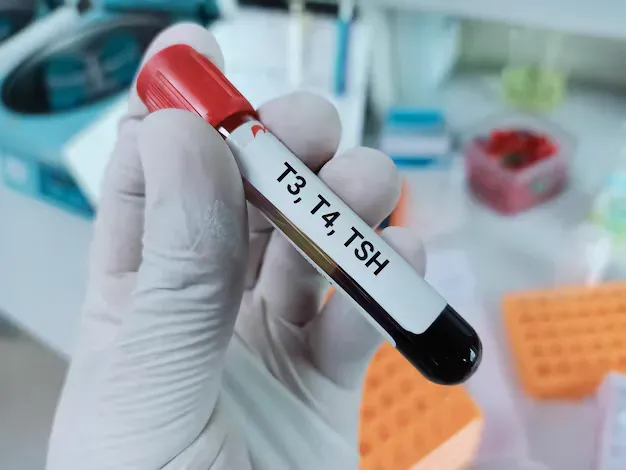
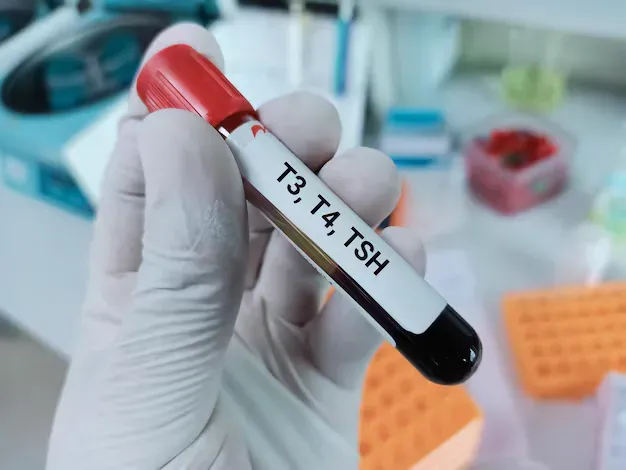
TSH, Free T3, Free T4, and thyroid antibodies
Accurate Diagnosis
Detect hypothyroidism, hyperthyroidism, and autoimmune thyroid disease
Fast Results
Most thyroid tests ready within 24 hours
Expert Interpretation
Clear results with reference ranges and specialist follow-up
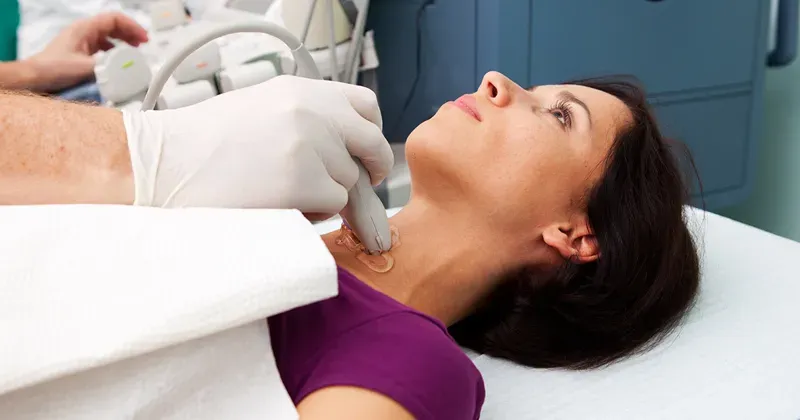
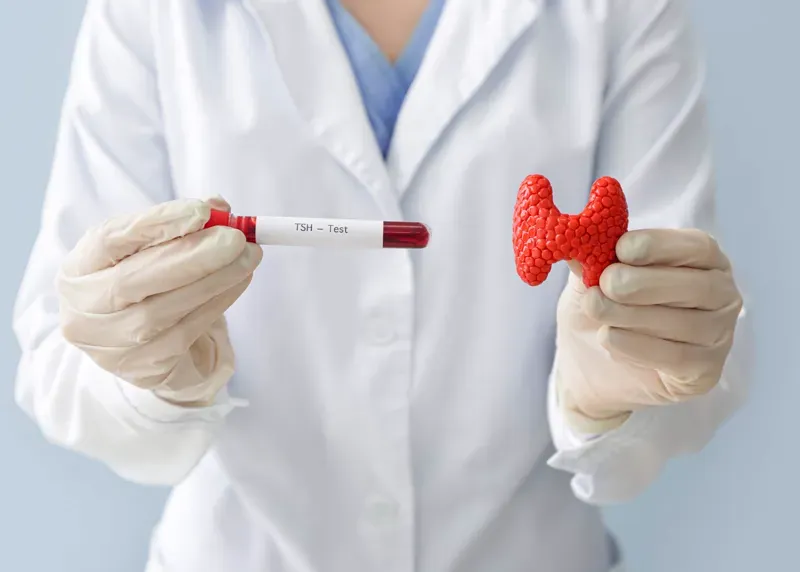
A thyroid test in Dubai is essential for anyone experiencing fatigue, weight changes, or mood swings. The thyroid gland regulates metabolism, energy, and nearly every organ in your body. Thyroid disorders are common, especially in women, and accurate thyroid function test results are essential for proper diagnosis and treatment.
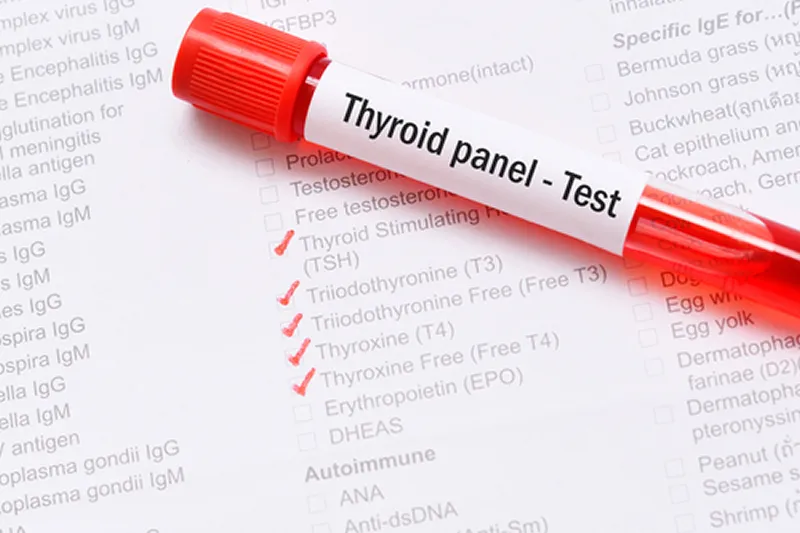
At DCDC, your thyroid panel near Oud Metha, we offer complete thyroid panels in Dubai including TSH, Free T3, Free T4 (commonly referred to as a T3 T4 test in Dubai), and thyroid antibodies. TSH is the most sensitive marker for thyroid function test assessment, while T3 and T4 measure actual hormone levels. Antibody tests help diagnose autoimmune thyroid conditions like Hashimoto thyroiditis.
Complete Panels
TSH, Free T3, Free T4, and thyroid antibodies
Accurate Diagnosis
Detect hypothyroidism, hyperthyroidism, and autoimmune thyroid disease
Fast Results
Most thyroid tests ready within 24 hours
Expert Interpretation
Clear results with reference ranges and specialist follow-up
Thyroid Testing in Dubai: Comprehensive Thyroid Function Panels
Accurate diagnosis of thyroid disorders for optimal health
A thyroid test in Dubai is essential for anyone experiencing fatigue, weight changes, or mood swings. The thyroid gland regulates metabolism, energy, and nearly every organ in your body. Thyroid disorders are common, especially in women, and accurate thyroid function test results are essential for proper diagnosis and treatment.
At DCDC, your thyroid panel near Oud Metha, we offer complete thyroid panels in Dubai including TSH, Free T3, Free T4 (commonly referred to as a T3 T4 test in Dubai), and thyroid antibodies. TSH is the most sensitive marker for thyroid function test assessment, while T3 and T4 measure actual hormone levels. Antibody tests help diagnose autoimmune thyroid conditions like Hashimoto thyroiditis.
Dr. Hadi Komshi
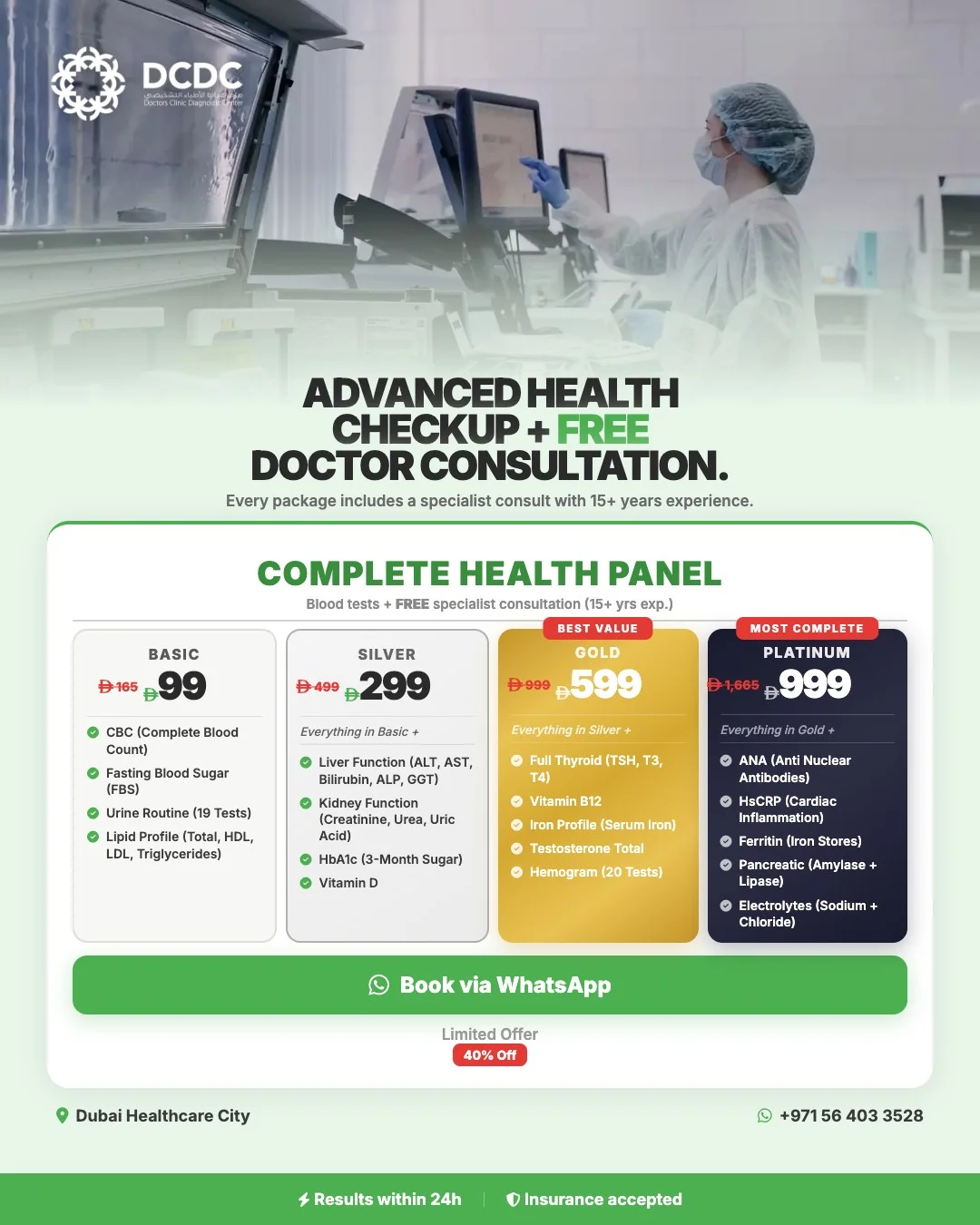
Complete Health Panel
Advanced health checkup with FREE specialist consultation. 4 tiers from basic blood work to full-body screening with 40+ biomarkers.
10–40+ tests included
What's Included
Who is this for?
Anyone wanting a comprehensive baseline health check with specialist consultation
Explore Our Services
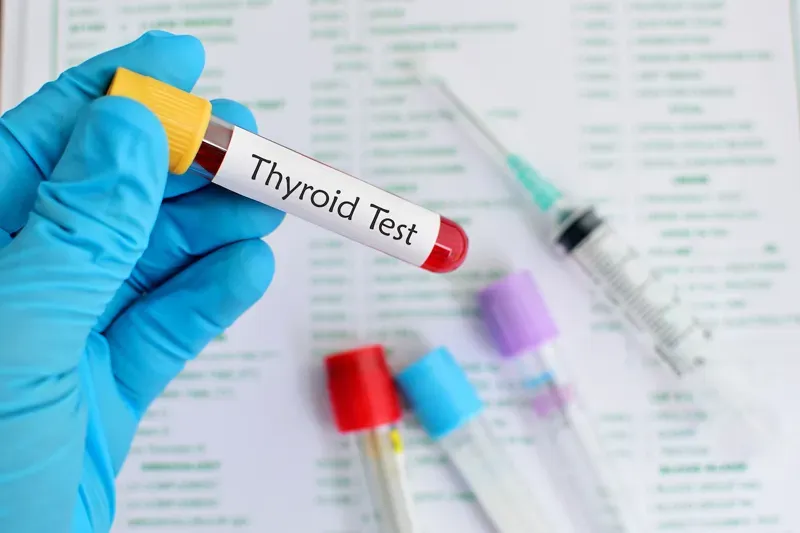
Comprehensive thyroid testing services at DCDC Dubai Healthcare City.
All services performed by DHA-licensed specialists
Who Should Get Thyroid Testing?
Thyroid testing is recommended for anyone with symptoms of thyroid dysfunction or risk factors. Thyroid disorders are more common in women, those with family history, and after pregnancy.
Fatigue, unexplained weight changes, or feeling cold/hot
Family history of thyroid disease
Women over 35, especially postpartum
Hair loss, dry skin, or nail changes
Mood changes, anxiety, or depression
Existing thyroid patients for monitoring
Why Choose DCDC for Thyroid Testing?
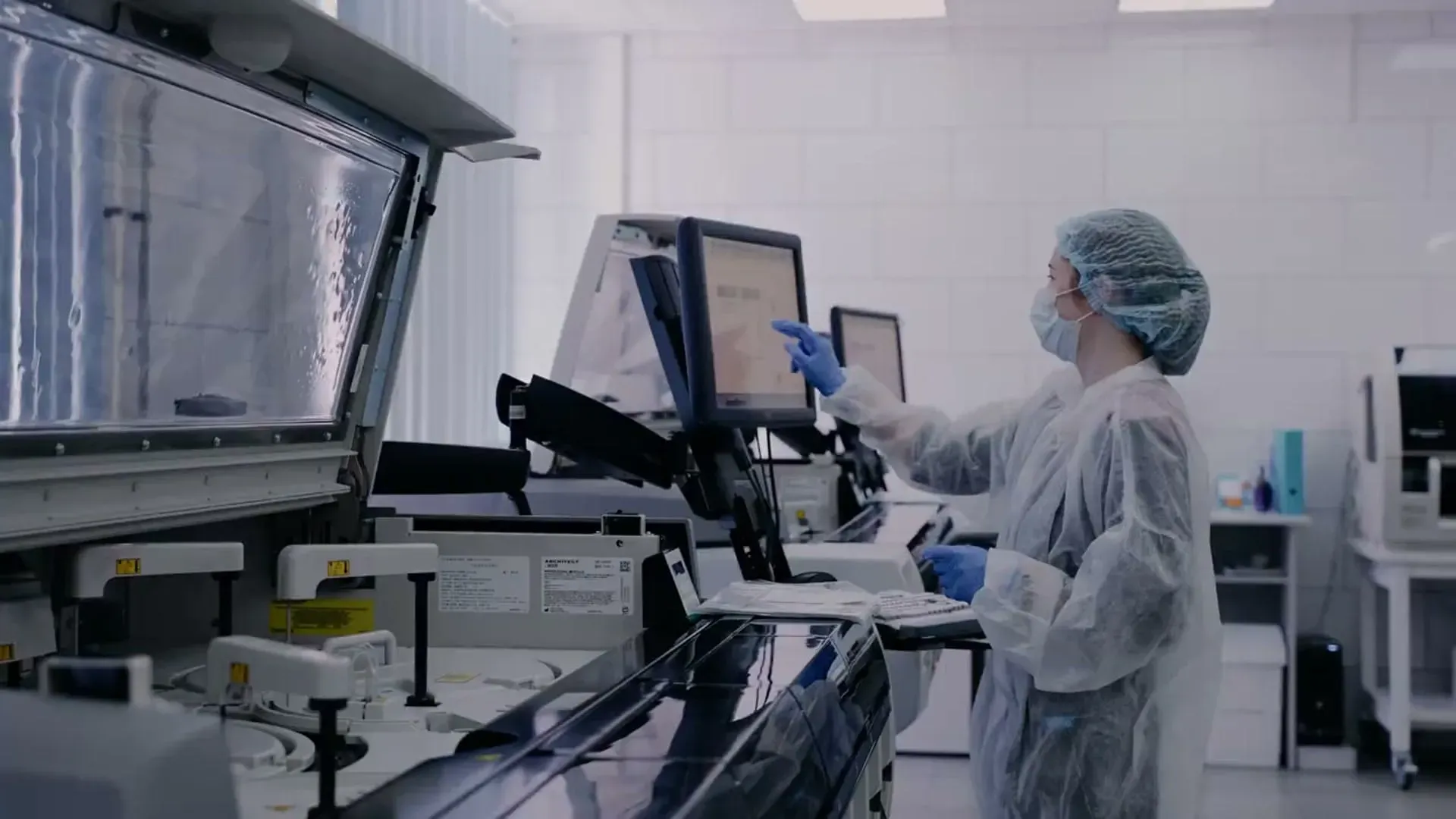
MOHAP-licensed laboratory with comprehensive thyroid panels, accurate immunoassay testing, and integration with endocrinology specialists.
MOHAP Licensed
Accredited diagnostic laboratory with certified thyroid testing protocols.
Fast Results
Most thyroid tests ready within 24 hours for timely diagnosis and treatment.
Insurance Support
Direct billing with 20+ insurers. Thyroid screening covered with physician referral.
Convenient Location
Building 64, Block A in Dubai Healthcare City. Early morning slots for optimal TSH testing.
Advanced Immunoassay
State-of-the-art analyzers for precise, reliable thyroid hormone measurements.
Specialist Integration
Direct pathway to endocrinology specialists for comprehensive thyroid management.
Your Comfortable Visit
A simple, step-by-step Thyroid scan process designed for comfort, speed, and accuracy.
Thyroid Testing Pricing
Thyroid pricing in Dubai varies by service type and insurance coverage for various test types.
- Pricing varies by scan type and whether contrast is required
- Insurance coverage accepted with referral and verification
- Transparent self-pay rates available with instant quote on request
Insurance verification in minutes • No hidden fees • Fast response on WhatsApp
Patient Guide
What to Expect During Thyroid Testing
Simple blood test with minimal preparation required.
Insurance & Location
Insurance Partners
- •20+ insurance providers in Dubai including Daman, AXA, ADNIC, and others
- •Pre-authorization support and direct billing (where applicable)
- •Coverage verification before your appointment at our Dubai Healthcare City clinic
- •Transparent pricing with no hidden fees for thyroid testing services





Visit Us in Dubai Healthcare City
Doctors Clinic Diagnostic Center
Building 64, Block A, Al Razi Medical Complex, Dubai Healthcare City, Dubai, UAE
Near Oud Metha Road · Easy access from Bur Dubai, Downtown Dubai, Business Bay · Free dedicated parking available
Working Hours
Mon-Thu, Sat: 8AM - 10:30PM | Sun: 8:30AM - 10:30PM | Fri: 9AM - 10PM
How Insurance Works at DCDC
Check Coverage
Verify your plan covers Thyroid Testing
Get a Referral
Some insurers require a GP referral — we can guide you
Pre-Authorization
We handle pre-auth directly with your insurer
Direct Billing
No upfront payment — we bill your insurer directly
Co-Pay Only
You only pay any applicable co-pay at the clinic
Check Coverage
Verify your plan covers Thyroid Testing
Get a Referral
Some insurers require a GP referral — we can guide you
Pre-Authorization
We handle pre-auth directly with your insurer
Direct Billing
No upfront payment — we bill your insurer directly
Co-Pay Only
You only pay any applicable co-pay at the clinic
Your Specialist
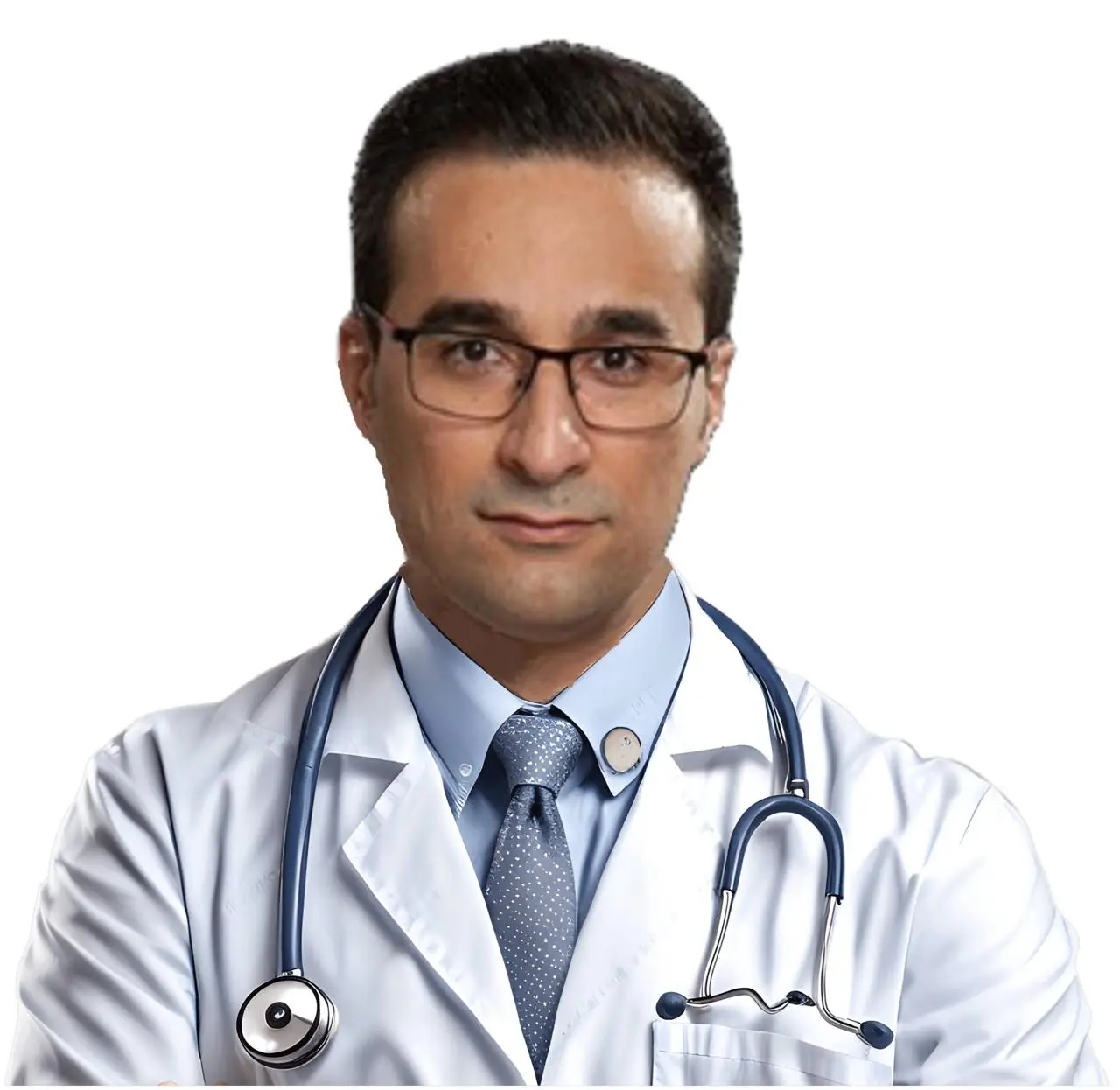
Dr. Hadi Komshi
Specialist Internal Medicine
MD, Specialist Internal Medicine
Persian · Arabic · English
Thyroid Conditions We Test For
Hypothyroidism
Underactive thyroid causing fatigue, weight gain, and cold intolerance, detected by elevated TSH and low Free T4.
Hyperthyroidism
Overactive thyroid causing weight loss, rapid heart rate, and anxiety, identified by suppressed TSH with elevated Free T3/T4.
Hashimoto's Thyroiditis
Autoimmune destruction of the thyroid gland, diagnosed through elevated TPO antibodies alongside thyroid hormone changes.
Graves'Disease
Autoimmune stimulation of the thyroid causing hyperthyroidism, confirmed with TSH receptor antibody testing.
Related Services
Explore other diagnostic and consultation services available at our Dubai Healthcare City clinic.
Frequently Asked Questions
Common questions about Thyroid Testing in Dubai.
TSH (Thyroid Stimulating Hormone) is produced by the pituitary gland and acts as a sensitive barometer of thyroid function. When your thyroid is underactive, the pituitary releases more TSH to stimulate hormone production, resulting in elevated levels.
T4 (thyroxine) is the primary hormone produced by the thyroid gland and circulates in large quantities as a reservoir. T3 (triiodothyronine) is the biologically active form that directly influences metabolism, energy, and cellular function.
Fasting is not required for thyroid tests. However, the timing of your blood draw matters significantly.
Thyroid antibodies are proteins produced by the immune system that mistakenly attack the thyroid gland. Thyroid Peroxidase Antibodies (TPO Ab) and Thyroglobulin Antibodies (TG Ab) are markers of autoimmune thyroid disease.
Thyroid test frequency depends on your risk profile and current status. Healthy adults with no symptoms or risk factors should consider a thyroid panel in Dubai every five years starting at age 35. Those on thyroid medication need a T3 T4 test in Dubai every six to twelve weeks until stable.
Key Facts
Medical Review & Oversight
All services are provided under the supervision of licensed medical professionals in our MOHAP-accredited facility.