Key Takeaways
- Premarital screening is legally required for all couples marrying in the UAE, covering blood disorders, infectious diseases and blood compatibility.
- The standard panel includes CBC, blood group and Rh factor, haemoglobin electrophoresis, hepatitis B surface antigen (HBsAg), hepatitis C antibody (HCV), and VDRL for syphilis.
- Beta-thalassemia carrier prevalence in the UAE is roughly 8.5 percent, making haemoglobin electrophoresis a critical part of the screen.
- DCDC offers every required test at its DHA-licensed in-house laboratory in Dubai Healthcare City, with same-day results for most routine panels.
- Couples receive individual results and, when a carrier state is detected, referral for genetic counselling before the marriage contract.
- Book early — completing screening four to six weeks before the planned wedding date avoids last-minute delays.
Premarital screening is a mandatory health check for every couple planning to marry in the UAE. Introduced to reduce the burden of inherited blood disorders and preventable infections, the programme requires laboratory tests that can be completed in a single clinic visit. At DCDC's in-house laboratory in Dubai Healthcare City, couples can book the full premarital panel and receive most results the same day — no referrals and no waiting weeks for an appointment.
This guide explains the legal basis for the requirement, every test included in the standard panel, what happens if a carrier state or infection is detected, preparation tips, costs and the step-by-step process at DCDC. Whether you are a UAE national, resident or planning a destination wedding in Dubai, understanding premarital screening helps you approach the process with confidence.
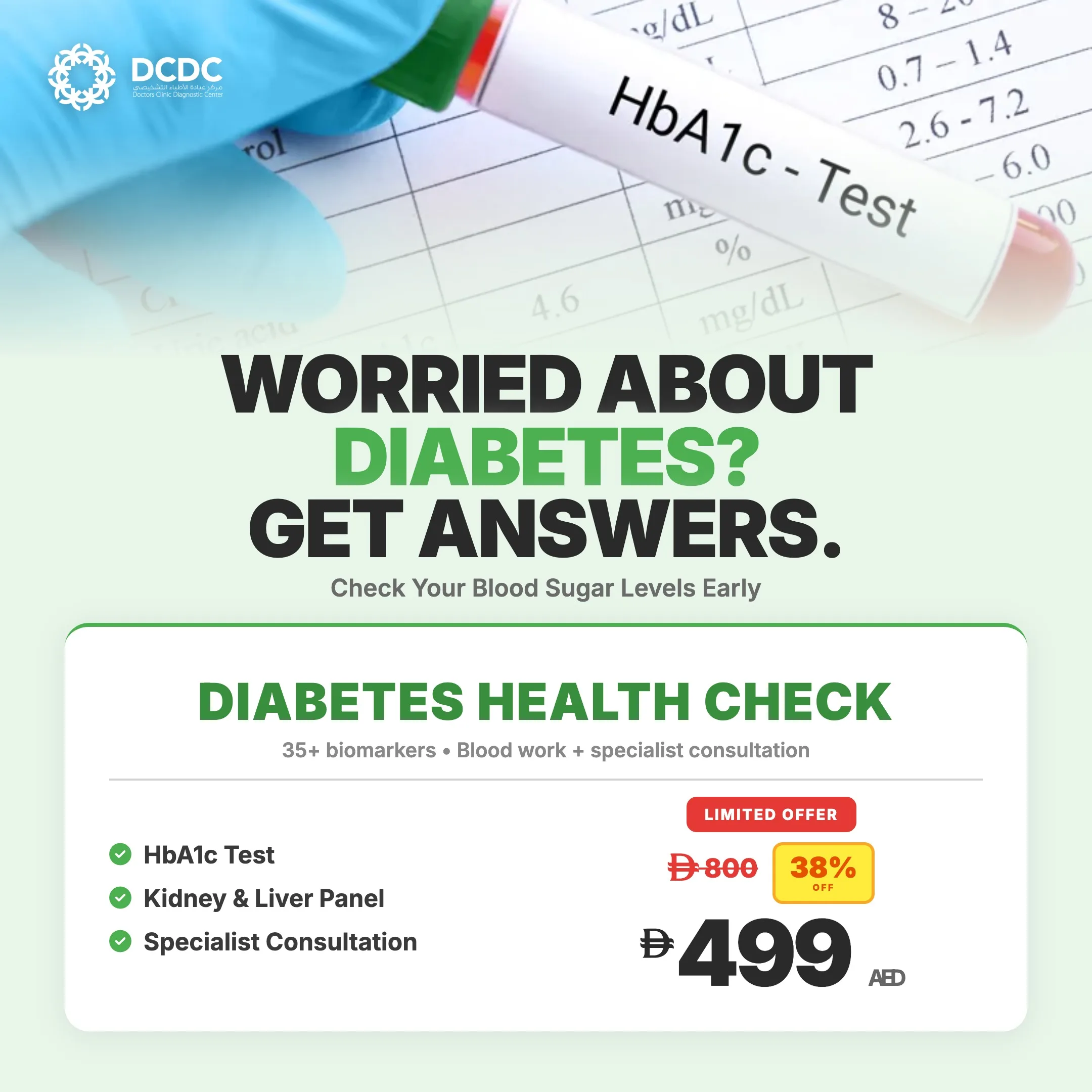
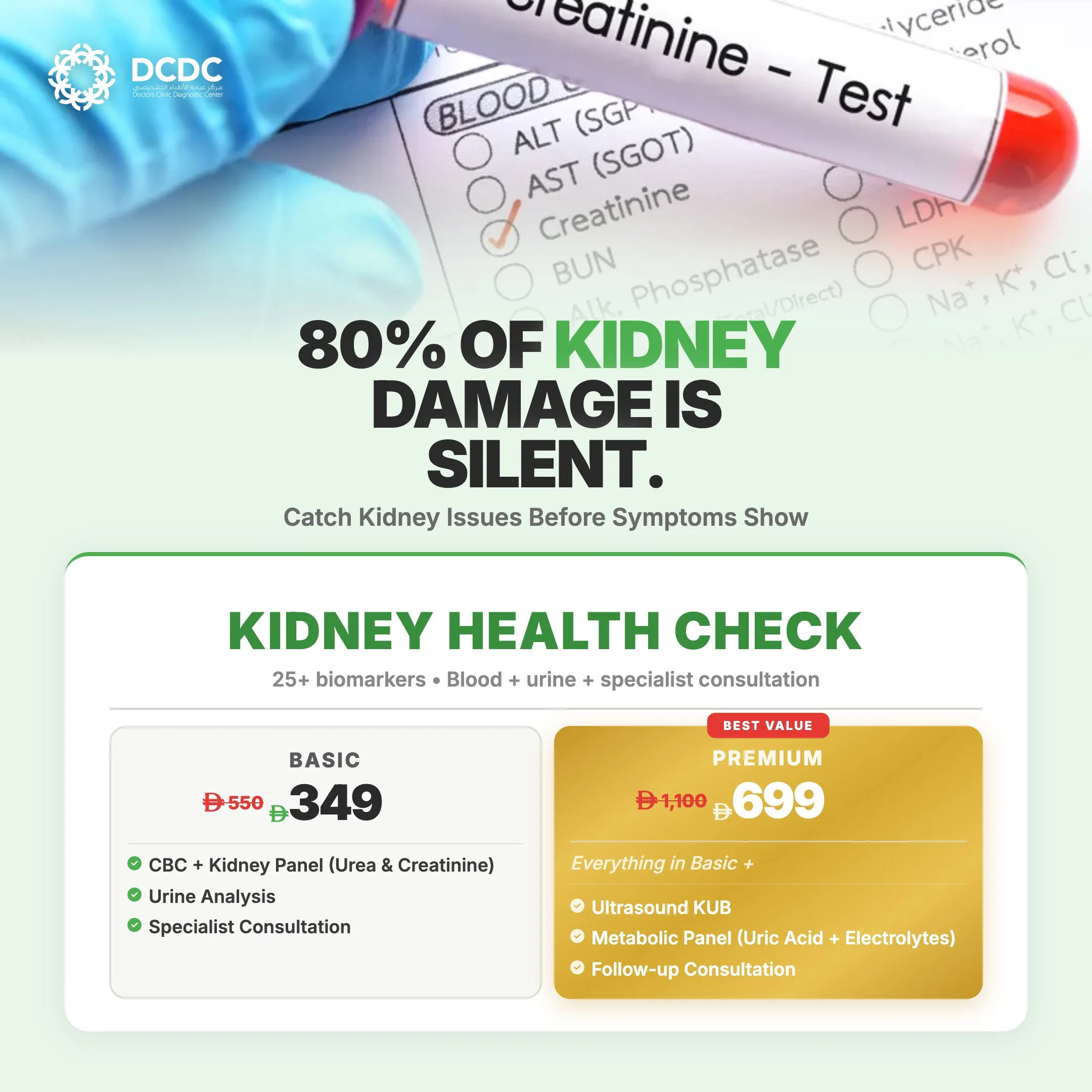
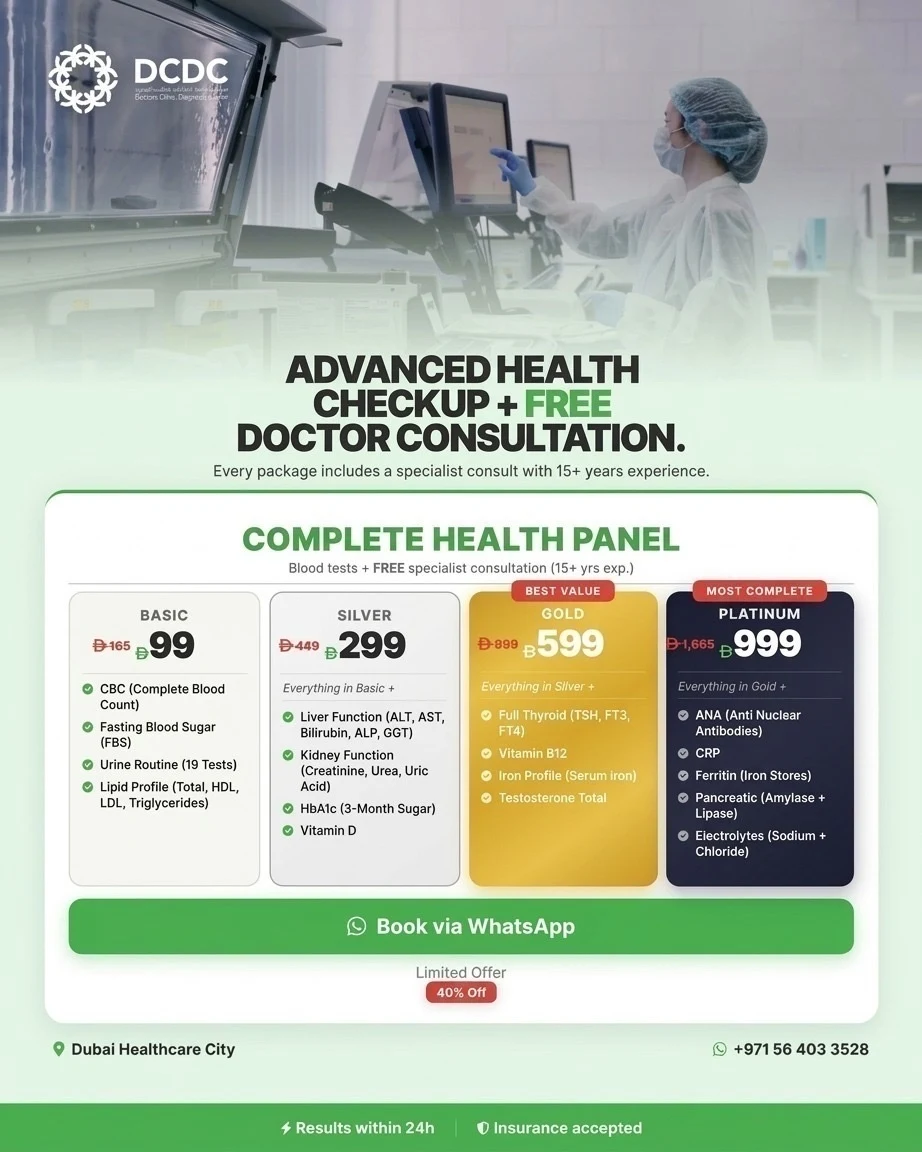
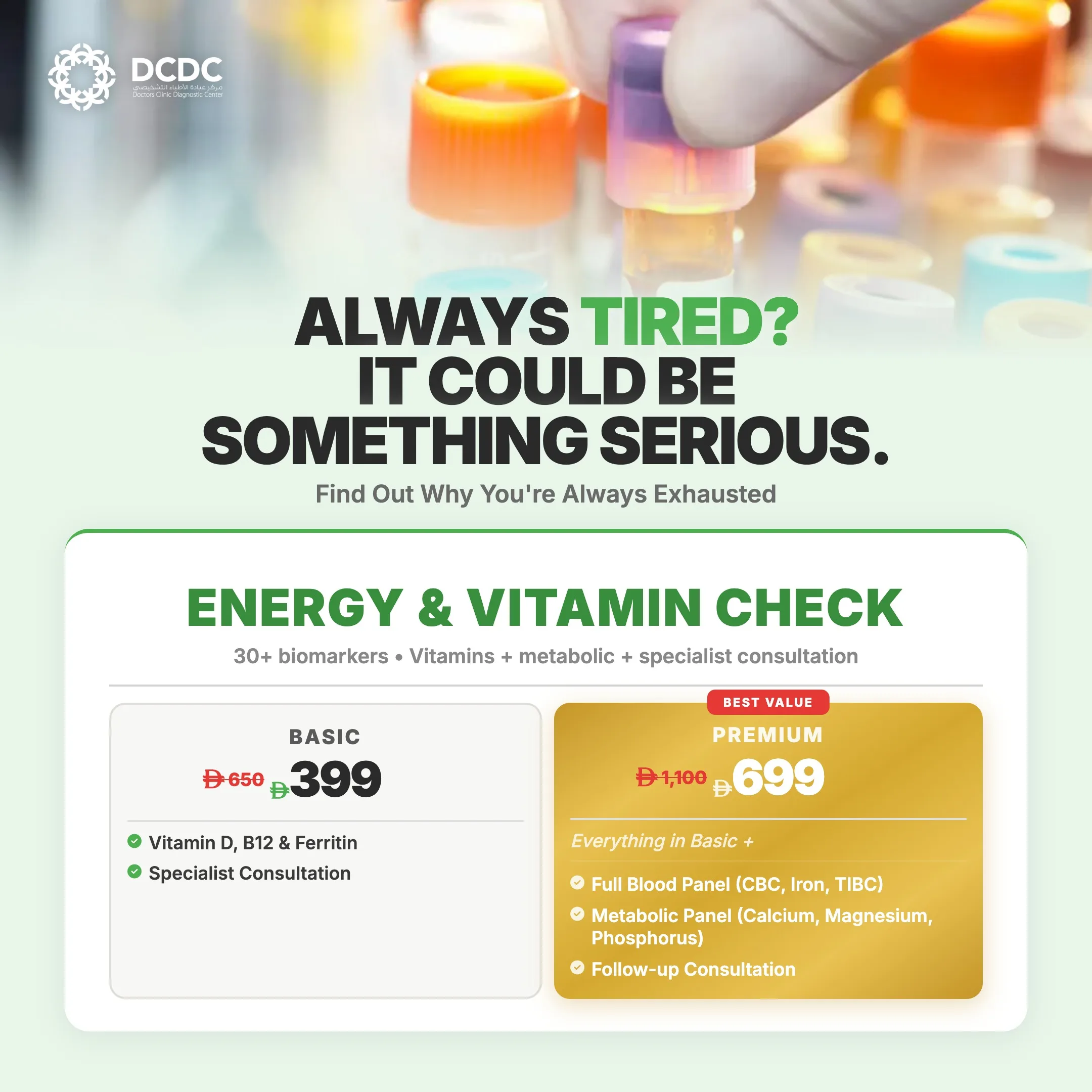
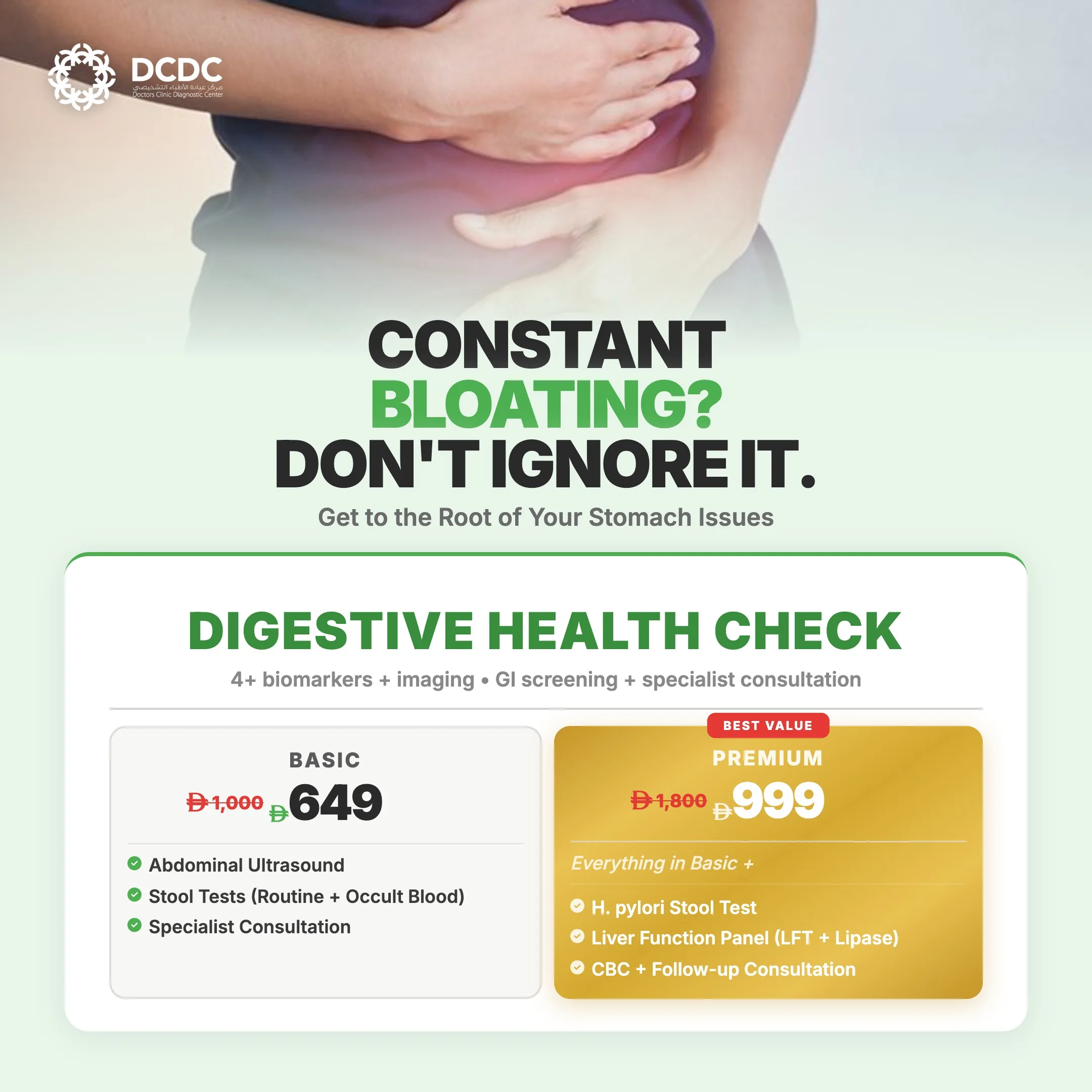
Health Screening Packages
Save with our bundled screening packages — specialist consultation included
Why Is Premarital Screening Required in the UAE?
Federal Law No. 28 of 2005 on Personal Status requires premarital medical examination for all marriages conducted in the UAE. The purpose is to identify hereditary blood disorders — particularly thalassemia and sickle cell disease — and communicable infections before couples commit to marriage. The law does not prevent marriage between carriers, but it ensures both partners are informed so they can seek genetic counselling and make an educated decision.
The UAE has one of the highest carrier rates for beta-thalassemia globally, estimated at roughly 8.5 percent of the Emirati population. Sickle cell trait prevalence is approximately 1 to 2 percent. When both partners carry the same haemoglobin variant, each pregnancy carries a 25 percent chance of producing a child with the severe form of the disease. National screening programmes in neighbouring Gulf states — Saudi Arabia's mandatory programme since 2004 and Kuwait's since 2008 — have significantly reduced new cases of thalassemia major and sickle cell disease.
Who Needs Premarital Screening in Dubai?
Every couple applying for a marriage certificate in Dubai must present a valid premarital screening certificate. This applies to:
- UAE nationals — screened through DHA-licensed or government facilities
- Residents — expatriates marrying in the UAE need the same certificate
- Visitors marrying in Dubai — couples having a destination wedding or court marriage must also complete screening
- Both partners — the certificate covers each individual; both must attend and provide samples
The certificate is typically valid for three to six months, depending on the issuing authority. Couples planning a wedding date should schedule testing four to six weeks in advance to allow time for results, any follow-up testing and counselling if needed.
Complete List of Premarital Screening Tests
The standard premarital panel covers three categories: haematological (blood disorder) screening, infectious disease screening and blood compatibility.
Haematological Tests
- Complete blood count (CBC) — measures red cells, white cells, haemoglobin and platelet count. Abnormal red cell indices (low MCV or MCH) may indicate thalassemia trait.
- Haemoglobin electrophoresis — separates haemoglobin types (HbA, HbA2, HbS, HbF) to identify carriers of beta-thalassemia, sickle cell trait or other haemoglobinopathies.
- Blood group and Rh factor — determines ABO type and Rh status. Rh incompatibility (Rh-negative mother, Rh-positive father) requires monitoring during pregnancy to prevent haemolytic disease of the newborn.
Infectious Disease Screening
- Hepatitis B surface antigen (HBsAg) — detects active hepatitis B infection, which is transmissible to a partner and from mother to child during delivery.
- Hepatitis C antibody (HCV) — identifies exposure to hepatitis C. Early detection allows treatment before pregnancy.
- VDRL (Venereal Disease Research Laboratory) — a screening test for syphilis. A reactive result is confirmed with a more specific treponemal test.
- HIV antibody test — some facilities include HIV screening as part of the premarital panel; DHA guidelines recommend it. If not included by default, couples can request it.
Blood Compatibility
ABO and Rh typing serve dual purposes: identifying transfusion compatibility and flagging Rh incompatibility risk in future pregnancies. If the woman is Rh-negative and the man is Rh-positive, the obstetrician will plan anti-D immunoglobulin prophylaxis during pregnancy.
Optional but Recommended Add-On Tests
Beyond the mandatory panel, couples planning to start a family may benefit from additional testing. These are not legally required but are recommended by many physicians:
- Rubella IgG — confirms immunity to rubella (German measles). Women who are not immune should be vaccinated at least one month before conception, as rubella during pregnancy causes severe birth defects.
- Vitamin D (25-OH) — deficiency is widespread in the UAE due to limited sun exposure despite the climate. Correcting levels before pregnancy supports bone health for both mother and baby.
- Thyroid function (TSH) — undiagnosed hypothyroidism can impair fertility and increase miscarriage risk. A simple TSH test identifies the problem early.
- Glucose and HbA1c — screens for undiagnosed diabetes or pre-diabetes, which affects both male and female fertility and pregnancy outcomes.
- Full STI panel — beyond VDRL and HIV, testing for chlamydia and gonorrhoea is advisable for couples who want a comprehensive infectious disease screen. See our STI testing guide for details.
How to Prepare for Premarital Screening
Preparation is straightforward, but a few steps help ensure accurate results:
- Fasting is usually not required — the core premarital panel (CBC, blood group, HBsAg, HCV, VDRL) does not need fasting. If you add glucose or lipid tests, fast for 8 to 12 hours beforehand.
- Bring valid identification — Emirates ID for residents, passport for visitors. Both partners must present ID.
- Disclose medications — iron supplements can mask thalassemia trait on CBC. Inform the phlebotomist of any current medications.
- Stay hydrated — drinking water makes venipuncture easier and reduces the chance of a re-draw.
- Allow time for both partners — if attending together, budget about 30 to 45 minutes for registration, blood draw and paperwork.
What to Expect at DCDC
DCDC's DHA-licensed laboratory at Dubai Healthcare City handles the full premarital screening panel in a single visit. Here is the step-by-step process:
- Arrival and registration — the clinic is in Building 64, Block A, Al Razi Medical Complex with free dedicated parking. Check in at reception with your Emirates ID or passport.
- Consultation (if needed) — a GP can review your medical history, explain each test and recommend any add-ons based on your family background. GP consultations start from AED 249.
- Blood draw — the on-site phlebotomist collects the samples. The draw takes about five minutes per person.
- Processing — routine panels (CBC, blood group, HBsAg, HCV, VDRL) are processed in-house. Same-day results are available for most routine tests.
- Results and next steps — results are accessible via the patient portal. If a carrier state or infection is detected, the GP explains the finding and arranges referral for genetic counselling or specialist follow-up.
The clinic is open Saturday to Thursday 8 AM to 10 PM and Friday 9 AM to 9 PM, so couples can schedule around work hours.
Premarital Screening Test Costs in Dubai
Costs vary between government and private facilities. Government centres (DHA premarital screening centres) typically charge AED 100 to 250 for the basic panel. Private clinics offer faster turnaround and additional tests at higher rates.
DCDC Individual Test Prices
At DCDC, each test in the premarital panel is available individually. The table below shows the approved prices:
| Test | DCDC Price (AED) |
|---|---|
| Complete blood count (CBC) | 149 |
| ABO blood group and Rh factor | 99 |
| HBsAg (hepatitis B surface antigen) | 149 |
| HCV (hepatitis C antibody) | 149 |
| VDRL (syphilis screening) | 149 |
| Rubella IgM/IgG (optional add-on) | 99 |
Premarital screening test prices at DCDC, Dubai Healthcare City (2026)
Haemoglobin electrophoresis pricing is confirmed at consultation. Couples who also want vitamin D, thyroid or glucose testing can add individual tests: vitamin D 25-OH at AED 99, TSH at AED 149, glucose at AED 99, and HbA1c at AED 149. Home collection is also available at the same test prices plus a one-time AED 199 collection fee per visit — practical for couples with busy schedules.
Market Comparison
Government DHA premarital screening centres charge approximately AED 100 to 250 for the standard panel. Private laboratories in Dubai generally charge AED 300 to 999 for a comprehensive premarital package, depending on the number of tests included and turnaround time. DCDC's individual pricing means couples pay only for the tests they need, with the convenience of a single-visit private clinic, same-day results and extended evening hours.
Understanding Your Results
Most results fall into one of three categories:
Normal Results
All haemoglobin variants within reference range, no infectious markers detected, compatible blood groups. The couple receives clearance and can proceed with the marriage application.
Carrier State Detected
If one partner carries beta-thalassemia trait or sickle cell trait, it does not affect their own health. However, if both partners carry the same trait, each pregnancy has a 25 percent risk of a severely affected child. In this scenario, the couple is referred for genetic counselling. The counsellor explains the risk, discusses reproductive options (preimplantation genetic testing, prenatal diagnosis) and documents the consultation. UAE law does not prohibit the marriage — the couple proceeds with informed consent.
Infectious Disease Positive
A reactive HBsAg, HCV or VDRL result requires confirmatory testing. For hepatitis B, the partner can be vaccinated if they are not already immune. Hepatitis C is now curable with direct-acting antiviral therapy in most cases. Syphilis is treatable with antibiotics. Early detection through premarital screening allows treatment before the infection can be transmitted to a partner or future child. See our hepatitis B screening guide for more detail on follow-up steps.
Genetic Counselling After Carrier Detection
When both partners are identified as carriers of the same haemoglobin disorder, genetic counselling is the next step. A genetic counsellor or haematologist will:
- Explain the inheritance pattern — autosomal recessive means each pregnancy has a 25 percent risk of the severe form, 50 percent chance of carrier status and 25 percent chance of being unaffected.
- Discuss reproductive options — including natural conception with prenatal diagnosis (chorionic villus sampling at 10 to 12 weeks), preimplantation genetic testing with IVF, or donor gamete options.
- Provide emotional support — learning about carrier status can be distressing. Counselling addresses anxiety and helps the couple make decisions together.
- Document the session — the counselling report is part of the premarital certificate process when both partners are carriers.
Thalassemia and Sickle Cell: Why the UAE Screens
Beta-thalassemia major and sickle cell disease are lifelong conditions requiring regular blood transfusions, iron chelation therapy and specialist care. Treatment costs for a single patient with thalassemia major can exceed AED 100,000 annually. Prevention through carrier identification and informed family planning is both more effective and more humane than managing the disease after birth.
Data from Saudi Arabia's mandatory premarital screening programme, introduced in 2004, shows that the percentage of at-risk marriages declined significantly over the first decade. Kuwait reported similar reductions after implementing its programme in 2008. The UAE programme follows the same evidence-based model and has contributed to a steady decline in new cases of severe haemoglobinopathies.
Rh Incompatibility: What Couples Should Know
If the woman is Rh-negative and the man is Rh-positive, there is a chance the baby will be Rh-positive. During delivery or any event where fetal blood mixes with maternal blood, the mother's immune system may produce anti-D antibodies. These antibodies can attack red blood cells in a subsequent Rh-positive pregnancy, causing haemolytic disease of the newborn (HDN).
The good news is that this is entirely preventable. Anti-D immunoglobulin (Rh immune globulin) is given during pregnancy and after delivery to stop antibody formation. Knowing the Rh status before marriage means the obstetrician can plan prophylaxis from the first pregnancy. DCDC's pregnancy blood test guide covers Rh management in detail.
Book Your Premarital Screening at DCDC
Complete your premarital blood tests in a single visit at our DHA-licensed laboratory in Dubai Healthcare City. Same-day results for routine panels, extended evening hours and free parking.
Call +971 54 219 5008 or WhatsApp +971 50 970 3884
Frequently Asked Questions
Related Services at DCDC
Expert care and advanced diagnostics at Dubai Healthcare City
Blood Tests
Full range of blood tests including CBC, blood group, hepatitis, and infectious disease panels.
Book AppointmentInfectious Disease Screening
Hepatitis B, hepatitis C, HIV, syphilis and other infectious disease tests.
Book AppointmentHealth Checkup
Comprehensive health screening packages for individuals and couples.
Book AppointmentFrequently Asked Questions
Final Thoughts
Premarital screening is a straightforward process that protects both partners and their future children. The tests take minutes, results come back quickly, and the information they provide — about carrier status, infections and blood compatibility — can shape important health decisions for years to come.
Whether you choose a government centre or a private clinic, the key is to complete screening early enough to allow time for follow-up if anything unexpected comes up. At DCDC in Dubai Healthcare City, couples can complete the full panel in one visit, add optional tests like rubella immunity or vitamin D, and get same-day results for most tests. Book early, stay informed and start your marriage with a clear picture of your health.
Sources & References
This article references the following sources:
- UAE Federal Law No. 28 of 2005 — Personal Status Law (premarital examination requirement)
- WHO — Thalassaemia and other haemoglobinopathies (fact sheet)
- Memish ZA, Saeedi MY — Six-year outcome of the national premarital screening program in Saudi Arabia (PubMed)
- Al-Gazali L et al. — Genetic disorders in the Arab world (PubMed)
- Cleveland Clinic — Rh Incompatibility
- NHS — Sickle Cell and Thalassaemia Screening
This information is educational and does not replace individual medical advice. See our editorial policy for more information.

Written by
Dr. Hadeel Elnur
General Practitioner
MD, General Practice
Dr. Hadeel Elnur is a General Practitioner at Doctors Clinic Diagnostic Center (DCDC) in Dubai Healthcare City.
Related Articles
Blood Test Dubai: Complete Guide (2026)
Hepatitis B Screening Dubai: What You Need to Know
STI Testing in Dubai: Complete Guide

Fertility Testing for Couples in Dubai
Pregnancy Blood Tests in Dubai: Complete Guide
More in General Health

Pre-Exercise Health Screening Dubai (2026)
Read More
IV Drip vs Oral Vitamins Dubai: Guide (2026)
Read MoreVitamin Deficiency Signs Dubai: Tests to Get (2026)
Read MoreWinter Health Tips Dubai: Stay Well (2026)
Read More
IV Drip Benefits & Risks Dubai: Guide (2026)
Read More
Hoarseness in Dubai: Causes & When to Worry (2026)
Read More© 2026 Doctors Clinic Diagnostic Center (DCDC), Dubai Healthcare City. Originally published at https://doctorsclinicdubai.ae/blog/premarital-screening-test-dubai. All rights reserved. Unauthorized reproduction is prohibited.