Key Takeaways
- A quantitative beta-hCG pregnancy blood test in Dubai costs from AED 149, with results available same-day at DCDC's on-site laboratory
- Blood pregnancy tests are more accurate than urine tests, detecting pregnancy as early as 6–8 days after ovulation — several days before a missed period
- Quantitative hCG measures the exact hCG level (useful for dating pregnancy and monitoring), while qualitative hCG gives a simple yes/no result
- First trimester prenatal blood panels (AED 300–800) include blood type, Rh factor, CBC, rubella immunity, hepatitis B/C, HIV, thyroid function, and iron levels
- Serial hCG testing (two draws 48–72 hours apart) is used to confirm early pregnancy viability — hCG should approximately double every 48 hours in a healthy pregnancy
- DCDC offers pregnancy blood tests, prenatal panels, and OB-GYN consultations with same-day results and direct billing with 20+ insurance providers
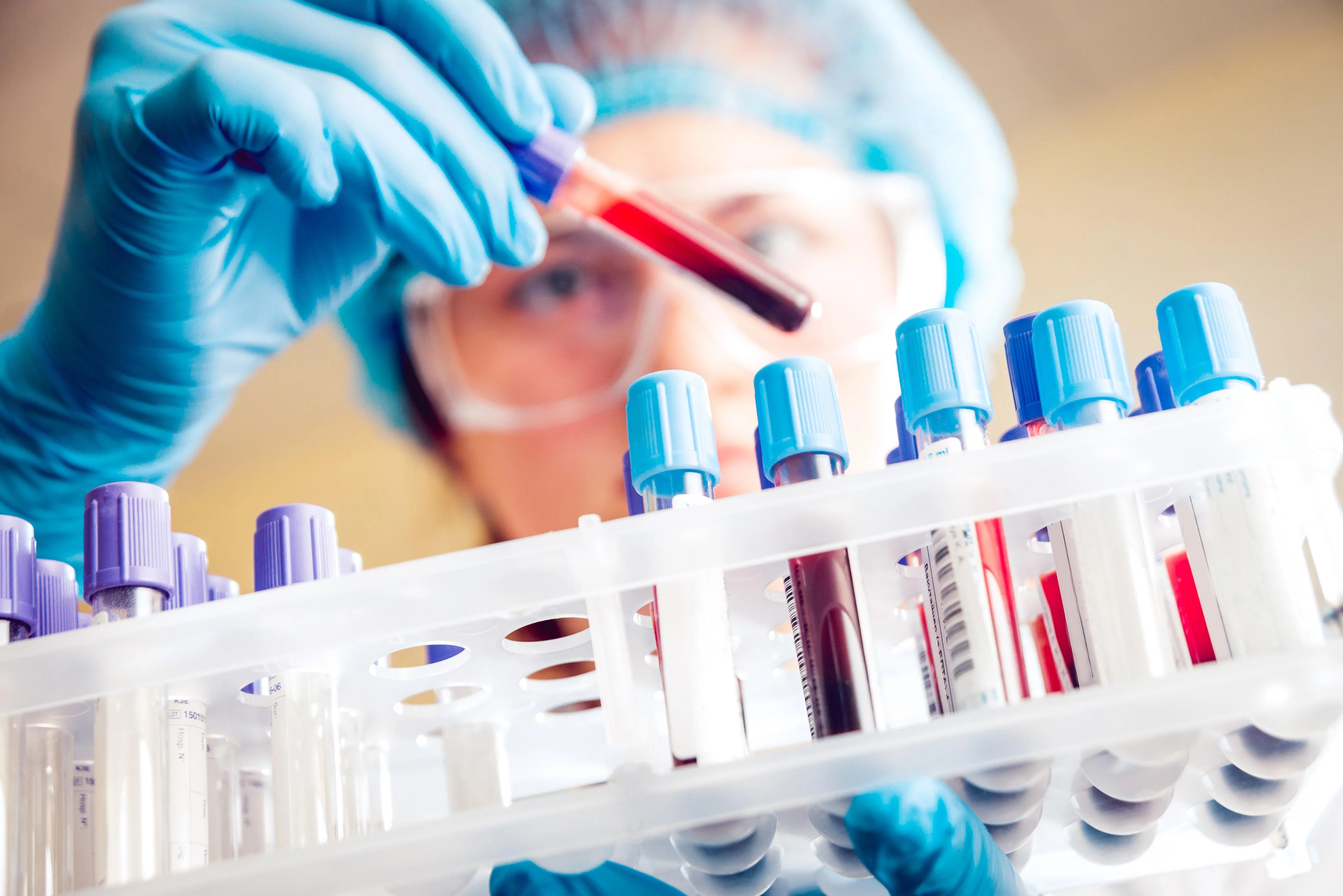
Whether you suspect you might be pregnant, have a positive home test and want medical confirmation, or need prenatal blood work for your first trimester, understanding the types of pregnancy blood tests available in Dubai, their accuracy, cost, and timing is essential. A pregnancy blood test — specifically a beta-hCG (human chorionic gonadotropin) test — is the most accurate method for confirming pregnancy and provides critical information that a urine test cannot. At DCDC's laboratory in Dubai Healthcare City, we offer same-day pregnancy blood testing with results within hours.
This guide covers everything you need to know about pregnancy blood tests in Dubai in 2026: the difference between qualitative and quantitative hCG tests, when to test, how much it costs, what your hCG levels mean, the full prenatal blood panel, and what to expect at your appointment. Reviewed by Dr. Parisa Dini, OB-GYN at DCDC Dubai Healthcare City.
Health Screening Packages
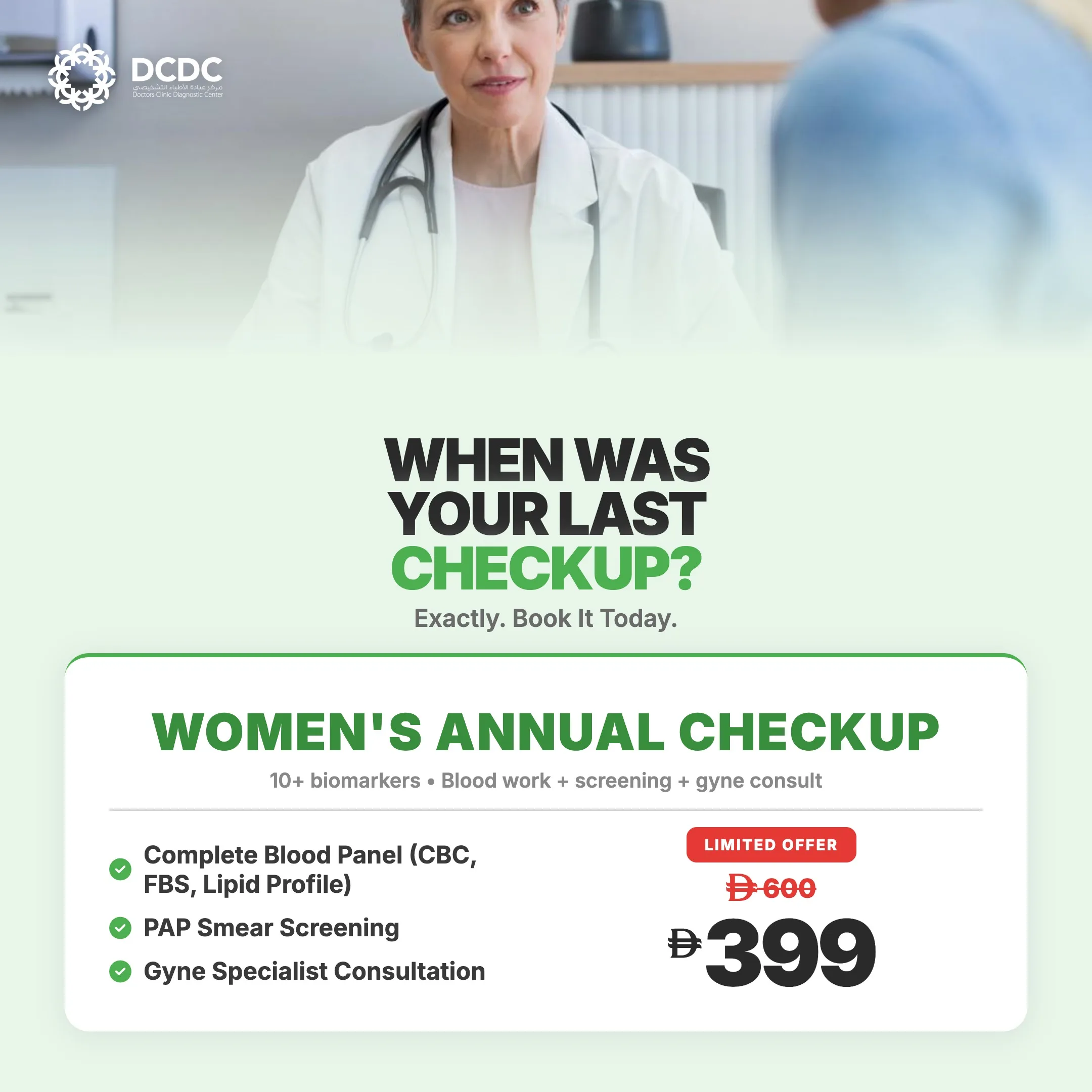
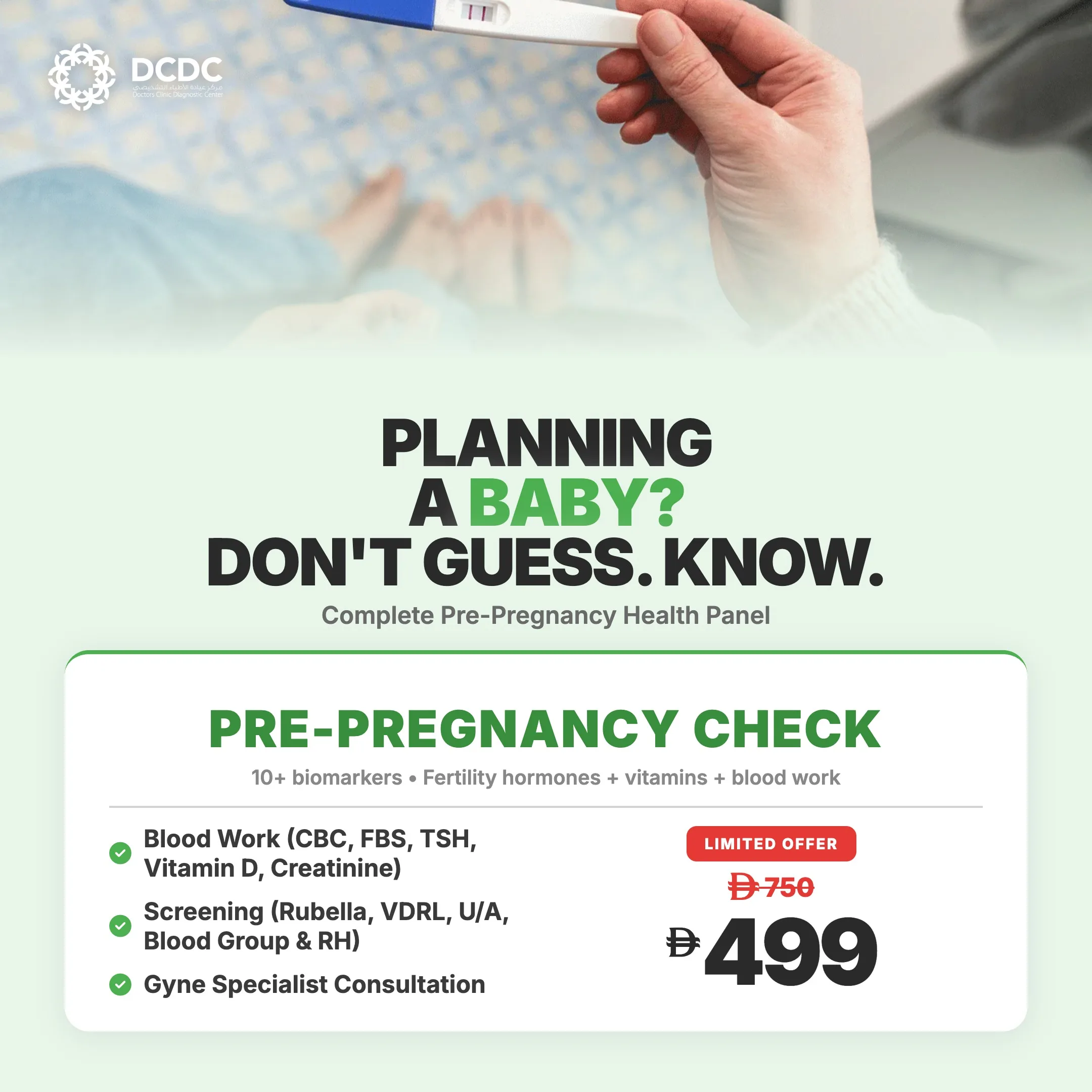
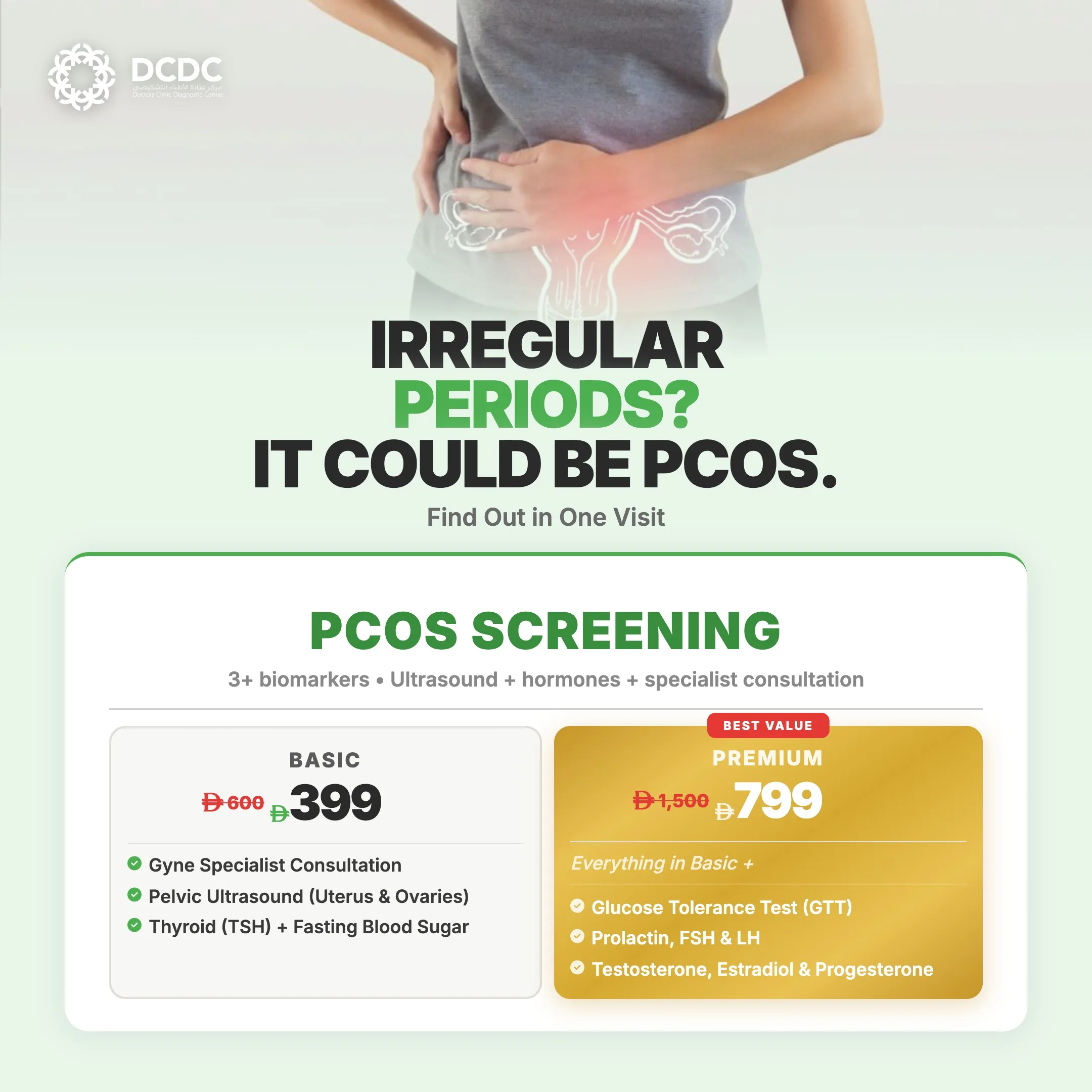
Save with our bundled screening packages — specialist consultation included



Pregnancy Blood Test vs Urine Test: Which Is Better?
Both blood and urine pregnancy tests detect the hormone human chorionic gonadotropin (hCG), which is produced by the placenta shortly after a fertilised egg implants in the uterus. However, they differ significantly in accuracy, sensitivity, and the information they provide.
| Feature | Blood Test (Beta-hCG) | Urine Test (Home Kit) |
|---|---|---|
| Sensitivity | Detects hCG as low as 5 mIU/mL | Detects hCG at 20–50 mIU/mL |
| Earliest detection | 6–8 days after ovulation | 10–14 days after ovulation (around missed period) |
| Result type | Quantitative (exact number) or qualitative (yes/no) | Qualitative only (yes/no) |
| Accuracy | 99%+ when performed correctly | 97–99% when used correctly |
| False negative risk | Very low | Higher (testing too early, dilute urine) |
| Clinical utility | Monitors hCG trends, ectopic pregnancy detection, miscarriage assessment | Confirmation only |
| Cost | AED 80–200 | AED 15–50 |
Blood pregnancy tests are more sensitive and provide more clinical information than urine tests. A quantitative blood test is the gold standard for early pregnancy confirmation.
Pregnancy Blood Test Cost in Dubai: 2026 Pricing
Pregnancy blood test costs in Dubai depend on the type of test and whether additional prenatal panels are included.
| Test | DCDC Price (AED) | Dubai Market Range (AED) | Turnaround |
|---|---|---|---|
| Qualitative beta-hCG (yes/no) | From AED 149 | AED 80–150 | Same day |
| Quantitative beta-hCG (exact level) | From AED 149 | AED 100–200 | Same day |
| Serial hCG (2 draws, 48–72 hrs apart) | From AED 149 | AED 200–400 | Same day per draw |
| First trimester prenatal panel | From AED 300 | AED 400–800 | 1–3 days |
| OB-GYN consultation | From AED 250 | AED 300–600 | Same day |
Pregnancy blood test prices at DCDC Dubai Healthcare City (2026). Insured patients pay co-pay only with physician referral.
DCDC's on-site laboratory processes pregnancy blood tests with same-day results — typically within 4–6 hours of the blood draw. This means you can receive your result the same day you visit, avoiding the anxiety of overnight waiting. Our 98% patient satisfaction rate and direct billing with 20+ insurance providers make the experience smooth from start to finish.
When Should You Take a Pregnancy Blood Test?
Timing is important for accurate pregnancy test results. Here is when a blood pregnancy test is most appropriate.
- Before a missed period (very early): A quantitative blood test can detect pregnancy as early as 6–8 days after ovulation — approximately 1 week before your expected period. This is useful for women undergoing fertility treatment or who need early confirmation.
- After a positive home test: A blood test confirms the home test result and provides a quantitative hCG level, which helps your doctor estimate gestational age and establish a baseline for monitoring.
- After a missed period with a negative home test: If your period is late but a urine test is negative, a blood test can detect lower hCG levels that the urine test may have missed — ruling in or out pregnancy definitively.
- Monitoring early pregnancy: Serial hCG testing (two draws 48–72 hours apart) is used when there are concerns about pregnancy viability, ectopic pregnancy, or after a previous miscarriage.
- After IVF or fertility treatment: A quantitative hCG blood test is the standard method for confirming pregnancy after assisted reproduction, typically performed 10–14 days after embryo transfer.
Understanding Your hCG Levels
If you have a quantitative beta-hCG blood test, your result will be a specific number measured in mIU/mL (milli-International Units per millilitre). Understanding what these numbers mean helps you and your doctor assess pregnancy progress.
| Weeks Since Last Menstrual Period | Expected hCG Range (mIU/mL) | Notes |
|---|---|---|
| 3 weeks (1 week post-ovulation) | 5–50 | Very early; may be undetectable by urine test |
| 4 weeks (around missed period) | 5–426 | Wide range is normal; doubling time matters more than absolute number |
| 5 weeks | 18–7,340 | hCG should approximately double every 48 hours |
| 6 weeks | 1,080–56,500 | Gestational sac visible on ultrasound at hCG ~1,000–2,000 |
| 7–8 weeks | 7,650–229,000 | Heartbeat visible on ultrasound |
| 9–12 weeks | 25,700–288,000 | Peak hCG levels; may cause maximum nausea |
| 13–16 weeks | 13,300–254,000 | hCG begins to decline as placenta takes over |
Expected hCG ranges by gestational week. Wide ranges are normal — the doubling rate is more clinically important than the absolute number.
According to Dr. Parisa Dini, OB-GYN at DCDC Dubai Healthcare City, "I always counsel patients that a single hCG number tells us less than the trend. What matters most in early pregnancy is that the hCG level is approximately doubling every 48–72 hours. A slower rise may indicate an ectopic pregnancy or non-viable pregnancy, while a faster-than-expected rise could suggest multiple pregnancy. Serial testing gives us the information we need to guide care."
First Trimester Prenatal Blood Panel
Once pregnancy is confirmed, your OB-GYN will order a comprehensive first trimester blood panel. This panel screens for conditions that could affect your pregnancy or the health of your baby. Understanding what is included helps you prepare for your first prenatal visit.
- Blood type and Rh factor: Identifies your blood group and Rh status. Rh-negative mothers carrying an Rh-positive baby require anti-D immunoglobulin to prevent Rh disease.
- Complete blood count (CBC): Screens for anaemia (very common in pregnancy), infection, and platelet disorders.
- Iron studies and ferritin: Assesses iron stores. Iron-deficiency anaemia affects up to 40% of pregnant women and can impair foetal growth.
- Thyroid function (TSH): Untreated thyroid disorders increase the risk of miscarriage, preeclampsia, and developmental issues. Read our guide on choosing a pregnancy doctor in Dubai for more on prenatal care.
- Rubella immunity: Confirms immunity to rubella (German measles), which can cause severe birth defects if contracted during pregnancy.
- Hepatitis B and C screening: Identifies carriers who may transmit the virus to the baby during delivery. Treatment protocols can prevent mother-to-child transmission.
- HIV screening: Standard prenatal screening. Antiretroviral treatment during pregnancy virtually eliminates mother-to-child transmission.
- Fasting glucose or HbA1c: Screens for pre-existing diabetes, which requires close monitoring during pregnancy.
- Urine analysis: Screens for urinary tract infections (common in pregnancy) and proteinuria (an early sign of preeclampsia).
- Vitamin D level: Vitamin D deficiency is extremely common in Dubai (despite the sunshine) and is associated with pregnancy complications.
DCDC's on-site laboratory processes the full first trimester panel with most results available within 1–3 working days. For comprehensive prenatal care information, see our pregnancy scan schedule guide and early pregnancy scan guide.
Confirm Your Pregnancy at DCDC
Same-day beta-hCG blood test results from AED 149. Walk-in or book by phone/WhatsApp. OB-GYN consultation available for prenatal care planning.
Building 64, DHCC. Direct billing with 20+ insurers. Open Sat–Thu 8AM–10PM.
What to Expect at DCDC for Your Pregnancy Blood Test
Getting a pregnancy blood test at DCDC Dubai Healthcare City is designed to be quick, private, and comfortable.
- Step 1 — Arrival: Walk in or book ahead. No fasting is required for a standard beta-hCG test. Bring your Emirates ID and insurance card.
- Step 2 — Blood draw: A phlebotomist collects a small blood sample from your arm. The draw takes less than 5 minutes.
- Step 3 — Same-day results: Your beta-hCG result is processed on-site and available within 4–6 hours. Results are delivered digitally for your privacy.
- Step 4 — Doctor review: If you have an OB-GYN or GP consultation booked, your results are reviewed during the appointment. If pregnancy is confirmed, your doctor discusses next steps: prenatal panel, dating ultrasound, and early pregnancy care.
DCDC's MOHAP-licensed laboratory ensures clinical-grade accuracy, and our 4.8/5 Google rating from over 1,000 reviews reflects the quality of care across all services. Average wait time from check-in to blood draw is just 15 minutes.
Second and Third Trimester Blood Tests
Prenatal blood work continues throughout pregnancy. Additional tests include gestational diabetes screening (glucose tolerance test at 24–28 weeks), Group B Streptococcus (GBS) screening (35–37 weeks), repeat CBC for anaemia, repeat antibody screening for Rh-negative mothers, and third-trimester coagulation profile if a caesarean section is planned. Your OB-GYN coordinates the timing and ordering of all prenatal tests based on your individual pregnancy progress and risk factors.
Frequently Asked Questions About Pregnancy Blood Tests
Below are answers to the most commonly asked questions about pregnancy blood tests in Dubai.
Related Services at DCDC
Expert care and advanced diagnostics at Dubai Healthcare City
Frequently Asked Questions
Final Thoughts
A pregnancy blood test is the most accurate way to confirm pregnancy and provides essential clinical information that guides your prenatal care from the very beginning. Whether you are confirming a suspected pregnancy, monitoring hCG levels after fertility treatment, or completing your first trimester blood panel, having access to fast, reliable laboratory services makes a meaningful difference in your early pregnancy experience.
At DCDC Dubai Healthcare City, our laboratory provides same-day beta-hCG results from AED 149, and our OB-GYN team — including Dr. Parisa Dini — offers comprehensive prenatal care from confirmation through delivery planning. With walk-in availability, direct billing with 20+ insurers, and an average wait time of 15 minutes, DCDC makes early pregnancy care accessible and stress-free. Contact us by phone or WhatsApp to book your test.
Sources & References
This article was reviewed by our medical team and references the following sources:
- American College of Obstetricians and Gynecologists — Early Pregnancy Loss
- Mayo Clinic — Pregnancy: Prenatal Care First Trimester
- NHS — Antenatal Blood Tests
- Cleveland Clinic — HCG Blood Test (Quantitative)
- ACOG — Routine Tests During Pregnancy
Medical content on this site is reviewed by DHA-licensed physicians. See our editorial policy for more information.

Written by
Dr. Parisa Dini
OB-GYN
MD, OB-GYN
Dr. Parisa Dini is an OB-GYN at Doctors Clinic Diagnostic Center (DCDC) in Dubai Healthcare City, specializing in prenatal care, PCOS, and menopause management.
Related Articles

Pregnancy Doctor Dubai: How to Choose (2026)

Pregnancy Scan Schedule Dubai (2026)

Early Pregnancy Scan: Why It Matters (2026)
Triple Marker Test Pregnancy Dubai (2026)
More in Women's Health
Double Marker Test Dubai: Timing, Results & Price (2026)
Read More
Emsella Side Effects & Safety Dubai (2026)
Read More
FSH & LH Test Dubai: Day 3 Levels, Ratio & Price
Read MoreNIPT Test Dubai: Cost, Accuracy & Timing (2026)
Read More
NIPT Results: High-Risk vs Low-Risk Explained (2026)
Read MoreNT Scan Dubai: Cost, Timing & Results (2026)
Read More© 2026 Doctors Clinic Diagnostic Center (DCDC), Dubai Healthcare City. Originally published at https://doctorsclinicdubai.ae/blog/pregnancy-blood-test-dubai-guide. All rights reserved. Unauthorized reproduction is prohibited.