Key Takeaways
- Pre-eclampsia affects roughly 2-8% of pregnancies worldwide and usually appears after 20 weeks, although it can also develop in the first weeks after delivery.
- Early pre-eclampsia often causes no symptoms at all, which is why blood pressure and urine checks at every visit matter more than how you feel.
- Severe headache, vision changes, pain under the right ribs, sudden swelling of the face or hands, and shortness of breath are warning signs that need same-day medical assessment.
- Risk is higher with a first pregnancy, age over 35, twins, obesity, previous pre-eclampsia, and chronic conditions such as hypertension, diabetes or kidney disease.
- Low-dose aspirin started from week 12 (and before week 16 ideally) can lower risk in women who are assessed as high risk. Never start it without your doctor's advice.
- Blood tests (CBC, liver and kidney function, uric acid), urine testing and fetal growth ultrasound together give a full picture, and DCDC offers all of them on site in Dubai Healthcare City.
Pre-eclampsia is one of the most important pregnancy complications to recognise early, because it can progress quickly and affect both mother and baby. Knowing the pre-eclampsia symptoms during pregnancy helps you act fast, and regular monitoring as part of pregnancy care at DCDC in Dubai Healthcare City helps catch it before symptoms even appear.
This guide explains the early and severe warning signs, how pre-eclampsia differs from gestational hypertension, who is most at risk, how it is diagnosed, what you can do to lower your risk, and exactly when to call your doctor or go to an emergency department. It is written for expecting mothers in Dubai and is reviewed against guidance from WHO, ACOG and the NHS.
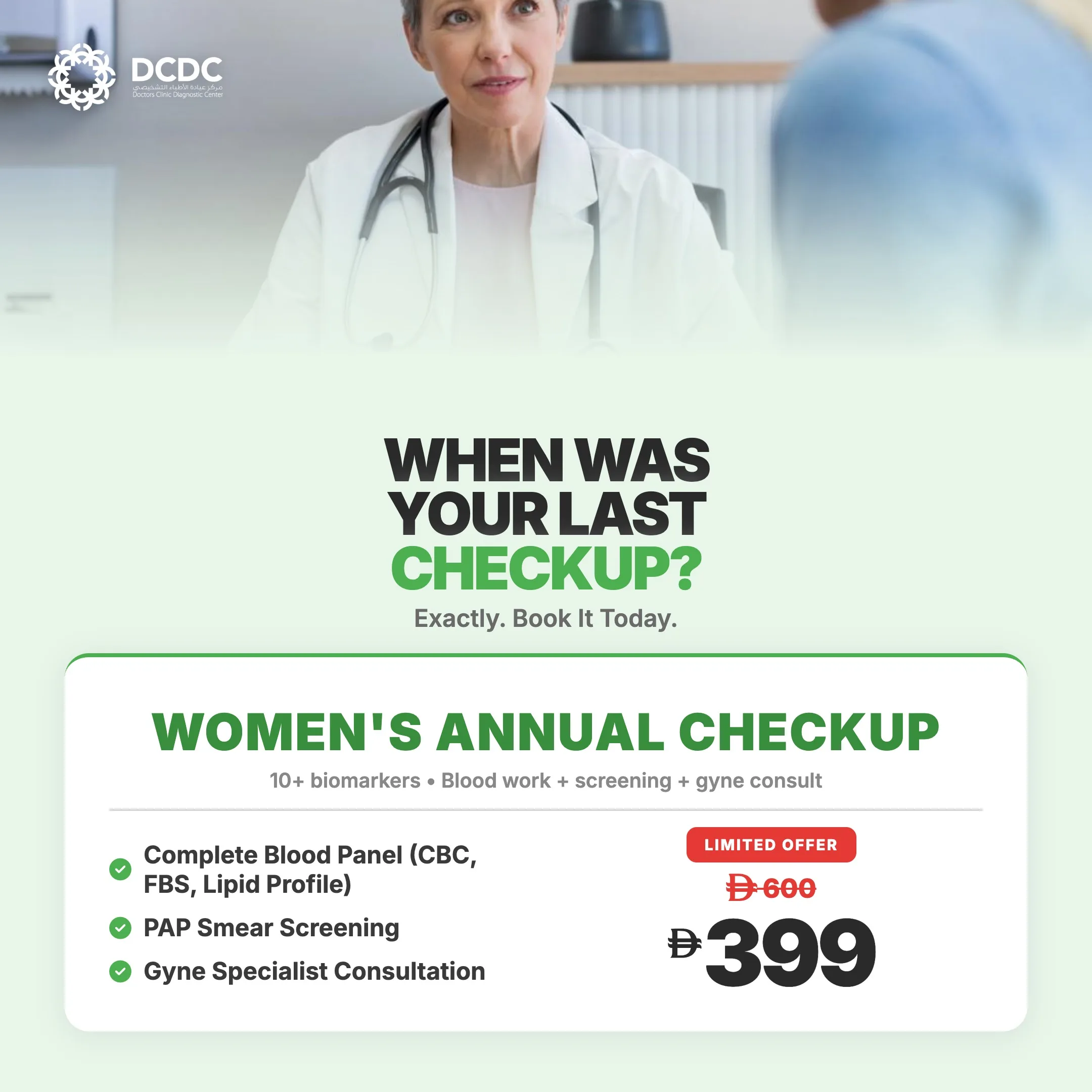
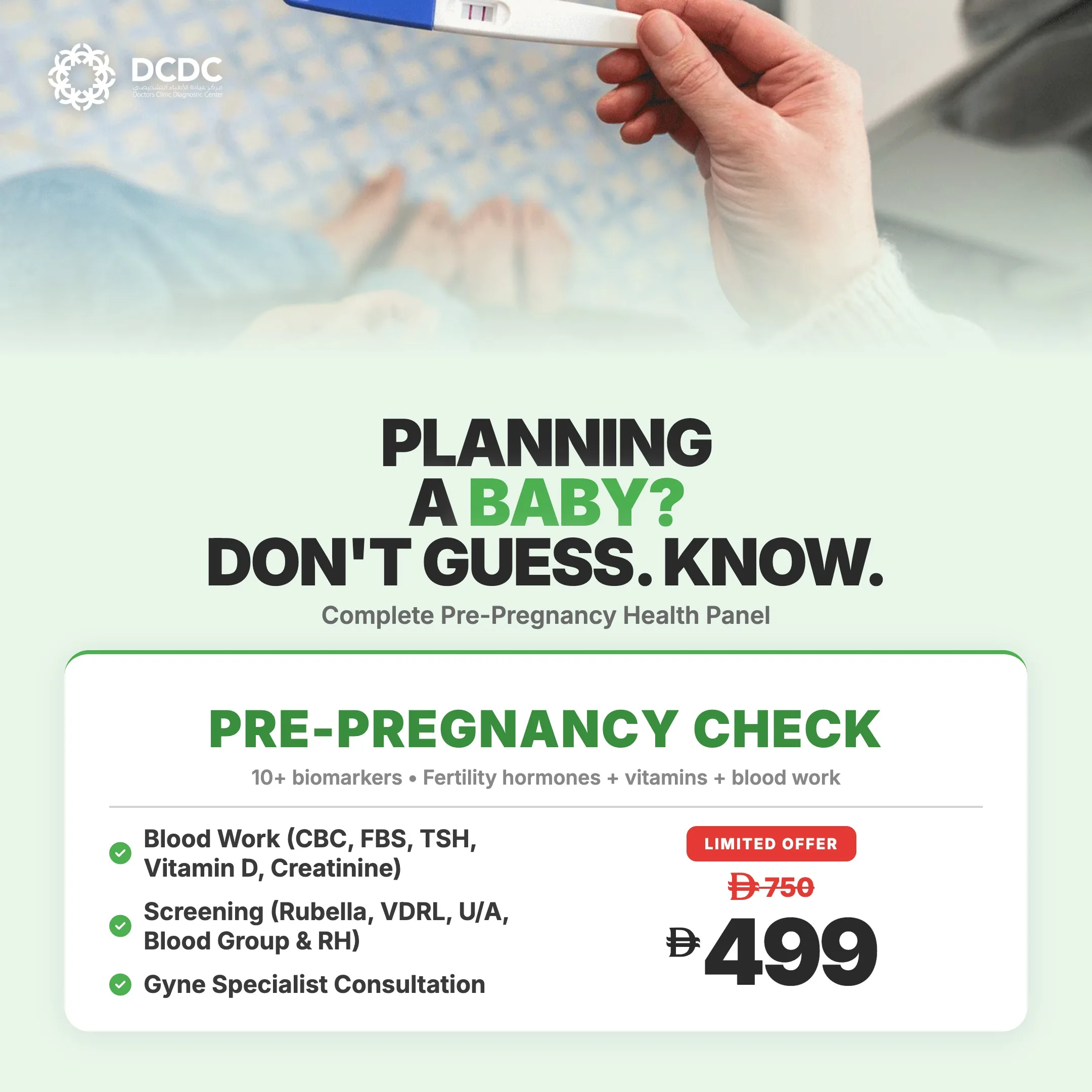
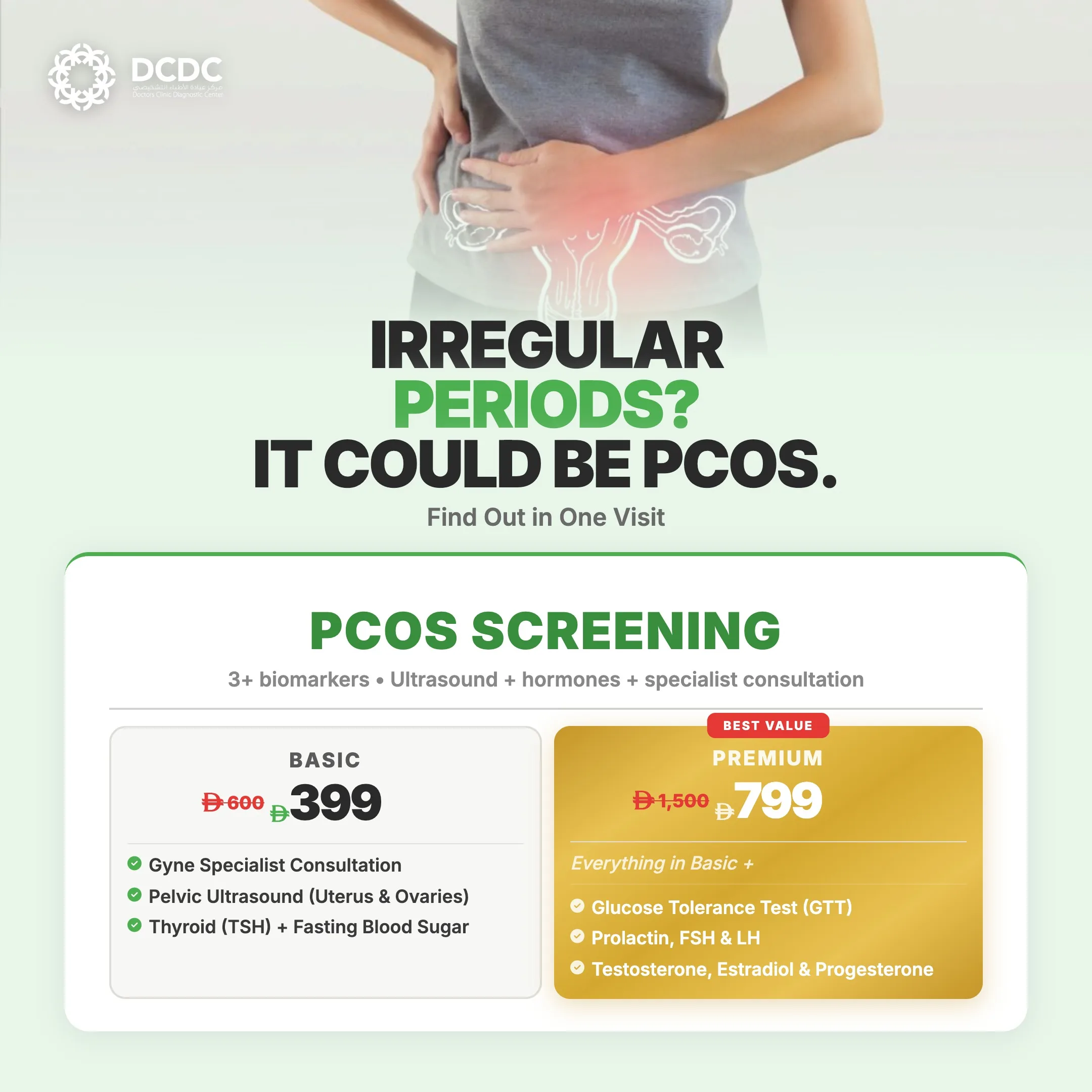
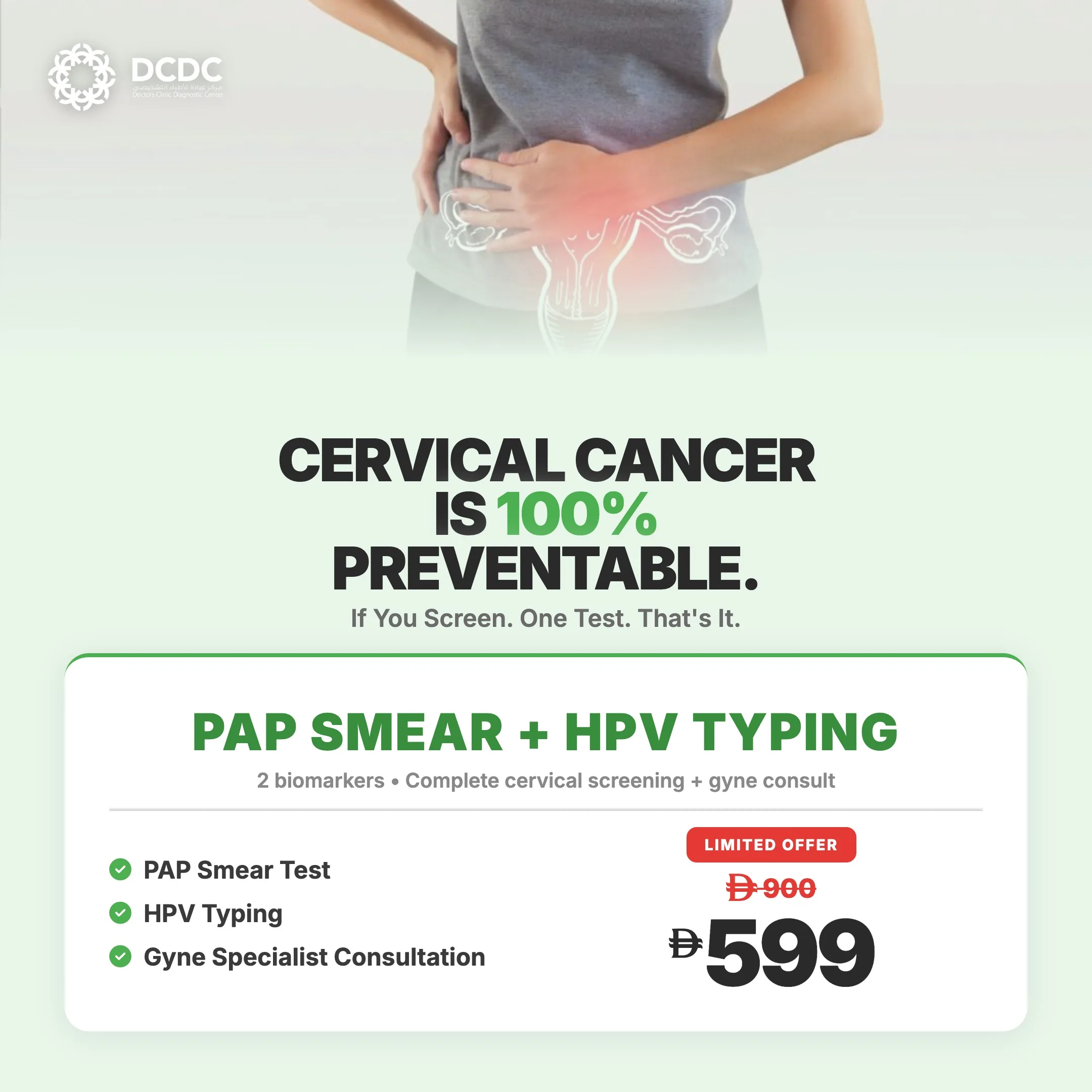
Health Screening Packages
Save with our bundled screening packages — specialist consultation included


What Is Pre-eclampsia?
Pre-eclampsia is a pregnancy-specific condition in which blood pressure rises to 140/90 mmHg or higher after 20 weeks of pregnancy, together with signs that other organs, most often the kidneys or liver, are being affected. Traditionally it was defined by high blood pressure plus protein in the urine, but current ACOG guidance also diagnoses it when high blood pressure occurs with low platelets, abnormal liver or kidney tests, fluid on the lungs, or new headache or visual symptoms, even when urine protein is normal.
According to the World Health Organization, pre-eclampsia and related hypertensive disorders complicate around 2-8% of pregnancies worldwide and are a leading cause of maternal and newborn illness. The condition is believed to begin in the placenta, which does not develop its blood supply normally in early pregnancy. The placenta then releases substances that damage the lining of the mother's blood vessels, raising blood pressure and reducing blood flow to organs and to the baby.
The good news is that when pre-eclampsia is found early and monitored closely, most women and babies do very well. The only definitive cure is delivery of the baby and placenta, so the medical goal is to protect your health while allowing your baby to mature for as long as is safely possible.
Pre-eclampsia Warning Signs to Watch For
One of the biggest challenges is that pre-eclampsia can be silent. Many women feel completely well while their blood pressure climbs, and some common pregnancy discomforts, such as mild swelling or tiredness, overlap with early signs. That is why doctors rely on measurements rather than symptoms alone, and why you should report any new or unusual symptom after 20 weeks instead of assuming it is normal.
Early Signs of Pre-eclampsia
- Raised blood pressure: Readings of 140/90 mmHg or above on two occasions at least four hours apart, after 20 weeks, in a woman who previously had normal readings
- Protein in the urine (proteinuria): Detected on a urine dipstick or lab test, often before you notice anything yourself
- Swelling (oedema): Puffiness of the face, around the eyes, or in the hands that does not ease with rest. Mild ankle swelling alone is very common in normal pregnancy
- Sudden weight gain: More than about 1 kg (2 lb) in a week, caused by fluid retention rather than the baby
- Persistent mild headache: A headache that keeps returning and does not respond well to paracetamol and rest
- Reduced urine output: Passing noticeably less urine than usual despite drinking normally
Severe Warning Signs Needing Immediate Attention
Some symptoms suggest that pre-eclampsia is becoming severe or that it is affecting the liver, brain or blood clotting. These need prompt medical assessment, the same day and without waiting for your next scheduled appointment.
- Severe or persistent headache: A pounding headache that does not settle with paracetamol, sometimes with nausea
- Vision changes: Blurred vision, flashing lights or spots, double vision, or temporary loss of sight
- Upper abdominal pain: Pain in the upper right abdomen or just below the ribs, sometimes mistaken for heartburn or indigestion
- Nausea or vomiting: New vomiting in the second half of pregnancy, especially together with the symptoms above
- Shortness of breath: Difficulty breathing or breathlessness when lying flat, which may indicate fluid on the lungs
- Sudden marked swelling: Rapid swelling of the face, hands or feet
- Reduced baby movements: A noticeable drop in your baby's usual pattern of movements
- Seizures or confusion: A fit (eclampsia), fainting or sudden confusion is an emergency. Call 998 or 999 immediately
HELLP Syndrome Signs
HELLP syndrome is a serious variant of severe pre-eclampsia, named for its three features: Haemolysis (breakdown of red blood cells), Elevated Liver enzymes, and Low Platelet count. It affects an estimated 10-20% of women with severe pre-eclampsia and can occur even when blood pressure is only modestly raised. HELLP syndrome signs are often vague and are easily mistaken for flu or a stomach bug:
- Pain in the upper right abdomen or the middle of the upper abdomen
- Nausea, vomiting and general malaise, like a flu-like illness
- Severe headache and visual disturbance
- Unusual bruising or bleeding, for example from the gums or nose
- Yellowing of the skin or eyes in more advanced cases
HELLP is diagnosed with blood tests, specifically a full blood count and liver function tests. Because the symptoms are non-specific, any pregnant woman beyond 20 weeks with upper abdominal pain and nausea should have blood pressure and blood tests checked rather than assume it is digestive.
Gestational Hypertension vs Pre-eclampsia
High blood pressure in pregnancy is not always pre-eclampsia. Understanding the differences explains why your doctor may order extra tests when your readings rise. Gestational hypertension can progress to pre-eclampsia in a proportion of women, so it is monitored carefully.
| Feature | Gestational Hypertension | Pre-eclampsia |
|---|---|---|
| Onset | After 20 weeks of pregnancy | After 20 weeks of pregnancy (or postpartum) |
| Blood pressure | 140/90 mmHg or higher | 140/90 mmHg or higher |
| Protein in urine | Absent | Often present, but not always required |
| Other organ involvement | None | Possible kidney, liver, blood clotting, lung or brain effects |
| Typical symptoms | Often none | Often none early; headache, vision changes, upper abdominal pain later |
| Monitoring | Frequent BP checks, urine and blood tests | Closer monitoring, blood tests, fetal growth scans, possible admission |
| Outlook | Usually settles after delivery | Resolves after delivery but needs careful timing of birth |
Chronic hypertension, meaning high blood pressure that existed before pregnancy or before 20 weeks, is a third category. Women with chronic hypertension can develop superimposed pre-eclampsia, so they need closer surveillance throughout pregnancy.
Who Is at Higher Risk?
Any pregnant woman can develop pre-eclampsia, but certain factors raise the likelihood. Your gynecologist will review these at your first visit to decide whether you need preventive treatment or more frequent monitoring.
| Risk Factor | Why It Matters | Risk Level |
|---|---|---|
| Previous pre-eclampsia | Strongest single predictor; risk of recurrence is significantly higher | High |
| Chronic hypertension | Existing vascular strain makes superimposed pre-eclampsia more likely | High |
| Diabetes (type 1, type 2 or gestational) | Affects blood vessel and placental function. See our <a href="/blog/gestational-diabetes-screening-dubai">gestational diabetes screening guide</a> | High |
| Chronic kidney disease or autoimmune disease | Lupus and antiphospholipid syndrome are well-established risks | High |
| Multiple pregnancy (twins or more) | Larger placental mass and greater demand on the mother's circulation | Moderate to high |
| First pregnancy | The body has not yet adapted to the immune and vascular changes of pregnancy | Moderate |
| Age over 35 | Blood vessels are less flexible and baseline blood pressure tends to be higher | Moderate |
| Obesity (BMI over 30) | Linked to inflammation, insulin resistance and higher blood pressure | Moderate |
| Family history | A mother or sister who had pre-eclampsia increases your risk | Moderate |
| IVF pregnancy or gap of 10+ years between pregnancies | Associated with a higher incidence in several studies | Moderate |
Having a risk factor does not mean you will develop pre-eclampsia, and many women with no risk factors still do. This is why every pregnant woman needs the same basic checks at every antenatal visit.
How Pre-eclampsia Is Diagnosed
Diagnosis combines several measurements, because no single test confirms pre-eclampsia on its own.
Blood Pressure Monitoring
Blood pressure is checked at every antenatal visit using a correctly sized cuff, with you seated and rested. A reading of 140/90 mmHg or higher is repeated, and two raised readings at least four hours apart confirm hypertension. A reading of 160/110 mmHg or above is considered severe and requires urgent action. If your clinic readings are borderline or you may be affected by 'white coat' anxiety, your doctor may recommend 24-hour monitoring. Our guide to ABPM 24-hour blood pressure monitoring in Dubai explains how this works.
Urine Tests
A urine dipstick detects protein quickly at the point of care. If it shows 1+ or more, a laboratory protein-to-creatinine ratio (a ratio of 30 mg/mmol or above is considered significant) or a 24-hour urine collection confirms the amount.
Blood Tests
- Complete blood count (CBC): Checks platelet levels, which fall in severe pre-eclampsia and HELLP, and haemoglobin for haemolysis
- Liver function tests: Raised ALT and AST show liver involvement
- Kidney function: Creatinine rises when the kidneys are under strain
- Uric acid: Often elevated in pre-eclampsia and useful to track progression
These tests are repeated at intervals if pre-eclampsia is suspected. For a wider view of the bloods checked across pregnancy, see our pregnancy blood test guide for Dubai.
Ultrasound and Baby Monitoring
Pre-eclampsia can reduce blood flow through the placenta, so your baby may grow more slowly than expected. Growth scans measure your baby's size, the amount of amniotic fluid, and, where indicated, blood flow through the umbilical artery using Doppler. You can read more about when these scans are done in our pregnancy scan schedule guide.
Prevention and Reducing Your Risk
There is no way to guarantee prevention, but several evidence-based steps lower the risk or make early detection more likely.
- Low-dose aspirin: For women at higher risk, ACOG and WHO recommend daily low-dose aspirin (typically 75-150 mg, with 81 mg used in the US) started from week 12 and ideally before week 16, continued until delivery or as advised. This should only be taken on your doctor's recommendation
- Calcium supplementation: WHO recommends 1.5-2 g of elemental calcium daily for women with low dietary calcium intake. Take it only under medical guidance
- Healthy weight before pregnancy: Reaching a healthy BMI before conceiving reduces risk, and gaining weight within recommended ranges during pregnancy helps
- Regular moderate exercise: About 150 minutes a week of walking, swimming or prenatal yoga, unless your doctor advises otherwise
- Control existing conditions: Optimise blood pressure, diabetes and kidney disease before conception
- Attend every antenatal visit: Regular blood pressure and urine checks are the most reliable way to catch pre-eclampsia early
- Home blood pressure checks: If you are high risk, your doctor may ask you to record readings at home with a validated upper-arm monitor
Reducing salt is often suggested but has not been shown to prevent pre-eclampsia. Do not restrict fluids or take herbal supplements to 'lower blood pressure' without medical advice.
What to Expect at DCDC
At Doctors Clinic Diagnostic Center in Dubai Healthcare City, blood pressure monitoring, laboratory testing and ultrasound are all available under one roof, so you do not need to travel between facilities when pre-eclampsia is a concern.
- Step 1, booking: Book a gynecology consultation with one of our female gynaecologists via WhatsApp on +971 50 970 3884 or by phone. Consultations start from AED 299
- Step 2, on-site checks: Your blood pressure is measured and a urine dipstick is performed at the visit, with your history and risk factors reviewed
- Step 3, blood tests: CBC, liver function, kidney function and uric acid are drawn at our on-site laboratory
- Step 4, same-day results: Routine panels are usually reported the same day, so your doctor can interpret them together with your blood pressure and decide on the next step
- Step 5, fetal ultrasound: An on-site ultrasound assesses your baby's growth, fluid levels and wellbeing
- Step 6, ABPM if needed: If readings are borderline or inconsistent, 24-hour ambulatory blood pressure monitoring gives a more accurate picture of your pressure over a full day and night
- Step 7, billing: We have direct billing with 20+ insurance partners, so most insured patients have no out-of-pocket cost at the visit, subject to policy terms
We are located in Building 64, Block A, Al Razi Medical Complex, Dubai Healthcare City, with free parking and extended opening hours (Saturday to Thursday 8 AM to 10 PM, Friday 9 AM to 9 PM). DCDC holds a 4.8/5 Google rating and 98% patient satisfaction. If your assessment suggests severe pre-eclampsia, we will arrange urgent transfer to a hospital with obstetric and neonatal inpatient facilities. Learn more about choosing your doctor in our pregnancy doctor guide for Dubai.
Worried About Your Blood Pressure in Pregnancy?
Book a consultation with a female gynaecologist at DCDC. On-site blood pressure checks, urine tests, same-day lab results and ultrasound from AED 299.
WhatsApp +971 50 970 3884 to book today
When to Call Your Doctor Immediately
Contact your doctor straight away, or go to the nearest emergency department, if you are more than 20 weeks pregnant (or up to six weeks after delivery) and notice any of the following:
- A severe headache that does not ease with paracetamol and rest
- Blurred vision, flashing lights, spots or loss of vision
- Pain in the upper right abdomen or under the ribs
- Sudden swelling of the face, hands or feet
- Shortness of breath or chest pain
- Repeated vomiting in the second half of pregnancy
- A home blood pressure reading of 140/90 mmHg or higher, or 160/110 mmHg or higher at any time
- Reduced fetal movements, vaginal bleeding or sudden abdominal pain
- A seizure, fainting or confusion. Call 998 or 999 for an ambulance immediately
Do not wait for your next scheduled appointment, and do not drive yourself if you feel unwell or have visual symptoms. It is always better to be checked and reassured than to delay care.
Pre-eclampsia After Delivery
Postpartum pre-eclampsia can appear from within hours up to around six weeks after birth, even if your blood pressure was normal throughout pregnancy. The warning signs are the same: severe headache, vision changes, upper abdominal pain, breathlessness or sudden swelling. Make sure your family knows these signs, since new mothers often attribute them to exhaustion.
Treatment and Delivery Planning
Treatment depends on severity and how many weeks pregnant you are. Mild cases may be managed with frequent monitoring, antihypertensive medication that is safe in pregnancy (such as labetalol or nifedipine), and regular blood tests and growth scans. Severe pre-eclampsia usually needs hospital admission, magnesium sulfate to prevent seizures, and sometimes corticosteroid injections to mature the baby's lungs. Delivery is recommended at around 37 weeks for mild disease, and earlier if the condition worsens, since it is the only cure.
Related Services at DCDC
Expert care and advanced diagnostics at Dubai Healthcare City
Frequently Asked Questions
Final Thoughts
Pre-eclampsia is serious, but it is also one of the most manageable pregnancy complications when it is found early. Knowing the warning signs, understanding your personal risk and keeping every antenatal appointment give you and your baby the best protection. Trust your instincts: if something feels wrong, call your doctor, even if you are not sure it is related.
At DCDC in Dubai Healthcare City, our female gynaecologists offer blood pressure checks, same-day blood and urine tests, fetal ultrasound and ABPM in one place, with direct billing for 20+ insurers. WhatsApp us on +971 50 970 3884 to book your consultation.
Sources & References
This article references the following sources:
- WHO - Pre-eclampsia fact sheet
- WHO - Recommendations for Prevention and Treatment of Pre-eclampsia and Eclampsia
- ACOG - Gestational Hypertension and Preeclampsia (Practice Bulletin 222)
- ACOG - Low-Dose Aspirin Use for the Prevention of Preeclampsia (Clinical Consensus No. 5)
- NHS - Pre-eclampsia
- NHS - Symptoms of pre-eclampsia
This information is educational and does not replace individual medical advice. See our editorial policy for more information.

Written by
Dr. Parisa Dini
Obstetrics & Gynaecology
MD, OB-GYN
Dr. Parisa Dini is an OB-GYN at Doctors Clinic Diagnostic Center (DCDC) in Dubai Healthcare City.
Related Articles
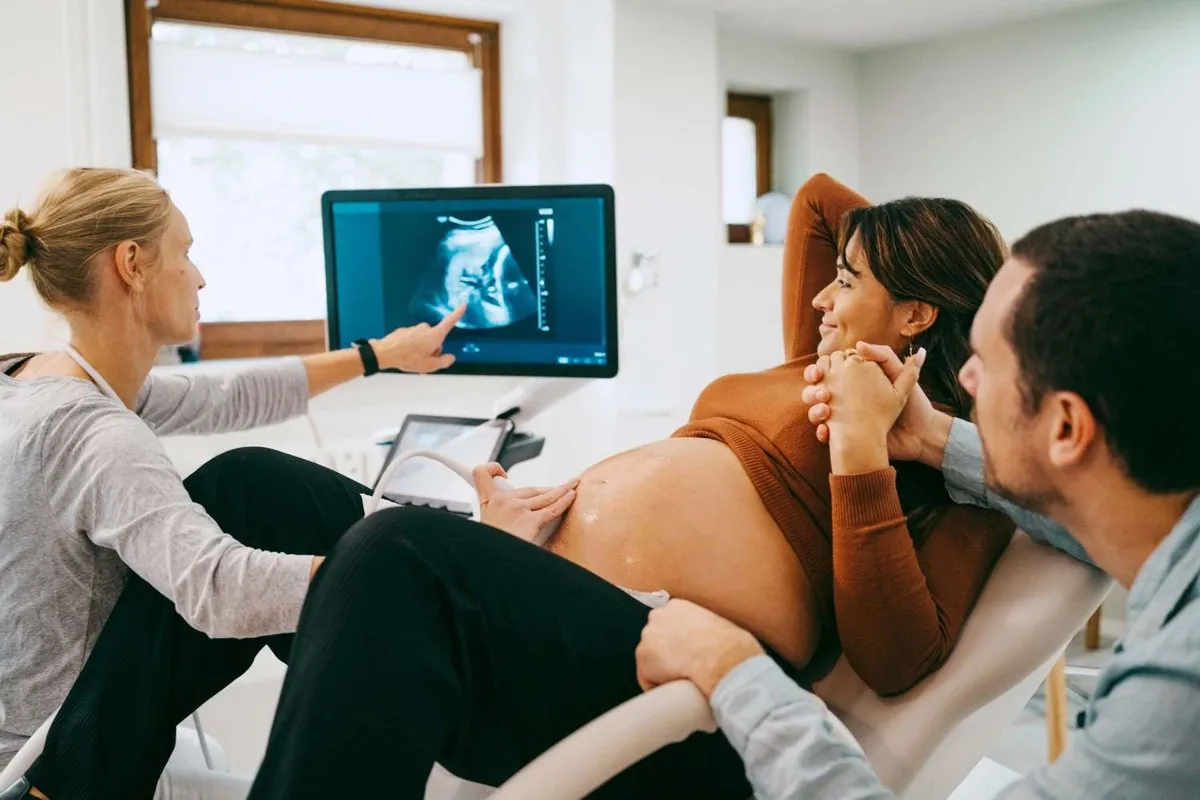
Pregnancy Scan Schedule Dubai: Trimester Guide
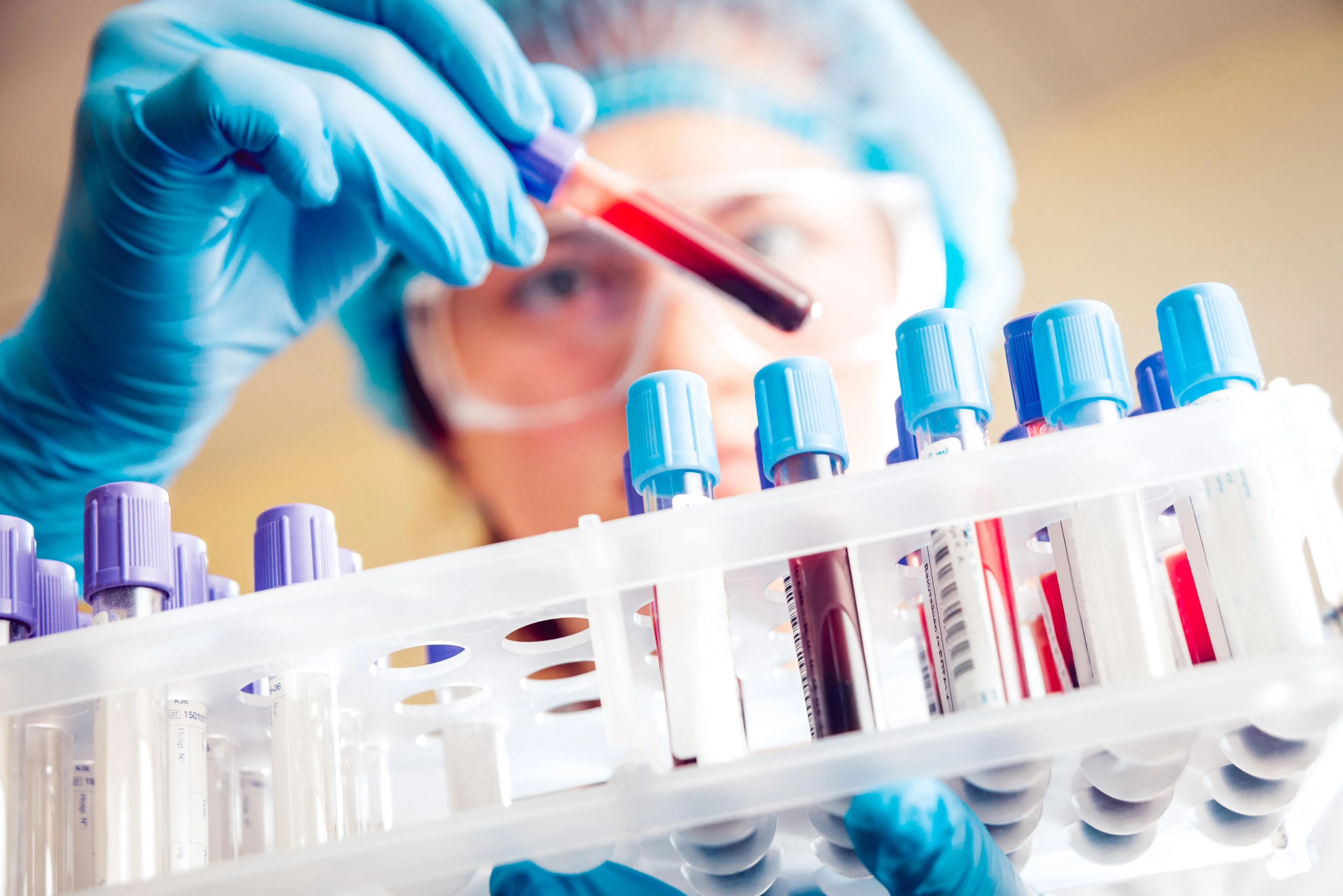
Pregnancy Blood Test Dubai: Cost & Guide
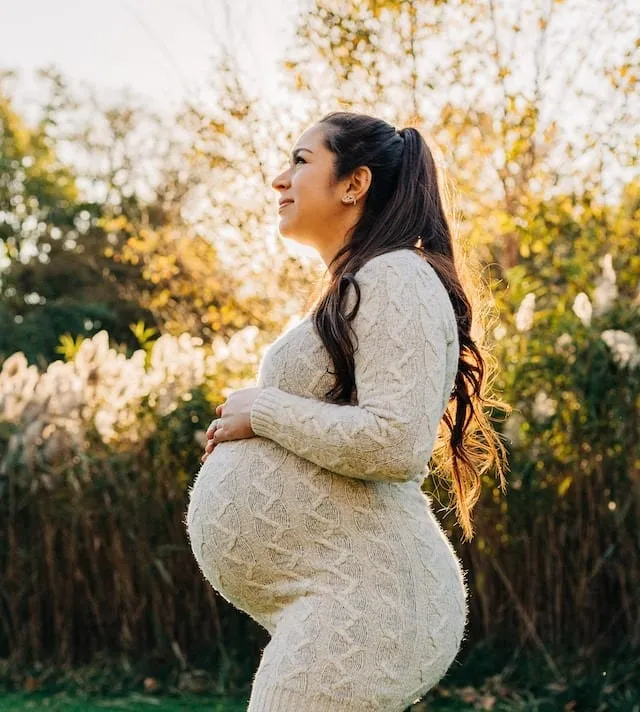
Pregnancy Doctor Dubai: Prenatal Care
Gestational Diabetes Dubai: Screening
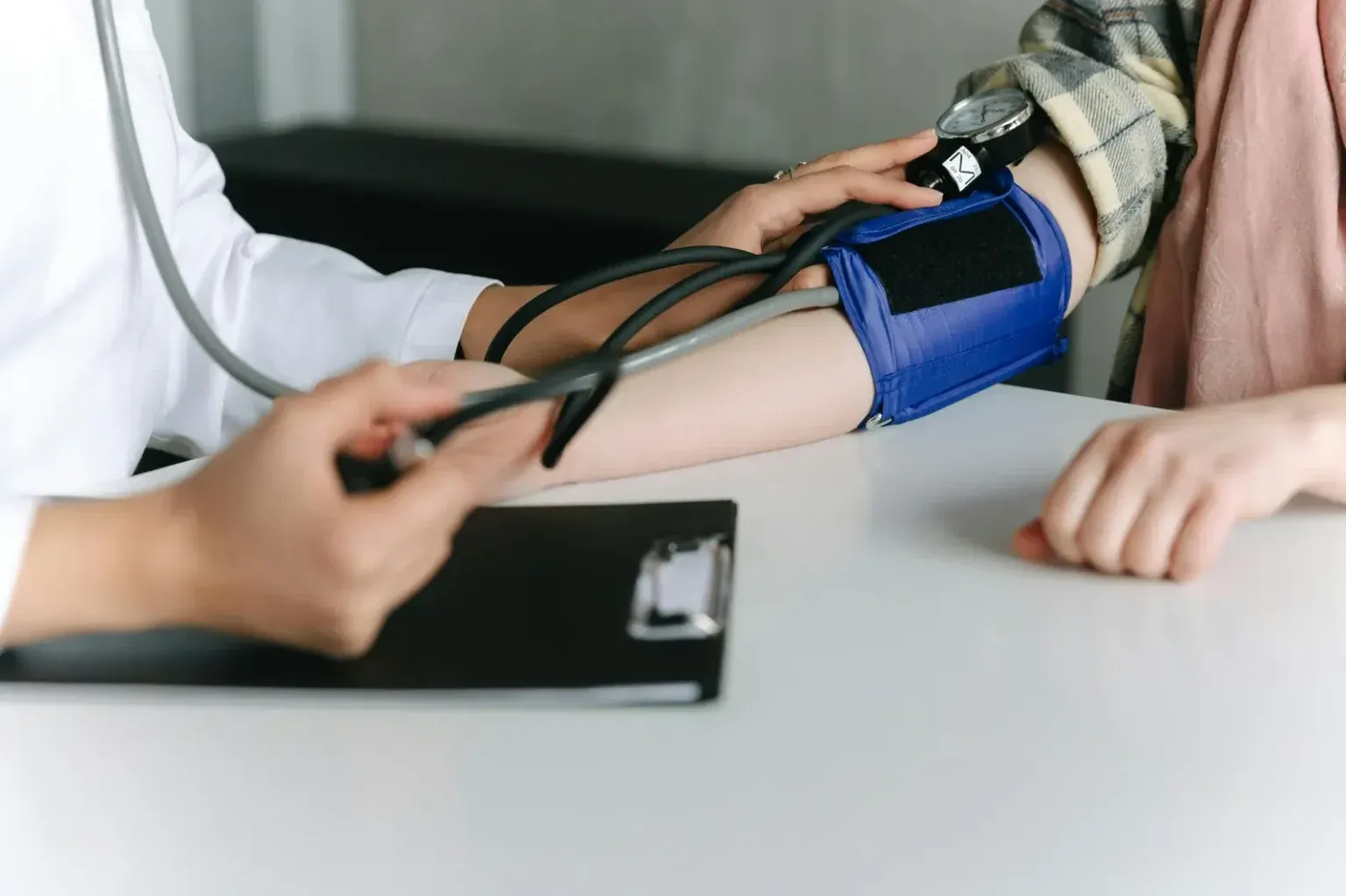
ABPM Test Dubai: 24-Hour BP Monitoring
More in Women's Health
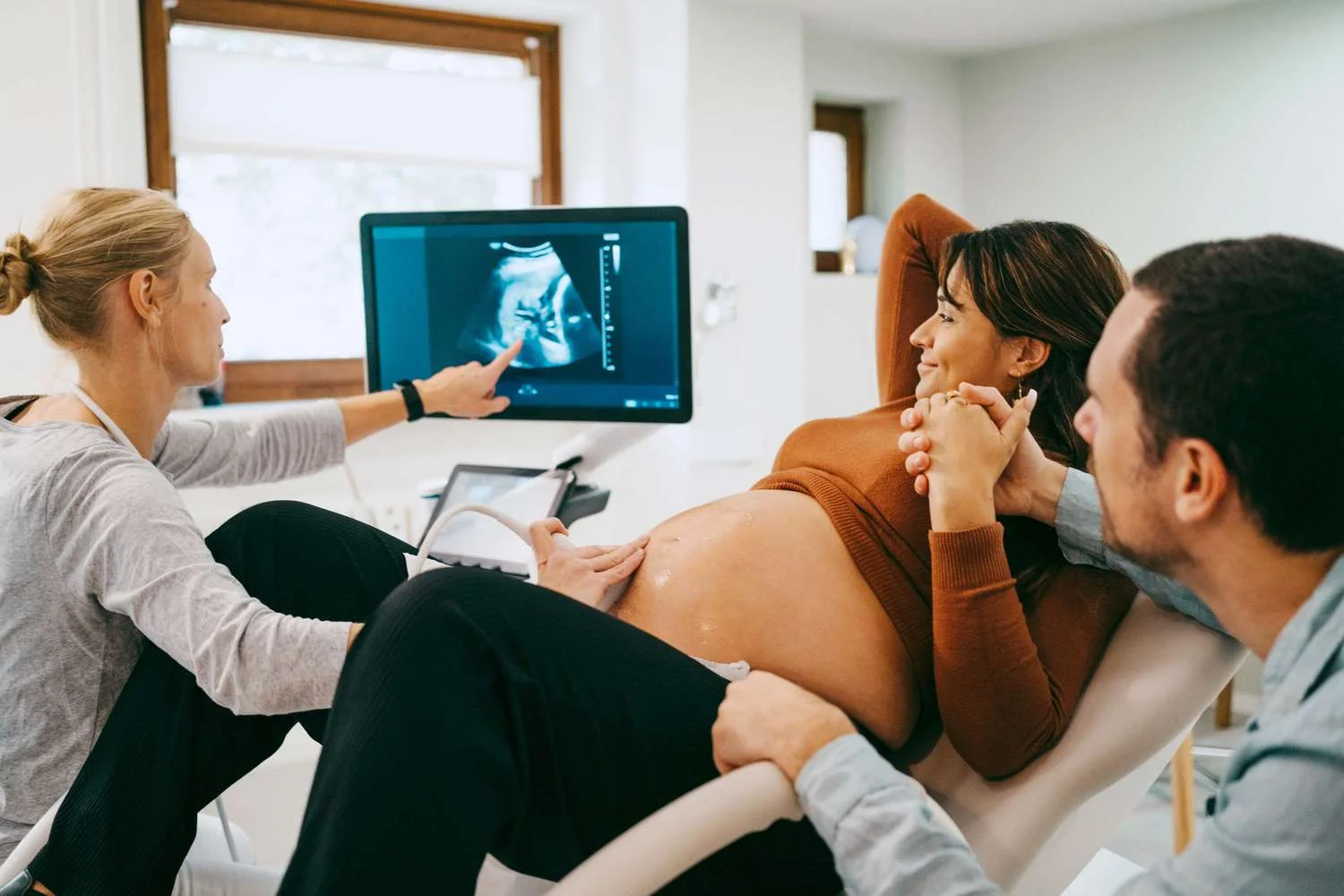
Morning Sickness: Causes & Relief Tips (2026)
Read More
PMS Symptoms & Relief in Dubai: Guide (2026)
Read MoreOveractive Bladder Treatment Dubai: Guide (2026)
Read MorePregnancy Test Dubai: Types & Accuracy (2026)
Read More
Ovarian Cancer Warning Signs Dubai (2026)
Read MoreEmsella vs Incontinence Surgery Dubai (2026)
Read More© 2026 Doctors Clinic Diagnostic Center (DCDC), Dubai Healthcare City. Originally published at https://doctorsclinicdubai.ae/blog/pre-eclampsia-signs-pregnancy-dubai. All rights reserved. Unauthorized reproduction is prohibited.