Key Takeaways
- Morning sickness affects up to 80% of pregnancies, typically starting around week 6 and easing by weeks 14–16
- Rising hCG and oestrogen levels are the primary hormonal triggers, not a sign of a problem with the pregnancy
- Evidence-based remedies include ginger, vitamin B6, small frequent meals and acupressure wristbands
- Hyperemesis gravidarum — severe vomiting with dehydration and weight loss — requires medical treatment
- See a doctor if you cannot keep fluids down for 12 hours, notice dark urine or feel dizzy on standing
- DCDC offers same-day OB-GYN consultations from AED 299 with on-site lab testing in Dubai Healthcare City
Morning sickness is one of the most common — and most disruptive — symptoms of early pregnancy. Up to 80 per cent of pregnant women experience some degree of nausea, and roughly half also have vomiting during the first trimester. While the name suggests it strikes only in the morning, episodes can occur at any hour. The good news is that most cases resolve on their own by the second trimester, and several evidence-based strategies can help you feel better sooner. If you are looking for expert pregnancy care in Dubai, Doctors Clinic Diagnostic Center (DCDC) in Dubai Healthcare City provides same-day antenatal consultations with experienced female obstetricians.
This guide covers the science behind pregnancy nausea, practical relief measures you can start today, warning signs that need medical attention and what to expect when you visit DCDC for antenatal support.
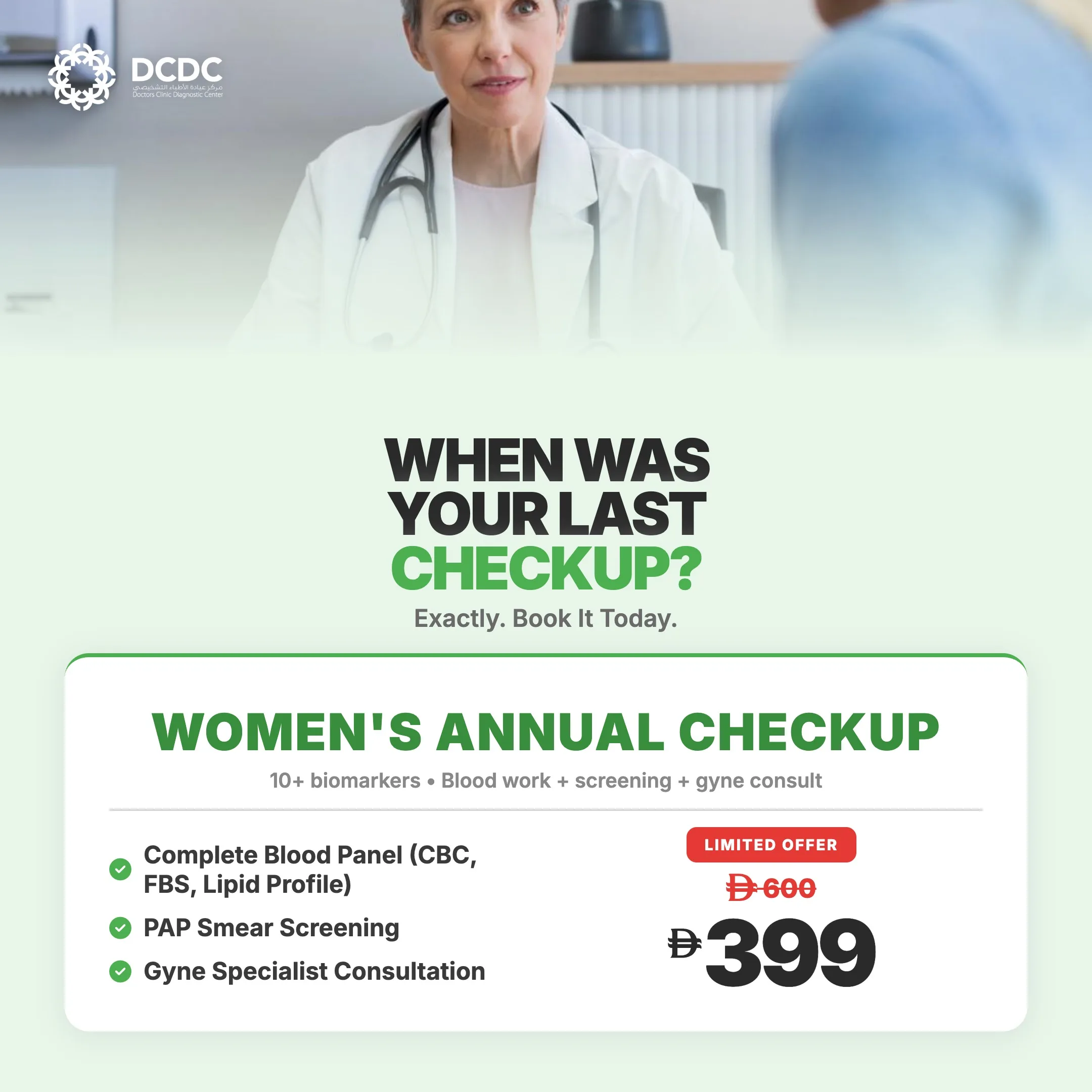
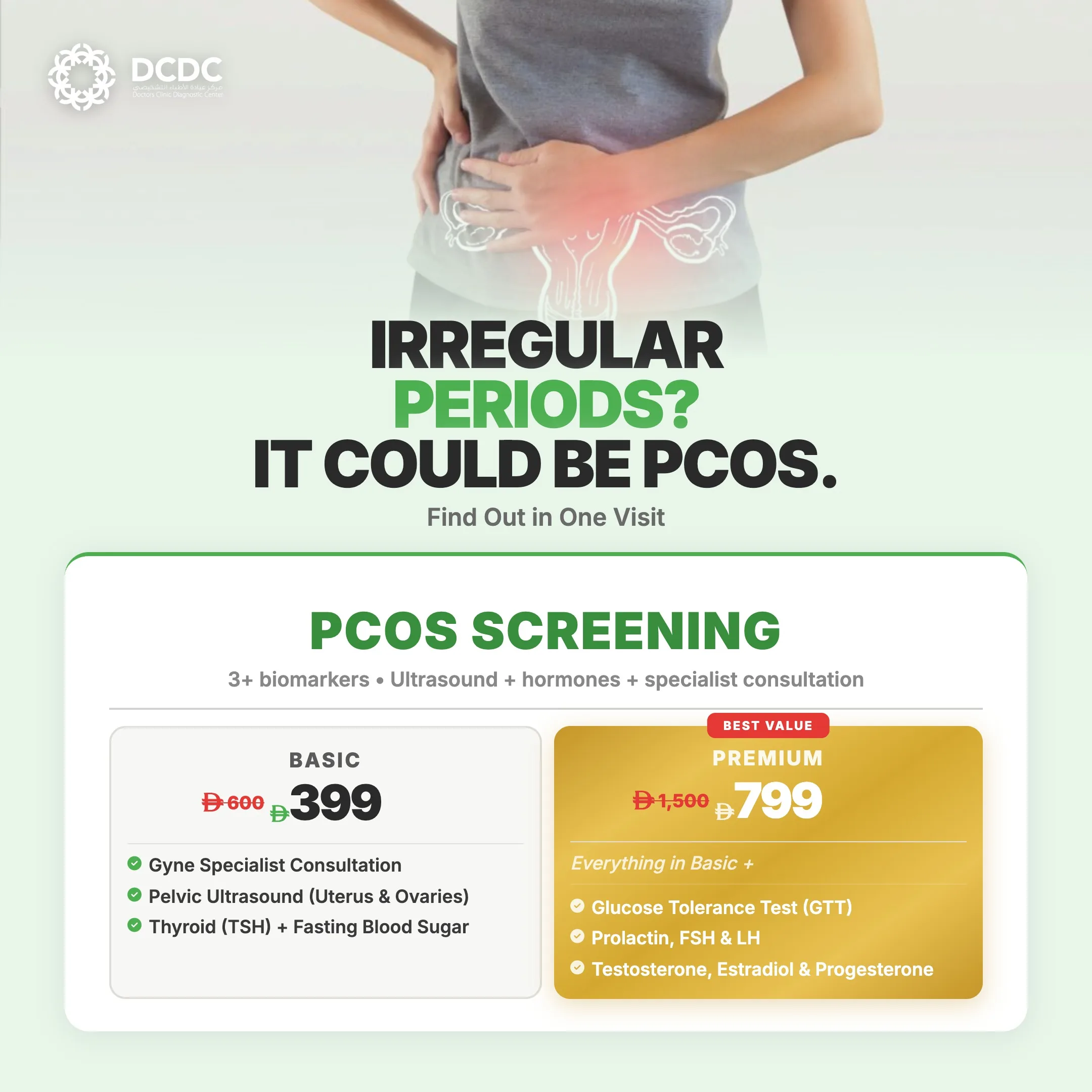
Health Screening Packages
Save with our bundled screening packages — specialist consultation included




What Causes Morning Sickness?
Researchers believe morning sickness results from a combination of hormonal, metabolic and sensory changes that protect both the mother and the developing embryo. Although the exact mechanism is still being studied, the following factors are widely accepted contributors.
Hormonal Changes — hCG and Oestrogen
Human chorionic gonadotropin (hCG) rises sharply during the first trimester and peaks around weeks 8–10 — the same window when nausea tends to be worst. Oestrogen also climbs rapidly and is thought to heighten the sensitivity of the vomiting centre in the brain. Studies show that women carrying twins or higher-order multiples, who produce more hCG, are more likely to experience severe nausea.
Heightened Sense of Smell
Rising oestrogen makes the olfactory system more sensitive. Everyday smells — cooking oils, coffee, perfume — can suddenly trigger waves of nausea. This heightened sensitivity is thought to be an evolutionary mechanism that steered pregnant women away from potentially spoiled or toxic food.
Slower Gastric Motility
Progesterone relaxes smooth muscle tissue throughout the body, including the stomach and intestines. Food stays in the stomach longer, which can worsen the feeling of fullness and nausea, especially after large meals.
Stress and Fatigue
Physical exhaustion and emotional stress do not cause morning sickness on their own, but they can amplify it. The first trimester is metabolically demanding, and insufficient rest lowers the threshold at which nausea sets in.
When Does Morning Sickness Start and End?
Morning sickness follows a fairly predictable timeline for most pregnancies:
| Milestone | Typical Timing | Details |
|---|---|---|
| First symptoms | Weeks 5–6 | Mild nausea, food aversions, sensitivity to odours |
| Peak severity | Weeks 8–10 | Nausea and vomiting most frequent; coincides with hCG peak |
| Gradual improvement | Weeks 12–14 | Symptoms begin to ease as hCG levels plateau |
| Resolution | Weeks 14–16 | Most women feel significantly better; some experience relief sooner |
| Late-pregnancy nausea | Third trimester | A small percentage develop nausea again, often related to reflux or uterine pressure |
Typical morning sickness timeline during pregnancy
About 10 per cent of women continue to experience nausea beyond the first trimester, and a small number have symptoms throughout the entire pregnancy. If nausea persists or worsens after week 14, it is worth discussing with your obstetrician.
Risk Factors for Severe Morning Sickness
Not every pregnant woman experiences the same level of nausea. Several factors make severe symptoms more likely:
- Previous pregnancy with morning sickness — if you had it before, you are very likely to have it again
- Multiple pregnancy (twins, triplets) — higher hCG levels drive more intense nausea
- Family history — a mother or sister who had severe nausea increases your risk
- History of motion sickness or migraines — these share overlapping neural pathways with pregnancy nausea
- BMI over 30 — obesity is associated with higher oestrogen levels
- First pregnancy — the body has not adapted to the hormonal shifts before
- Female fetus — some studies suggest slightly higher nausea rates, though evidence is mixed
Home Remedies and Relief Strategies
Most mild to moderate morning sickness can be managed with lifestyle adjustments and simple remedies. The strategies below are supported by clinical evidence and are considered safe during pregnancy.
Dietary Adjustments
- Eat small, frequent meals — aim for five to six mini-meals instead of three large ones to keep your stomach from being empty or overly full
- Keep crackers or dry toast by your bed — nibbling before you get up can prevent the empty-stomach nausea that strikes first thing in the morning
- Favour bland, high-protein foods — plain rice, baked chicken, yoghurt and bananas are easier to tolerate than greasy or spicy dishes
- Stay hydrated between meals — sip water, diluted juice or clear broth throughout the day rather than drinking large amounts at once
- Avoid trigger foods and smells — keep a mental note of what sets off nausea and steer clear; eating cold meals can reduce cooking odours
Ginger
Ginger is one of the most studied natural remedies for pregnancy nausea. Multiple randomised controlled trials have found that 1–1.5 grams of ginger per day (divided into smaller doses) can significantly reduce nausea severity. You can take it as ginger tea, ginger chews, ginger capsules or freshly grated ginger in warm water. Check with your obstetrician before taking ginger supplements, especially if you are on blood-thinning medication.
Vitamin B6 (Pyridoxine)
The American College of Obstetricians and Gynecologists (ACOG) recommends vitamin B6 at 10–25 mg three times daily as a first-line treatment for mild to moderate nausea. It can be used alone or combined with doxylamine (an antihistamine) for stronger relief. Always follow your doctor's dosing guidance.
Acupressure Wristbands
Wristbands that press on the P6 (Nei-Kuan) acupressure point on the inner wrist have shown modest benefit in some trials. They are drug-free, inexpensive and widely available at pharmacies in Dubai. While evidence is mixed, many women report noticeable relief.
Lifestyle Modifications
- Get plenty of rest — fatigue worsens nausea, so prioritise sleep and short naps when possible
- Ventilate your living space — open windows or use a fan to disperse cooking smells and stale air
- Avoid lying down immediately after eating — stay upright for at least 30 minutes to aid digestion
- Brush teeth carefully — the gag reflex can be more sensitive; use a small-headed toothbrush and mild toothpaste
- Manage stress — prenatal yoga, meditation and gentle walking can reduce cortisol and ease nausea
Normal Nausea vs Hyperemesis Gravidarum
It is important to distinguish typical morning sickness from hyperemesis gravidarum (HG), a severe form that affects about 1–3 per cent of pregnancies and can lead to dehydration, electrolyte imbalances and significant weight loss.
| Feature | Normal Morning Sickness | Hyperemesis Gravidarum |
|---|---|---|
| Nausea frequency | Intermittent, often triggered by food or smell | Persistent, lasting most of the day |
| Vomiting | A few times per day; able to keep some food down | Frequent; unable to keep food or fluids down |
| Weight change | Minimal or none | Loss of more than 5% of pre-pregnancy weight |
| Dehydration signs | Rare | Dark urine, dry mouth, dizziness on standing, rapid heartbeat |
| Daily functioning | Uncomfortable but manageable | Significantly impaired; may need bed rest or hospital care |
| Treatment | Dietary changes, ginger, vitamin B6 | IV fluids, anti-emetic medication, possible hospitalisation |
Comparing normal morning sickness with hyperemesis gravidarum
Hyperemesis gravidarum is not just "bad morning sickness" — it is a medical condition that requires professional treatment. Left untreated, it can lead to Wernicke encephalopathy (thiamine deficiency), kidney damage and poor fetal growth.
When to See a Doctor About Morning Sickness
While most morning sickness is harmless, certain signs warrant an urgent appointment with your obstetrician or a visit to a clinic:
- You cannot keep any fluids down for more than 12 hours
- Your urine is dark yellow or amber, or you are producing very little urine
- You feel dizzy, faint or lightheaded when standing up
- Your heart is racing even while resting
- You have lost more than 2–3 kg in a week
- You notice blood in your vomit
- Nausea and vomiting started after week 10 for the first time (could signal another condition)
- You have abdominal pain, fever or headache alongside vomiting
At DCDC, same-day consultations are available if you are concerned about severe nausea. Your obstetrician can run blood and urine tests on-site to check hydration, electrolytes and ketone levels, and prescribe safe anti-emetic medication if needed.
Medications for Morning Sickness
When dietary changes and natural remedies are not enough, your doctor may recommend prescription treatment. All medications below should only be taken under medical supervision.
- Doxylamine + Vitamin B6 — the ACOG-recommended first-line pharmacological treatment; available in combination tablets
- Metoclopramide — a prokinetic drug that speeds gastric emptying; used for moderate symptoms
- Ondansetron — a 5-HT3 receptor antagonist often reserved for persistent vomiting not responding to other treatments
- IV fluids and electrolytes — administered in clinic or hospital for dehydration secondary to hyperemesis gravidarum
- Thiamine (vitamin B1) supplementation — given when prolonged vomiting raises the risk of Wernicke encephalopathy
Your obstetrician will weigh the benefits and risks of each medication based on your trimester, symptom severity and medical history. Never self-medicate during pregnancy — always consult your doctor first.
What to Expect at DCDC for Pregnancy-Related Nausea
If morning sickness is affecting your quality of life, here is what happens when you visit Doctors Clinic Diagnostic Center in Dubai Healthcare City:
- Arrival and check-in — DCDC is in Building 64, Block A, Dubai Healthcare City, with free dedicated parking. The reception team can fast-track you if you are feeling unwell.
- Consultation with a female obstetrician — Dr. Parisa Dini or another OB-GYN will review your symptoms, pregnancy history and current trimester. Consultations typically last 30–60 minutes.
- On-site lab tests — blood tests (CBC, electrolytes, thyroid function) and urine analysis can be done immediately in the in-house laboratory, with routine results available the same day.
- Ultrasound if needed — a viability or dating scan can be performed on the same visit using on-site 3D ultrasound equipment to check fetal wellbeing.
- Treatment plan — your obstetrician will recommend dietary adjustments, supplements (B6, ginger) or prescription anti-emetics as appropriate, with a clear follow-up schedule.
- IV hydration (if required) — for moderate to severe dehydration, IV fluids with electrolytes can be administered at the clinic.
- Follow-up — a next visit is typically scheduled within one to two weeks to monitor improvement, adjust medication and continue your antenatal care plan.
Pregnancy Care Cost at DCDC
DCDC offers transparent pricing for pregnancy care in Dubai:
| Service | Price (AED) |
|---|---|
| OB-GYN consultation | From AED 299 |
| Blood tests (e.g. CBC, thyroid, electrolytes) | From AED 99 per test |
| Pregnancy ultrasound | Included in package or priced per scan |
DCDC pregnancy care pricing overview — 2026
Insurance is accepted from 20+ providers including Daman, AXA and Bupa, with direct billing available. Compared to many Dubai clinics where a single OB-GYN consultation starts at AED 500–600, DCDC's consultations from AED 299 provide accessible specialist care without compromising quality.
Struggling with Morning Sickness?
Book a same-day consultation with an experienced female obstetrician at DCDC. Our on-site lab and ultrasound mean you can get answers and a treatment plan in one visit.
Call +971 54 219 5008 or WhatsApp +971 50 970 3884
Tips for Managing Morning Sickness in Dubai's Climate
Dubai's heat and humidity can intensify pregnancy nausea. Here are region-specific tips:
- Stay in air-conditioned environments — heat accelerates dehydration, which worsens nausea. Keep indoor temperatures comfortable.
- Carry a water bottle everywhere — aim for at least 2–3 litres of fluid daily; add lemon slices or fresh mint if plain water triggers nausea
- Avoid outdoor activities during peak heat — schedule errands and exercise for early morning or after sunset
- Watch your electrolytes — sweating in the heat depletes sodium and potassium; coconut water or oral rehydration solutions can help
- Keep healthy snacks in your bag — dates, nuts and plain crackers are widely available and easy to carry for on-the-go nausea prevention
Can Morning Sickness Affect the Baby?
For the vast majority of women, mild to moderate morning sickness does not harm the baby. In fact, some research suggests that nausea during pregnancy is associated with a lower risk of miscarriage. However, severe hyperemesis gravidarum that leads to significant weight loss, dehydration and nutritional deficiency can affect fetal growth if left untreated. This is why prompt medical attention for persistent, severe vomiting is essential — early intervention with IV fluids and anti-emetics prevents complications for both mother and baby.
When Does Morning Sickness Become an Emergency?
Go to an emergency department or urgent care immediately if you experience:
- No urine output for more than 8 hours
- Vomiting blood or material that looks like coffee grounds
- Severe abdominal pain that is different from nausea-related cramping
- Confusion, extreme drowsiness or fainting
- Fever above 38°C (100.4°F) with vomiting
These may indicate severe dehydration, a gastrointestinal condition unrelated to pregnancy or another complication that needs immediate investigation.
Related Services at DCDC
Expert care and advanced diagnostics at Dubai Healthcare City
Frequently Asked Questions
Final Thoughts
Morning sickness is an uncomfortable but usually temporary part of early pregnancy. Understanding its hormonal causes, knowing which remedies are backed by evidence and recognising warning signs that need medical attention can help you navigate this phase with greater confidence and less distress.
If nausea is disrupting your daily life, do not wait it out — professional support makes a real difference. At DCDC in Dubai Healthcare City, our experienced female obstetricians offer same-day consultations, on-site lab testing and personalised treatment plans to help you feel better and protect both your health and your baby's. Book your visit today.
Sources & References
This article references the following sources:
- ACOG — Morning Sickness: Nausea and Vomiting of Pregnancy (Practice Bulletin No. 189)
- Mayo Clinic — Morning Sickness: Symptoms and Causes
- Viljoen E et al. — A Systematic Review and Meta-Analysis of the Effect of Ginger on Nausea and Vomiting of Pregnancy
- Fejzo MS et al. — Nausea and Vomiting of Pregnancy and Hyperemesis Gravidarum
- Cleveland Clinic — Morning Sickness: Tips to Manage Nausea During Pregnancy
This information is educational and does not replace individual medical advice. See our editorial policy for more information.

Written by
Dr. Parisa Dini
OB-GYN
MD, OB-GYN
Dr. Parisa Dini is an OB-GYN specialist at Doctors Clinic Diagnostic Center (DCDC) in Dubai Healthcare City.
Related Articles

How to Find the Right Pregnancy Doctor in Dubai
Gestational Diabetes Screening in Dubai
Why an Early Pregnancy Scan Matters
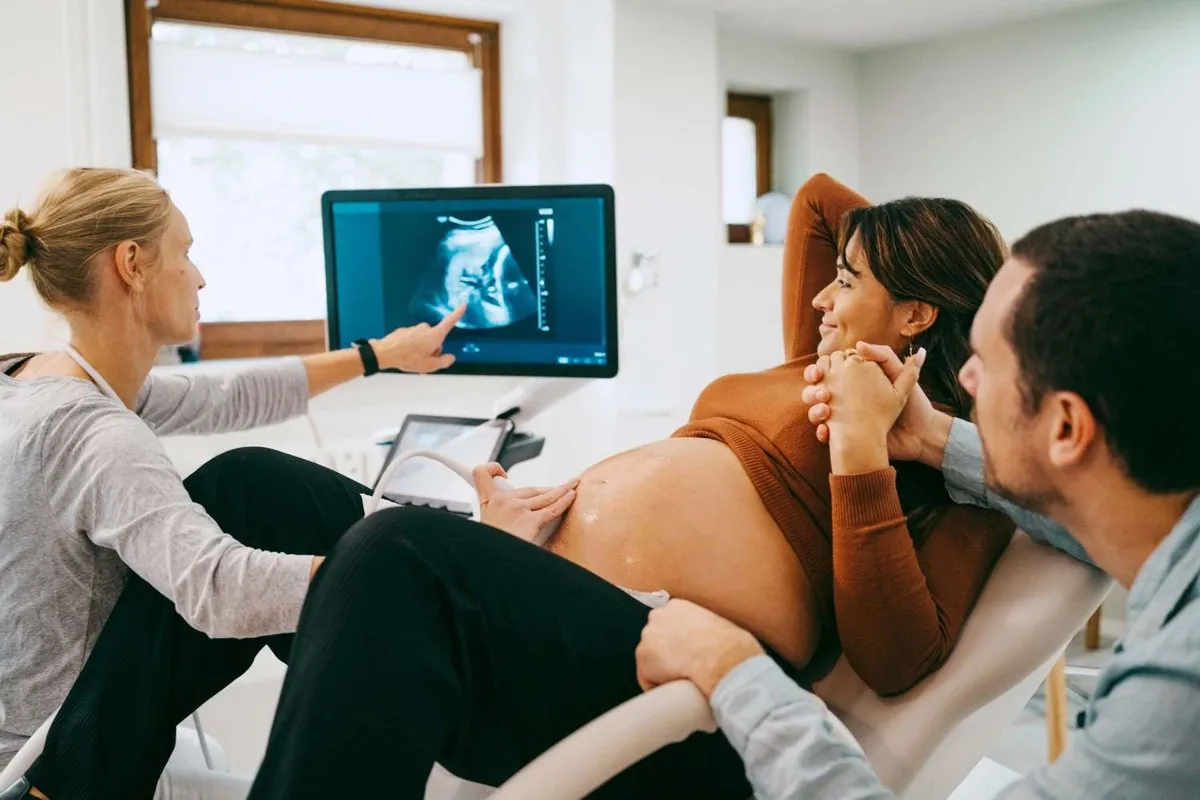
Your Pregnancy Scan Schedule in Dubai

Vaccines During Pregnancy: What to Know
More in Women's Health

PMS Symptoms & Relief in Dubai: Guide (2026)
Read MoreOveractive Bladder Treatment Dubai: Guide (2026)
Read More
Pregnancy Test Dubai: Types & Accuracy (2026)
Read More
Ovarian Cancer Warning Signs Dubai (2026)
Read MoreEmsella vs Incontinence Surgery Dubai (2026)
Read MoreDouble Marker Test Dubai: Timing, Results & Price (2026)
Read More© 2026 Doctors Clinic Diagnostic Center (DCDC), Dubai Healthcare City. Originally published at https://doctorsclinicdubai.ae/blog/morning-sickness-causes-relief-dubai. All rights reserved. Unauthorized reproduction is prohibited.